
The Texas Nurseries Plant Lovers Drive Hours To Reach Every Season
Follow us on Google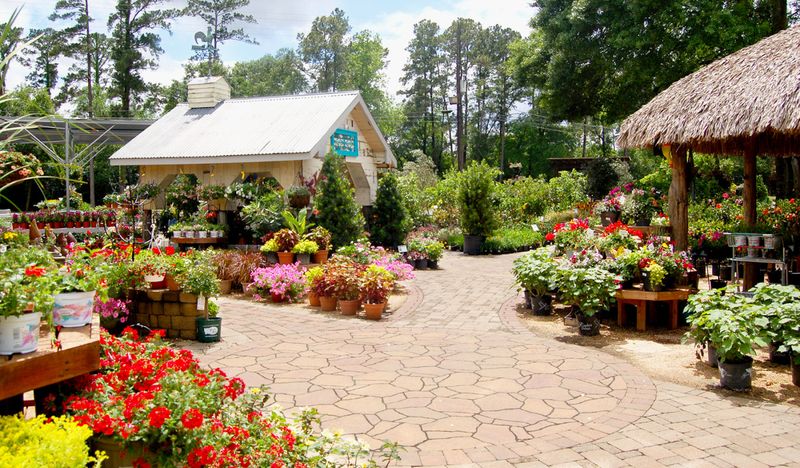
You load up the car before the heat sets in, coffee in the cupholder, a rough plant list on your phone, and a two-hour drive ahead.
Somewhere out there sits a nursery so good that Texas gardeners genuinely plan whole weekends around it.
Local shops are fine for a bag of mulch, but these places are the ones your neighbors keep whispering about.
Here are ten Texas nurseries worth the tank of gas, no matter the season.
1. Antique Rose Emporium In Brenham
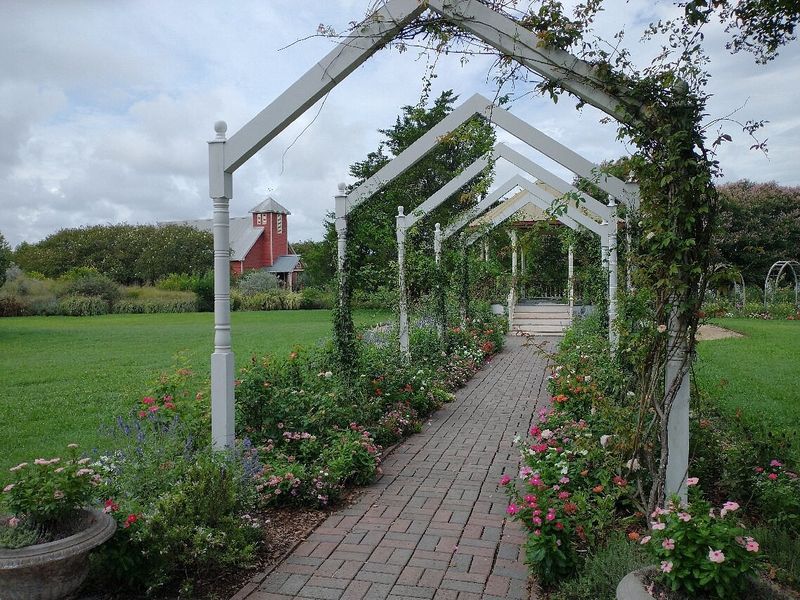
Eight acres of blooming roses, old stone buildings, and arbors dripping with petals wait for you outside Brenham.
The Antique Rose Emporium draws around 50,000 visitors a year, and it is easy to see why.
Founded in 1983 by rosarian Mike Shoup, it grows over 350 varieties of antique and modern roses.
Many Central Texas gardeners watch fussy modern roses melt in triple-digit summers, then panic in a hard freeze.
Old garden roses are tougher heroes, bred over centuries to shrug off both.
Here is where it gets useful.
In the Blackland Prairie, that Houston Black clay cracks when dry and swells when wet, and these deep-rooted roses handle it.
Space climbers about 6 feet apart on a sturdy arbor.
Their Fall Festival of Roses lands in early November, pairing garden experts with an artisan market.
You leave with a plant and a plan.
2. The Natural Gardener Grows Austin Organic
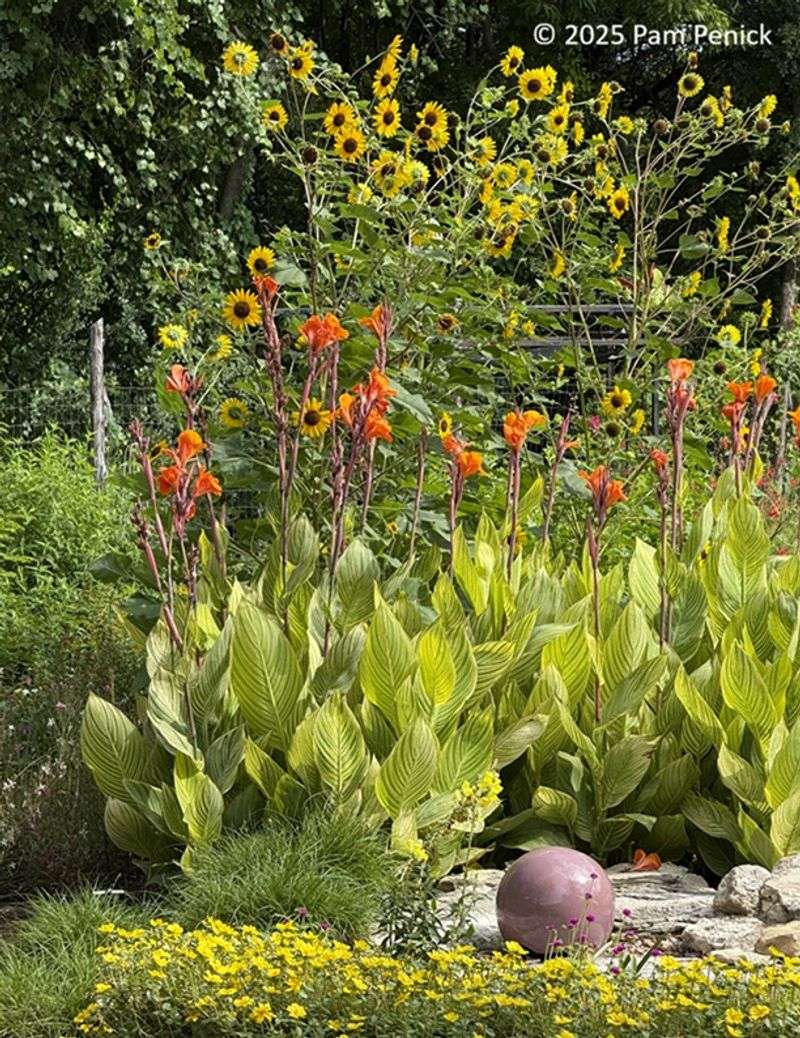
Drive into The Natural Gardener in Austin and the city noise just falls away.
Shaded paths, demonstration beds, and the smell of real compost greet you.
The whole place runs on organic and sustainable practices, which matters more than ever when summer temperatures push past 100 degrees Fahrenheit and water restrictions arrive.
Growing tough plants without harsh chemicals actually saves you money and heartache.
You will find plants matched to Central Texas and its USDA Zone 8b, from natives to fruit trees.
Their real gift is teaching soil health, the living dirt that feeds roots so you stop babysitting your beds.
Picture native milkweeds, Asclepias species, drawing monarchs during the spring and fall migrations right into your yard.
Plant a cluster of three to five for the butterflies to notice.
The staff here teach as much as they sell, and that is genuinely the draw.
3. Spring Creek Gardens Charms The Hill Country
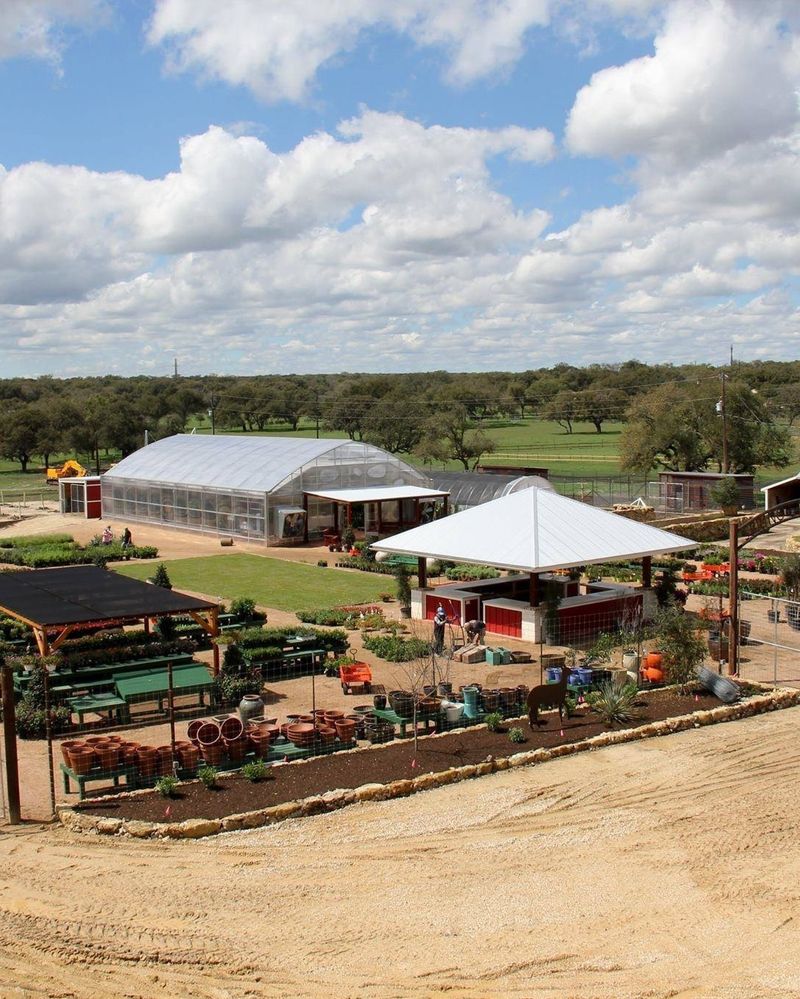
Some nurseries you visit.
Spring Creek Gardens in Spring Branch you settle into.
Deep in the Texas Hill Country, this spot works with the hardest hand nature deals: shallow, stony, alkaline soil sitting right on limestone bedrock.
Most plants sulk in it.
The ones here do not.
You will find drought-tough perennials like autumn sage, Salvia greggii, and Texas sage, Leucophyllum frutescens, that bloom on almost no water once established.
Space Texas sage about 4 feet apart so it mounds without crowding.
But the place is also a gathering spot.
They host yoga series and Fireside Bread and Wine evenings, turning a plant run into a night out.
The on-site restaurant, The Desert Spoon, leans on local ingredients.
Wander the display gardens with a glass of wine, and you leave with ideas instead of just receipts.
That is a rare thing.
4. Shades Of Green Toughens North Texas Yards
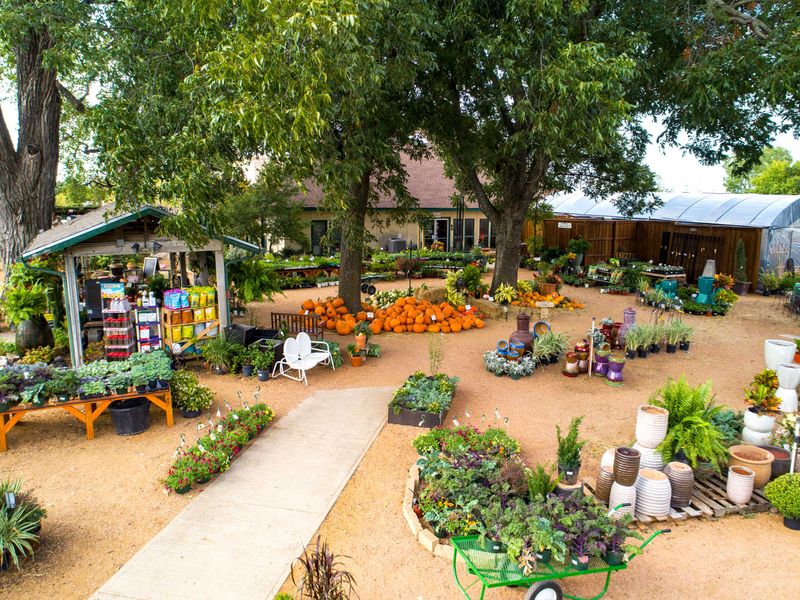
North of Dallas, the weather feels like a prank.
Scorching 100-degree summers, then a hard freeze that catches everyone off guard.
Shades of Green Nursery and Landscape, with a 10-acre Celina location and another in Frisco, arms you for exactly that.
They stock native and adapted plants, the resilient survivors that stand up to North Texas USDA Zone 8b and its heavy blackland clay.
A plant that thrives here has to take real punishment.
That is the whole selection philosophy, tested against the swings.
Their calendar stays full.
A Fall Festival with food trucks and a pumpkin patch opens in late September, and Pumpkin Succulent Happy Hours let you build your own decor.
In spring, the Spring Fling brings vendors and music.
Their Monarch Magic workshops walk you through butterfly-friendly beds, so your yard becomes a rest stop on the migration.
You come for plants and leave a little proud.
5. Hopkins Nursery Warms Cedar Creek Lake
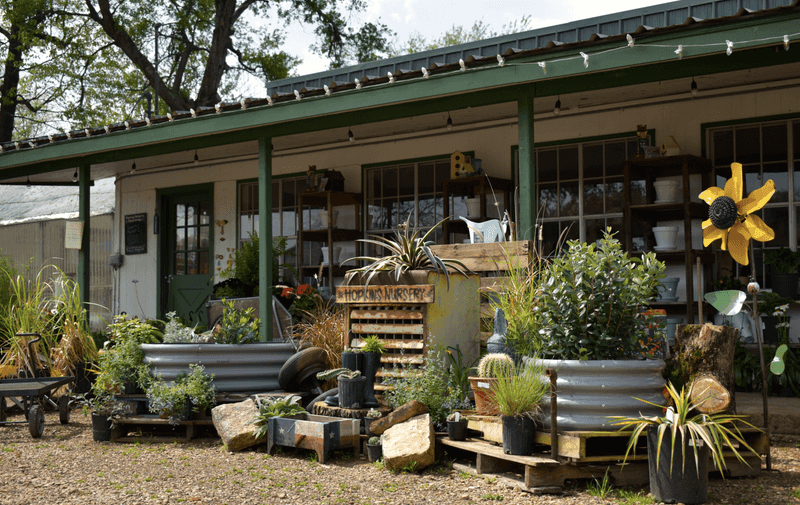
Out in Tool, near the calm water of Cedar Creek Lake, Hopkins Nursery feels like a friend’s backyard that got wonderfully out of hand.
Family owned, it knows East Texas cold, the acidic sandy soil and thick humidity that shape everything you can grow.
The lineup runs to thousands of trees, shrubs, perennials, and tropicals suited to USDA Zone 8b.
The seasonal charm is what pulls people down the highway.
Their Pumpkin Patch opens in mid-September with dozens of varieties, fall mums, and porch decor stacked high.
Lake-area homeowners lean on their Four Seasons Styling packages, which can include free delivery for fall porch setups.
When Mother’s Day comes, the place transforms with a Potting Bar for custom planters and free mimosas.
It is the kind of stop that makes gardening feel like a party you did not know you were invited to.
That warmth is genuinely the point.
6. Buchanan’s Native Plants Anchors Houston
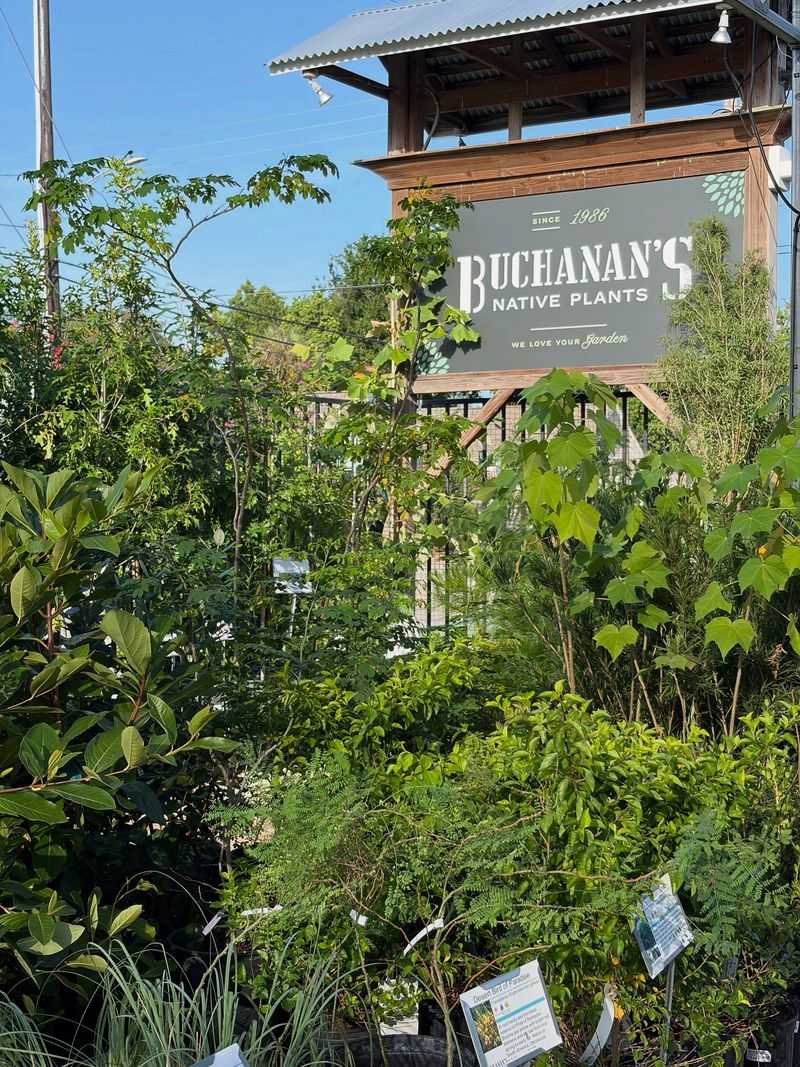
Houston fights on two fronts at once: brutal heat and sudden downpours that flood a bed in an hour.
Buchanan’s Native Plants has helped gardeners win that fight since 1986.
They specialize in Texas native and organic plants, the true heroes for the Gulf Coast’s mixed clay and sandy soils across USDA Zones 9a to 9b.
Natives here often need less water once established, and they stand up better to fire ants and humidity than pampered imports.
Their workshop schedule keeps people coming back all year, from Carnivorous Plants 101 to Hummingbird Gardens and winter Foodscaping.
The Fall Fest in October and December Holiday Open House feel like neighborhood reunions.
What matters most is their push for native milkweeds, Asclepias incarnata, tuberosa, and perennis.
Plant a few and your yard becomes a real stopover on the monarch migration.
Small effort, big payoff.
7. Rainbow Gardens Keeps San Antonio Growing
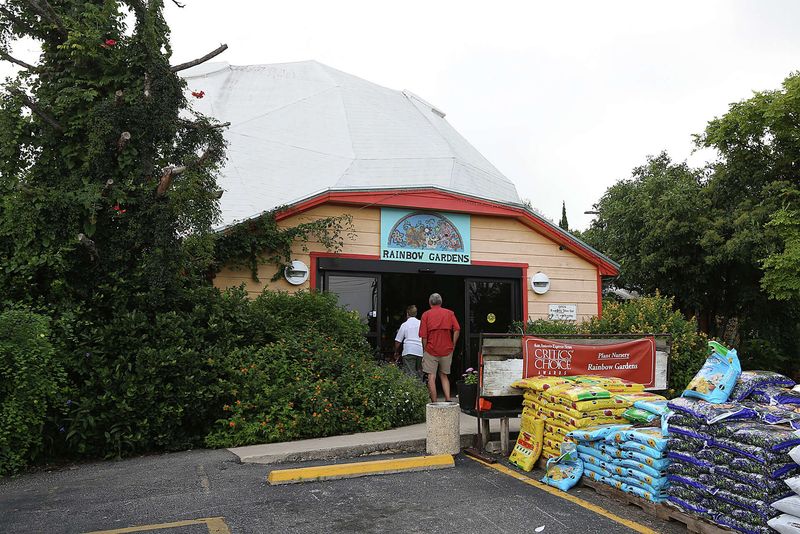
Since 1976, San Antonio gardeners have trusted Rainbow Gardens, and loyalty like that is earned the hard way.
Two locations serve South Central Texas, USDA Zones 9a to 9b, where long hot summers make plant choice a matter of survival.
They stock trees, pottery, and a strong run of native and pollinator plants built to thrive on less water.
The education program is unusually active, honestly one of the best in the state.
You can catch Lavender 101 in late summer, Plumerias 101 for tropical flair, or a Design a Water-Wise Landscape class taught with San Antonio Water System experts.
Fall brings the End of the Dog Days of Summer event, complete with a doggie runway and pet grass giveaways.
Their October Herb Market is a pilgrimage for cooks and tea makers alike.
All that regional know-how helps you build a yard that holds up when the weather turns mean.
8. Why The Drive Beats The Big Box
Here is the honest tension.
A big-box garden center sits five minutes away and sells the same lantana sign every spring, so why burn two hours of daylight to shop somewhere else?
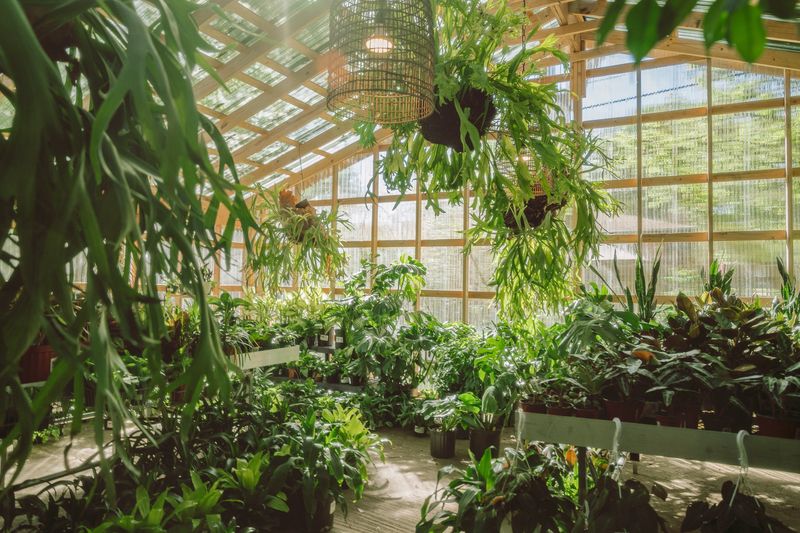
Because a plant that survived a Texas summer on the nursery bench is a plant that will survive in your bed.
Destination nurseries grow much of their stock on site, exposed to the same heat, clay, and caliche your yard deals with daily.
Chain stores truck plants in from cooler, wetter states.
That autumn sage looked great in the greenhouse and then fried in July, and many gardeners have learned that the expensive way.
The fix is simple.
Buy from growers who trial plants in your region, ask which varieties held up through the last 100-degree stretch, and space new perennials by the tag, usually 2 to 3 feet apart.
You pay in gas once.
You save on replacements for years.
9. Time Your Trip To The Right Season
Half the reward of a nursery road trip is showing up at the right moment.
Timing turns a plant run into an event.
Fall is the smartest planting window across most of Texas, roughly October through November.
Cooler air and warm soil let roots settle in before the next summer, and Texas A and M AgriLife Extension has long pointed gardeners toward fall for trees, shrubs, and perennials.
That is also festival season.
Pumpkin patches, Fall Fests, and monarch workshops line up while the migration streams south, giving you plants and a reason to bring the kids.
Spring pulls its own crowd.
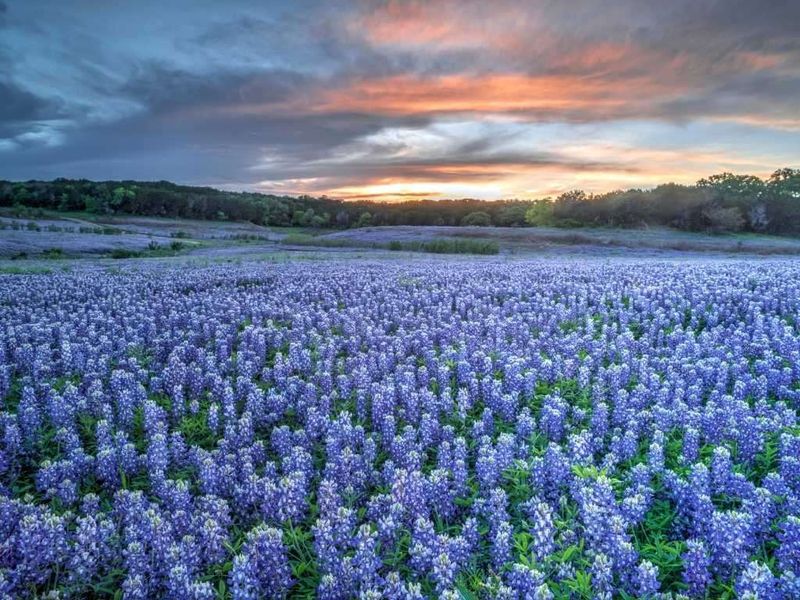
Bluebonnets, Lupinus texensis, put on their show, and nurseries stock annuals and warm-season vegetables just as fire ants and aphids wake up.
Skip the deep-summer buying trip if you can.
Planting in 100-degree heat stresses everything, roots and gardener alike.
Aim for a cool morning and your new bed forgives you.
10. Making The Long Haul Genuinely Worth It
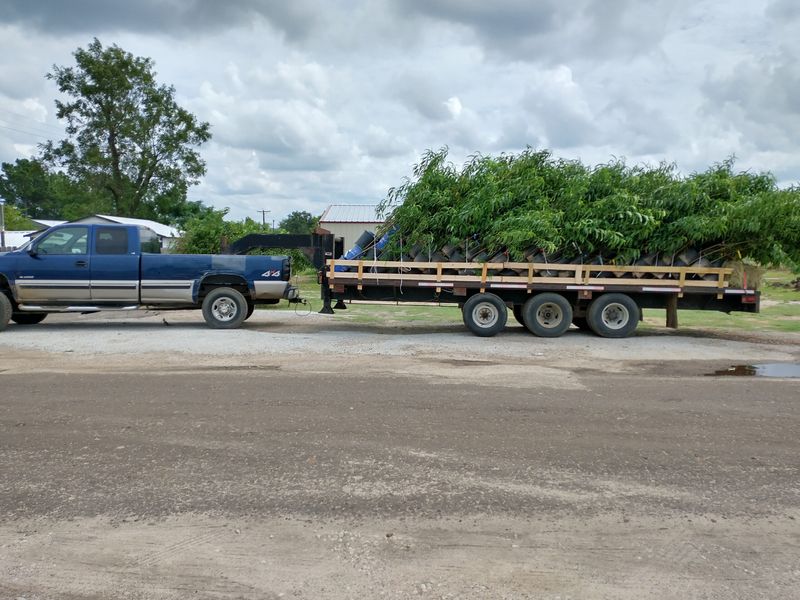
You found the nursery, you timed the season, now comes the part people botch: getting healthy plants home in one piece.
A two-hour drive across Texas can cook plants in a closed trunk faster than you would guess.
Interior temperatures climb well past 120 degrees on a hot afternoon, and tender leaves scorch on the ride.
So crack the windows or run the air, and lay tall plants on their sides on old towels so wind does not shred them.
Water everything deeply before you leave, soaking the root ball a good 6 inches down.
Buy a short list and buy it well.
Grab regional heroes like Turk’s cap, Malvaviscus arboreus, or a milkweed for the monarchs, then plant within a day or two of arriving home.
Do that, and the whole trip pays off in a yard that feels cooler, calmer, and a little more alive.
That is a drive worth taking again next season.