
The Slice Of Serenity You Find In The Garden Resets A Fast Day Faster Than Almost Anything Else
Follow us on Google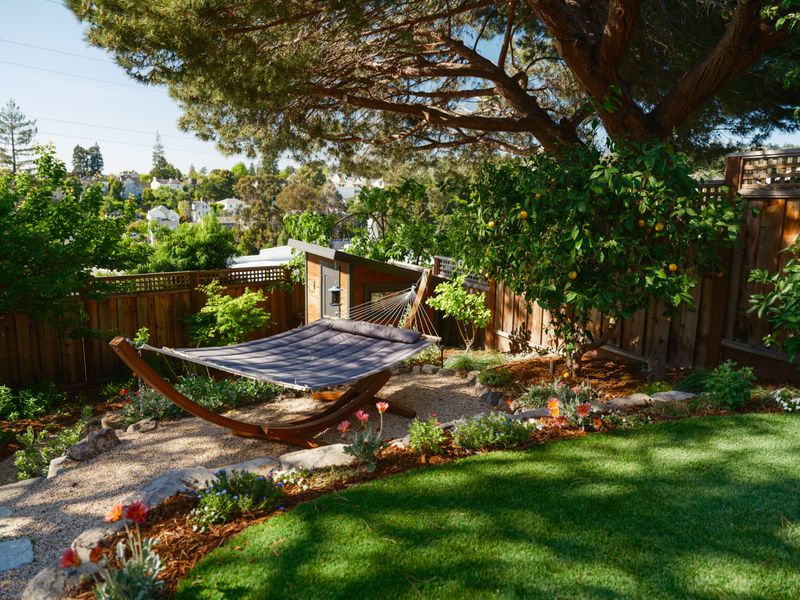
Some days move so fast that by mid-afternoon your shoulders are up near your ears and you have forgotten to drink water.
Stepping outside into even a small patch of green can feel like someone turned the volume down.
Research suggests that brief time in natural settings may help ease tension and lift mood, though the science is more cautious than the headline above implies.
If you have a backyard, a patio planter, or a narrow strip of lawn, you already have something worth trying.
A Garden May Offer A Quick Pause, Not The Fastest Fix
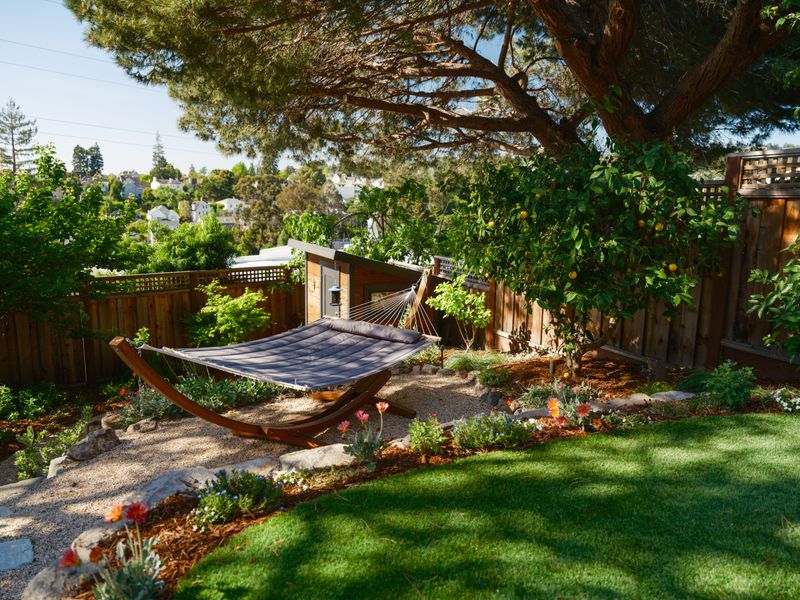
Stepping outside after a hard morning feels different from reading about why stepping outside is good for you.
The honest version of what research shows is narrower than the title above suggests, and it is worth knowing the difference before you expect too much from a patch of hostas.
What studies do find is that brief contact with green space is linked to short-term improvements in mood, feelings of calm, and self-reported stress.
A systematic review and meta-analysis on restorative effects from green exposure found generally positive emotional outcomes after nature contact, while results for cortisol, blood pressure, and other physiological measures were less consistent across studies.
So the case for a garden break is stronger for how you feel than for what a lab test might show.
There is also an important scope issue.
Most controlled research examines public parks, forests, simulated nature on screens, window views, or structured programs, not private residential backyards.
One study of private-yard use during COVID-19 found that more frequent yard visits correlated with lower stress and anxiety scores, but the researchers noted that people experiencing distress may have sought out the yard for relief, which means the association does not prove cause.
Your backyard is worth trying as a convenient, low-effort setting for a short mental pause.
Think of it as a potentially quick reset that suits your schedule, not the universally fastest calming method available.
Breathing exercises, movement, music, and social connection are all on the table too, and no study has lined them all up to declare a winner.
Several Gentle Inputs Can Change The Channel

A garden does not work through one magic ingredient.
What it can offer is several overlapping sensory inputs at once, and the combination may be what makes the pause feel different from sitting in a dim hallway.
Green views give your eyes something to rest on that does not demand a decision.
Natural sounds such as birdsong, rustling leaves, or water may play a role as well.
One small study on brief nature-sound exposure found reductions in muscle tension and self-reported stress, with some changes appearing by around seven minutes.
A separate study, examining physiological stress recovery with nature sounds, also noted positive signals, though it used recorded sound in an indoor setting.
Treat these as hints about what sound might contribute, not proof of a guaranteed nervous-system switch.
Scent, shade, light movement in the leaves, and the simple act of stepping away from a screen or an unfinished task may each add something.
None of these has been isolated as the single cause of a calmer feeling, and no one combination is required.
Attention-restoration research offers some additional context.
Reviews of attention restoration theory find limited support for improvements in working memory and cognitive flexibility after nature exposure, but a systematic review of the theory describes the evidence as mixed, with uncertainty about which cognitive abilities respond and how strongly.
So a garden break may help you think a bit more clearly afterward, but it does not guarantee that your focus will be fully restored.
What it offers is a chance to change the channel, not a cure for a difficult afternoon.
Try Ten To Twenty Minutes Without Chasing A Perfect Result

Forget the idea that a garden break only counts if you feel transformed by the end of it.
The goal here is a low-pressure experiment, not a prescription.
A scoping review of studies involving college-aged participants found meaningful stress-related effects in some studies after 10 to 20 minutes of sitting or walking in green space.
That range is a reasonable starting point for a personal trial, not a universal minimum dose for every adult or every private yard.
Your yard is not a controlled research setting, and your afternoon is not a clinical protocol.
A simple way to try it: go outside, put your phone on silent or leave it indoors if it is safe to do so, and pick one sensory anchor to loosely follow.
Leaf movement works.
So does birdsong, the smell of soil after watering, or the sound of a nearby fountain or hose.
You are not meditating, you are just giving your attention somewhere unhurried to land for a few minutes.
Somewhere between 10 and 20 minutes is a practical window to notice whether the pause helps you.
Some people feel the shift sooner, some later, and some days the garden just feels like a yard.
That is fine too.
The point is to notice rather than to force a result, and to avoid turning a rest break into another item on the to-do list.
If you feel less tense when you go back inside, the experiment worked for today.
Design A Sit Spot That Makes Stopping Easy
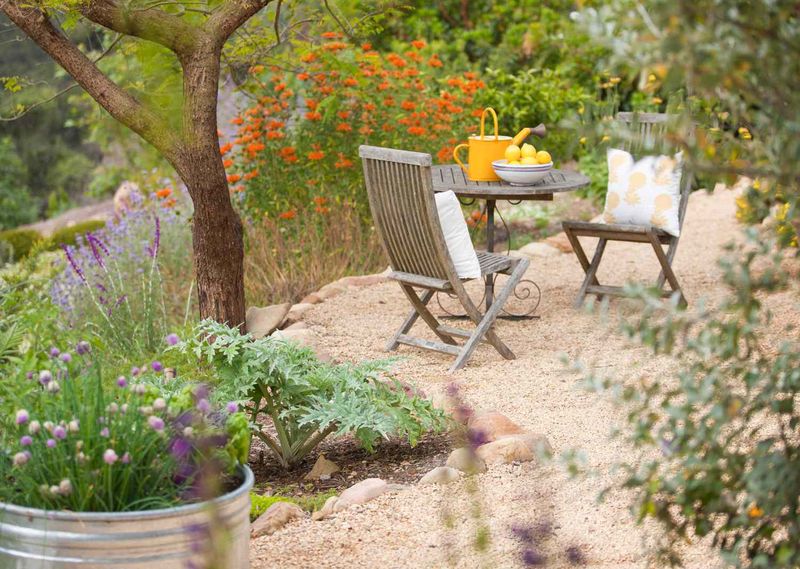
Most people do not skip a garden break because they dislike fresh air.
They skip it because getting outside feels like one more thing to organize.
The fix is to lower the friction until stopping outside takes less effort than refreshing email.
Place a comfortable chair or a sturdy stool within a few steps of your back door.
Partial shade matters more than most people realize, especially in summer, because glare and heat can undo the calm you went outside to find.
Face the chair toward plants rather than toward a work area, a fence that needs painting, or the pile of pots you have not repotted yet.
Visual clutter can keep the brain in problem-solving mode.
Recent research on perceived and objective green-space exposure found that perceived access, visibility, and quality of green space were more closely related to reduced anxiety than objective vegetation counts alone.
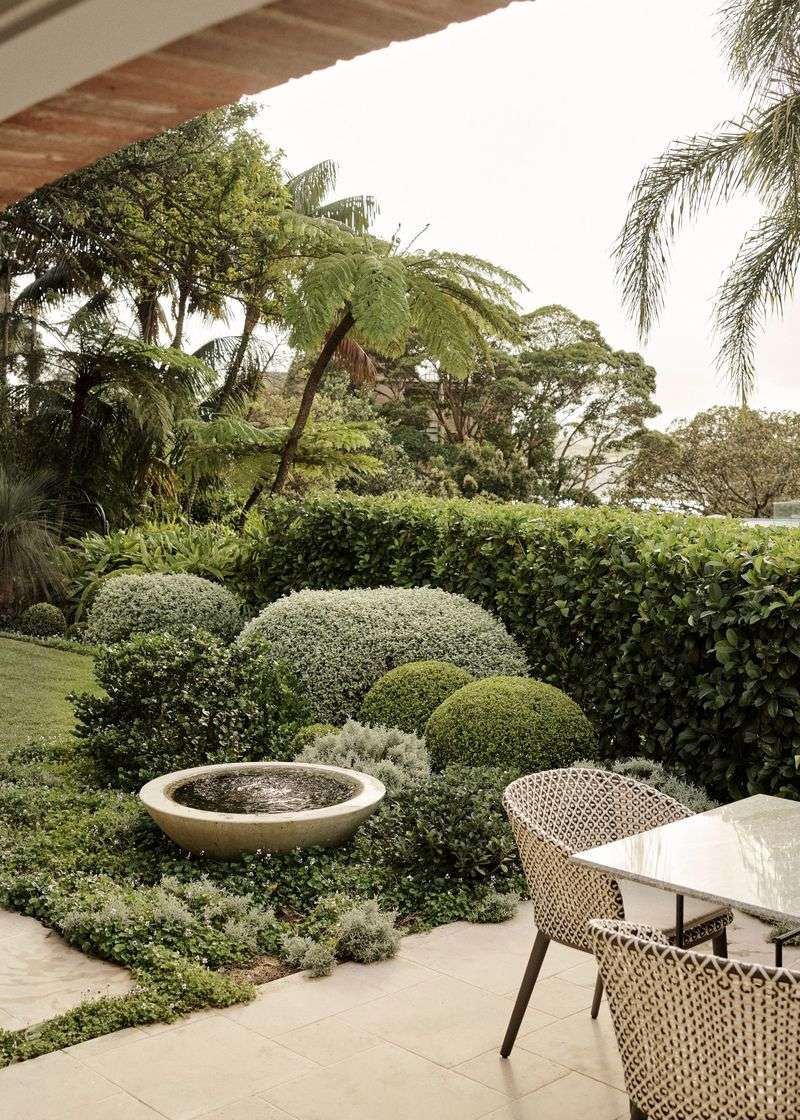
That means a small, tidy, reachable spot may serve you better than a large garden you rarely visit.
Keep the path to the chair clear of hoses, toys, and muddy patches so nothing stops you mid-intention.
Your space does not need to be large.
The World Health Organization’s review of green and blue spaces and mental health notes that evidence includes exposure to small green spaces, window views, and public parks, though the WHO also cautions that results vary by setting and individual.
A patio planter, a raised bed, or a few containers near the door can count as your green contact.
No specific plant, color, or garden size has been shown to be required.
Make the spot feel welcoming and within reach, and you will actually use it.
Choose Stillness Or One Unhurried Garden Task
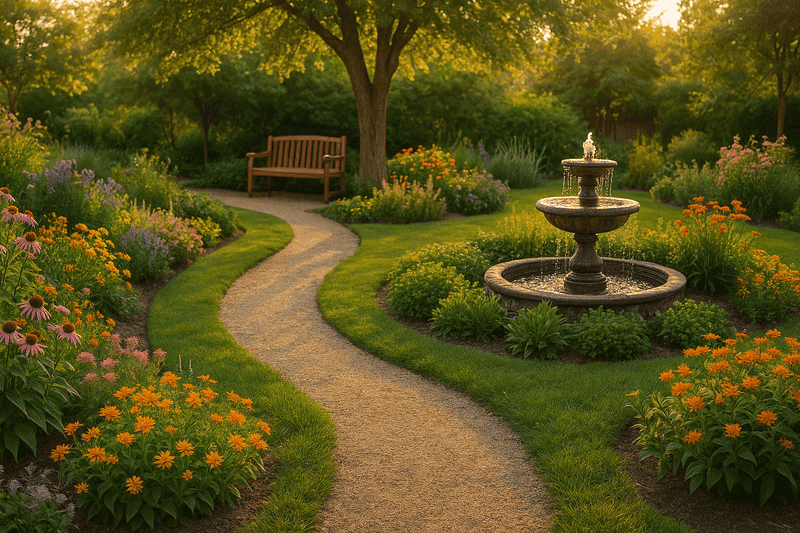
There is a real difference between sitting in the garden and working in it, and knowing which one you need on a given afternoon can keep a rest break from becoming another source of pressure.
Passive sitting, which means just being outside without an agenda, may be enough on its own.
But if stillness feels awkward or the yard keeps pulling your eye toward something unfinished, a single low-effort task can give your hands something to do without turning the break into a sprint.
Watering a few containers, snipping a spent flower head, or picking a handful of ripe tomatoes keeps attention gently occupied without demanding decisions or speed.
Studies on gardening and mental health often involve structured programs, group settings, repeated sessions, or clinical populations, which are quite different from a solo 15-minute wander around your raised beds.
A systematic review of nature-based outdoor activities found that effective programs commonly lasted 20 to 90 minutes and often involved multiple sessions, so a single spontaneous visit is not the same as a formal therapeutic intervention.
Home gardening is not a proven treatment for anxiety or depression, and framing it that way sets expectations that the evidence does not support.
The rule of thumb is simple: stop the task before it creates a deadline.
Emerging research on horticultural engagement suggests that focused, gentle activity in a garden setting may support mood, but the key word is gentle.
If you find yourself rushing to finish a whole bed before going back inside, the break has already ended.
Protect The Reset From Weather And Yard Hazards
A garden break can quietly become a health risk if the yard itself is not set up with a few basic precautions.
Heat is the most immediate concern across much of the US.
On hot days, the CDC’s heat prevention guidance recommends using shade, drinking fluids before you feel thirsty, taking breaks, and choosing cooler morning or evening hours when possible.
Older adults, pregnant people, and anyone taking medications for heart, kidney, or other chronic conditions may need extra care, as CDC clinical guidance on heat health explains in detail.
Smoke from wildfires, high humidity, and intense glare can also make outdoor time uncomfortable or unsafe, so check local air-quality conditions before heading out.
Ticks are a year-round concern in many US regions and gardening is a recognized exposure route.
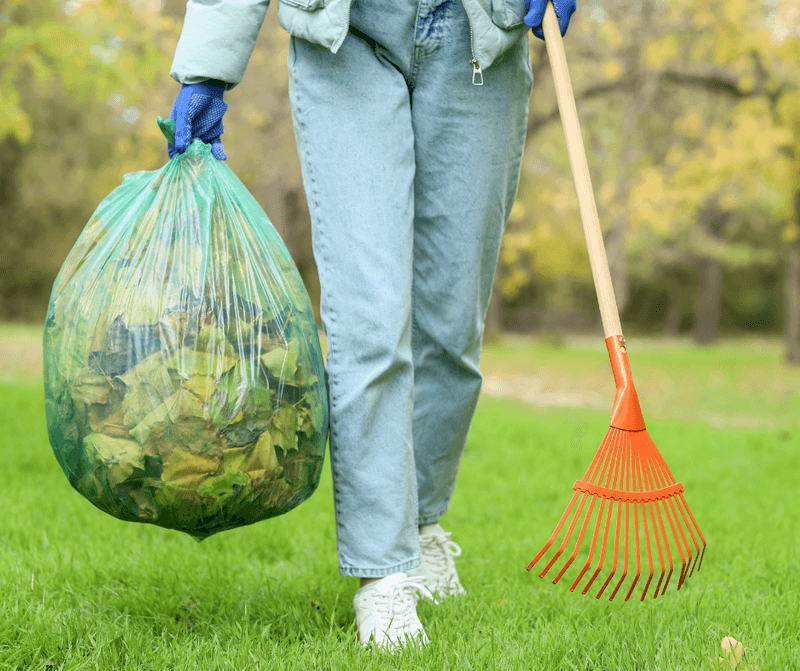
CDC tick-prevention guidance recommends mowing regularly, reducing leaf litter, clearing tall grass and brush near the house, and maintaining a 3-foot-wide wood-chip or gravel barrier where your lawn meets any wooded or brushy edge.
After every outdoor session, check yourself, children, pets, clothing, and gear.
Tuck pants into socks if you are working near leaf piles or tall vegetation.
Allergies, moldy compost, and certain plants add their own layer of consideration.
Compost that is not fully broken down can release mold spores that aggravate respiratory allergies.
Some common garden plants are toxic to children or pets, so plant selection matters if small hands or curious dogs share the yard.
If you grow food, USDA food-safety guidance for gardens recommends soil testing in areas near older buildings, busy roads, or former industrial sites where contamination may be present.
On pesticides, the short version is to follow the product label and local rules rather than improvising.
USDA Agricultural Research Service guidance on pesticide safety outlines the basics.
A relaxing garden space does not require spraying, and homemade or unregistered mixtures carry risks that are not worth taking.
As the WHO technical report on urban green spaces notes, many hazards in green spaces can be reduced through thoughtful maintenance and design, which means a well-tended small yard is safer and more usable than a neglected large one.
Keep A Garden Break In Perspective
A garden pause is a useful tool in a normal day, not a substitute for mental-health care.
That distinction matters more than it might sound.
A systematic review of psycho-physiological stress recovery in outdoor nature-based interventions found generally positive emotional outcomes, but most of that evidence comes from structured programs lasting weeks, not from spontaneous solo visits to a private yard.
A broader review of nature-based outdoor activities found that stronger results often came from repeated 8-to-12-week programs.
Repeating your own garden visits may feel helpful, and there is nothing wrong with building a daily habit, but the research on structured programs does not prove that showing up in your backyard every afternoon is more effective than going once.
Try it because it works for you, not because a study says repetition is required.
No study has lined up a backyard garden against every other rapid calming strategy and declared it the winner.
Breathing exercises, a short walk, music, movement, a phone call with someone you trust, and genuine rest are all legitimate options.
The WHO’s review of green and blue spaces and mental health notes that which space or strategy works best varies by person, setting, and circumstance.
Your preference is real data.
If stress is persistent, disabling, connected to panic, depression, trauma, serious sleep disruption, or thoughts of self-harm, a garden is not the right primary response.
Please reach out to a qualified mental-health professional or contact a crisis support line.
A backyard can be a genuinely calming place on a hard Tuesday afternoon, and that is plenty to ask of it.