
7 Fruit Trees That Actually Ripen Through A Brutal South Texas Summer While The Peaches Next Door Crisp
Follow us on Google
You step outside before breakfast, and the patio already feels like a warm hug, thick with humidity that promises another triple-digit day.
That is when you spot it, another perfect peach still rock-hard on the branch, refusing to soften.
Many of us have watched our dreams of juicy summer fruit shrivel while the peaches next door turn into sad, crispy little disappointments.
But here is a secret from down the fence line.
Some fruit trees genuinely love this heat, and they do not just survive, they ripen beautifully.
You do not have to settle for store-bought fruit that traveled a thousand miles.
These seven trees deliver sweet homegrown harvests right through a brutal South Texas summer.
1. Jujubes Laugh In The Face Of Heat
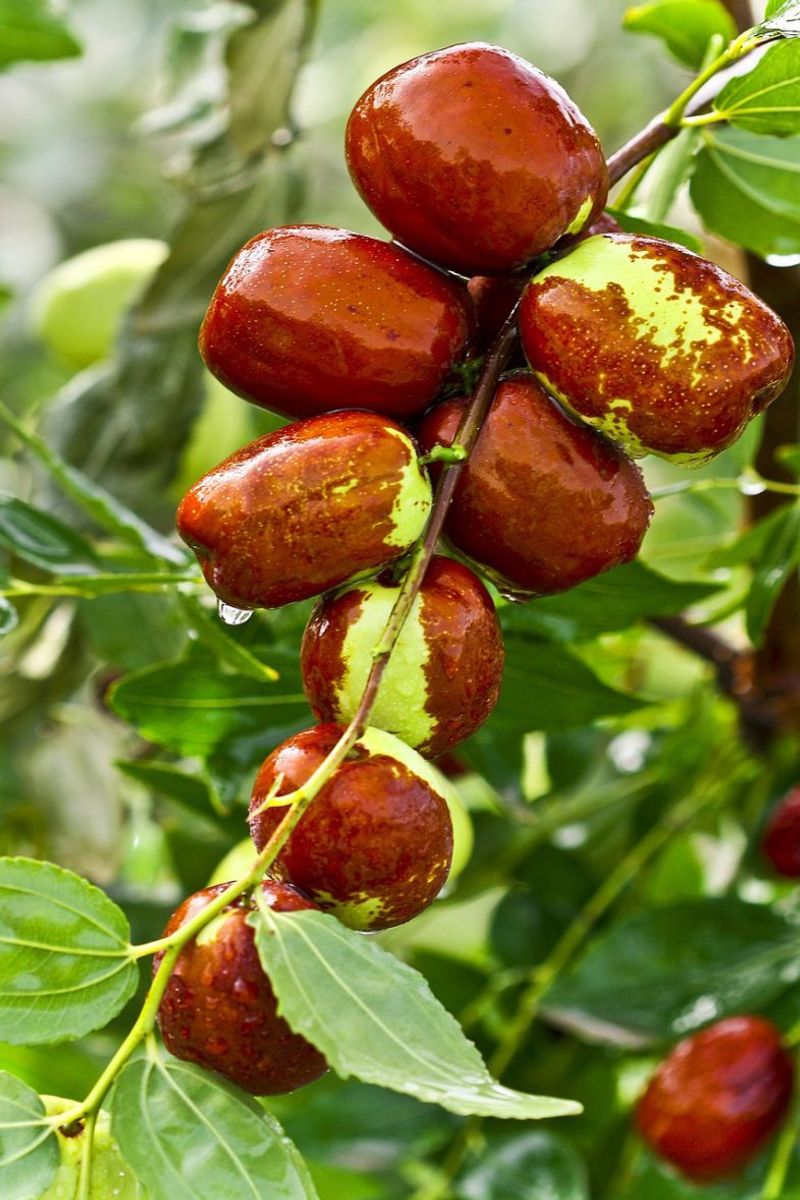
If the Texas summer feels like it is mocking your gardening efforts, meet the jujube (Ziziphus jujuba).
This tree is practically a native Texan in spirit, shrugging off heat and dry spells like they are nothing.
Many gardeners are surprised how easy it is to grow, offering crisp, apple-like fruit when other options are wilting.
The varieties you will find most often, Li and Lang, are both solid picks for home gardens across the state.
Here is the turn.
Jujubes genuinely prefer the long, hot summers we know so well.
They thrive where other fruit trees cannot even hold onto their leaves.
Plant them in full sun, giving them at least six to eight hours of direct light each day.
They are not picky about soil, but they do want good drainage.
Once established, they are incredibly drought-tolerant, needing far less water than you would guess.
Expect fruit to ripen from June through August, a steady supply of sweet treats.
A mature jujube can reach 40 feet tall with a 30-foot spread, so give it room to stretch out in your Central Texas or Gulf Coast yard.
And the payoff is real.
While the peaches crisp next door, you are eating crunchy homegrown fruit off a tree that barely broke a sweat.
2. Pomegranates Burst With Color And Flavor
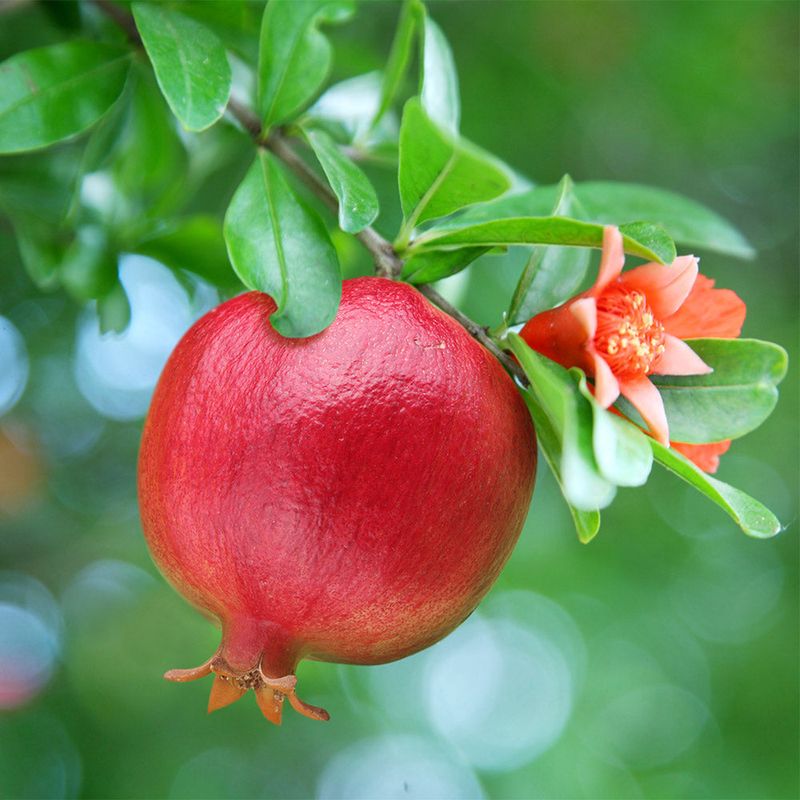
There is a moment in late summer when the first pomegranates begin to swell, their skins turning from green to a rich, blushing red.
You just know a reward is coming.
The pomegranate (Punica granatum) is another tough-as-nails tree that adores the South Texas heat and humidity.
Many Central Texas gardeners find it among the easiest fruit trees to grow, giving you both beauty and a bountiful harvest.
The Texas Pink variety is well suited to our climate, producing large, juicy fruit.
So what makes it easy?
Pomegranates are wonderfully self-fertile, meaning you only need one tree to get fruit.
They tolerate poor soils, but consistent moisture helps them produce their best.
Aim for deep watering once a week during dry spells, letting the soil dry out between drinks.
These trees only need about 100 to 200 chill hours, which fits our mild Texas winters perfectly.
Your pomegranates typically ripen in August, with some holding on into fall.
Most top out between 12 and 20 feet tall, forming a graceful multi-trunked shrub or small tree.
Cracking one open on the porch, watching those ruby seeds spill out, feels like a small win against the heat.
3. Figs Offer A Sweet Double Harvest
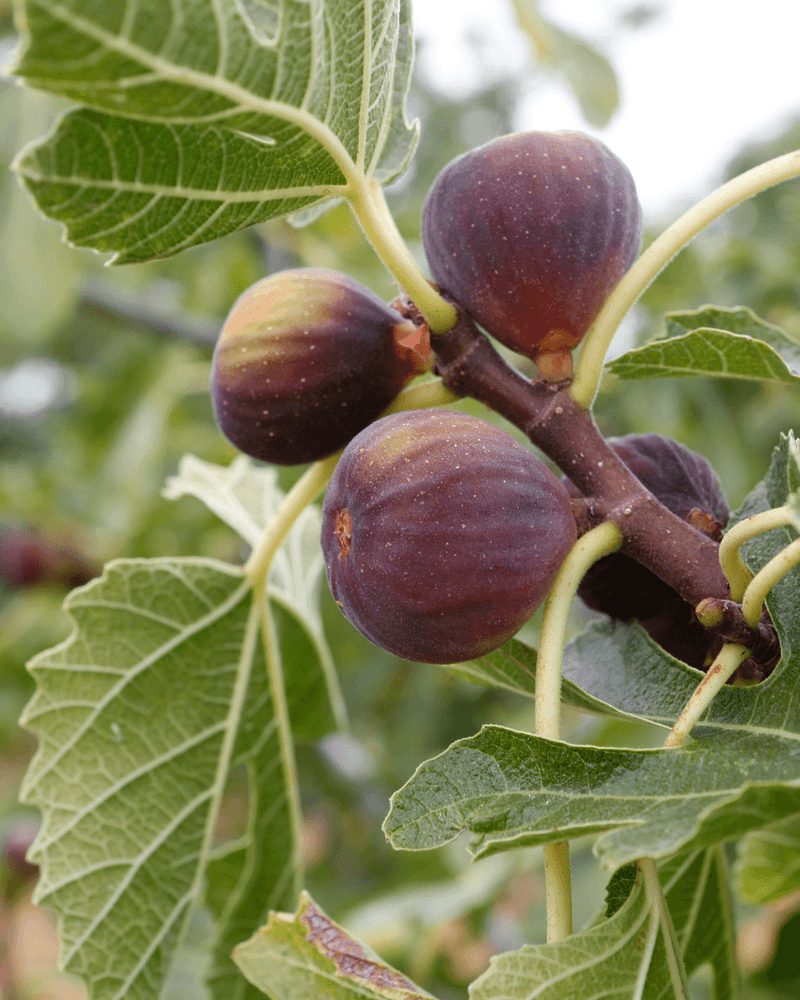
Imagine biting into a soft, honey-sweet fig, still warm from the sun.
What many people do not realize is that plenty of fig varieties (Ficus carica) are perfectly at home in Texas summers, especially across the Gulf Coast and East Texas.
Even if a rare hard freeze knocks them back in winter, these resilient trees fruit on their new growth.
So you are almost guaranteed a crop no matter what the weather throws.
The Celeste fig is a fantastic choice, known for early summer ripening and very sweet fruit that needs no cross-pollination.
Figs are surprisingly unfussy, thriving in full sun and well-drained soil.
They appreciate regular watering while setting fruit, though they handle dry stretches once established.
You might even get a bonus second crop in the fall.
For the best harvest, prune away any freeze-damaged wood in spring to push strong new growth.
Your figs begin ripening in early summer, with the peak stretching from July through September.
A mature tree reaches around 25 feet, offering shade along with the bounty.
Warm fig, cold glass of tea, shade overhead.
That is a South Texas evening worth staying outside for.
4. Mexican Limes Bring The Zest
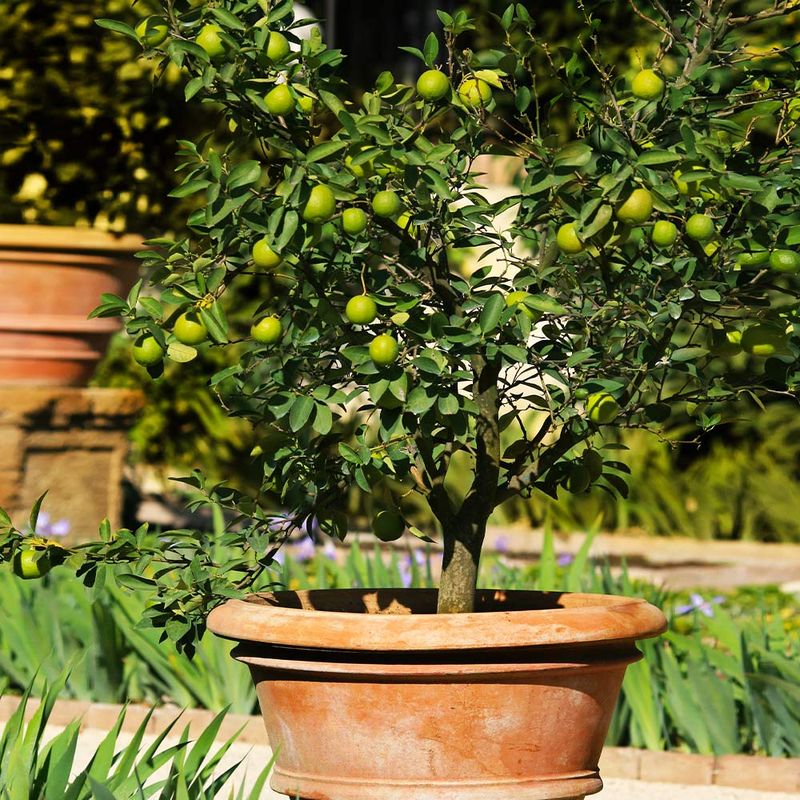
When the temperature climbs past 100 degrees and you are dreaming of a cold drink, nothing beats the zing of a fresh, homegrown Mexican lime.
Also called Key limes (Citrus aurantifolia), these small round powerhouses of flavor are one of the first citrus varieties to ripen in Texas, often ready by mid-August.
For South Texas gardeners, they are a true summer hero.
Mexican limes thrive in the warm, sunny conditions we get down here, and they do well in containers too.
That is a smart move if you live somewhere prone to the occasional freeze, because you can wheel them into the garage.
Give them full sun and well-draining soil.
During the hot summer, regular watering is genuinely key, and a citrus-specific fertilizer keeps them producing.
The good news is how productive they are, with about 70 percent of the crop maturing from May through fall.
That means you can keep the pitcher of agua fresca full all season long.
One squeeze over dinner and the whole kitchen smells like summer done right.
5. Improved Meyer Lemons Offer Year-Round Sunshine
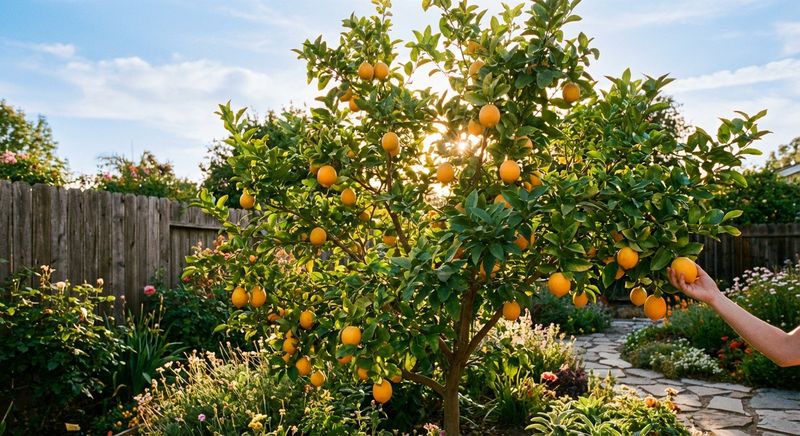
Forget those bland store-bought lemons.
An Improved Meyer lemon (Citrus x meyeri) tree brings real sweetness and serious versatility to your backyard.
A cross between a lemon and a mandarin, it produces fruit that is less acidic with a thinner skin than a regular lemon.
And the best part for us Texans, in our warm climate these trees can produce fruit almost year-round.
Here is where it gets handy.
Meyer lemons are remarkably resilient, tolerating short cold snaps down to about 27 degrees Fahrenheit.
That makes them a good choice for much of South Texas and parts of Central Texas.
They love full sun, but a little afternoon shade can protect them from the harshest scorching.
Plant in well-drained soil and water deeply when the top few inches feel dry.
The bonus is the blossoms.
Their fragrant flowers often bloom continuously, even while fruit still hangs on the branch, so the tree smells wonderful for months.
Whether you are making lemonade, baking, or adding a squeeze to Gulf Coast seafood, a Meyer lemon is a steady, fragrant producer you will not regret planting.
6. Date Palms Deliver Desert Sweetness
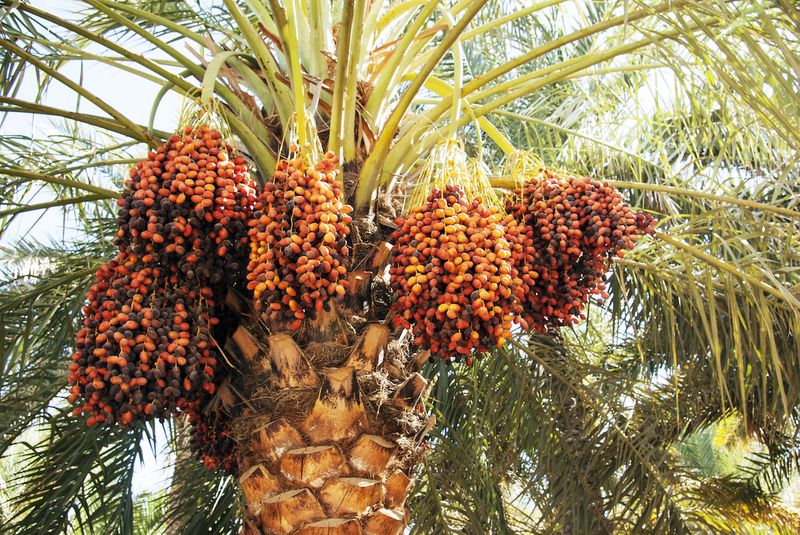
Picture a date palm and you probably think of a desert oasis.
But certain varieties of the true date palm (Phoenix dactylifera) are remarkably suited to the high temperatures and dry stretches that define a South Texas summer.
These majestic trees are not just ornamental.
They are incredibly hardy, standing up to brief freezes while absolutely thriving in extreme heat.
Medjool date palms are especially durable, tolerant of high heat and even salty soils, and they endure long stretches without water once established.
For the best fruit, give them full sun and well-drained soil with good wet-to-dry cycles.
Dates typically ripen in late summer and early fall, but the fruit develops all through the brutal summer months, pulling energy straight from that intense sun.
A mature Medjool can reach 20 feet tall with a trunk 18 to 20 inches across, a stunning focal point in the landscape.
They also shrug off cold snaps, recovering from temperatures as low as 15 degrees Fahrenheit.
It is not a magic solution for every yard, but where the heat feels punishing, this palm turns it into candy.
7. Texas Persimmons Hide A Sweet Surprise
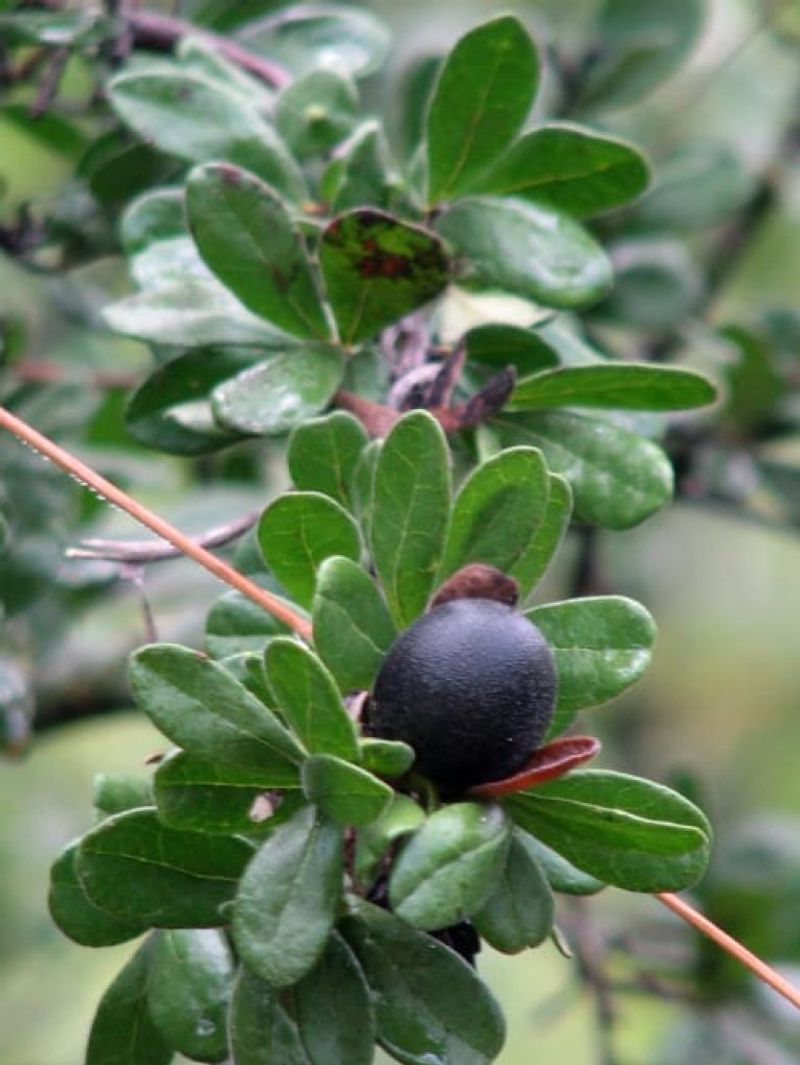
For a truly native touch that laughs in the face of heat, look no further than the Texas persimmon (Diospyros texana).
This small, often overlooked tree is a survivor, growing wild across the dry, rocky brush country of Central, West, and South Texas.
While its larger Asian cousins get all the attention, this humble native offers a dark, sweet fruit that wildlife loves and folks in the know treasure.
The Texas persimmon is genuinely tough, perfectly adapted to our challenging soils and scorching summers.
It is not picky about soil type and thrives in full sun, though it tolerates some partial shade.
You will appreciate its smooth gray bark that twists and turns, adding real artistic interest to the yard.
The fruit turns black when ripe, usually ready in August, a sweet surprise when most other fruits have already given up.
According to Texas A&M AgriLife Extension, native species like this handle our conditions with far less fuss than imported varieties.
These small trees generally top out around 15 feet, fitting neatly into smaller landscapes or as an understory tree.
Low effort, native roots, sweet reward.
That is the kind of quiet win that makes you feel like you finally figured out Texas gardening.