
The North Carolina Wildflower That Keeps Reseeding And Filling Empty Spots For You
Follow us on Google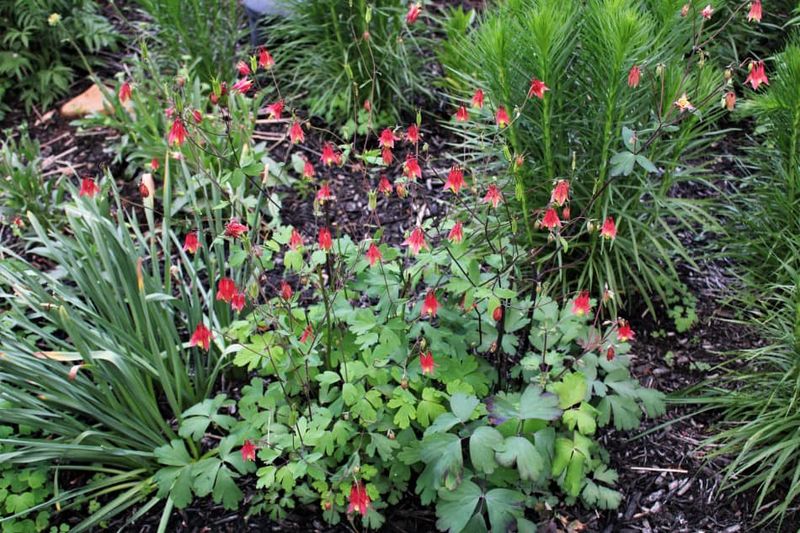
Somewhere in your yard, there is probably a shaded corner under a dogwood or along a fence line where nothing seems to want to grow.
Eastern columbine, Aquilegia canadensis, is a North Carolina native wildflower that can gradually help fill spots like that, dropping seeds each spring and sending up new plants over time.
The catch is that it works on its own schedule, not yours, and it does best in the right conditions rather than every bare patch in the yard.
What it can offer is a shifting, natural display that may reduce how many replacement plants you buy, as long as you match it to the right spot and keep up with weeds.
Eastern Columbine Can Refill Suitable Shaded Spots
Most flowers ask you to replant them.
Eastern columbine, Aquilegia canadensis, does something more useful: it drops seeds after blooming and sends new plants up from the soil the following year, slowly adding to the bed without you buying anything extra.
That is the real promise here, and it is worth stating plainly before going further.
Columbine is a herbaceous perennial native to North Carolina.
NC State Extension describes eastern columbine as a plant that freely self-seeds, with new plants typically blooming in their second year.
The state recognized it as North Carolina’s 1987 Wildflower of the Year, which tells you it has a track record here that goes beyond the garden center tag.
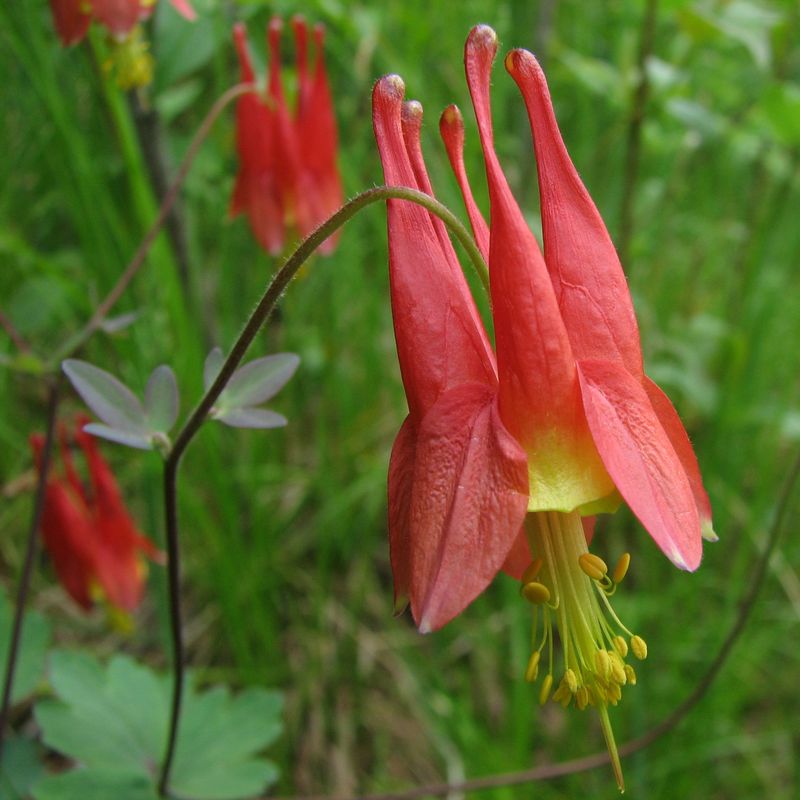
The flowers are red and yellow, tubular, and they nod downward in early spring for roughly one month.
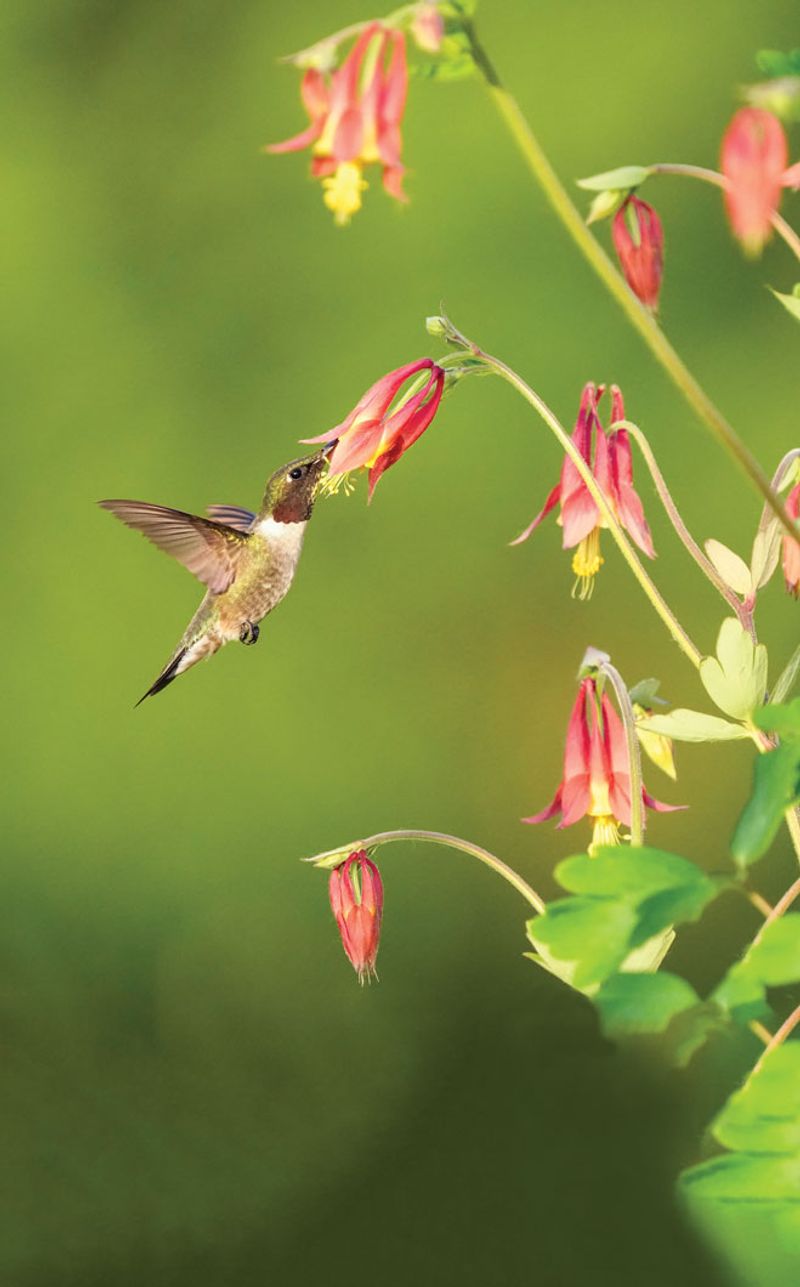
Hummingbirds find them before most other flowers have opened.
Butterflies and bumblebees work them too, so a patch of columbine is genuinely doing double duty as both a display and a pollinator stop.
Where columbine fits best is a lightly shaded or woodland-edge bed, the kind of spot under a deciduous tree or along a shaded fence where afternoon sun does not hammer the soil dry.
It is not the right answer for a hot, open lawn edge or a full-sun Coastal Plain bed.
Treat it as a strong fit for suitable shaded spots, not a universal gap-filler.
If reseeding succeeds and seedlings land where you want them, you may find yourself buying fewer replacement plants over time.
That outcome is possible, not guaranteed.
Its Seed-Based Cycle Takes Time
Here is where some gardeners get surprised.
Columbine does not spread by sending out roots or runners the way mint or creeping phlox does.
Every new plant starts from a seed, and that seed has to land on exposed soil with enough moisture and light to sprout, survive its first season, and then wait until its second year to bloom.
That two-year runway matters.
You plant columbine this spring, enjoy its flowers, let the seed heads mature, and then wait.
Next year you might see small rosettes of ferny foliage in nearby spots.
The year after that, those rosettes bloom.
NC State’s plant profile confirms that new columbine plants usually bloom in their second year, so the filling-in process is genuinely gradual.
Because seeds travel short distances and need good conditions to establish, the new plants may not appear exactly where you want them.
One seedling might come up at the edge of the bed.
Another might find a gap between stepping stones.
The display shifts a little from year to year, which gives the bed a natural, unplanned look rather than a tidy, even one.
Successful reseeding may eventually reduce the number of replacement plants you need to buy, but that depends on whether seedlings land in workable spots and survive.
Thinking of it as a gradual naturalization rather than instant coverage keeps expectations honest and the gardening experience more enjoyable.
Match Columbine To Light And Soil
Getting the site right is the single most important thing you can do before columbine ever goes in the ground.
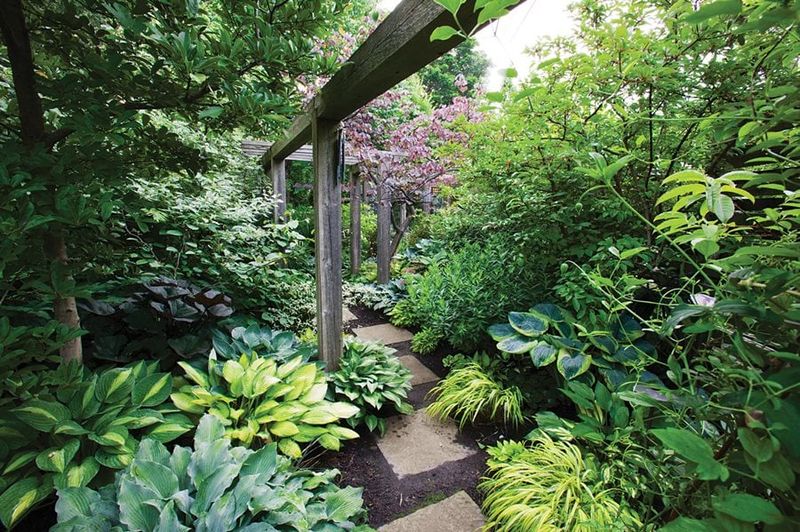
Columbine prefers partial shade, filtered light, or morning sun with afternoon shade.
Think of the north side of the house, the area under a high-canopied oak, or a bed along a fence that gets bright shade most of the day.
In the North Carolina mountains and Piedmont, spots like that are common, and columbine feels at home in both regions.
Soil matters nearly as much as light.
Eastern columbine prefers organically rich, moist, well-drained soil and does best in naturalized planting areas.
If your bed is compacted or low in organic matter, work in a 3-inch to 5-inch layer of leaf compost or other organic matter before planting.
NC State Extension’s guidance on woodland wildflowers supports that preparation approach and notes that fertilizer is rarely necessary for these plants and can actually cause problems when overused.
One practical note for Piedmont gardeners: the research on columbine does not make a specific claim about how it performs in heavy red clay without amendment.
If your bed has dense clay, amending with compost is the safe move before you count on good drainage.
Open, uncompacted soil near established plants also gives future seedlings somewhere to land and root.
A bare patch of amended soil at the edge of the bed is genuinely useful, not just tidy.
Where the soil stays workable and lightly moist, columbine has the best chance of completing its seed-to-seedling cycle year after year.
Leave Some Seed Heads And Control Weeds
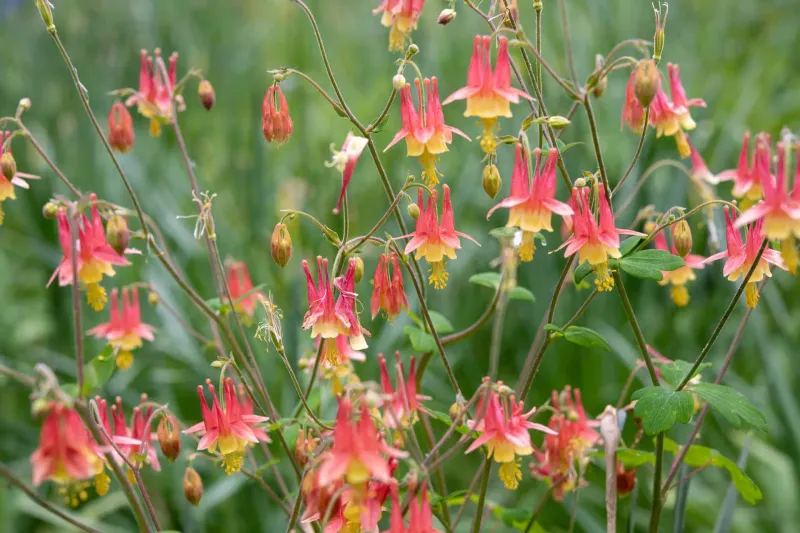
The reseeding routine is not complicated, but it does require a small shift in how you tidy up after spring bloom.
Most gardeners cut back faded flowers without thinking about it.
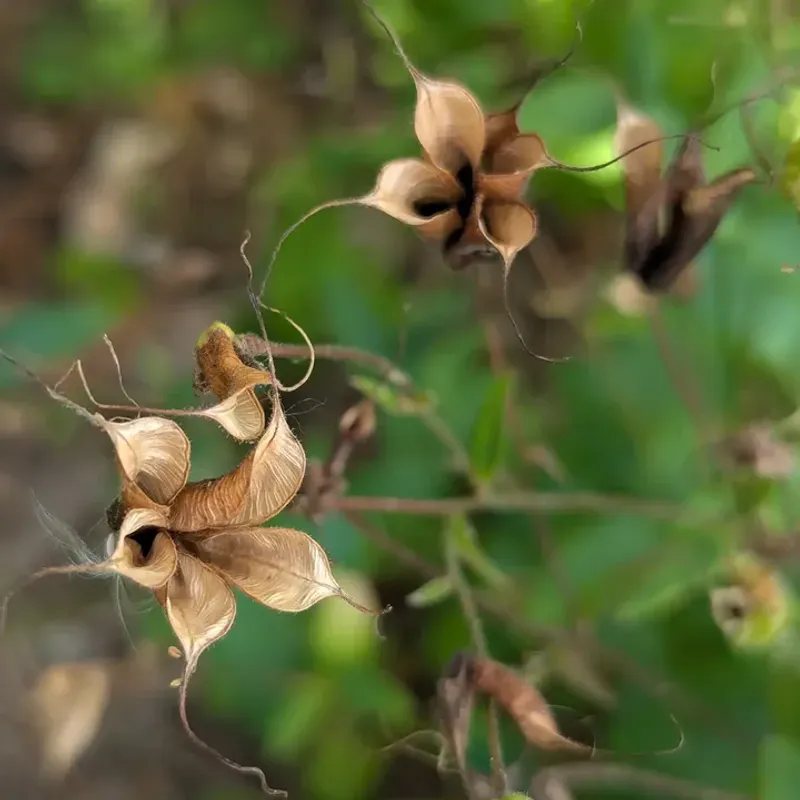
With columbine, you want to leave at least some of those spent blooms alone so the seed capsules can ripen and drop.
Once the seed heads turn dry and papery, the seeds fall on their own.
You do not need to collect or scatter them.
NC State’s columbine profile notes that after foliage declines, it can be cut to the ground, so late-season cleanup is still on the table.
Just let the cycle finish first.
If columbine starts appearing somewhere you do not want it, removing faded flowers early limits new seedlings the following year.
Allowing reseeding and controlling it are genuinely opposite goals, so you get to choose which areas to manage in each direction.
Weeds, though, do not get the same patience.
NC State Extension is clear that wildflower plantings still require weed management, and that beds can drift toward weeds, vines, and volunteer trees without regular attention.
Hand-pulling is the safest approach in a bed where you want seeds to germinate, because preemergence herbicides prevent wildflower seeds from sprouting right alongside the weed seeds they are meant to stop.
If you are starting a broader wildflower area from scratch, NC State Extension identifies October and November as a general North Carolina window for seeding many wildflowers, since some species benefit from winter chilling.
Lightly rake seed into the soil surface and keep it moist.
That is general guidance for the season, not a specific germination guarantee for columbine, so treat it as a starting framework rather than a sure thing.
Self-Seeding Still Needs Boundaries
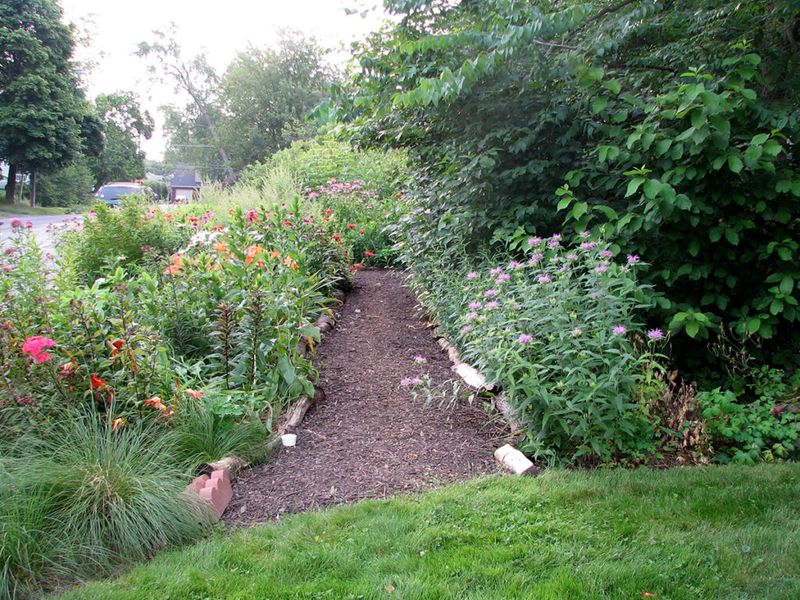
Columbine will not fill every bare spot in the yard, and that is worth saying directly.
Seeds need exposed soil, enough moisture, the right light level, and limited competition from weeds or established plants.
Drop a seed onto a thick mat of grass or a compacted path, and nothing happens.
The plant is a willing self-seeder, not a miracle worker.
NC State Extension warns that wildflower plantings can fail when weeds are not controlled or when species are mismatched to site conditions, and that naturalized areas can revert to weeds, vines, or volunteer shrubs without ongoing attention.
A columbine patch is lower maintenance than a formal flower bed, but it is not a set-and-forget situation.
Plan for at least a couple of hand-weeding sessions each season, especially in the first two years while plants are establishing.
Family-use boundaries matter here too.
Open soil is genuinely good for ground-nesting pollinators, but the spots where kids play, pets run, or people sit regularly should stay clear and easy to inspect.
A bed tucked along a shaded fence line works well.
A patch right next to the sandbox does not.
On the subject of pollinators: when columbine is in bloom, avoid spraying anything in or near the bed.
EPA pollinator-protection guidance advises applying insecticides when pollinators are not foraging and following all pesticide label restrictions.
The EPA’s pollinator habitat guidance also recommends regionally suitable native plants and limited disturbance in nesting areas.
Columbine’s early-spring bloom is short, roughly one month, so the window when you need to be most careful is also brief.
Choose A Different Flower For Full Sun
Forcing columbine into a hot, sunny bed is one of the more common ways the plant disappoints.
If your empty spots are in full sun, or along a south-facing fence baking through a Piedmont summer, columbine is the wrong tool.
Two other North Carolina natives actually thrive in those conditions.
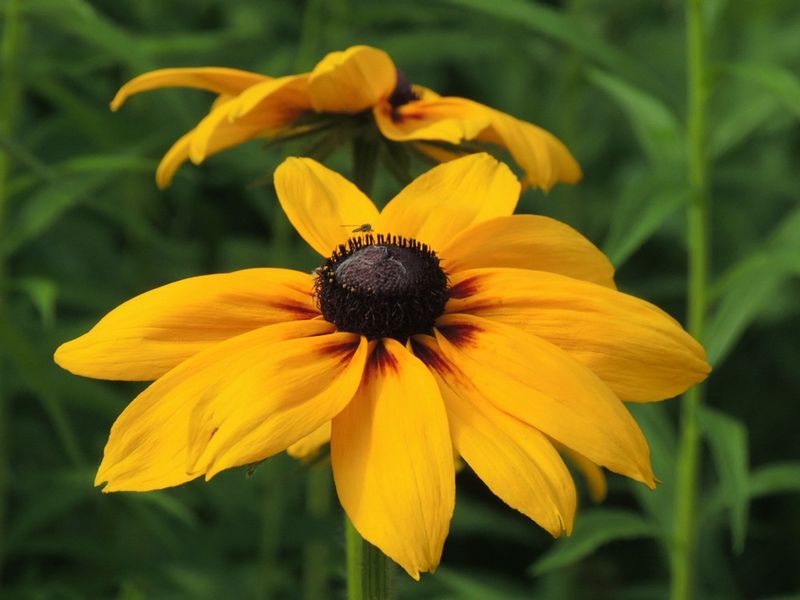
Black-eyed Susan, Rudbeckia hirta, is the stronger swap for a sunny bed.
Plants reach 2 to 4 feet tall and 1 to 2 feet wide, and the familiar yellow flowers with dark centers bloom through summer.
It is native to the eastern United States, including North Carolina, and it handles the heat and humidity of a Piedmont summer far better than columbine can.
For dry, sunny spots with sandy or rocky soil, particularly in the Sandhills or Coastal Plain, lanceleaf coreopsis, Coreopsis lanceolata, is worth considering.
NC State describes lanceleaf coreopsis as tolerating heat, humidity, drought, and poor soil, growing about 1 to 3 feet tall.
The important caveat is that NC State considers it probably naturalized rather than truly native in North Carolina, and it can become weedy if not managed.
Removing spent flowers before they fully ripen helps keep it from spreading beyond where you want it.
The takeaway is simple.
Eastern columbine belongs in shade or filtered light.
Black-eyed Susan belongs in the sun.
Match the plant to the spot, and you get a much better chance of the self-seeding cycle actually working for you.
Let The Garden Become More Natural Over Time
The corrected version of the headline promise is actually more satisfying than the original one.
Eastern columbine will not instantly fill every bare patch or eliminate garden work.
What it can do is gradually add new plants to a suitable North Carolina bed year after year, shifting and spreading in a way that feels alive rather than planted.
Picture it in early April, before most of the yard wakes up.
The red-and-yellow flowers are open, nodding on stems that reach about 3 feet tall.
A ruby-throated hummingbird shows up before you have finished your coffee.
Butterflies and bumblebees follow.
NC State Extension confirms all three as regular visitors to eastern columbine, which means the bed is doing real ecological work during a month when not much else is blooming.
The practical formula stays the same from year to year: match columbine to a shaded or filtered-light spot, work organic matter into the soil before planting, leave some seed heads to mature, protect open soil near the plants, and pull weeds before they crowd out seedlings.
NC State Extension is clear that even naturalized wildflower beds need ongoing weed management to stay on track.
None of those steps are heavy lifts, but they are real ones.
Over a few seasons, successful reseeding may mean you are buying fewer replacement plants for that corner of the yard.
That is a possible reward, not a guarantee.
The more reliable reward is a bed that feels genuinely rooted in the North Carolina landscape, one that earns its keep every spring without asking you to start over from scratch.