
What It Really Means When A Cardinal Keeps Showing Up In Your Florida Yard
Follow us on Google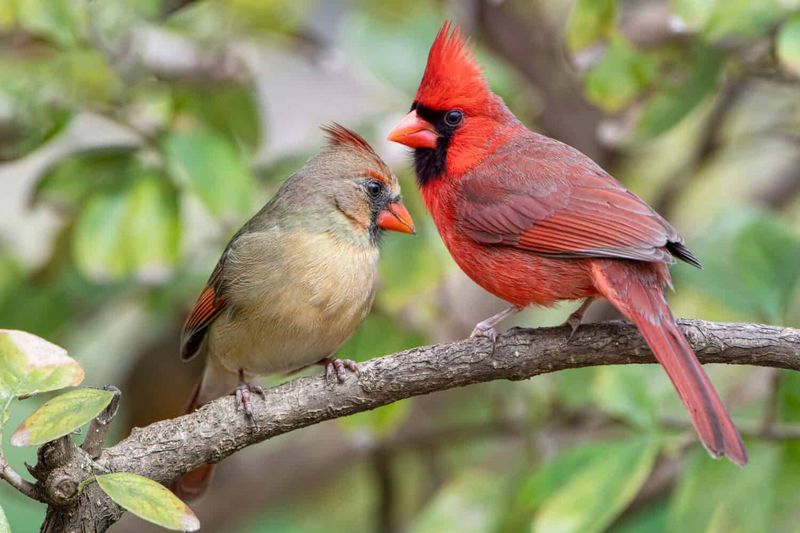
You step onto the back patio before the morning gets too hot, coffee in hand, and there he is again, that burst of red against the green shrubs like someone dropped a Christmas ornament in your yard.
Florida homeowners ask about this all the time, and the question is always the same: why does this bird keep coming back?
The honest answer has two parts, one rooted in bird behavior and one rooted in what the sighting means to you personally.
Both parts are worth understanding.
The Visitor Is Probably A Northern Cardinal
Not every red bird in a Florida yard is the same species.
Scarlet tanagers, house finches, and painted buntings all flash some red, and it is easy to mix them up from across the patio.
The bird that keeps coming back to your feeder or shrub line is most likely the Northern Cardinal, Cardinalis cardinalis, and once you know what to look for, there is no mistaking it.
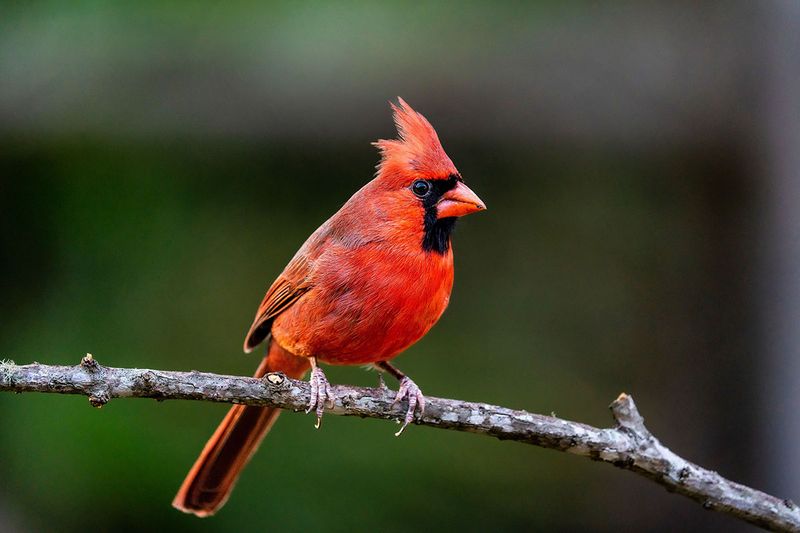
The male Northern Cardinal is solid crimson from beak to tail, with a pointed crest on top of his head and a thick orange-red bill built for cracking seeds.
The female is softer, a warm brownish-tan with reddish tints on her wings and crest, and she has the same distinctive crest and heavy bill.
Both sexes sing, which is less common among North American songbirds, and you will often hear that clear, whistled “cheer-cheer-cheer” before you spot the bird.
Here is something that surprises many Central Florida gardeners: UF/IFAS Extension identifies Florida cardinals as year-round residents of shrubby areas, hedgerows, suburban gardens, and fruiting-plant landscapes.
They do not follow the same seasonal migration patterns as warblers or other songbirds that pass through Florida on their way elsewhere.
The cardinal you see in July is the same species you will see in January.
Social patterns do shift across the year.
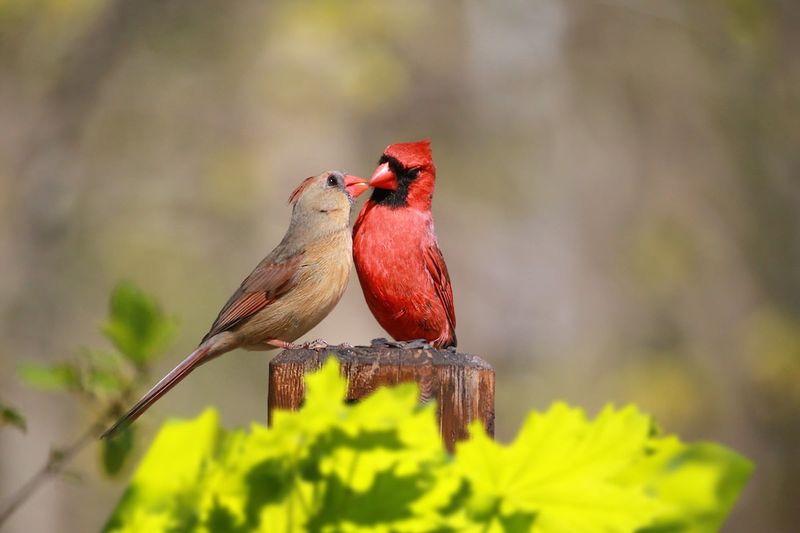
During breeding season, you are more likely to see a mated pair moving together through the yard.
Come fall and winter, All About Birds notes that cardinals sometimes gather in loose flocks, so a group of four or six birds at the feeder is not unusual.
That flash of red that caught your eye is almost certainly a bird that has been in your neighborhood all along, and it has a reason for stopping in your yard specifically.
Your Yard May Be Meeting The Bird’s Needs
A cardinal does not wander into a yard by accident and then forget to leave.
When one keeps showing up, the most straightforward explanation is that your yard is genuinely useful to it.
Birds operate on a simple economy: food, water, shelter, and safe space to raise young.
If your yard delivers even a few of those things reliably, a cardinal will treat it as part of its regular territory.
Cornell Lab of Ornithology describes the Northern Cardinal as a bird that favors forest edges, overgrown fields, and suburban gardens, places where open feeding areas sit close to dense cover.
That description fits a huge number of Florida backyards, especially ones with a mix of lawn, flowering shrubs, and a hedge or tree line along the fence.
The bird can dart from cover to feed and back again in seconds, which is exactly the kind of setup it prefers.
Seeds matter, but so do fruit and insects.
A yard with a feeder, a fruiting shrub, and a patch of leaf litter where bugs live is offering a much more complete menu than a feeder alone.
Audubon’s field guide confirms that cardinals eat seeds, fruit, and invertebrates, with insects playing an especially large role during nesting season when adults are feeding chicks.
Florida is not one uniform place, and that matters here.
A Panhandle yard with live oaks and occasional hard freezes offers different resources than a South Florida yard with year-round warmth and shallow limestone soil, or a Gulf Coast yard dealing with salt spray.
The cardinal in your yard is responding to the specific combination of food, water, cover, and territory your particular patch of Florida provides.
That is a practical observation, not a romantic one, and it is the most honest starting point for understanding why the bird keeps coming back.
Personal Meaning And Cultural Tradition Are Different
Many people feel something specific when a cardinal appears, especially after a loss.
That feeling is real, and it deserves to be taken seriously.
But there is a difference between a personal experience that carries genuine emotional meaning and a claim about what the bird is actually doing or where it came from.
Keeping those two things separate does not diminish either one.
In some contemporary spiritual and grief traditions, a cardinal is described as a sign of remembrance, a visit from a deceased loved one, or evidence that angels are nearby.
These interpretations show up in sympathy cards, social media posts, and funeral materials.
They offer real comfort to people who are grieving, and that comfort is not something to dismiss.
But no scientific evidence has established that a cardinal sighting is communication from the dead, angels, or another unseen presence.
Repeated visits are better explained by the bird’s habitat and normal behavior.
Believing the bird carries a message is a matter of personal faith and meaning, not a verified fact about bird biology.
One specific cultural tradition does come with documented roots.
The Cherokee Nation describes the cardinal as a sacred bird, a carrier of news, with a distinct belief about cardinals visiting a home in connection with death.
That is a specific Cherokee teaching with its own history and context.
It should not be generalized to all Indigenous cultures, all Florida residents, or a universal Native American belief.
Farmers’ Almanac notes that cardinal symbolism appears across multiple traditions, including associations with luck, love, and spiritual messengers.
These stories reflect how deeply people connect with this particular bird.
You can hold your own meaning for a cardinal sighting without needing to overstate its origin or claim it as a universal truth.
The bird is genuinely striking, it genuinely keeps returning, and what that means to you is genuinely yours to decide.
A Cardinal At The Window Usually Sees A Rival
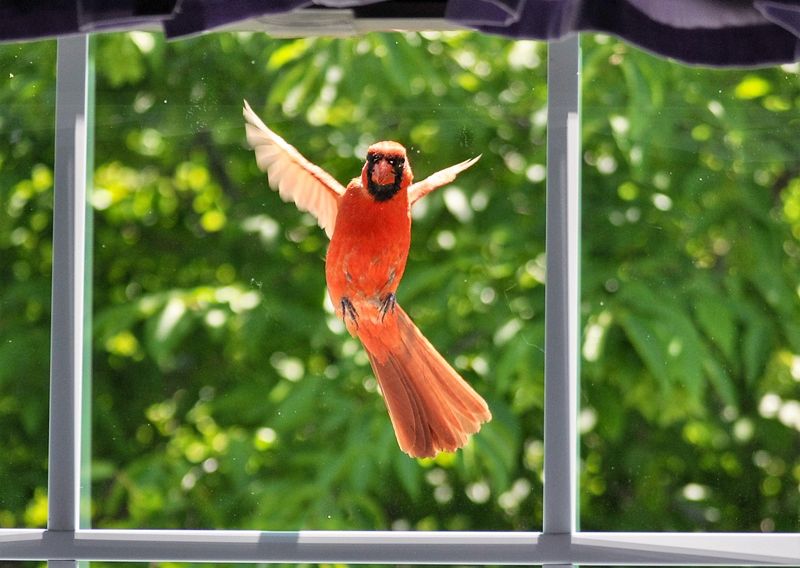
Spring arrives early in Florida, and with it comes one of the more puzzling behaviors a backyard cardinal can put on display.
A male bird throws himself at a window, over and over, sometimes for days.
It looks aggressive, almost frantic, and many homeowners read something ominous into it.
The explanation is actually much simpler and has nothing to do with a warning or a message.
During breeding season, typically from late winter through early summer in Florida, male cardinals defend their territories intensely.
When a male sees his own reflection in a window, he reads it as a rival male who refuses to back down.
The more he attacks, the more the reflection attacks back.
Audubon explains that this window-striking behavior is a territorial response to a reflection, not a sign of anger directed at the people inside, and not a supernatural signal of any kind.
The good news is that the behavior usually fades once the breeding season winds down.
But while it is happening, the repeated impacts can injure the bird, and that is worth preventing.
Feeder placement makes a real difference: Audubon’s feeder guidance recommends placing a feeder either within 3 feet of a window or more than 30 feet away.
The close placement limits the bird’s speed before any impact.
The far placement gives the bird enough distance to recognize the glass as a solid barrier.
Reducing the reflection itself is the most direct fix.
Exterior screens, window decals applied to the outside surface, or exterior shades all break up the mirror effect better than anything placed only on the inside of the glass.
Move the feeder if it sits in the 4-to-30-foot danger zone, add an outside treatment to the window, and the problem often resolves within a week or two.
Create Habitat Instead Of Relying Only On Seed
A bag of sunflower seed is a fine starting point, but cardinals need a whole neighborhood, not just a restaurant.
Yards that offer dense cover alongside food sources hold cardinals far more reliably than a feeder standing alone in an open lawn.
The goal is to think like the bird: it wants places to hide, places to nest, places to find insects, and a reliable drink of water, all within a short flight of each other.
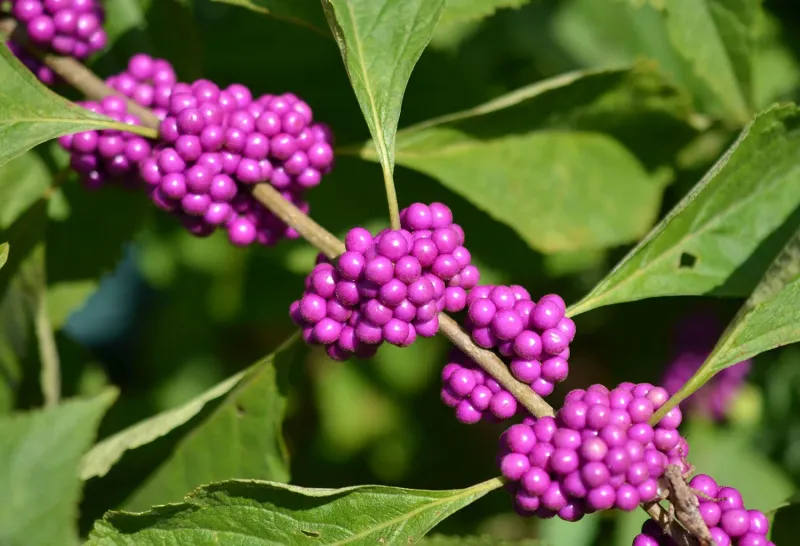
UF/IFAS names wax myrtle (Morella ceriferaIlex opaca) and American holly () as plants that provide protective cover for cardinals in Florida yards.
American beautyberry (Callicarpa americanaMyrcianthes fragrans) and Simpson’s stopper () are also documented by UF/IFAS as bird-supporting landscape plants.
These are not decorative choices alone.
They give cardinals places to shelter from hawks, escape the midday Florida heat, and find fruit and insects through multiple seasons.
Plant selection still has to match where you actually live.
Wax myrtle handles coastal salt spray and wet feet well, making it a solid choice along both the Gulf and Atlantic coasts.
UF/IFAS regional plant guidance encourages matching species to local soil, drainage, sunlight, and freeze risk.
A Panhandle yard that sees hard freezes needs different choices than a South Florida yard sitting on shallow limestone with year-round warmth.
Insects matter more than most people realize.
All About Birds notes that young cardinals depend heavily on insects during their first weeks of life.
Reducing unnecessary pesticide use through the spring and summer preserves that natural food source when nesting adults need it most.
One placement caution: dense shrubs immediately beside a feeder can give cats or other predators a hiding spot.
UF/IFAS recommends thinking through predator access before planting cover right next to a feeding station.
Cardinal nests typically sit 1 to 15 feet above the ground in dense foliage, and a clutch of 2 to 5 eggs hatches in about 11 to 13 days.
Young birds leave the nest roughly 7 to 13 days after hatching and spend time in low vegetation before they can fly well.
Avoid pruning active nests or disturbing fledglings on the ground during that window.
Keep Feeders And Birdbaths Safe
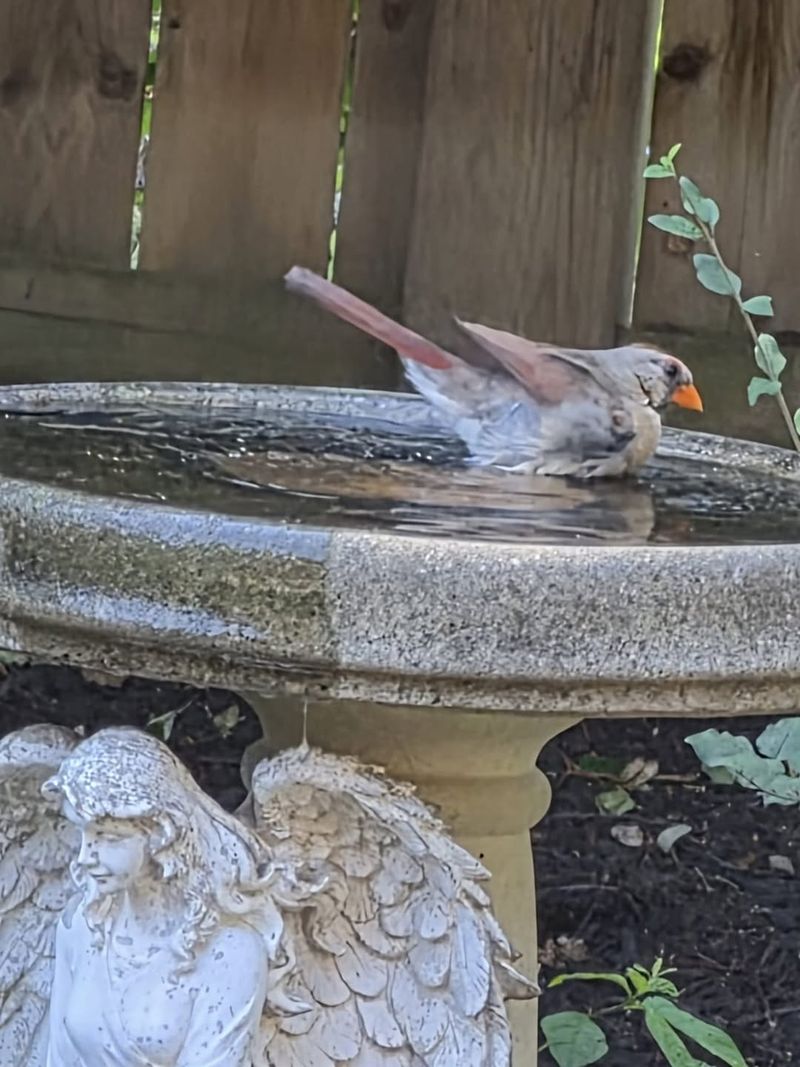
More seed does not automatically mean healthier birds.
A feeder that never gets cleaned becomes a slow-moving health hazard, and a birdbath that sits stagnant for a week is not much better.
Turning backyard feeding into a careful routine protects the birds you are trying to help.
Project FeederWatch recommends cleaning seed or suet feeders every 1 to 2 weeks, and more often during heavy use or wet Florida weather.
Remove old seed and droppings from the ground beneath the feeder regularly, because spoiled food attracts rodents and spreads pathogens.
Disinfect a cleaned feeder by soaking it for 10 minutes in a solution of 1 part household bleach to 9 parts water, then rinse it thoroughly and let it dry completely before refilling.
Birdbaths need attention too.
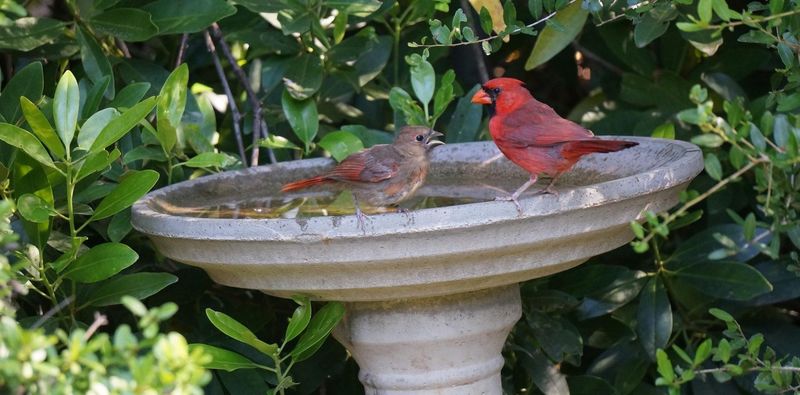
Refresh the water every couple of days and scrub the basin about once a week, or sooner if the water turns cloudy or shows visible contamination.
A shallow basin works better for cardinals than a deep one.
Florida’s summer heat speeds up algae growth and evaporation, so check water levels more often from June through September.
If you set up a new feeder and no birds appear within a day or two, do not assume the location is wrong yet.
FeederWatch advises waiting 1 to 2 weeks for birds to locate a new feeding station.
Sprinkling a small amount of seed on the ground nearby can help birds find it faster.
If visits still do not begin after two weeks, try moving the feeder closer to cover and adding native vegetation around it.
Outdoor cats are a serious threat to cardinals, which forage on or near the ground and whose fledglings spend days in low shrubs before they can fly reliably.
UF/IFAS recommends keeping cats indoors, especially during the 3 hours after sunrise when birds feed most heavily.
One more firm boundary: do not add medication to bird food or water.
Project FeederWatch advises against medicating bird food or water.
If a bird at your feeder looks ill, clean or temporarily remove the feeder and contact a licensed wildlife rehabilitator if you believe the bird needs help.
Let The Bird Carry The Meaning You Choose
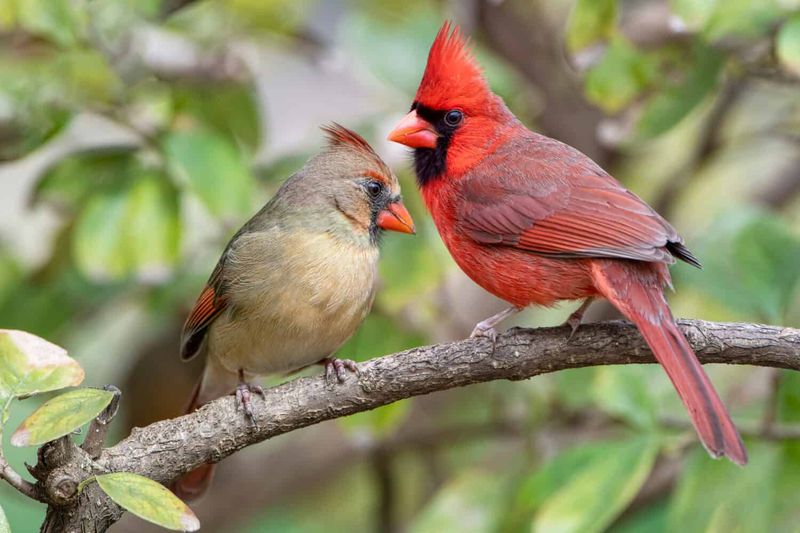
The cardinal keeps coming back, and now you have two honest explanations to hold at the same time.
One is practical: your yard offers something the bird genuinely needs, whether that is seed, fruit, insects, water, cover, a nesting site, or a territory worth defending.
The other is personal: what the bird means to you, emotionally or spiritually, belongs entirely to you, and no amount of habitat science takes that away.
Cornell Lab confirms that Northern Cardinals are year-round Florida residents with strong ties to the landscapes that meet their needs.
If you want the bird to keep visiting, the most direct response is to care for the habitat.
Clean the feeder on a 1-to-2-week schedule.
Refresh the birdbath every couple of days.
Choose native shrubs suited to your part of Florida, whether that is wax myrtle for a coastal yard or American beautyberry for a shadier inland spot.
Make the windows safer with exterior treatments.
Keep cats inside, especially in the early morning hours when cardinals are most active near the ground.
Audubon’s backyard habitat guidance frames this kind of intentional yard care as the most reliable way to support birds over the long term, more reliable than any single feeder or any single planting decision.
FeederWatch echoes that, pointing toward clean food, clean water, and safe surroundings as the foundation of a yard that actually works for birds.
A cardinal that returns to your yard day after day is a living animal responding to a living landscape.
That is genuinely worth something, whatever meaning you choose to carry alongside it.