
The North Carolina Nurseries Worth Visiting If You Want Native Edibles Big Garden Centers Skip
Follow us on Google
By 8 a.m. in North Carolina, the air already feels damp and green, and you are standing in a nursery lot wondering why the berry table looks the same as every big garden center.
The odd part is not that native edibles are hard to grow here.
It is that many of the best ones never get much shelf space in the places most people shop.
If you want pawpaw, American persimmon, serviceberry, elderberry, and other food plants that fit our soils and weather, these are the nurseries worth the drive.
1. Nurtured By Nature Growers
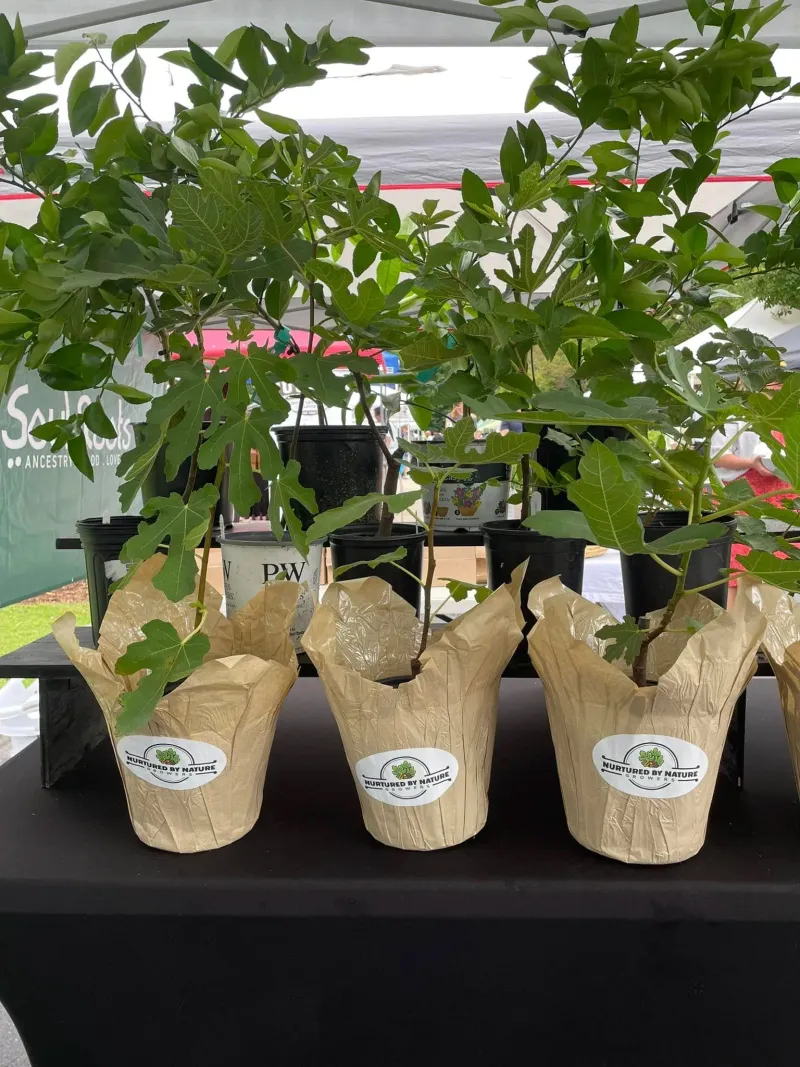
Saturday morning in the Triangle is when many gardeners realize the usual shopping trip is missing the good stuff.
You can find another rack of imported ornamentals anywhere, but a place that puts pawpaw, American persimmon, and serviceberry in front of you is a different kind of stop.
Nurtured By Nature Growers stands out because it treats native edibles like practical yard plants, not curiosities.
In Morrisville, that matters.
Piedmont yards swing from sticky 92 degree afternoons to surprise winter dips in the teens, and plants have to earn their keep.
Here you are more likely to run into North Carolina-friendly choices such as pawpaw, or Asimina triloba, American persimmon, or Diospyros virginiana, blueberries, and blackberries selected for local performance rather than shelf flash.
Here is where it gets helpful.
Pawpaws usually need 2 genetically different trees for pollination, and they do best with about 10 to 15 feet of spacing.
Blueberries want acidic soil, roughly pH 4.5 to 5.5, which NC State Extension regularly notes for reliable crops.
So instead of guessing in the parking lot, you can start with plants that match Piedmont red clay after you amend the hole, mulch 2 to 3 inches deep, and keep water steady through the first 12 months.
The quiet payoff is bigger than a harvest bowl.
Your yard feels more rooted to North Carolina, and a lot less like a generic garden aisle.
2. KW Edible Landscaping Nursery
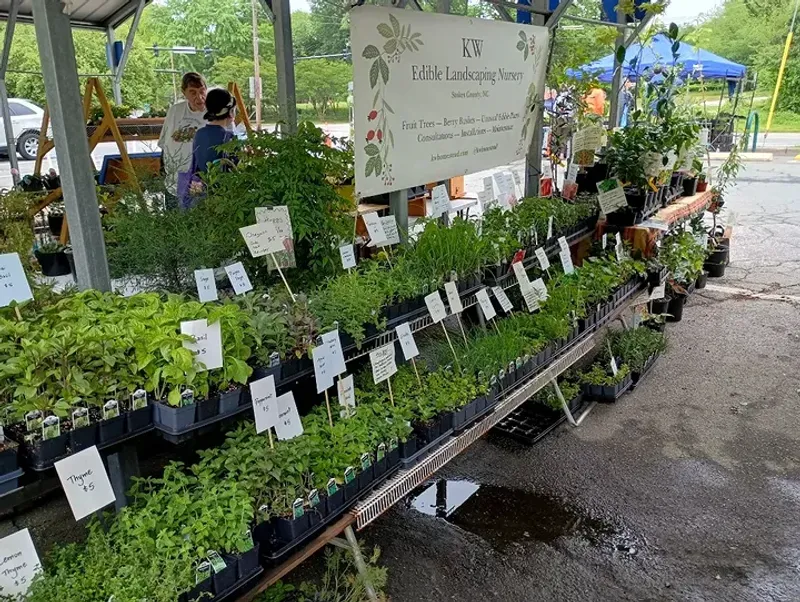
Some nurseries whisper their purpose.
KW Edible Landscaping Nursery says it plainly.
You go there because food is the point, and that sharp focus can save you a whole season of buying pretty plants that never really fit your yard.
Set in Stokes County, this nursery earns its place for homeowners who want edible plants first and landscaping second.
That sounds small, but it changes what you notice.
Instead of filler tables, you are looking at fruiting shrubs, trees, and teaching-minded plant choices that suit North Carolina conditions.
Many Piedmont and foothill gardeners are working with clay, sun that bakes from 1 p.m. to 5 p.m., and sudden storm bursts that dump 1 inch of rain fast.
Native edibles handle that rhythm better than many popular imports.
American persimmon is a smart example.
Seedlings can take 10 to 15 years to fruit, while grafted selections often bear sooner, sometimes in 3 to 7 years depending on age and care.
If you have room for a tree that may reach 30 feet or more over time, this is the sort of place where you can ask the right question before planting too close to the porch.
Serviceberry, or Amelanchier species, also deserves a look if you want spring flowers, June fruit, and a smaller footprint of about 15 to 25 feet.
That kind of shopping feels calmer.
You leave with a plan, not a cart full of maybe.
3. Living Soil Tree Farm
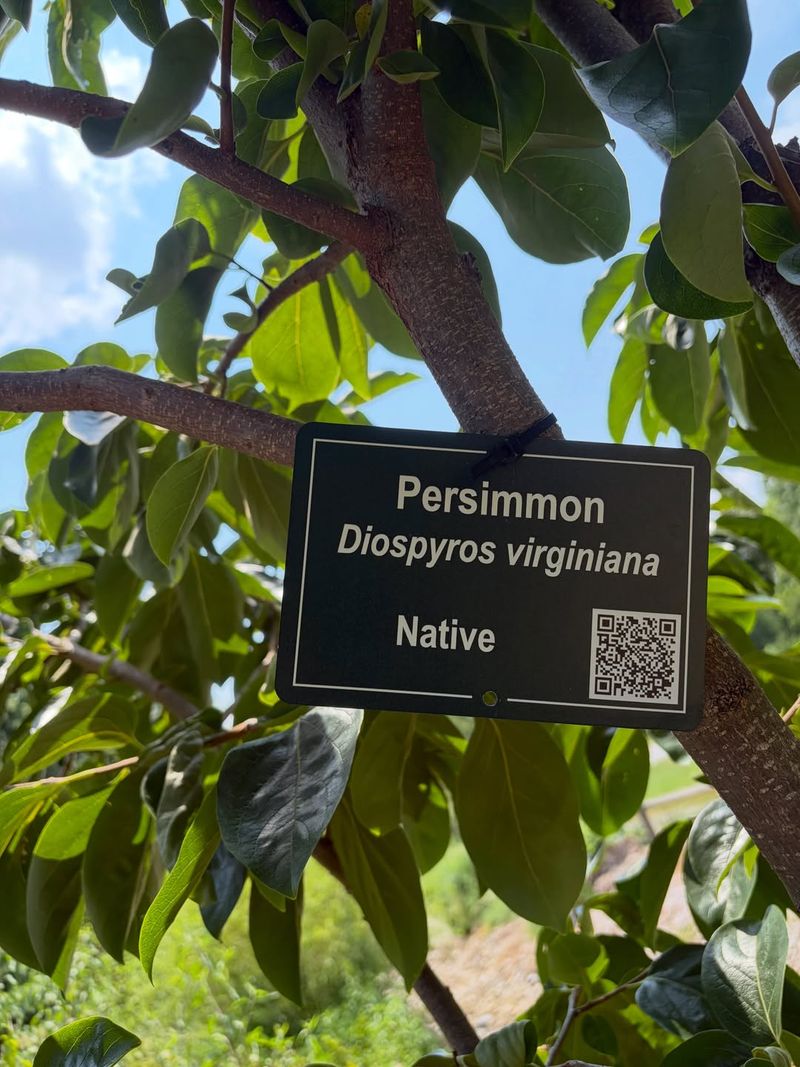
Plenty of garden centers sell you what fits in a 3 gallon pot.
Living Soil Tree Farm is more interesting because it nudges you to think in decades.
That shift is exactly what many North Carolina yards need if you want native edibles that become part of the place instead of a seasonal experiment.
In Cedar Grove, the emphasis on tree crops gives this nursery a different personality from the rest of the list.
You may see native edibles and useful long-term producers such as American persimmon, elderberry, black cherry, black walnut, and chestnuts, depending on current inventory.
Some of those are not quick-grab patio plants, and that is the point.
They ask for patience, a little space, and a willingness to plant for future shade, wildlife cover, and food.
Many homeowners skip bigger natives because they picture instant harvest or nothing.
But elderberry, or Sambucus canadensis, can reward you faster, often in 2 to 3 years, and it likes moisture more than drought.
Give it about 6 to 10 feet between plants, keep mulch off the stems, and do not expect it to solve every wet spot.
It is one useful layer, not a magic solution.
Walnut and chestnut are even more of a long game, best for larger lots where roots and eventual spread have room.
That long view changes the mood of your yard.
You are not only planting for this summer, you are planting for the stories that come after it.
4. Useful Plants Nursery
Up in the mountains, the rules change a bit.
Winters can fall into zone 6a or 7a in parts of western North Carolina, cold air slips downhill at night, and a plant that shrugs in the coast can sulk hard by January.
Useful Plants Nursery makes this list because it works with that reality instead of pretending every edible belongs everywhere.
Near Black Mountain, the nursery is known for a broader idea of usefulness.
You are not only looking at fruit trees.
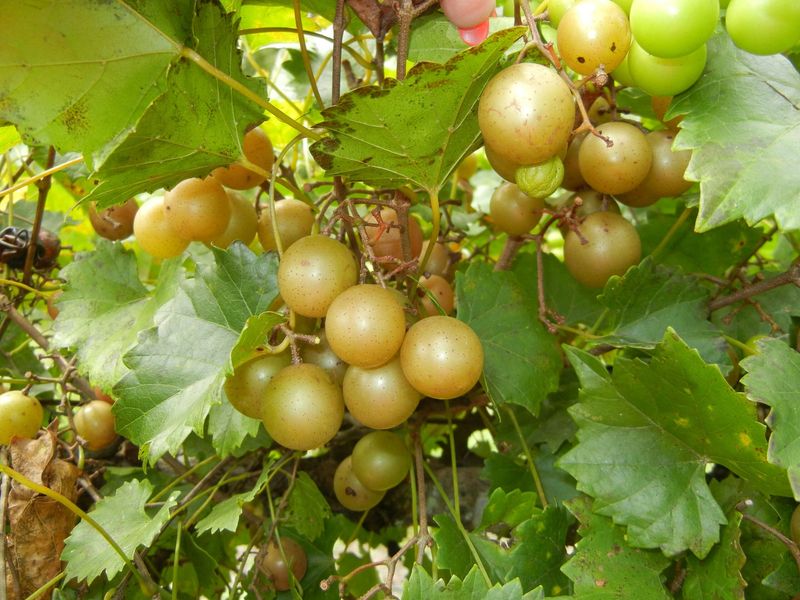
You may run into native and regionally adapted food plants like pawpaw, American hazelnut, muscadine, American plum, black chokeberry, and even American groundnut, or Apios americana.
That mix matters when your yard has part shade, a slope, or pockets that stay cool and damp after a storm.
Mountain gardeners often get tempted by plants with flashy labels that hate late frosts.
Native options can be more forgiving.
Muscadine, or Vitis rotundifolia, loves heat and sun, but it also needs support and room, often 10 to 20 feet along a fence or arbor.
Pawpaw prefers younger years in partial shade, then more light as it matures.
And if you are trying to protect porch evenings from feeling lifeless, these plants also feed pollinators and birds instead of turning the yard sterile.
There is relief in shopping a place that understands the ridge, the hollow, and the cold pocket.
You stop forcing the wrong plant into the wrong map.
5. Rabbit Ridge Berry Farm
If your main goal is fruit you can pick with one hand while holding a bowl in the other, start here.
Rabbit Ridge Berry Farm belongs on the list because it narrows the mission to what a lot of homeowners genuinely want, productive berry plants that fit North Carolina heat and real family routines.
Down in Coats, the setting speaks to Coastal Plain and Sandhills growers dealing with sandy soil, fast drainage, and summers that turn muggy before lunch.
Berry-focused nurseries see details that general centers skip.
Blueberries, for example, are not just blueberries.
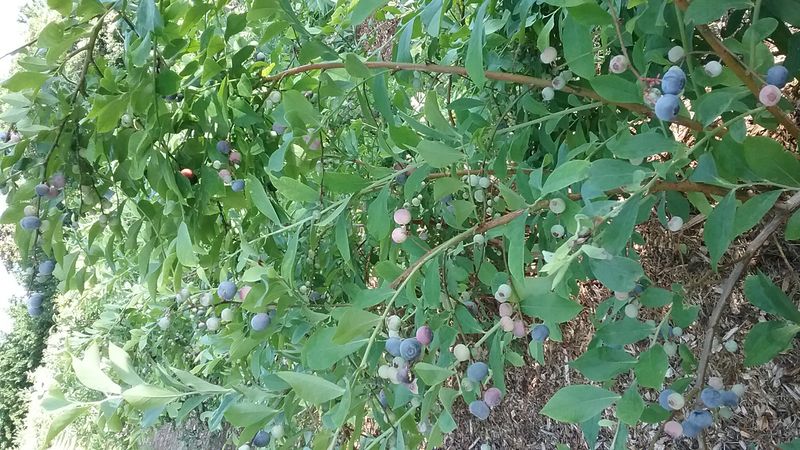
Native and well-adapted Vaccinium types need acidic soil, steady moisture, and cross-pollination is often better with more than 1 variety.
In sandy ground, you may water deeply 1 to 2 times a week during dry stretches, especially in the first year.
Blackberries can be just as useful for a small-space harvest.
Give many types around 3 to 5 feet between plants and a row that gets at least 6 hours of sun.
Here is the catch, Japanese beetles and birds both know good fruit when they see it.
Native-heavy plantings help support predatory insects and songbirds elsewhere in the yard, though you may still need netting or timing tricks at ripening time.
When a nursery is built around berries, you leave thinking in seasons and handfuls, not just tags and receipts.
6. Red Root Native Nursery
Hidden-gem nurseries often make you slow down, and that is a good thing.
Red Root Native Nursery has a smaller, more woodland-centered feel, which is exactly why it matters for people hunting native edibles that never show up in flashy retail rows.
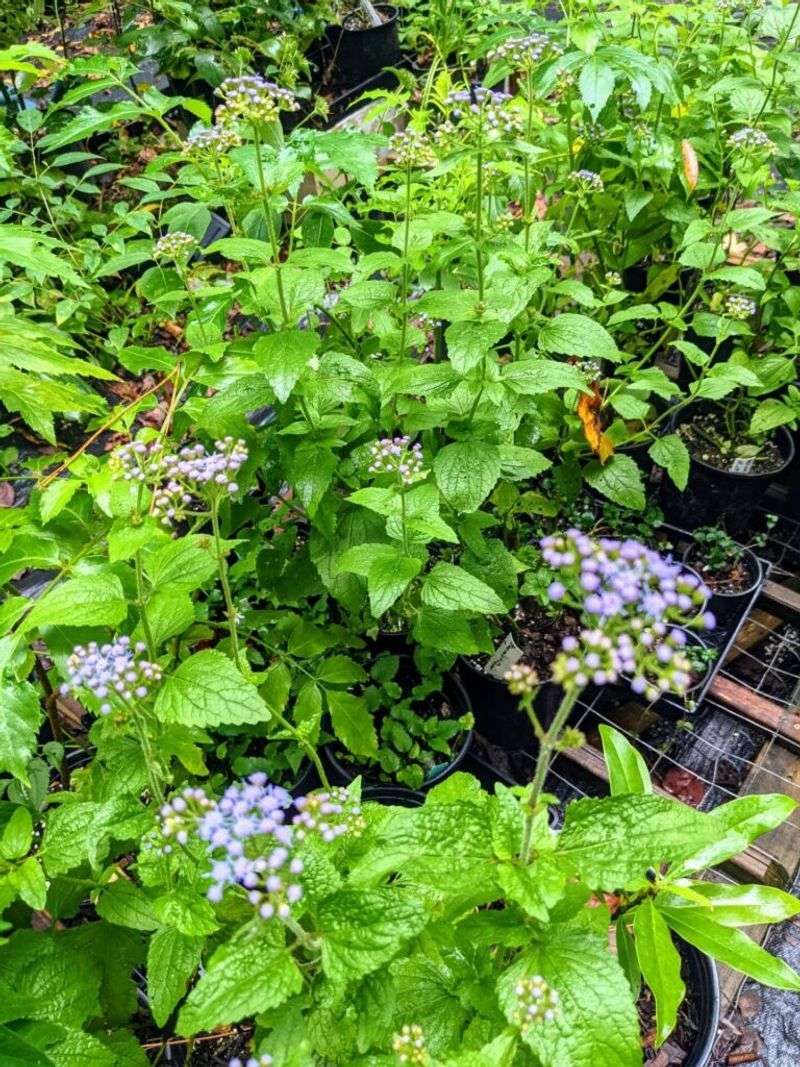
Based in Barnardsville, this nursery is known for Southern Appalachian native shrubs and perennials, often with edible or medicinal value alongside habitat benefits.
That makes it especially useful if your yard is not a wide-open field but a half-shaded mountain lot under dogwoods, red maples, or older oaks.
Big centers are usually built for instant color in full sun.
Woodland natives ask a different question, one about what already wants to live in your space.
You may not come home with a trunk full of fruit trees.
Instead, you might find the plants that knit the edges together, species that support pollinators, feed birds, and still offer edible parts for a cook who likes local foraging flavors.
Redbud, or Cercis canadensis, is a good example in the broader native edible conversation.
Its blossoms are edible, and the tree usually fits neatly at 15 to 30 feet tall.
In mountain soils, a 2 inch mulch ring and careful first-season watering can matter more than fertilizer.
The charm here is not abundance for abundance’s sake.
It is precision, and your yard often responds better to that than to excess.
7. Reems Creek Nursery
Not every worthwhile stop has to be tiny or hard to find.
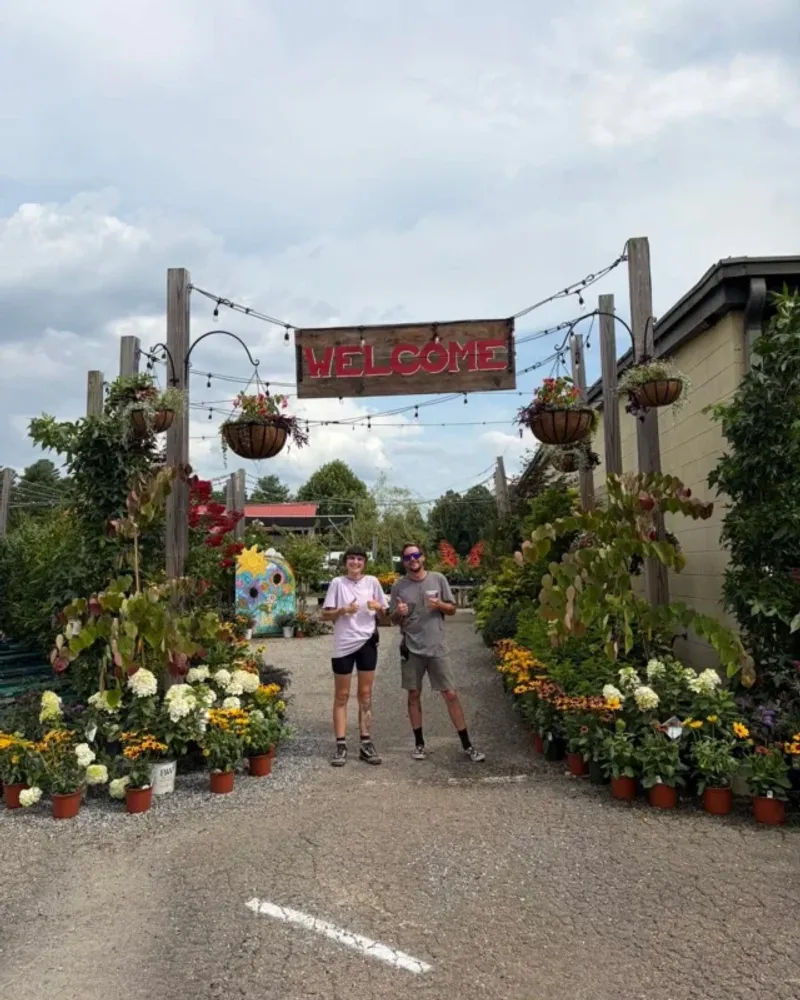
Reems Creek Nursery makes sense on this list because it gives western North Carolina gardeners a realistic middle path, a regional nursery where you can often find stronger plant guidance and more locally sensible stock than at chain stores, while still shopping in a familiar retail setting.
For homeowners around Asheville and Weaverville, that matters.
Mountain and foothill yards can swing from heavy rain to dry spells fast, and hurricane leftovers from June through November can drop water in a hurry.
A nursery tuned to that rhythm is more likely to steer you toward tough native edibles and useful near-natives that can handle slope, drainage shifts, and surprise cold snaps.
Serviceberry, elderberry, and persimmon are the kinds of plants worth watching for because they feed both people and wildlife without asking for constant rescue.
Action is what keeps the trip from turning into inspiration only.
If you bring home elderberry, place it where it gets at least 4 to 6 hours of sun and more moisture than your driest beds.
If you choose serviceberry, give it airflow and room, often 15 feet or more, since muggy summers can invite leaf problems when branches are packed too tight.
NC State Extension often recommends matching plant to site first, and that simple rule saves money.
Sometimes the best nursery is the one that helps you make a smart, boring decision.
Then a few years later, it looks brilliant.