
The Liriope In Almost Every Florida Yard That Natives Quietly Do Better
Follow us on Google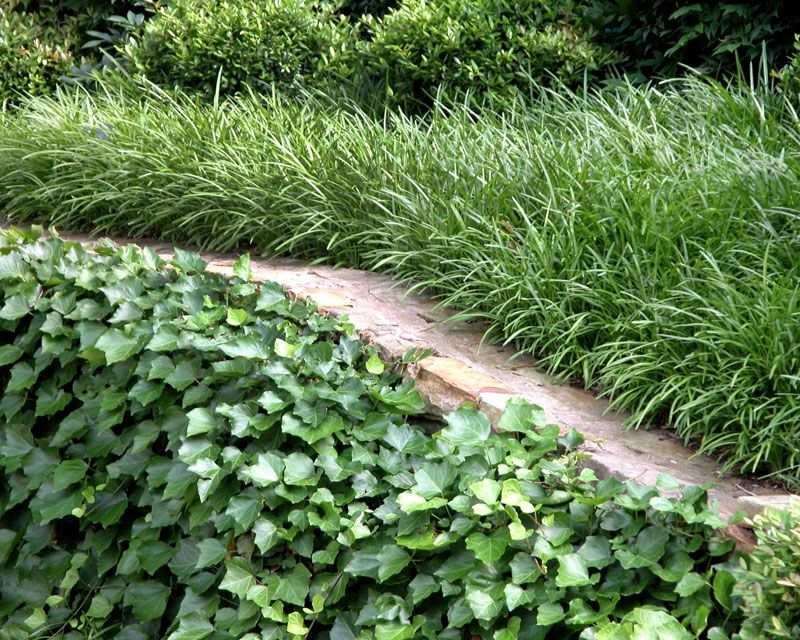
You step onto the patio after breakfast and the air already feels heavy, thick with that familiar Florida humidity.
Your eyes drift to those tidy green borders lining the driveway, the ones almost every yard seems to have.
That plant is Liriope, and it looks harmless enough.
But it is quietly working against your yard, your wallet, and Florida’s wildlife, and there are natives that do the same job with far more grace.
1. That Familiar Green Border Is Not Helping Your Florida Yard
You have seen it a thousand times, maybe even planted it yourself.
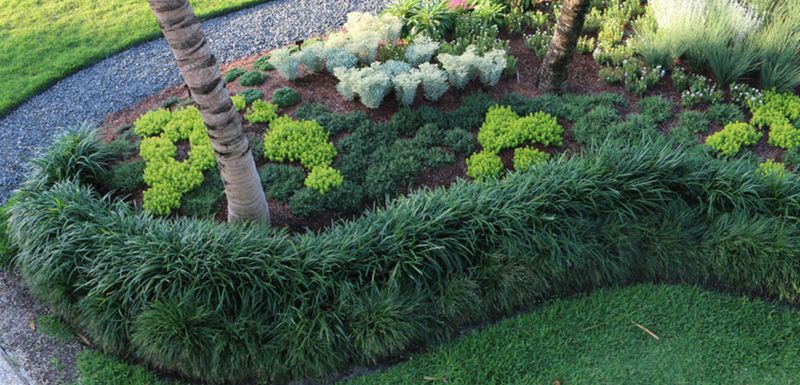
The strappy, grass-like clumps forming neat edges around flowerbeds or beneath larger shrubs.
That plant, often called lilyturf or monkey grass, is Liriope, either Liriope muscari or its more aggressive cousin Liriope spicata.
For years, many Central Florida gardeners reached for it because it promised an evergreen, low-effort border.
It stays green all year and throws up purple flower spikes in summer.
Here is where it gets tricky.
Liriope is not native to Florida, it comes from Southeast Asia.
The UF/IFAS Assessment of Non-native Plants in Florida’s Natural Areas rates both species as a moderate invasion risk, meaning it escapes into wild areas and crowds out true locals.
That tidy border is actually an outsider, offering almost nothing to the birds and butterflies that need help.
It can also brown at the tips in alkaline or soggy soil, and it hosts slugs, snails, and scale insects.
The good news is that Florida grows better options, and they do not ask for more work.
2. Coontie Palm Brings Ancient Beauty And Butterfly Benefits
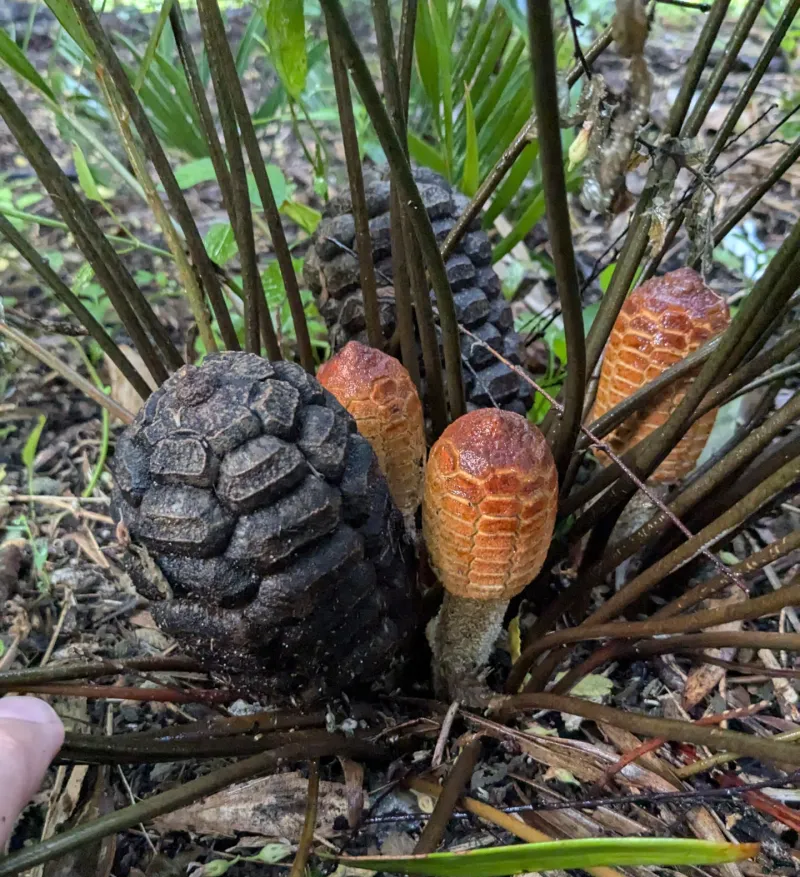
Picture a plant that has graced Florida’s landscapes for thousands of years, a living fossil that still earns its keep.
That is Coontie palm, or Zamia integrifolia, the only cycad truly native to the continental United States.
You will find it thriving from the Panhandle down to the Keys, comfortable in USDA zones 8b through 11.
It forms a low evergreen mound, usually 2 to 4 feet tall and up to 5 feet wide, with stiff glossy fronds that read tropical without any fuss.
What sets Coontie above Liriope is its role in the food web.
It is the only larval host for the Atala butterfly, a striking insect with iridescent blue wings and a bright orange belly.
Plant Coontie and you are feeding a comeback story that Liriope simply cannot support.
Tough does not begin to cover it.
Coontie shrugs off drought once established, handles heat and light salt spray, and takes sun to partial shade, though shade often keeps the foliage looking freshest in our brutal summers.
It likes well-drained sandy soil and tolerates cold down to about 30 degrees.
Space plants 3 to 5 feet apart.
Water new ones deeply, soaking to 8 inches every few days through hot spells.
After the first year it rarely needs extra water, and your bill will thank you.
3. Muhly Grass Adds Soft Texture And Fall Color
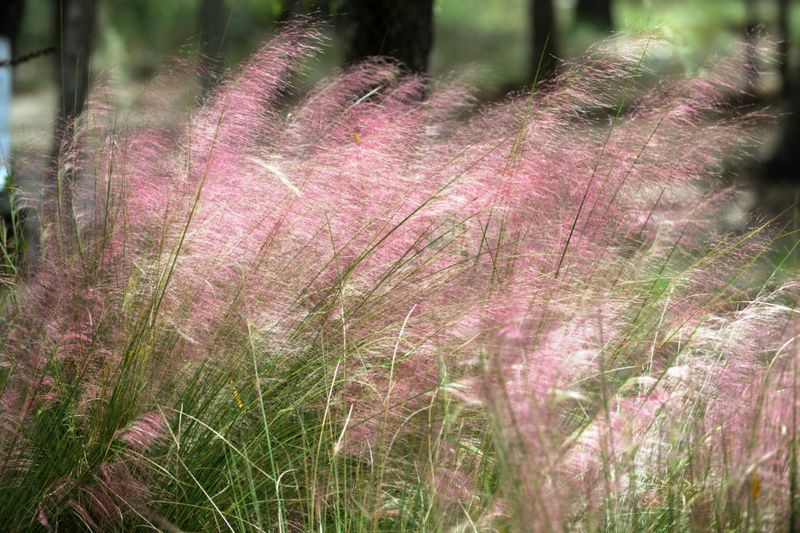
Step outside on a crisp autumn morning and imagine your yard glowing soft pink, like cotton candy caught in the light.
That is Muhly grass, or Muhlenbergia capillaris, doing what Liriope never could.
Instead of rigid lines, you get a delicate airy texture from fine blades that gather into elegant clumps, 3 to 4 feet tall and about as wide.
It performs across Florida, from the cooler Panhandle to the warm south, roughly USDA zones 7 through 11.
Muhly shines in full sun and only sulks a little in light shade, which mostly costs you those spectacular fall plumes.
It handles sandy soil, sandy loam, acidic or alkaline ground, even the tired dirt left behind by new construction.
Once settled in, it is genuinely drought tough during our long dry spells, and it takes salt spray well, which makes it a friend to coastal homes on both the Gulf and Atlantic.
Space clumps 24 to 36 inches apart for that drifting, meadow look.
For the first two to three months, give new plants about 1 inch of water weekly, then let the rain do the rest.
A trim to about an inch above the ground in late winter keeps it neat for spring.
Small wildlife tucks into the clumps too, quietly.
4. Sunshine Mimosa Weaves A Living, Interactive Carpet
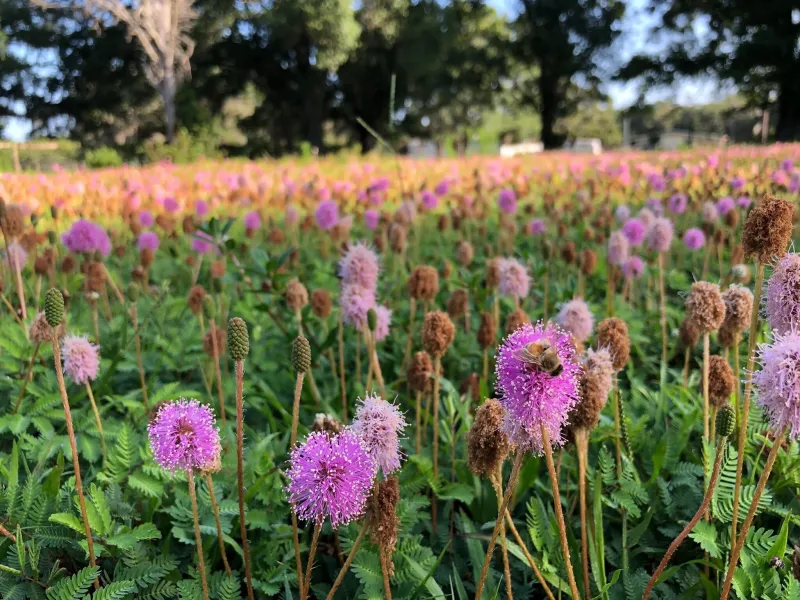
Brush your fingers across the leaves and watch them fold up in surprise, then slowly open again.
That is Sunshine Mimosa, or Mimosa strigillosa, a native groundcover that turns a boring border into something your kids will not leave alone.
It grows only 3 to 9 inches tall but spreads fast into a dense mat of bright green fern-like foliage.
From spring through fall it pops out little pink powder-puff blooms that pull in pollinators, and it serves as a larval host for several Sulfur butterflies, including the Ceraunus blue.
Native across peninsular Florida, it likes full sun to partial shade and our sandy well-drained soil, yet it tolerates both dry and moist ground.
Deep roots help hold slopes in place and let it laugh at drought once established.
You can even weave it through turf for a naturalized lawn that needs less mowing and water.
It is not always evergreen in the coldest months, but it bounces back quickly each spring.
Just four or five pots can cover up to 300 square feet in a single season.
Water new plants regularly until rooted, then lean on rainfall.
If it wanders, a quick pass with shears or the mower reins it in.
5. Beach Sunflower Brings Cheerful Blooms To Tough Spots
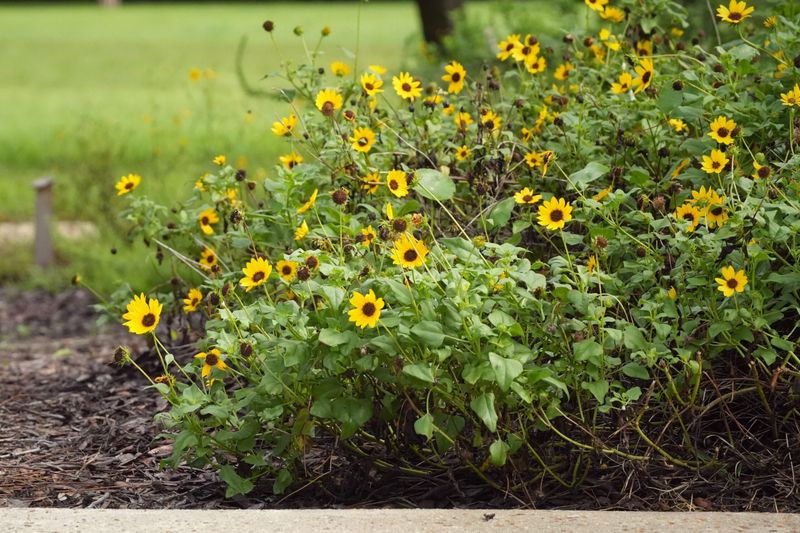
Some corners of the yard just cook.
Hot, sandy, sun-blasted spots where nothing seems to last.
Beach Sunflower, or Helianthus debilis, treats that misery like a five-star vacation.
It forms a dense mat only 1 to 2 feet tall, throwing out cheerful golden daisies about 2 to 3 centimeters across from June through September, and nearly year-round in South Florida’s warmest zones.
Butterflies find it fast.
Native to sandy shores from Florida to Texas, it wants at least six hours of direct sun a day.
Give it light sandy soil with sharp drainage and it will reward you, and it stands up to coastal salt spray and stiff wind, which makes it perfect near the ocean.
In North Florida a hard freeze may cut it back to an annual, but it reseeds readily and often returns.
In Central and South Florida it behaves more like a steady perennial.
Water new plants about twice a week for the first couple of years to build deep roots.
After that, mature plants ask for almost nothing, just let the top 2 centimeters of soil dry between waterings.
A firm cut-back in late March or early April keeps it full and fresh.
6. Spider Lily Offers Fragrance And Elegance In Variety
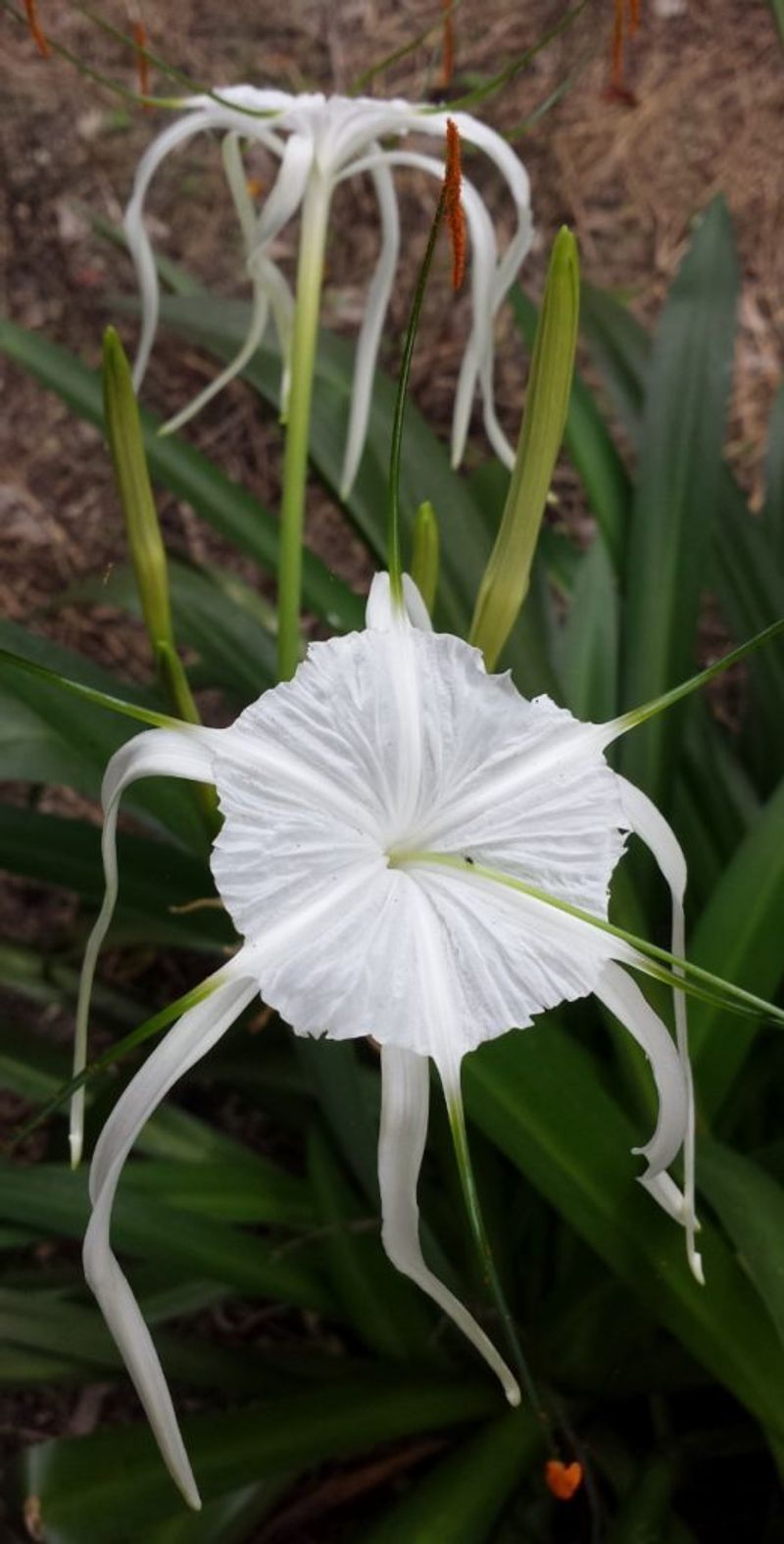
On a warm evening, tall white flowers open like slow fireworks and the air fills with a soft, sweet scent.
Those are Spider Lilies, native Hymenocallis species that hand you a kind of elegance Liriope has never met.
These clumping perennials rise 2 to 3 feet tall over long dark strap-like leaves.
Hymenocallis latifolia, the mangrove spiderlily, is happiest in Central and South Florida coastal areas and the Keys, blooming spring through fall.
Cooler-climate cousins like the Spring-run spiderlily, Hymenocallis rotata, suit North Florida.
Those night-glowing blooms feed moths, the overlooked pollinators working the late shift while everyone sleeps.
Spider lilies bend easily on moisture, taking drought once established and shrugging off brief wet spells.
They handle salt spray too, so coastal beds suit them well.
Set bulbs with the neck at or just above the soil, spacing them 12 to 24 inches apart.
They perform in full sun to partial shade and adapt to many spots.
The mangrove type wants the year-round warmth of the far south, while hardier species push north in well-drained soil, or in saturated sandy ground near water for the Spring-run type.
Once settled, they ask for very little.
7. Liriope Spicata Is The One That Really Runs
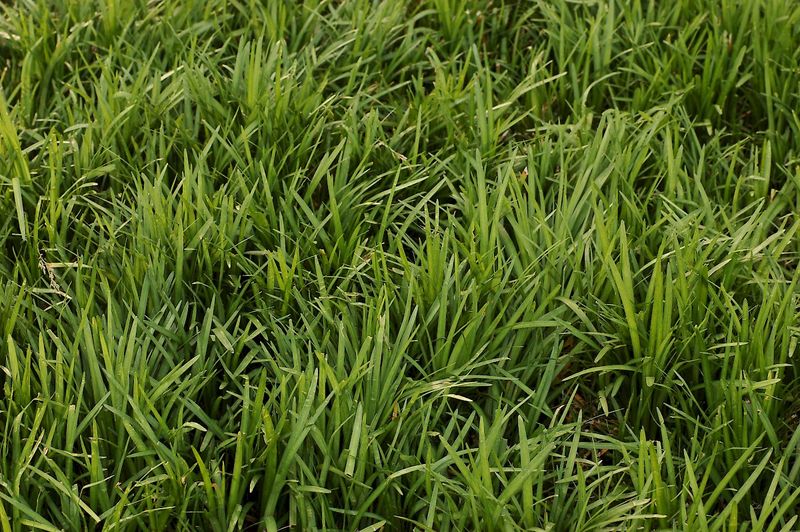
Not all Liriope behaves the same, and this is the cousin that gives the whole family a bad name.
Liriope spicata, sometimes sold as creeping lilyturf, does not stay where you put it.
While Liriope muscari clumps politely, spicata sends out underground runners called rhizomes, the plant’s version of tunneling escape routes.
Turn your back for a season and it has crept into the lawn, the mulch bed, and the neighbor’s fence line.
That is exactly the trait UF/IFAS flags when it warns about escape into natural areas.
In North and Central Florida, mild winters rarely knock it back hard enough to slow the spread, so it just keeps marching.
Pulling it out is genuinely frustrating because every bit of rhizome left behind resprouts.
Digging a 6 to 8 inch root barrier around a bed can slow it, but that is a lot of labor for a plant that gives wildlife almost nothing back.
If you already have it, the honest move is to dig thoroughly, sift the soil, and replant with something like Sunshine Mimosa that spreads on your terms.
Trading a runaway for a well-mannered native is one small win you can actually see.
8. Powderpuff And Frogfruit Handle The Wet, Low Pockets
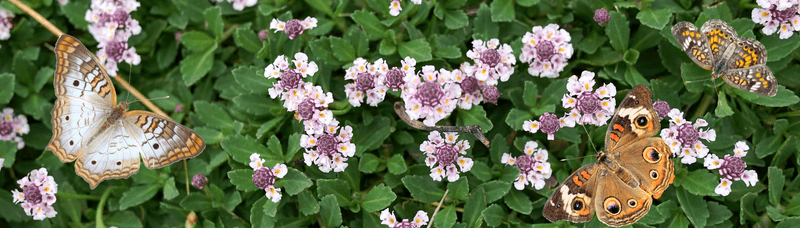
Every Florida yard has that low pocket that stays soggy after a downpour, the spot where Liriope tips brown and rot creeps in.
Frogfruit, or Phyla nodiflora, treats standing water and mucky ground as a feature, not a flaw.
It hugs the earth at just 3 to 6 inches tall, spreading into a tough green mat dotted with tiny white and lavender flowers almost year-round in Central and South Florida.
Those little blooms are a workhorse for butterflies, feeding the white peacock and the phaon crescent.
Poorly drained low areas are common across the state, from flatwoods to the edges of retention ponds.
Frogfruit takes the soggy spells and then rides out the winter dry stretch without complaint, a rare kind of flexibility.
Plant plugs about 12 to 18 inches apart and they knit together within a season or two.
Water new plugs a few times a week until rooted, then step back.
It tolerates foot traffic, salt on both coasts, and even a low mow if you want it crisp.
For that troublesome wet corner, it is one of the few natives that genuinely thrives instead of merely surviving.
9. Fakahatchee Grass Gives You The Clumping Look Without The Downside
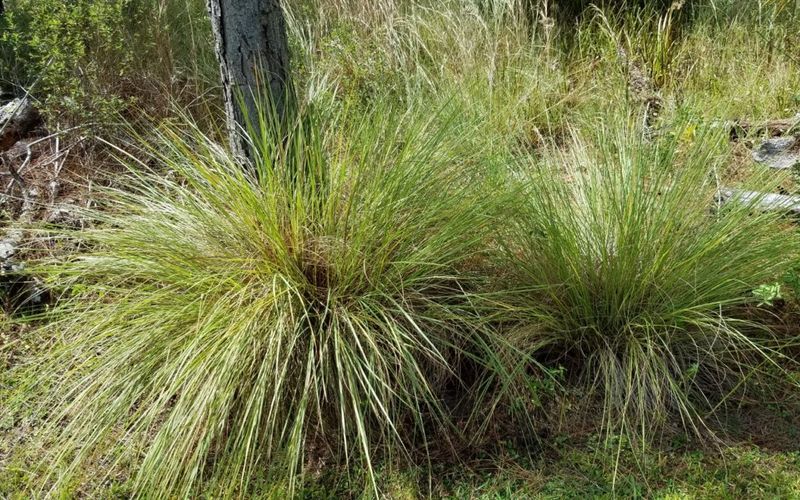
If you loved the neat clumping shape of Liriope but wanted something with real Florida roots, meet dwarf Fakahatchee grass, or Tripsacum floridanum.
It gives you the same mounded structure with none of the invasive baggage.
The dwarf form stays a tidy 2 to 3 feet tall and wide, arching gracefully like a fountain.
It fits the edging job perfectly, framing beds and lining walks the way monkey grass tried to.
Native to South Florida’s rocky pinelands and comfortable up through Central Florida, it handles our shallow limestone-based soils where many plants struggle.
Those alkaline, rocky pockets in the south and the Keys defeat plenty of choices, but this grass calls them home.
It takes full sun to partial shade and, once established, is genuinely drought tolerant, sailing through winter dry spells.
Space plants 24 to 36 inches apart for a clean row or a soft mass.
Give new plants about 1 inch of water weekly for the first couple of months, then let rain carry them.
A single trim in late winter freshens the clump for spring.
It also feeds skipper butterfly larvae, so your neat border pulls double duty.
10. Blue-Eyed Grass Delivers Delicate Color In Small Spaces
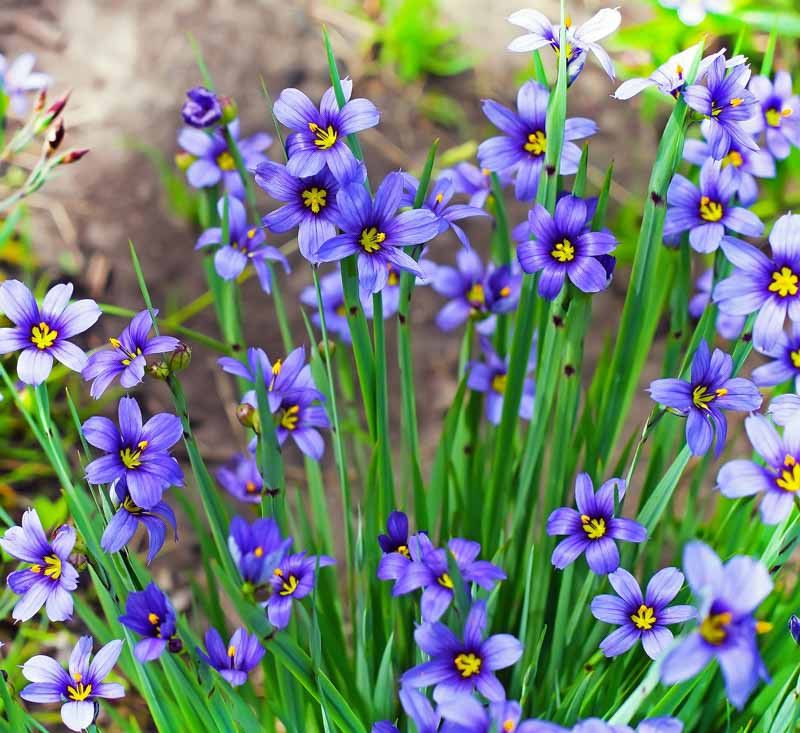
Down close to the ground, where Liriope just sits there being green, blue-eyed grass throws a small party.
Sisyrinchium angustifolium is not really a grass at all, it belongs to the iris family, and it proves it with tiny blue-violet star flowers.
Those blooms appear from late winter into spring, glowing against fine grassy foliage that stays neat at 6 to 12 inches.
In North and Central Florida the color arrives just as everyone is itching for the garden to wake up.
It likes moist, well-drained ground and full sun to light shade, tucking beautifully into the front of a bed or between stepping stones.
Space small clumps 8 to 12 inches apart and let them slowly fill in.
This one is a myth-buster.
People assume native means unruly and messy, yet blue-eyed grass stays compact and polite, easier to place than sprawling Liriope drifts.
Water gently until established, then it manages on seasonal rain in most years.
Its blooms feed small native bees, so even a tiny patch pulls its weight.
For a delicate pop of color where space is tight, few natives do it with such quiet charm.
11. Native Groundcovers Genuinely Cut Your Water Bill
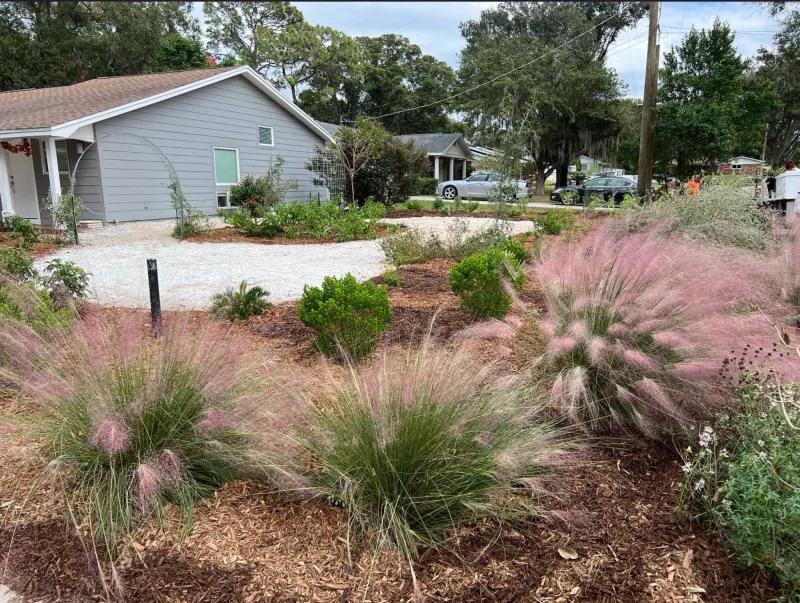
Here is a payoff you can feel in the mailbox.
Once native groundcovers root in, most of them coast through Florida’s long dry spells on rainfall alone, while your irrigation timer takes the summer off.
The reason is simple.
Plants like Coontie, muhly grass, and beach sunflower evolved in this exact soil and climate, so their roots reach deep into our acidic sandy ground and find moisture where shallow-rooted borders cannot.
Liriope, by contrast, often needs steady watering to stay lush, especially in the intense sun of the Gulf Coast and the peninsula.
Multiply that across a whole edging of it and the gallons add up fast.
The move is to water any new native deeply during its first year, then dial back hard.
A slow soak to 6 to 8 inches once or twice a week beats a daily sprinkle, because it trains roots to grow down instead of sideways.
After that first season, many natives need supplemental water only during a severe drought.
You spend less, you drag the hose less, and the yard looks better for it.
That is a quiet kind of proud.
12. What Else Actually Helps Your Florida Landscape
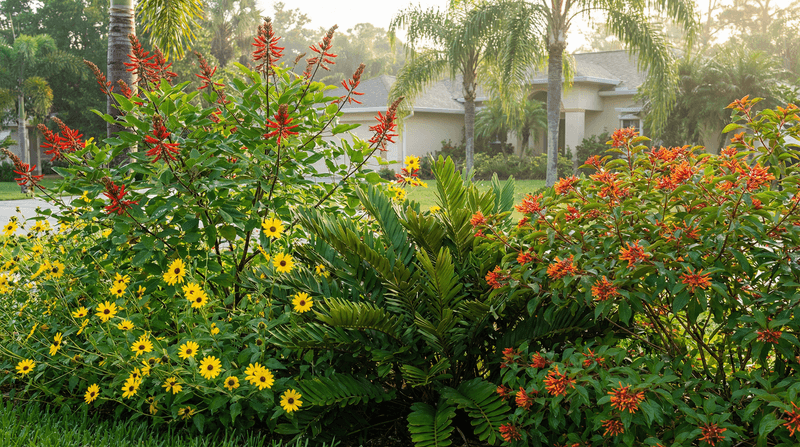
Choosing native groundcovers is about working with Florida instead of against it.
From the sandy loam of the Panhandle to the limestone soils of South Florida and the low, mucky pockets in between, our state is not one climate, and one imported border cannot serve all of it.
Lean into the plants that already know the drill.
Coontie, muhly grass, Sunshine Mimosa, beach sunflower, and spider lily were built for humid summers, sudden downpours, salt air, and the odd cold snap.
Native groundcovers also act like a living mulch.
They shade out weeds, hold soil against erosion, and keep moisture in the ground, which means less pulling, less watering, and fewer chemicals reaching for a fix.
They build habitat highways too, linking your yard to the wider landscape and feeding the monarchs, zebra longwings, and gulf fritillaries passing through.
UF/IFAS Extension has long pointed homeowners toward Florida-Friendly Landscaping for exactly these reasons.
So when you finally lift out that tired strip of Liriope and set a true native in its place, you are not just swapping a plant.
You are growing a tougher, livelier piece of Florida right outside the door, and it will keep giving back long after the work is done.