
The Night-Blooming Texas Plants That Draw Bats In To Thin Out Mosquito Hour
Follow us on Google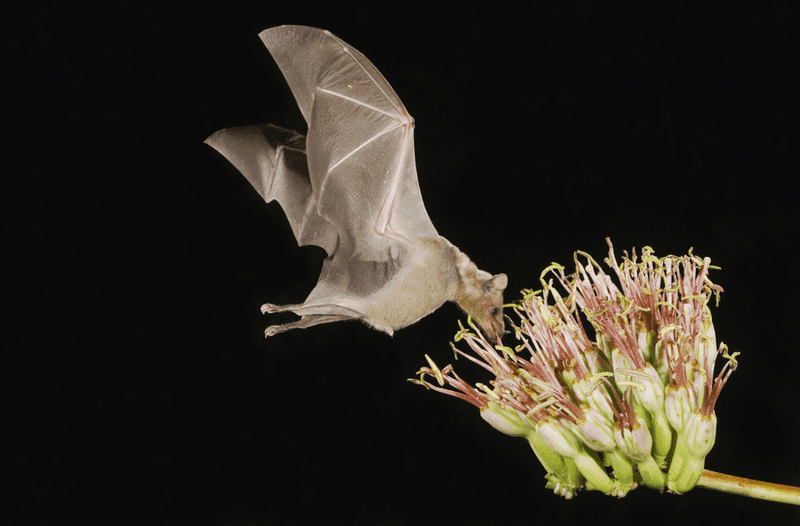
You step outside as the last orange fades from the sky, and the air still holds the day’s heat like a warm blanket.
Then a whine hums past your ear, and another, and mosquito hour has officially begun.
Before you reach for the spray, know this.
The right night-blooming plants can call in bats, and one hungry bat eats thousands of insects a night.
Let us walk the fence line and look at which Texas bloomers turn your yard into the night shift’s favorite diner.
1. The Buzzing Antagonists And Their Nighttime Hunt
Mosquitoes are the tiny villains of every Texas evening, and they play a long game.
They breed in still water, and just a tablespoon left in a saucer can hatch hundreds.
You empty buckets and flip pots, but along the Gulf Coast humidity keeps refilling their nurseries.
Here is where it gets interesting.
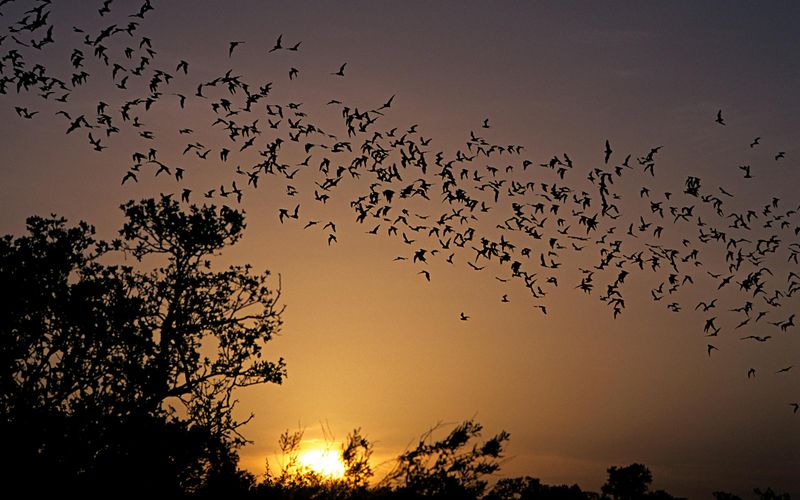
Texas hosts 33 bat species, more than any other state.
From the Mexican free-tailed bat, Tadarida brasiliensis, that clouds the sky in Central Texas to the smaller evening bats that roost in East Texas trees, they all share one appetite.
Bugs.
One bat can snatch up to 1,200 mosquito-sized insects in a single hour.
Over a whole night that climbs to 6,000 or more, and a nursing mother working to feed her pups may put away roughly 4,500.
That is a genuine dent in the population buzzing around your porch.
Now, the honest part.
Mosquitoes are only one item on the menu, and bats will chase moths and beetles too.
So they are not a magic switch that clears every biter.
But they are a strong layer in your yard’s natural defense, and your plants are the bait that keeps them circling back.
2. Sweet Four O’Clock Rings In The Night
Step outside as the sun dips low, and a sweet perfume drifts over the patio before you even see the source.
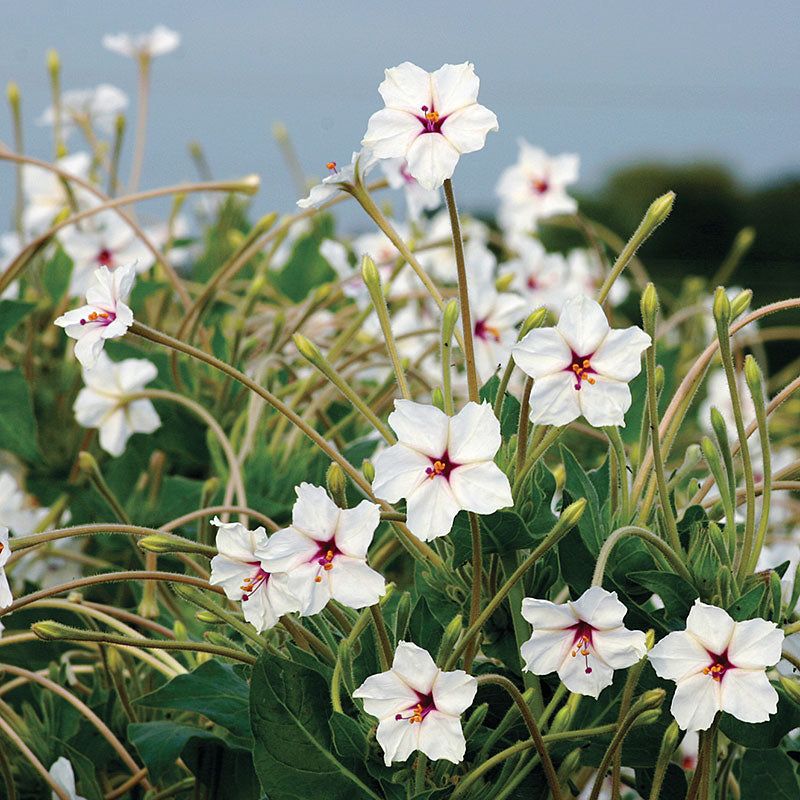
That is Sweet Four O’Clock, Mirabilis longiflora, earning its keep.
The plant got its name because the pale, magenta-throated blossoms unfurl in the late afternoon, right around four o’clock.
It is a tough perennial that settles in across much of Texas, from the blackland clay of North Texas to the sandy stretches of East Texas.
It does not fuss over soil as long as water drains, and once rooted it shrugs off long dry spells with grace.
Here is the clever part.
That fragrance is a dinner bell for hawk moths, the big nocturnal fliers, and hawk moths are exactly what bats love to hunt.
Plant seeds directly in fall or early spring, giving each one about 18 inches of elbow room.
Blooms carry you from summer into early fall.
You get a scented welcome mat by the door, and the bats get their patrol route mapped straight through your garden.
Everybody wins but the mosquitoes.
3. Chocolate Daisy’s Evening Treat
Imagine a flower that genuinely smells like chocolate.
No exaggeration.
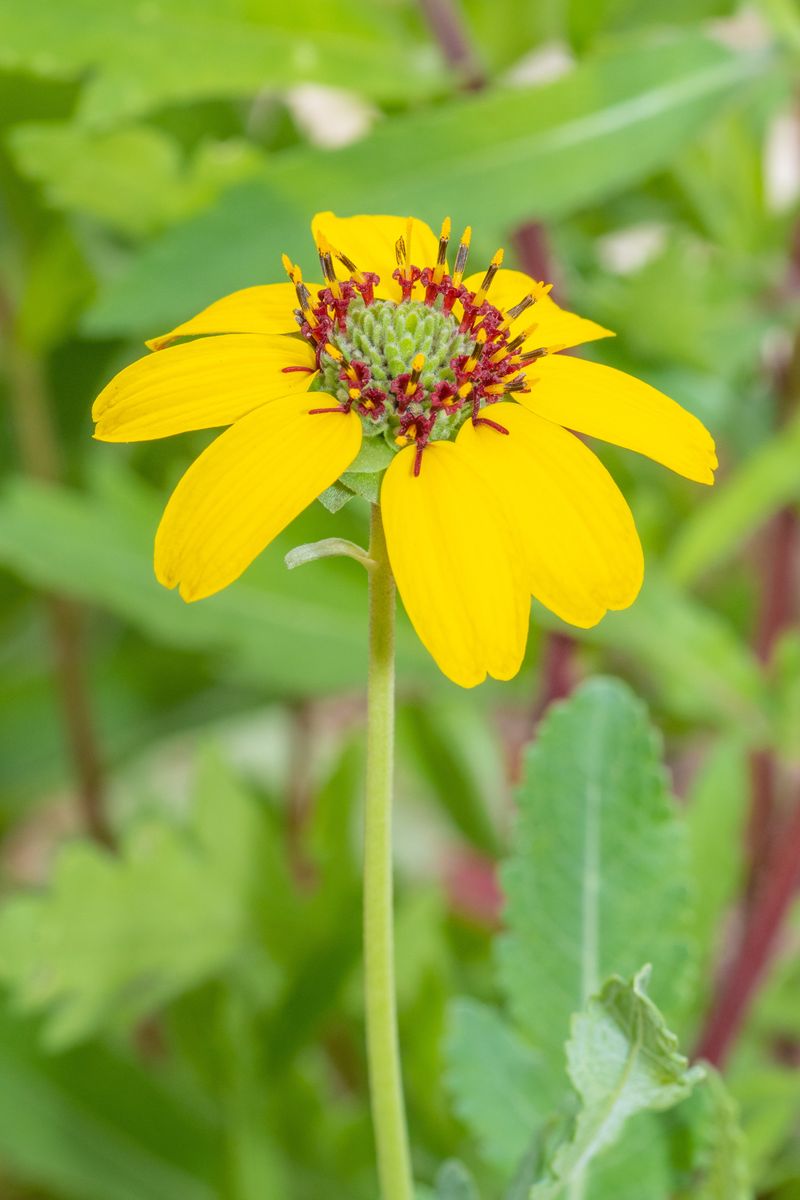
The Chocolate Daisy, Berlandiera lyrata, is a perennial native to the shortgrass prairies of West Texas, and it also thrives in the shallow alkaline soil of the Hill Country.
Cheerful yellow petals ring a dark center, and while it flowers from April through November, the cocoa scent hits hardest in the cool evening air.
The blooms wilt by mid-morning, so you have to catch that aroma at dusk.
Miss it and you wait for tomorrow.
The plant tops out around 2 feet tall and asks for almost nothing once established.
Give it full sun and soil that drains, then leave it be.
Butterflies work it by day, but the same patch pulls in moths after dark, and those moths become bat food as the light fades.
So you plant something quirky and low-effort, and it quietly recruits the night shift on your behalf.
A little strange, genuinely charming, and easy on a busy homeowner.
4. Texas Kidneywood Offers A Fragrant Canopy
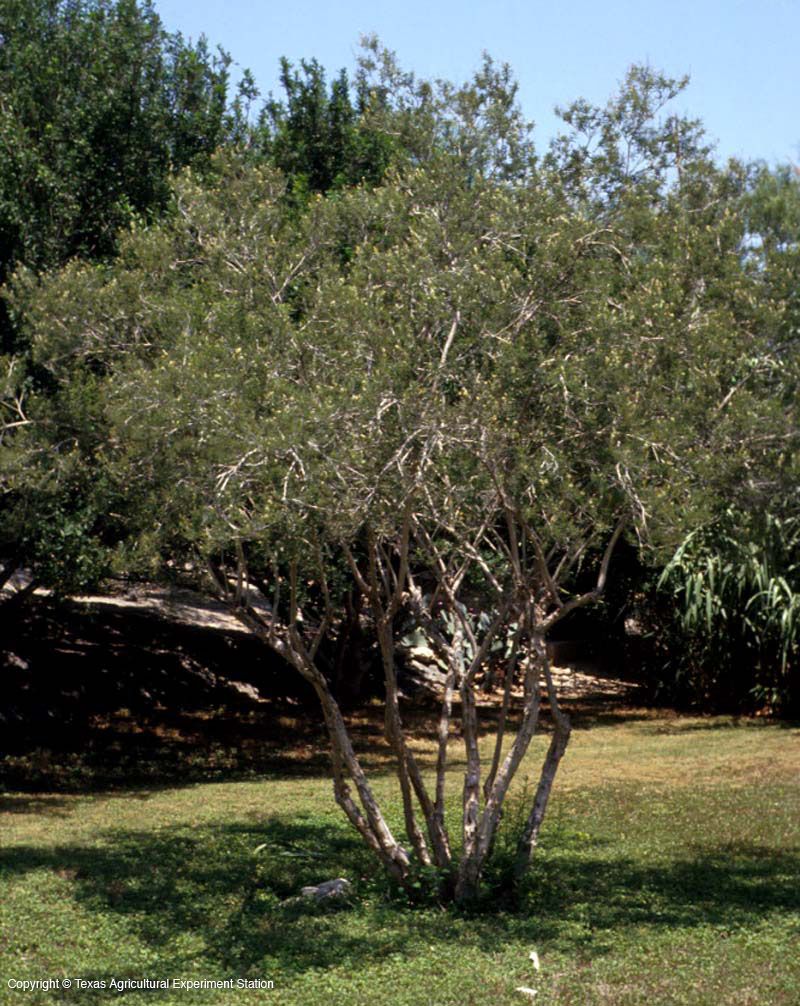
Want some height in your night garden instead of just low bloomers?
Texas Kidneywood, Eysenhardtia texana, brings it.
This small, airy native tree grows from the central plains down to the Rio Grande Valley, and it slots right into a bat-friendly plan.
From May through September it throws out creamy white spikes of fragrant flowers, and the scent turns up loud in the evening.
That perfume calls the night-flying moths, and where the moths gather, the bats follow to feast.
Kidneywood earns a spot for its toughness too.
Once settled, it handles drought and even shrugs at 100-degree afternoons that flatten softer plants.
It likes full sun and the well-drained sandy or caliche-laced soils common across Central and West Texas.
Expect a modest 10 to 15 feet at maturity, so it fits a normal yard without swallowing it.
Plant it 12 to 15 feet from the house to give the roots and canopy room.
You end up with dappled shade by day and a steady insect buffet by night, feeding the very fliers that keep your evenings quieter.
5. Evening Primrose For Nocturnal Moth Patrol
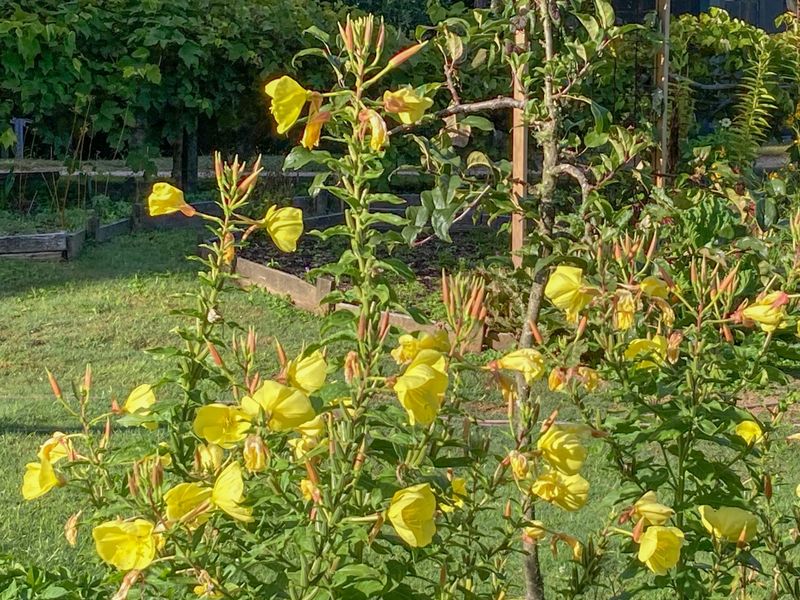
The name says it all, and it mostly keeps its promise.
Several native Oenothera species open their blooms at twilight, making them naturals for a bat garden.
One caution first.
The popular pink evening primrose, Oenothera speciosa, often opens in the morning across much of Texas, so it is not your pick here.
For true after-dark action, reach for common evening primrose, Oenothera biennis, or trumpet evening primrose, Oenothera jamesii.
The common type shows bright yellow, 2-inch flowers that reliably swing open in the evening and close by noon the next day, blooming July through September.
Trumpet evening primrose runs taller, 4 to 6 feet, with big yellow trumpet blooms that open at dusk and pull in moths from summer through fall.
Both are biennials, meaning they grow a leafy rosette the first year, flower the second, then reseed themselves for the next round.
Give them full sun and draining soil, from sandy to loamy, and they take care of the rest.
Hawk moths and clearwing moths love them, and those are prime targets for hungry bats.
Set plants about 12 inches apart and let the colony fill in.
6. Beyond Blooms A Full Bat Welcome Mat
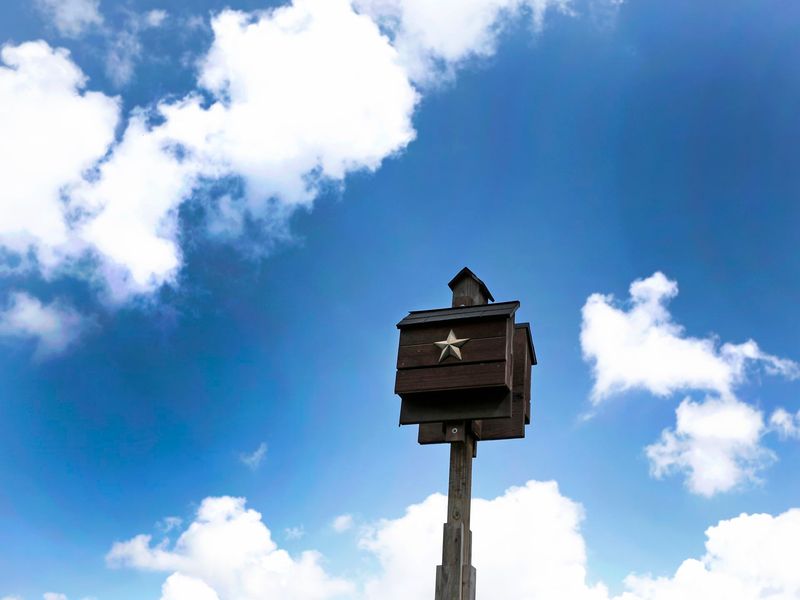
Flowers get bats interested, but they do not get bats to stay.
Food is only one leg of the stool.
Shelter and water carry the other two, and skipping them leaves your visitors with no reason to settle in.
Consider mounting a bat house 10 to 15 feet high on a pole or a wall that catches at least six hours of morning sun.
Bats want a warm, dry roost, and the height keeps them safe from cats and curious hands.
Water matters too, especially through the long dry Texas summers, so keep a birdbath or shallow dish topped off.
Here is the one that trips people up.
Broad-spectrum pesticides wipe out the exact insects your bats came to eat, so heavy spraying works against you.
According to Texas A&M AgriLife Extension, bats save the agriculture industry billions each year by devouring crop pests, and your yard runs on the same math.
Let a corner grow a little wild, plant native, and go light on the chemicals.
Do that, and you reclaim your patio while the night shift clocks in overhead.
Not a magic fix, but a genuinely satisfying one, and quieter evenings you had a hand in building.