
Reasons Why Swamp Milkweed Earns A Spot In Your Pennsylvania Garden
Follow us on Google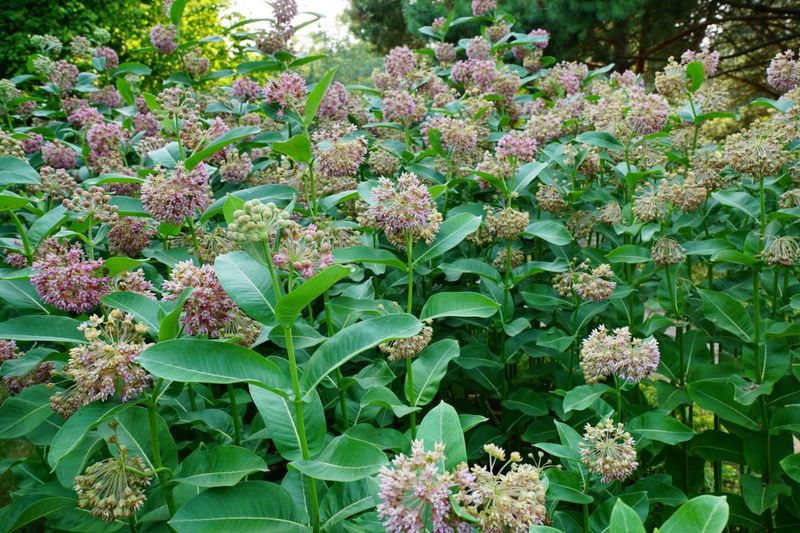
Most gardeners walk past the soggy corner of their yard and write it off as a problem.
That damp low spot near the downspout, the clay patch that stays wet after every storm, the rain-garden bed that nobody quite knows what to plant in: these are exactly where swamp milkweed, Asclepias incarnata, quietly earns its keep.
The name sounds uninviting, but this Pennsylvania native brings monarch caterpillars, clouds of pink summer blooms, and a clumping habit that fits a real yard rather than a glossy catalog.
Plant it right and it rewards you for years.
A Native Plant For Damp Pennsylvania Ground
Forget the name for a moment.
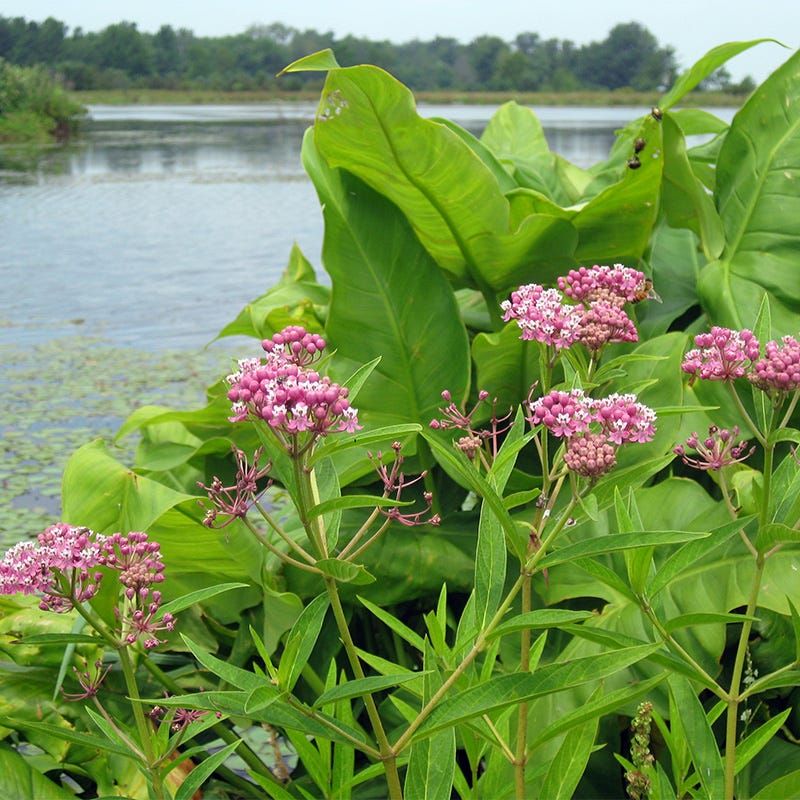
Swamp milkweed, known botanically as Asclepias incarnata, is a herbaceous perennial that has grown wild across Pennsylvania long before anyone was planting rain gardens.
Pennsylvania DCNR’s native plant checklist confirms its presence as a genuine state native, which means it already knows how to handle humid summers, freeze-and-thaw winters, and the kind of heavy clay soil that defeats many garden-center impulse buys.
In the yard, it grows roughly 3 to 5 feet tall and spreads 2 to 3 feet wide.
The stems are branched and upright, the leaves narrow, and the flower clusters are fragrant and pink to rose-purple, appearing in midsummer when a lot of the garden has gone quiet.
Narrow seed pods follow in fall, splitting open to release seeds fitted with silky hairs for wind travel.
Where it genuinely shines is in the spots most perennials refuse.
Penn State Extension lists swamp milkweed as a rain-garden plant suited to the wet or moist planting zone, and notes that it can handle clay soil.
Low areas that collect roof runoff, drainage swales, pond margins, and damp beds beside downspouts are all fair game.
It is not a plant for standing water all season, and it is not simply low-maintenance from day one.
The first two years ask something of you.
But once it is established, a well-sited plant asks for very little and gives back every summer.
Monarch Caterpillars Depend On Milkweed
Here is the part that genuinely surprises most gardeners.
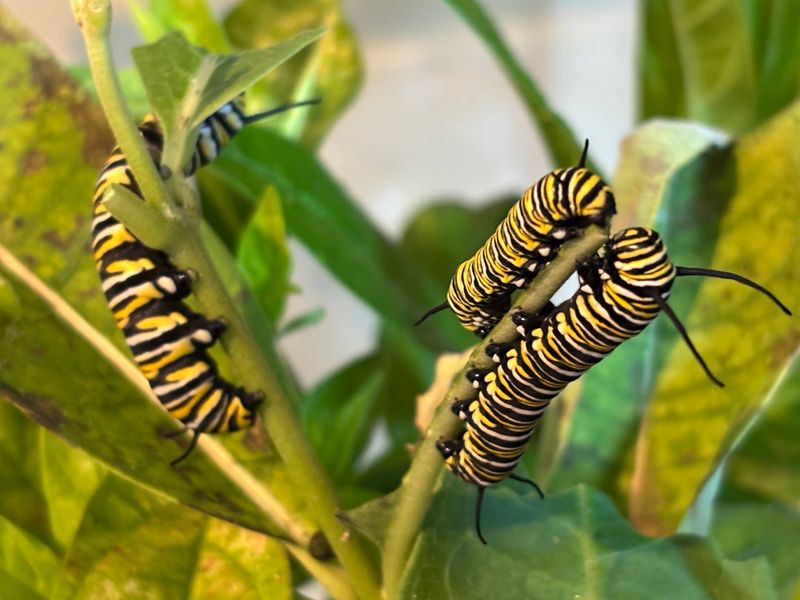
Monarch caterpillars do not just prefer milkweed.
They cannot survive without it.
USDA research on monarch habitat makes clear that females lay their eggs exclusively on milkweed plants, and the caterpillars eat milkweed foliage from the moment they hatch.
No milkweed means no caterpillars, full stop.
Adult monarchs are a different story.
Once they take wing, they need nectar from a wide range of flowering plants across the growing season, especially during migration when they are fueling long flights.
Milkweed feeds the next generation, but it does not feed the travelers on their own.
That distinction matters when you are planning a yard.
So how does swamp milkweed stack up against other milkweed species for monarch egg-laying?
A nine-species comparison study summarized by USDA Agricultural Research Service scientists found that swamp milkweed and common milkweed received the highest average numbers of monarch eggs among the species tested.
The peer-reviewed study behind that finding also noted that monarch preference shifts with season, plant condition, habitat type, and which species happen to be available.
In other words, swamp milkweed performed well, but results vary.
Planting swamp milkweed in a damp Pennsylvania yard adds a real breeding resource where one likely did not exist before.
That is worth doing.
Just understand that monarchs face habitat loss, pesticide exposure, disease, and weather challenges across their entire range, and one plant in one yard is one piece of a much larger puzzle.
A Manageable Clump With Important Limits
Common milkweed has a reputation for taking over.
It spreads by underground rhizomes and can colonize a bed in a few seasons, which is fine in a meadow and less fine in a tidy yard.
Swamp milkweed generally does not do that.
NC State Extension’s plant profile describes it as clump-forming, meaning it tends to stay put and expand slowly from the crown rather than running underground.
That said, the seeds are another matter.
When fall pods split open, the silky-haired seeds catch the wind and can travel a fair distance.
You may find seedlings popping up in nearby beds the following spring.
Most are easy to pull when small, but it is worth knowing they will appear.
On the pollinator side, the plant actually earns its space several times over.
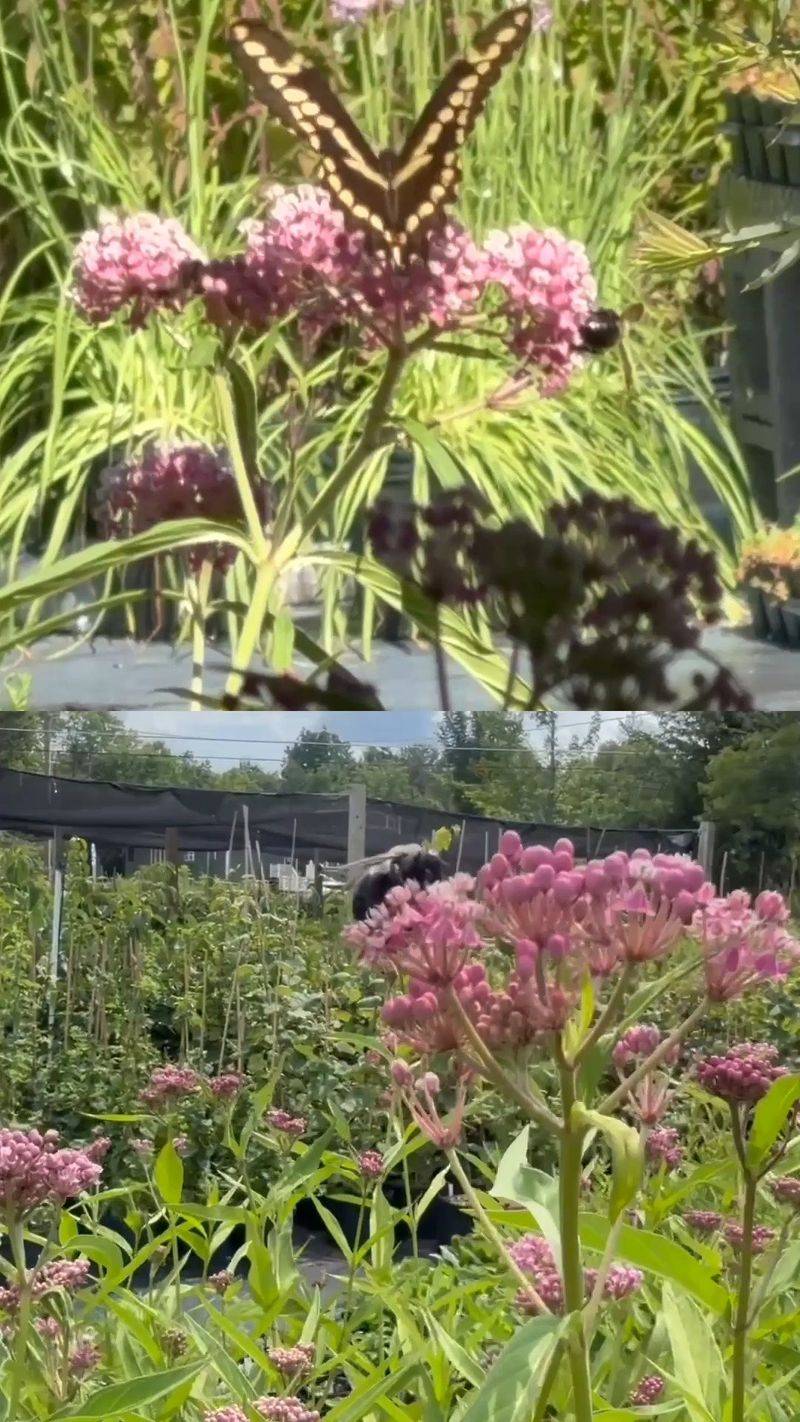
Butterflies, native bees, bumblebees, and hummingbirds all visit the flowers.
Penn State Extension notes its value to a range of pollinators, not just monarchs.
The fragrant midsummer bloom fills a useful gap in the yard’s nectar calendar.
A few cautions belong here.
Several sources describe swamp milkweed as deer resistant, and Monarch Joint Venture points out that deer and rabbits can still browse milkweed, particularly young plants that have not hardened off.
A temporary wire cage during the first season is cheap insurance in areas with heavy deer pressure.
Handle the plant with care regardless of who is browsing it.
Swamp milkweed contains toxic compounds and its milky sap can irritate skin.
Wear gloves when cutting stems, and keep children, dogs, cats, horses, and other grazing animals away from the foliage.
Choose A Moist Site That Still Drains
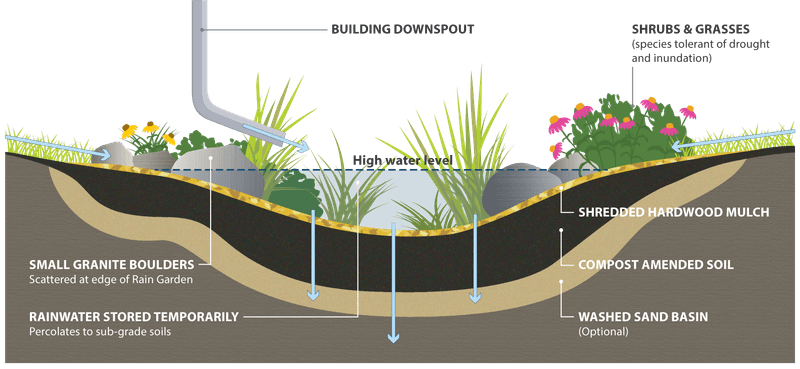
Full sun is the starting point.
Swamp milkweed wants at least 6 hours of direct light daily, and it performs best when it gets that.
Shade slows growth and reduces flowering, so a damp but shady corner is not the right fit no matter how wet the soil stays.
Beyond light, the key is finding ground that stays consistently moist without sitting in permanent water.
Good candidates include a low area that funnels roof or yard runoff, the lower planting zone of a rain garden, the margin of a pond or stream, or a bed positioned to catch overflow from a downspout.
USDA Forest Service species review data supports describing swamp milkweed as a plant for moist to wet conditions, not as a solution for a site that never drains at all.
A rain garden is a planted depression, not a pond.
Penn State Extension explains that a properly built rain garden is typically 3 to 8 inches deep and should drain within 12 to 24 hours after a storm.
Water should not remain longer than 48 hours.
A site that holds water for days at a stretch is likely to cause root problems even for a plant with swamp in its name.
Before you dig, Penn State recommends placing a rain garden at least 10 feet from your home’s foundation and calling Pennsylvania 811 to have underground utilities marked.
A simple drainage test, filling a hole with water and timing how fast it disappears, will tell you whether the site actually moves water or just holds it.
Penn State’s rain garden construction guide walks through the process in plain steps.
Choosing the right spot takes an afternoon, and it saves a lot of frustration later.
Help New Plants Establish Before You Step Back
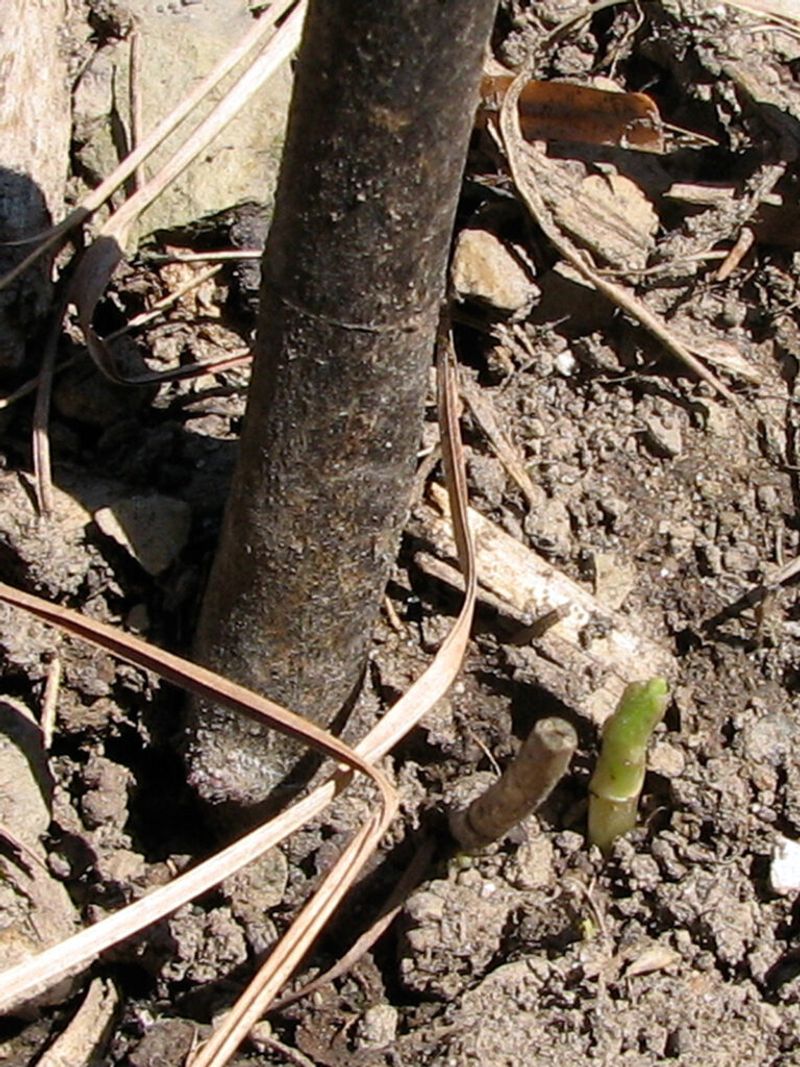
The first two years are when swamp milkweed needs you most.
A newly planted root system is still finding its footing, and even a plant destined for a wet site can struggle during an extended dry stretch before it gets established.
During those first two growing seasons, check the soil and water during any dry spell that lasts more than a week or so, even if the location usually stays moist on its own.
Penn State Extension recommends applying a 2- to 3-inch layer of shredded hardwood mulch in new rain garden plantings to hold moisture and reduce competition from weeds.
Keep the mulch a few inches away from the plant’s stems so it does not hold moisture against the crown and invite rot.
For spacing, a Penn State Master Gardener plant-sale catalog lists swamp milkweed at 24 to 30 inches apart.
Planting at about 2 to 2.5 feet gives each clump room to fill in without crowding.
If you want a looser, more open look, give them a full 30 inches or slightly more.
Here is where it gets tricky.
Missouri Botanical Garden notes that swamp milkweed emerges late in spring, and that late emergence catches gardeners off guard every year.
After a cold April in the northern tier or the Poconos, or following a late frost that hits even the central valleys, a bare patch of ground where you planted last fall can look like a total loss.
Penn State Master Gardener guidance on native milkweeds is straightforward: mark the spot with a stake or a small label, and wait.
The plant is almost certainly still there.
Match Care And Companions To Your Pennsylvania Site
Pennsylvania is not one climate.
A gardener in Erie deals with lake-effect snow and a compressed spring.
Someone in the Laurel Highlands or on the Allegheny Plateau may see a last frost weeks later than a neighbor in the Delaware Valley.
And a yard in southeastern Pennsylvania near Philadelphia can run a full hardiness zone warmer than a property at higher elevation in the northern tier.
The USDA Plant Hardiness Zone Map shows Pennsylvania ranging from roughly zone 5b in colder northern and higher-elevation areas to warmer zone 7 conditions in other regions, with local microclimates creating real variation within that range.
What that means practically is that no single care calendar applies statewide.
Penn State Extension’s guidance on gardening and climate change reinforces the importance of watching your specific site rather than following a generic schedule.
Swamp milkweed is adaptable, and it can handle average clay or loam soil as long as drainage is adequate, but a plant sited in the wrong microclimate will always underperform.
Companions matter as much as the milkweed itself.
Adult monarchs need nectar across the season, and so do the native bees and butterflies that visit your yard all summer.
Pennsylvania DCNR pollinator habitat guidance recommends selecting native plants matched to actual soil, light, and moisture conditions rather than choosing by name alone.
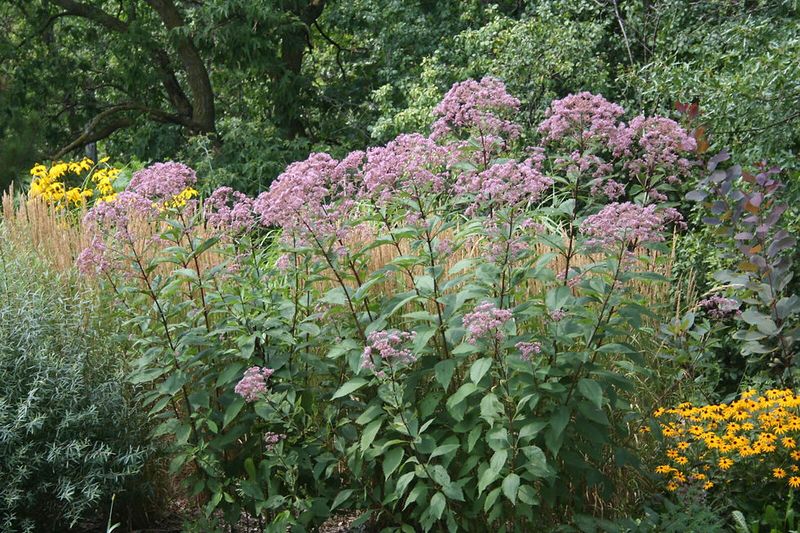
For a moist sunny bed, good partners for swamp milkweed include Joe-Pye weed, bee balm, native asters, goldenrod, black-eyed Susan, cardinal flower, blue lobelia, and native sedges.
Stagger bloom times so something is flowering from May through October, and the yard becomes genuinely useful to pollinators rather than just decorative.
Build Habitat Instead Of Expecting A Miracle
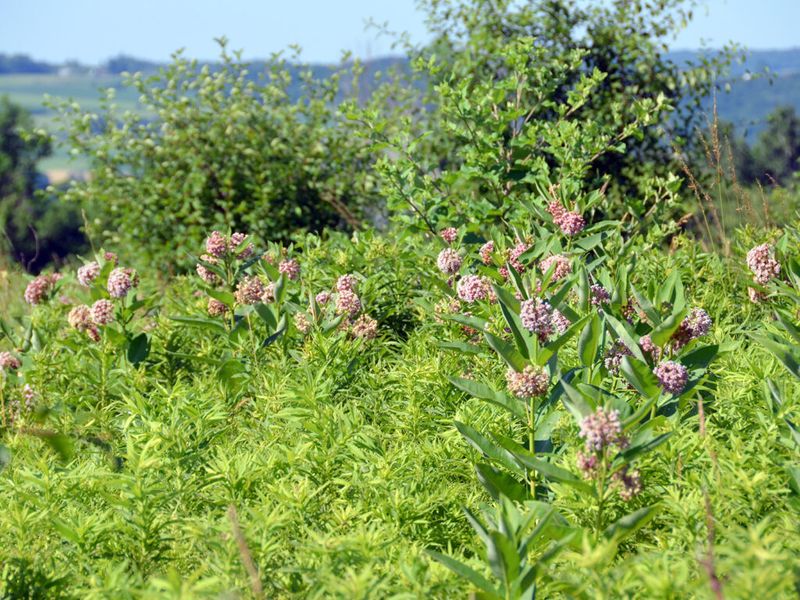
Planting swamp milkweed is a genuinely good thing to do.
But it will not single-handedly reverse the monarch’s long population decline, and being honest about that makes the gardening more useful, not less.
USGS research on monarch population decline identifies habitat loss, pesticide exposure, disease, and weather as interacting threats across the monarch’s entire range.
A USGS estimate on milkweed restoration needs puts the scale of the problem in perspective: billions of additional milkweed plants are needed across the monarch’s breeding range, not just a few more garden beds.
Your yard is one piece of something much larger.
The piece you control most directly is pesticides.
Monarch Joint Venture recommends avoiding insecticides in monarch habitat because they can harm caterpillars, adult butterflies, native bees, and the beneficial predators that keep pest populations in check.
If you notice aphids clustering on milkweed stems, the instinct to spray is understandable, but the treatment often causes more harm than the aphids do.
If a situation becomes severe enough that some response is unavoidable, Monarch Joint Venture advises against systemic insecticides and against spraying any plant while it is in bloom.
Tropical milkweed comes up often as an alternative, but Monarch Joint Venture cautions nursery owners and gardeners that tropical milkweed can stay green longer in mild climates and may increase disease risks for monarchs.
Native Pennsylvania milkweeds, swamp milkweed for wet sites, butterfly milkweed for dry sunny ground, and common milkweed for average to dry soils, are the safer regional choices.
Fish and Wildlife Service monarch species status assessment makes clear that habitat alone cannot address every threat monarchs face.
What a well-placed swamp milkweed can do is add real breeding and nectar value to a damp corner of your yard that was doing nothing before.
Pair it with diverse native plants, skip the pesticides, and you have built something that actually functions as habitat, one modest, useful, deeply rooted plant at a time.