
The Native Texas Container Plant That Keeps Blooming When Every Other Patio Pot Quits
Follow us on Google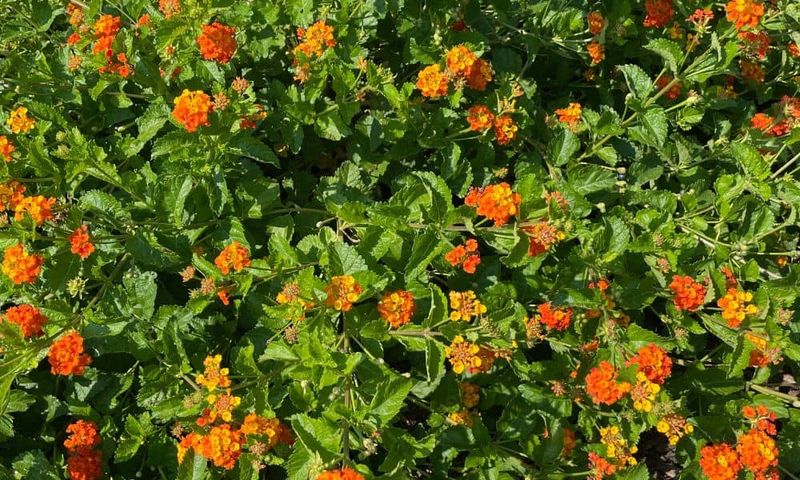
Most patio pots in Texas look great in April and give up by July, cooked by concrete heat and bone-dry air.
But one native plant shrugs off triple-digit afternoons, keeps pushing color through the summer, and still has something to offer when September rolls around.
It grows wild across the state, it has been quietly thriving in Texas yards for generations, and it belongs in your next container.
The Plant Behind The Mystery
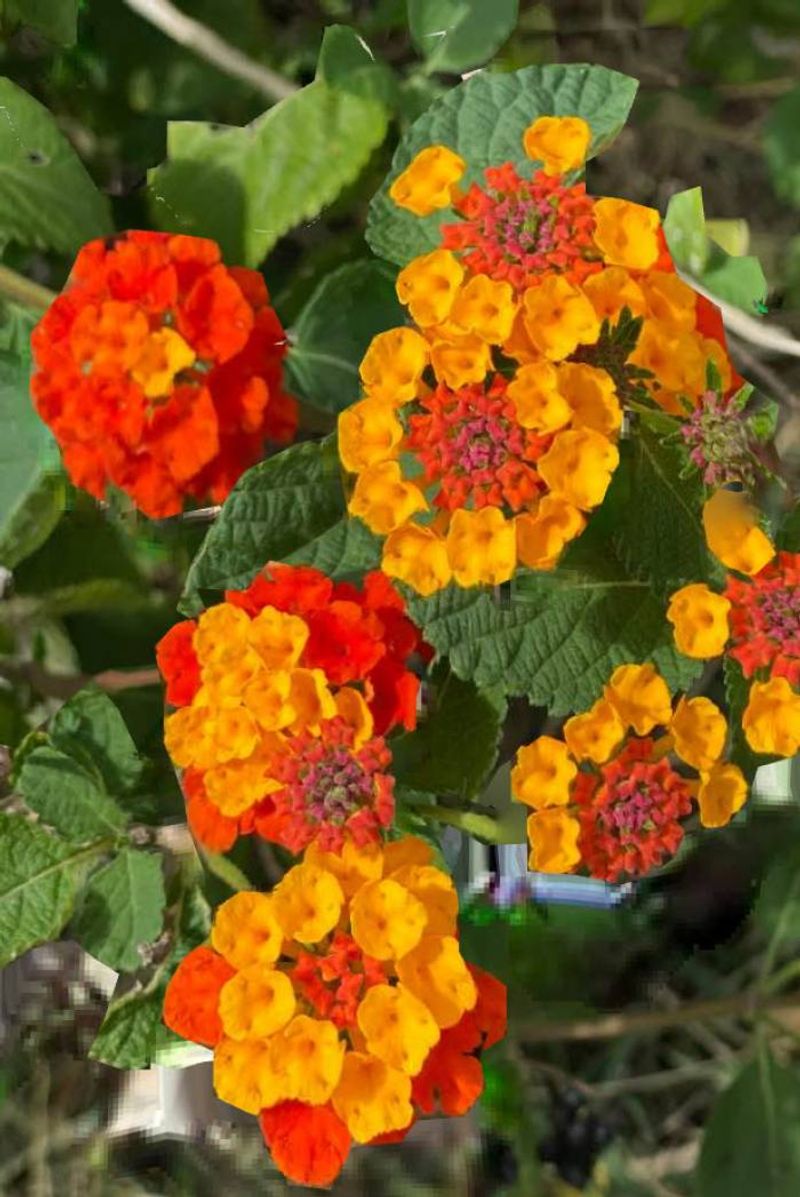
The plant is Texas lantana, known botanically as Lantana urticoides, described by University of Texas botanists as a drought-resistant woody perennial native to North-Central Texas, East Texas, the Edwards Plateau, South Texas, and the Coastal Prairie.
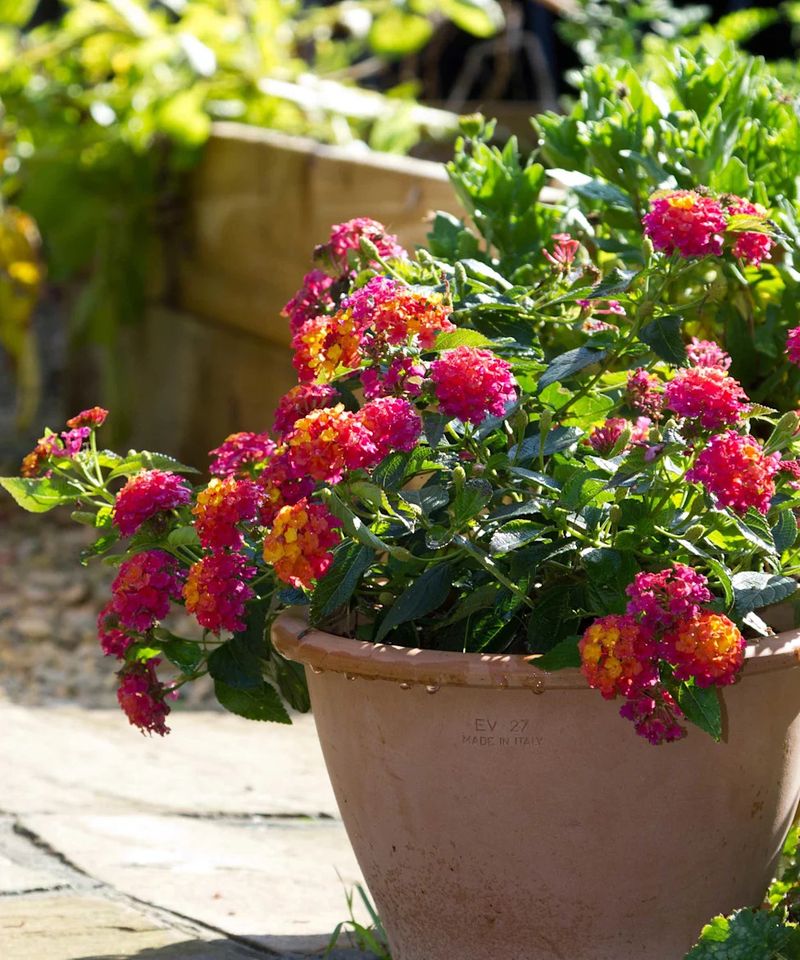
Its flowers come in tight clusters of yellow, orange, and red, and the color shift from bud to open bloom gives each flower head a warm, layered look that catches the eye from across a patio.
Before you go looking for it at a nursery, know that the name is not fully settled across databases.
Kew’s Plants of the World Online accepts Lantana urticoides as the valid species name, while the Integrated Taxonomic Information System lists Lantana urticoides as a synonym of Lantana horrida.
You may see either name on a label, and both refer to the same native plant.
What you want to avoid is picking up the wrong lantana by accident.
Common lantana, Lantana camara, is native to the West Indies, Mexico, and tropical America, not Texas, and many ornamental hybrids sold in garden centers carry the common name lantana without being native at all.
Check the botanical name on the tag before you buy.
As for the headline’s promise, treat it as a strong endorsement of a genuinely useful plant, not a verified ranking.
Texas lantana is one durable native option for a long, hot season in a container.
That is a real and meaningful claim, and the rest of this article will show you exactly how to back it up with the right care.
Why It Fits A Hot Texas Patio
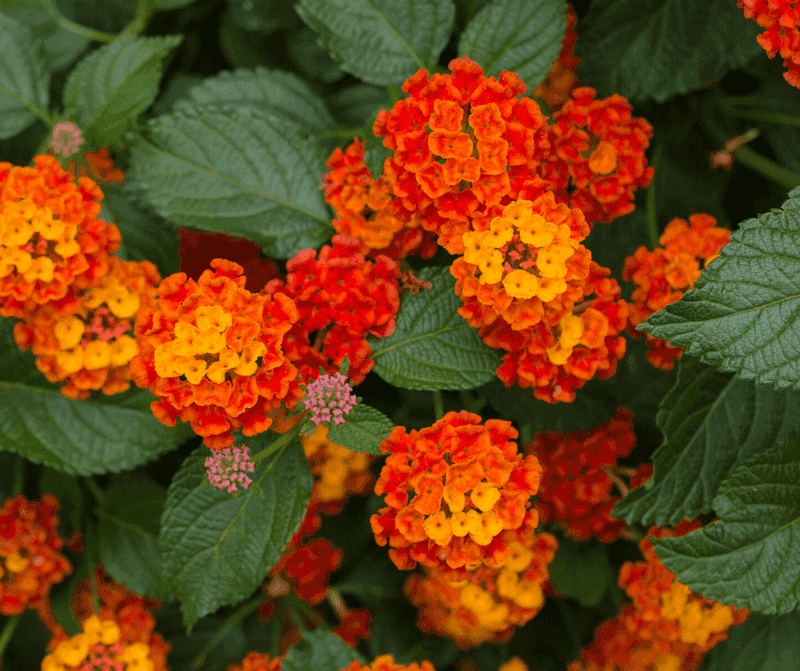
A few documented traits make Texas lantana genuinely useful during the long stretch between late spring and early fall when many other patio flowers struggle.
That is a solid combination for a Texas patio that bakes from May through September.
The University of Texas notes that Texas lantana can flower from February through October in its Texas range, which is an extended season by almost any measure.
Its tolerance of full sun and dry conditions are separate characteristics that happen to be useful at the same time, so the plant fits a hot, exposed patio not because heat drives the bloom but because it handles both challenges without folding.
Butterflies find it reliably.
Texas Parks and Wildlife connects native lantana to pollinator support across the state, and many Central Texas gardeners have noticed swallowtails and sulphurs working the flower clusters all summer long.
The Native Plant Society of Texas describes it as attractive to numerous butterflies, which adds a living layer of interest to a patio planting beyond the flowers themselves.
What the evidence does not support is a claim that Texas lantana outlasts every other flowering patio plant under identical conditions.
No controlled Texas container trial has established that ranking.
What you can say honestly is that it tolerates full sun and drought well, and that its long seasonal window makes it one strong native choice for the months when a Texas patio is at its most punishing.
Choose A Substantial Pot Without Overpromising
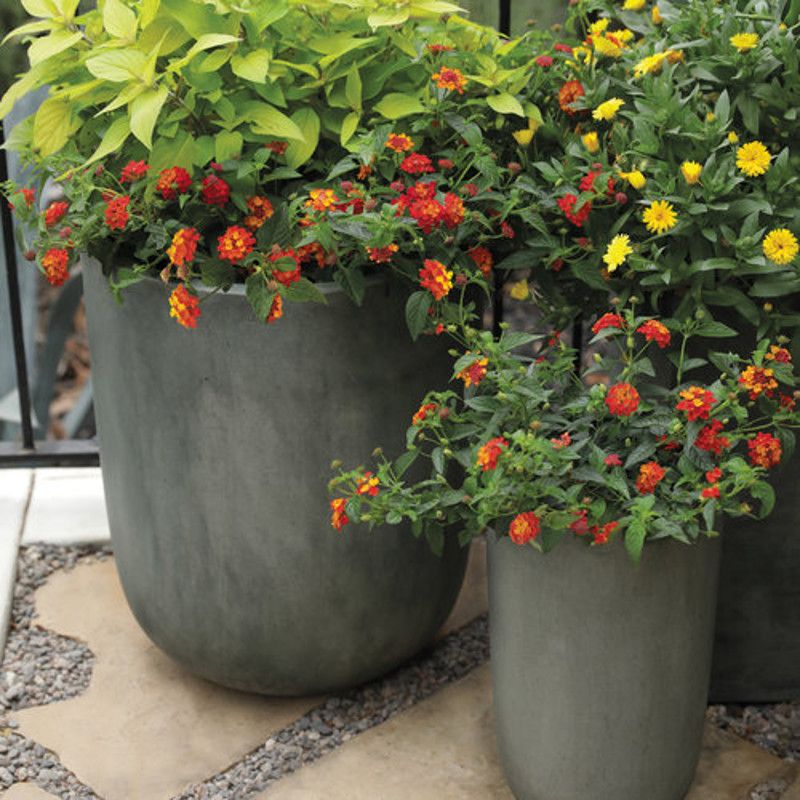
Texas lantana is not a small plant.
Texas A&M AgriLife Extension lists a mature landscape height and spread of roughly 4 to 6 feet, and while a container specimen will not always reach full landscape size, it can still become substantial over a season.
A small decorative pot will constrain the roots, heat up faster, and dry out in hours on a concrete patio during a South Texas summer.
A larger container gives the root system more volume to work with and may slow the rate at which the soil dries, but it does not eliminate the problem.
Utah State University Extension warns that container size directly affects how quickly roots overheat and dry, and a big pot on reflective concrete in full afternoon sun still needs regular moisture checks.
No single gallon size is verified as universally sufficient for this species, so choose the largest stable container your space and budget allow.
Fill it with a commercial, well-drained potting mix rather than garden soil from the bed.
Confirm that your pot has open drainage holes before planting, and leave enough room between the soil surface and the rim so water can pool briefly and soak in rather than running straight off the sides.
Air circulation matters too.
Texas A&M recommends giving the plant room to breathe, so avoid crowding it tightly against a wall or other containers where heat and humidity can build up and invite fungal problems during the humid stretches that hit the Gulf Coast and East Texas in late summer.
Give It Light While Managing Reflected Heat
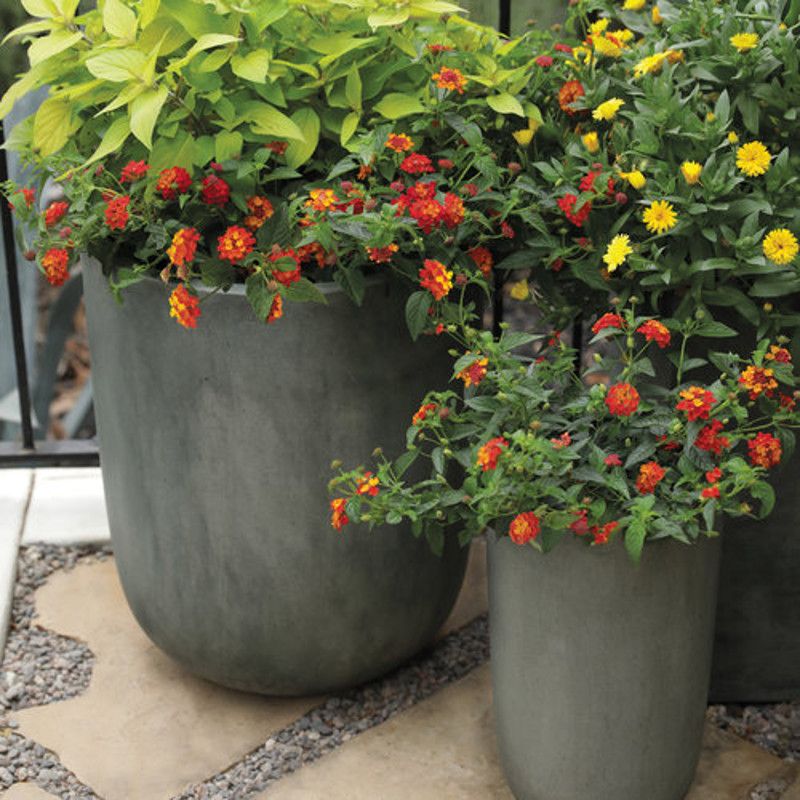
Strong, direct light is the non-negotiable part of growing Texas lantana in a container.
Texas A&M AgriLife Extension specifies full sun and excellent drainage as the two foundational requirements, and cutting the plant short on sunlight will cut it short on flowers.
Aim for at least 6 hours of direct sun every day, and more is generally better for bloom production.
Here is where it gets tricky.
More sun on the plant also means more heat on the pot, and a dark-colored container sitting on pale concrete can develop root-zone temperatures that go well beyond what the air thermometer shows.
Light-colored or insulated pots on a patio mat or wooden slats can reduce this risk without moving the plant out of the sun.
Wind compounds the problem fast.
A hot, dry wind across a small pot on a West Texas or Hill Country patio can pull moisture from the soil in a matter of hours, leaving roots in dry, hot media even after a morning watering.
Position the container where it gets strong light but some shelter from the worst of the afternoon wind if your site allows it.
For gardeners in Central Texas and the Hill Country who face particularly brutal late-afternoon reflected heat during extreme stretches, extension guidance supports moving containers to reduce direct late-afternoon reflected heat as a temporary rescue strategy.
Morning sun with some protection from harsh late-afternoon glare is a practical adjustment for the worst heat events, not evidence that Texas lantana prefers shade.
Get it back into full sun as soon as conditions ease.
Water By Moisture, Not By Slogan
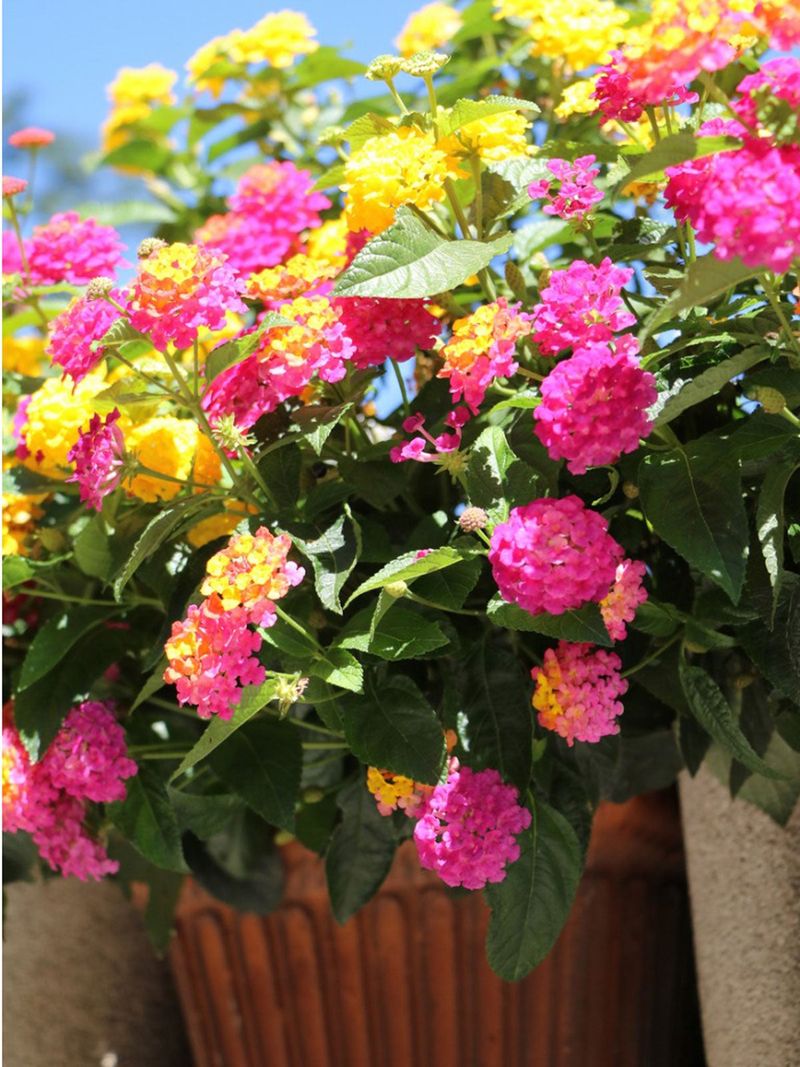
Drought tolerance is one of Texas lantana’s genuine strengths in the ground.
In a container on a concrete patio in August, that tolerance has real limits, and treating it as a pass to forget the watering can is one of the most common ways to lose a healthy plant fast.
The root ball in a pot is entirely dependent on what you give it, with no surrounding soil to draw from during a dry stretch.
University of Minnesota Extension recommends checking the top 1 inch of potting mix daily during summer and adjusting watering to match what you find.
If the top inch is dry and the pot feels light when you tip it slightly, water thoroughly.
If it still feels damp and heavy, wait and check again the next morning.
When you do water, wet the full root ball.
Utah State University Extension advises watering until excess drains freely from the bottom of the pot, which confirms that moisture has reached the lower roots rather than just wetting the surface.
A quick splash that darkens the top inch and stops there does not help a plant whose roots extend several inches down.
During the worst heat stretches, extension guidance supports checking containers twice daily when conditions are extreme, especially small pots, pots on concrete, or plants exposed to persistent wind.
A large container may only need water every 2 or 3 days under moderate heat, but that same container might need daily attention during a 10-day stretch of 105-degree afternoons in San Antonio or Laredo.
Overwatering is also a real risk.
Texas A&M warns that overwatering can quickly kill Texas lantana, so the goal is consistently moist but never waterlogged.
Standing water in a saucer under the pot is a warning sign.
Dump it out and make sure nothing is blocking the drainage holes.
Feed, Prune, And Scout Conservatively
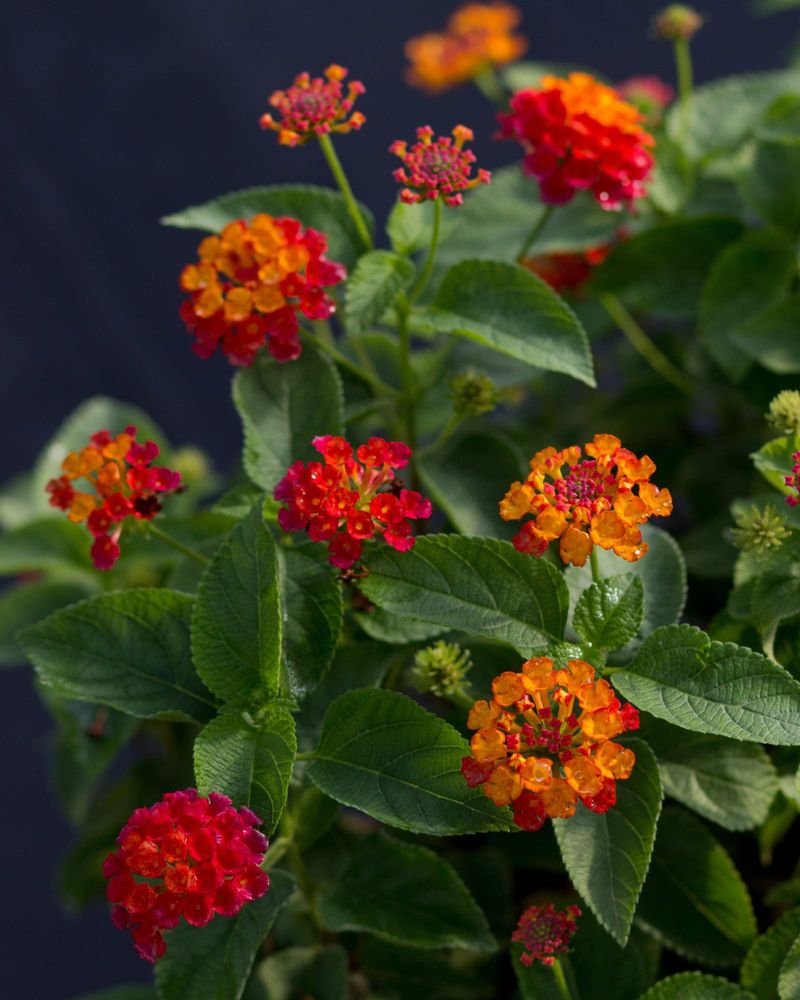
Container-grown Texas lantana responds well to modest, consistent feeding.
Texas A&M AgriLife Extension recommends a general water-soluble 20-20-20 fertilizer applied monthly according to the product label for container-grown plants.
That is a light touch, and there is no evidence that heavier or more frequent feeding improves performance.
Follow the label rate and skip the extra dose, because pushing too much fertilizer into a stressed plant during a heat wave can do more harm than good.
Pruning has a clear seasonal rhythm.
Remove any obviously dead or frost-damaged growth after winter passes and the plant shows signs of new life.
Then make the principal shaping cut in late winter or early spring, before the new season’s growth gets going.
Texas A&M supports cutting the plant back to approximately 8 inches at that point to encourage a fresh, full flush of new growth.
A Texas Extension response advises waiting until mid-to-late winter in some Central Texas situations, partly because cutting into fresh growth too early can expose the plant to cool, wet conditions that invite disease.
When in doubt, wait for the worst cold to pass before making hard cuts.
Spider mites have a trick: they set up on the undersides of leaves where you are not looking, and by the time you notice the stippled, dusty look on the upper surface, they have already been feeding for a while.
Flip a few leaves every week or two during dry, hot stretches and look for fine webbing or tiny moving dots.
If you find them, insecticidal soap applied carefully according to its label can help, but time the application for early morning or evening to avoid harming the butterflies and bees working the flowers.
Unnecessary pesticide use around open blooms does real damage to the pollinators that make the plant worth growing in the first place.
Plan For Freezes, Berries, And Pollinators
Texas is not one climate, and Texas lantana does not perform identically from Brownsville to Amarillo.
Texas A&M AgriLife Extension lists Texas lantana as reliably hardy in USDA zones 8 through 11, which covers much of Central, South, and coastal Texas.
That zone range does not extend to the Panhandle or the coldest corners of North Texas, where a hard freeze can kill the plant outright rather than just burning the top growth.
Container roots are especially vulnerable.
A plant growing in the ground has surrounding soil acting as insulation, but a pot sitting on an exposed patio loses heat from every side.
Texas Extension guidance notes that frost-damaged lantana should be assessed carefully before cutting back, because the roots may survive even when the top growth looks completely dead.
In zones 8 and 9, moving the container to a garage or covered porch before a hard freeze gives the roots a much better chance than leaving the pot outside.
Berries are a separate concern.
University of Texas sources warn that lantana berries should not be eaten, and unripe or partially ripe fruit can be particularly problematic.
Keep children and pets away from the berries and remove spent seed clusters before they fully ripen if young children use the patio.
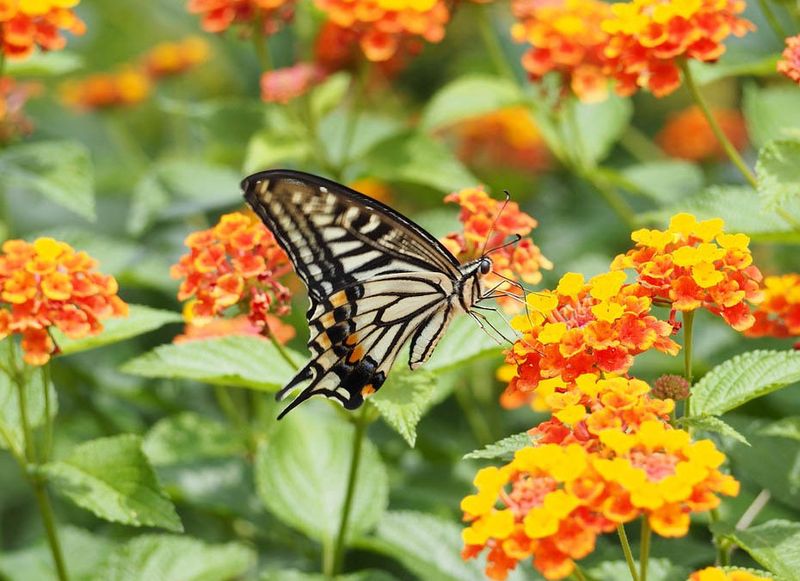
On the pollinator side, the flowers provide nectar that butterflies and other pollinators genuinely use.
Texas Parks and Wildlife connects native lantana to pollinator support across the state, and you will likely see swallowtails, sulfurs, and skippers working the clusters regularly.
But lantana does not host monarch caterpillars.
USDA Forest Service guidance confirms that monarch larvae require milkweed in the genus Asclepias.
If supporting monarch breeding matters to you, add a native milkweed to a separate container alongside the lantana.
Build A Realistic Patio Plan
Putting this all together into a workable plan is simpler than it sounds.
Start at the nursery by checking the botanical name on the tag: look for Lantana urticoides or Lantana horrida, not just the common name.
The Native Plant Society of Texas is a reliable reference for confirming native status and sourcing guidance if your local garden center’s labeling is unclear.
Once you have the right plant, choose the largest stable container your space allows, fill it with a well-drained commercial potting mix, and confirm the drainage holes are open.
Place the pot where it will receive at least 6 hours of direct sun daily, and use a light-colored container or a patio mat under it to reduce ground heat transfer on concrete.
University of Minnesota Extension recommends checking the top inch of soil daily during summer and watering thoroughly when it is dry, adjusting frequency to heat, wind, and pot size rather than following a fixed calendar.
Feed the plant once a month during the growing season with a water-soluble 20-20-20 fertilizer at the label rate.
Cut it back to roughly 8 inches in late winter or early spring, remove dead growth after any hard freeze, and inspect the leaf undersides during dry stretches for spider mites.
In zones 8 and 9, move the container under cover before a hard freeze arrives.
Texas A&M AgriLife Extension describes Texas lantana as profusely blooming from April through October, and that extended window is what makes the plant worth the effort.
Managed well, it can carry your patio through the months when most other container plants have already given up.
It is one durable, native layer in a broader pollinator-friendly planting plan, and on a Texas patio in the middle of August, that is genuinely something to feel good about.