
The Native North Carolina Plants Replacing Crape Myrtles Along Fence Lines And Driveways
Follow us on Google
You drag your patio chair into the shade on a muggy July morning and glance at your crape myrtle. It should be dripping with color, but instead you spot that dusty white film creeping along the branches.
Scale insects are back, and so is the yearly guilt of “crape murder” pruning. You are not the only North Carolina homeowner wondering if there is a better plant for that fence line, one that thrives here and feeds the birds instead of feeding an endless chore list.
1. Crape Myrtle Bark Scale Is No Neighborly Visitor
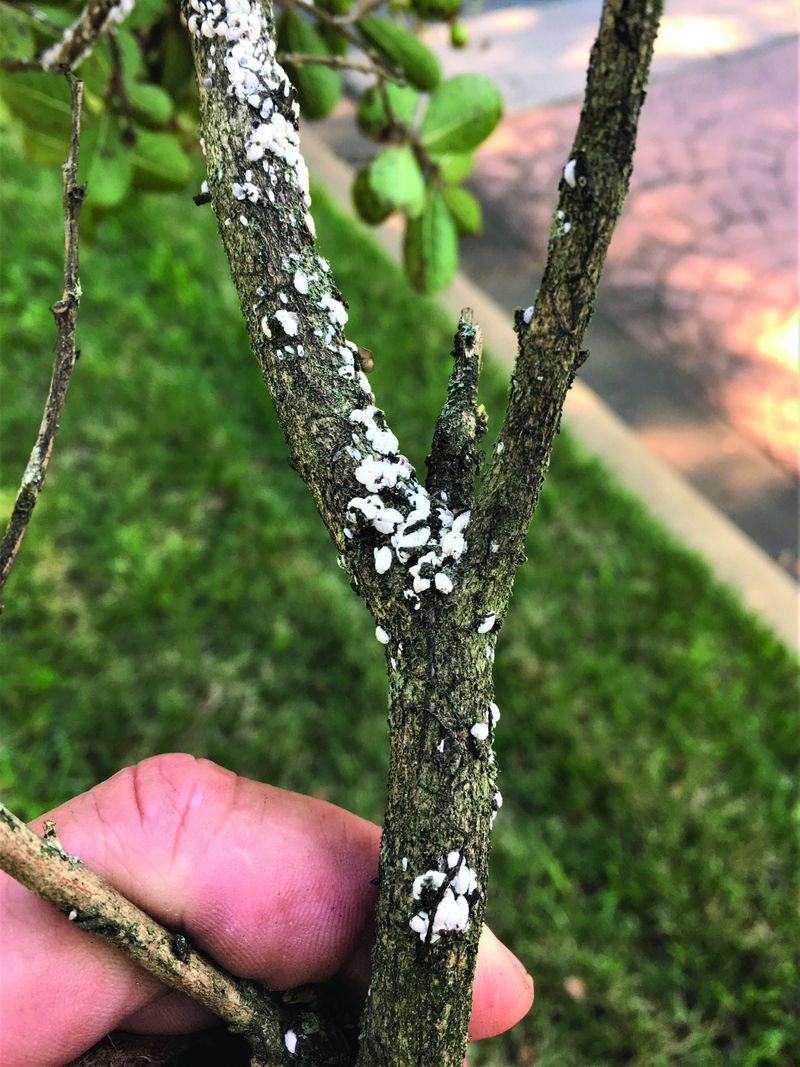
Those little white bumps clinging to your crape myrtle bark look like dryer lint got stuck to the tree. They are not lint.
They are crape myrtle bark scale (Acanthococcus lagerstroemiae), an invasive pest from Asia that has spread fast across the Piedmont and central North Carolina.
Here is where it gets sticky, literally. As the scales feed, they leak a sugary goo called honeydew that coats your car, your patio chairs, and the sidewalk.
Then a black fungus called sooty mold grows on the goo, turning everything below the tree a dismal charcoal color.
A heavy infestation can weaken the tree, stunt its growth, and kill back branches over time. Managing it means repeated treatments season after season, which gets costly and old.
So even though crape myrtles handle our heat and bloom for months, many gardeners have genuinely started asking whether the fight is worth it.
2. Crape Murder Is Not A Sustainable Pruning Plan
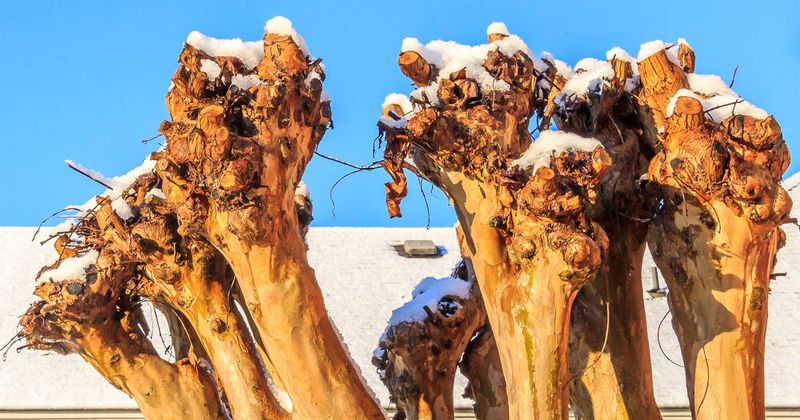
Drive down almost any North Carolina street in February and you will see it. Crape myrtles chopped down to thick, knuckled stubs three to five feet off the ground.
Gardeners call it “crape murder,” and it is the most damaging thing you can do to these trees.
That hack job destroys the graceful vase shape and the peeling, mottled bark that makes a mature crape myrtle worth looking at in winter. Worse, it forces out a burst of skinny, weakly attached shoots that snap in summer storms.
Those tender new shoots also invite trouble, drawing in insects and diseases like powdery mildew. A lot of this starts with planting a 25-foot variety in a 10-foot space, so folks feel forced to whack it back every year.
The plants below skip that cycle entirely, keeping their natural form while doing real work for your yard.
3. White Fringetree Brings A Late Spring Snow Cloud
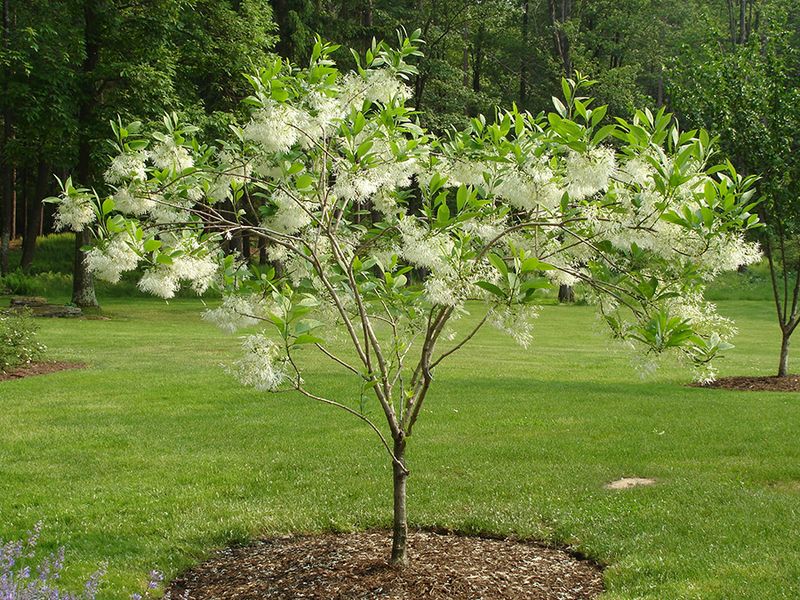
Picture a small tree that erupts in a cloud of fluffy, fragrant white flowers in late spring, then hands your birds a berry buffet, and asks for almost nothing in return. That is the White Fringetree (Chionanthus virginicus), a North Carolina native that reaches 12 to 30 feet tall and 12 to 20 feet wide.
It grows slowly, adding just 6 to 10 inches a year, which makes it far easier to live with along a driveway than fast, floppy competitors. You will find it naturally along streambanks and moist forest edges from the Coastal Plain through the Piedmont.
Tough is the word here. It shrugs off clay soil, some drought, and even city air pollution.
Plant it in full sun for the best bloom, though it takes partial shade fine.
If you have both a male and female tree, dark blue, olive-like fruits ripen from July to September for robins, bluebirds, and thrushes. It also hosts caterpillars for at least 12 moth species, so it genuinely feeds the food web.
4. Possumhaw Holly Lights Up Winter With Red Berries
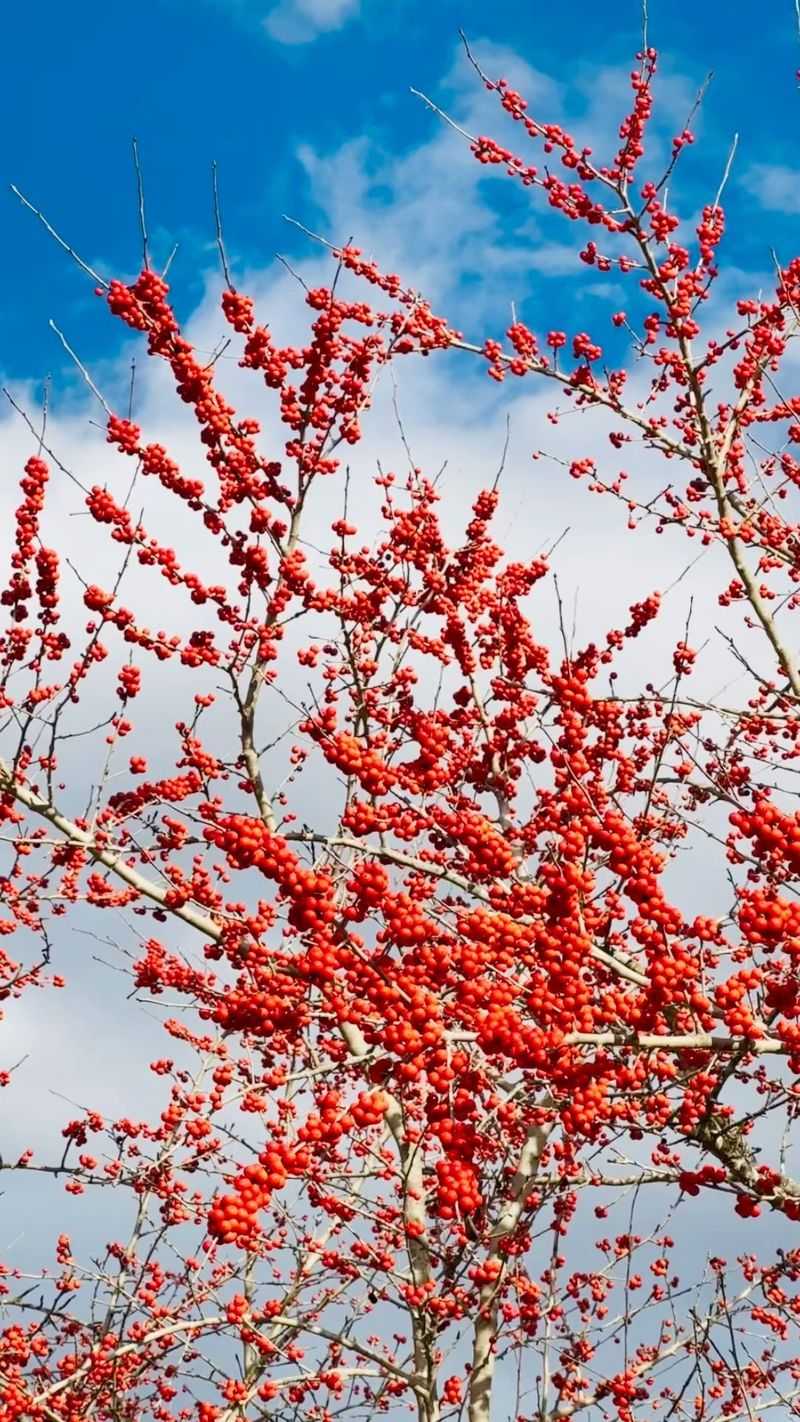
Come January, when most of your yard looks like a faded photograph, Possumhaw Holly (Ilex decidua) sets the fence line on fire with red. This deciduous holly grows as an upright shrub or small tree, usually 7 to 15 feet tall in a yard, though it can hit 30 feet in the wild.
Left alone, it forms a multi-stemmed clump that screens a property edge as well as any crape myrtle ever did. It handles moist river bottoms and drier ground alike, growing across the Coastal Plain and Piedmont in sandy or clay soil, and it tolerates the occasional flood.
The spring flowers are quiet and small, but that is not the point. Once the glossy leaves drop in late fall, bare branches reveal a heavy load of shiny red berries that hang on all winter.
Those berries feed birds, deer, and small critters, including the opossums the name nods to. One catch.
Like most hollies, you need a male and a female plant for berries.
5. Southern Arrowwood Viburnum Works All Four Seasons
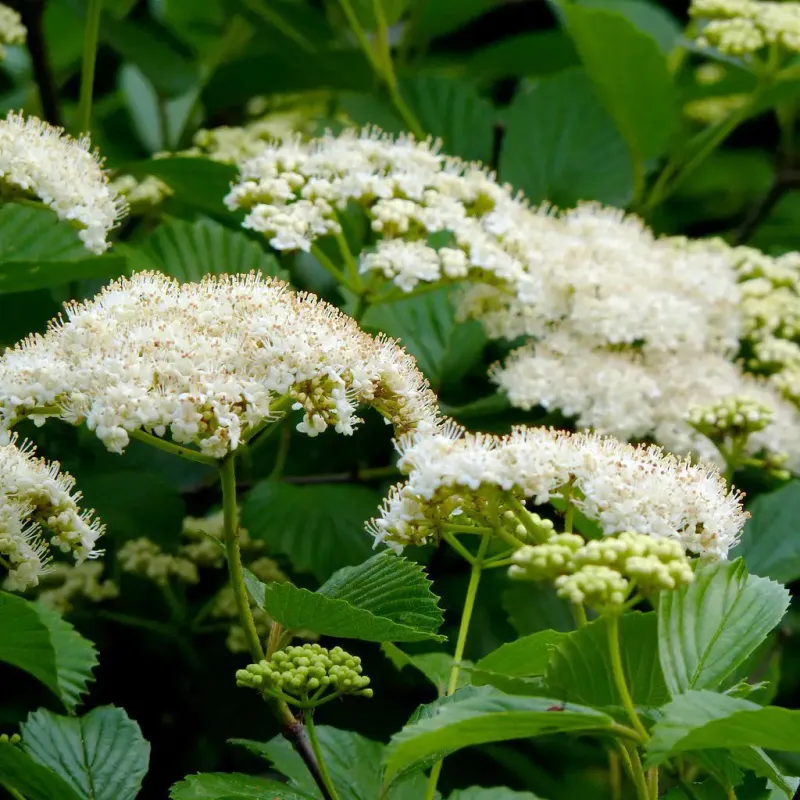
Some plants earn their spot by doing a little bit of everything, and Southern Arrowwood (Viburnum dentatum) is that reliable neighbor. It grows 5 to 10 feet tall and 6 to 10 feet wide, forming a dense, upright wall that makes a genuinely good privacy screen.
Native across the Piedmont and Coastal Plain, you will find it in woodlands, thickets, and along streambanks. In late spring, creamy-white flower clusters draw in native bees by the dozens.
Those blooms turn into bluish-black fruits by late summer that birds and small mammals clean out quickly. Then the leaves catch fire with yellow, orange, and red, often holding color into December here in the Piedmont.
It takes wet or dry soil as long as things drain, and it is honestly deer-resistant, which saves a lot of heartache. Think of it as a workhorse that never asks for a raise.
6. Summersweet Fills Tight Spots With Fragrance
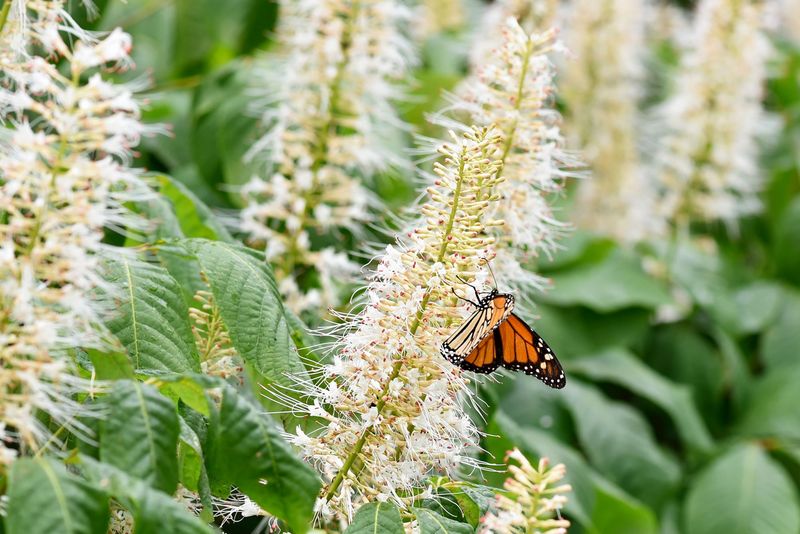
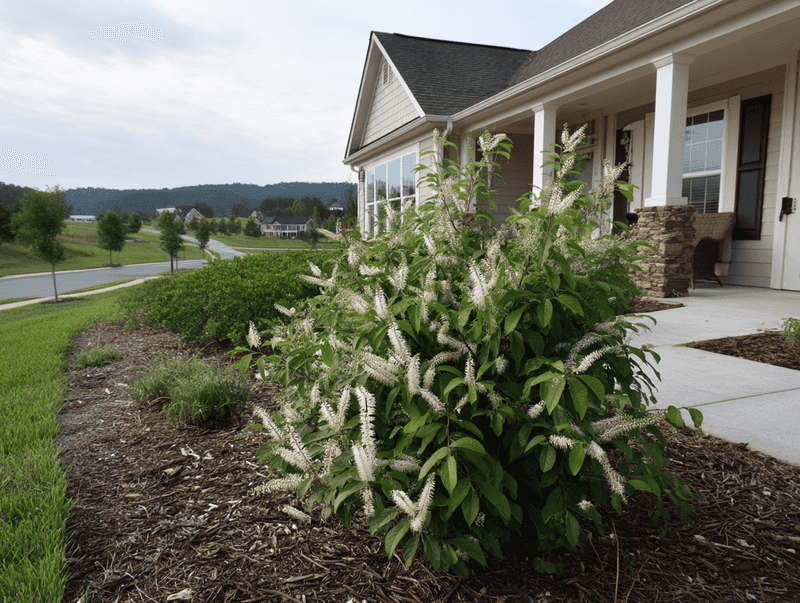
Not every fence line needs a 25-foot tree. If your spot is snug, Summersweet (Clethra alnifolia) delivers a real summer show at just 4 to 8 feet tall, slowly spreading into a tidy colony.
The magic happens in July and August, when dense upright spikes of white or soft pink flowers open up. And they are genuinely fragrant, the kind of scent that stops you on a warm porch evening.
Bees, butterflies, and hummingbirds treat it like a corner diner. A Coastal Plain and outer Piedmont native, it laughs off our muggy summers and even tolerates wet feet, so it shines in a rain garden or a soggy low spot.
Give it full sun to partial shade, with a little afternoon protection keeping the leaves happiest. Fall brings a warm harvest-gold color.
It is cold-hardy down to about minus 22 degrees Fahrenheit, so surprise cold snaps across zones 6a through 8b do not faze it.
7. Eastern Redbud Paints The Driveway Pink First
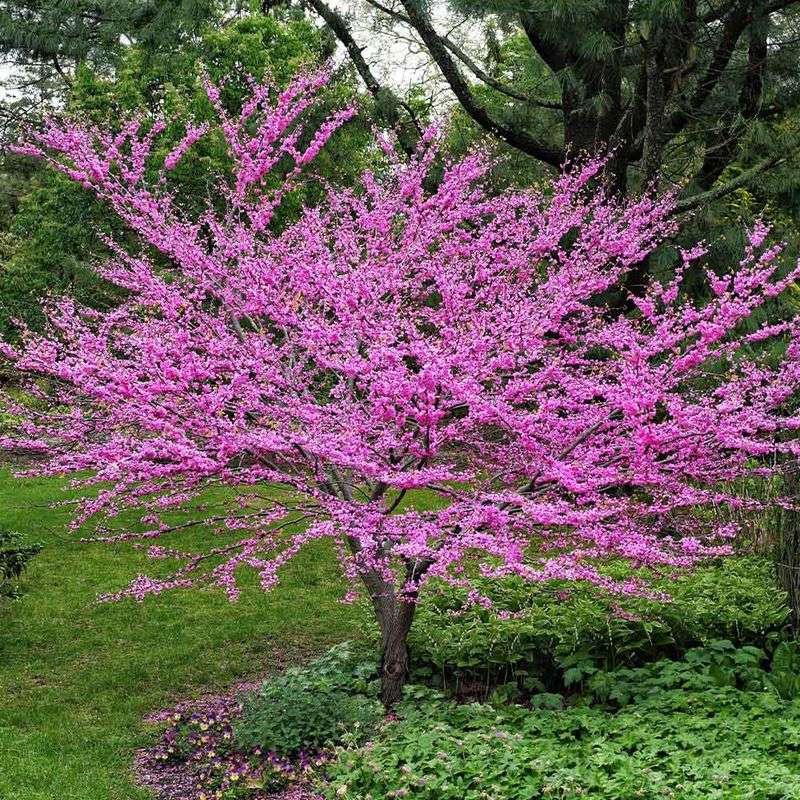
Before your crape myrtle even wakes up, the Eastern Redbud (Cercis canadensis) is throwing a party. In March and early April, its bare branches, sometimes the trunk itself, break out in rosy pink-purple blooms across the North Carolina Piedmont.
This native small tree grows 20 to 30 feet tall and about 25 feet wide, giving you a proper driveway anchor with a rounded, spreading crown. Heart-shaped leaves follow the flowers, then turn buttery yellow in fall.
It handles our red clay, takes full sun to part shade, and settles in fast. Those early flowers matter more than they look, feeding native bees that are hungry and short on options that early in spring.
Redbuds do not live as long as an oak, often 20 to 30 years, so treat it as a beautiful medium-term guest. Plant one where you park each morning and spring will greet you first.
8. Flowering Dogwood Layers Bloom And Bird Food
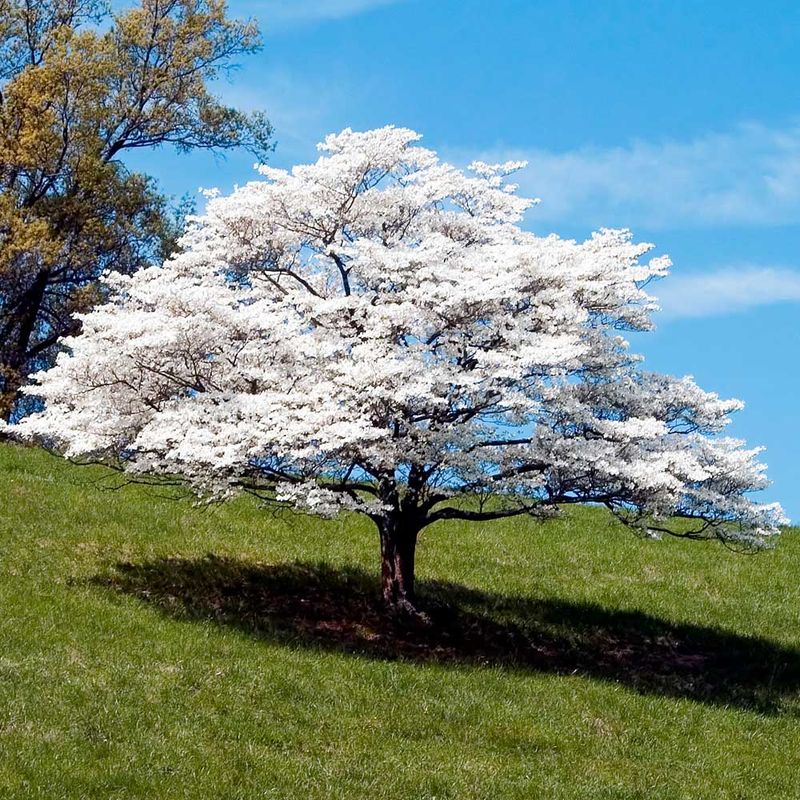
North Carolina picked the flowering dogwood (Cornus florida) as its state flower for good reason, and it earns a spot on your fence line too. In April, wide white bracts float in horizontal layers like flat clouds stacked in the understory.
Growing 15 to 30 feet tall with a graceful tiered shape, it fits a driveway edge without ever needing a chainsaw. It naturally lives at the woodland edge from the mountains to the coast, so it likes a little afternoon shade in the hot Piedmont.
Come fall, glossy red berries ripen right as migrating songbirds pass through, and the leaves blaze deep burgundy. Roughly 30 bird species lean on those berries.
Give it moist, well-drained soil and some mulch, since dogwoods sulk in baked, compacted spots. Space it where morning sun and afternoon shade meet, and it will reward you for decades.
9. Sweetbay Magnolia Handles Wet Feet And Heat
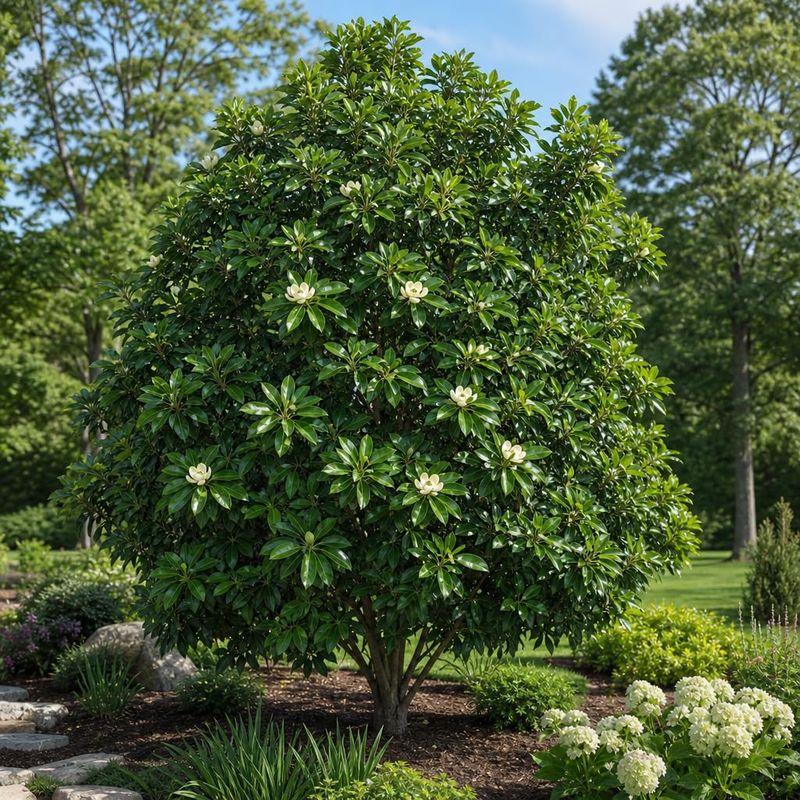
That low corner of the yard where water stands after every summer storm defeats most driveway trees. Sweetbay Magnolia (Magnolia virginiana) actually wants that spot.
It grows wild in wet Coastal Plain and Sandhills soils across North Carolina.
Reaching 15 to 35 feet, it can stay semi-evergreen in our milder Piedmont and coastal winters. The lemon-scented, creamy white flowers open from May into summer, opening in waves rather than all at once.
Flip a leaf and the silvery underside flashes in the breeze, a small delight on a hot afternoon. Swallowtail butterflies use it as a host plant, and birds pick at the seedy red fruits in fall.
It takes full sun to part shade and does not mind clay that stays damp. For that soggy fence line where nothing else thrives, this quiet hero shows up and stays green.
10. Matching The Right Native To Your Spot
Swapping a crape myrtle for a native is not really about looks. You are trading a plant that needs constant scale patrol and yearly hacking for one already built for our climate, feeding local birds and bees while asking for far less babysitting.
These alternatives cover the same range crape myrtles do for screening, from about 5 feet up to 30 feet, so there is a fit for nearly any fence line or driveway.
Start with your dirt and your light. Heavy Piedmont red clay or sandy Coastal Plain soil, blazing full sun or gentle afternoon shade, each points you toward a different pick.
NC State Extension is a solid free resource when you want to double-check a plant against your exact zone, roughly 6a to 7a in the mountains, 7b to 8a in the Piedmont, and 8a to 8b at the coast.
White Fringetree brings spring flowers, Possumhaw Holly carries winter red, Southern Arrowwood holds structure, and Summersweet perfumes the tight spots. You are not just planting a shrub.
You are building a yard that feels more alive every single season, and you get to sit back and watch it fill in.