
Do This One Thing To Texas Lantana Now For Non-Stop Color Into Fall
Follow us on Google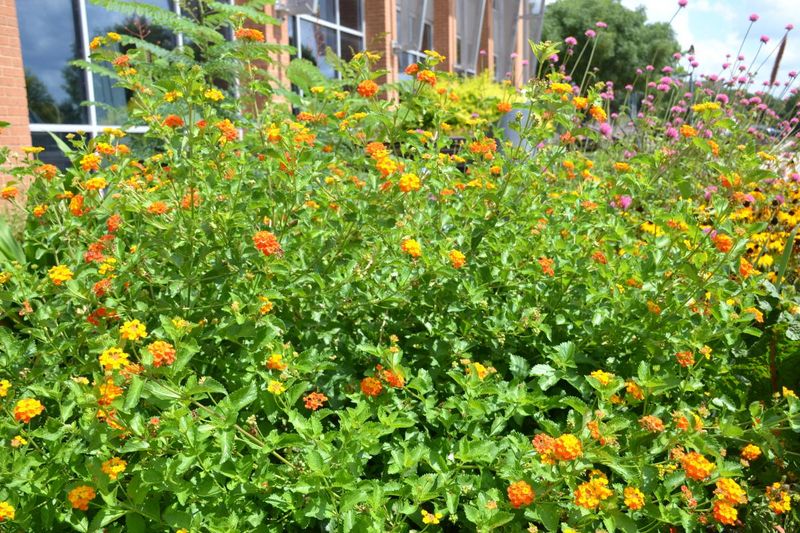
Your Texas lantana has been blooming since April, and right now it’s looking a little shaggy, maybe a little tired.
A light trim made at the right moment may encourage another flush of flowers before the first freeze arrives.
But the wrong cut at the wrong time can actually set the plant back instead of pushing it forward.
Here’s what to do, and just as importantly, what to leave alone.
Make A Light Trim, Not A Guarantee
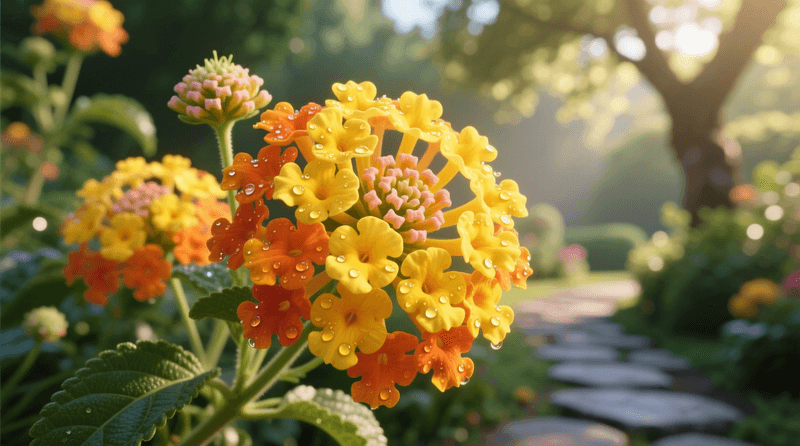
Plenty of Texas gardeners look out at a sprawling, half-spent lantana in August and wonder whether one good haircut will bring the whole plant roaring back into color through October.
The honest answer is: maybe, and that maybe depends on more factors than a single trim can control.
Texas lantana, known botanically as Lantana urticoides, is a Texas-native perennial shrub with a documented flowering window running from April through October.
Texas A&M AgriLife Extension notes that mature plants can reach 4 to 6 feet in both height and spread, which means an untrimmed plant can get genuinely unruly by midsummer.
If you have enough growing time before your region’s first expected freeze, a light summer trim is a reasonable, extension-backed option for shaping the plant and possibly coaxing out another bloom flush.
The key word there is light.
Remove faded flower clusters and shorten only the longest, floppiest stems, cutting each selected stem back by no more than about one-third of its length.
Clemson Extension and Mississippi State Extension both recommend light summer shearing as a way to stimulate fresh lateral growth and encourage repeat bloom.
What this trim cannot do is override cultivar genetics, compensate for deep shade, fix a moisture problem, or guarantee flowers if a freeze arrives before the plant has time to recover and set new buds.
Sunlight, soil moisture, plant health, heat stress, and your local freeze calendar all have a vote.
Think of this trim as giving the plant a reasonable opportunity, not a written promise.
Save The Hard Cut For Spring
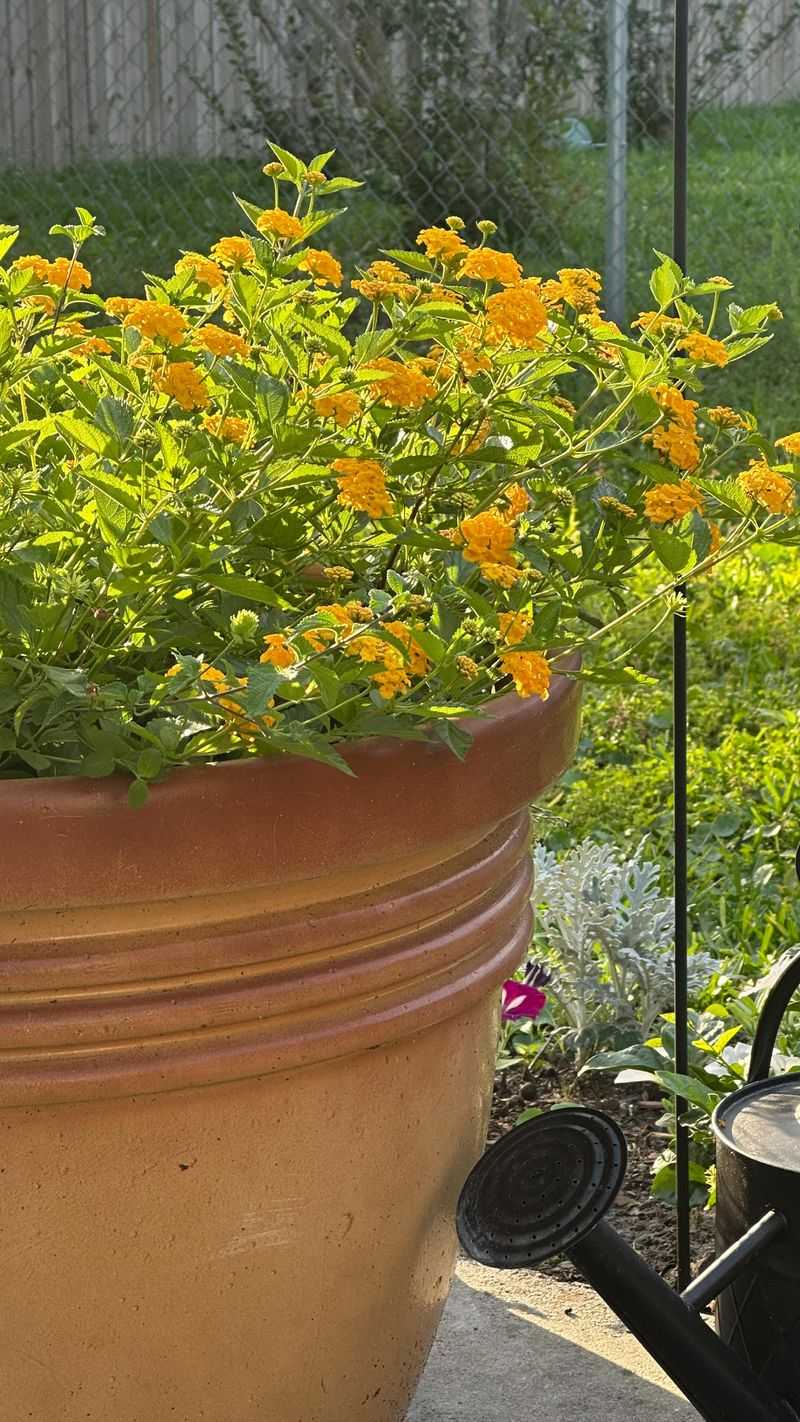
Here is where a lot of gardeners make the mistake that actually costs them fall color.
Seeing a tired, overgrown plant in August, they reach for the loppers and cut the whole thing down to 6 or 8 inches, figuring a fresh start is always better.
For late summer, that instinct is genuinely risky.
The hard rejuvenation cut, where you bring the plant down to roughly 6 to 12 inches or about 8 inches from the ground, is documented as an early-spring practice.
Texas A&M AgriLife Extension recommends cutting Texas lantana to approximately 8 inches in early spring to encourage vigorous fresh growth for the season ahead.
That timing works because the plant has the entire growing season to recover, branch out, and bloom.
Doing that same hard cut in late summer is a different situation entirely.
Clemson Extension cautions that hard fall pruning can reduce cold hardiness, and it will almost certainly remove whatever flowering growth the plant still has the energy to produce before frost.
You would be trading existing bloom potential for regrowth that may never fully mature before the cold arrives.
Regional timing matters here, and Texas is not one climate.
A gardener along the Gulf Coast or in South Texas may have 10 or more weeks of growing time remaining in August, while someone in the Panhandle or at higher elevations in West Texas might be looking at 6 weeks or fewer before a killing freeze.
University of Wisconsin Extension notes lantana’s temperature sensitivity as a practical factor in timing any significant pruning.
Check your local average first-freeze date and the current condition of your plant before deciding how much to cut.
Follow Each Stem To A Leaf Or Branch
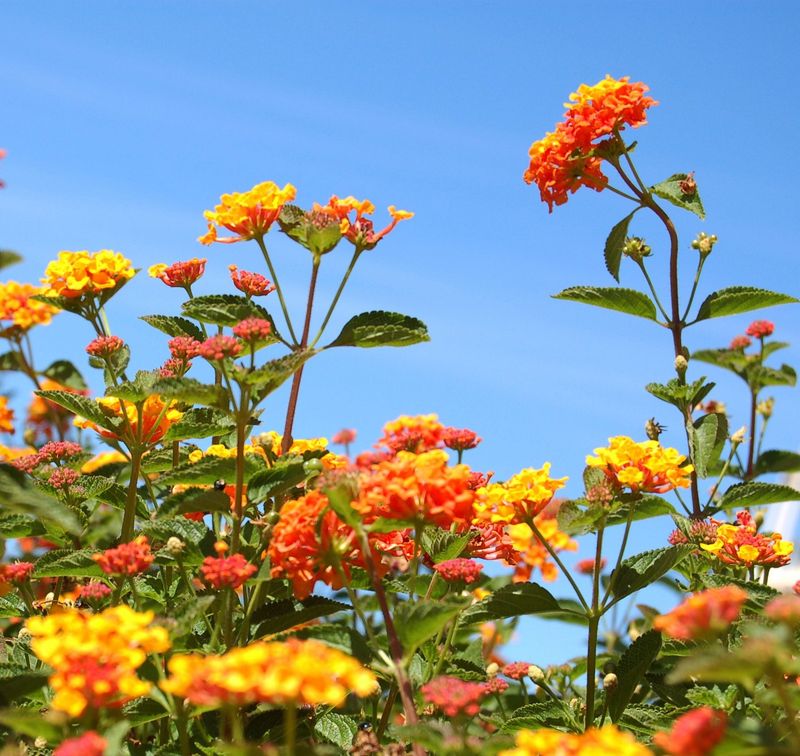
Grabbing a pair of hedge shears and buzzing the whole plant to a flat top is tempting when you’re working fast in August heat.
That approach can stress the plant more than it helps, especially if temperatures are still in the triple digits and the plant is already working hard just to stay alive.
Start with clean hand pruners or hedge shears wiped down before use.
Locate a faded flower cluster, trace the stem down to the first healthy set of leaves or a nearby branching point, and cut just above it.
That is where new lateral growth is most likely to emerge.
Clemson Extension recommends cutting faded clusters back to a healthy leaf set, a technique that encourages the plant to redirect energy toward fresh shoots rather than seed production.
For leggy stems that have grown too long and floppy, shorten them by up to about one-third of their length.
That one-third figure comes from the available guidance as a conservative practical limit, not as a threshold validated in peer-reviewed research on Texas-native lantana specifically.
A 2024 UC study on a lantana hybrid found that pruning increased lateral shoots but also noted that the plants eventually became taller and somewhat lanky, and the researchers called for more work on light and late-season pruning approaches.
Leave enough leafy growth on every stem you touch.
The plant needs foliage to photosynthesize and fuel its own recovery.
Avoid cutting every branch to the same bare height.
And if the plant looks genuinely heat-stressed, with wilting, crispy leaf edges, or very sparse foliage, hold off entirely.
A stressed plant needs water and shade relief more than it needs a haircut right now.
Check Moisture Before You Water
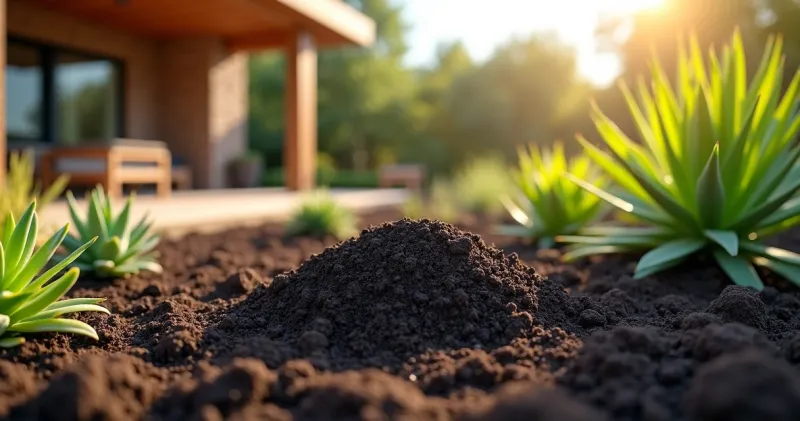
After a trim, the instinct is to water right away and give the plant a boost.
That is not wrong, but the amount and method matter more than the timing.
The first step is actually to check whether the plant needs water at all before you turn on the hose.
Push a finger or a narrow trowel a few inches below the soil surface near the plant’s root zone.
If the soil feels dry at that depth, water deeply at the soil line, not over the foliage.
Texas A&M AgriLife Extension notes that established Texas lantana is extremely drought tolerant but benefits from deep watering during summer heat, and warns that too much water can quickly kill the plant.
The goal is to wet the root zone thoroughly, then allow the soil to drain and partially dry before watering again.
Clemson Extension offers a general benchmark of a thorough weekly watering when the plant receives less than 1 inch of rainfall, and specifically cautions against frequent overhead watering.
That weekly figure is a reasonable starting point for established in-ground plants, not a fixed schedule that applies to every Texas garden regardless of heat, humidity, or soil drainage.
Containers and newly planted lantanas need closer attention than established in-ground plants.
A pot sitting in full Texas sun can dry out in a day or two during a heat wave, while an in-ground plant with good root depth may be fine for longer.
UC IPM guidance on lantana also flags poor drainage as a contributor to root problems, a reminder that soggy soil is just as damaging as drought.
Let the soil tell you what it needs.
Give The Regrowth Enough Sun
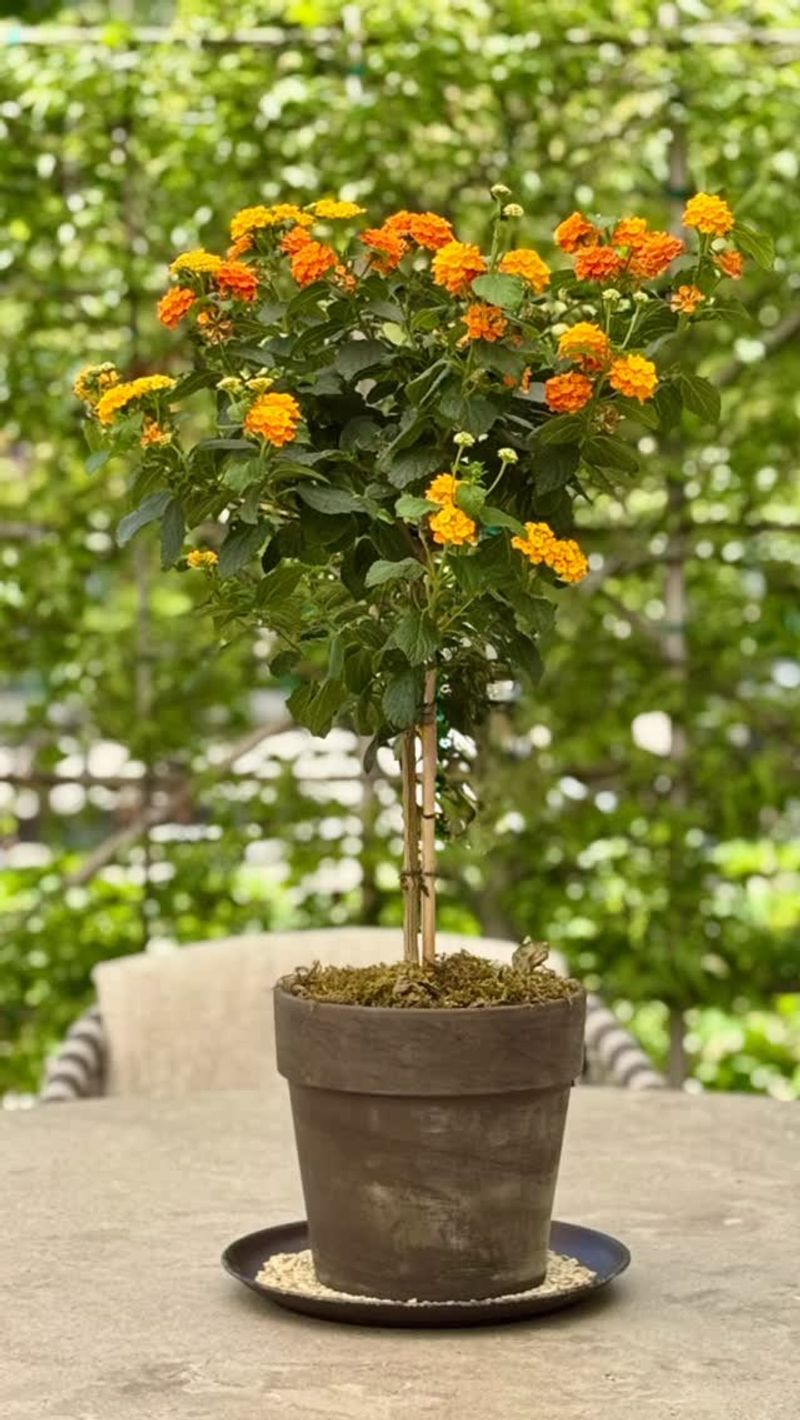
A tidy trim will not produce much if the plant is sitting in the wrong spot.
Pruning redirects energy, but it cannot manufacture sunlight, and lantana is genuinely a full-sun plant that tends to sulk in shade.
Texas A&M AgriLife Extension defines full sun for Texas lantana as at least 6 hours of direct sunlight daily.
Plants receiving less than that, whether from a nearby tree, a fence, a building addition, or neighboring shrubs that have grown in around them, tend to produce fewer flowers and stretch toward the light in ways that make the legginess problem worse over time.
Poor air circulation compounds the issue.
A lantana crowded by other plants cannot dry off quickly after rain or irrigation, and that lingering moisture creates conditions where pest and disease pressure can build.
Many Central Texas gardeners have noticed their lantana performing beautifully in an open bed but struggling in a corner where a live oak has slowly closed the canopy overhead.
Before you make a second trim or reach for a product to solve a bloom problem, spend a few minutes watching the plant’s light exposure at different times of day.
Count how many hours of direct sun actually reach the leaves.
If the answer is fewer than 6, moving a container plant to a sunnier spot may do more good than any pruning adjustment.
For an in-ground plant, thinning out a crowding neighbor or a low branch overhead is worth considering before the fall growing window closes.
UC IPM notes that shade and poor air circulation can increase pest and disease pressure on lantana, which connects directly to how well the plant responds after a trim.
Deadhead According To The Cultivar
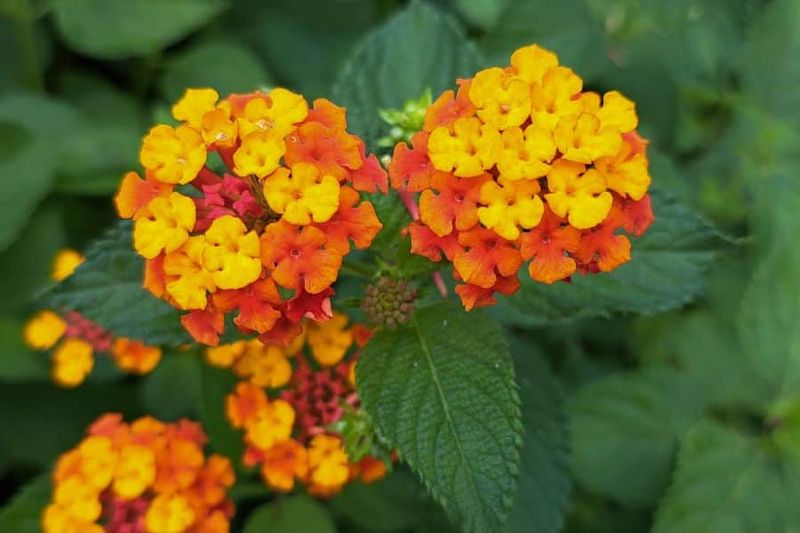
Not every lantana behaves the same way when a flower fades, and treating them all identically is one of the quieter mistakes in lantana care.
The plant you are growing shapes how much deadheading actually matters.
Texas lantana, Lantana urticoides, is a Texas native that produces berries that can spread locally.
Older or fertile varieties of common lantana, Lantana camara, tend to set many berries and benefit more from regular deadheading because removing spent flowers before seeds mature can redirect the plant’s energy back toward new blooms.
University of Arkansas Extension notes that deadheading encourages continued flowering on lantana varieties that set fruit.
Newer sterile or nearly sterile cultivars are a different story.
University of Wisconsin Extension points out that some modern cultivars shed spent flowers on their own and continue blooming with little or no intervention.
For those plants, intensive daily deadheading is not necessary and probably not worth your time in August heat.
University of Florida IFAS distinguishes between fertile types that can spread aggressively and sterile cultivars that pose less risk of unwanted spread, a distinction that also affects how you manage spent blooms.
Trailing lantana, Lantana montevidensis, and common lantana, Lantana camara, have different growth habits, hardiness, and seed production from Texas lantana, so advice meant for one does not automatically apply to another.
A practical weekly check is more sustainable than daily clipping.
Walk the plant once a week, remove clusters that have clearly finished, and pay attention to where new buds are forming.
That rhythm keeps you informed without turning deadheading into a second job.
According to Texas A&M AgriLife Extension, knowing your specific plant, whether it is a native species, a hybrid, or a sterile cultivar, is the starting point for making good decisions about its care.
Skip The Extra Fertilizer And Inspect For Problems
After trimming, some gardeners reach for a bag of fertilizer, reasoning that a freshly cut plant must need a nutritional boost to push out new growth.
For established Texas lantana growing in the ground, that reasoning actually works against you.
Texas A&M AgriLife Extension states that Texas lantana generally does not require fertilizer.
Clemson Extension and UC IPM both warn that excess fertilizer can push leafy growth at the expense of flowers, which is the opposite of what you want heading into fall.
Skip the granules for in-ground plants.
Container plants are a separate case.
A lantana growing in a pot has a limited root zone and a finite amount of soil nutrients, so it may genuinely benefit from feeding.
Texas A&M suggests a general 20-20-20 water-soluble fertilizer applied monthly according to label directions for container-grown plants.
Follow the label rate and do not exceed it.
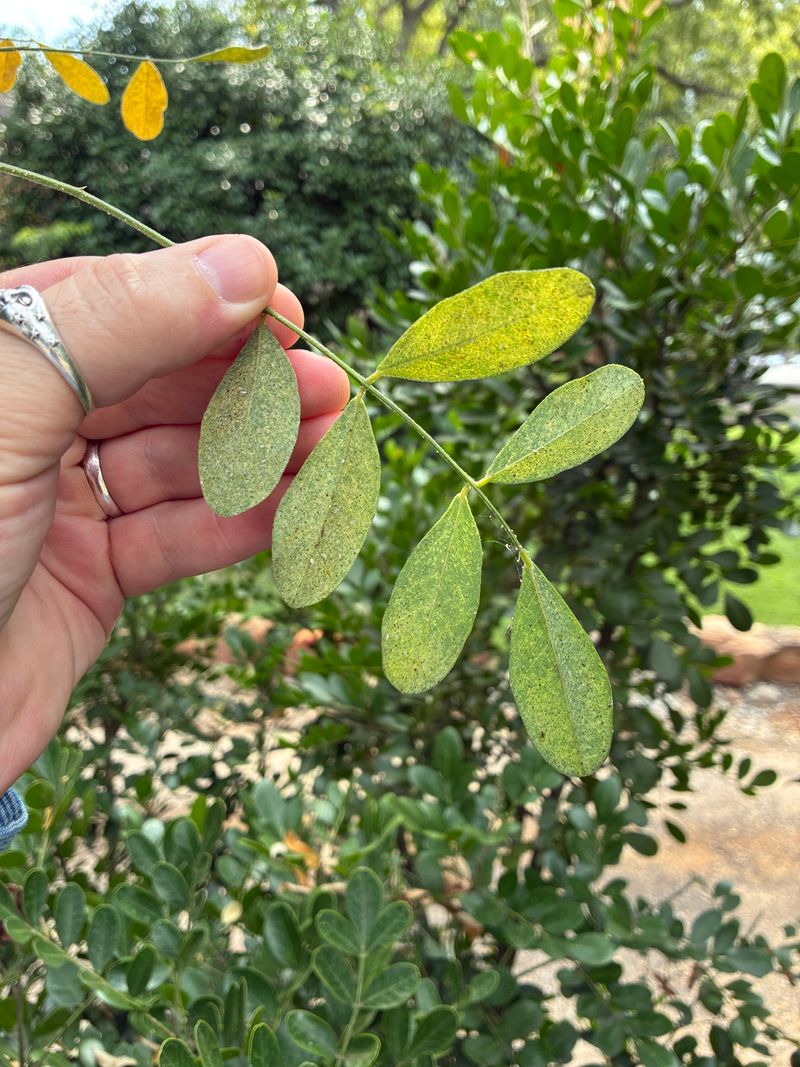
While you are working around the plant, flip over a few leaves and look at the undersides.
Spider mites have a trick: they hide where you are not looking.
Texas A&M Aggie Horticulture describes spider-mite damage as tiny white or yellow spots on the leaf surface, mottled or dusty-looking foliage, and fine webbing on the undersides of leaves and at stem joints.
If you spot those signs, a strong spray of clean water directed at the undersides of the leaves can help dislodge the mites.
For any pesticide product, read and follow the label before applying.
One more thing to keep in mind around lantana of any type.
Texas A&M range plant records and AgriLife’s toxic plants resource identify lantana as toxic if consumed, with leaves, stems, berries, and plant debris all posing a risk to people, dogs, cattle, sheep, goats, and horses.
Keep pets and grazing animals away from the plant and dispose of trimmings where animals cannot reach them.
Light trimming is one reasonable tool in a seasonal routine, not a guaranteed formula.
The plants that reward you with fall color are usually the ones getting good sun, appropriate water, and a watchful eye, with the hard spring cut saved for when it actually belongs.