
The Native Florida Edibles A Garden Center Will Never Sell You But Should
Follow us on Google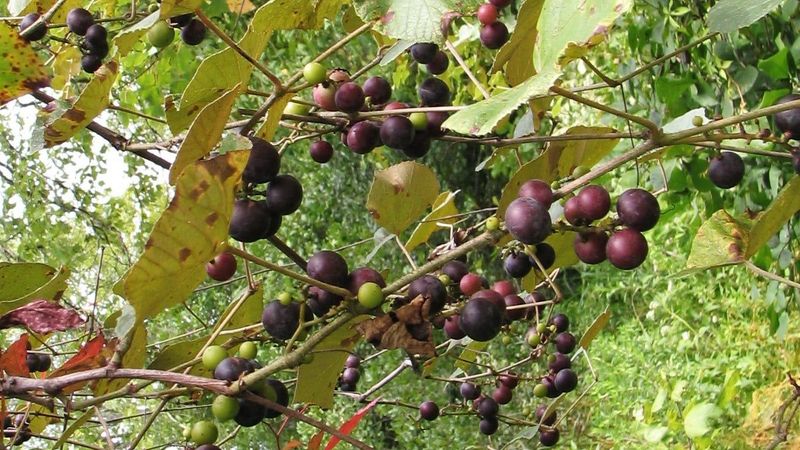
Walk into most Florida garden centers and you will find tomatoes, peppers, and roses front and center, plants that look promising in March but can struggle badly once July heat and humidity arrive.
Florida actually has a strong group of native and regionally native edible plants that can provide real food, attract wildlife, and look good doing it, yet many shoppers never hear about them.
The catch is that availability at mainstream stores varies a lot by region, season, and retailer, so the right plant for your yard may be hiding at a specialty nursery or a university plant sale rather than on the main display shelf.
This article helps you figure out which plant fits your actual yard, not just which one sounds exciting on a label.
The Plants Are Overlooked, Not Impossible To Find
Pull up to a big-box garden center on a Saturday morning in April and the edible section is almost entirely tomatoes, citrus, and herbs.
That picture is real, but it is not the whole story.
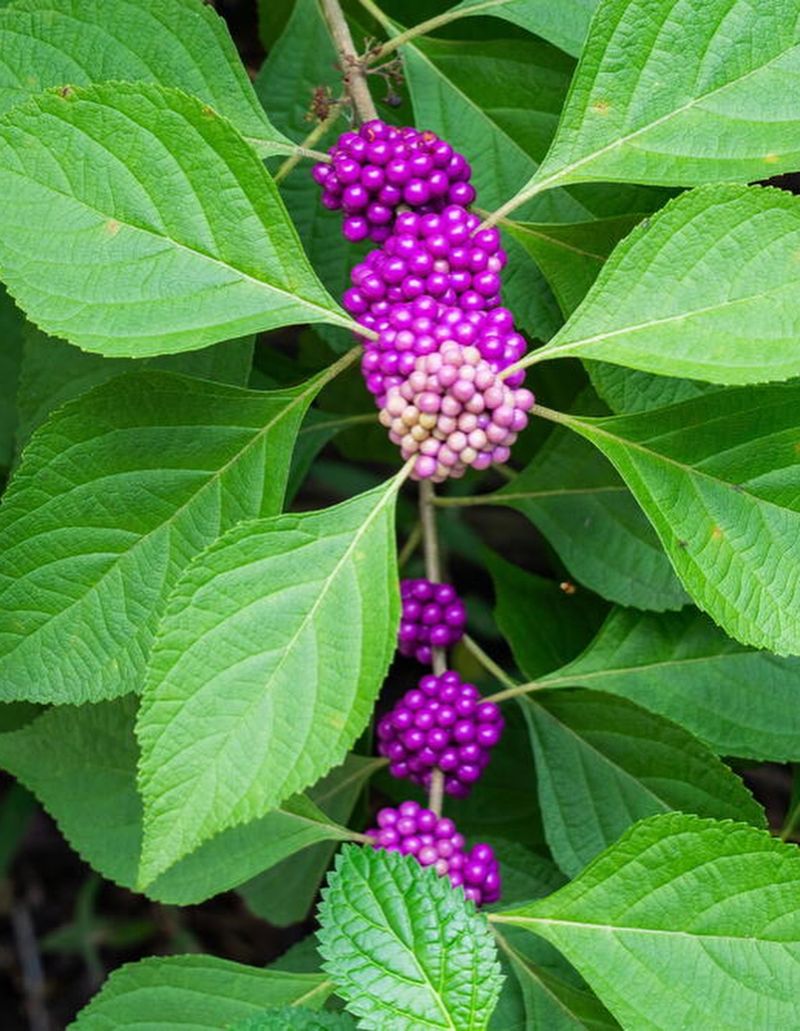
UF/IFAS Gardening Solutions lists muscadine grape, beautyberry, pawpaw, mayhaw, prickly pear, and native blueberries among Florida’s edible native plants, and several of those are already available if you know where to look.
Beautyberry, for example, shows up at ordinary retail nurseries more often than people expect.
Specialty growers, nonprofit edible-plant programs, and university plant sales like the UF Wilmot Gardens fall sale stock additional natives that mainstream shelves rarely carry.
Community organizations such as Eat Your Yard Jacksonville list fruiting natives specifically for North Florida homeowners.
So the title’s claim that garden centers will never sell you these plants is headline language, not a documented fact.
What is true is that selection can be inconsistent, seasonal, or mismatched to your part of the state.
A Central Florida store may stock a plant better suited to North Florida, or carry nothing in the native-edible category at all in midsummer.
The useful goal here is not finding a secret crop that no retailer carries.
It is matching a plant to your actual yard conditions so it has a real chance of producing food and looking good without demanding constant intervention.
That match is what the rest of this article is about.
Match The Plant To The Florida Yard
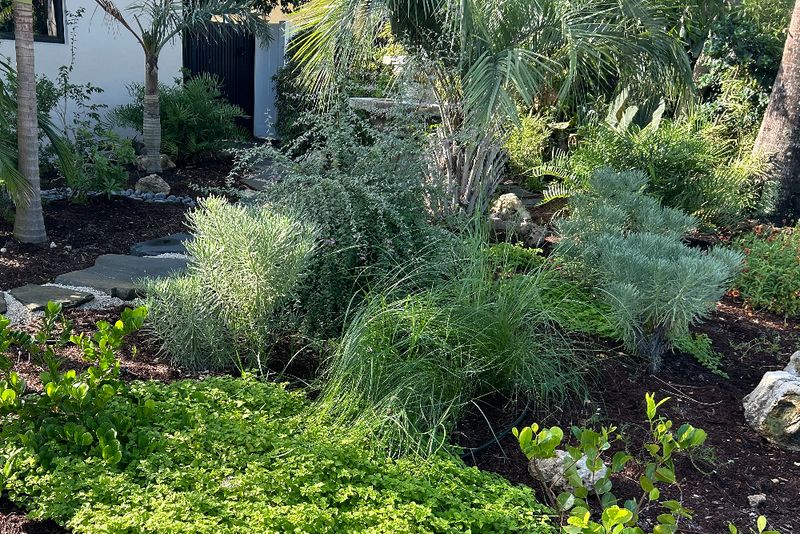
Florida is not one climate, and treating it like one is where a lot of plant choices go wrong.
The Panhandle can see hard freezes and USDA Zone 8b conditions.
Central Florida deals with brief cold snaps and long stretches of humid heat.
South Florida and the Keys stay warm year-round, with shallow limestone soil and salt spray on both coasts.
A plant that thrives in Tallahassee may fail completely in Tampa or Fort Lauderdale.
UF/IFAS notes that native plants are generally adapted to local climate, soils, pests, and disease conditions, but that advantage disappears when a plant is placed in the wrong microclimate.
Put a moisture-loving pawpaw on a dry sand ridge and it will struggle.
Plant a salt-sensitive beautyberry two blocks from the Gulf and you may lose it in the first storm season.
Before you buy anything, run through a short checklist for your specific yard.
Check which USDA hardiness zone you are in, how many hours of direct sun the planting spot gets, whether the soil drains quickly or holds water after rain, whether salt spray reaches the site, and how much room you actually have at the plant’s mature size.
UF/IFAS research on native landscape plants reinforces that correct placement is where the real resilience advantage comes from.
Sandy inland soil, wet low spots, acidic flatwoods, and limestone-based coastal ground each call for a different plant.
The sections that follow use this site-matching standard as the baseline for every recommendation.
Muscadine Is The Strongest Broadly Useful Choice
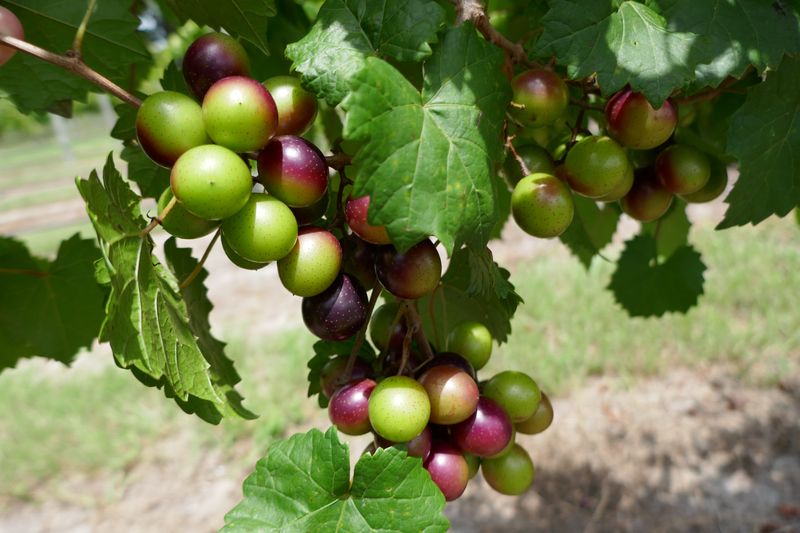
Muscadine grape, Vitis rotundifolia, is the plant most North and Central Florida homeowners should consider first.
It is native to Florida, produces fruit you can actually eat fresh or turn into juice and jelly, and handles the Southeast’s heat and humidity far better than European wine grapes, which tend to collapse under fungal pressure in a Florida summer.
UF/IFAS muscadine production guidance describes the vine as more disease resistant than European grapes and well adapted to the region, though that resistance does not make it maintenance-free.
You still need to choose the right site and give the vine what it needs to produce well.
Full sun is non-negotiable, at least 8 hours a day.
Soil pH should sit near 5.5 to 6.5, moderately acidic, with good drainage and consistent moisture during the growing season.
Plan for a sturdy trellis from the start because the vine gets heavy, and leave about 5 feet of clear space around each plant for airflow and access.
Fruit takes roughly 100 to 120 days to mature from bloom, so a vine that flowers in spring will be ready to harvest in late summer.
Cultivar selection matters more than most people realize.
Some muscadine varieties are self-fertile and will produce on their own.
Others need a compatible pollinizer nearby.
Ask the seller specifically before you buy.
Pruning happens during winter dormancy, and skipping it reduces next season’s fruit.
Muscadines have thick skins and seeds, both edible, though the texture takes some getting used to.
Pest pressure is real, including birds and occasional insects, so monitor the vine and treat problems as they appear rather than assuming native status handles everything.
North And Central Florida Need Different Picks
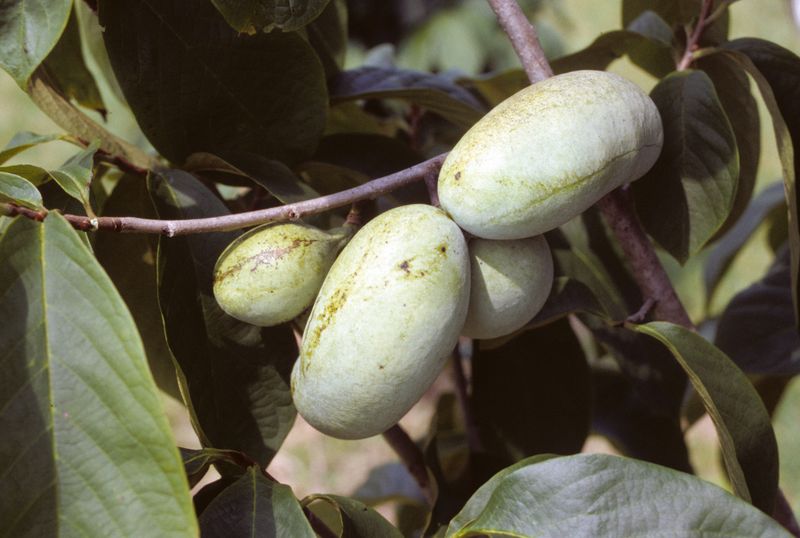
Two native edibles that fit specific North and Central Florida conditions are mayhaw and common pawpaw, and both reward the gardener who matches them to the right site rather than the most convenient open spot in the yard.
Mayhaw, a Crataegus species, belongs near water.
UF/IFAS describes mayhaw as better suited to moist or seasonally wet sites in North and Central Florida than to dry, exposed ground.
Its fruit is small, roughly half an inch to two-thirds of an inch in diameter, acidic, and juicy.
Most people process it into jelly rather than eating it fresh, and the flavor is genuinely good once sweetened.
If you have a low corner of the yard that stays wet after rain, mayhaw is worth serious consideration as a small fruiting tree that also looks attractive in bloom.
Common pawpaw, Asimina triloba, is a different story in terms of size and site.
UF/IFAS notes that common pawpaw can reach 15 to 20 feet tall and is generally hardy only through roughly USDA Zone 8b, which places it mainly in North Florida and selected cooler sites.
It prefers rich, moist, slightly acidic soil and produces 3- to 6-inch custard-like fruits that ripen in late summer or early fall.
Do not plant common pawpaw in South Florida or the Keys expecting the same results you would get in the Panhandle.
Florida also has smaller native pawpaw species, including netted pawpaw, Asimina reticulata, which grows through much of peninsular Florida.
These are distinct plants with different growth habits and fruit size, not the same as the large northern species.
If a seller offers you a pawpaw for a Central or South Florida yard, ask which species it is before committing to the purchase.
South Florida And Coastal Sites Have Their Own Standout
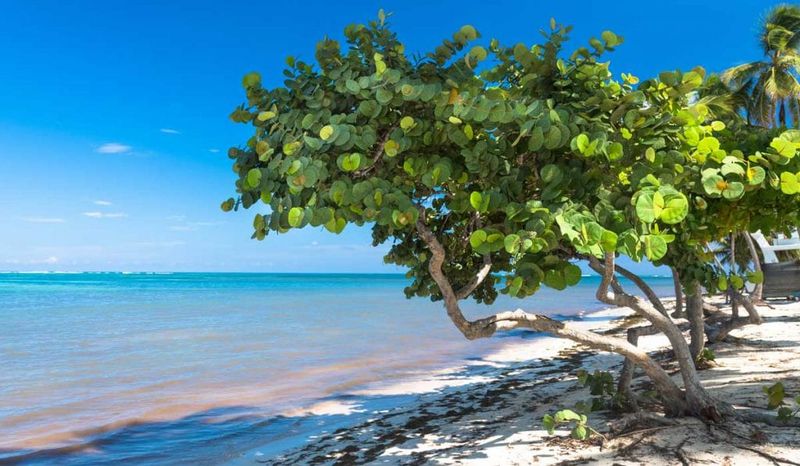
Seagrape, Coccoloba uvifera, is one of the few edible plants that genuinely belongs on a South Florida or coastal site.
Most fruiting plants wilt under salt aerosol, but seagrape is rated highly tolerant of salt spray, drought, sand, loam, acidic soil, and alkaline soil, which covers most of what the Atlantic and Gulf coasts throw at a landscape plant.
UF/IFAS documents seagrape as capable of growing anywhere from roughly 3 feet as a pruned hedge to 35 feet as a full-canopy tree, depending on how it is managed and where it is planted.
That range means placement planning matters a great deal.
A seagrape left to grow freely near a sidewalk will eventually drop large quantities of fruit onto the pavement, creating a slipping hazard and a cleanup chore.
The fruit itself is edible and attractive to wildlife, with a mild grape-like flavor that most people process into jelly rather than eating by the handful.
Birds and other wildlife find the fruit reliably, so a seagrape hedge does double duty as a wildlife corridor and a food source.
Additional UF/IFAS landscape guidance confirms its value as a shrub, hedge, or windbreak in coastal settings.
Seagrape is better suited to storms than many ornamental alternatives because of its flexible branching and deep roots, but no plant is storm-proof.
Prune it to maintain a manageable crown and keep it away from structures where branch failure could cause damage.
Contrast this with beautyberry, which UF/IFAS describes as not salt tolerant and therefore unsuitable for exposed coastal conditions where seagrape thrives.
Beautyberry And Prickly Pear Put Landscape First
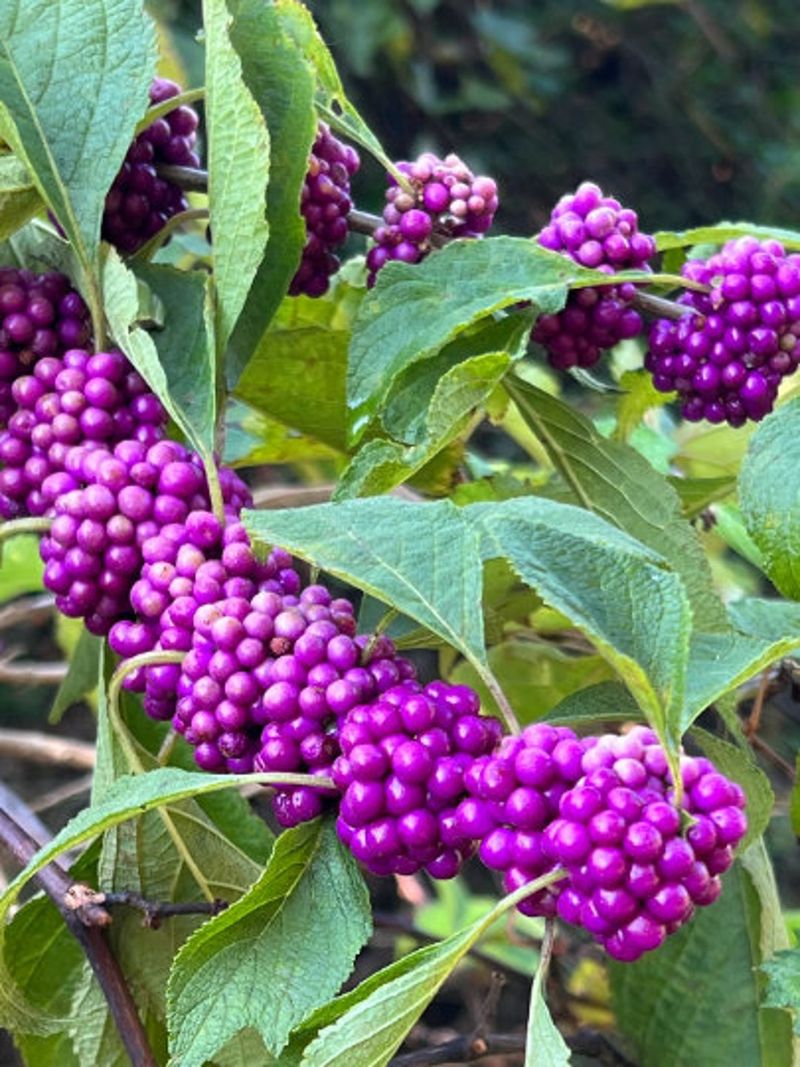
Some plants earn their place in the yard primarily as landscape performers that happen to offer a secondary kitchen use, and both American beautyberry and prickly pear fall into that category.
Expecting either one to anchor your food garden leads to disappointment, but placing them correctly gives you real ornamental value with a harvest bonus.
American beautyberry, Callicarpa americana, is one of the most adaptable native shrubs in Florida.
UF/IFAS describes it as growing in poor sandy soil, becoming drought tolerant after establishment, and typically reaching 3 to 8 feet tall and 4 to 8 feet wide.
The purple berry clusters are genuinely striking in late summer and fall, which is why wildlife and photographers both seek it out.
Eating the berries fresh is technically possible but rarely satisfying: they are bland, dry, and astringent without sweetening.
Cooked into jelly or preserves with sugar, they become something worth making.
Keep beautyberry away from exposed salt spray because it does not handle coastal conditions well.
Prickly pear, Opuntia species, suits an entirely different site: hot, sunny, and sharply drained.
UF/IFAS notes that both the pads and the fruit can be edible, but glochids, the tiny barbed spines that cover the surface, lodge in skin and cooking tools if you are not careful.
Use thick gloves and tongs during any harvest or preparation step.
Overwatering is the fastest way to kill a prickly pear because saturated soil encourages root and stem rot.
Scale insects and mealybugs can also appear, so check the plant periodically rather than assuming it needs nothing.
If children or pets use the yard regularly, look for spineless selections that reduce the injury risk without sacrificing the plant’s drought performance.
Harvest Only What You Can Identify Safely
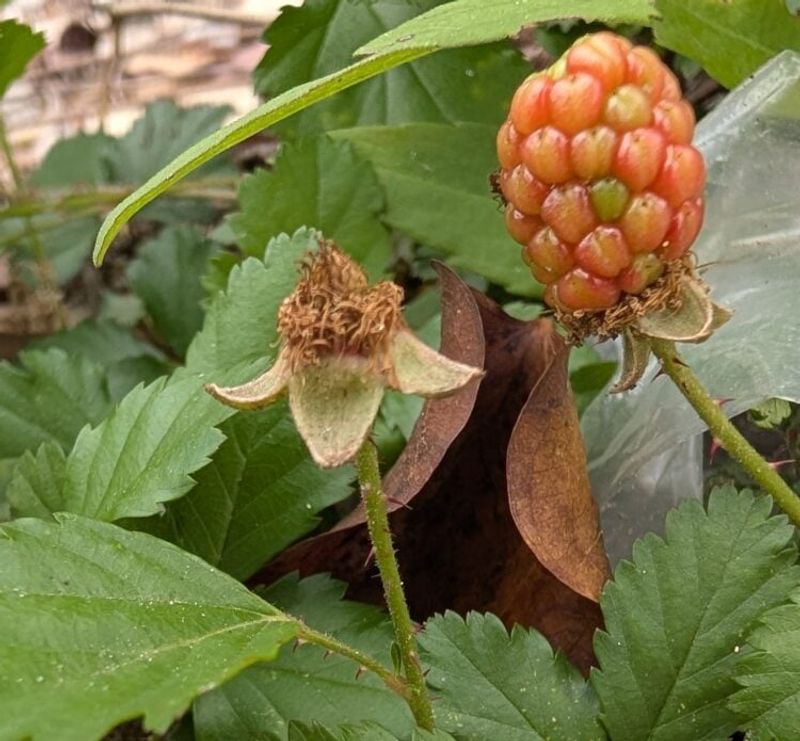
Edibility and palatability are two different things, and knowing the difference saves you from a bad experience at best and a dangerous one at worst.
Tart mayhaw is usually too acidic to eat straight from the tree.
Muscadines have thick skins and seeds that catch some people off guard the first time.
Beautyberry is bland and drying fresh.
Pawpaw fruit is genuinely delicious, but only the flesh counts: UF/IFAS is clear that pawpaw seeds and skin should not be eaten, and leaves and stems should not be consumed either.
Never taste a plant you cannot identify with certainty.
A photograph is not enough.
UF/IFAS warns that edible plants can have toxic look-alikes and recommends certainty of identification plus county Extension assistance when you are unsure.
Your county Extension office can help you confirm what you are looking at before you harvest anything.
Coontie, Zamia floridana, is the sharpest example of why this caution matters.
It is a beautiful Florida native, a host plant for the atala butterfly, and a common landscape shrub.
Historically, indigenous peoples processed it into a starchy food, but that process required specialized knowledge.
UF/IFAS documents that all parts of coontie are poisonous, with seeds being the most toxic, and that ingestion can cause vomiting, bloody diarrhea, liver failure, and death.
Plant coontie for its landscape and wildlife value, not as a food source.
The broader lesson applies to every plant in this article.
Grow what you can identify reliably, harvest only the parts that are documented as edible, and treat any unfamiliar plant in your yard as a question to answer before a fruit to try.
Establishment And Sourcing Matter More Than The Label
Buying the right plant is only half the job.
How you establish it in the first few months determines whether it thrives or just survives.
A common mistake is assuming that a native plant needs no water after planting.
UF/IFAS establishment guidance makes clear that newly planted material needs consistent irrigation while roots spread into surrounding soil.
Sandy Florida soil drains quickly, so water can move past the root zone faster than you expect.
Low spots and poorly drained areas carry the opposite risk: saturated ground encourages root disease, and UF/IFAS recommends diagnosing disease symptoms carefully because different problems can look alike while requiring different treatments.
Follow the plant’s specific UF/IFAS care sheet rather than a single universal watering rule.
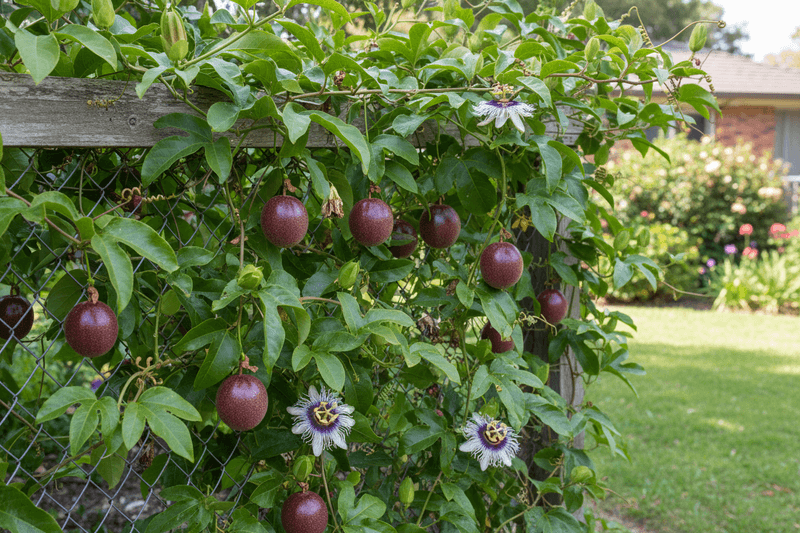
Muscadine vines need a trellis installed before or at planting, not added later as an afterthought, and winter pruning is a non-negotiable annual task.
Prickly pear needs sharply drained ground from day one, so amending heavy or poorly drained soil before planting is worth the effort.
Once established, most of these plants can reduce their irrigation needs significantly, but that transition takes a full growing season or more.
When you shop, ask the seller for the botanical name, cultivar, expected hardiness or regional suitability, mature size, pollination requirements, salt tolerance, and drainage needs.
Those seven questions will tell you more than the tag on the pot.
UF/IFAS plant diagnostic resources can help if problems appear after planting.
If your local garden center does not carry what fits your site, check specialty nurseries, nonprofit edible-plant programs like Eat Your Yard Jacksonville, university plant sales, and local growers.
Sales like the UF Wilmot Gardens fall event often stock regionally appropriate natives that mainstream retailers do not carry consistently.
Patience and a phone call or two usually turn up a source closer than you think.
Native Does Not Mean Hurricane-Proof
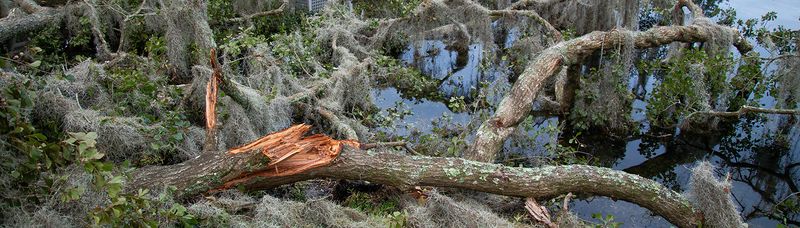
Storm season runs June through November in Florida, and after a bad blow it is tempting to credit any tree still standing with being hurricane-proof.
That credit is always wrong.
UF/IFAS research on wind-resistant trees identifies live oak and sabal palm among species with strong hurricane-tolerance records, and additional UF/IFAS guidance on landscape trees and hurricanes is explicit that no tree is absolutely windproof.
Wind damage depends on species, crown structure, root depth, tree age, overall health, soil type, spacing, pruning history, and how directly the storm tracks over the site.
The edible natives in this article are not exempt from that reality.
Seagrape handles coastal wind better than many ornamentals, but a large unpruned specimen with a heavy crown can still fail in a major storm.
Muscadine on a trellis faces a different kind of wind risk: the structure itself needs to be anchored well enough to stay upright under load.
Pawpaw and mayhaw in low-lying areas can face flooding stress after storm surge or heavy rain, which is a separate threat from wind entirely.
UF/IFAS native landscape plant research frames native status as one resilience factor among several, not a guarantee of survival.
Proper structure, adequate rooting room, appropriate pruning, and good site selection all contribute more to storm outcomes than the native label alone.
Monitor your plants after storms the same way you would any landscape planting, and address structural problems before the next season rather than after.
The garden-center shelf is genuinely not the full range of Florida’s edible options.
But the best plant for your yard comes from honest site assessment and accurate identification, not from the most dramatic claim on the tag or in the headline.