
8 Texas Plants That Bring Fireflies Back To Yards From Spring Into Summer
Follow us on Google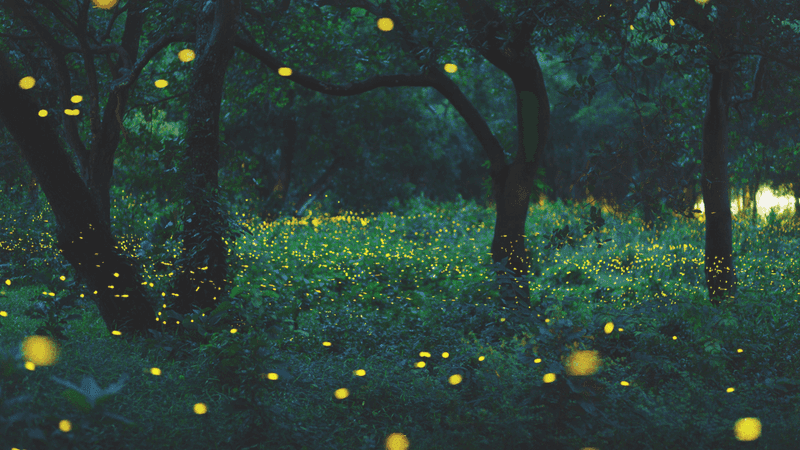
You step outside before breakfast, and the patio already feels warm, a hint of another scorching Texas day ahead.
But you remember something quieter, that twinkling firefly dance that seems to be fading from our nights.
Those blinking summer lights were not just a childhood memory, and you can actually bring them back.
Your backyard can become a haven for these little glowing beetles, turning spring and summer evenings into something worth sitting still for.
It mostly comes down to which native Texas plants roll out the welcome mat.
Here are eight that do the job, plus a few honest limits along the way.
1. Inland Sea Oats Provide The Perfect Launchpad
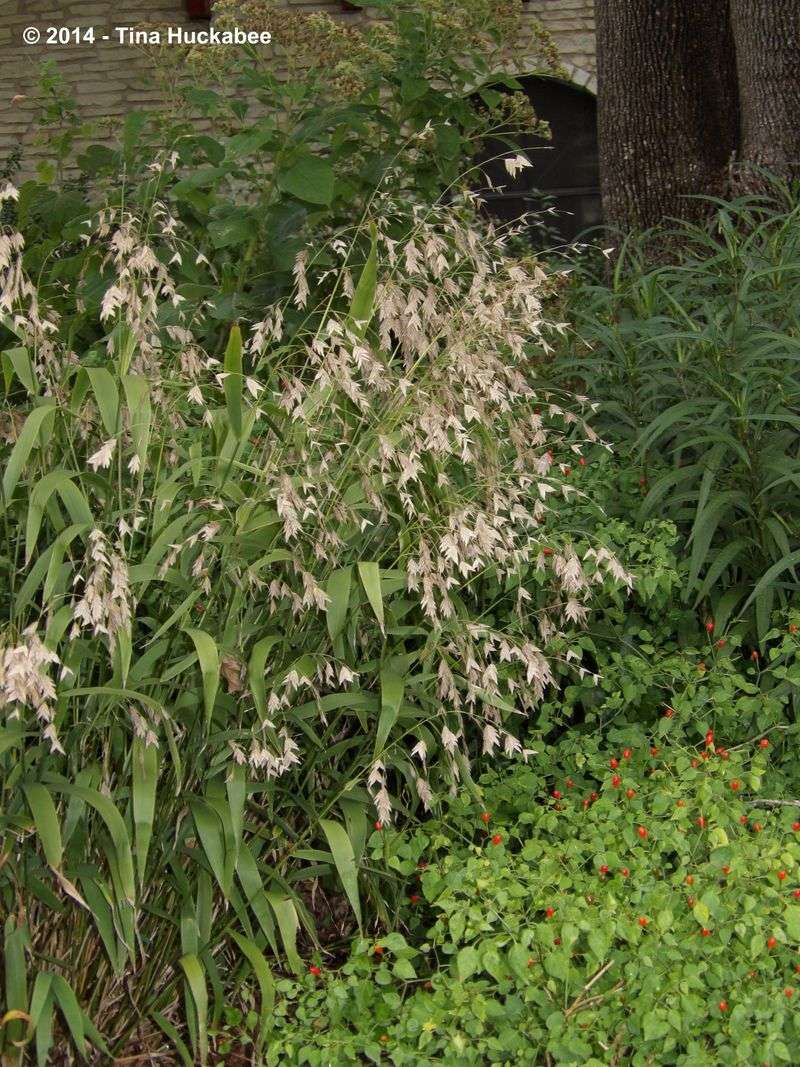
Something about the soft rustle of Inland Sea Oats (Chasmanthium latifolium) in an evening breeze promises a cooler night.
These clumping grasses reach 2 to 5 feet tall and give adult fireflies a place to perch while they flash their mating signals.
Here is where it gets tricky.
Fireflies want moist, sheltered ground, and this grass keeps the soil beneath it cool and damp even through a long dry Texas stretch.
It handles the acidic sandy soils of East Texas and the heavier clays across North and Central Texas, and it grows in full sun to full shade.
One honest limit.
In brutal afternoon sun, the leaves can yellow without a little shade to lean on.
Space plants 18 to 24 inches apart for thick cover, and you give the glow-worms, those firefly larvae, a cozy hunting ground for snails and slugs.
Plant a small drift near a fence line and let it fill in.
By the second summer you may notice the flashing starts right there, low in the blades, then lifts.
2. Switchgrass Creates Tall Waving Havens
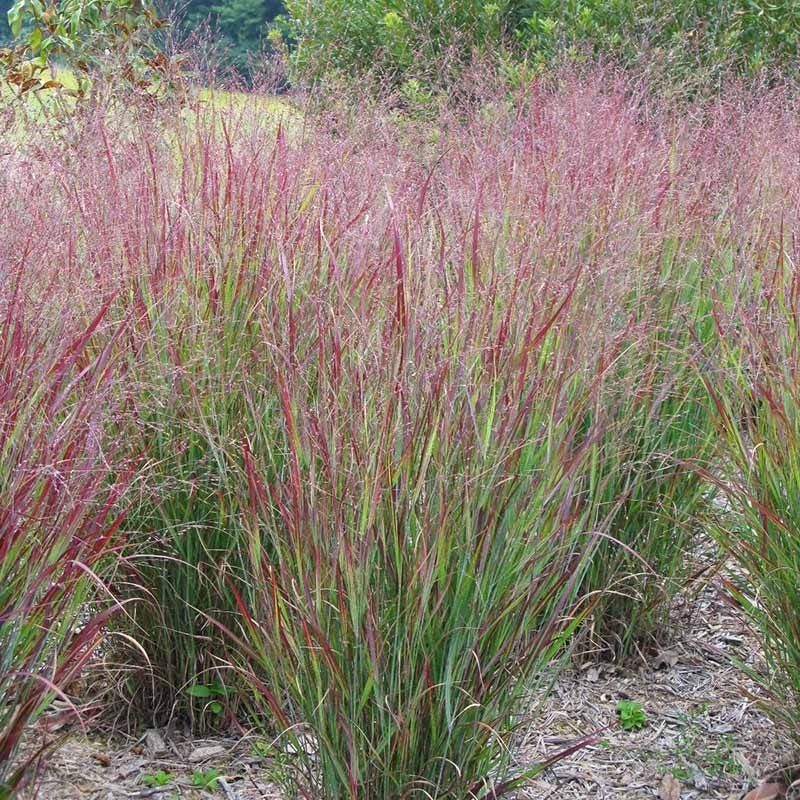
Picture tall, feathery plumes swaying in the last light while the first flashes rise from below.
That is Switchgrass (Panicum virgatum), a native bunchgrass that can stand 3 to 6 feet tall with airy flower spikes.
Those heights give male fireflies a launch platform as they lift off to find mates.
Many Central Texas gardeners know the summer fight to keep anything hydrated.
Switchgrass is genuinely forgiving, thriving in average, dry to moist, well-drained soils, including sandy, loamy, and clay ground.
Once established, it shrugs off drought, a real gift when water restrictions arrive.
It loves full sun and tolerates a little part shade, so it works in those awkward transition strips.
Plant clumps 2 to 3 feet apart in spring or early fall, and give them room to knit into the dense cover fireflies need.
Texas A&M AgriLife Extension points to native bunchgrasses like this for habitat value and low upkeep.
Leave the clumps standing through fall, and you protect resting larvae while the seed heads catch the evening glow.
3. Frogfruit Offers A Ground Level Sanctuary
Sometimes the best help hides low to the ground.
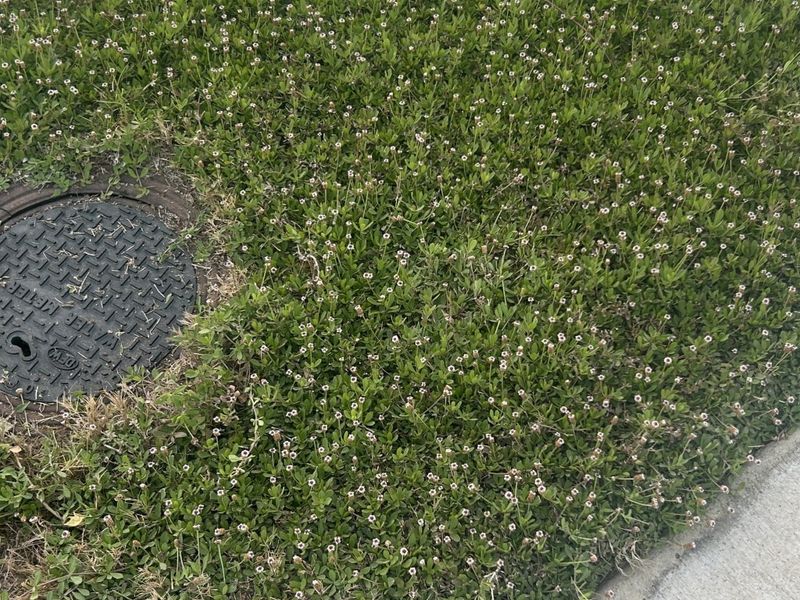
Frogfruit (Phyla nodiflora) spreads a semi-evergreen mat only a few inches high, a moist hideaway for firefly larvae and a nectar stop for the adults.
You may know it as Turkey Tangle or Texas Frogfruit, and yes, it spreads, but it earns its keep.
This little worker is tough.
It takes full sun to part shade and a wide range of Texas soils, from alkaline blackland clay to limestone and sandy loam.
It endures dry spells and occasional flooding, which makes it a smart pick across Central, East, and Northeast Texas.
It usually stays under 6 inches tall and can creep as far as you let it.
Plant it 12 to 18 inches apart for fast coverage.
A friendly firefly yard often means leaving a few corners a bit shaggy, and Frogfruit lets you do that without looking neglected.
Tuck it between stepping stones or along a damp border.
The tiny white blooms feed pollinators by day, and the cool mat shelters the next generation of lights by night.
4. Lindheimer Muhly Provides Grassy Architecture
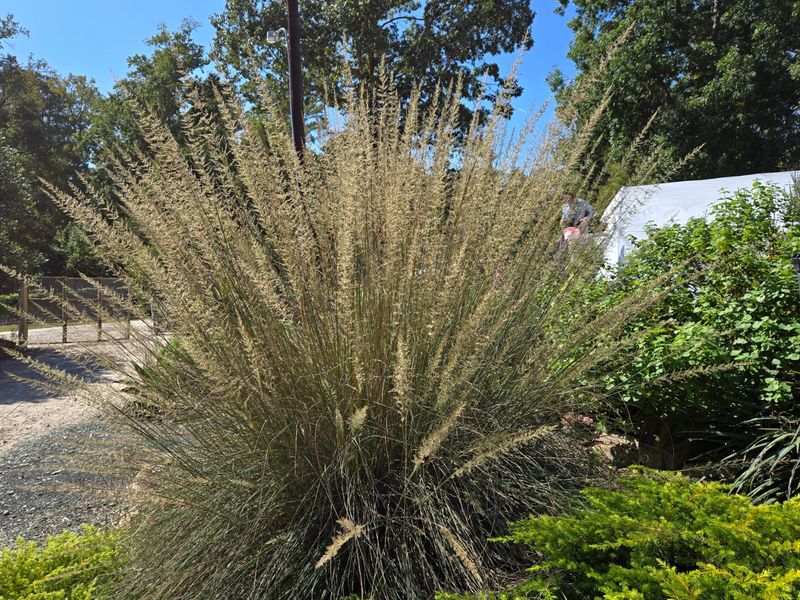
For elegance that fireflies quietly appreciate, Lindheimer’s Muhly (Muhlenbergia lindheimeri) is hard to beat.
This warm-season clumping grass forms a fountain of blue-green foliage 3 to 4 feet tall, with silvery plumes reaching another foot above.
Those shimmering forms give adult fireflies cover and structure as they emerge for evening flights.
Native to the Edwards Plateau and other limestone uplands of Central Texas, it was built for our harsh summers.
It thrives in intense sun and alkaline, well-drained soil, and adapts to many soil textures as long as drainage holds.
Standing water in heavy clay is its one weakness.
Call it a medium water use plant.
It appreciates a deep soak during the hottest, driest weeks to look its best, roughly once a week when the mercury climbs past 100 degrees.
Plant it in full sun and give each clump 2 to 3 feet to spread into its full shape.
Set three together near the patio.
On a still July night, the plumes catch light and so do the fireflies, and the two effects blur together.
5. Sideoats Grama Offers Statewide Versatility
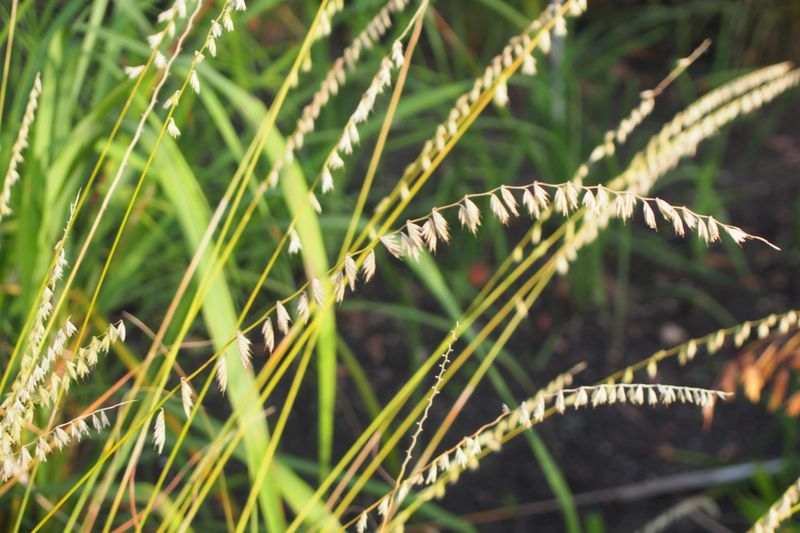
It is no accident that Texas named its official state grass a friend to fireflies.
Sideoats Grama (Bouteloua curtipendula) grows 1 to 3 feet tall, with oat-like seeds dangling along one side of each stem, usually from July into September.
Those seed-laden stalks make handy perches and takeoff spots that keep your yard busy after dark.
Toughness is the whole story here.
Sideoats thrives in full sun to part shade and a range of well-drained soils, from rocky slopes and shallow caliche in the Hill Country to sandy loam and clay elsewhere.
It is genuinely heat and drought tolerant, a true survivor, comfortable from USDA Zone 4a and warmer.
You can mow it down to 2 to 4 inches for a lawn-like look, but leaving pockets taller preserves the purple-blushed flowers and gives fireflies more habitat.
A little restraint pays off.
Scatter it through a meadow strip or a hard, sunny corner nothing else will tolerate.
It asks for almost nothing and hands back that low, drifting light.
6. Coralberry Adds Woodland Charm And Protection
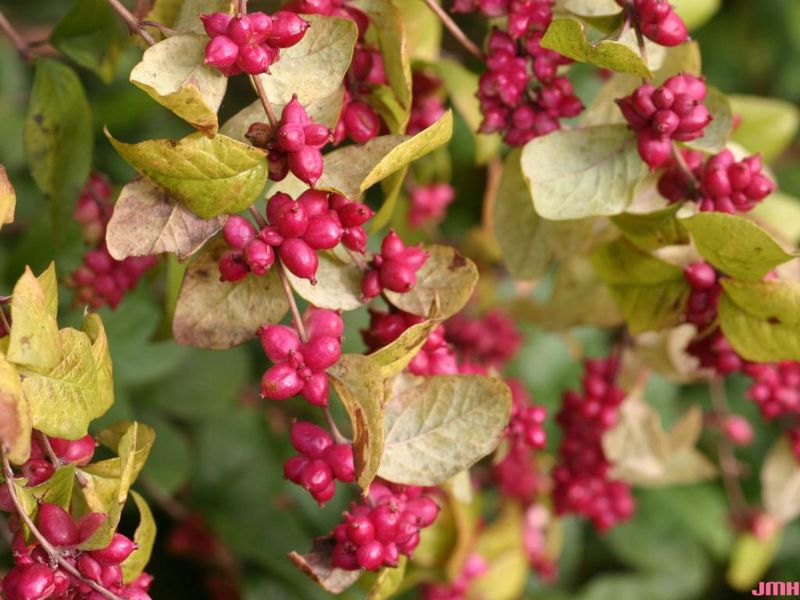
Fireflies do not always want open sun, and that is exactly where Coralberry (Symphoricarpos orbiculatus) shines.
This low deciduous shrub reaches 2 to 5 feet tall and can spread 4 to 8 feet wide, forming dense thickets.
Those branching stems offer shelter in the shadier parts of your yard or along a wet fence line.
It thrives in part shade to full shade, which makes it a rescue plant for those dim spots under larger trees where grass gives up.
It prefers well-drained, moist, loamy or rocky soil, especially the acidic ground of the East Texas Post Oak woodlands where it grows on its own.
Water needs stay low to medium, so typical Texas rainfall usually carries it once established.
Delicate greenish-white flowers in spring and summer give way to coral-pink berries that hang on through winter, feeding birds when little else does.
Plant one at a woodland edge and let it thicket up.
It becomes a shaded nursery where larvae hide by day and adults rest before the show begins.
7. Buttonbush Brings Water Edge Allure
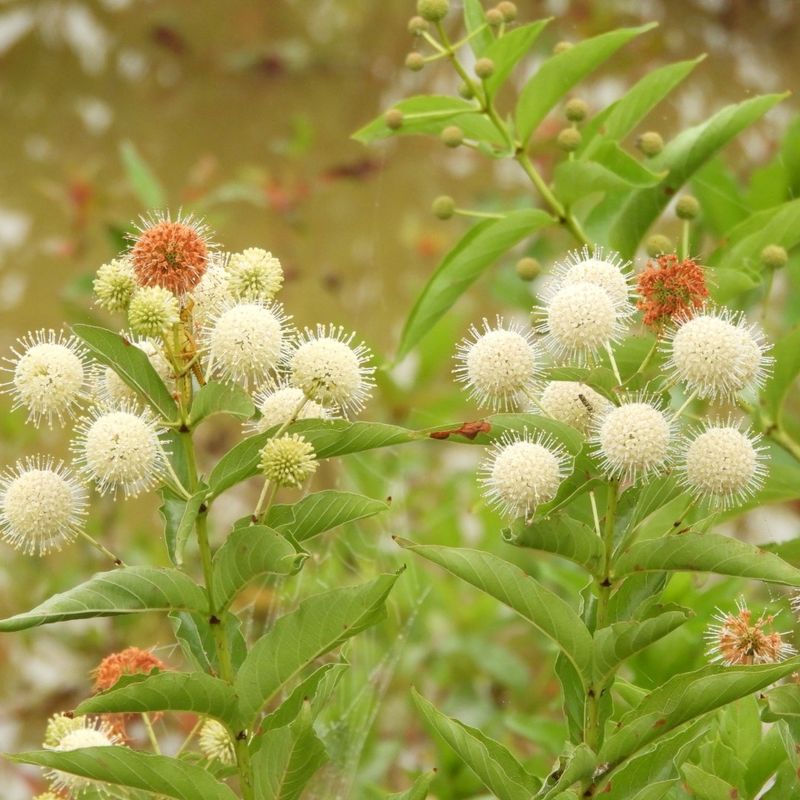
Got a soggy corner that stays wet after every downpour?
Buttonbush (Cephalanthus occidentalis) turns that problem spot into a firefly magnet.
This native shrub grows about 5 feet tall and wide, with round white flowers shaped like pincushions from early to late summer.
The blooms pull in pollinators of every kind, and the shrub itself loves the damp conditions fireflies depend on.
It tolerates consistently moist to wet soil, standing water, and poor drainage, so it belongs in low spots and rain gardens.
It is not fussy about soil type or pH.
It grows in full sun to partial shade, though across much of Texas it prefers a little afternoon relief.
It even shrugs off urban conditions, which helps in tight city lots near the Gulf Coast.
Plant it near a birdbath or pond to boost the moisture larvae need underfoot.
Give it one wet corner and mostly leave it alone.
By midsummer the pincushion blooms hum with life, and after dusk that same damp ground starts to glow.
8. Purple Coneflower Offers Nectar And Beauty
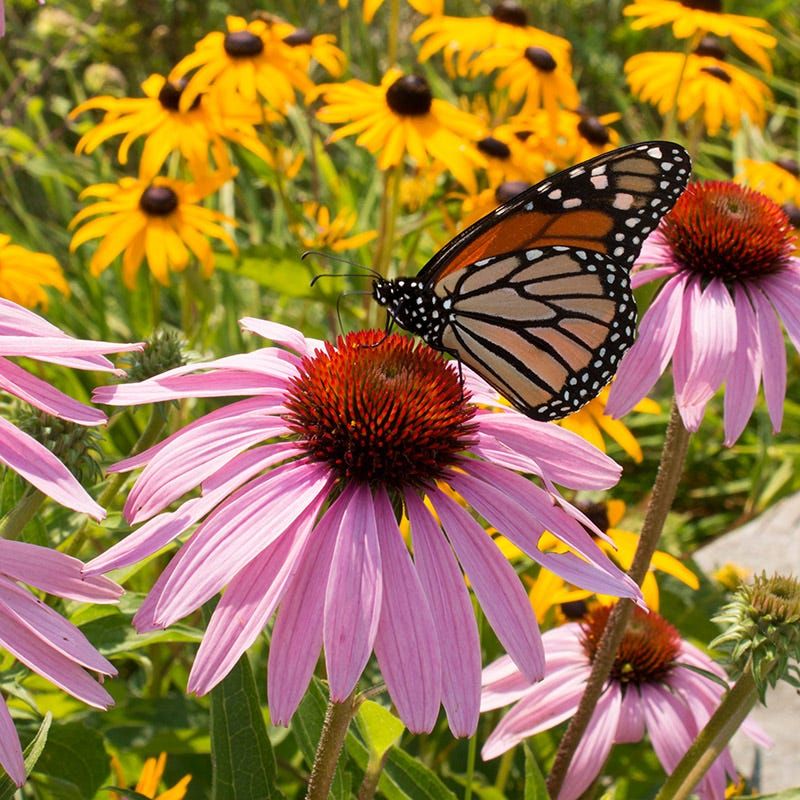
Those cheerful, daisy-like blooms do more than look good at the mailbox.
Purple Coneflower (Echinacea purpurea), usually 2 to 5 feet tall, offers nectar-rich flowers that feed the firefly species that sip pollen and nectar as adults.
It also draws bees and butterflies, strengthening your whole yard.
It grows best in full sun but takes part shade, a real help against the fierce afternoon heat of Central and South Texas.
It wants well-drained soil, which matters if you garden on heavy blackland clay.
You can loosen that clay with expanded shale or decomposed granite to move water through faster.
Here is a regional note worth keeping.
Echinacea purpurea is native only to a small slice of Northeast Texas, so other coneflower species may suit you better.
Try E. angustifolia for dry Central and West Texas, or E. sanguinea and E. pallida for the moister east.
Plant them in groups of 3 to 5 for a full display.
During the fall monarch migration the blooms feed travelers too, and after dark the same beds keep your glowing visitors close.