
The Most Stunning Underrated North Carolina Perennial That Stays In Bloom Longer Than Anything Else
Follow us on Google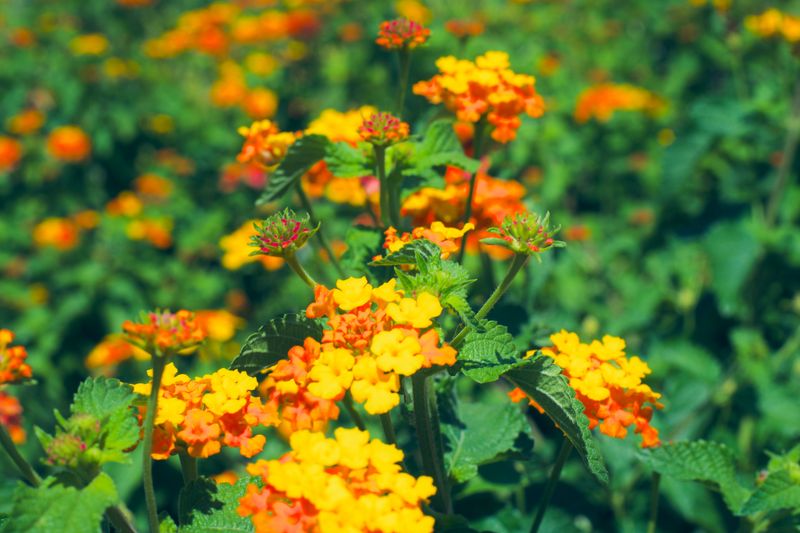
Walk past most North Carolina garden beds in late August and you will find a lot of brown, a lot of tired, and maybe one sad black-eyed Susan hanging on for dear life. But tucked into sunny Coastal Plain and Piedmont yards, one woody perennial keeps throwing out fresh flower clusters week after week while everything around it gives up.
That plant is Lantana camara ‘Miss Huff’, and it deserves a much longer look than most planting lists ever give it. If your sunny bed needs real, sustained color from spring through fall, this is one of the strongest candidates you will find for North Carolina conditions.
Meet the Hardy Lantana Worth Considering
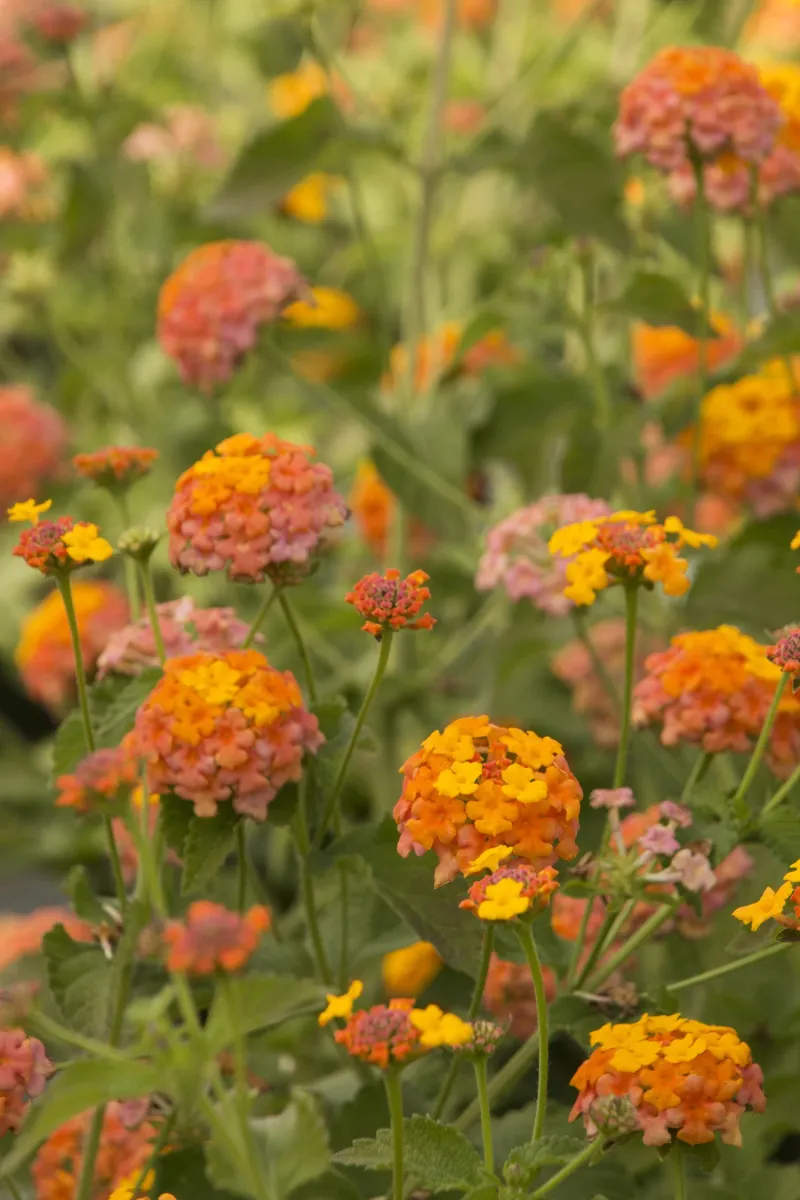
Somewhere between a shrub and a perennial, Lantana camara ‘Miss Huff’ occupies a category most North Carolina gardeners have not fully explored. The flower clusters pack together in tight, rounded heads that shift color as individual florets age, so a single cluster can show orange, yellow, and pink all at once.
That display keeps refreshing itself from spring through fall under favorable conditions, which puts it among the longest-performing choices for sunny beds in the Coastal Plain and Piedmont.
NC State Extension lists ‘Miss Huff’ as a woody perennial with showy flowers appearing from spring through fall, documented for North Carolina’s Coastal and Piedmont regions, and rated for USDA hardiness zones 7b through 10b. That zone range matters, because it sets a real northern boundary for reliable perennial performance.
Gardeners in Raleigh or Wilmington have a reasonable case for treating it as a returning perennial; gardeners in Boone or Asheville face a harder test.
The broader species, Lantana camara, includes many cultivars with different cold tolerances, so cultivar identity matters. ‘Miss Huff’ is specifically the one with the stronger track record in the Piedmont and Coastal Plain. NC State even features lantana in the Pollinator Haven Garden in Sanford, which tells you the plant is genuinely on their radar, not a secret.
Calling it underrated is an editorial opinion, but a fair one for a plant this productive that still shows up on so few neighborhood planting lists.
Months of Flowers, Not an Unbeatable Record
Here is where the title needs a small correction. No authoritative horticultural source names ‘Miss Huff’ the single longest-blooming perennial among all plants that can grow in North Carolina.
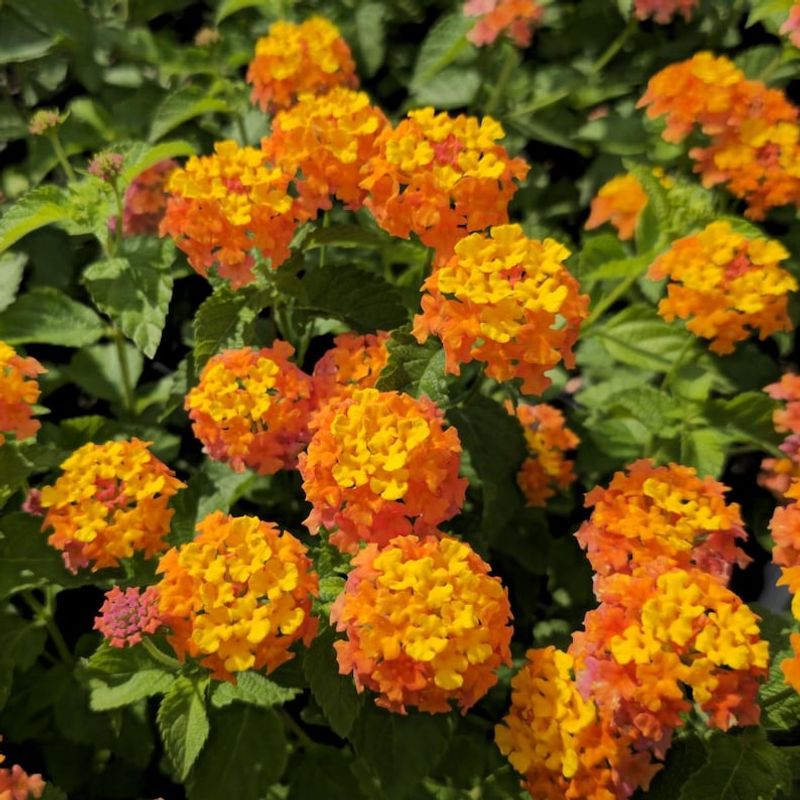
What the evidence actually supports is this: common lantana generally flowers from midsummer until the first frost, and ‘Miss Huff’ can begin earlier, sometimes in spring under favorable conditions, and carry that color through fall. That is a genuinely long season, and for a plant that also handles summer heat without flinching, it is a meaningful advantage in a Coastal Plain or Piedmont bed.
But several other perennials also deliver extended bloom. Aromatic aster blooms from late summer until the first frost.
Blue boneset follows a similar late-summer-to-frost schedule. Black-eyed Susan can stretch from midsummer into mid-fall with deadheading.
Butterfly gaura and blanket flower also push well into the warm season.
What sets ‘Miss Huff’ apart is the combination of a long flowering window, serious heat tolerance, and a flower display that keeps looking fresh rather than ragged in August. It belongs among the strongest long-season choices for suitable sunny Coastal Plain and Piedmont gardens.
That is a real, documented advantage, and it is worth planting for. Just do not expect it to outlast every other perennial in every North Carolina garden, because the evidence does not promise that.
Give It Sunlight and Sharp Drainage
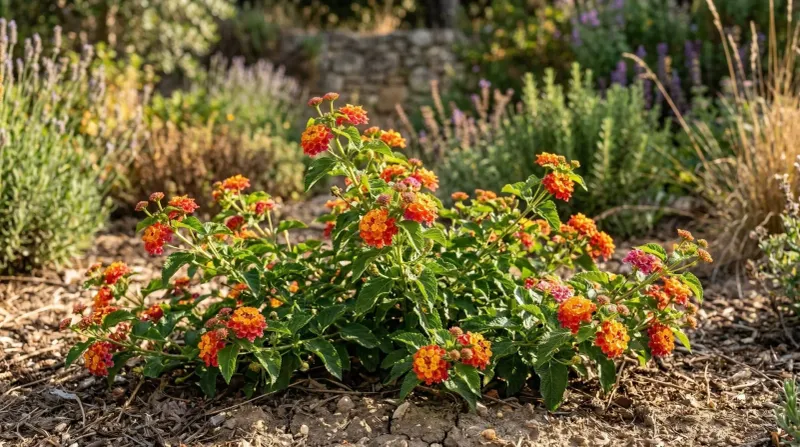
Full sun is not optional for this plant. At least 6 hours of direct light daily is the baseline, and more is better.
Gardeners who try to squeeze lantana into a partly shaded spot near a fence or under a tree canopy will get a lot of stems and very few flowers. The sunny, open bed is where it actually delivers.
Drainage matters just as much as light. NC State Extension and Clemson Cooperative Extension both recommend well-drained soil, and the reason becomes critical in winter.
Lantana roots that sit in waterlogged soil during a cold snap face a much harder survival test than roots in soil that drains freely. In Piedmont red clay, the practical move is to plant slightly high, raising the root zone an inch or two above grade, or to work organic matter into the planting hole to open up drainage.
A low pocket that holds water after a winter rain is the wrong spot.
Sandy Coastal Plain soil is generally more forgiving on the drainage side, but it dries out faster during establishment. For the first several weeks after planting, that sandy soil needs monitoring so the new root system does not dry out completely between rain events.
Once ‘Miss Huff’ is established, it handles a range of soil types, including clay, loam, and sand, without much complaint. The key is starting it in a spot where water moves through rather than pools.
Get the drainage right and the sun right, and the plant will handle the rest of the summer on its own terms.
Plan for a Four-Foot Mound
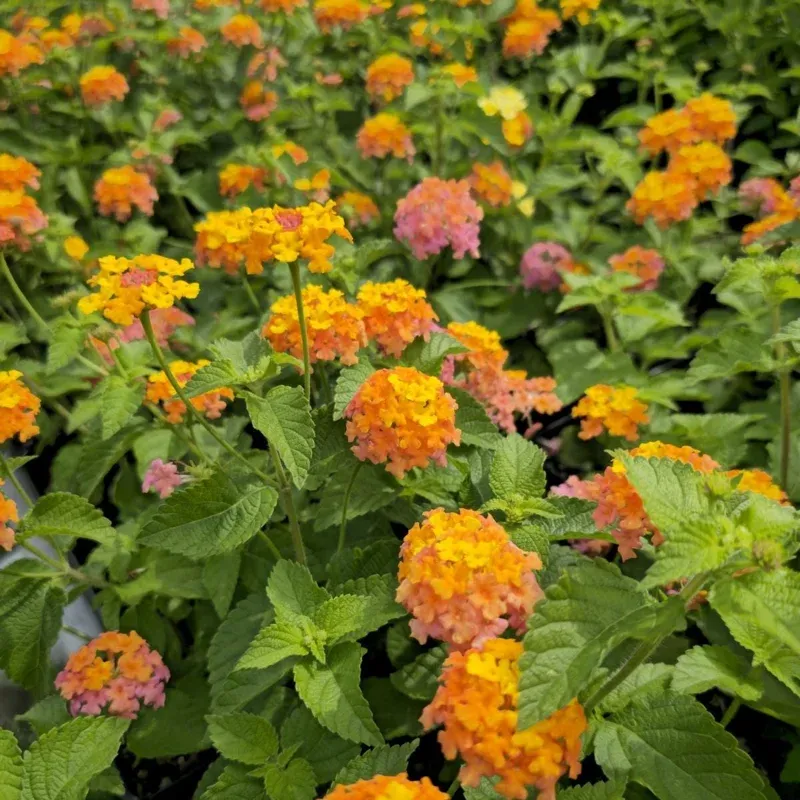
Many gardeners buy lantana at the nursery in a quart container and picture something that will stay politely compact near the front of the border. ‘Miss Huff’ has other plans. NC State documents its mature size at approximately 4 to 6 feet tall and 4 to 6 feet wide.
That is a big, billowing mound, closer to a small shrub than an edging perennial.
Treating it like a compact plant is one of the most common placement mistakes. Put it at the front of a narrow bed and it will swallow neighboring plants within a season or two.
Better positions include the back of a wide mixed border, a fence line with room to spread, or a corner of the property where the large form actually reads as a landscape feature rather than a problem. Extension guidance for hardy lantana suggests spacing plants roughly 3 to 5 feet apart, adjusted for how quickly you want coverage and how much clearance neighboring plants need.
Along a patio edge or a path, the size creates a secondary consideration. NC State notes that lantana leaves and stems can cause skin irritation, so placing a 5-foot-wide plant right where family members brush past it daily is worth reconsidering.
A spot where the plant can grow freely without becoming a routine obstacle is safer and more practical. Plan for the full mature size from the beginning and the plant will reward you.
Underestimate it and you will be moving things around by year two.
Use Light, Occasional Maintenance
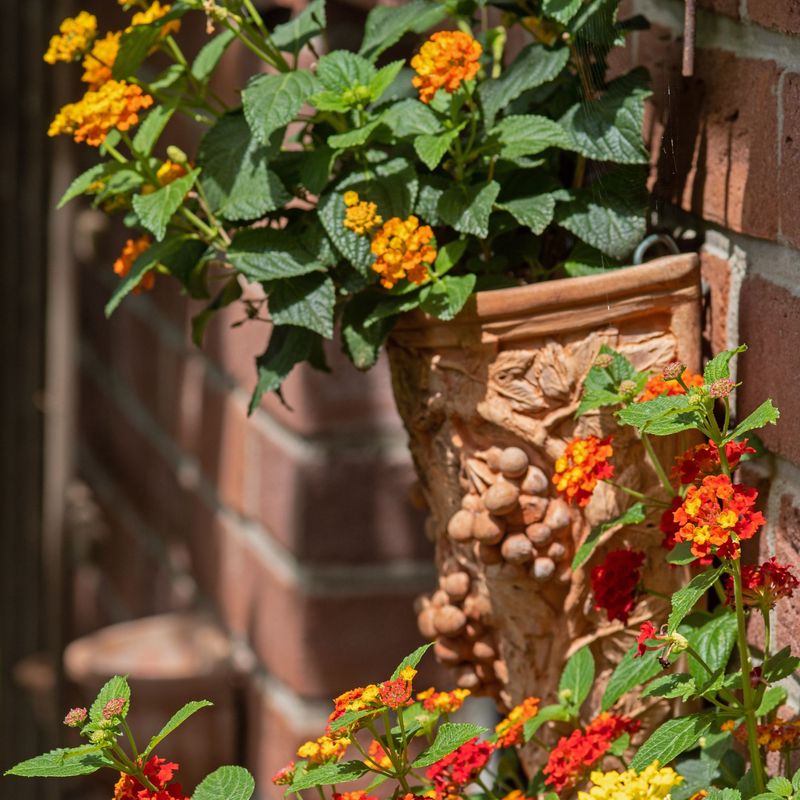
Newly planted ‘Miss Huff’ needs evenly moist soil for the first several weeks while its roots spread and settle. After that establishment window closes, the plant shifts into a much lower-maintenance mode.
Established lantana tolerates drought, but prolonged dry stretches do reduce growth and flowering. Clemson Extension recommends a thorough watering about once per week during bloom if the plant receives less than 1 inch of rainfall that week.
That is a useful benchmark for Piedmont summers when afternoon storms come and go without actually soaking the ground.
Summer trimming is genuinely optional, not a weekly chore. Light tip shearing can encourage the plant to push new flowering growth and keep a vigorous mound from overtaking its neighbors.
If the plant is getting too large, cutting it back by no more than about one-third at a time keeps it manageable without shocking the root system. Daily deadheading is not required, and some modern lantana selections are specifically bred for continuous flowering with minimal intervention.
Fertilizer is another area where less is more. A light application in spring is generally enough.
A possible midsummer feeding works for vigorous plants that are not drought-stressed, but excess fertilizer tends to push leafy growth at the expense of flowers and can increase susceptibility to disease. The plant actually performs better when it is not over-fed.
Keep the inputs modest, do a light trim when the shape calls for it, and ‘Miss Huff’ will do the rest of the work through a long North Carolina summer without much help from you.
Treat Winter as a Regional Test
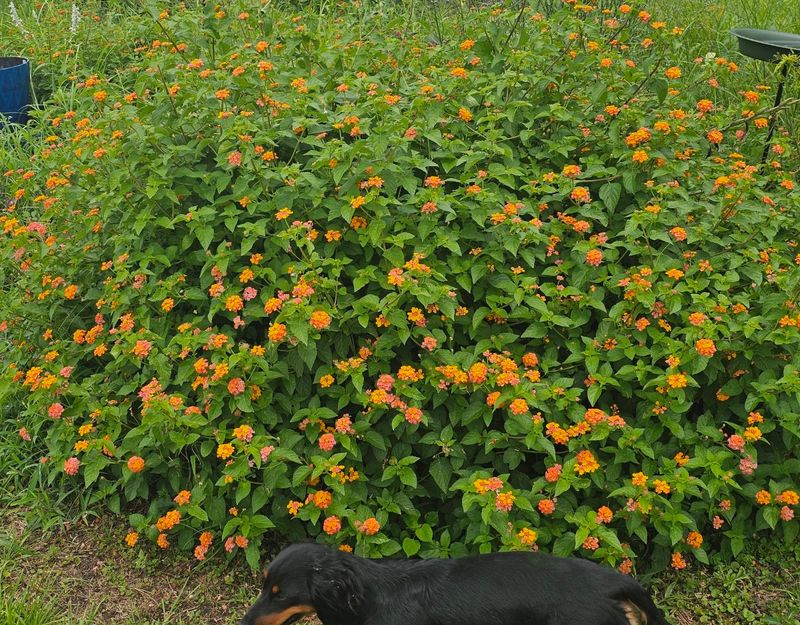
Whether ‘Miss Huff’ returns as a perennial in your yard depends heavily on where in North Carolina you garden. In the Coastal Plain, around Wilmington or New Bern, the odds are genuinely good.
In the Piedmont, around Raleigh or Charlotte, it has a solid track record in well-drained spots with some protection from the worst cold snaps. NC State lists ‘Miss Huff’ specifically for the Coastal and Piedmont regions, and that boundary is meaningful.
In the mountains, around Asheville or Boone, the picture changes. Colder winters, longer frost periods, and zone 6a conditions put ‘Miss Huff’ outside its documented hardiness range.
Gardeners there should treat it as a trial plant at best, or simply grow it as an annual and enjoy the season without expecting it back in spring. Not every lantana sold at a garden center will overwinter even in the Piedmont, which is why cultivar identity matters.
NC State notes that only certain cultivars, including ‘Miss Huff’, may be frost-hardy in the Piedmont, not the species as a whole.
The seasonal pruning sequence is straightforward. Leave the woody stems in place through winter because they offer the crown some protection against cold.
Do not cut the plant hard in fall. Then, when you see new green growth emerging in spring, cut the old stems back to approximately 6 to 12 inches above ground level.
Clemson Extension confirms this timing, and their care guidance reinforces leaving the structure intact until spring growth signals that the plant survived. Cut too early and you remove the insulation the stems were providing.
Balance Pollinator Appeal with Household Safety
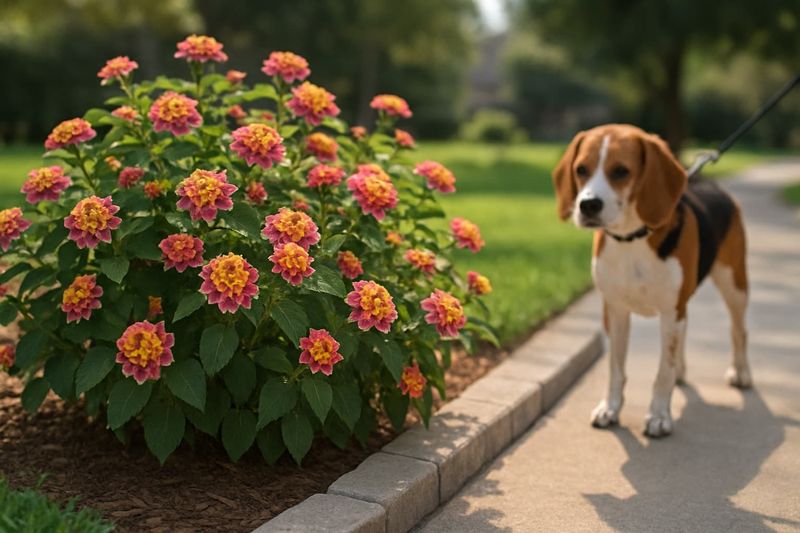
The flower clusters on ‘Miss Huff’ are genuinely busy with visitors. Butterflies, bees, hummingbirds, and other pollinators work the blooms steadily through the warm season.
NC State identifies the plant as useful in pollinator and butterfly gardens, and anyone who has watched a patch of lantana on a warm afternoon can confirm that the traffic is real. Fall monarchs moving through the Piedmont will stop at it.
That pollinator appeal does not change the plant’s safety profile for households with children or pets. ASPCA lists Lantana camara as toxic to dogs, cats, and horses, with possible effects including vomiting, diarrhea, weakness, breathing difficulty, and liver failure.
The NC State Herbarium also identifies lantana as poisonous and flags the berries and skin irritation as concerns. The safest household rule is simple: no part of the plant should be eaten by children or pets, and placement away from play areas, pet runs, and heavily used walkways is the right call.
Wear gloves and long sleeves when cutting the plant back, because the leaves and stems can irritate skin on contact. On the question of invasiveness, NC State describes lantana as growing quickly and aggressively and notes weedy or invasive behavior in some tropical regions.
That does not make it invasive throughout North Carolina, but it does support removing unwanted seedlings and managing fruiting plants responsibly. NC State Extension has also discussed sterile lantana cultivars as a responsible option for gardeners who want to reduce the chance of unwanted spread.
And finally, lantana is not native to North Carolina. Clemson Extension and NC State both place its origins in the West Indies, Mexico, and tropical America.
It provides nectar and draws pollinators, but it is not a substitute for native plants when supporting local insect communities is the primary goal.
Choose It Only When the Limits Fit
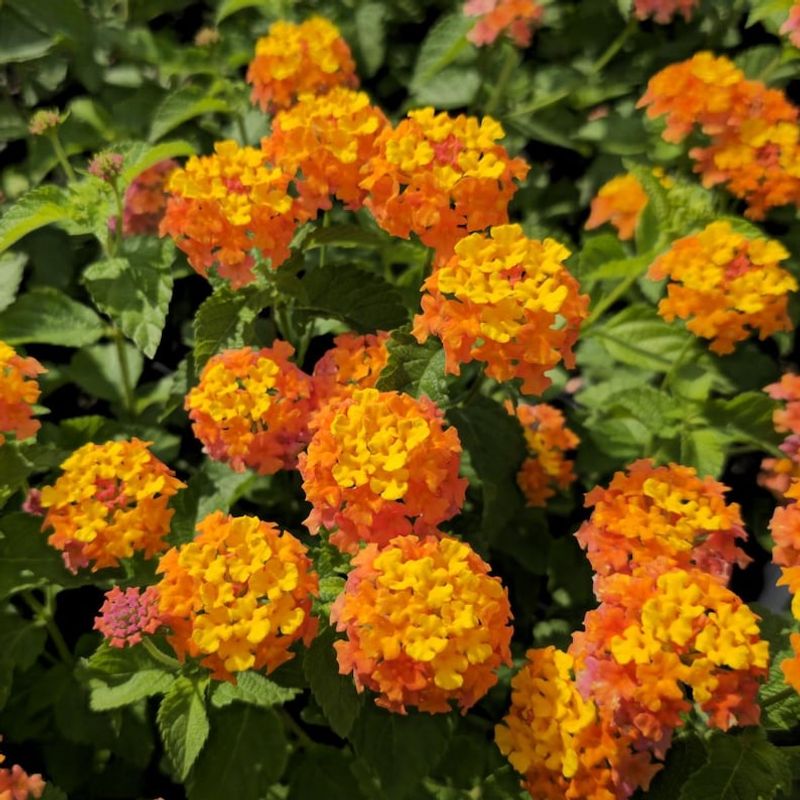
‘Miss Huff’ earns its place in the right garden. If you have a large, sunny, well-drained bed in the Coastal Plain or Piedmont, want sustained warm-season color from spring through fall, and can accept that the plant is nonnative and toxic if eaten, it belongs on your shortlist.
Few perennials in that regional context deliver that combination of long bloom, heat tolerance, and pollinator traffic with as little fuss.
But if the limits do not fit your situation, other plants make more sense. Gardeners who need a native option with an extended bloom season can look at aromatic aster, which blooms from late summer until frost and is native to North Carolina.
Blue boneset follows a similar late-season schedule and supports local pollinators. Black-eyed Susan stays smaller and works in tighter spaces.
None of these are drop-in replacements for ‘Miss Huff’ in form or flowering schedule, but they are strong choices when native habitat value, compact size, or cold hardiness in the mountains matters more than raw bloom duration.
Region, drainage, available room, and household safety are the four questions that settle it. Answer those honestly and the right plant becomes clear. ‘Miss Huff’ is one of the most rewarding warm-season perennials a Coastal Plain or Piedmont gardener can plant in a sunny spot, as long as it has the space, the drainage, and the right household conditions to do what it does best.
A plant that knows its limits and still delivers on them is worth growing.