
The Goldfinch Landing In Your Pennsylvania Yard Carries A Meaning Worth Knowing
Follow us on Google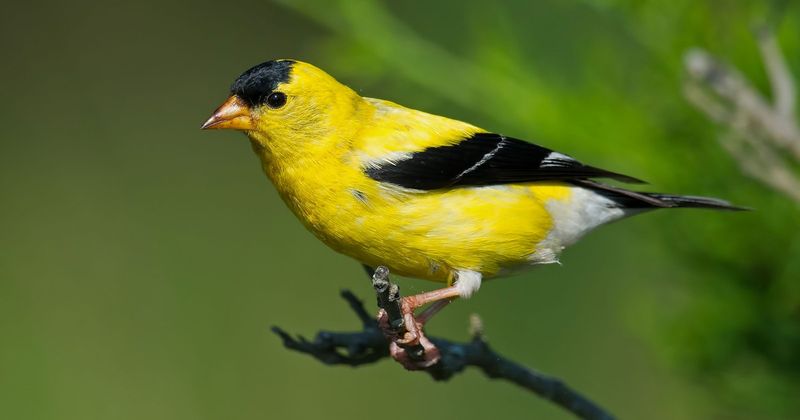
You step outside on a quiet morning and a flash of bright yellow lands on the shrub at the edge of your yard.
It’s an American Goldfinch, and for a second, everything else stops.
People across Pennsylvania have wondered what that little visit means, and the answer is actually more layered than you’d expect.
There’s a real, practical explanation for why the bird chose your yard, and there’s a personal one too, and both are worth knowing.
The Visitor Is Usually Following Food
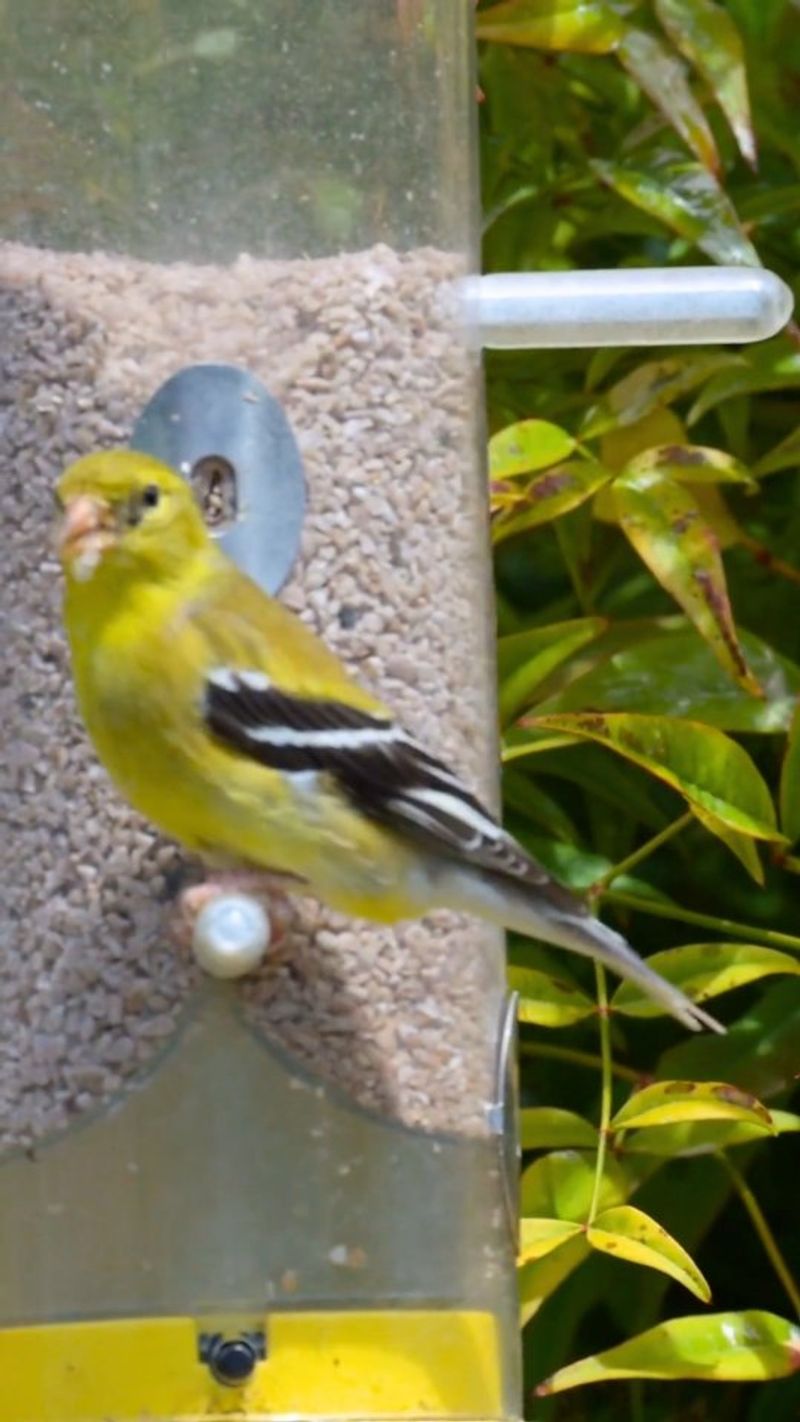
A small burst of yellow lands on the edge of your yard, and before you even reach for your phone to look it up, there’s already a straightforward answer for why it’s there.
That bird is an American Goldfinch, Spinus tristis, and it landed because something in your yard is worth landing for.
According to the Pennsylvania Game Commission, American Goldfinches use brushy areas, roadsides, open woods, woodland edges, suburbs, and ordinary backyards.
They are not deep-forest birds.
They like open space with nearby cover, which is exactly what most Pennsylvania yards offer.
The bird is following food, first and foremost.
Goldfinches eat seeds almost exclusively, and if your yard has a feeder stocked with nyjer or sunflower seed, or plants that have gone to seed along a fence line, or a weedy patch near the garden, that’s the draw.
Cornell Lab of Ornithology and Audubon both confirm that natural foods like sunflower, thistle, asters, and grasses are central to the goldfinch diet.
One visit does not mean the bird is nesting nearby.
Goldfinches forage widely across open fields, roadsides, and suburban edges, moving toward wherever food is most available.
Your yard may simply be on a productive route that morning.
That’s the ecological answer, plain and honest.
The bird read your yard as a good stop.
Whatever personal meaning the visit holds for you sits on top of that, and there’s room for both.
Pennsylvania Goldfinches Follow A Shifting Calendar
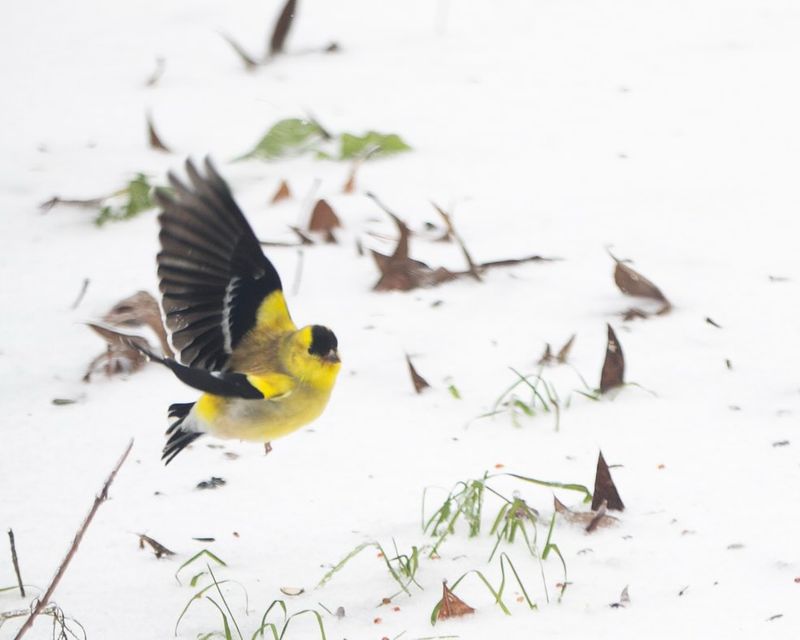
Most people think of goldfinches as a summer bird, and then one shows up at the feeder in January and genuinely throws them off.
Here is where the calendar gets interesting.
The Pennsylvania Game Commission notes that American Goldfinches are found widely across the state, though small pockets inside major cities and stretches of large, unbroken forest may have fewer records.
Outside those gaps, goldfinches can be present in Pennsylvania in every season.
They do not all leave for the winter.
What actually shifts is the number you see and where you see them.
Local flocks grow or shrink depending on weather, how well the natural seed crop did that year, whether nearby birds are moving through on migration, and whether feeders in the neighborhood are stocked and clean.
Audubon notes that migration generally peaks in mid-fall and early spring, while some birds stay close to breeding areas when food stays plentiful.
This means a yard that draws a dozen birds in October may see only two in February, and that shift does not signal anything beyond a change in local food supply and flock movement.
Weather patterns, seed availability, and migration timing all vary across a state that stretches from the Lake Erie shoreline to the Delaware Valley, so there is no single Pennsylvania-wide schedule to rely on.
The practical takeaway is that a consistent food source and good cover give goldfinches a reason to return across multiple seasons, not just during the bright-yellow months of summer.
The Bird’s Changing Colors Tell Another Story
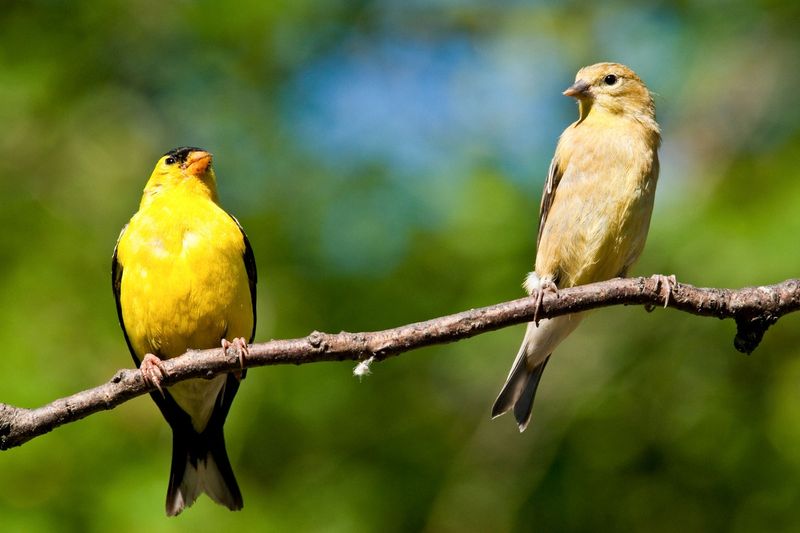
Plenty of Pennsylvania homeowners see a dull, olive-colored bird in October, assume it’s something else entirely, and never realize they’re looking at the same species that dazzled them in July.
The goldfinch is genuinely a different-looking bird depending on the season.
The adult male in summer is hard to miss: bright lemon-yellow body, jet-black wings, and a sharp black patch on the forehead.
The female wears a quieter olive-gray, with duller wingbars and no black forehead mark.
According to the Pennsylvania Game Commission, both sexes become less colorful in winter, so the flashy male you saw in June may return in December looking like a completely different bird.
Two field marks help you confirm the ID regardless of season.
The flight pattern is bouncy and undulating, a little like the bird is riding invisible waves across the yard.
And the call, often written as “perchickory,” is a bright, cheerful sound that Cornell Lab describes as a contact call the birds give almost continuously in flight.
A less colorful winter bird is still an American Goldfinch, still following the same food, and still a meaningful visitor.
The muted coat does not change what the bird is or what the visit says about your yard.
Recognizing it in its off-season form is actually one of the more satisfying things a backyard observer can learn to do.
What Goldfinch Symbolism Actually Belongs To
Search “goldfinch meaning” online and you will find pages promising that the bird signals good luck, pregnancy, healing, money, or a message from someone who has died.
Those ideas come from somewhere real, but the story behind them is more specific than most of those pages admit.
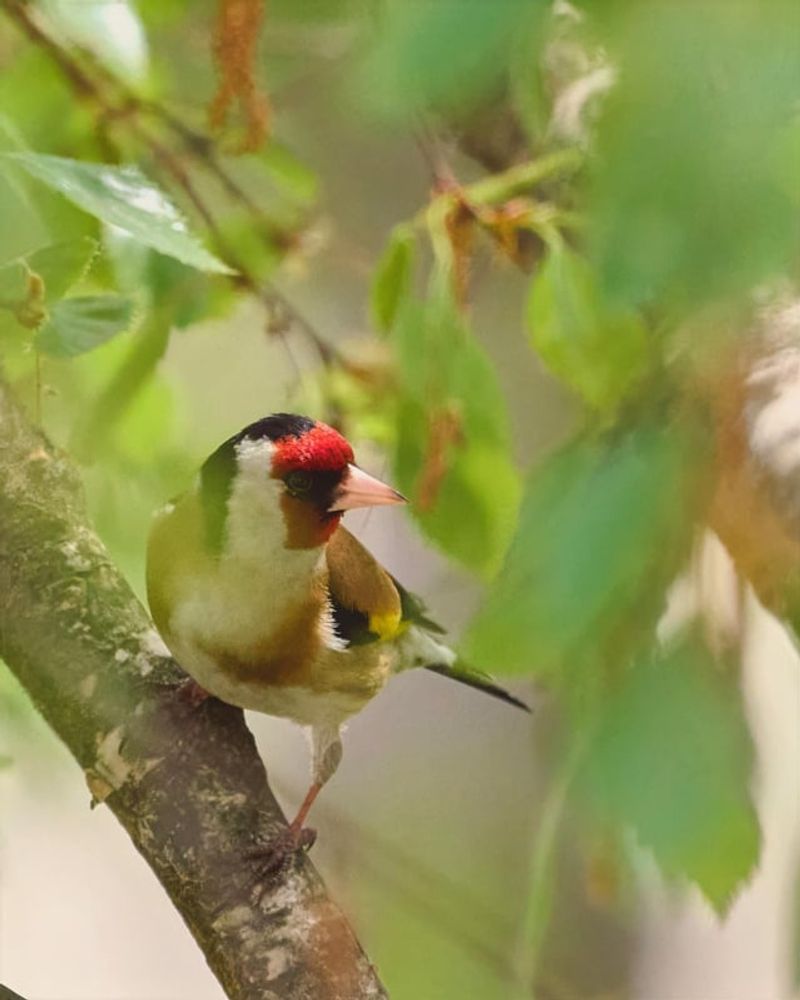
The Fitzwilliam Museum and the National Gallery both document how goldfinches appeared in European Christian art and folklore, associated with the soul, resurrection, protection, sacrifice, and renewal.
The bird shown in those paintings, the one said to have pulled a thorn from Christ’s crown and received its red mark as a result, is the European Goldfinch, Carduelis carduelis.
That species lives in Europe, North Africa, and western Asia.
It is not the bird landing in your Pennsylvania yard.
The bird outside your window is Spinus tristis, the American Goldfinch, a native North American species with its own natural history and no documented connection to those European religious traditions.
That distinction matters because it changes how honestly you can read the symbolism.
The traditions are genuine, they carry centuries of meaning for the cultures that developed them, and they can still feel personally resonant.
But they were built around a different bird on a different continent.
If a goldfinch visit reminds you of resilience, or of someone you loved, or of the way seasons keep turning regardless of everything else going on, that reflection belongs to you.
Hold it as interpretation, not prediction, and it becomes something you can actually keep.
Native Seed Plants Give The Visit A Reason
If you want goldfinches to find your yard worth visiting more than once, the most durable thing you can do is give them a reason that does not depend entirely on you remembering to refill a feeder.
Native seed-producing plants do that work quietly, on their own schedule.
Goldfinches eat seeds almost exclusively.
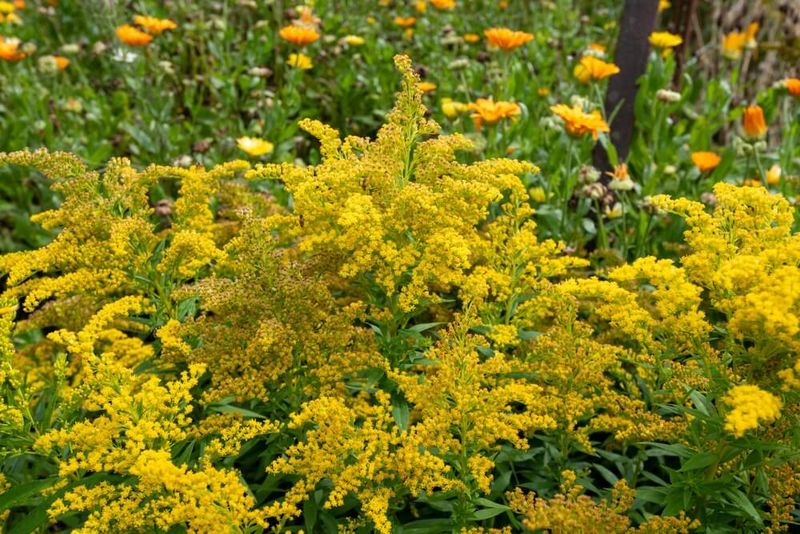
Cornell Lab of Ornithology lists sunflower, thistle, asters, grasses, alder, birch, and elm seeds among their natural foods.
In a Pennsylvania yard, that translates to plants like native asters, goldenrod (SolidagoRudbeckia hirtaMonardaAsclepiasHelianthus annuusPanicum virgatum spp.), black-eyed Susan (), bee balm ( spp.), native milkweeds ( spp.), sunflowers (), and seed-producing native grasses like switchgrass ().
No single plant guarantees a goldfinch visit.
What a broader planting does is create food and structure across multiple seasons, which improves the odds without making a promise it cannot keep.
Penn State Extension supports native plants as a generally easier, lower-maintenance starting point for Pennsylvania wildlife gardens, and their backyard habitat guidance emphasizes matching plant choices to your site conditions, meaning the soil type, sun exposure, and moisture level your yard actually has, not the ideal conditions a catalog describes.
A clay-heavy southeastern Pennsylvania yard and a rocky northern-tier lot will not support the same plant list.
Choose natives that fit the conditions you have, let the seed heads stand through fall and winter instead of cutting them down in September, and the plants do the rest.
That’s a genuinely low-effort contribution that benefits far more than goldfinches.
Feeders Help Only When You Manage Them
A feeder is the fastest way to attract goldfinches, and also one of the fastest ways to make your yard genuinely hazardous for them if you skip the upkeep.
Both things are true at once.
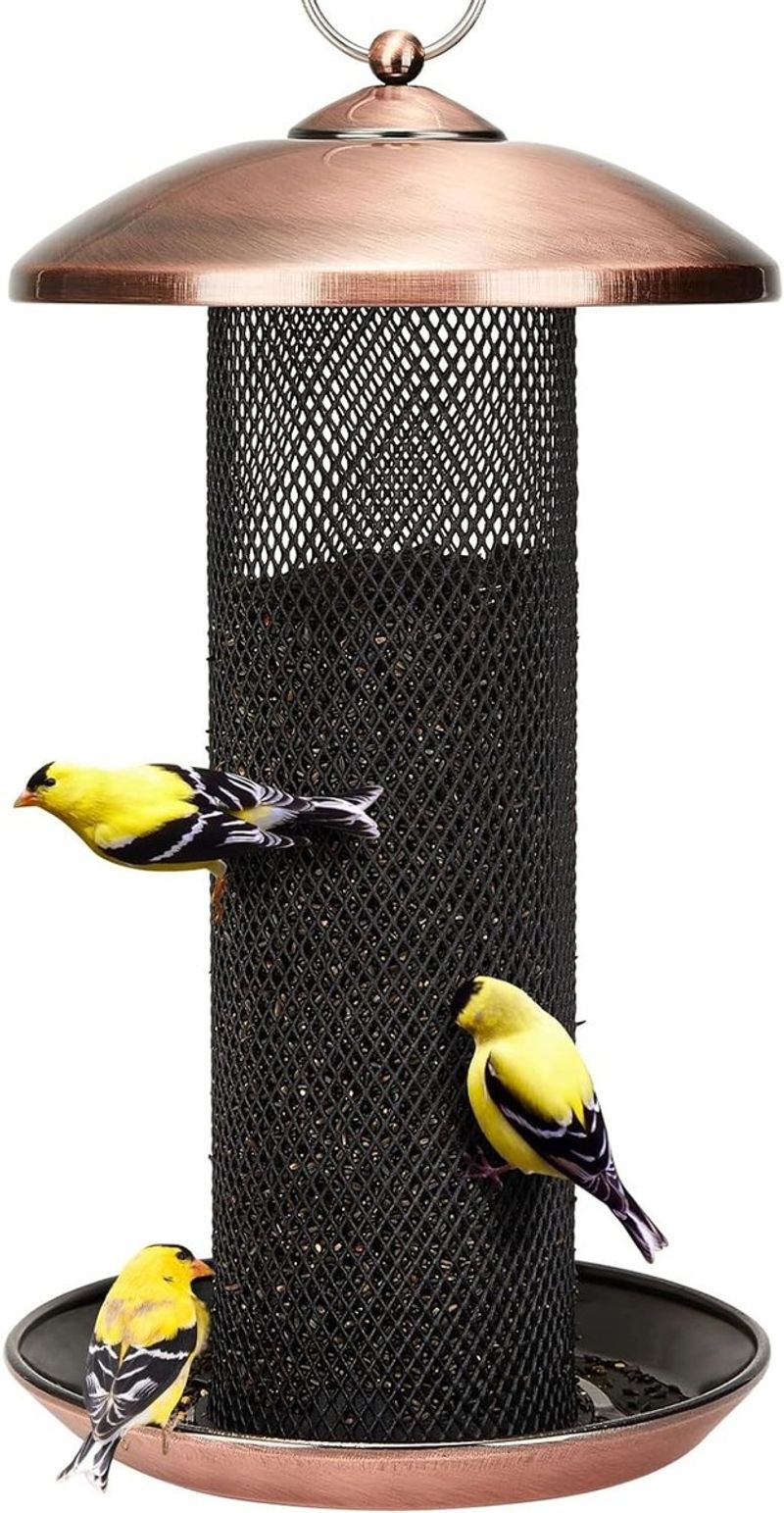
Penn State Extension lists American Goldfinches among the common Pennsylvania feeder visitors and identifies nyjer seed and sunflower seed as suitable choices.
Hanging tube feeders and nyjer-specific feeders work well because goldfinches cling easily and the narrow ports slow down larger, more aggressive birds.
The cleaning schedule matters more than most people realize.
Cornell Lab recommends scrubbing feeders about every 2 weeks, and more often during wet weather, heavy use, visible contamination, or any period of known local disease activity.
Run the feeder through a dishwasher if it fits, or scrub it with a bleach solution of no more than 1 part bleach to 9 parts water, rinse thoroughly, and let it dry completely before refilling.
Moldy seed and accumulated droppings can spread disease among birds and create exposure risks for people and pets.
CDC guidance associated with a documented Salmonella outbreak linked to wild songbirds advised keeping pets away from spilled seed, washing hands thoroughly after handling feeders, and removing feeders and baths for at least 2 weeks if sick or dead birds appear nearby.
That guidance was tied to a specific outbreak context, so verify current public-health or wildlife-health recommendations before applying it as a universal rule.
Sweep up spilled seed from the ground regularly.
A clean feeder in a tidy spot is a better invitation than a full but neglected one, and it keeps the yard safer for everyone using it, including the kids and the dog.
A Welcoming Yard Also Needs Safer Glass
You do everything right: native plants, clean feeder, fresh nyjer seed.
Then a goldfinch hits your kitchen window and lies still on the patio.
That moment is more common than most people want to think about.
The U.S.
Glass that reflects sky or trees looks like open space to a bird moving at full speed, and there is no instinct that overrides that illusion.
A bird that flies away after hitting a window is not necessarily fine.
The Fish and Wildlife Service warns that birds can suffer internal injuries, concussions, or other serious harm that is not visible from the outside.
Do not assume a quick recovery means the bird is unharmed.
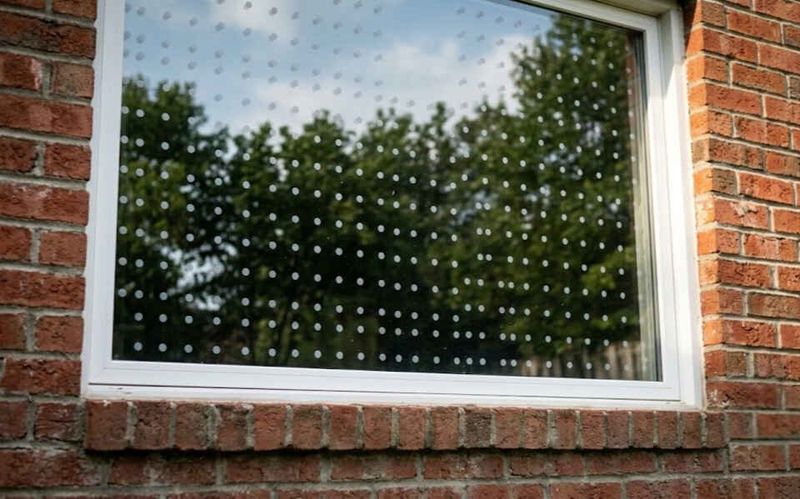
The most effective fix is treating the outside surface of the glass so birds can see it as a solid object.
Exterior screens, window films, paint patterns, or decals applied to the outside face of the glass all reduce collision risk.
Patterns placed behind the glass, on the inside, do not work as well because the reflective surface is still what the bird sees first.
If treating a window is not immediately possible, Fish and Wildlife Service guidance recommends placing a feeder within 3 feet of untreated glass.
At that distance, a bird launching from the feeder cannot build up enough speed for a fatal impact.
This is a placement workaround, not a substitute for treating the window itself, but it reduces risk when full treatment is not yet in place.
Let The Sighting Mean Something You Can Keep
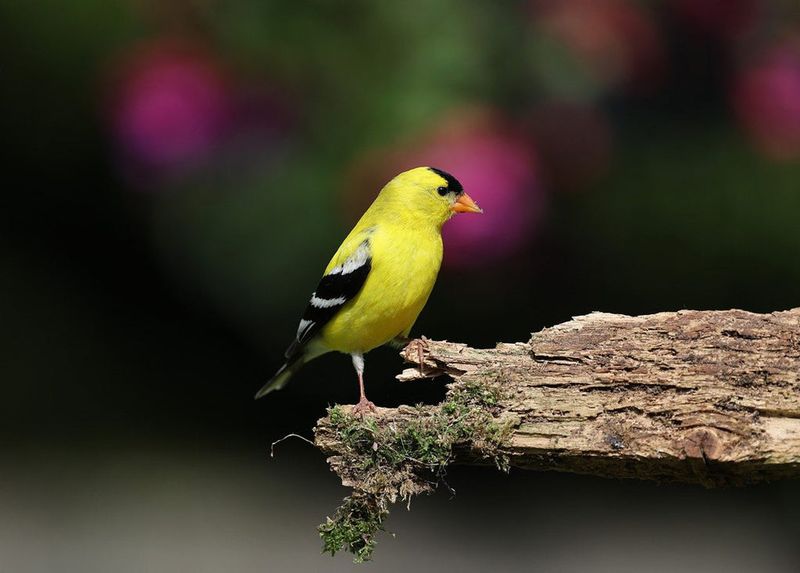
So a goldfinch landed in your yard.
Here is what you actually know: your yard offered something the bird could use, seed, open cover, a shrub, a feeder, or some combination of those things.
That is the documented ecological answer, and it is a genuinely good one.
The Pennsylvania Game Commission describes the American Goldfinch as widely distributed across the state, present in every season, and responsive to the kind of habitat that ordinary yards can provide.
That’s a hopeful fact on its own.
What the visit does not do is predict your future.
The cultural traditions that connect goldfinches to luck, healing, resurrection, or messages from people who have died come largely from European art and folklore built around the European Goldfinch, as documented by the Fitzwilliam Museum and the National Gallery.
Those are traditions, not evidence, and they belong to a different bird on a different continent.
And for what it is worth, Pennsylvania’s official state bird is the Ruffed Grouse, as noted by the Pennsylvania Game Commission, not the goldfinch.
But none of that stops the visit from meaning something to you.
If it reminded you to slow down, or to think about someone, or to notice that the season is turning again, that reflection is yours to keep.
The best next step is a simple one: leave the seed heads standing, clean the feeder, check the windows.
The bird already told you your yard is worth stopping for.