
The Texas Vegetables You Should Get In The Ground Now For A Loaded Fall Harvest
Follow us on Google
You step outside before breakfast and the patio already feels warm, a familiar Texas August morning.
The air hangs heavy and still, promising another scorching day.
But do not let that relentless summer sun fool you, because right now you hold the secret to a loaded backyard harvest this fall.
You can actually get certain vegetables in the ground today and eat homegrown produce for months.
So many Central Texas gardeners pack up their trowels after the spring rush, thinking the season is done.
Here is where it gets tricky.
Texas has such a long growing window that missing the fall planting means missing some of your best produce.
1. Ready Your Soil For Autumn’s Bounty
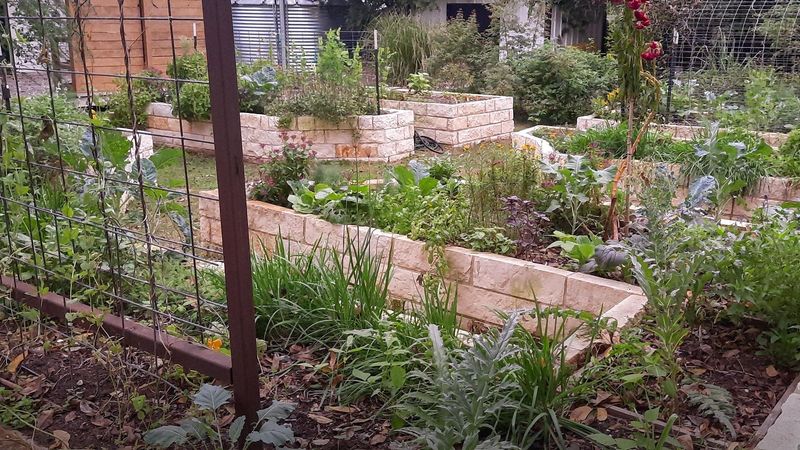
Before you even think about dropping a seed, your garden bed needs a little tough love after the summer grind.
Pull out every spent spring plant and any stubborn weed that muscled its way in.
Do not toss that old plant matter into your compost, because it often hides disease or lingering pests ready to ambush your fresh starts.
Grab a shovel and dig down 10 to 12 inches, really loosening things up.
A rototiller skims the surface, but a shovel gets you the depth you actually need.
Then spread 1 to 2 inches of coarse washed sand and 2 to 3 inches of organic matter over the top.
That mix works wonders on dense blackland clay in North Texas or the sandy soils near the Gulf Coast, improving both drainage and how well the soil holds nutrients.
Mix it all in thoroughly.
Shape your beds about 30 to 36 inches apart, so you can move around as plants mature.
Pile and firm them gently, then soak the whole area with a sprinkler for at least 2 hours.
Let it dry for several days, and you will have a refreshed canvas waiting for fall.
2. Get Those Beans And Squash In The Dirt
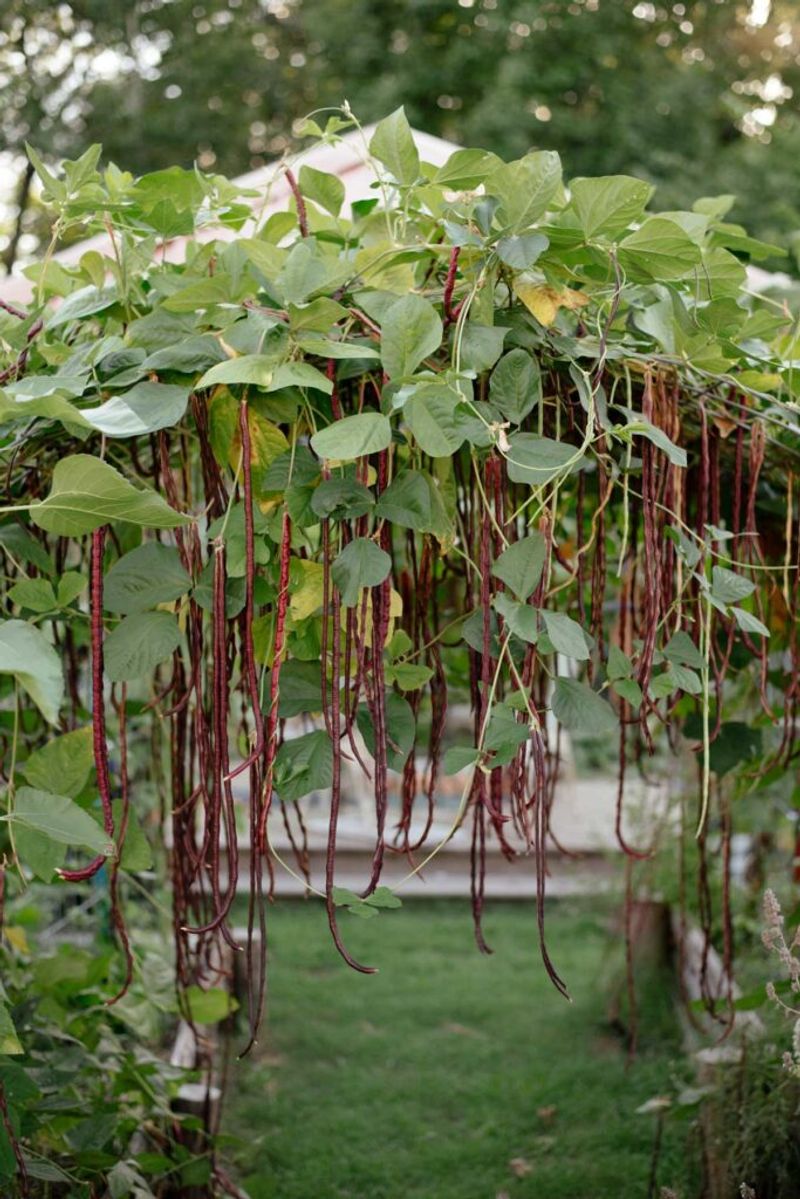
It seems backward to plant summer favorites as August sizzles, but for much of Texas, now is prime time for a second round.
In North Texas you can get bush beans (Phaseolus vulgaris), summer and winter squash (Cucurbita pepo and Cucurbita maxima), sweet corn (Zea mays), and cucumbers (Cucumis sativus) going around August 1.
Central Texas gardeners in Zone 8b can also direct sow heat-tolerant peas and more summer squash from late July through August.
Along the South Texas and Gulf Coast, you have until about August 15 for these quick crops.
Beans genuinely thrive in this late window, giving a fast harvest before the first hard freeze.
Plant seeds about 1 inch deep and 3 to 4 inches apart, then thin to 6 inches once they sprout.
Squash likes the lingering warmth, so sow 1 inch deep and space plants 2 to 3 feet for summer types, 4 to 6 feet for winter.
Water is everything right now.
Give newly planted areas at least 1 inch per week, sometimes more in dry stretches, and you will see strong roots dig in fast.
3. Embrace The Brassicas With Timely Transplants
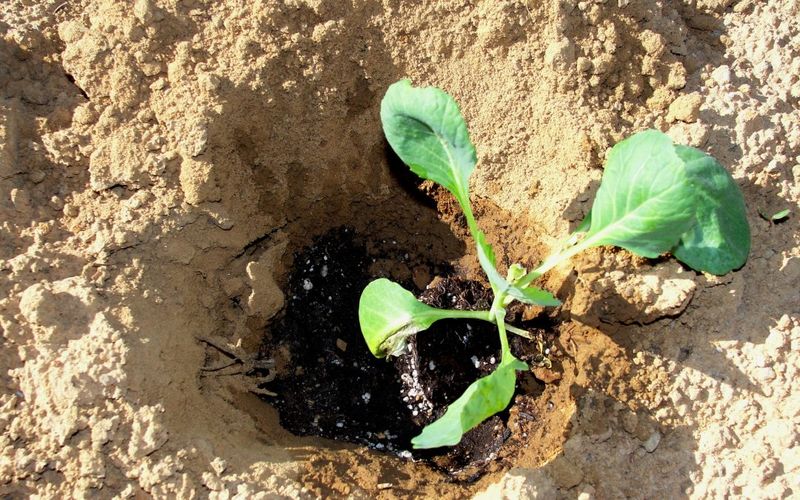
Some seeds do fine sown straight into the dirt, but your cool-season stars, the brassicas or cole crops, really shine when you start them as transplants this time of year.
The trick is giving them a head start, shielding them from that brutal August sun.
Mid-August in North Texas is the perfect window to set out broccoli (Brassica oleracea var. italica), cabbage (Brassica oleracea var. capitata), cauliflower, Brussels sprouts, and collards.
Central Texas gardeners can add kale, kohlrabi, and bok choy (Brassica rapa subsp. chinensis) in August, often starting them indoors first.
Further south, late August works fine.
When you transplant, dig a hole deep enough to fully cover the root ball, then firm the soil gently around the base.
Give each one a good drink right away.
These plants need at least 8 hours of direct sun to really produce.
Space broccoli and cabbage 18 to 24 inches apart, while kale and collards can sit closer at 12 to 18 inches.
That breathing room boosts air circulation, which helps fend off fungal trouble.
Come November, you will be cutting heads while your neighbors are raking leaves.
4. Root Crops Ready For The Cooler Soil
A myth floats around that you cannot start root crops until it truly cools off.
Not quite.
You can actually get a head start on a few in mid-to-late August, especially where the first frost comes later.
In Central Texas, direct sow carrots (Daucus carota subsp. sativus) and parsnips (Pastinaca sativa) now, picking heat-resistant carrot varieties.
North Texas gardeners do better waiting until late August or early September.
And for everyone, root vegetables hate being moved, so direct seeding is the only way to go.
Prepare a loose, well-drained bed free of rocks so your roots grow long and straight.
Sow carrot and parsnip seeds about a quarter to half inch deep in rows 12 to 18 inches apart.
Once they sprout, thin carrots to 2 to 3 inches and parsnips to 4 to 6 inches.
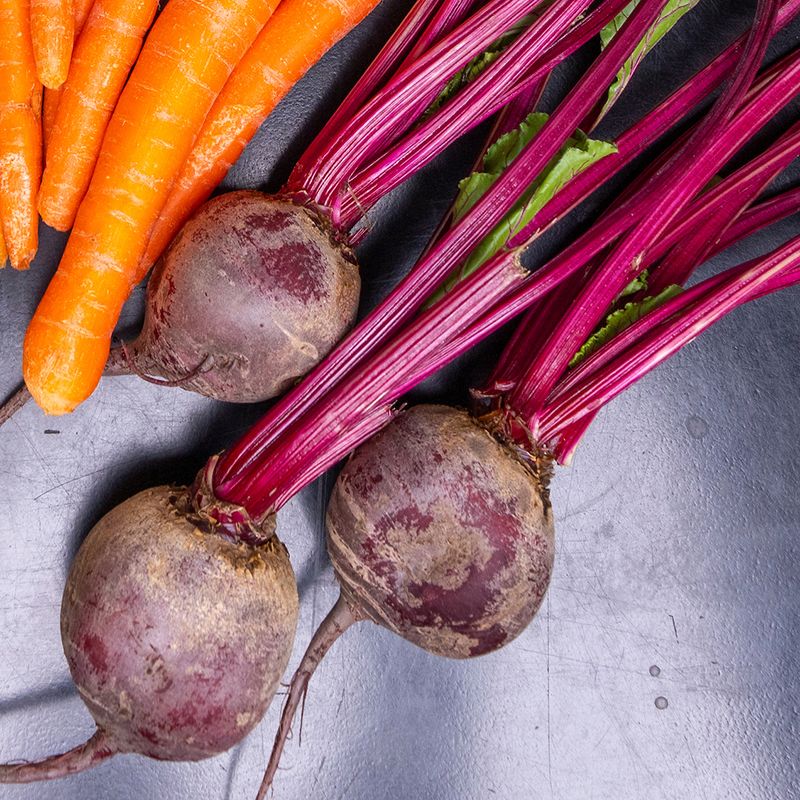
Beets (Beta vulgaris) are another fall winner.
Most of Texas plants them in September, but the warmest corners of the Lower Rio Grande Valley can sneak in a late August sowing.
Plant beet seeds about half an inch deep, thinning to 3 to 4 inches apart.
The payoff is sweeter, richer roots as the soil cools.
5. Leafy Greens For Later In The Season
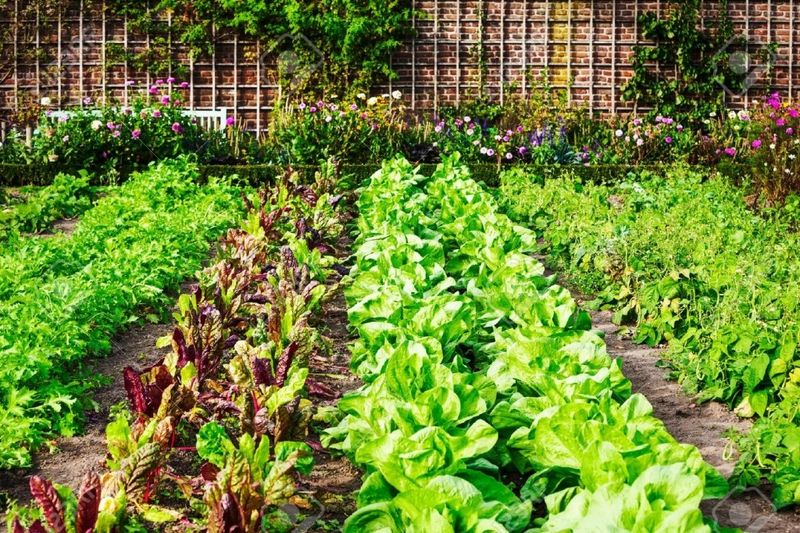
Leafy greens are the backbone of a fall vegetable garden, and timing them right is half the battle with August heat still hanging on.
Many prefer cooler soil to sprout, but you can get some going now and plenty more in late August and early September.
For Central Texas, start head lettuce (Lactuca sativa), radicchio, and spinach (Spinacia oleracea) indoors this month, then transplant as temperatures ease.
In North Texas, hold off until late August to direct sow those, along with radishes (Raphanus sativus) and turnips (Brassica rapa subsp. rapa).
Collards and kale go from seed or transplant in late August across much of the state.
When direct sowing, spread seeds thinly over a prepared bed and cover with about a quarter inch of fine soil.
Keep it consistently moist until germination, which speeds up if you lightly shade the bed during the hottest afternoon hours.
Once established, thin lettuce and spinach to 4 to 6 inches apart for good airflow.
These greens genuinely love the falling heat and rising moisture, rewarding you with tender, sweet leaves.
Fall greens often taste better than their spring cousins, a lovely bonus for your patience.
6. Fertilize And Water For Robust Growth
Even great soil needs a steady boost to carry fall vegetables through.
Before planting, work in a slow-release fertilizer with a balanced ratio, like 19-5-9, 21-7-14, or 25-5-10, at 2 pounds per 100 square feet of bed.
Prefer to go organic?
Horse or cattle manure can be worked in at 60 to 80 pounds per 100 square feet, but steer clear of poultry manure for fall gardens.
You can also apply 1 pound of ammonium sulfate, that is a 21-0-0 blend, per 100 square feet before planting.
Watering through this hot transition is arguably the most important job you have.
Those young seeds and transplants are battling real heat, and they need steady moisture to settle in.
Transplants especially may need daily watering for the first 2 weeks until roots spread out.
After that stretch, aim for a deep soak that reaches 6 to 8 inches into the soil, once or twice a week depending on rain.
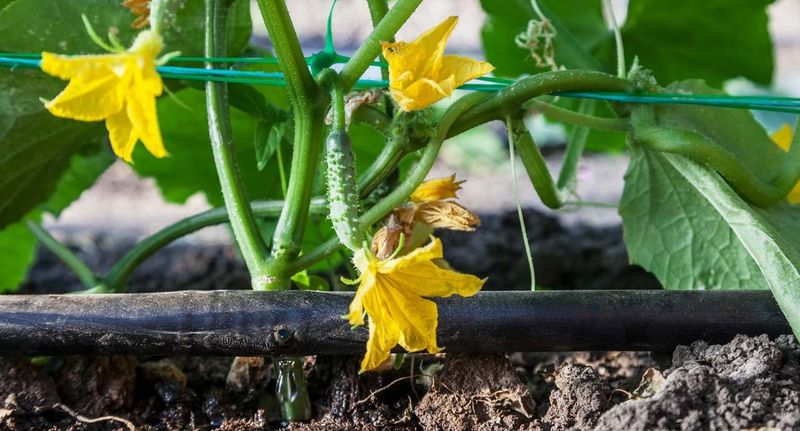
Drip irrigation or soaker hoses deliver water straight to the roots and waste far less, which matters during those long dry Texas spells and any water restrictions.
Your plants stay happy, your water bill stays sane.
7. Guard Against Pests And Prepare For Weather Shifts
Fall gardening brings a welcome drop in many spring and summer pests, which is a genuine relief.
You will likely see fewer squash bugs, hornworms, and aphids chewing on your leaves.
But certain antagonists never fully leave.
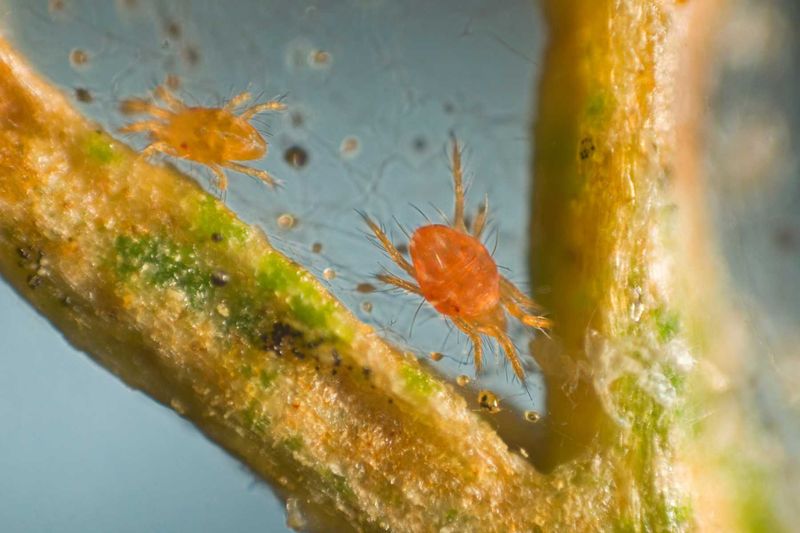
Spider mites, those nearly invisible sap-suckers, still cause trouble on brassicas and leafy greens.
They love dry, dusty conditions, so keeping plants well-watered and healthy is your first line of defense.
A strong blast of water knocks them loose, or insecticidal soaps handle a heavier infestation.
Texas weather stays famously unpredictable, even in fall.
You could get sudden downpours that leave soggy, disease-friendly soil, then high winds that whip tender seedlings around.
Keep row covers or temporary shade handy to shield young plants from harsh afternoon sun, hail, or strong gusts.
As the season rolls on, know your first frost date.
North Texas and the Panhandle might see frost in early November, Central Texas often holds out until mid-to-late November, and the Gulf Coast frequently waits until December.
Knowing your local average tells you how much longer frost-tender crops like beans and squash have to keep producing.
Texas A&M AgriLife Extension keeps regional frost data worth checking before you plant.
8. Sweet Peas And Snap Beans For A Quick Second Harvest
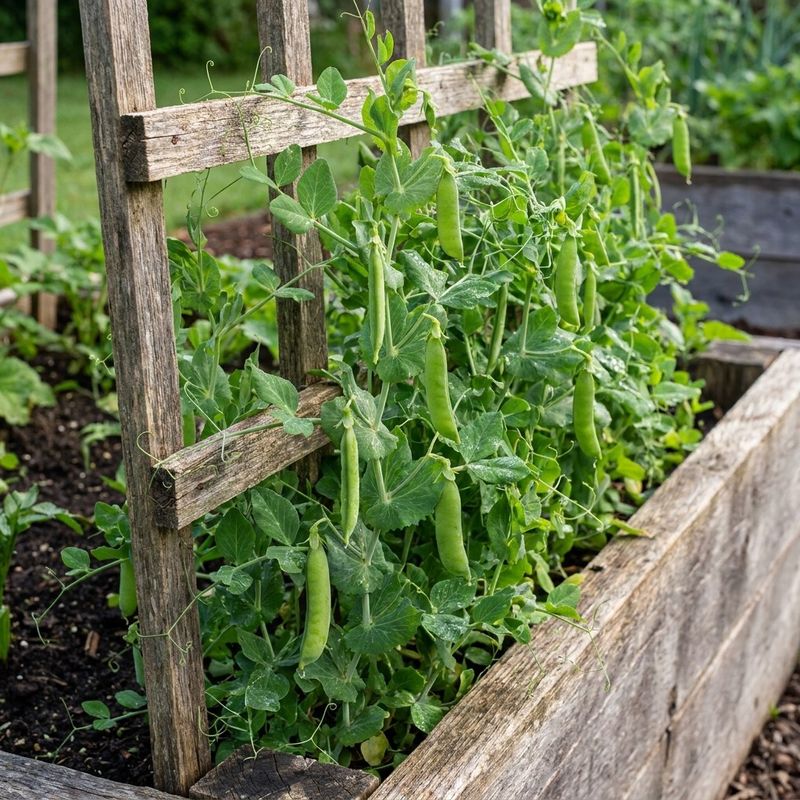
Here is a trick many gardeners overlook.
Peas and beans mature fast, which makes them ideal for squeezing in a bonus harvest before winter closes the window.
In Central Texas, heat-tolerant pea varieties go in from late July through August, and southern regions can push snap beans right up to mid-August.
They grow quick, some producing pods in just 50 to 60 days, so you get real food before that first hard freeze arrives.
Set pea and bean seeds about 1 inch deep and 2 to 3 inches apart.
A simple low trellis, even 3 to 4 feet tall, keeps climbing types off the ground and away from soil-borne trouble.
Firm the soil gently and water in well.
There is a bonus at work underground.
Beans and peas are legumes, meaning they pull nitrogen from the air and feed it back into the soil, quietly enriching your bed for the next crop.
Keep them at 1 inch of water weekly while establishing.
Few things beat snapping a crisp pea straight off the vine on a cool October evening, sweet enough to eat before it ever reaches the kitchen.
9. Garlic And Onions For The Long Game
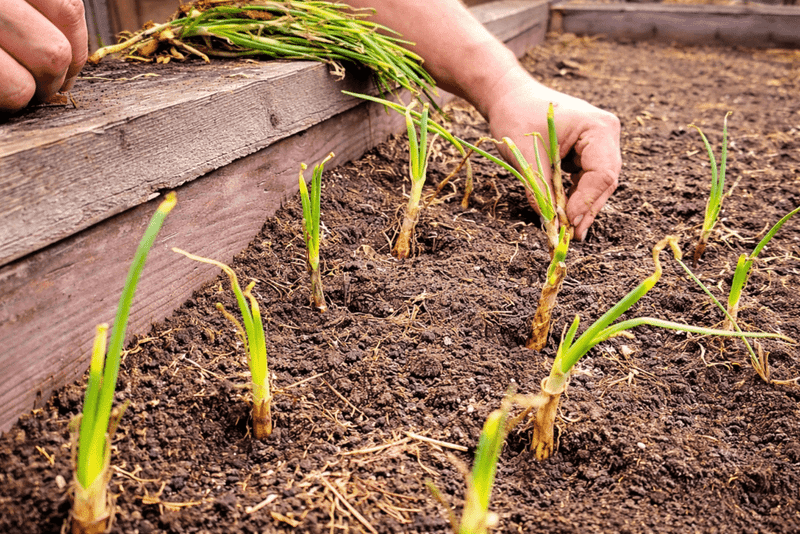
Patience pays off with a couple of crops that reward you months down the road.
Garlic (Allium sativum) and onions (Allium cepa) take their time, but planting them right now sets up a harvest that outlasts nearly everything else.
Across much of Texas, garlic cloves go into the ground from late September into October, and onion transplants often follow in the cooler weeks after.
But prepping the bed now, loosening soil 8 to 10 inches deep and mixing in compost, means you are ready the moment the calendar turns.
Push garlic cloves 2 inches deep, pointy end up, spacing them 4 to 6 inches apart in rows about 12 inches apart.
Onion transplants sit about 1 inch deep, spaced 3 to 4 inches for full bulbs.
Both plants need consistent moisture and full sun, at least 6 to 8 hours a day.
They will sit quietly through winter, then bulb up as spring warms.
Choose short-day onion varieties, since Texas latitudes do not give long-day types enough daylight to form good bulbs.
Come next year, pulling a fat homegrown onion feels like finding treasure you planted and forgot about.
10. Radishes And Turnips For The Impatient Gardener
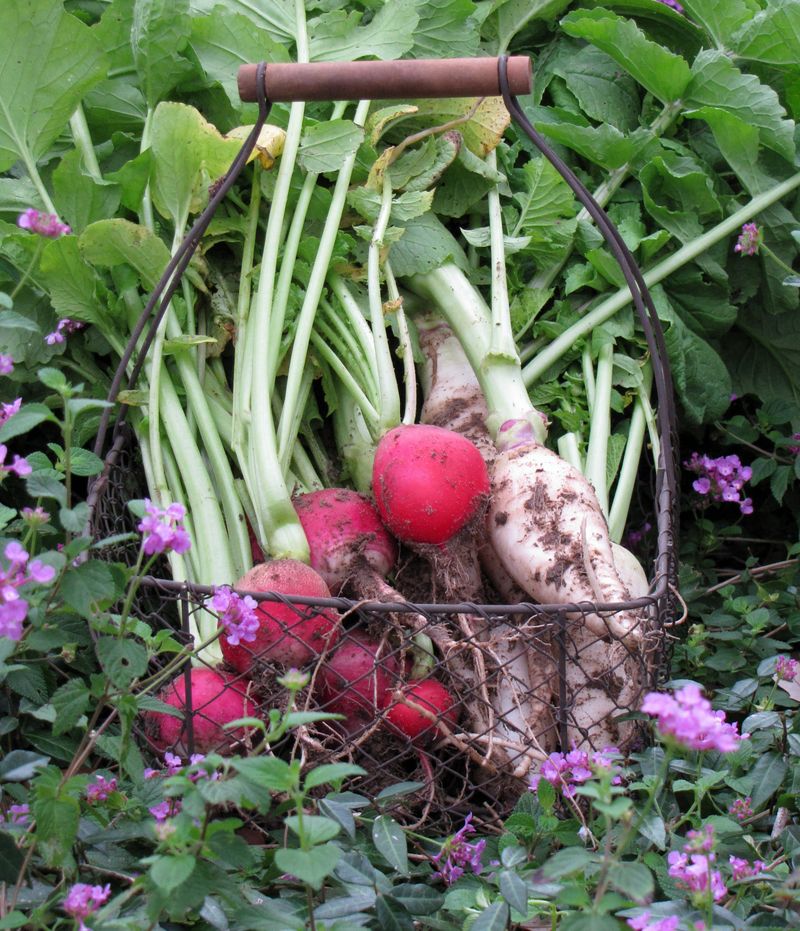
If waiting on garlic tests your nerves, radishes are the cure.
Few vegetables reward you faster, with some varieties ready to pull in just 25 to 30 days from seed.
Radishes (Raphanus sativus) and turnips (Brassica rapa subsp. rapa) thrive as the heat backs off, so North Texas gardeners direct sow them in late August, while Central and South Texas can follow through September.
They dislike being moved, so sow them right where they will grow.
Scatter seeds about half an inch deep in loose, rock-free soil, then thin radishes to 1 to 2 inches apart and turnips to 3 to 4 inches.
Crowded roots stay small and stringy, so give them their space.
Keep the soil evenly moist, because dry spells make radishes turn woody and sharp.
At 1 inch of water per week, they stay crisp and mild.
Turnips give you two crops in one, tender greens for the pot and sweet roots below.
Both actually improve after a light chill, turning milder and sweeter as fall deepens.
For a gardener who wants results yesterday, nothing beats yanking a bright radish from the dirt while your other beds are still just getting started.
11. What Else Actually Helps Your Fall Harvest
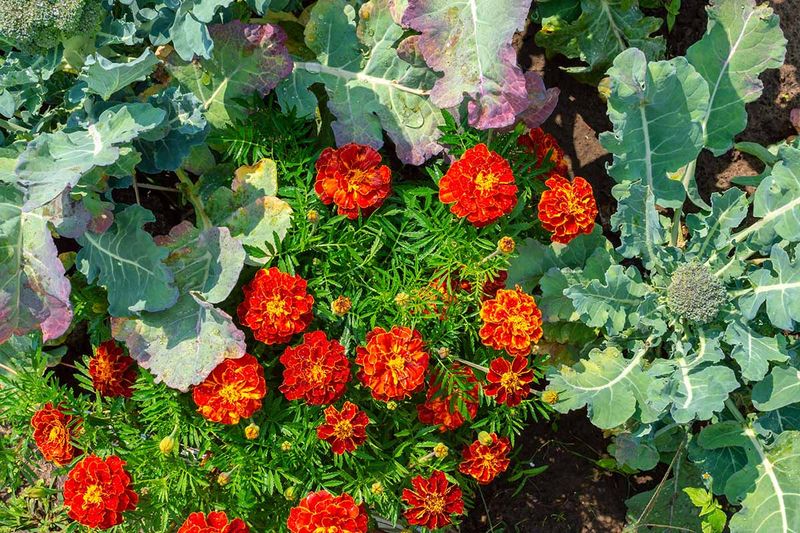
Beyond planting and watering, a few extra habits genuinely tip the odds toward a loaded harvest.
Companion planting adds another layer of defense against garden antagonists.
Marigolds (Tagetes spp.) get planted to deter nematodes, those microscopic soil worms that chew on roots, though be aware they can also draw spider mites.
If you use marigolds, set them 12 inches apart, then till their roots into the soil before planting cole crops in October.
Regular monitoring matters more than any single product.
Spend a few minutes each day walking your beds, scanning for pests or disease.
Catching trouble early keeps it from becoming a full-blown problem.
Pull any yellowing or diseased leaves right away to slow the spread.
As temperatures cool, your plants thank you with better flavor.
Many root crops and leafy greens turn noticeably sweeter after a light chill, a small gift for sticking with it.
So enjoy watching your garden fill in as Texas autumn unfolds.
You will be pulling fresh food from your own backyard right up to the first hard freeze, and there is a quiet pride in that, the kind that comes from knowing you planted smart while everyone else called it a season.