
The Florida Native Grasses To Plant Now For Next Summer’s Firefly Show
Follow us on Google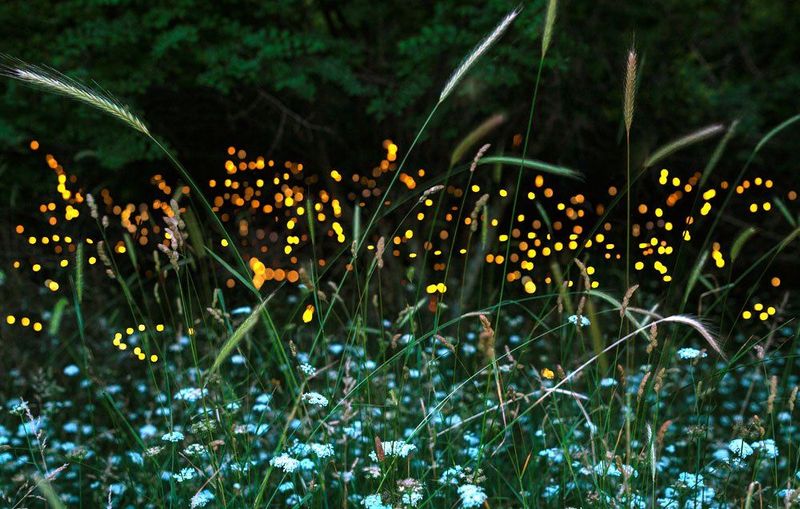
You step onto the back porch after dinner, the June air still warm and thick, and the yard blinks.
One light, then a dozen, then a slow green shimmer drifting over the tall grass near the fence.
Fireflies.
Florida has more than 50 species of them, more than any other state, and they need cover to put on that show.
The grasses that give them that cover go in the ground now, in fall, so their roots are ready when next summer comes.
Here are nine native grasses to plant this season for a backyard that glows.
1. Switchgrass Gives Fireflies A Launching Pad
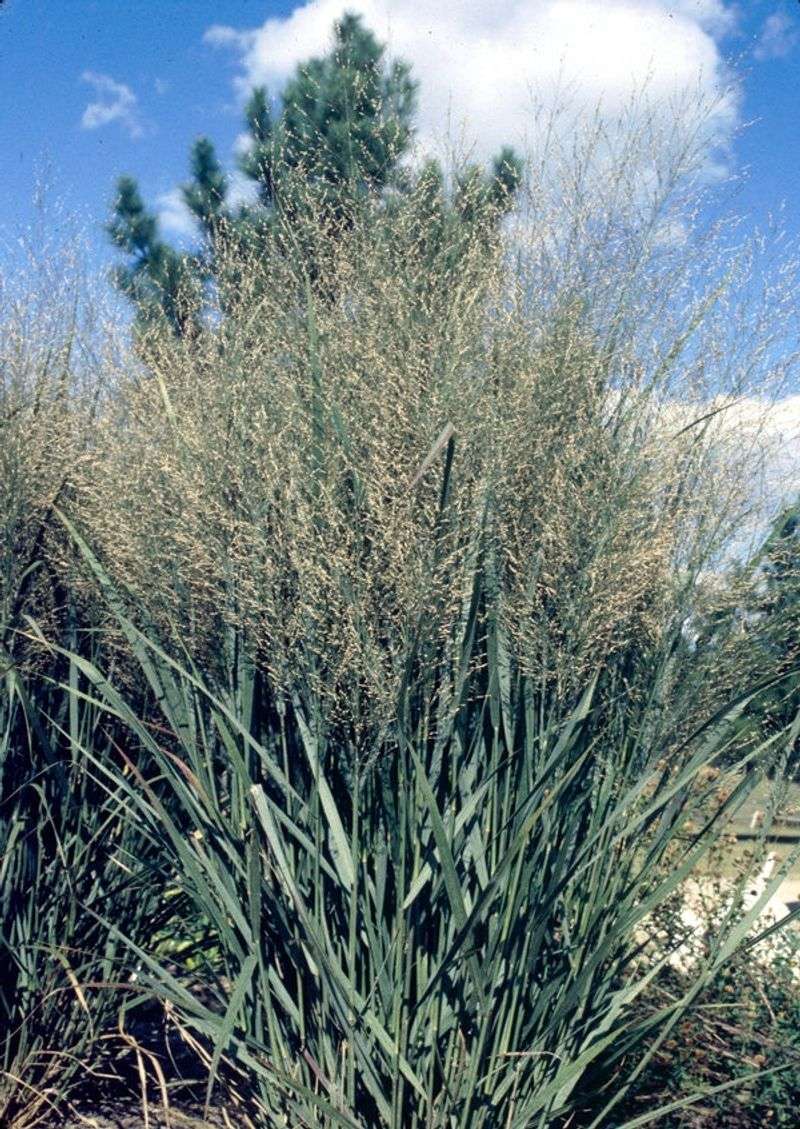
Picture a wall of grass that stands taller than your kids, swaying in the evening breeze while little lights rise off the tips.
That is switchgrass doing its job.
Switchgrass (Panicum virgatum) grows 4 to 7 feet tall, and adult fireflies, especially females, climb those stems to flash their signals.
The height gives males something to see across the yard.
Without tall perches, the mating show gets scattered and quiet.
So plant it in full sun, spacing clumps about 3 feet apart so they can fill in.
It is drought tolerant once established, which suits Florida’s summer swings from downpour to dry spell.
Get it in the ground this fall, October through November across most of the state, and the roots settle before winter.
UF/IFAS Extension notes native grasses need several months of warm soil to establish, so fall timing genuinely matters.
Water at least 1/4 inch daily for the first two weeks if rain does not come.
By next June, you will have living launching pads, and the fireflies will find them.
2. Eastern Gamagrass Loves The Wet Spots
Everybody has that one soggy corner where nothing wants to grow.
The spot that puddles after every afternoon storm.
That corner is firefly gold.
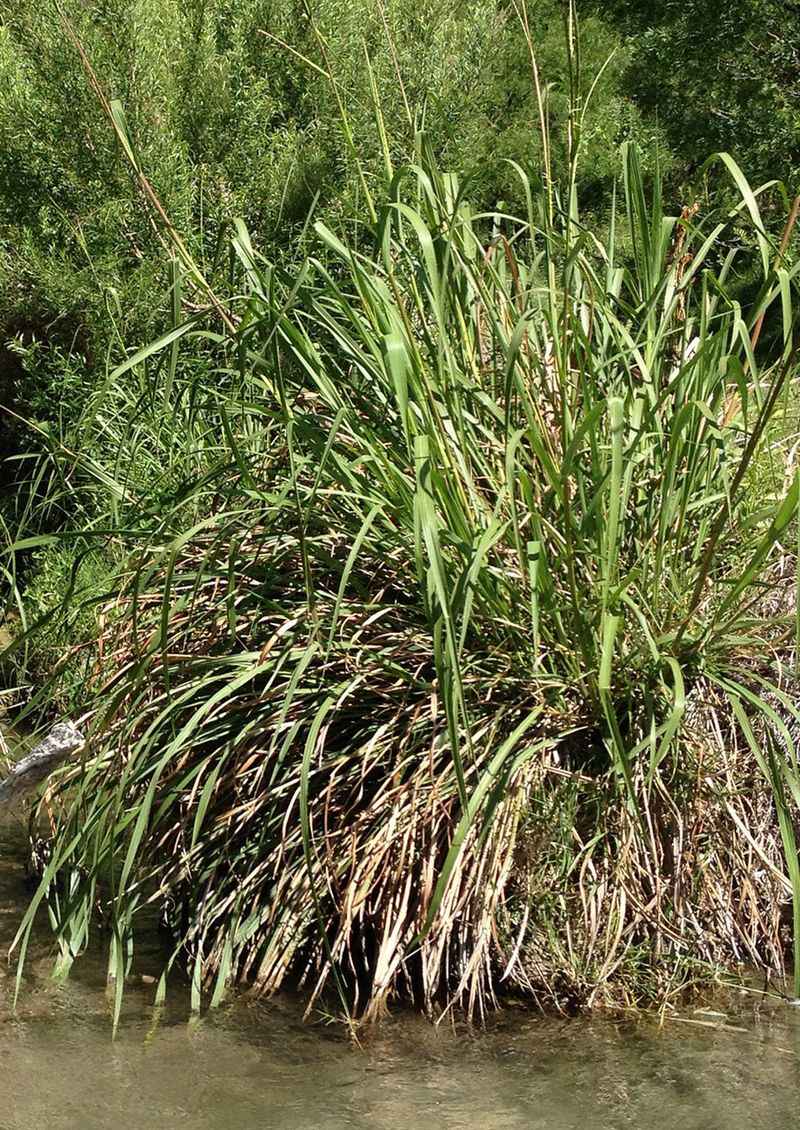
Eastern gamagrass (Tripsacum dactyloides) shows up again and again in prime firefly habitat, and here is why.
Firefly larvae spend one to two years living in moist soil, hunting snails and slugs before they ever glow as adults.
Damp ground is not a problem for them, it is the whole point.
Give gamagrass room, since it forms big clumps and likes space.
Plant it 3 to 4 feet apart in that low, poorly drained pocket where other plants sulk.
It handles standing water better than most grasses, so it turns your worst drainage into your best habitat.
Across Central Florida, brief cold snaps will not bother it.
Put it in this fall and let the wet season do the watering come summer.
Your problem corner becomes the nursery.
3. Inland Sea Oats Handle The Shade
Most grass lists assume you have blazing full sun.
But that shady strip under the oaks, near the AC drip line, has been waiting for a job all along.
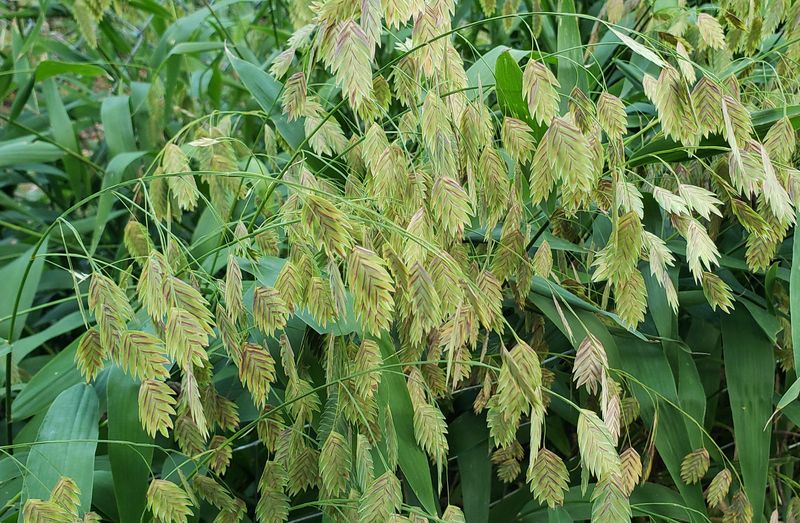
Inland sea oats (Chasmanthium latifolium), sometimes called broadleaf uniola, actually prefers partial shade and moist soil.
In the wild it lines stream banks, which happens to be exactly where fireflies thrive.
It reaches about 3 feet tall and holds flat, drooping seed heads that catch the light.
Here is where it gets tricky.
This one spreads readily by seed and by root, so it can wander.
Plant it inside a bed with a border, or in a spot where spreading is fine, and you avoid a chore later.
It suits North Florida best, roughly zones 3 through 9, and shrugs off the occasional hard freeze up in the Panhandle.
It also holds soil in place, so it fights erosion on slopes.
Plant it this fall, keep the ground damp, and your shady erosion problem turns into a glowing green edge.
4. Muhly Grass Takes Whatever Weather Comes
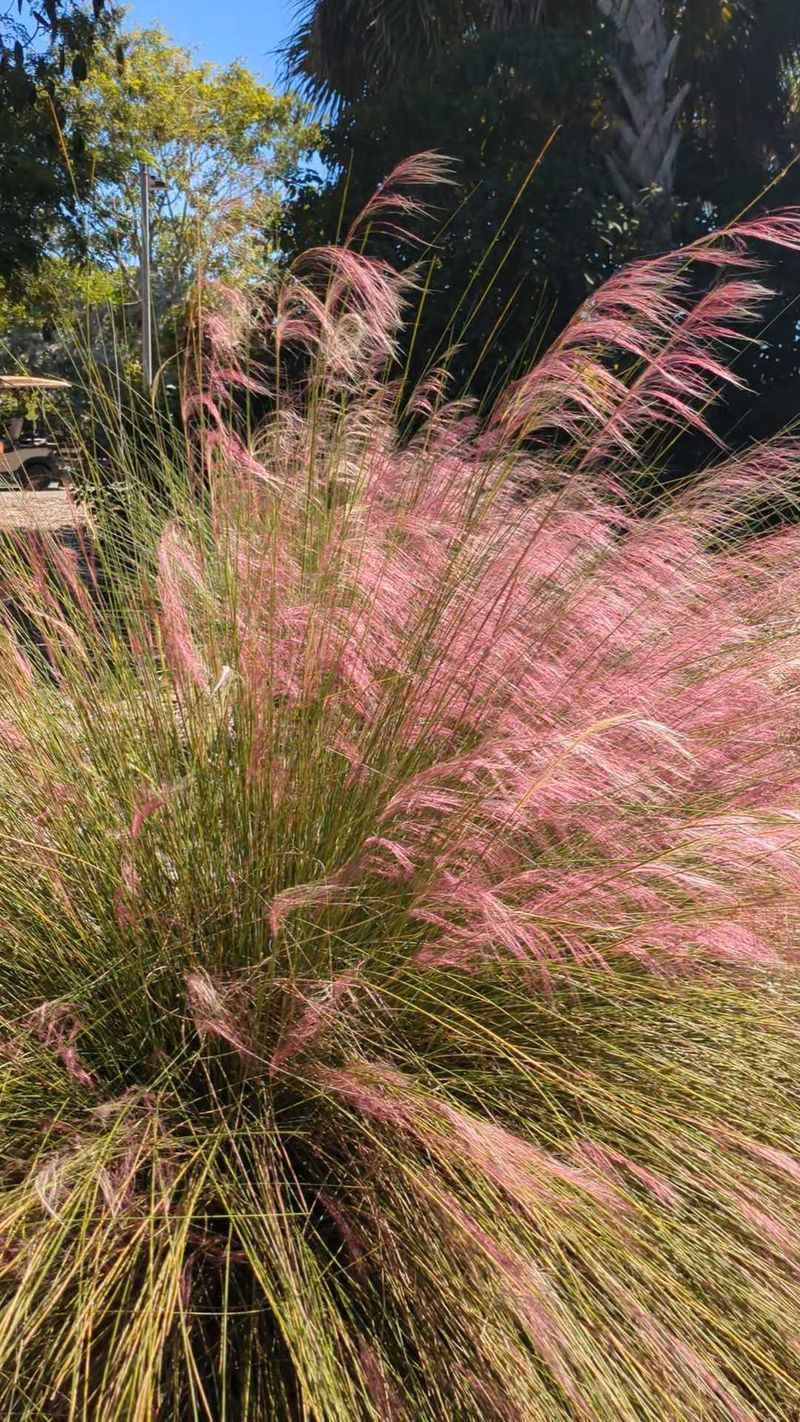
That pink haze you see along Florida highways every fall is not decoration.
It is one of the toughest natives you can plant.
Muhly grass (Muhlenbergia capillaris) forms tidy clumps 3 to 5 feet tall and 2 to 3 feet wide, and it takes Florida’s extremes without flinching.
Drought, flooding, salt spray, heat.
It handles zones 7 through 11, which covers nearly the whole state.
For fireflies, those dense clumps offer daytime shelter where adults hide from the intense sun before the evening show.
The grass does the resting work while your yard looks intentional, which keeps the HOA off your back.
Plant clumps 3 feet apart in full sun.
Along the Gulf Coast and Atlantic Coast, its salt tolerance means it survives where turf grass burns out.
It asks for almost nothing once its roots take hold.
Get it in this fall, and by next summer you have shelter, pink plumes, and a low water bill.
That is a lot of payoff from one quiet clump.
5. Little Bluestem Hides Larvae And Adults
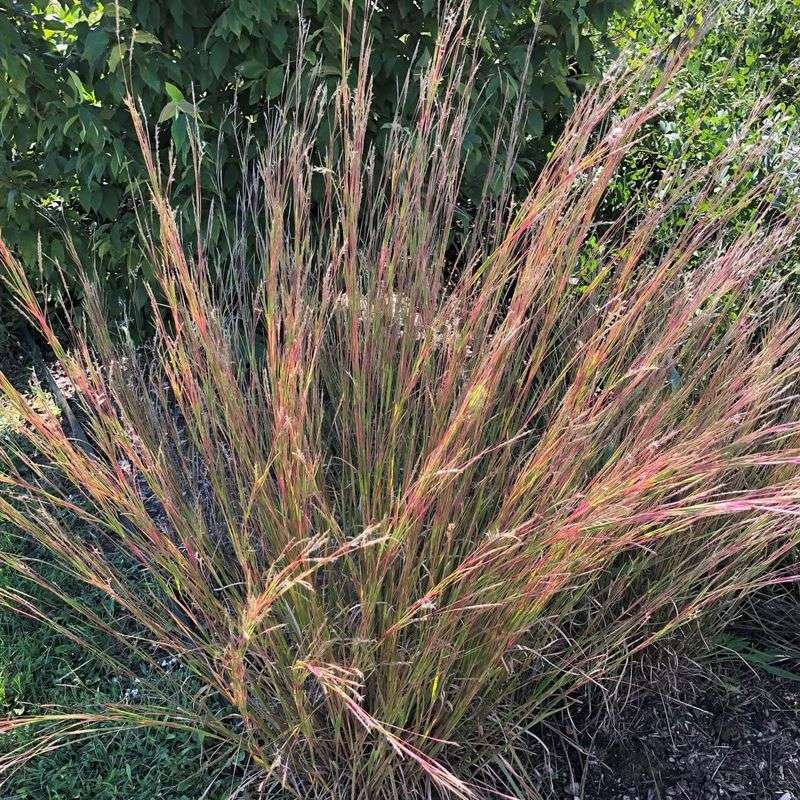
The fireflies you cheer for in June started life a year earlier, crawling through the soil as glowing predators.
They need a place to grow up unseen.
Little bluestem (Schizachyrium scoparium) gives both stages cover.
The fine, upright clumps hide adults during the day and shelter the leaf litter and moist ground below where larvae hunt.
It is one of the few grasses that serves the whole life cycle at once.
Blue-green in summer, coppery-orange by fall, it earns its keep on looks too.
It loves the acidic sandy soil that covers much of Florida, so you are working with your dirt instead of fighting it.
Space plants about 18 inches to 2 feet apart in full sun.
Skip the pesticides here, because fireflies are beetles and lawn chemicals linger in soil where larvae live, harming them directly.
Plant this fall and leave the base a little wild.
The unmown, unsprayed patch is not laziness, it is the whole strategy.
6. Indiangrass Brings Height To Dry Ground
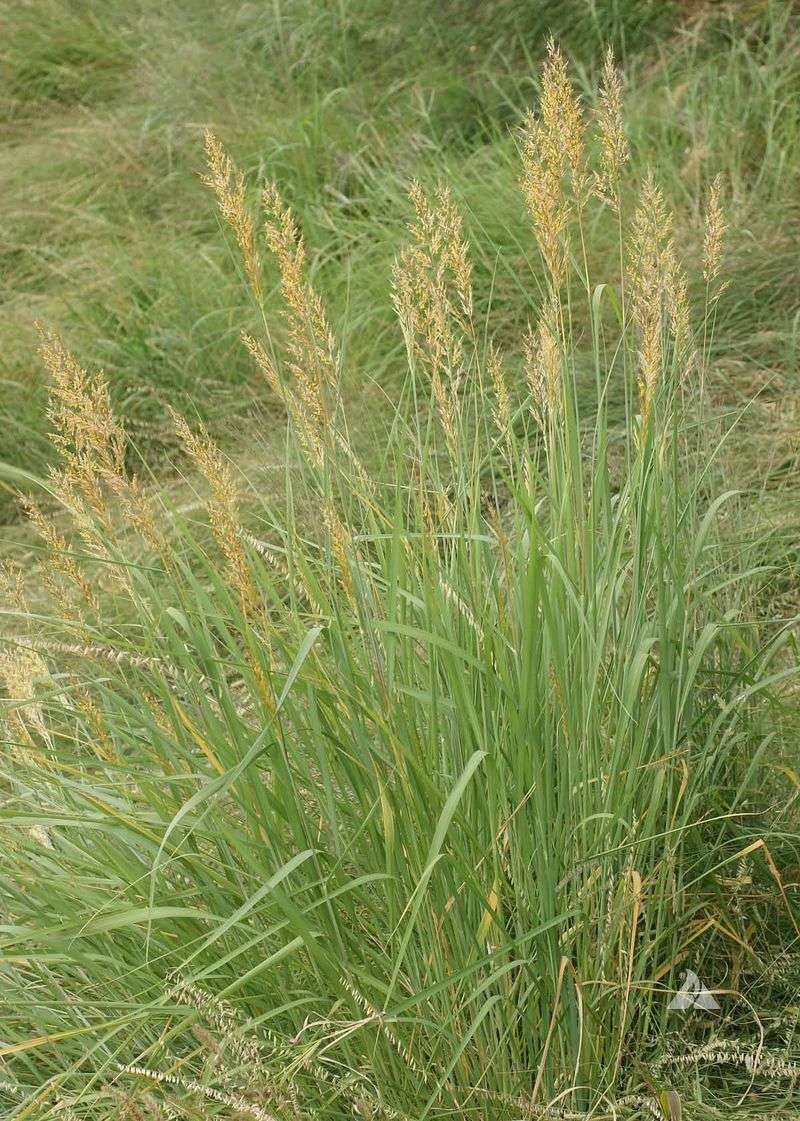
Not every part of your yard holds water.
Plenty of Florida ground is bone-dry sand that bakes by noon.
Fireflies still want tall grass there.
Indiangrass (Sorghastrum nutans) delivers that height on drier sites, sending up golden-bronze plumes that give fireflies the vertical perches they use to flash and be seen.
It pairs beautifully with little bluestem in a prairie-style bed, since the two grow side by side in the wild.
Plant it in full sun, spacing clumps roughly 2 to 3 feet apart.
It tolerates the sandy loam of the Panhandle and the acidic sand farther south, and it does not need pampering once established.
The idea is layers.
Tall grasses for perching, damp ground nearby for larvae, and no bright lights washing out the signals.
Light pollution genuinely scrambles firefly communication, so the darker corner where Indiangrass stands tall is doing double duty.
Sow or plant this fall, and by next summer the plumes will glow from within.
7. Sand Cordgrass Rings Your Pond Edge
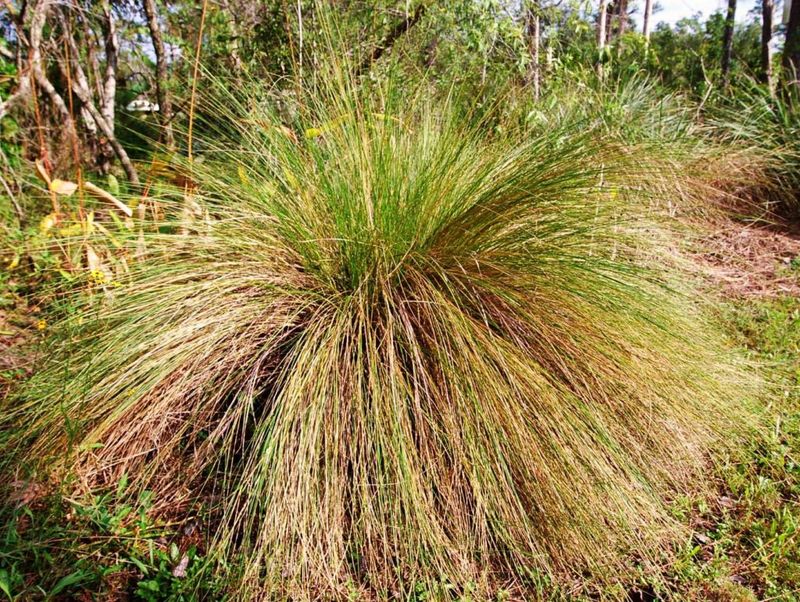
Got a pond, a ditch, or a retention edge that the mower cannot handle?
That soggy margin is exactly where fireflies gather in the thickest numbers.
Sand cordgrass (Spartina bakeri) was built for it.
Reaching 3 to 4 feet tall and spreading 3 to 5 feet wide, it forms a graceful fountain of blades right at the waterline.
It handles wet soil and drought, which is rare, and it tolerates salt spray on both coasts.
Wetland margins are firefly headquarters because moisture runs through every life stage, egg to larva to adult.
Ringing a pond with cordgrass gives the show a stage and the larvae a home.
It grows in zones 8b through 11, so most of the state qualifies, from the Gulf Coast down toward the Keys.
Space clumps about 4 feet apart in full sun and let them knit together.
Plant this fall along that unruly edge.
Come summer, the water reflects the flashing, and the effect doubles.
8. Elliott’s Lovegrass Fits The Small Yard
Maybe you do not have acres.
Maybe you have a townhome patch and an HOA that frowns at anything over knee-high.
There is still a native grass for you.
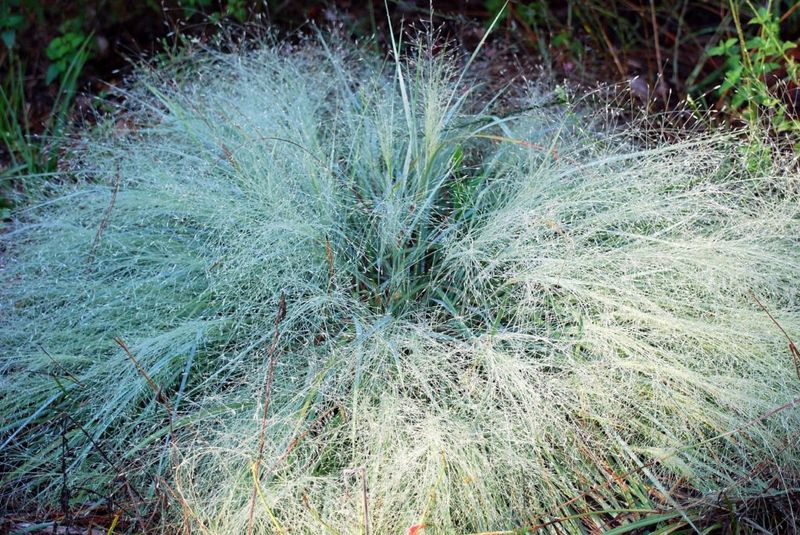
Elliott’s lovegrass (Eragrostis elliottii) stays modest at 1 to 3 feet tall, topped with airy silver seed heads that look like a low cloud.
It reads as tidy, not wild, so it slips past strict landscaping rules while still offering fireflies cover close to the ground.
It runs as a perennial in zones 8a through 11 and prefers dry, hot conditions in full sun, though it takes a little shade.
That makes it a natural for the sandy, sun-blasted front bed where fussier plants scorch.
Space clumps about 18 inches apart.
It asks for very little water once rooted, so it will not push up your bill during a winter dry spell.
Plant it this fall as a soft front-row border.
Small yard, real habitat, no fine notice in the mailbox.
9. How And When To Get Them Rooted
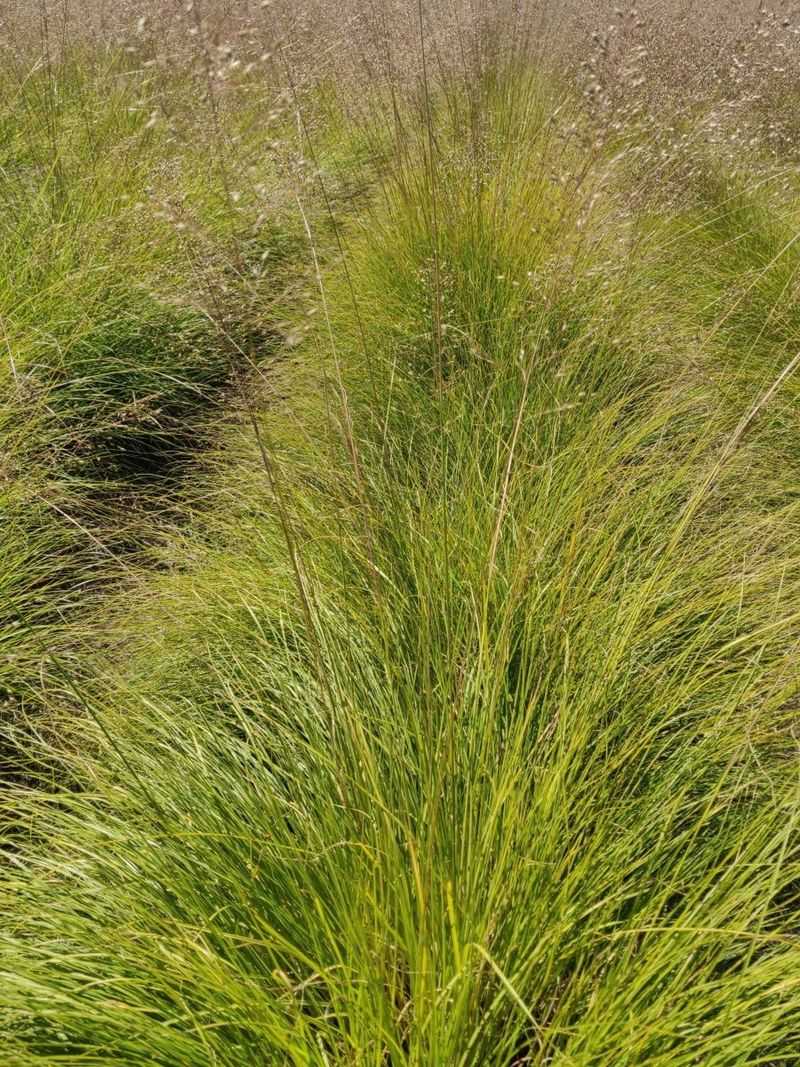
All this planting only works if the timing lines up, and Florida’s fall window is friendlier than the brutal heat of July.
Cooling temperatures and the end of the rainy season give roots months to settle before summer.
Match the calendar to your region.
In North Florida and the Panhandle, sow from mid-September into late October.
Central Florida runs mid-October into early January.
South Florida and the Keys stretch from November into mid-January.
Seeds germinate best when soil sits in the mid-60s to mid-90s, and they should never go deeper than 1/2 inch.
If dry weather hits during sowing, water at least 1/4 inch daily, or 3/8 to 1/2 inch in sandy soils, for two weeks straight.
Then comes the part that feels like doing nothing.
Leave a patch unmown near moisture, keep the leaf litter, and skip the sprays.
Fireflies need darkness too, so swap bright floodlights for motion sensors.
Do this now, and next June you will stand on the porch and watch your own yard blink back at you, knowing you actually built that.