
This Toxic Pennsylvania Tree Along Your Fence Line Scares Gardeners Less Than A Copperhead
Follow us on Google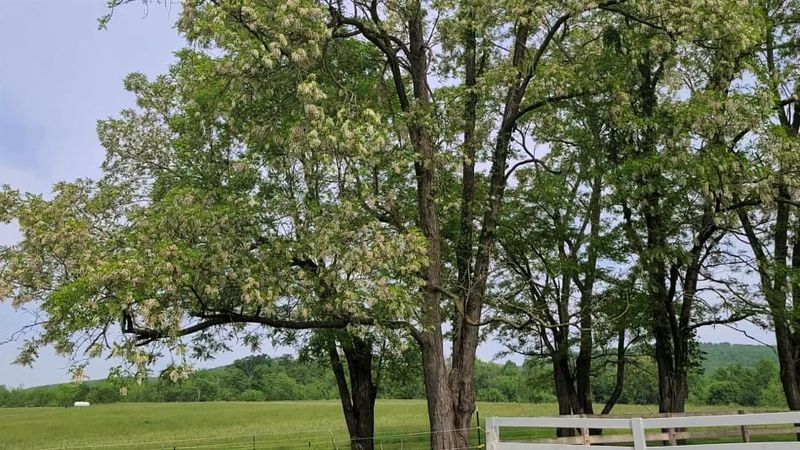
Walk your fence line this spring and you might brush past a tree that has been quietly causing trouble for years.
Black locust grows fast, drops toxic material, throws thorns into your gloves, and sends up new shoots every time you try to cut it back.
Meanwhile, most Pennsylvania homeowners spend more energy worrying about the copperhead they spotted near the woodpile than the tree sitting three feet from their garden gate.
Getting clear on what black locust actually does, and what it does not do, puts you back in charge of your own yard.
The Fence-Line Tree Is Black Locust
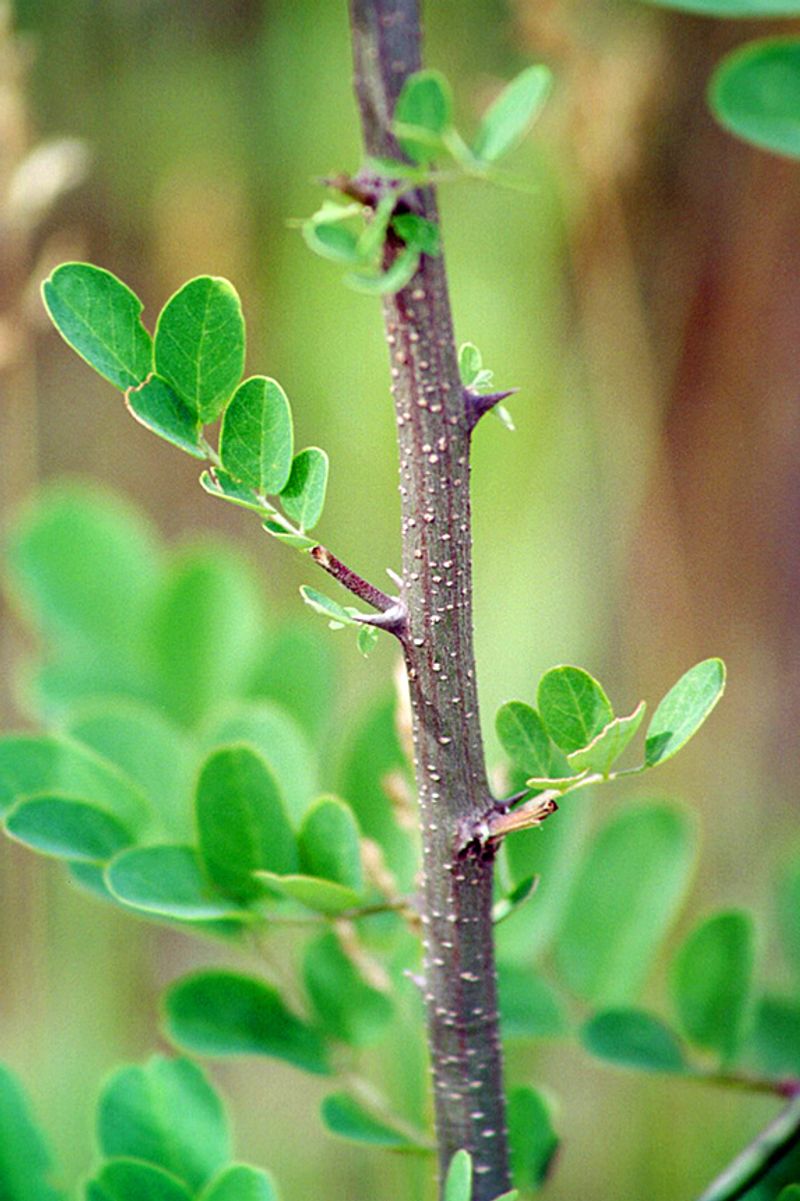
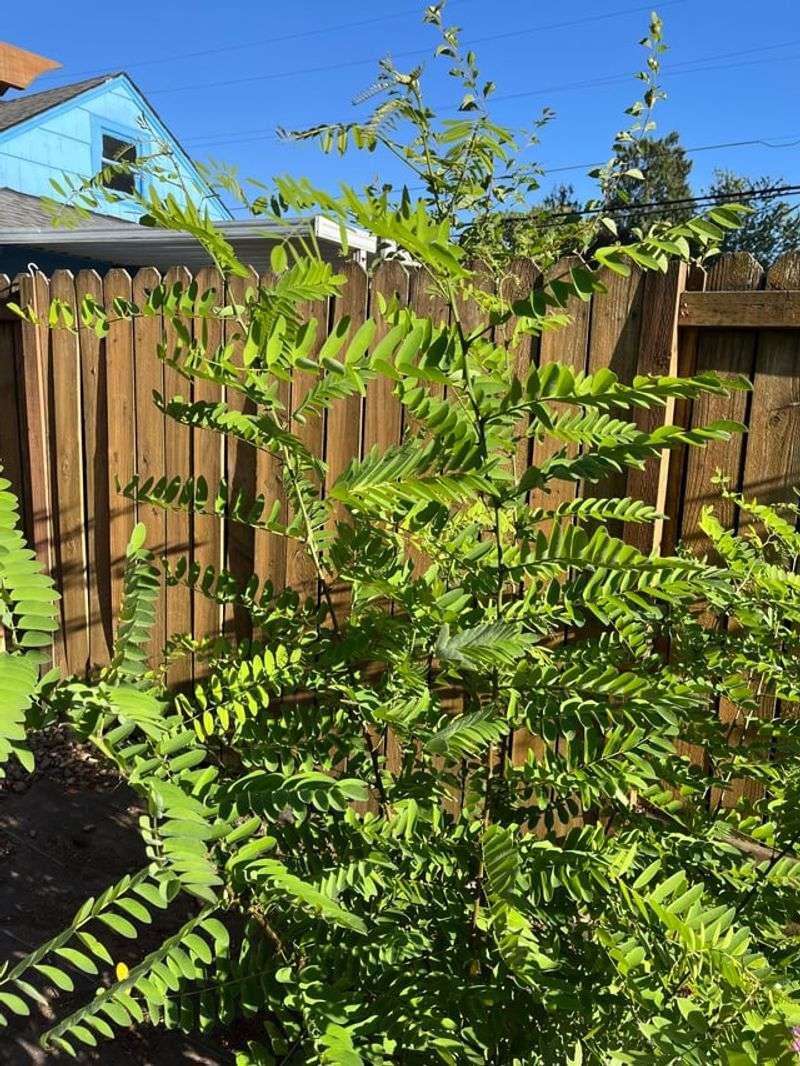
Pull on a pair of heavy gloves before you get too close, because the tree most likely hiding along your fence is black locust, Robinia pseudoacacia, and it announces itself with a set of stout paired thorns at the base of each young twig.
Those thorns sit right where you would naturally grab a branch to push it out of the way, which is the first way this tree surprises people who have never paid it much attention.
Beyond the thorns, look for bark that is deeply furrowed and almost rope-like in texture on older trunks.
In May or June, the tree hangs drooping white flower clusters about 4 to 8 inches long that smell faintly sweet.
By late summer, flat brown seed pods roughly 2 to 4 inches long dangle from the branches, each one holding around 3 to 10 small seeds.
Poison Control’s overview of black locust confirms these identification points and notes the compound leaves made up of oval leaflets arranged in pairs along a central stem.
Before you reach for a pruning saw or a bottle of herbicide, confirm you are actually looking at black locust and not honey locust, Gleditsia triacanthos.
Penn State Extension’s guide on trees in horse pastures points out that honey locust carries different thorn patterns and is a separate species with different management needs.
Misidentifying the tree before you treat it is a real and common mistake, so take a photo, compare multiple traits, and be sure before you act.
Separate Thorn Injuries From Ingestion Risk
Black locust creates two distinct problems in your yard, and mixing them up leads to either overreacting or underreacting.
Thorn punctures are the first hazard.
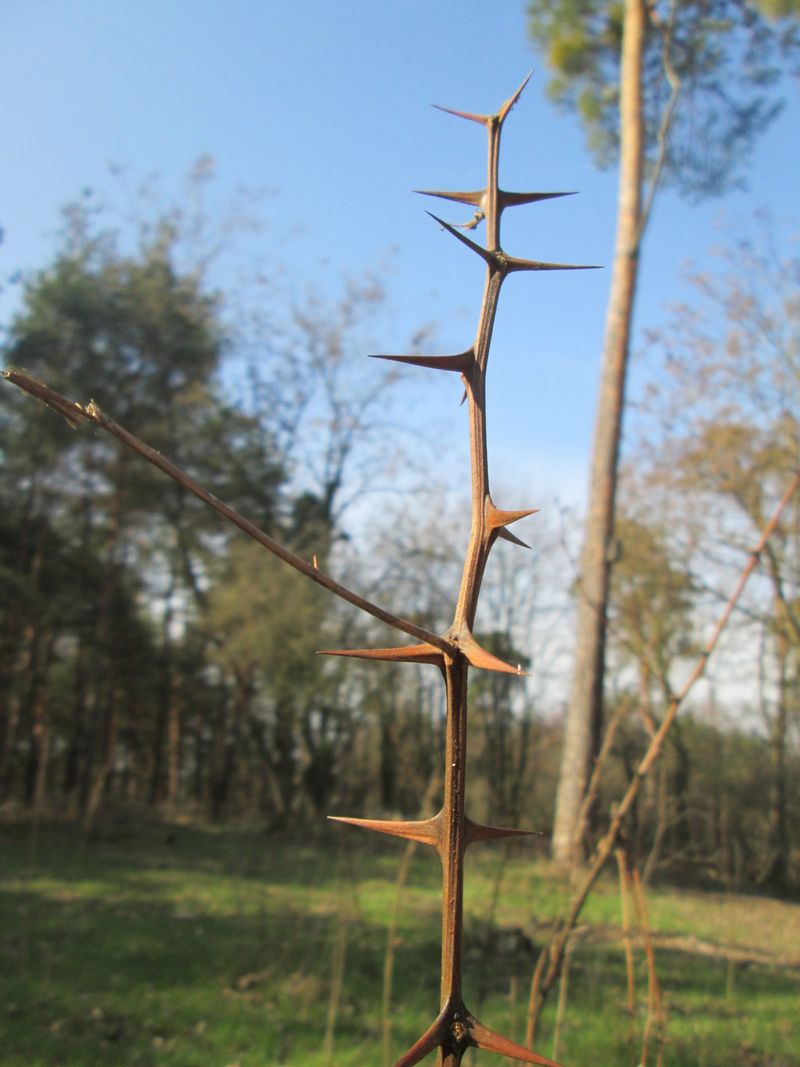
The thorns on young stems are stout enough to go through a thin garden glove, and Poison Control reports that most thorn exposures result in local pain, swelling, or rash.
Rare cases have involved more serious tissue complications, but those are not the ordinary outcome of a quick scratch while trimming.
Ingestion is the second and more serious concern.
Black locust bark, leaves, and seeds contain toxalbumins, including the compounds robin and phasin.
Swallowing or chewing these plant parts can cause nausea, weakness, flushing, lethargy, and vomiting.
A published case report in PubMed documents a rare human ingestion event, and while serious outcomes are uncommon, the case confirms that the toxins are genuinely active.
Flowers appear to be substantially less toxic than other parts of the tree, but that observation is not a foraging recommendation.
The ASPCA lists Robinia species as toxic to dogs, cats, and horses, so keep animals from chewing bark, leaves, pods, or seeds.
When you handle thorny branches or fresh sprouts, wear heavy gloves, long sleeves, eye protection, and sturdy closed-toe footwear.
Walking past an intact black locust or briefly touching a leaf does not poison a person, the real exposure risk comes from chewing, swallowing, or getting a thorn into skin.
The Copperhead Comparison Has A Narrow Meaning
Headlines love a dramatic comparison, so let’s be honest about what this one actually means.
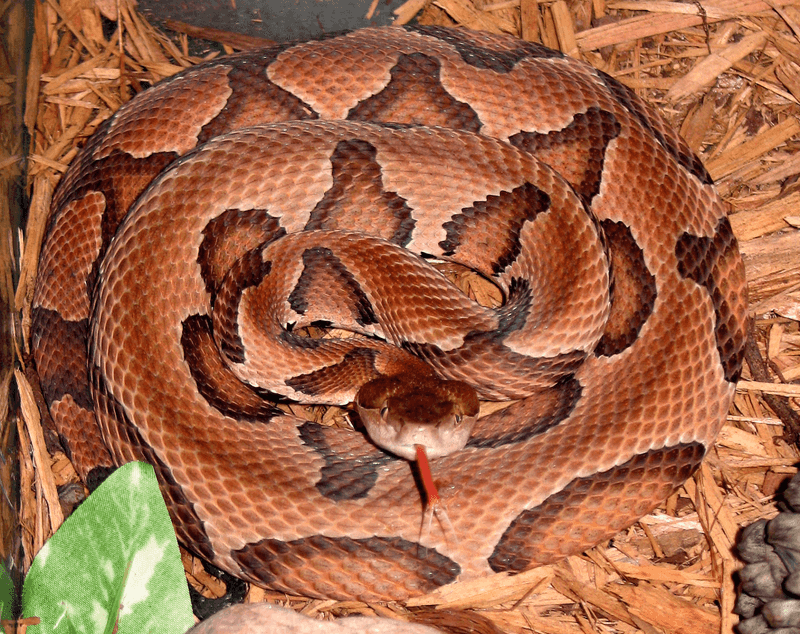
Pennsylvania’s eastern copperhead is a venomous snake capable of a painful bite.
The Pennsylvania Fish and Boat Commission describes copperhead bites as painful but says that with prompt medical care, they seldom pose a serious threat to life.
That framing matters.
A copperhead encounter is an acute event that demands immediate distance and, after any bite, prompt medical evaluation.
Black locust sits in a different category entirely.
Its supported exposure routes are chewing or swallowing plant material, catching a thorn through skin, and repeated contact while managing sprouts and branches during yard work.
Poison Control’s black locust article focuses on ingestion and puncture injuries rather than any hazard from simply standing near the tree.
No reliable source in the available evidence establishes that black locust is medically more dangerous than a copperhead, or less dangerous, or that gardeners fear one more than the other in any measurable way.
The defensible practical point is narrower: black locust stays in your yard year-round, grows back when you cut it, and demands repeated attention during spring and summer fence-line chores.
A copperhead may pass through once and move on.
Both deserve respect and a clear plan, just different ones.
Treat a snake encounter with distance and medical awareness, treat a fence-line black locust with protective gear, correct identification, and a realistic removal or management strategy.
Root Suckers Make The Fence Line Hard To Reclaim
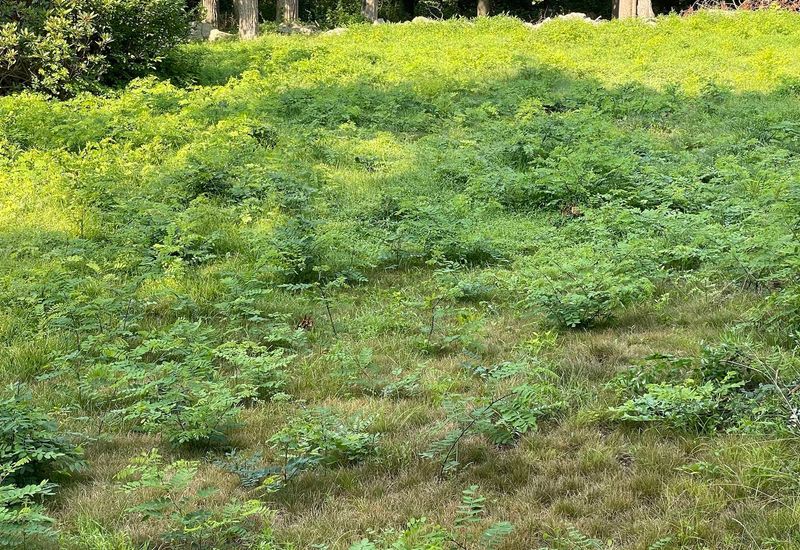
Here is where it gets tricky.
Cut a black locust stem and the root system does not give up quietly.
The tree reproduces through seeds, stump sprouts, and root suckers, and Ask Extension’s locust sucker guidance notes that suckers can appear as far from the trunk as the tree is tall, though the actual spread varies by individual tree and site conditions.
Along a fence line, that means new shoots can pop up on both sides of the fence, sometimes well into a garden bed or lawn.
Cutting the visible stem often triggers a flush of new growth.
The root system interprets the cut as an injury and responds by sending up more shoots, sometimes more aggressively than before.
Another Ask Extension response on locust sprouting confirms that a stump left in the ground will continue pushing new growth.
Grinding the stump removes the visible wood but does not necessarily stop roots from generating new suckers nearby.
Extension guidance on getting rid of black locust is clear that follow-up monitoring and repeated control are part of the job, not signs that you did the first step wrong.
Walk both sides of your fence during active growing season, which in most of Pennsylvania runs from late April through September.
Mark new shoots early and address them before they establish a second trunk.
Plan for at least two to three seasons of follow-up rather than expecting one cut to close the chapter.
Keep A Stable Tree When The Location Works
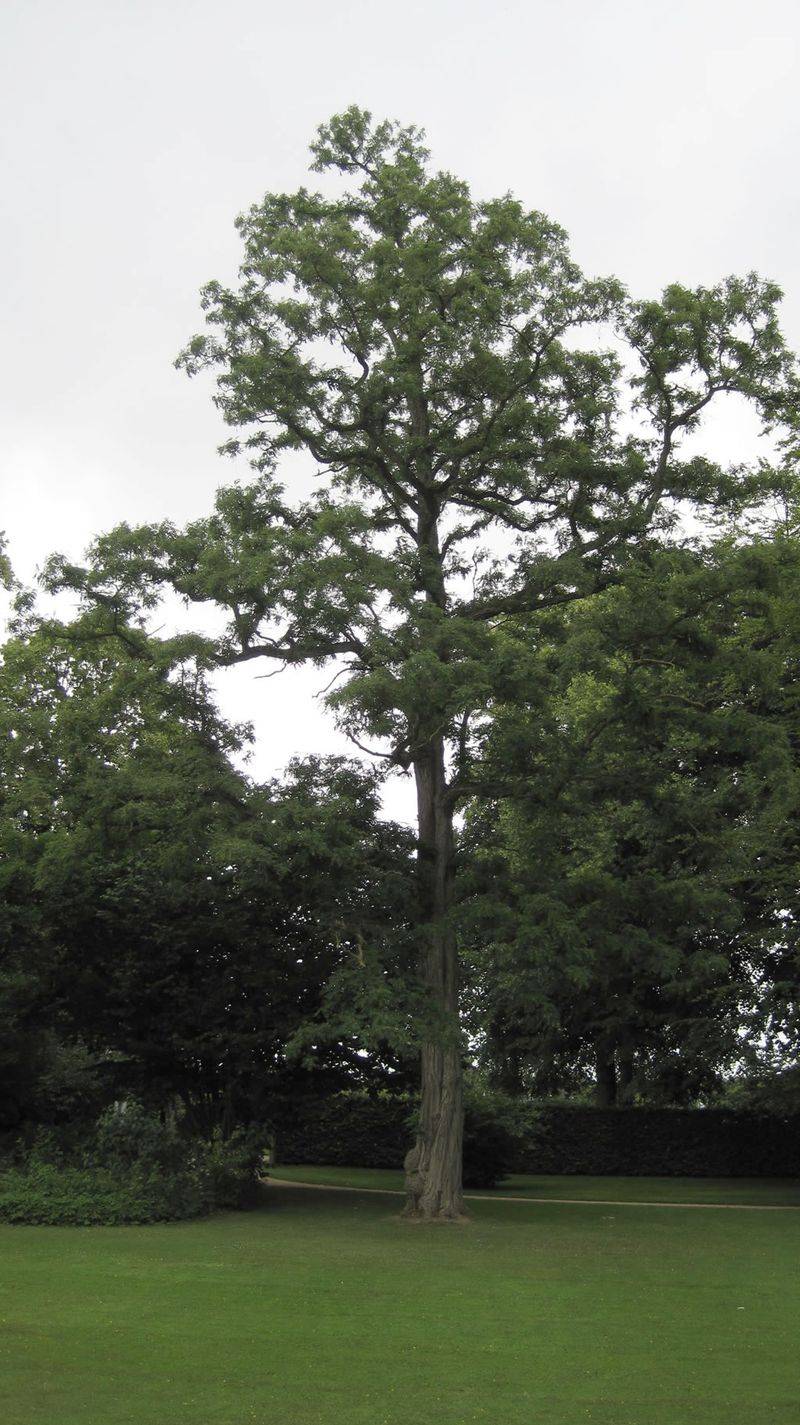
Not every black locust along a Pennsylvania fence line needs to come down.
The tree grows quickly in poor or disturbed soils, fixes nitrogen through root bacteria, produces fragrant white flowers that draw native pollinators in late spring, and yields some of the most rot-resistant wood in the region.
Forest Service assessment of black locust in northern forests notes that it has been widely planted across Pennsylvania for erosion control, land reclamation, fence posts, and firewood, and that its ecological role is genuinely complicated.
Pennsylvania’s Natural Heritage Program lists black locust among species with complex nativity statuses, noting it is considered native to parts of western Pennsylvania while also widely established outside that range.
Calling every black locust in the state an invasive species is not accurate.
Its status depends on where in Pennsylvania you are standing and what was growing there before.
The real question for a homeowner is location, not species name.
A mature tree in stable condition, well away from play areas, livestock, garden beds, and structures, may be worth keeping.
Ask yourself whether children or animals can reach bark, pods, or fallen branches.
Consider whether the suckers are crowding out plants you actually want.
Weigh whether the thorns create a regular injury risk during mowing or fence maintenance.
If the answers to those questions are mostly no, a stable black locust can stay and do its quiet work for pollinators and soil health without demanding much in return.
Remove Only A Small, Reachable Sapling Yourself
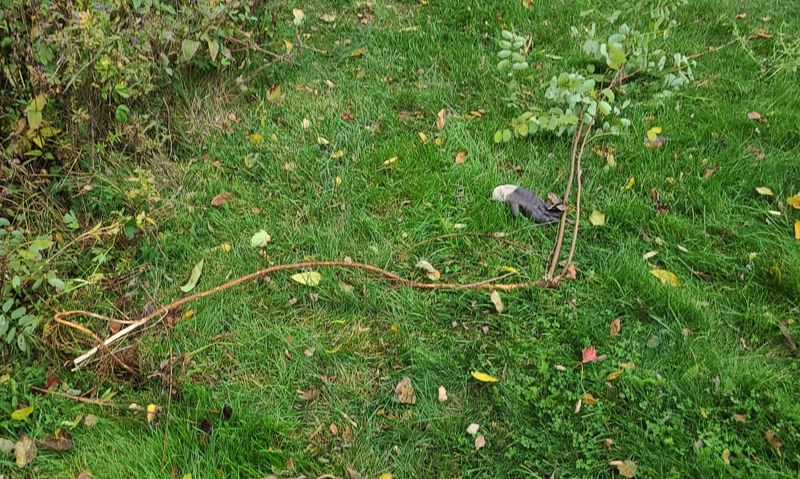
A black locust sapling that is small enough to reach safely from the ground, away from utility lines, fencing you want to protect, and your neighbor’s property, is actually manageable for a careful homeowner.
The key word is small.
If you can wrap one hand around the base and the trunk is no taller than you are, physical removal is a reasonable starting point.
Wear thorn-resistant gloves, a long-sleeved shirt, eye protection, and closed-toe shoes before you touch anything.
Cut the stem low to the ground, then use a digging fork or narrow spade to loosen the soil around the root crown and lift as much of it out as you can.
Penn State Extension’s pasture tree guidance and Ask Extension’s black locust removal advice both emphasize getting below the crown rather than simply cutting at ground level, because a cut stem with an intact root crown will resprout reliably.
Bag the cut material, including pods and branches, and keep it out of reach of children and animals until disposal.
Do not leave fresh cuttings on the ground where a dog or horse might chew them.
Extension sucker guidance recommends checking the area every few weeks during active growing season and pulling or cutting any new shoots while they are still small and before they develop a woody base.
Digging one sapling does not guarantee the root system is gone, so treat the first removal as the beginning of a monitoring period, not the end of the job.
Use Professional Help For Established Trees
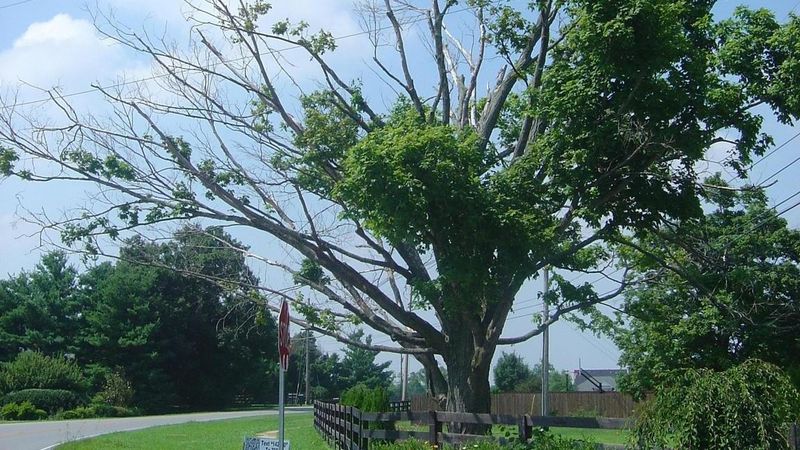
A mature black locust near a fence, utility line, shed, road, or structure is not a DIY project.
Penn State Extension’s guidance on when to call an arborist is direct: if a tree is large, hazardous, storm-damaged, or cannot be safely pruned from the ground, call a licensed professional.
Penn State’s chainsaw safety material adds that bystanders should stay at least as far away as the tree is tall during any felling operation, and that proper protective equipment and training matter before anyone picks up a saw.
For an established tree you do want to remove, the most consistently supported approach is cut-stump treatment.
Ask Extension’s black locust removal guidance describes cutting the trunk near ground level and immediately applying an appropriate systemic herbicide to the freshly exposed cambium, the living ring of tissue just inside the bark.
Timing matters because the herbicide moves through active tissue.
An old, dry stump may need to be recut into live wood before treatment will take.
Extension’s locust sprouting guidance warns that persistent mechanical cutting without chemical treatment can take more than 7 years to exhaust a large tree’s root system.
Root suckers that appear during the growing season need prompt attention, ideally while they are actively growing and the plant is moving resources through its tissue.
Whatever product you choose, the label is the legal document that controls the rate, application method, protective equipment, weather restrictions, and precautions near water, gardens, and neighboring plants.
Do not use Epsom salt, diesel, bleach, gasoline, or any homemade stump treatment.
None of those are supported by extension guidance and some can create additional hazards in your yard.
Protect Children And Animals During Cleanup
Cleanup day after any black locust work is actually where the ingestion risk is highest.
Fresh cuttings, fallen pods, and loose branches all carry the same toxalbumins found in the living tree.
Poison Control confirms that bark, leaves, and seeds are the documented toxic parts, and pods may contain seeds even after they have dried and dropped.
Keep children and animals away from the work area until all cut material is bagged and removed.
The ASPCA lists Robinia species as toxic to dogs, cats, and horses, so do not leave branches or pods where animals can chew them.
Horses in particular will work at bark and fallen wood if they are bored or hungry, and a fence-line black locust puts that material within easy reach.
Do not use black locust chips as mulch in play areas or animal enclosures unless a qualified authority has specifically confirmed that use is safe for your situation, the available evidence does not settle that question.
Flowers appear substantially less toxic than other plant parts according to Poison Control, but that is not a reason to treat them as edible.
Flowers can be misidentified, may carry pesticide residue if the tree was treated, and the rest of the plant remains hazardous.
If a child or animal chews or swallows any part of the tree, call Poison Help at 1-800-222-1222 right away rather than waiting to see whether symptoms develop.
The whole job comes down to four steps: identify the tree correctly, protect people and animals from chewing or thorn contact, monitor for suckers each season, and remove only when the tree genuinely conflicts with how you use your yard.
A black locust that stays out of reach and out of trouble can stay right where it is.