
The Fast-Growing Vine Florida Homeowners Are Using For Backyard Privacy
Follow us on Google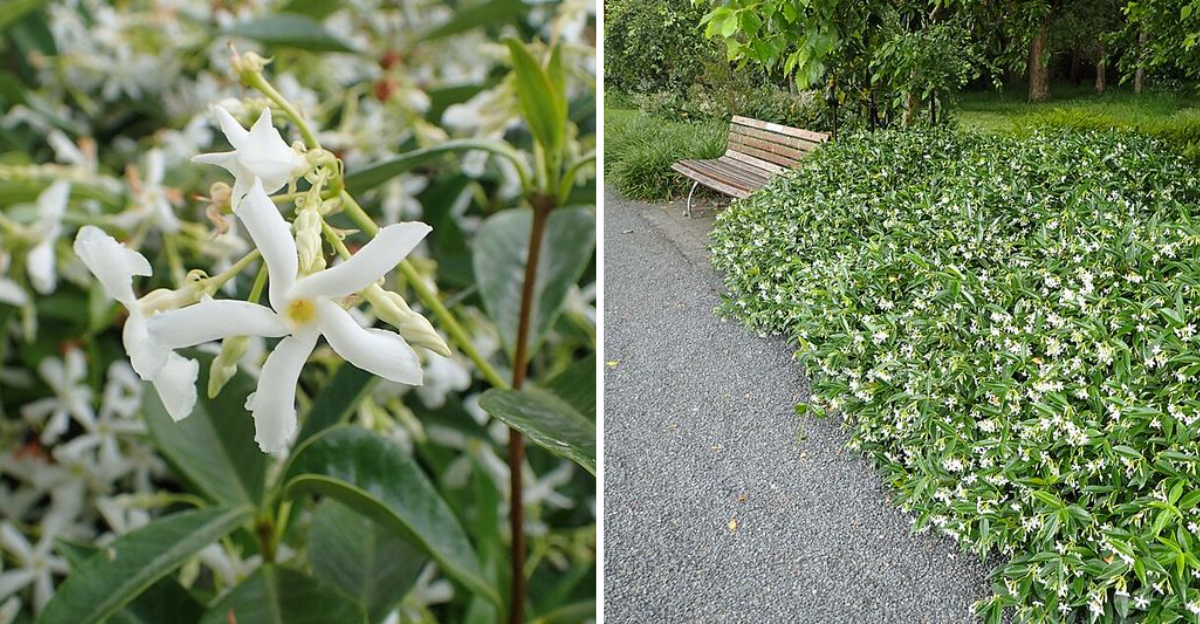
Backyard privacy matters more when homes sit close together and patios feel exposed. In Florida, many homeowners are turning to a vine that grows quickly, handles heat, and looks polished instead of messy.
Confederate jasmine keeps coming up for one simple reason: it creates a thick, attractive screen without making your yard feel boxed in. If you want more seclusion and a fence that works harder, this plant deserves a close look.
Why Confederate Jasmine Stands Out
Across Florida neighborhoods, privacy usually comes down to one frustrating choice: install a taller fence or live with a clear view into your yard. That is why Confederate jasmine keeps getting so much attention.
It grows as a climbing, twining vine, fills space fast, and looks tidy enough for front-facing side yards as well as back fences.
What makes it especially useful is the combination of density and appearance. You are not just getting a wall of green.
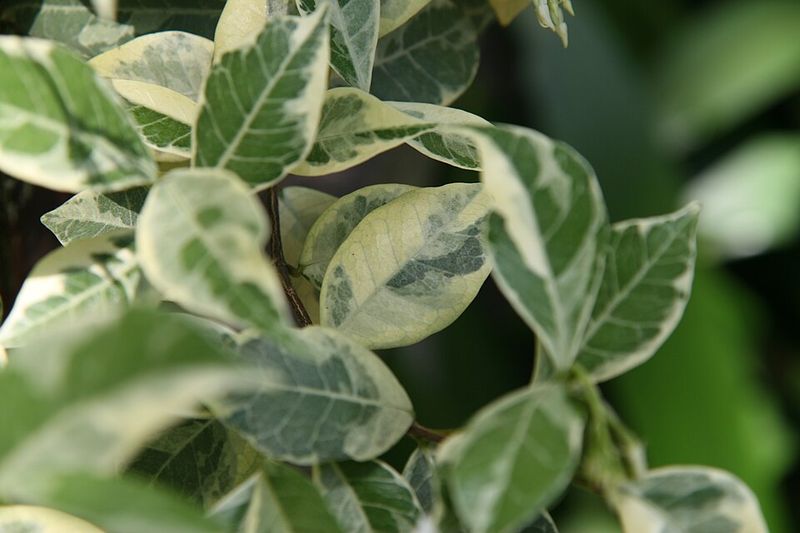
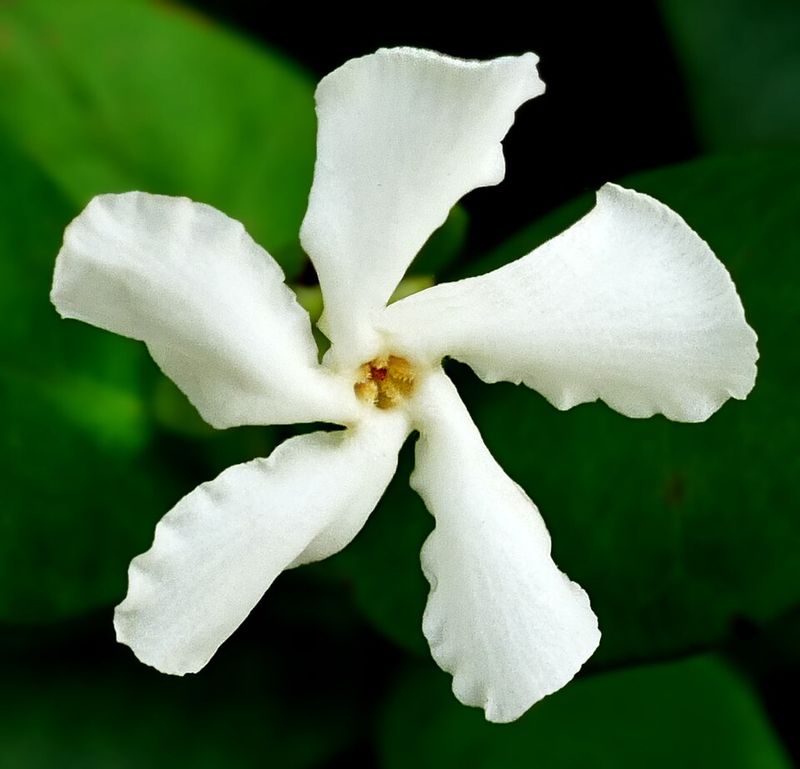
You get glossy leaves, fragrant white blooms in season, and a softer look that makes a basic wood or metal fence feel intentional instead of purely functional.
Florida homeowners also like that it handles heat, humidity, and long growing seasons better than many showier vines. Once established, it is fairly forgiving and does not demand constant babying.
In my experience, that balance is exactly what people want when they are trying to create privacy without adding another high-maintenance chore.
For anyone tired of seeing the neighbor’s grill, pool toys, or patio setup every time they step outside, this vine offers a practical answer. It gives coverage, curb appeal, and a little fragrance at the same time, which is a rare combination in one plant.
How Fast It Really Grows
Most people asking about privacy vines want the same honest answer first: how long until the fence actually disappears? With Confederate jasmine in Florida, growth can feel surprisingly quick once the roots settle in.
During the first year, it often focuses on establishment, but after that, warm weather pushes much faster top growth.
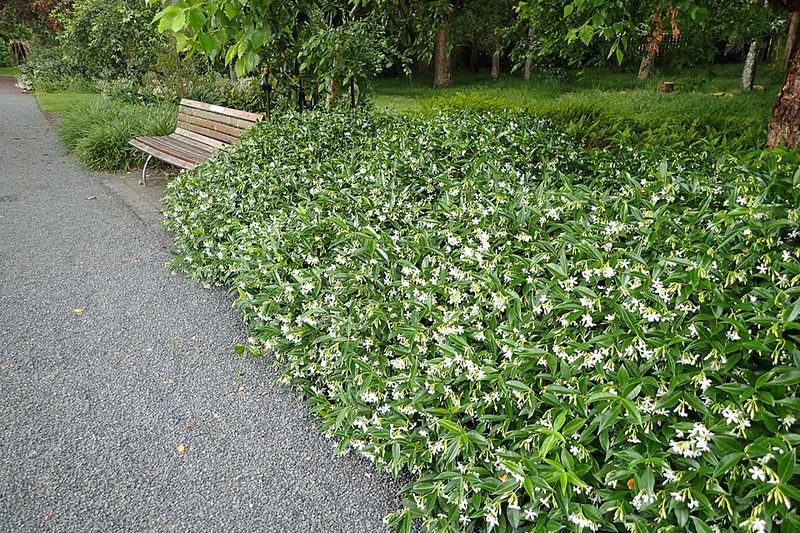
In a good site with sun, regular water, and support, many homeowners see noticeable coverage within one growing season. It will not turn a bare fence into a solid screen overnight, but it can move from sparse to impressive faster than many shrubs.
That matters when you are staring at a neighbor’s windows from your patio table every weekend.
Speed depends on placement and care. A vine planted in heavy shade, poor drainage, or dry sand will never perform like one set in amended soil with a reliable watering routine.
Feeding lightly in spring and guiding young stems where you want them can also make the screen fill more evenly.
The smartest way to think about it is not instant privacy, but steadily increasing privacy that gets better each season. If you are patient for a few months and consistent with basic care, the payoff usually feels worth the wait.
Where To Plant It For Maximum Coverage
Placement makes the difference between a vine that fills beautifully and one that sulks along for years. Confederate jasmine performs best where it gets plenty of light, ideally several hours of sun each day.
In Florida, morning sun with some afternoon relief often gives strong growth without pushing the plant too hard during the hottest months.
Good drainage matters just as much as light. If water sits around the roots after every summer storm, growth slows and health problems show up fast.
I always recommend loosening the soil, mixing in organic matter, and avoiding the lowest soggy spot in the yard, even if that is where you want privacy most.
Spacing also deserves more attention than it usually gets. Planting too far apart delays the screen, while crowding too many vines into one stretch can create a tangled mess that is harder to train.
For many fences, a moderate spacing plan gives the cleanest result and lets each vine branch without fighting for room.
Think from the patio view, not just the garden bed. Put plants where the gaps bother you most, like beside a seating area, pool edge, or shared property line.
That way, you start solving the privacy problem exactly where you feel it every day.
The Right Support Makes A Bigger Difference Than You Think
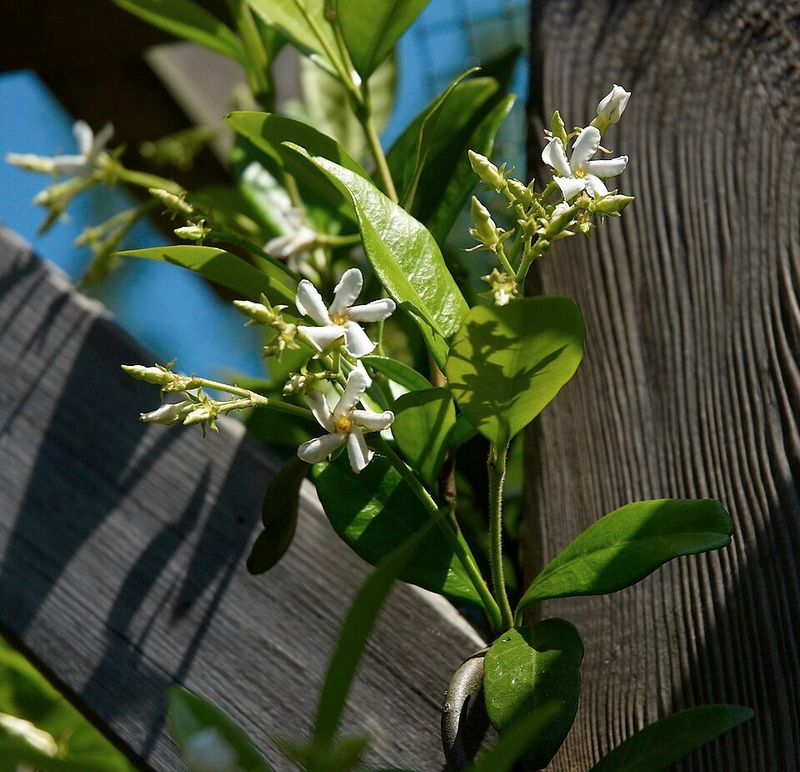
A fast-growing vine still needs direction if you want a thick privacy screen instead of random green patches. Confederate jasmine twines and climbs, but it does not magically arrange itself into perfect coverage.
Giving it the right support early helps the plant spread across the exact area you want hidden.
Fences work well, especially wood, chain link, and wire systems, but some surfaces need a little help. Adding horizontal wires, eye hooks, or a slim trellis can encourage stems to move outward instead of bunching in one place.
That small setup step often shortens the time between planting and meaningful privacy.
Training matters during the first season. Young shoots are flexible, so you can gently guide them sideways, upward, or across empty spots before they stiffen.
I like using soft plant ties because they hold the vine without cutting into tender growth during Florida’s fast summer surge.
Without support, the plant may mound, wander, or leave awkward gaps near eye level where privacy matters most. With support, it behaves more like a living screen.
If your goal is to block a direct view from the neighboring patio or second-story window, structure is part of the strategy, not an optional extra.
Watering And Feeding For Faster Fill-In
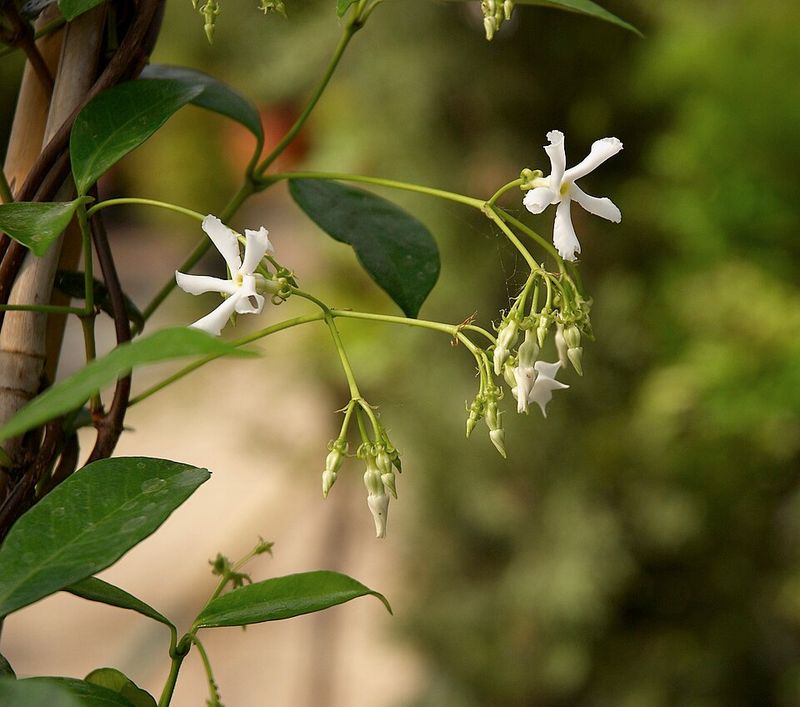
Fast growth only happens when the vine has what it needs at the root zone. Confederate jasmine is not especially fussy, but it responds well to consistent care while getting established.
In Florida’s heat, irregular watering is one of the biggest reasons new plants stall instead of racing up the fence.
During the first growing season, deep watering usually works better than quick daily sprinkles. The goal is to encourage roots to move down and outward, which helps the plant handle heat and brief dry spells later.
A layer of mulch keeps moisture more even and prevents the soil from baking hard around the base.
Feeding should stay modest. Too much fertilizer can push weak, overly soft growth that needs constant trimming and may not thicken the way you want.
A balanced, slow-release product in spring, followed by another light feeding if needed, is often enough to support steady coverage without turning maintenance into a full-time project.
I also pay attention to leaf color as a simple clue. Rich green foliage usually means the plant is on track, while pale or sluggish growth can signal poor nutrition, drainage issues, or watering inconsistency.
Fixing those basics early saves months of waiting for the screen to catch up.
Pruning For A Thicker Privacy Screen
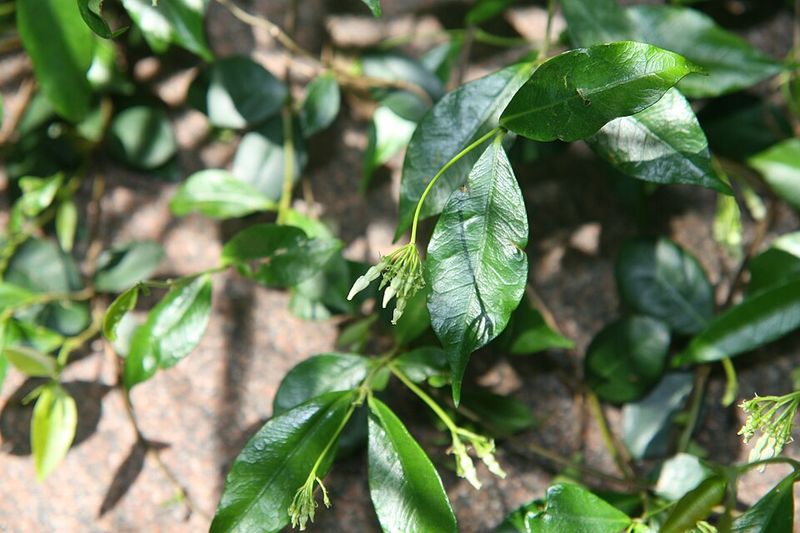
More growth does not always mean better privacy. A vine left completely alone can get long, uneven, and top-heavy, especially on a fence line where some areas receive more light than others.
Pruning is what turns quick growth into a fuller, more useful screen.
The trick is light, strategic trimming instead of aggressive cutting all the time. Snipping the tips of wandering shoots encourages branching, which helps fill gaps at eye level where you actually need coverage.
That approach is especially helpful near patios, pool decks, and sitting areas where one open window between stems can feel surprisingly exposed.
Timing matters too. Many gardeners prune after the main bloom period so they can enjoy the flowers and still shape the plant before the strongest growing stretch continues.
Removing dead, tangled, or inward-growing stems also improves airflow, which is never a bad idea in Florida’s humid conditions.
If the vine starts swallowing gates, light fixtures, or neighboring plants, that is your cue to step in sooner rather than later. I like to think of pruning as guiding the screen, not shrinking it.
Done regularly, it keeps the plant dense, neat, and focused on privacy instead of pure sprawl.
Problems To Watch For In Florida Yards
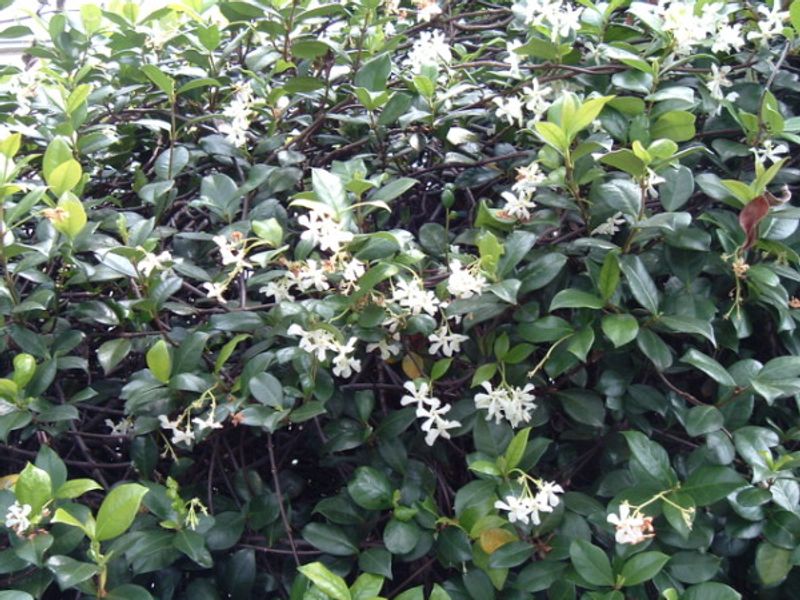
Even an easy privacy vine has a few weak spots, and knowing them early keeps small issues from ruining your progress. In Florida, the biggest problems usually come from poor drainage, overwatering, or planting in too much shade.
When growth slows or leaves start yellowing, the roots are often sending the first warning.
Pests are usually manageable, but it is smart to check for scale, aphids, or spider mites when the plant looks stressed. These problems tend to show up more when air circulation is poor or the vine is packed too tightly against a wall.
A quick inspection every week or two can catch trouble before it spreads across the whole screen.
Cold snaps can also surprise people. Confederate jasmine handles Florida conditions well, yet unusually low temperatures may burn foliage, especially on tender new growth.
The good news is that established plants often recover, and light cleanup once the weather settles is usually enough.
The most common mistake, though, is expecting speed without maintenance. Privacy vines still need training, trimming, and basic observation.
If you stay ahead of the small stuff, this plant usually rewards you with steady coverage and a much better backyard view than the one you started with.
How To Keep It Looking Neat Near Patios And Fences
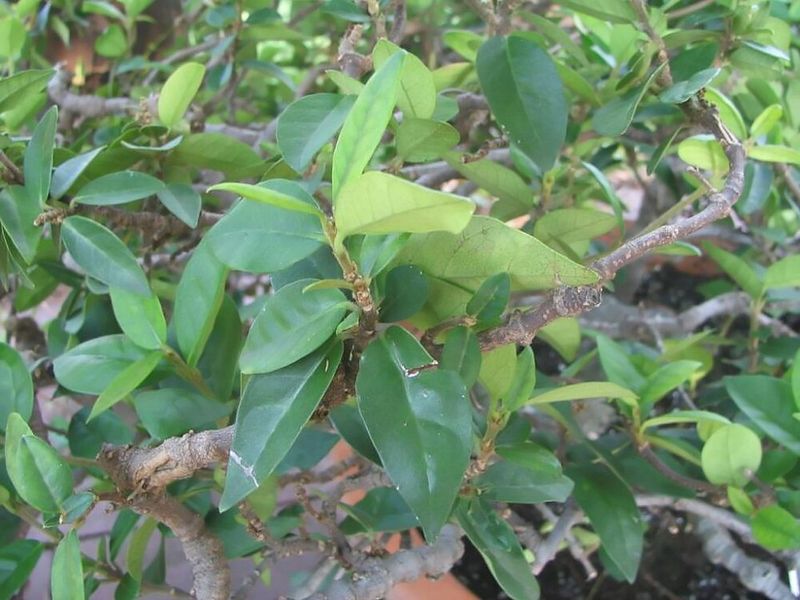
If you want privacy without a wild, overgrown look, this vine responds well to light, regular shaping. I like the way a quick trim keeps it hugging a fence line instead of spilling across walkways or patio furniture.
That matters in backyards where every foot feels visible.
The goal is not heavy cutting every weekend. It is simply guiding new growth back into the screen you want, especially after a strong flush in warm weather.
Done this way, Confederate jasmine stays dense, polished, and much easier to live with beside gates, seating areas, and property lines.
What To Expect During Cooler Florida Months
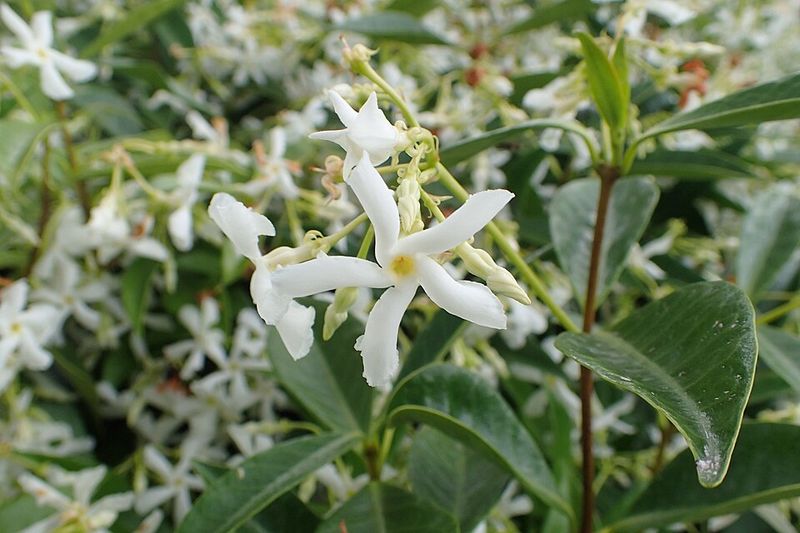
One reason this vine fits Florida so well is that it does not lose all of its value when temperatures ease off. Growth usually slows during cooler stretches, but the coverage you built through the warmer months still does the real privacy work.
That makes the yard feel enclosed even when the season changes.
You should not expect the same rapid push you see in late spring or summer. Still, this quieter period is useful because it gives the plant time to settle, strengthen, and hold its shape.
By the time warmth returns, it is ready to start filling thin spots again.
Why It Works So Well In Smaller Backyards
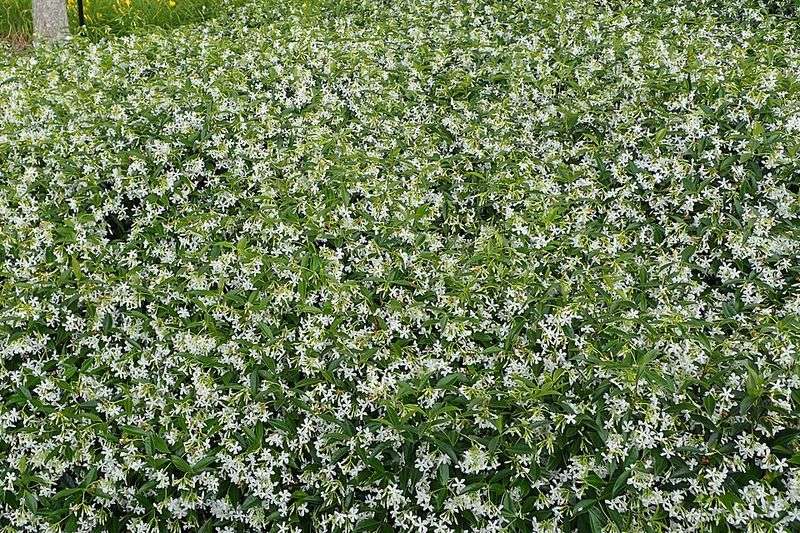
For smaller Florida backyards, this vine solves two problems at once: it adds privacy and softens hard edges without eating up much ground space. Because it climbs instead of spreading outward like a bulky hedge, you can keep more room for seating, a grill, or a narrow path beside the house.
That tradeoff is hard to ignore.
I think that is why it shows up so often in tight side yards and compact neighborhood lots. You get a greener view, a little more separation from nearby windows, and a backyard that feels calmer without turning crowded or closed in.