
12 Colorful Ground Cover Pennsylvania Gardeners Use Instead Of Mulch
Follow us on Google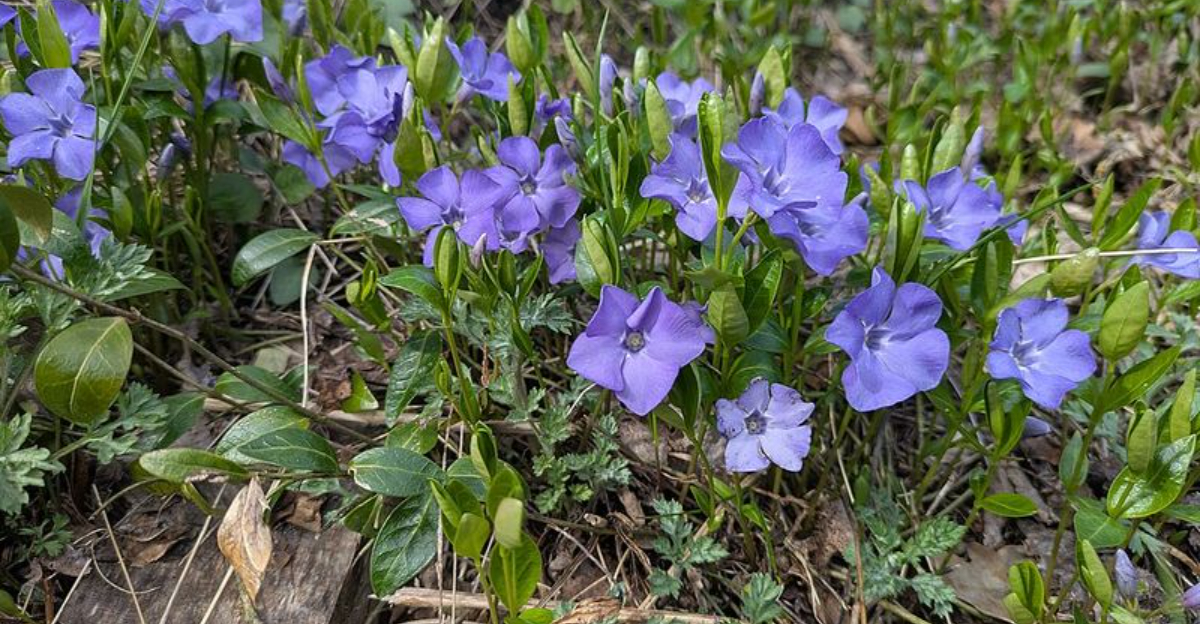
Mulch does its job, but it rarely gives you that wow moment when you pull into the driveway or step into the backyard. Pennsylvania gardeners often want something prettier, longer lasting, and better at knitting a planting bed together through the seasons.
The good news is that plenty of low-growing plants can cover bare soil, suppress weeds, and add real color without asking for constant fuss. If you want your garden to look more planted and less padded with wood chips, these picks are worth a serious look.
Creeping Phlox
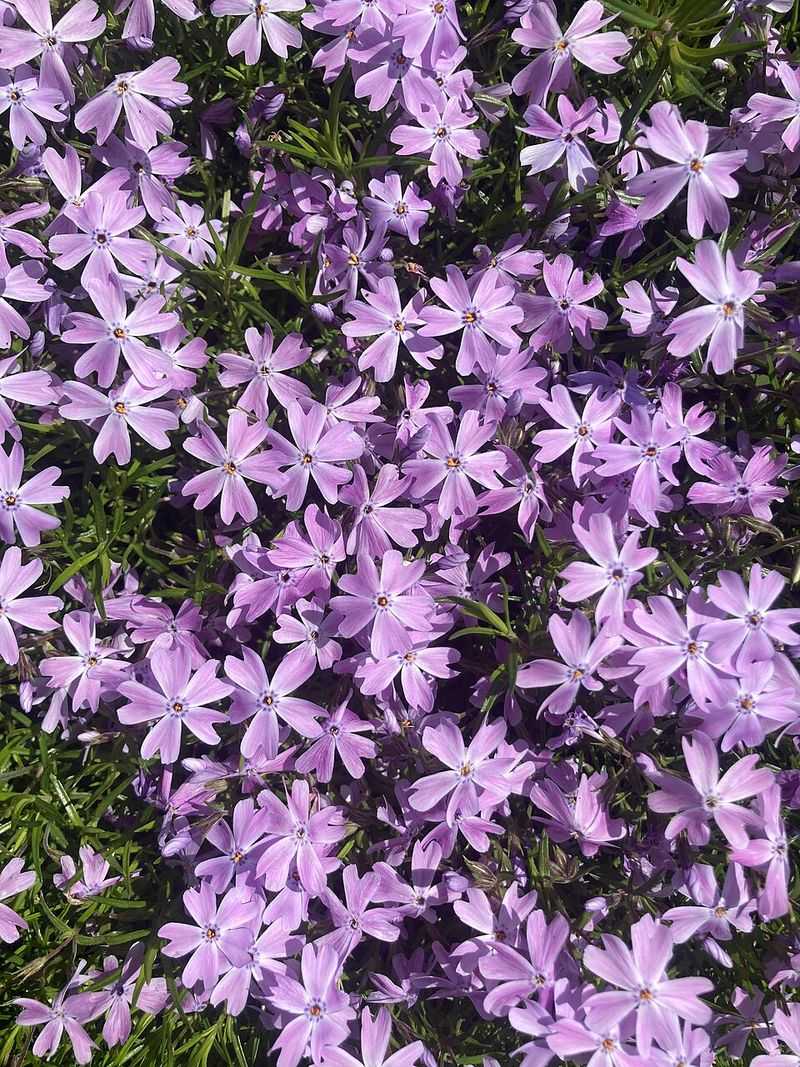
Spring borders in Pennsylvania wake up fast when carpets of creeping phlox start flowering across slopes, edging, and rock walls. You get a blanket of pink, lavender, blue, or white blooms that softens hard lines and makes mulch look plain by comparison.
Once established, it fills gaps efficiently and keeps soil from washing away during heavy spring rains.
Full sun gives the best flowering, so I would save this one for front beds, retaining walls, and dry banks that bake a bit in summer. Good drainage matters more than rich soil, which makes it practical for tough spots where shredded bark often shifts or thins out.
After bloom, the evergreen foliage still forms a tidy mat that keeps the area looking intentional.
Spacing plants about a foot apart usually gives a quicker cover without overcrowding, and a light shearing after flowering helps maintain density. You can pair it with tulips, dwarf iris, or ornamental grasses for a layered look that feels planned instead of busy.
If you want a colorful ground cover that reads polished from the street, this one earns its spot fast.
Ajuga
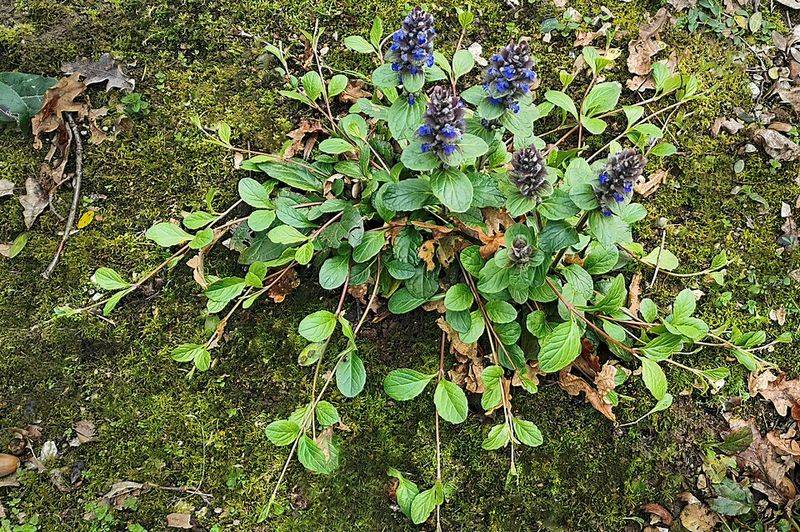
Shady beds can feel flat when mulch is doing all the visual work, and ajuga changes that quickly with glossy foliage in deep green, bronze, burgundy, or nearly black tones. In spring, short blue flower spikes rise above the leaves and brighten areas where many colorful plants struggle.
It spreads by runners, so bare patches disappear faster than you might expect.
Morning sun or bright shade tends to produce the best color in Pennsylvania gardens, especially where summers get humid. This is one of those plants that works nicely under deciduous trees, along walkways, or in awkward corners near foundations where mulch often scatters.
Because the foliage stays low and dense, weeds have a harder time finding open soil.
You will want decent drainage and enough airflow to reduce crown rot, especially in heavier soils or crowded beds. I like using ajuga as a visual bridge between hostas, ferns, and spring bulbs because it gives structure before everything else reaches full size.
For gardeners who want dependable color from leaves as much as flowers, it delivers more personality than a pile of bark ever could.
Sedum
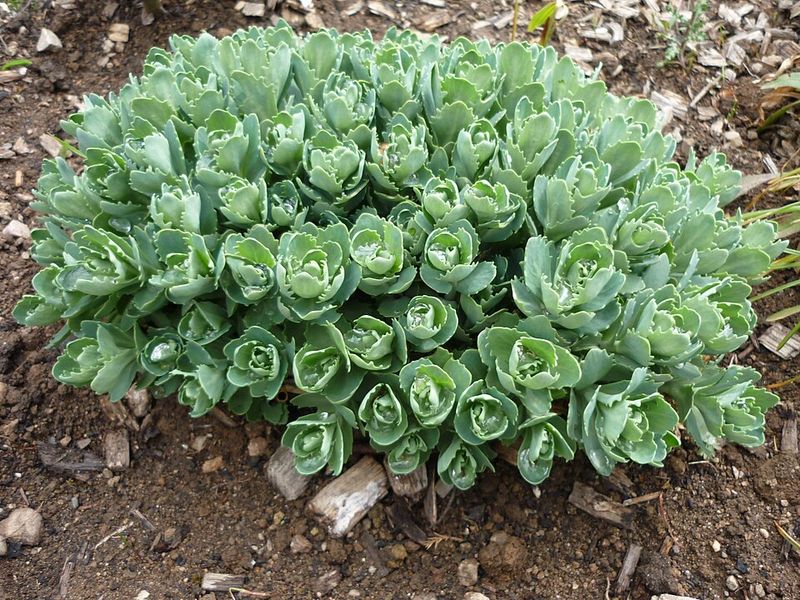
Hot, dry spots in Pennsylvania often turn mulch into a faded layer that needs refreshing, while low sedums settle in and start looking better with time. Their succulent foliage comes in chartreuse, blue green, red tipped, or golden shades, so color lasts well beyond bloom season.
Many types stay neat and low, making them useful between stepping stones, along edging, or on sunny slopes.
Excellent drainage is the key, which makes gravelly or sandy beds a real advantage instead of a problem. Once roots establish, these plants handle summer heat with very little complaint, and they rarely ask for extra water except during prolonged drought.
Tiny star shaped flowers in pink, yellow, or white bring in pollinators without making the bed feel overgrown.
You can mix several sedum varieties together for a patchwork effect that reads intentional and modern. I would avoid rich, constantly wet soil because stems can flop or rot when conditions stay soggy, especially through winter.
If your goal is a bright, low maintenance cover that thrives where many traditional ground covers sulk, sedum turns the toughest bed into one of the most colorful parts of the yard.
Bugleweed
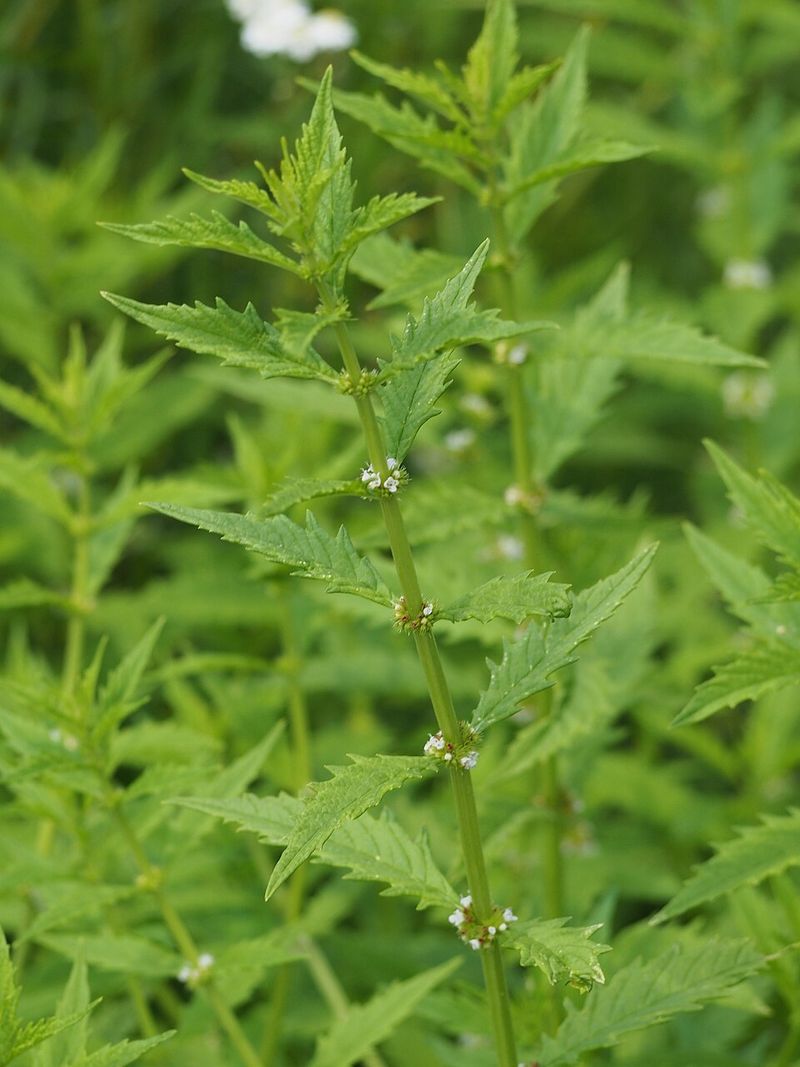
For gardeners who want quick coverage with strong leaf color, bugleweed earns attention because it creates a dense mat in a relatively short time. Many cultivars offer purple, chocolate, or variegated foliage that keeps the bed interesting even when flowers are not the main event.
In spring, blue flower spikes add another layer of color that reads bright without feeling too flashy.
Partial shade is often ideal in Pennsylvania, though it can handle more sun when soil does not dry out too aggressively. This makes it useful around shrubs, at the edge of woodland beds, or in those in-between areas where full sun lovers struggle and mulch starts looking patchy.
As the runners spread, they knit the soil surface together and reduce open space for weeds.
A little editing now and then keeps it from wandering into lawns or neighboring perennials, so placement matters. I like how it softens the base of hydrangeas and small ornamental trees while still leaving room for taller plants to shine above it.
When you need a colorful living carpet that covers ground fast and gives you a richer look than plain bark, this is a practical, attractive choice.
Sweet Woodruff
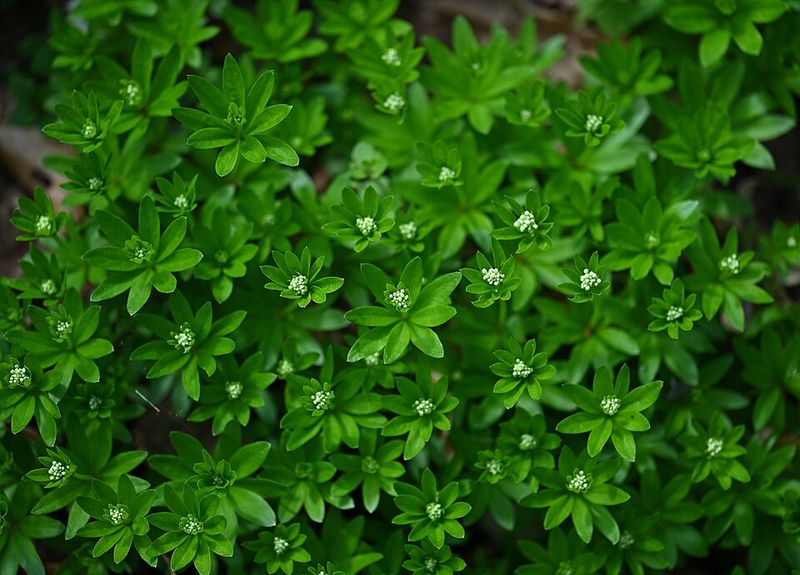
Deep shade often leaves gardeners choosing between bare soil and endless mulch, but sweet woodruff brings a softer, greener answer. Its whorled leaves create a refined carpet that feels almost tailored beneath shrubs and trees, and late spring brings small white flowers that brighten dim corners.
The effect is calmer than a showy flower display, yet still noticeably more decorative than bark chips.
Moist, well drained soil gives the best performance, especially in Pennsylvania gardens with mature trees and afternoon shade. Once established, it spreads steadily without looking wild, which makes it useful in woodland borders, along shady paths, or under old lilacs where grass never really succeeds.
The foliage also releases a pleasant scent when brushed or cut, adding one more quiet detail.
You will get the strongest results if you keep it out of hot, dry exposure and give new plantings regular water their first season. I like pairing it with hellebores, ferns, and hostas because the fine texture offsets larger leaves beautifully.
If your landscape needs a shade-loving ground cover that looks thoughtful and polished instead of simply filled in, sweet woodruff is an easy plant to appreciate.
Creeping Thyme
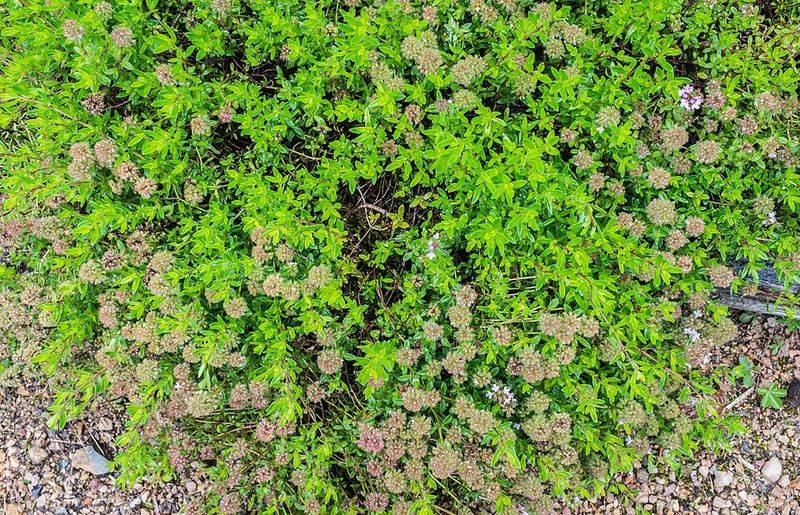
Sunny paths and gravelly beds feel more alive when creeping thyme replaces mulch with a low mat of fragrant foliage and tiny blooms. In summer, pink, purple, or magenta flowers can nearly cover the leaves, turning walkways and stone edges into color bands instead of blank filler space.
Because it stays low, it keeps the look clean rather than spilling everywhere.
Sharp drainage is essential, so this ground cover shines in raised beds, rock gardens, and between stepping stones where water does not sit. Pennsylvania gardeners with heavy clay may need to amend planting areas, but the payoff is a hardy, drought tolerant plant that can handle heat better than many flowering covers.
Bees love the flowers, which adds movement and seasonal life to the garden.
Light foot traffic is usually fine, especially around paths that get occasional use rather than constant pounding. I would choose it for places close to patios or entries where that herbal scent gets noticed when someone brushes by.
If you want a practical alternative to mulch that adds color, fragrance, and a little old-house charm without a lot of maintenance, creeping thyme is hard to beat.
Lamium
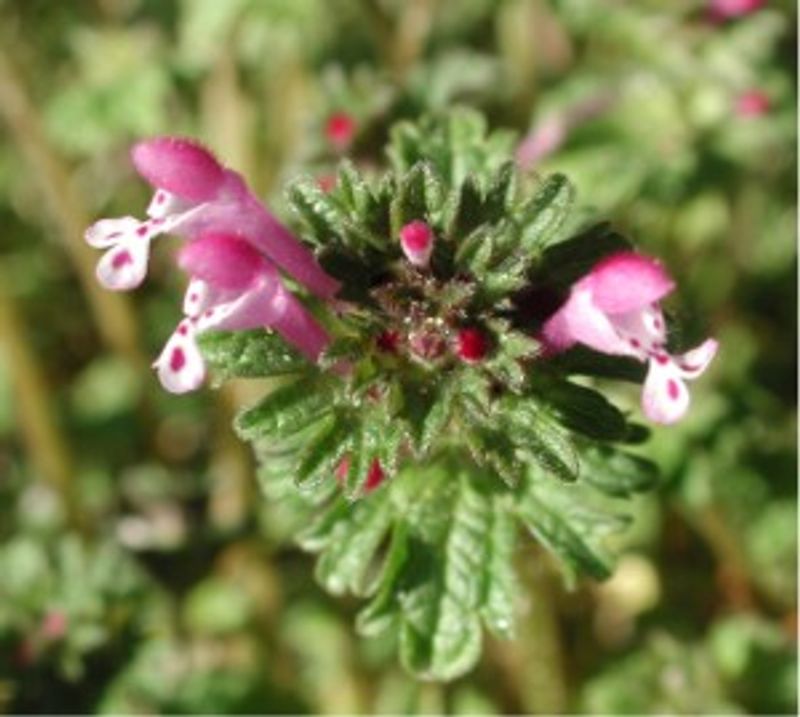
Some of the brightest shade gardens rely on foliage more than flowers, and lamium proves that point beautifully. Silver splashed leaves catch available light and make dark corners feel brighter, while pink, purple, or white flowers appear over a long stretch of the growing season.
It spreads in a loose mat that covers soil attractively without looking stiff or overly formal.
Partial shade is usually the sweet spot in Pennsylvania, especially with protection from the hottest late afternoon sun. This is a strong choice for the front of shrub borders, under small trees, or along foundations where you want contrast against green hostas and darker evergreen plants.
Because the foliage reflects light, even a small planting can make the bed look more finished.
Regular moisture helps it stay fresh in summer, though established plants are more forgiving than many people expect. I like using lamium where mulch would otherwise dominate the visual space, particularly in narrow side yards or north facing beds that need a lift.
For gardeners who want color from spring through frost and appreciate plants that brighten shade instead of merely surviving it, this one brings a lot to the design.
Creeping Jenny
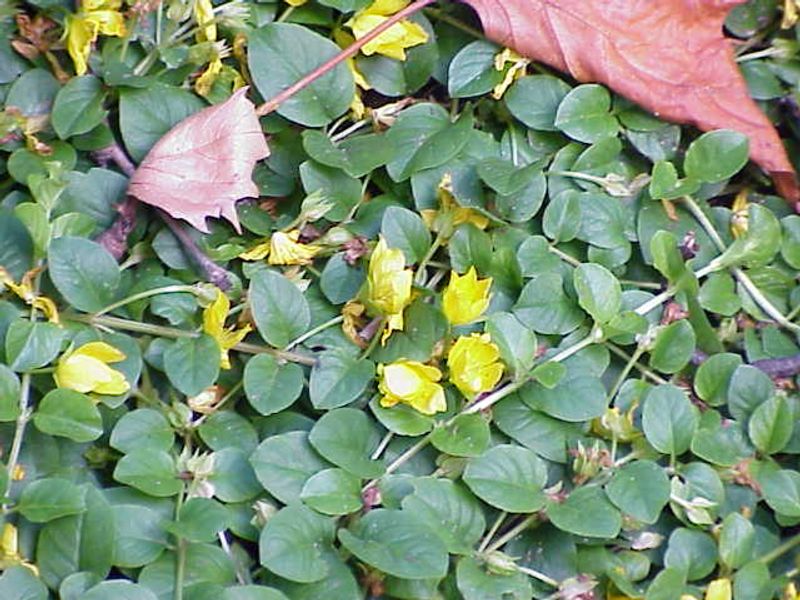
Bright chartreuse foliage can wake up a planting bed faster than another load of mulch, and creeping Jenny does that with almost no subtlety. Its trailing stems spill over edging, weave through larger perennials, and create a bold color contrast that reads fresh from spring through fall.
In the right spot, it looks especially striking near dark stone, burgundy leaves, or blue flowering plants.
Moist soil helps it perform at its best, so Pennsylvania gardeners often use it near downspouts, pond edges, rain gardens, or beds that do not dry out too hard in summer. Full sun gives the strongest golden color in many sites, though a bit of afternoon shade can prevent scorching during hotter spells.
Small yellow flowers appear in season, but the foliage is really the headline here.
You will want to watch its spread because vigorous growth is part of the package, not a surprise. I like using it where that energy is useful, such as around larger shrubs or in containers that need a trailing accent at the edge.
If your garden needs a living ground cover that punches up color and softens borders with a casual, flowing effect, creeping Jenny makes mulch seem pretty forgettable.
Barrenwort
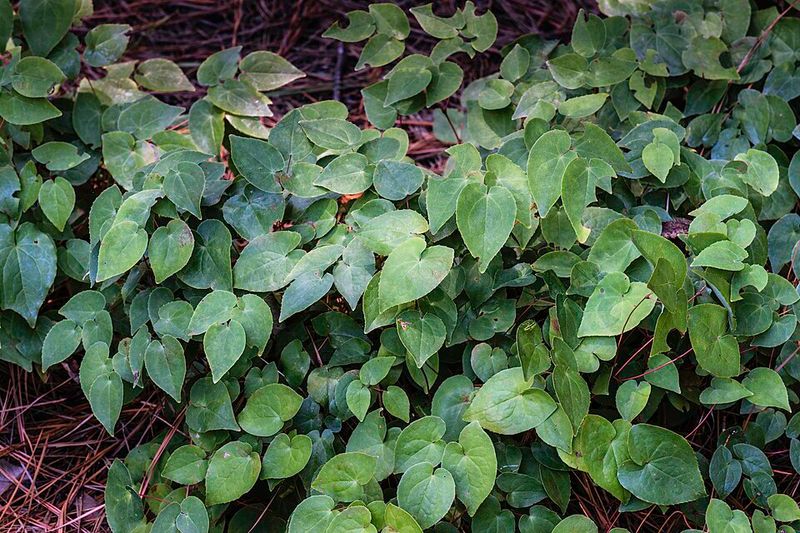
Dry shade is one of the hardest garden conditions to fill beautifully, and barrenwort handles it with a lot more grace than most people expect. Heart shaped leaves emerge with bronze, red, or copper tones in spring, then mature into a dense layer that covers soil neatly through the season.
Delicate flowers float above the foliage in soft yellow, pink, orange, or white, adding charm without demanding center stage.
Pennsylvania gardeners often struggle under mature maples and old oaks, where roots compete for every bit of moisture. This is one of the few colorful ground covers that can settle into those spaces and still look intentional rather than merely tolerant.
It also asks for very little once established, making it a smart option for foundation beds and woodland edges that are hard to irrigate regularly.
Last year’s foliage can be trimmed in late winter so the new leaves and flowers show clearly in early spring. I like pairing barrenwort with hellebores, ferns, and spring bulbs because the textures feel layered and collected, not crowded.
When a bed needs a refined living cover in difficult shade, this plant offers color, resilience, and a calm structure that mulch alone simply cannot provide.
Vinca Minor
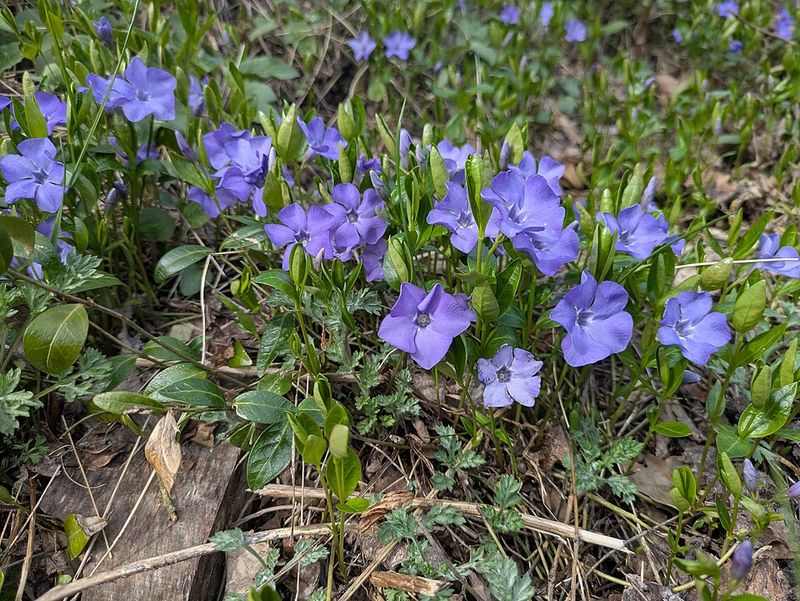
Steep banks and shady side yards often eat up mulch, especially after heavy rain, but vinca minor holds ground with a thick evergreen mat. Blue violet flowers appear in spring and often repeat lightly, bringing color to places that usually get treated as purely functional.
The glossy leaves keep beds looking covered even in winter, which is a big visual upgrade over exposed soil and thinning wood chips.
It performs best in partial shade to shade, though it can take some sun when moisture is dependable. Pennsylvania gardeners frequently use it on slopes, beneath shrubs, and around older homes where tree roots and difficult access make frequent mulching annoying.
Once the stems knit together, erosion becomes much less of a problem and weeds have fewer openings.
This plant has a strong spreading habit, so I would reserve it for areas where a vigorous ground cover is actually helpful. It is not the right choice beside delicate little perennials, but it excels in larger utility spaces that still deserve to look attractive.
If you need dependable color, year round coverage, and a practical answer for challenging shade, vinca minor remains one of the most useful living alternatives to mulch.
Heuchera
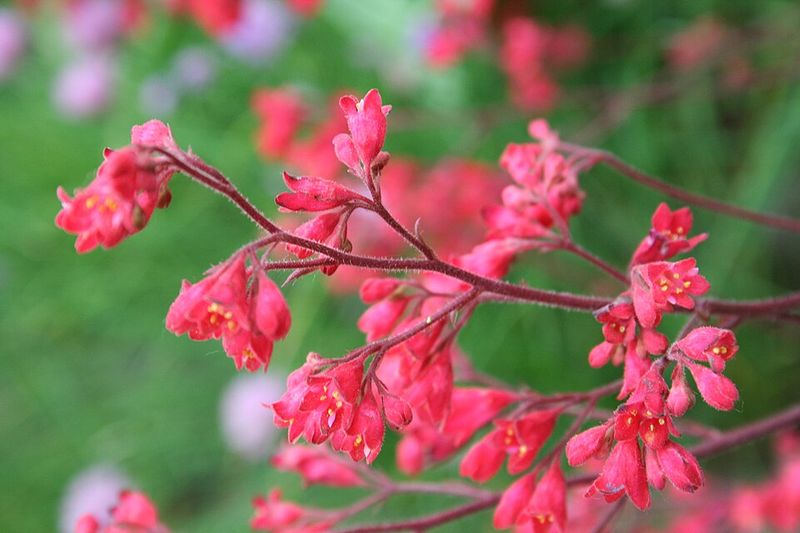
Ground cover does not always have to creep tightly across the soil to replace mulch effectively, and heuchera proves that with bold foliage color. Massed together, these plants create a low tapestry of purple, caramel, lime, silver, and near black leaves that gives planting beds a designed look all season.
Airy flower stems add another layer in late spring and summer without overwhelming nearby perennials.
In Pennsylvania gardens, partial shade with morning sun often produces the richest leaf color and the healthiest growth. Good drainage is important, especially through winter, so raised beds and amended soils can make a noticeable difference.
Used in groups, heuchera covers enough visual space that you can reduce mulch dramatically and still keep the bed looking full.
I like it at the front of borders, around patios, or in mixed foundation beds where leaf contrast matters as much as bloom. Pairing several cultivars creates a patchwork effect that feels collected and personal rather than too uniform.
If you want a colorful planting that stays tidy, handles four seasons well, and adds more sophistication than a simple mulch layer, heuchera is a strong candidate for the job.
Irish Moss
For a soft, cushiony look around stepping stones and rock features, Irish moss gives a garden bed a finished feel that mulch cannot match. The bright green mat stays very low and reads almost like living upholstery, especially in small spaces where texture matters.
Tiny white flowers appear in late spring, adding a light seasonal accent without interrupting the clean effect.
Cooler conditions suit it well, which is why many Pennsylvania gardeners have success in areas with morning sun and afternoon protection. Consistent moisture and decent drainage are both important, so this is not the plant for baking dry strips beside a hot driveway.
It shines in rock gardens, between pavers with light traffic, and along the edge of small ornamental beds.
You will get the best results by avoiding overly wet winter conditions and by keeping fallen leaves from smothering the mat in autumn. I like the way it highlights stones, miniature conifers, and compact alpines, making even a modest planting look carefully composed.
If your goal is a colorful, low profile ground cover with a refined texture and a cooler northern feel, Irish moss is a charming alternative to mulch.