
The 9 Flowers Texas Gardeners Are Planting Now To Keep Rats Out Of The Beds
Follow us on Google
You step outside before breakfast and the patio already feels warm, promising another scorcher.
Then you spot it, a knocked-over planter and a scattering of droppings by the shed.
The rats are back, and it feels like a personal insult to your quiet Texas yard.
But before you reach for harsh poisons, imagine your beds turning into fragrant little fortresses that push rodents away on their own.
Here are nine flowers many Texas gardeners are planting right now to keep rats out of the beds they love.
1. Marigolds Create A Pungent Perimeter
Rats read the world through their noses.
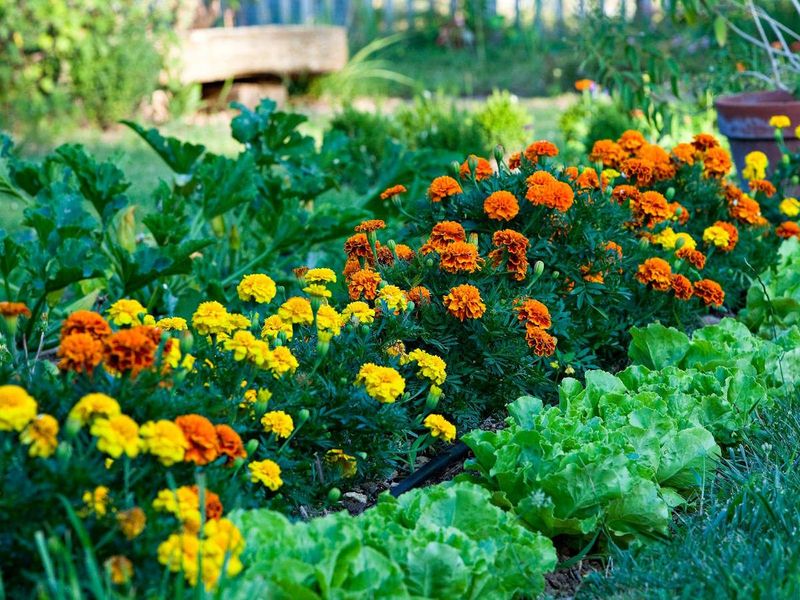
A smell they cannot stand acts like a wall they will not cross, and marigolds, or Tagetes spp., happen to be exactly that kind of wall.
These cheerful annuals throw off a musky, sharp scent that rodents genuinely dislike.
Picture a big stinky stay-away sign written in their language, planted right where they want to sneak in.
Many Central Texas gardeners run marigolds in dense rows along bed edges to build an aromatic fence line.
In our brutal summers the plants take full sun and shrug off short dry stretches once rooted, needing only moderate water.
You can start them from seed in spring, but if you are planting in August, grab established transplants from a local nursery for instant color and scent into fall.
Space them 6 to 12 inches apart so the barrier stays solid with no gaps for a curious rat to test.
It is not a magic solution on its own, but it is one honest layer that makes your beds a far less inviting dinner table.
And you get months of gold and rust color out of the deal.
2. Lavender’s Soothing Scent Drives Rodents Away
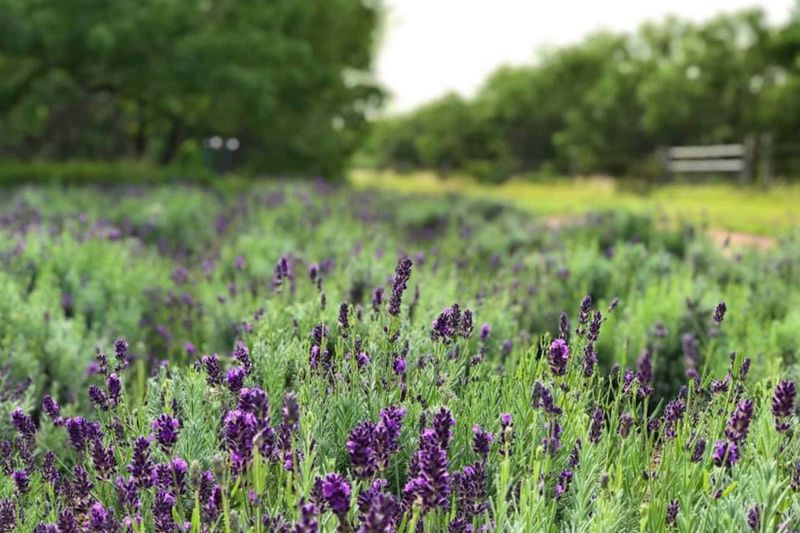
Funny thing about lavender, the smell that calms you down does the opposite to a rat.
To them that soft purple haze is an overwhelming cloud they want no part of.
The essential oils inside Lavandula angustifolia, especially linalool, scramble a rat’s ability to sniff out food and safe paths.
Trying to find a snack while everything reeks of a perfume counter is a losing game for them.
Lavender is a tough perennial that fits much of Texas, from the alkaline soil of the Hill Country to the heavier clays up north.
It wants full sun, low humidity, and fast-draining ground, thriving roughly in USDA Zones 5 through 10.
Plant it in late summer or early fall and the roots settle in before cold arrives, ready to explode with blooms come late spring.
Set bushes 1 to 3 feet apart around your home or garden structures to build a scented ring rodents avoid.
You win fragrance on the porch while the pests get pushed off.
That is a quiet kind of victory.
3. Rosemary’s Robust Aroma Repels Pests
Blunt truth, rosemary might be the most low-fuss bodyguard on this whole list.
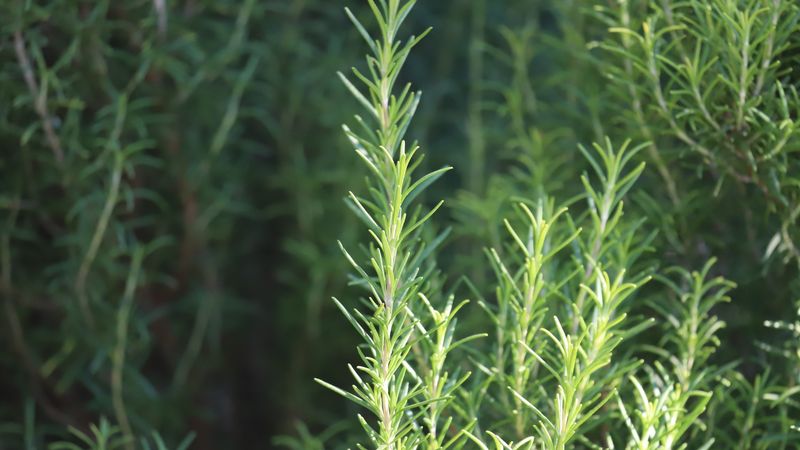
Salvia rosmarinus is a woody perennial herb that thrives in our heat and pushes out a resiny scent rats actively hate.
The aroma works like an irritant on their sensitive noses, nudging them to go forage somewhere blander.
Texas gardeners love it because it asks for almost nothing once it is settled.
Rosemary wants full sun and well-drained soil, and it laughs off long dry spells after establishing.
Plant it now so it roots before any cool weather rolls in.
Give it room, because a happy bush can hit 4 to 6 feet tall and wide.
Keep it about 3 feet from neighbors, especially if you want a fragrant hedge running down a fence line.
Tuck it along your foundation or the outer edge of your beds to close off the sheltered pathways rats love to travel.
And when dinner needs a sprig, your defense system doubles as the spice rack.
4. Mint Varieties Create A Strong Scent Barrier
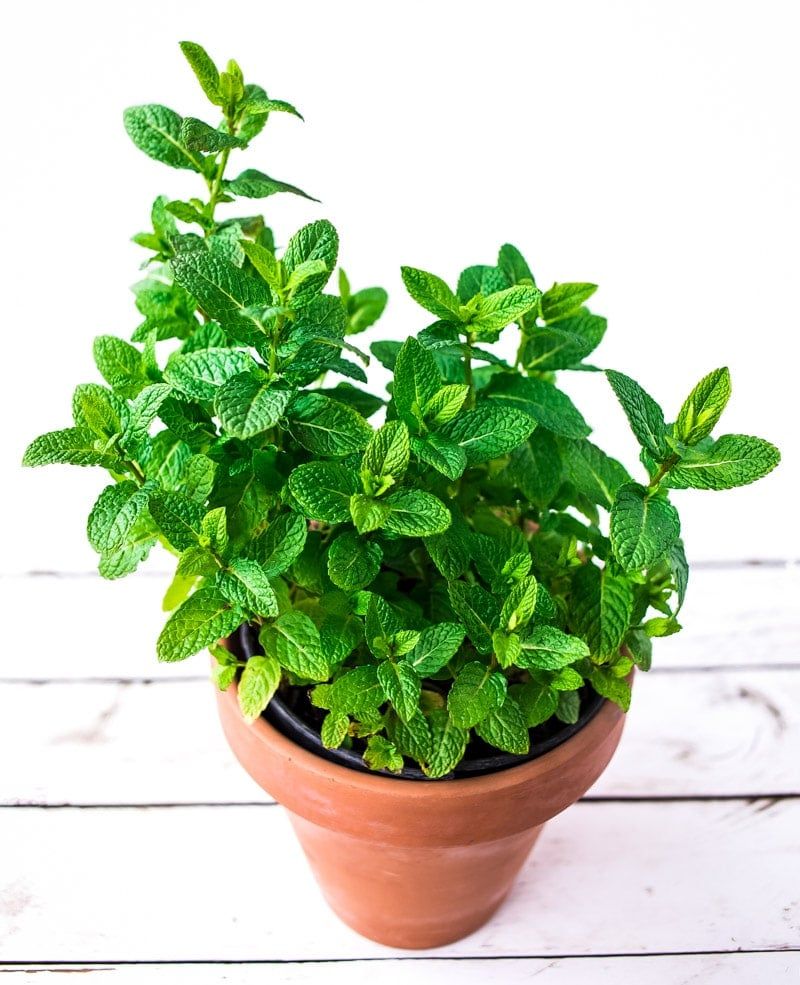
Everybody loves the smell of mint, but to a rat it is genuinely too much.
Peppermint (Mentha piperita) and spearmint (Mentha spicata) carry potent oils that overwhelm a rodent’s nose and make nesting nearby feel unsafe.
Here is where it gets tricky.
Mint is famously aggressive, and in the rich blackland clay of North and Central Texas, or the sandy acidic soil of East Texas, it will swallow a bed whole if you turn your back.
So plant it in containers, full stop.
A pot at least 12 inches across keeps those runaway roots in check while still parking the scent right where you want it.
Set those pots near entry points, at vulnerable bed corners, or along porch edges.
Mint likes full sun, but in our punishing summer many gardeners find it happier with a little afternoon shade and steady moisture.
Plant it now for immediate effect, and snip the flower spikes as they appear to keep it bushy and slow the spreading.
One layer of defense, plus a jar of fresh tea leaves whenever you want.
5. Chrysanthemums Pack A Potent Punch
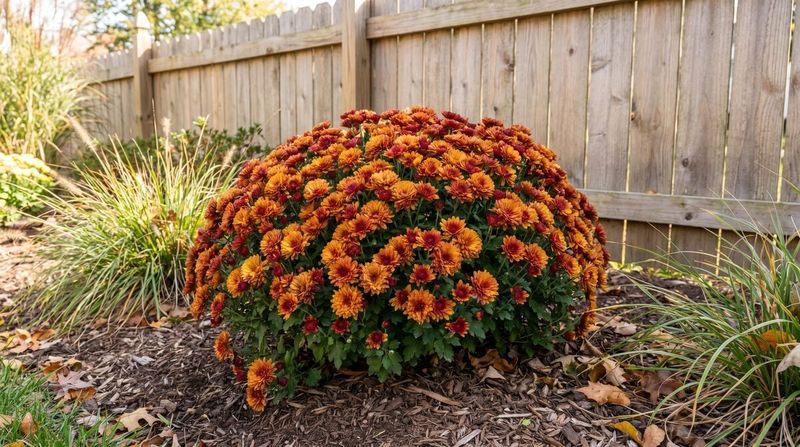
Mums are more than a pretty fall porch decoration, they carry a real weapon.
Chrysanthemum spp. contain pyrethrin, a natural compound that acts on the nervous system of rats and plenty of other pests.
When a rat wanders through, that compound makes the spot feel unpleasant and disorienting.
The message lands clearly, move along, nothing good here.
The pyrethrin concentrates around those prominent yellow centers, so blooming plants do the most work.
Many varieties flower from late summer into fall, which makes established plants perfect for planting in August.
Mums want full sun and well-drained soil, which matters on the Gulf Coast with its mixed clay and sand, or in the shallow alkaline soil of the Hill Country.
Space them 18 to 24 inches apart for a dense protective display.
Water regularly and feed monthly to keep them blooming hard.
You get knockout autumn color and a built-in deterrent working the whole time, which is a genuinely good trade.
6. Nasturtiums Offer A Spicy Surprise
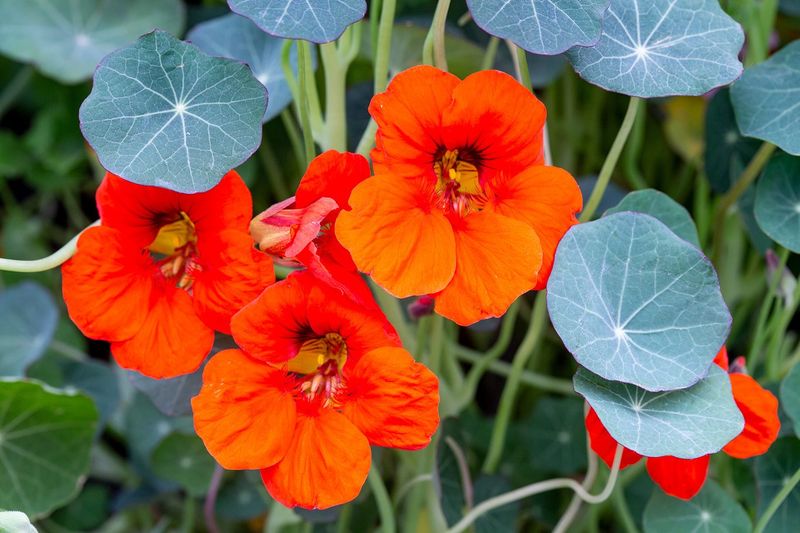
Do not let those innocent round leaves and cheerful blooms fool a soul.
Nasturtiums (Tropaeolum majus) hide a spicy, peppery bite that rats find deeply unappealing.
The sharp scent confuses rodents and the bitter taste sends them elsewhere fast.
It is a sneaky layer of defense that smells and tastes wrong to the exact pests you are fighting.
These grow quickly from seed, though for a quick August start you might chase down transplants.
Sown in spring or early summer, they bloom generously right up until the first hard freeze.
They love full sun but tolerate some partial shade during peak Texas heat.
Nasturtiums are not picky about soil and even do fine in poorer ground, as long as drainage is good.
Space them 8 to 12 inches apart around bed edges or in containers near soft spots.
Bonus, they pull aphids toward themselves and away from your prized plants, working as what gardeners call a trap crop.
7. Daffodils Provide Seasonal Protection
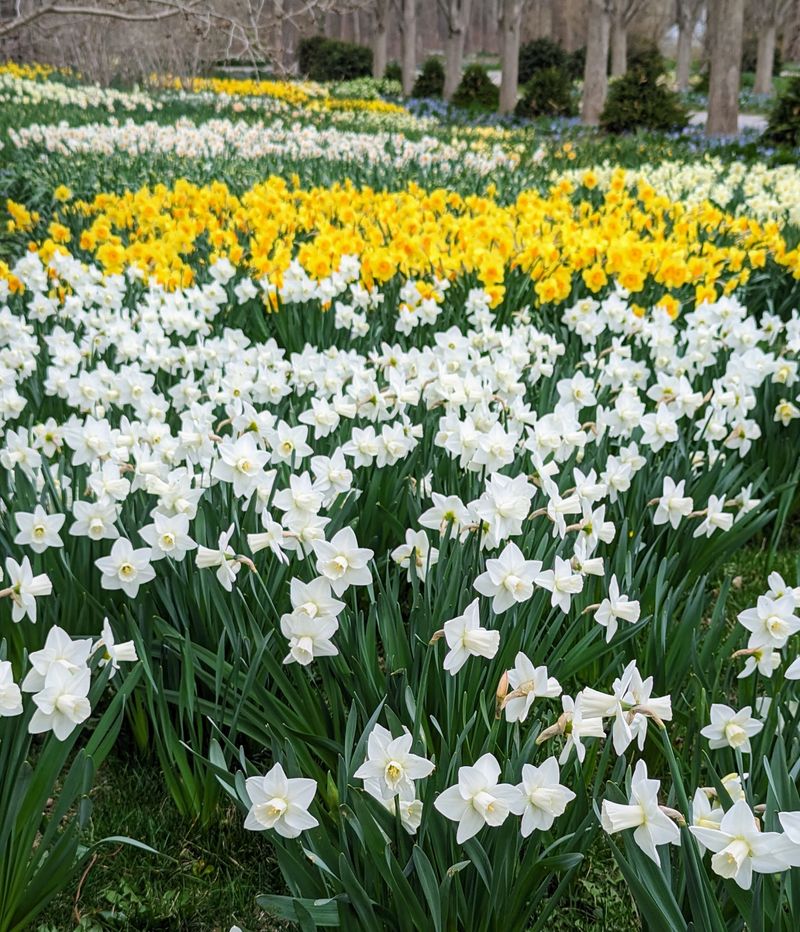
Most folks picture daffodils as a happy sign that spring has arrived.
But their rat-fighting job actually starts underground months before anyone sees a bloom.
Narcissus spp. contain compounds that are genuinely toxic to rats.
One nibble teaches a rodent a fast, unpleasant lesson, and it learns to steer clear of that patch entirely.
You will not see color in August, so this one plays the long game.
Plant the bulbs in autumn to lock in protection for the following spring.
Pick a sunny spot with well-drained soil, and daffodils handle a range of Texas ground, from the sandy loams of East Texas to heavier clay.
Set the bulbs about 6 inches deep and 4 to 6 inches apart, pointed end up.
They ask for almost nothing afterward and return year after year.
Just remember these are mainly a spring guard, shielding tender new growth when hungry pests are hunting hardest after winter.
8. Rue’s Potent Aroma Is A Rat Repellent
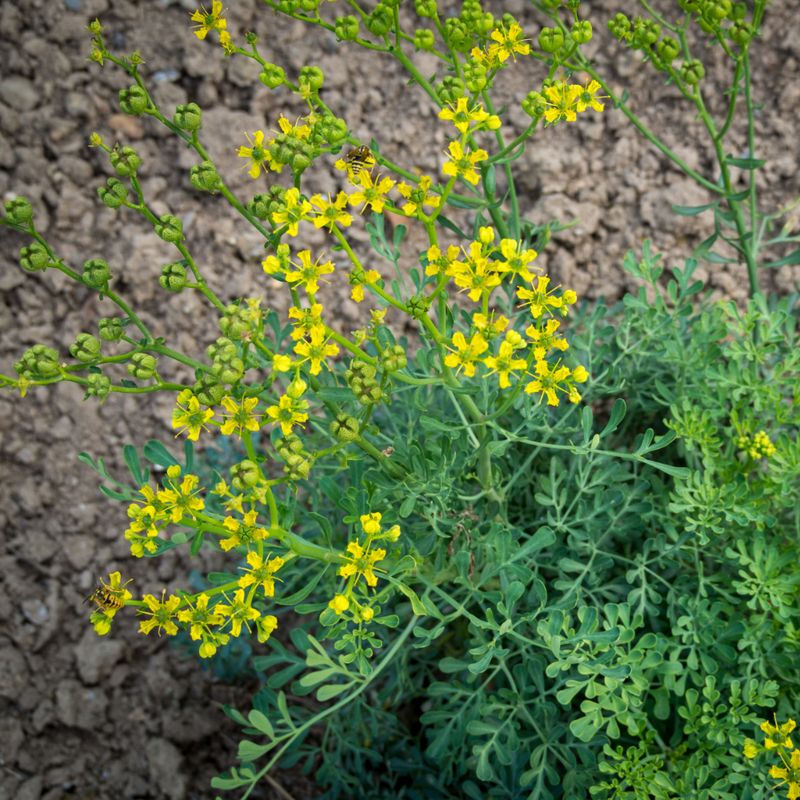
Ask most gardeners about rue and you get a blank look, which is a shame for anyone truly battling rats.
Ruta graveolens is a perennial herb with a sharp, almost acrid smell that rodents find flat-out offensive.
That strong scent tells rats plainly your garden is no place to forage or nest.
It is not the prettiest ornamental around, but its honest effectiveness earns it a spot when the fight gets serious.
Rue is hardy across much of Texas, taking full sun and tolerating partial shade, so it fits plenty of odd corners.
It prefers soil that dries between waterings, poke a finger 2 inches down and water only when it feels dry.
Give each plant about 2 feet of room, since a bushy specimen can reach 2 to 3 feet tall.
Plant it now so it establishes ahead of cooler weather.
Run it along fence lines and near entry points to block rat highways.
One heads-up, some people get skin irritation from handling it, so wear gloves when you prune.
9. Texas Hummingbird Mint Adds Native Defense
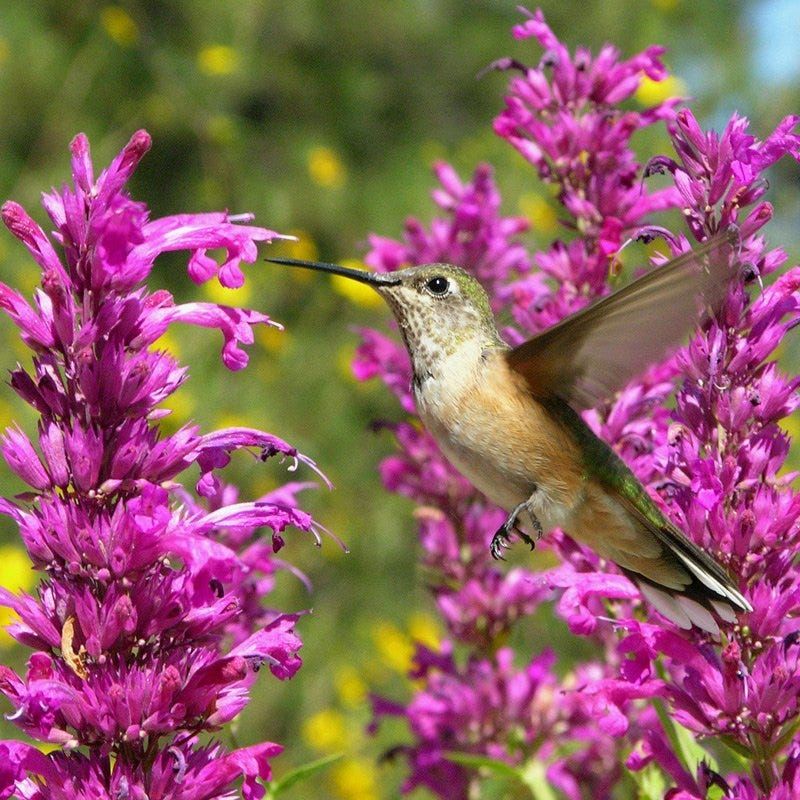
For a homegrown touch to your rat defense, reach for Texas Hummingbird Mint, Agastache cana.
Native to parts of western Texas and New Mexico, this sturdy perennial sends up rose-pink tubular flowers from early summer into early fall.
Beyond the looks, crush a leaf and you get a mint-bubblegum scent that helps push rodents back.
It is a fine example of a native plant pulling double duty in the landscape.
It thrives in full sun and well-drained soil and shrugs off drought, poor dirt, and our brutal heat and humidity.
Those are conditions gardeners face everywhere, from the caliche of the Hill Country to the mixed soils near the Gulf Coast.
Plant Agastache cana now in August and it establishes fast, blooming and guarding through the season.
It reaches 18 to 36 inches tall and 12 to 24 inches wide, spreading by underground stems and self-seeding, so set plants about 18 inches apart.
The real payoff, it draws hummingbirds, butterflies, and bees during the fall monarch migration, filling your yard with motion while rats keep their distance.