
The 8 North Carolina Patio Plants That Shrug Off Full Sun And Reflected Concrete Heat
Follow us on Google
You drag your patio chair into the shade, but the heat bouncing off the concrete still finds you. It is past noon in the Piedmont, the sun beating down, and the air shimmers above the pavers.
You love your North Carolina patio, but some days it feels like a furnace that cooks every plant you set out there. The good news is that a handful of tough plants genuinely do not mind.
These eight actually thrive when temperatures climb into the high 90s and the concrete bakes, and they can turn your hottest spot into a wall of color.
1. Let Lantana Brighten Up Your Toughest Spots
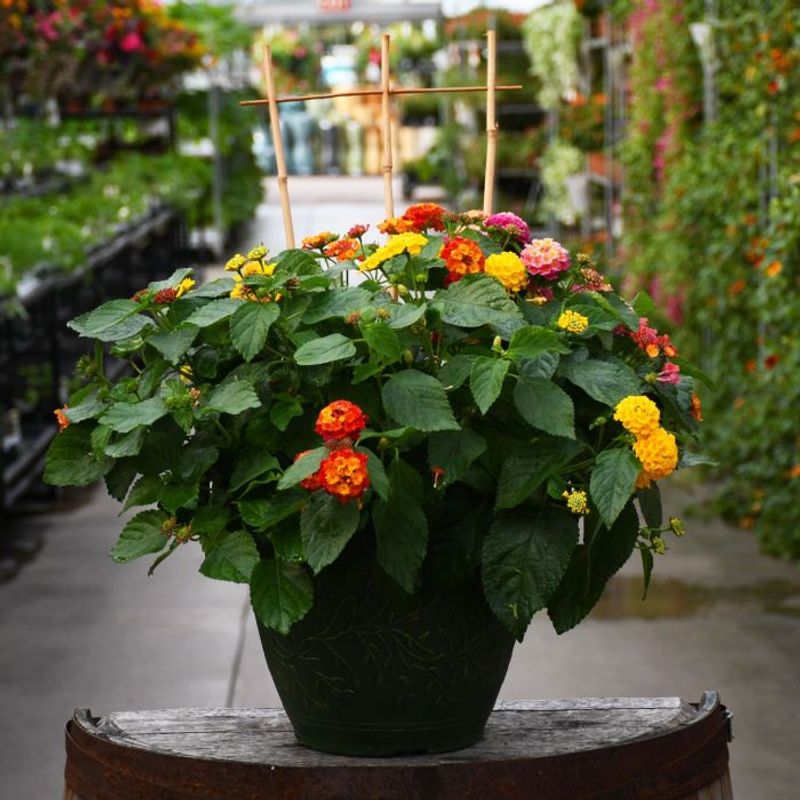
You know how some plants wilt dramatically the second the sun gets serious? Lantana does the exact opposite.
It seems to soak up every ray and shine brighter for it.
Lantana (Lantana camara) is a true heat-lover, practically built for the long, muggy North Carolina summers. It wants full sun and shrugs off the reflected heat off your patio without a complaint.
Here is where it gets tricky. Many people believe lantana needs constant watering, but that is not actually the case once it settles in.
It likes moist, well-drained soil at first, then turns remarkably drought tolerant after its roots establish. For containers, make sure the pot has real drainage holes.
In the Coastal Plain and parts of the Piedmont, hardy types like Miss Huff can return year after year, sometimes surviving down to USDA Zone 7b. Plant in spring after the last frost, usually around mid-April near Raleigh.
You will get continuous blooms from midsummer until the first frost, plus a steady parade of butterflies and hummingbirds.
One honest heads-up. The leaves can cause minor skin irritation for some people, and the unripe berries are toxic, so keep curious kids and pets in mind.
Beyond that, lantana asks almost nothing and gives back all summer.
2. Salvia Offers Blooms And Pollinator Appeal
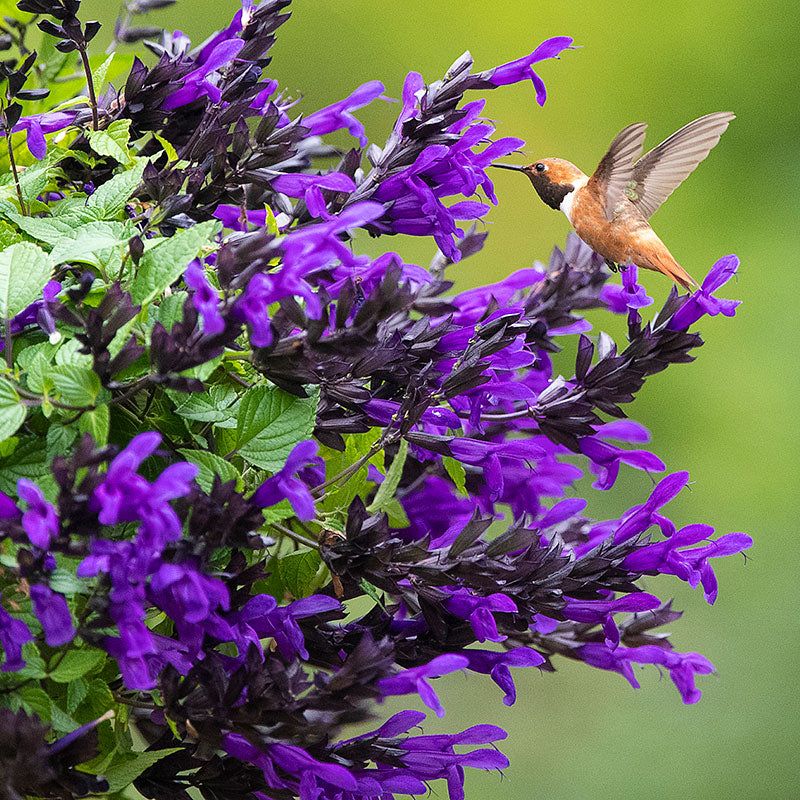
You might have seen salvia in gardens before, but its toughness sneaks up on people. Many salvia species (Salvia spp.) are absolute champions against North Carolina’s relentless summer sun and dry stretches.
They belong to the mint family. Most varieties do not have fragrant flowers, but the foliage often carries a pleasant scent when you brush it.
That same pungency is why deer and rabbits tend to leave them alone, which is a genuine bonus for any backyard gardener.
Salvia thrives in full sun, wanting at least six to eight hours of direct light a day. Some lighter-colored varieties appreciate a little afternoon shade during the worst of the heat.
Well-drained soil matters here, because salvia hates what gardeners call wet feet.
When you plant in containers, use a good potting mix and make sure water runs right through. Once established, salvia handles drought without drama.
You will find red, purple, blue, pink, and white flowers that pull in hummingbirds and butterflies all season.
So if you want blooms that work double duty, feeding pollinators while dodging the browsers, salvia earns its spot on the hottest corner of the patio.
3. Portulaca Creates A Cascading Carpet Of Color
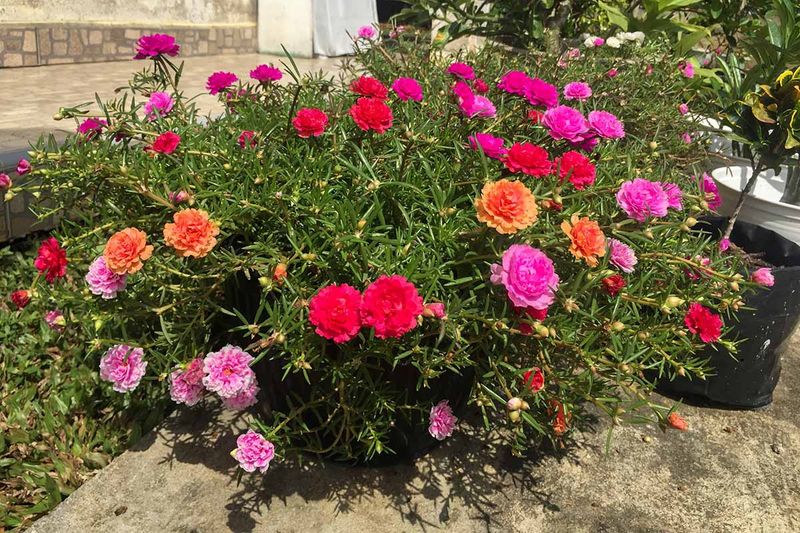
Picture a sea of jewel-toned flowers spilling over the edge of your hottest container, completely unbothered by the midday glare. That is portulaca (Portulaca grandiflora), also called moss rose or purslane.
These low-growing annuals are sun worshippers with thick, fleshy leaves that give away their secret. They are succulents.
Those plump leaves store water, so they laugh off the drought and extreme heat that would send other plants into a sad, crispy spiral.
Portulaca loves hot, dry conditions, which makes it a natural for those concrete-adjacent spots that hold heat like a skillet. Plant it in well-drained, sandy, or even rocky soil.
Overwatering is a bigger threat than underwatering here, so let the mix dry out completely between drinks. The roots run shallow, so good drainage genuinely prevents root rot.
You barely have to deadhead them, since they are mostly self-cleaning.
Just know the rose-like blooms close up at night and on cloudy days, waiting for the sun to coax them back open. On a bright Coastal Plain afternoon, they put on their best show right when you are out there to enjoy it.
4. Sedum Offers Unbeatable Resilience
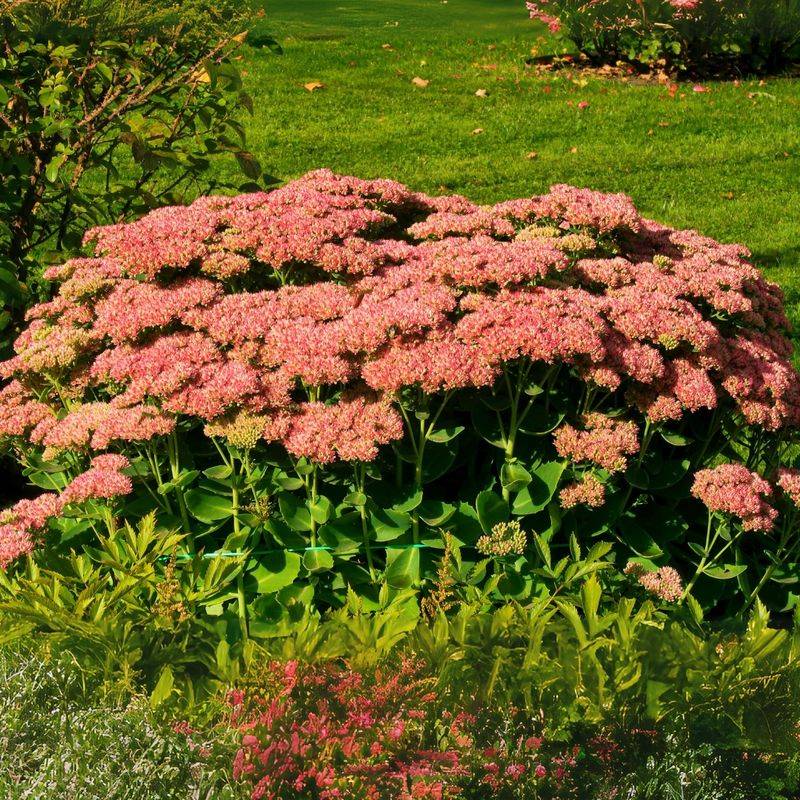
If you want a plant that is genuinely tough, a true survivor, sedum is your answer. Sedum (Sedum spp.), often called stonecrop, has become a go-to for North Carolina gardeners who want low fuss and high resilience.
These succulent perennials carry fleshy, water-storing leaves, much like portulaca, which makes them exceptionally drought and heat resistant. But they add a trick portulaca cannot match.
They are cold-hardy too, shrugging off summer scorchers and those surprise winter cold snaps we get.
Sedum loves containers because it thrives in well-drained, even poor or rocky soils. Give it full sun, at least six hours of direct light daily, and it performs.
You have options. Low, mat-forming types like Angelina bring chartreuse foliage that turns coppery in fall, while upright types like Autumn Joy send up clusters of pink, white, or red flowers in late summer.
Bees and butterflies swarm those late blooms right around the time fall monarchs are moving through.
The only thing sedum cannot stand is soggy feet, so skip the saucer that holds standing water. Get the drainage right and this quiet workhorse will outlast almost everything else on your patio.
5. Gaillardia Brings A Blanket Of Wildflower Charm
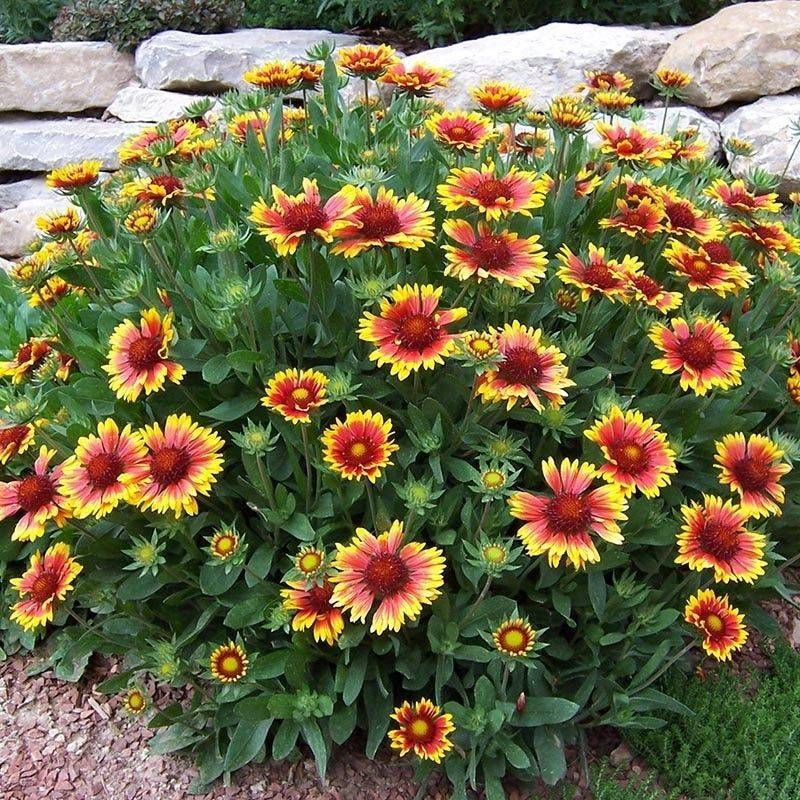
Imagine a splash of orange, red, and yellow, like a sunset caught in bloom, that keeps going all summer. That is gaillardia (Gaillardia x grandiflora), better known as blanket flower.
This cheerful wildflower is not just pretty. It is built tough, thriving in the full sun and thick humidity that define most of a North Carolina summer.
You will often spot its annual cousin, Gaillardia pulchella, blanketing sandy dunes along the coast.
Blanket flowers actually prefer dry conditions and turn highly drought tolerant once established, which makes them ideal for hot, exposed patio spots. They want at least six to eight hours of full sun a day and well-drained soil, and they take sandy or rocky ground in stride.
For containers, get the drainage right and water regularly through the first year to help them settle. After that, let the mix dry between waterings and step back.
Gaillardia blooms prolifically from summer into fall, drawing bees, butterflies, and even goldfinches that pick at the spent seed heads. So a plant that survives your neglect also feeds the birds.
That is a fair trade for a hot corner.
6. Coreopsis Delivers Sunny Daisy-Like Blooms
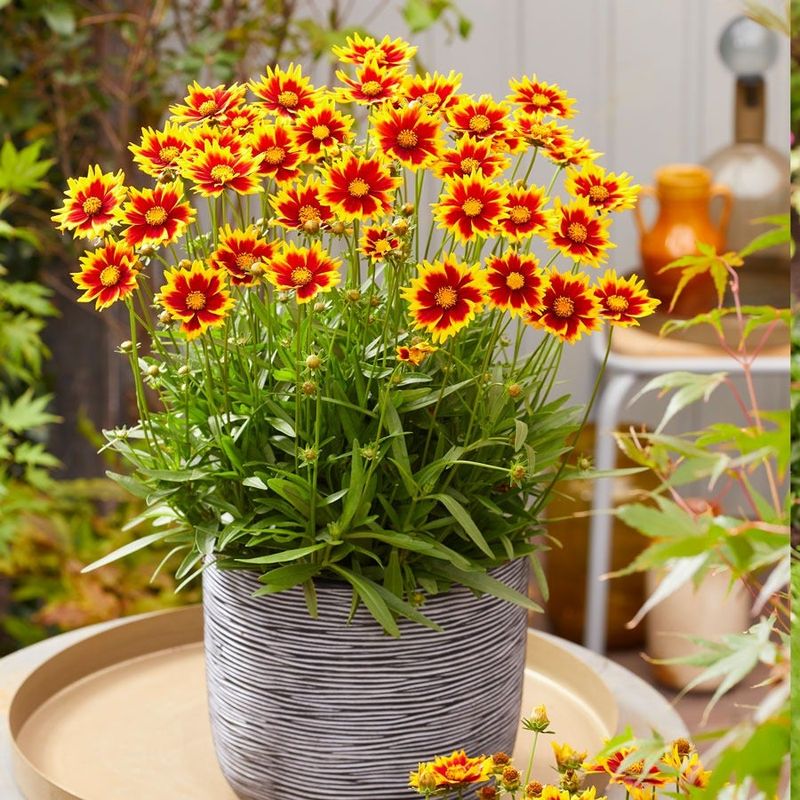
Want continuous cheer without constant fussing? Coreopsis (Coreopsis spp.), also called tickseed, is a native North American plant that fits sunny North Carolina patios beautifully.
The daisy-like flowers throw off a bright burst of yellow, red, or orange that lasts for months, often from early summer straight through to the first fall frost. Compact, mounding varieties are especially good in pots, forming tidy domes of foliage that hold their shape.
Coreopsis is a full-sun plant through and through, needing at least six hours of direct light daily. It demands well-drained soil, so if you are wrestling with heavy Piedmont red clay, use a light, fast-draining container mix instead.
Here is the part that trips people up. Coreopsis is drought tolerant in the ground, but in pots it dries out faster and needs more regular water.
Let the top of the soil dry, then water deeply, and pinch off spent blooms to push out more.
NC State Extension lists tickseed among reliable pollinator plants for the state, and you will see why once the bees and butterflies find it. A native that blooms this long, in this much heat, is a genuinely easy win.
7. Petunias Can Still Shine Brightly
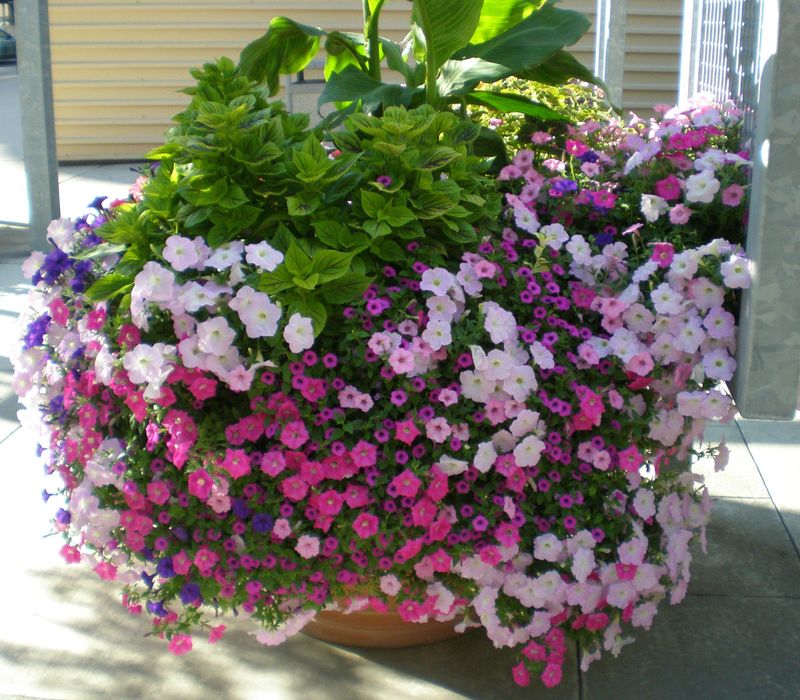
For years, petunias had a reputation for melting in a North Carolina summer, wilting under the heat and humidity. Breeding changed that story completely.
Modern petunia hybrids (Petunia x hybrida), especially the Wave and spreading types, are now vigorous, heat-tolerant powerhouses that genuinely thrive on a sunny patio. You can find them in nearly any color you want, from deep purples and hot pinks to crisp whites and soft yellows.
Petunias do best with a full six to eight hours of direct sun each day. In the very hottest spots, or on a wide-open patio that bakes, a touch of afternoon shade can protect them from sun stress.
Too much shade, though, and you trade flowers for leggy stems.
They want a rich, well-drained potting mix and steady moisture, because containers dry out fast in July. Feed them a balanced liquid fertilizer every two to three weeks and they will bloom nonstop from spring until frost.
Many new varieties are self-cleaning, so you skip the tedious deadheading altogether. If you gave up on petunias years ago, the newer ones deserve a second look.
They are not the delicate divas you remember.
8. Zinnias Bring Joyful, Continuous Color
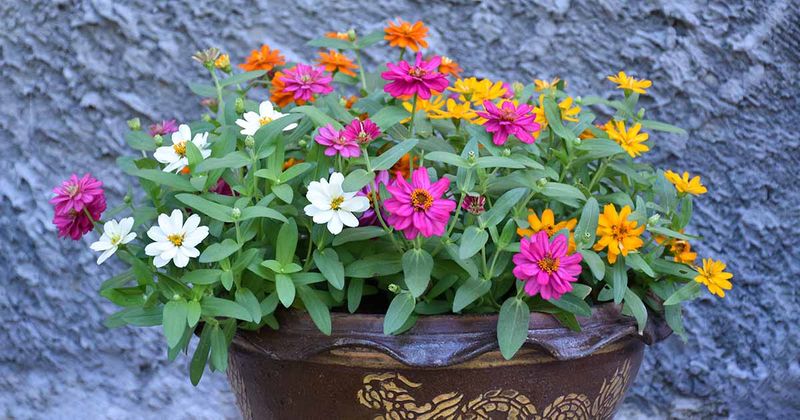
There is something plain joyful about a zinnia, and these annuals (Zinnia elegans) suit hot, sunny North Carolina patios better than most people expect. Native to Mexico, they are practically engineered for heat, sunshine, and a little benign neglect.
Zinnias grow fast and keep flowering from early summer until the first hard frost. That long run alone makes them a low-maintenance hero for your containers.
When you grow them in pots, reach for dwarf or compact varieties like the Profusion or Zahara series, which stay tidy and pump out flowers instead of flopping over. Give them a pot at least eight to twelve inches deep and wide for strong roots.
Zinnias are sun worshippers, wanting at least six hours of direct light daily, and they turn drought tolerant once established. In a container, they will still appreciate a drink whenever the top inch of soil feels dry.
The real payoff comes late in the season. Zinnias are a magnet for butterflies, and their nectar keeps working right as fall monarchs pass through the state on their way south.
So your hottest patio corner becomes a busy, fluttering hub, and you get to sit right there and watch it. That is a good place to end a warm evening.