
That Rat Snake Climbing Your Brick Wall Into The Attic Means You Already Had A Rodent Problem
Follow us on Google
Spotting a large snake working its way up your brick wall toward the roofline is the kind of thing that stops you cold.
Your first thought is probably that your house is overrun with mice, but the truth is more useful and less alarming than that.
A rat snake near your attic is a reason to grab a flashlight and start inspecting, not a verdict on what is living inside.
Here is what the sighting actually tells you and what to do next.
A Rat Snake Can Climb Textured Masonry
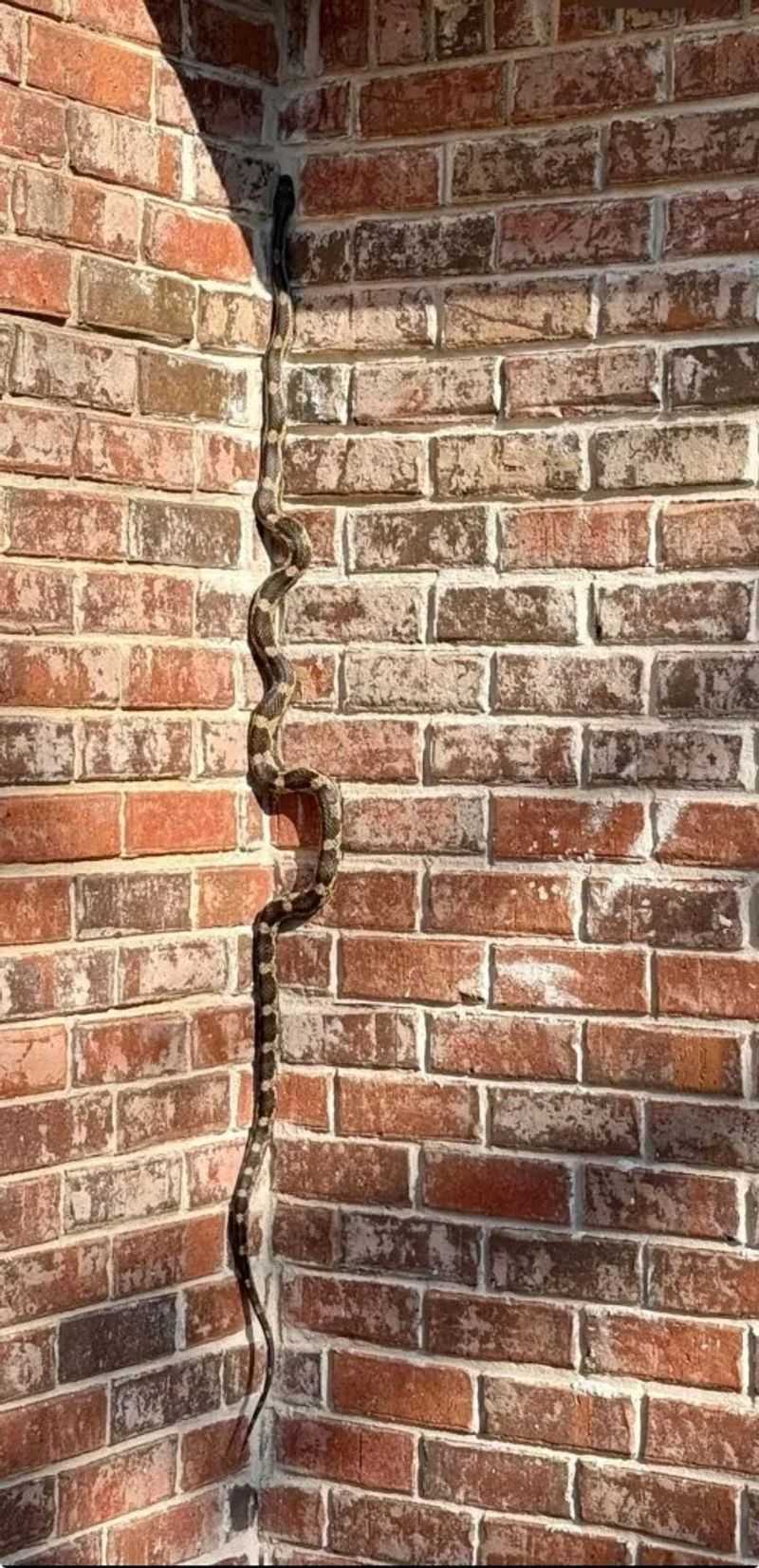
Seeing a snake scaling your exterior wall is startling, but that climbing ability is well documented.
Rat snakes are nonvenomous constrictors, commonly reaching 5 to 6 feet in length, and they are capable climbers that use surface texture to grip and move upward. a National Park Service photo record documents a rat snake climbing a barn wall using the ridges of tabby, a concrete-like masonry material.
That record supports the idea that textured surfaces give rat snakes purchase, but it does not prove every snake can scale every smooth or glazed brick wall.
The North Carolina Wildlife Resources Commission describes rat snakes as excellent climbers and notes that, in North Carolina, they enter buildings more frequently than other native snake species because of their climbing ability and shelter-seeking behavior.
That is a regional observation about one state, not a nationwide rule.
Other species in other regions may behave differently.
Rat snakes commonly eat rodents, but their diet also includes birds, eggs, lizards, amphibians, and other small mammals.
So a snake on your wall tells you one thing for certain: a snake used your property.
It suggests that prey, shelter, warmth, or an accessible opening may be nearby.
What it does not do is confirm that mice or rats are living inside your home.
That question needs an inspection to answer, and University of Florida guidance is clear that snakes may enter buildings while seeking a cool hiding place or following a scent trail that leads nowhere productive for them.
The Sighting Does Not Prove Rodents
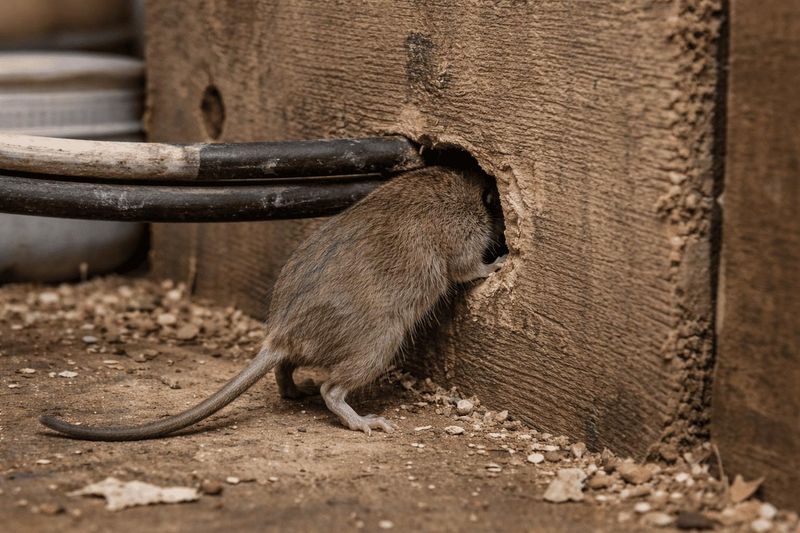
A snake near your attic does not equal mice in your attic.
An Extension response on eastern rat snakes specifically cautions that these snakes can be common in suburban areas and that their presence does not necessarily indicate a rodent problem.
They may wander indoors for warmth, use an opening that insects also use, or follow a scent that no longer leads to active prey.
Your yard itself may be the real draw.
Bird feeders, compost bins, pet food left outside, mulch piles, brush, stacked firewood, rock walls, and dense shrubs can all support rodent activity outdoors.
A snake hunting those outdoor populations has no reason to tell you that mice have set up inside your walls.
Penn State Extension guidance on wildlife around homes and Mississippi State University’s snake management publication both note that reducing outdoor attractants is one of the most effective ways to make a property less interesting to snakes in the first place.
One more caution before you make any identification: “rat snake” is a loose common name applied to several different species across the United States.
National Park Service species profiles and state wildlife agencies note that color patterns, body markings, and adult size vary by region.
Young rat snakes also look quite different from adults and can be mistaken for other species, including venomous ones.
Do not try to confirm an ID from a wall-climbing photograph alone.
The practical next step is not a species verdict, it is a building inspection.
Look For Several Signs Of Rodents
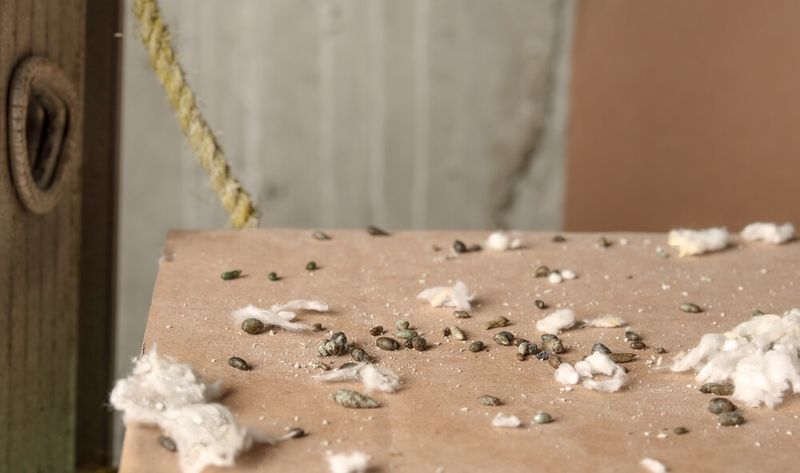
Rather than drawing conclusions from the snake, go look for rodents directly.
CDC guidance on rodent control points to droppings and gnaw marks as primary indicators, and both require some interpretation.
Droppings that return after you have safely cleaned an area, wearing gloves and using a disinfectant spray before sweeping, support the idea that rodents are still active.
Gnaw marks on wood, wiring, or food packaging show that rodents were active at some point, but do not by themselves prove they are still present.
Build a fuller picture by checking multiple areas.
Look in the attic along the top plates and around any insulation.
Check the basement, crawlspace, garage, and kitchen cabinets.
Run a flashlight along the base of walls in pantries and utility rooms.
Signs to note include nesting material made from shredded paper, fabric, or insulation, urine odors or stains visible under UV light, damaged food containers, and any evidence of trapping activity if you have traps already set.
National Park Service hantavirus health guidance recommends ventilating enclosed spaces for at least 30 minutes before cleaning any rodent evidence, and using gloves and a disinfectant solution rather than dry sweeping.
Missing one sign does not clear the building.
A rodent population can be small and quiet for weeks before signs multiply.
The goal is to read the combined pattern across several locations, then decide whether monitoring, trapping, or professional help is the right response.
One sign in one spot calls for watching.
Multiple signs across several areas call for action.
Inspect Every Possible Access Point
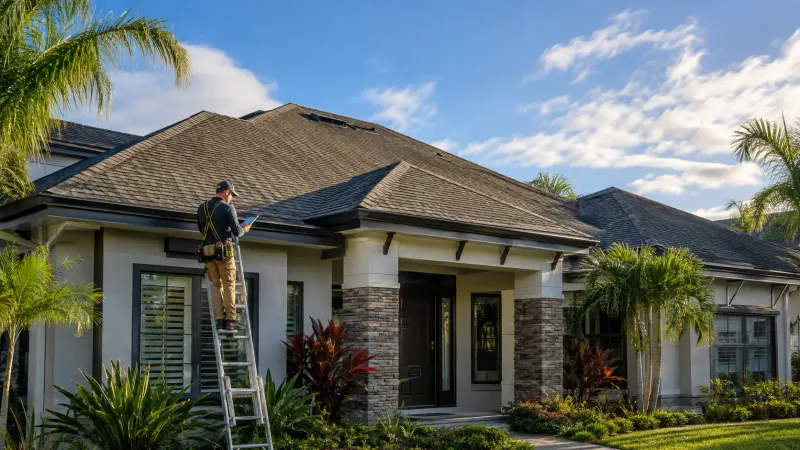
Finding where an animal entered matters more than guessing why it came.
Start outside and work your way around the entire building at roofline level first, then drop down to the foundation.
Soffits, gable vents, and roof vents are worth examining closely, especially where screens have corroded or pulled away from the frame.
Plumbing vent stacks that exit through the roof, chimney caps that are missing or damaged, and gaps where utility lines or dryer vents pass through exterior walls are all worth marking for repair.
Come back down to ground level and check the foundation for cracks or gaps where pipes or conduit enter the building.
Garage thresholds often have worn rubber seals that leave a visible gap along the floor.
Door sweeps on exterior doors and basement access panels deserve the same attention.
University of Florida’s wildlife-in-buildings guidance lists roof vents, plumbing penetrations, pet doors, and damaged screens as common entry routes for both snakes and small mammals.
University of Georgia Extension’s nuisance wildlife guide recommends hardware cloth or suitable screening for any opening that must stay ventilated, and appropriate exterior caulk or sealant for cracks in masonry or wood.
Take photographs of every opening you find so you have a repair list to work from.
National Park Service facility guidance notes that gaps and openings can provide access and should be addressed as part of a complete building maintenance plan, not patched one at a time as problems surface.
Gaps and openings can provide access to both rodents and snakes, and closing them is the most durable fix available.
Confirm The Building Is Clear Before Sealing
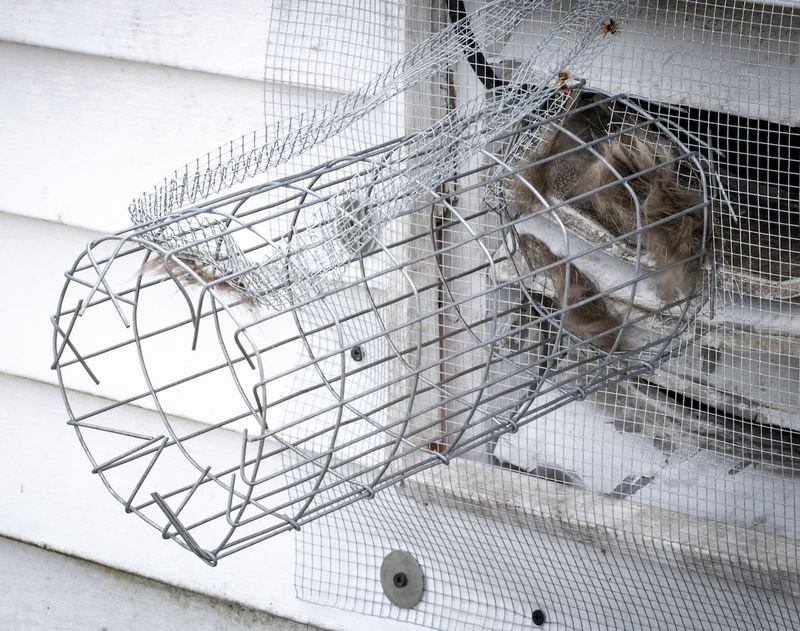
Sealing an opening before confirming the animal is out can turn a manageable situation into a serious one.
A snake or another animal trapped inside a wall or attic will eventually die there, and a rodent sealed inside will chew through wiring or insulation trying to find another way out.
Before you close anything, observe the suspected entry route for at least a few days and inspect the interior space carefully.
When you cannot determine with reasonable confidence whether an animal remains inside, contact a licensed wildlife removal professional or your local animal-control resource.
University of Florida’s guidance on snakes in buildings recommends professional removal when the animal cannot be safely isolated or its location confirmed.
University of Georgia Extension also recommends professional help for situations where exclusion timing is uncertain.
Once you are confident the building is clear, exclusion and prevention work together.
Seal the gaps, install hardware cloth over vents, repair door sweeps, and store food in sealed containers.
Reducing outdoor attractants, such as securing compost, bringing in pet food at night, and moving firewood away from the foundation, removes reasons for rodents and the animals that follow them to stay close to your house.
Exclusion is not a one-time event, it is a maintenance habit that pays off every season.
The Snake Did Not Prove Your Traps Failed
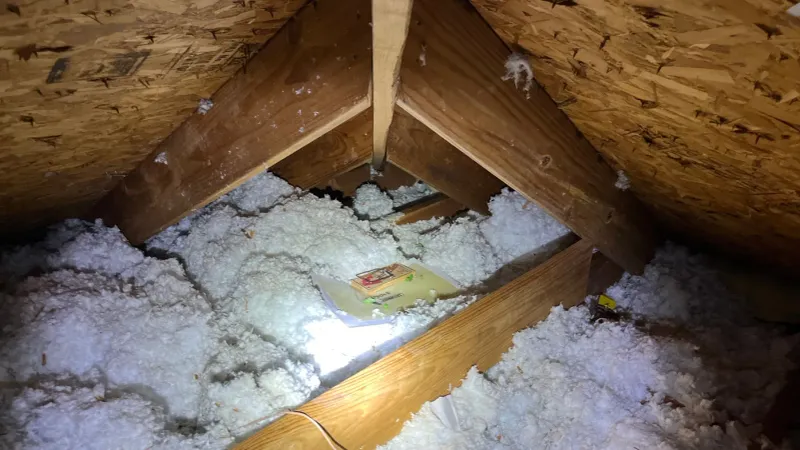
A snake climbing your wall is not evidence that your snap traps stopped working or that the snake is hunting more cleverly than your hardware.
No available evidence establishes that a rat snake detects, outcompetes, or defeats household traps.
If your traps are empty, that is information about trap placement and rodent activity, not about the snake outside.
When fresh evidence confirms rodents are active indoors, CDC’s rodent trapping guidance recommends traditional snap traps as the first-line household option.
Placement matters more than quantity.
Set traps where you found droppings, gnaw marks, or nesting material, in attics, basements, crawlspaces, cabinets, and along walls.
Position the baited end of the trap against the wall so the trap forms a T-shape, because rodents typically travel alongside walls and other surfaces rather than across open floor space.
CDC’s broader rodent control page recommends keeping traps inaccessible to children and pets and inspecting them daily.
Continue trapping until you go at least one full week with no captures and no new signs of activity.
That stopping rule matters because a quiet trap on day three does not mean the problem is solved.
University of Florida’s guidance frames trapping as one layer of a broader approach that also includes exclusion and sanitation.
The snake outside is a prompt to check whether that whole system is working, not a reason to abandon it.
Use Rodenticide Only With Care
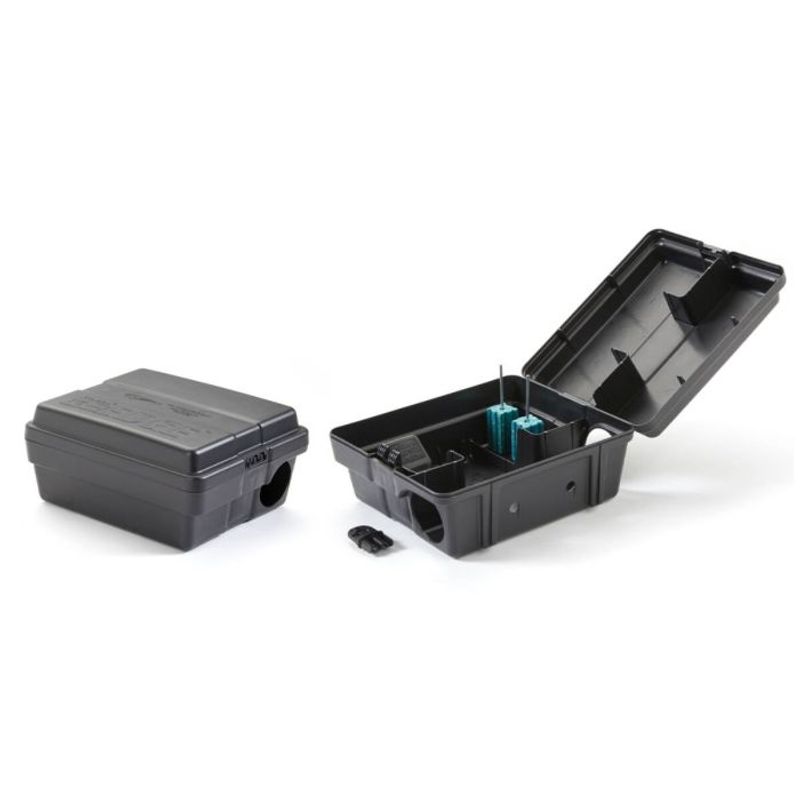
Poison bait is not a simple answer to an attic snake or a suspected rodent problem.
EPA guidance on rodenticide options requires that these products be used strictly according to label directions and, where appropriate, placed inside tamper-resistant bait stations that block access by children, pets, and non-target wildlife.
That requirement is not a suggestion, it is a legal condition of use.
The secondary risks deserve honest attention.
University of Florida’s wildlife guidance warns that poisoned rodents may leave the building and die outdoors, where they can be eaten by raptors, foxes, or domestic animals.
Rodents that die inside walls, attics, or ductwork create odor problems that can last for weeks and are difficult to resolve without opening finished surfaces.
University of Georgia Extension recommends prioritizing exclusion, sanitation, monitoring, and trapping before turning to rodenticides, and seeking professional help when activity is persistent or extensive.
Rodenticide may be appropriate in some situations, but those situations call for careful label reading and realistic expectations, not a broadcast application through the attic.
Snap traps give you a clear count of what you caught.
Poison gives you uncertainty about where the animal ended up.
For most homeowners dealing with a suspected attic rodent problem prompted by a snake sighting, exclusion and properly placed snap traps are the more controlled starting point.
Give The Snake Space And Fix The Route
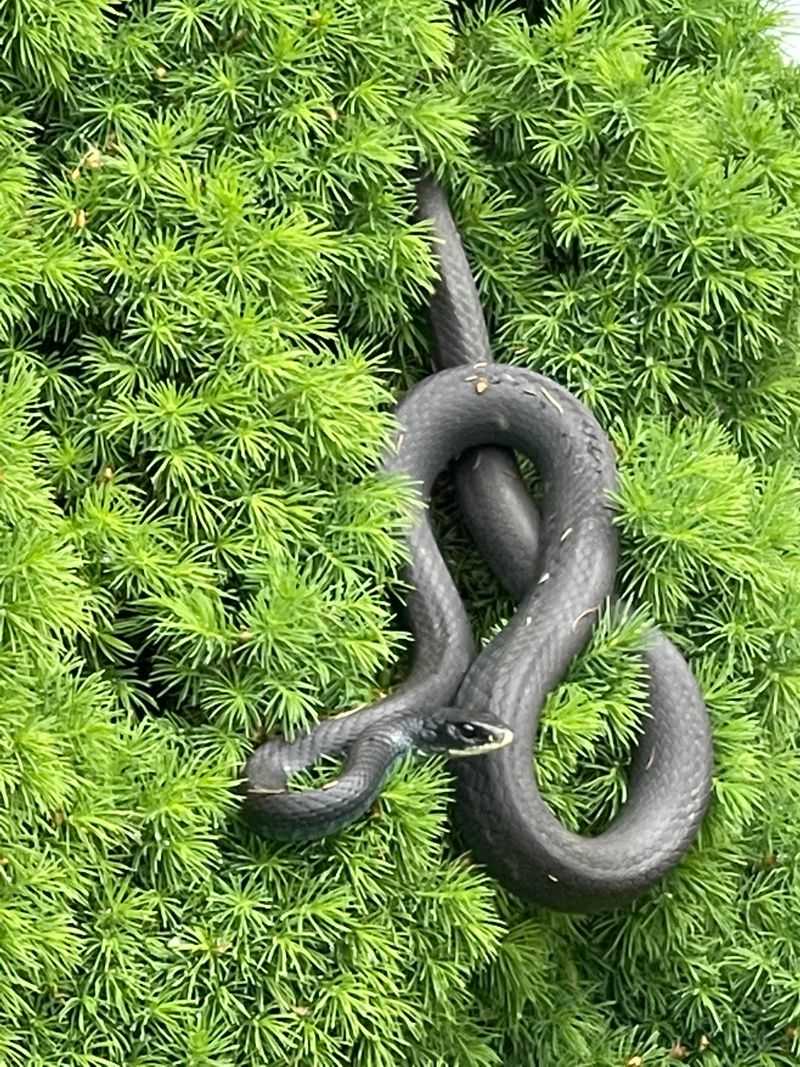
Whatever species is on your wall, do not handle it, corner it, or try to get close for a photograph.
CDC’s venomous snake safety guidance advises giving all snakes space, because identification from a distance is unreliable and venomous species share habitat with harmless ones in many parts of the country.
If a snake is inside the building and you cannot safely isolate it in one room with a towel along the door gap, contact a licensed wildlife removal professional or your local animal-control office.
If a bite occurs and you cannot rule out a venomous species, treat it as a medical emergency.
Move away from the snake immediately, call 911, and keep the person calm and as still as possible.
Do not apply ice, a tourniquet, cuts, suction, electric shock, or any attempt to capture the snake for identification.
North Carolina Wildlife Resources Commission and NC State Extension’s storm snake guidance both recommend keeping distance and calling for professional help rather than attempting removal yourself.
Georgia DNR’s seasonal snake advisory similarly notes that snakes moving toward buildings as temperatures change are best left alone to move on or handled by professionals.
Once the animal is confirmed out, seal the route you found, reduce the outdoor attractants that drew rodents close to the house, and Mississippi State University’s snake management guidance suggests monitoring for fresh signs over the following weeks rather than assuming one repair solved everything.
A snake on the wall was a useful alarm, and the inspection it prompted is the actual fix.