
Texas Native Plants That Look Better Than Crape Myrtles Along Fence Lines And Driveways
Follow us on Google
You step outside before breakfast and the patio already feels warm, that familiar Texas summer handshake.
You glance at the fence line and there they are again, the crape myrtles with dusty leaves and aphids leaving sticky spots on your car.
You just want something tough and pretty that does not turn into another weekend chore.
So let’s talk about native Texas plants that look better, ask for less, and shrug off our scorching summers and sudden freezes like it is nothing.
1. Texas Sage Offers Silver Splendor And Purple Pop
Many Central Texas gardeners fight the same losing battle, finding a plant that survives full, blasting sun without begging for water every evening.
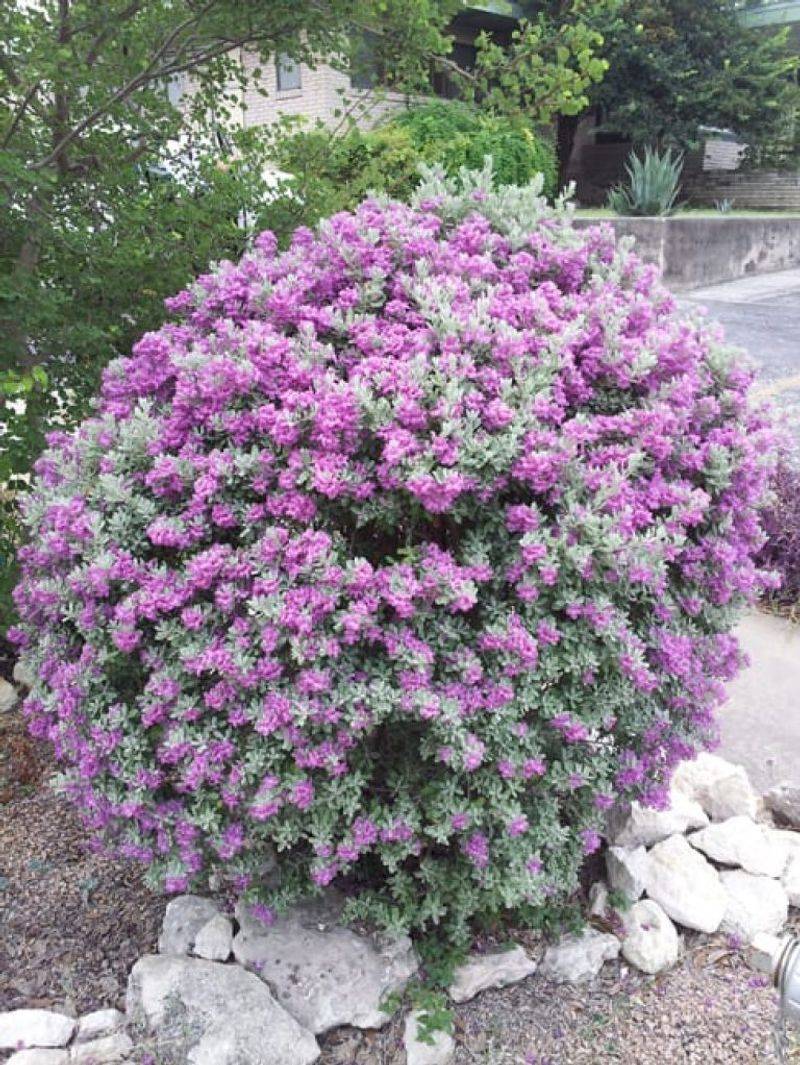
Texas Sage (Leucophyllum frutescens), also called Cenizo, steps in as the quiet hero here.
Its silvery-gray leaves stay cool-looking even on a 100-degree afternoon, reflecting harsh light instead of scorching.
That makes it perfect for a sunny driveway or a western-facing fence where softer plants simply burn out.
Here is where it gets fun.
After a good rain during our long dry stretches, the whole shrub erupts in lavender-to-purple tubular flowers, almost like it is thanking the sky.
Folks call it the barometer bush because those blooms often follow humidity or a passing storm.
Texas Sage generally reaches about 8 feet tall and wide, forming a dense screen that crape myrtles struggle to match without heavy pruning.
It loves the well-drained alkaline soils of the Hill Country and West Texas, so it feels right at home.
But it genuinely hates wet feet, so go easy on water in clay soil.
Space plants 3 to 5 feet apart for standalone shrubs, or 3 to 4 feet for a solid hedge, and skip the fertilizer entirely.
Deer tend to leave it alone too, which is a small daily victory.
2. Yaupon Holly Provides Evergreen Privacy Year-Round
Winter arrives and your crape myrtles drop every leaf, leaving the fence line bare and brittle.
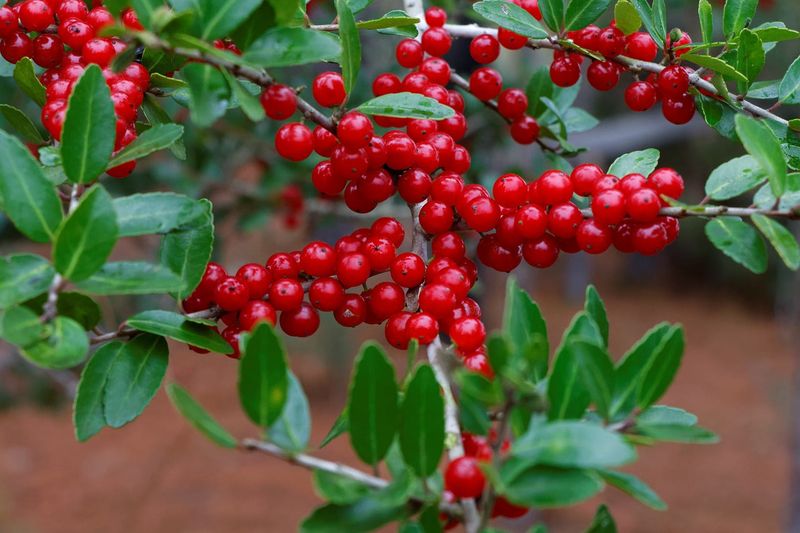
Yaupon Holly (Ilex vomitoria) never gives you that empty feeling.
This evergreen shrub, or small tree, grows happily from the humid Gulf Coast clear out to the dry West Texas plains, which tells you plenty about how tough it is.
The dark green leaves hold on all winter, keeping your privacy screen intact through every cold snap.
Female plants throw an extra party.
They cover themselves in bright red berries through fall and winter, and mockingbirds and cedar waxwings show up like they got an invitation.
Yaupon Holly can reach 15 feet tall and 12 feet wide, so it makes a genuine living wall along a busy driveway.
It is not fussy about soil, handling sandy, loamy, and heavy clay without complaint, and it takes full sun or part shade.
Once established, it only wants supplemental water during long dry spells, which is kind to your summer water bill.
Best of all, it dodges the powdery mildew and crape myrtle bark scale that turn those old favorites into a maintenance headache.
You get green all year and almost nothing to worry about.
3. Turk’s Cap Brings Bright Red To Shady Spots
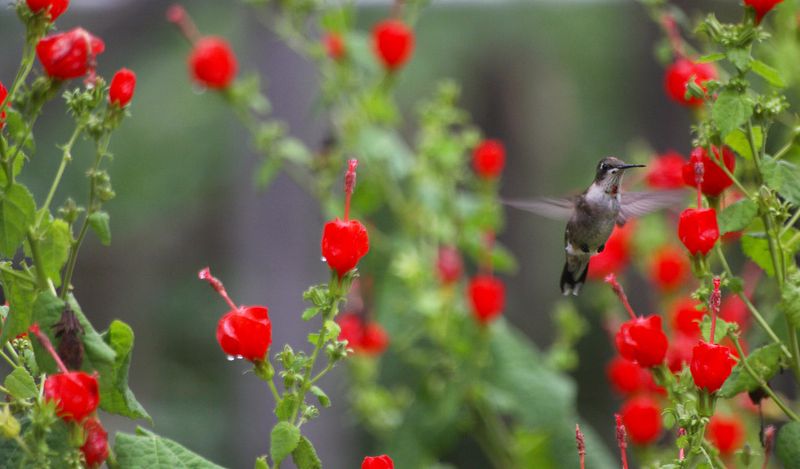
Picture your morning coffee on the porch while hummingbirds zip through red flowers blooming in the dappled shade under your oaks.
That scene belongs to Turk’s Cap (Malvaviscus arboreus var. drummondii).
Crape myrtles demand full sun to really perform.
Turk’s Cap flips that rule, genuinely thriving in partial shade, which makes it gold for those tricky fence spots the sun never fully reaches.
Its flowers never quite open, staying furled like a little Turkish turban, and they show up reliably from late spring through fall until the first hard freeze.
Hummingbirds and butterflies treat the plant like a roadside diner.
Adaptable is an understatement.
Turk’s Cap handles sandy to clay-heavy soil as long as it drains, and once established it laughs off heat and drought.
It grows into a multi-branching bush, 5 to 10 feet tall and 4 to 8 feet wide in good conditions.
In colder parts of North Texas it may die back to the ground over winter, but it comes roaring back every spring, ready for another season.
A few inches of mulch keeps the roots cool and the moisture in during those brutal August weeks.
So a shady corner stops being a problem and starts being your favorite view.
4. Flame Acanthus Ignites The Landscape With Late Color
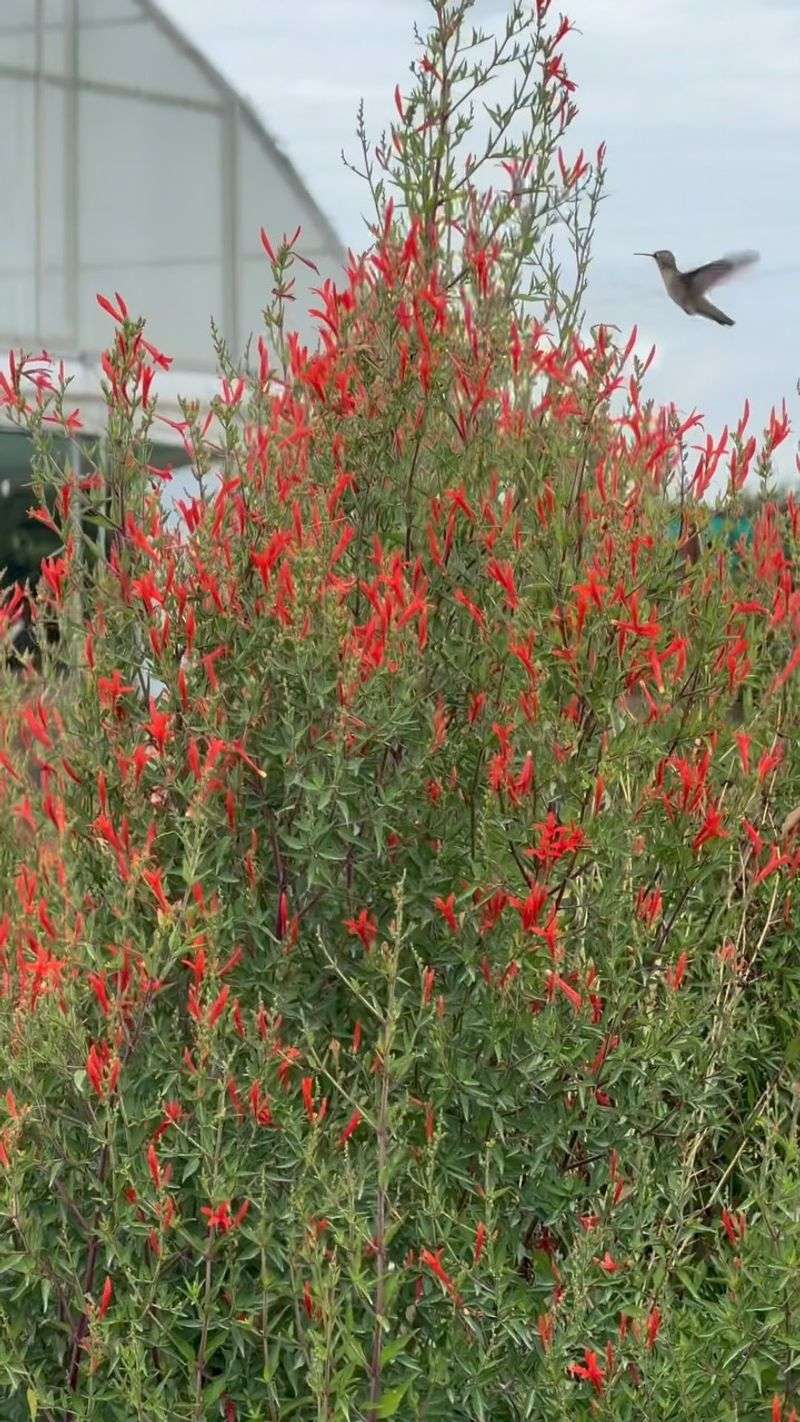
Blunt truth, most shrubs quit right when the triple-digit heat drags on.
Flame Acanthus (Anisacanthus quadrifidus var. wrightii) does the opposite and lights up.
This tough deciduous shrub covers itself in brilliant red-orange tubular flowers from summer into fall, often holding on until November.
Gardeners nicknamed it the hummingbird bush because those tiny birds fuel up on it before their long journey south.
Crape myrtles own the midsummer color show, sure.
But Flame Acanthus delivers a later, wilder display without the pest drama that comes attached to the old standbys.
Native to West and South-Central Texas, it is extremely drought tolerant and takes full sun to light shade.
It adapts to rocky, calcareous, or heavy clay soil, and it stays a manageable 3 to 6 feet tall and 3 to 4 feet wide.
Where hard freezes hit, it dies back and re-emerges from the roots in spring, so it practically maintains itself.
A light pruning in late winter or early spring encourages a fuller, tidier shape.
It is genuinely easy and mostly pest-free, though spider mites can sneak in during bone-dry stretches, so a good hosing off the leaves now and then helps.
When the color fades on everything else, this one keeps the party going.
5. Possumhaw Holly Lights Up Winter With Dazzling Berries
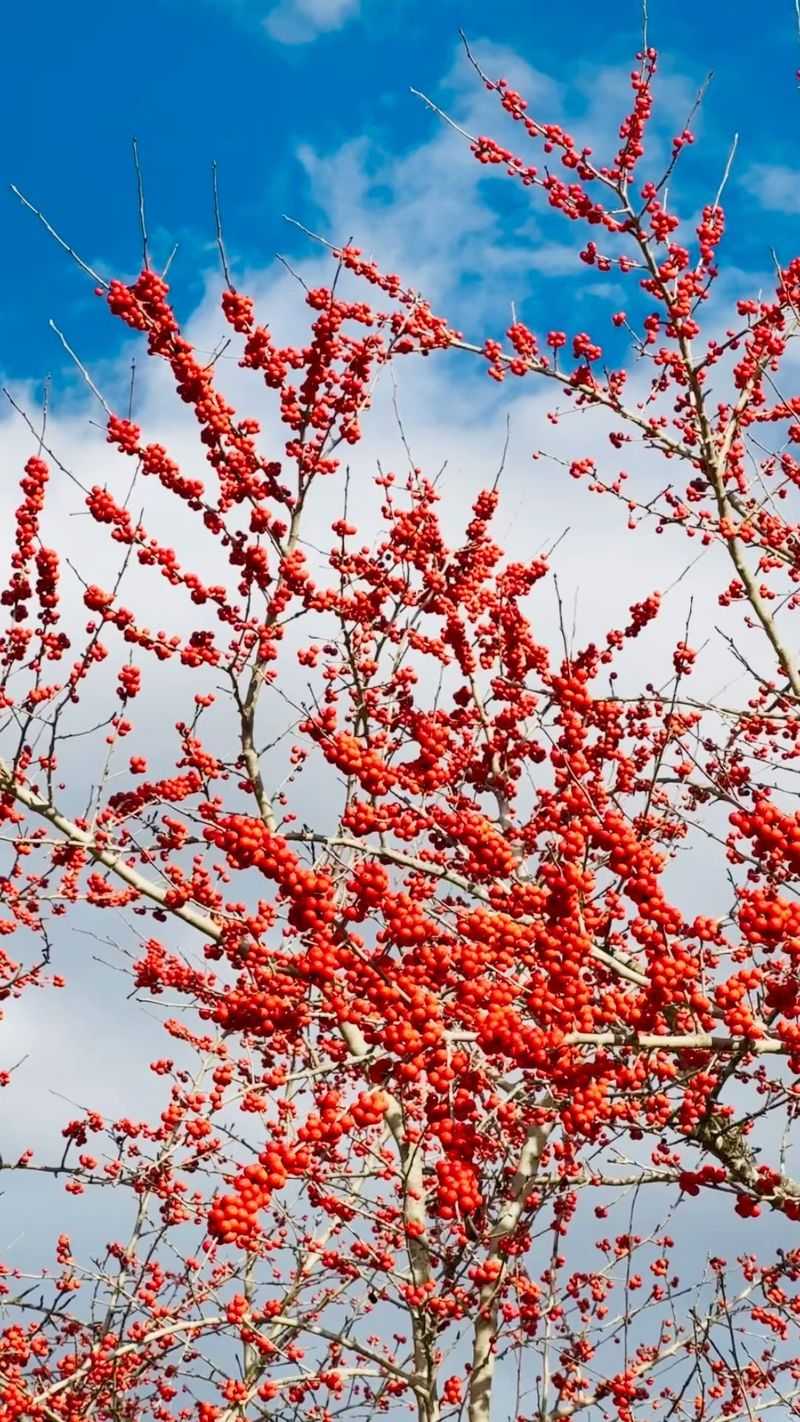
Winter drabness along the fence gets to a lot of folks, all those bare crape myrtle twigs and gray skies.
Possumhaw Holly (Ilex decidua) turns that dead season into the main event.
Its leaves fade to soft yellow in fall, then drop to reveal branches loaded with bright red or orange berries.
Those berries cling on from mid-fall through late winter, feeding cedar waxwings and robins when almost nothing else is on the menu.
You will spot these growing wild along fence lines and wooded edges across North and Central Texas, proof of how comfortable they are here.
Possumhaw can grow as a large shrub or small tree, anywhere from 8 to 30 feet tall and 6 to 10 feet wide, so it screens a driveway beautifully once mature.
It adapts to many soils as long as drainage is decent, and it prefers part shade to full sun for the heaviest berry set.
Here is the catch, only female plants fruit, and they need a male nearby to pollinate.
Possumhaw is a Texas Superstar, recognized by Texas A&M AgriLife Extension for holding up in tough conditions.
Give it a little patience to settle in, and you get a winter show that leaves bare crape myrtles in the dust.
6. Gregg’s Mistflower Adds Blue Clouds For Butterflies
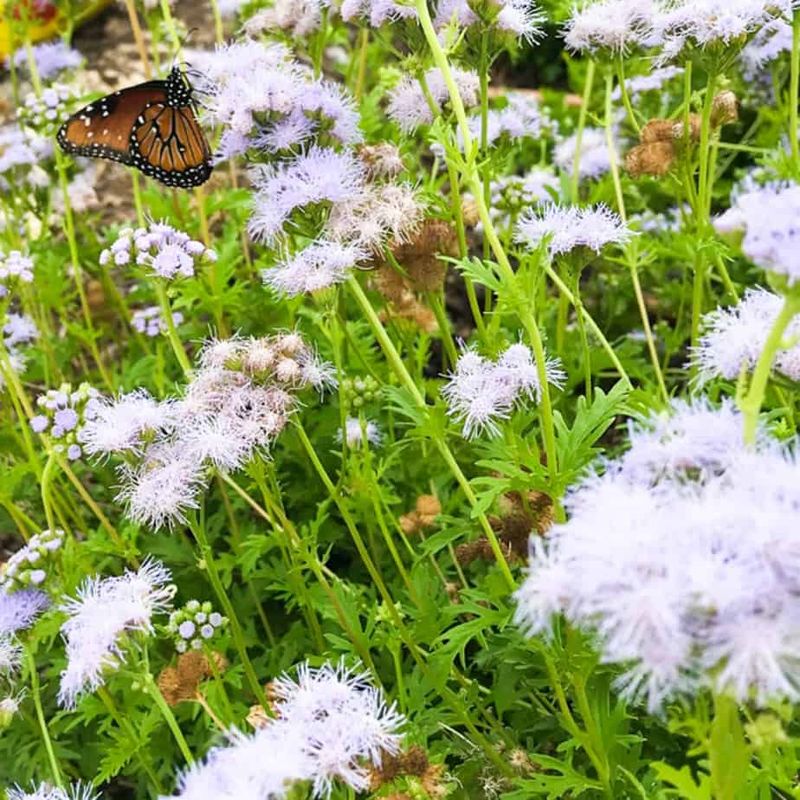
Not every spot needs a big shrub.
For the edge of a driveway or an underplanting along the fence, Gregg’s Mistflower (Conoclinium greggii) does something the tall guys cannot.
From late spring through fall, it puffs out clouds of fuzzy lavender-blue flowers that practically hum with wings.
Butterflies swarm it, and monarchs lean on it hard during their spring and fall migrations through Texas, so you become a rest stop on their route.
Where crape myrtles pull in aphids and sticky mess, this little perennial stays genuinely pest-free and keeps an airy, soft look.
It grows 1 to 2 feet tall and 1 to 2 feet wide, forming a tidy mound of color that fills gaps without crowding.
Full sun to mostly sunny suits it best, and it loves the rocky limestone soils of West and Central Texas.
Once established it is remarkably drought tolerant, asking for only low to medium water through the hottest weeks.
It spreads slowly by underground stems, what gardeners call rhizomes, forming pretty colonies over a few seasons.
Pinch it back early if you want a denser mound.
Watching monarchs work it over on a fall afternoon is the kind of quiet payoff that sticks with you.
7. Autumn Sage Delivers Nonstop Blooms And Pollinator Power
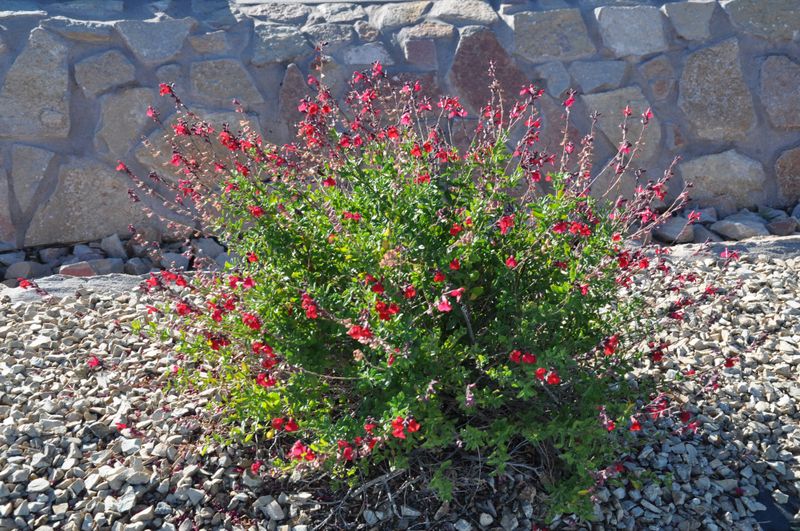
Another compact native earns its keep in border spots, and it barely takes a break from flowering.
Autumn Sage (Salvia greggii) is native to West Texas and Mexico, built for heat and stingy on demands.
Its tubular flowers come in red, pink, fuchsia, purple, orange, yellow, and white, showing up throughout the year with big flushes in spring and fall.
Hummingbirds treat it like a favorite hangout, so your border stays busy with wings.
Reaching about 2 to 3 feet tall and just as wide, Autumn Sage is perfect for defining a driveway edge or softening a hard fence line.
It is highly drought tolerant, takes full sun to part shade, and shrugs off most well-drained soils.
Unlike crape myrtles that need particular pruning to bloom well, this one keeps it simple.
Cut it back by half after the early spring flush, then trim a third off in June and again in August to keep it neat and blooming.
Autumn Sage is root hardy to USDA Zone 6b, so even the Panhandle’s cold winters do not finish it off, especially with a layer of mulch over the roots.
Low fuss, long season, that is a fair trade any day.
8. Eastern Red Cedar Builds A Living Wall Fast
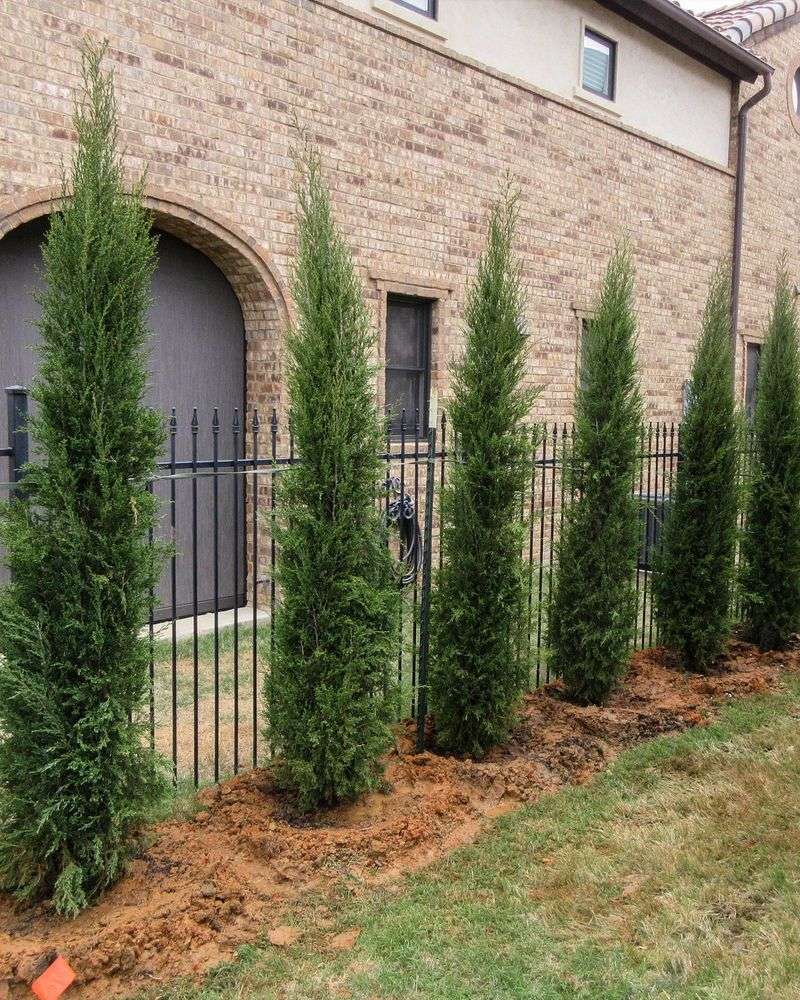
When you want privacy that never blinks, a screen that stands up to high winds and long droughts, Eastern Red Cedar (Juniperus virginiana) is the workhorse you overlooked.
It is not glamorous, but it is genuinely dependable.
This native evergreen grows across North, Central, and East Texas, holding its bluish-green foliage through every season.
Along a fence line it forms a dense, year-round wall that muffles road noise and blocks headlights sweeping across your yard at night.
Growth is quick for an evergreen, often 1 to 2 feet a year once settled, so you are not waiting a decade for coverage.
Mature trees can reach 30 to 40 feet, though you can keep them lower with a yearly trim if a driveway needs it.
Female trees produce small frosty-blue berry-like cones that cedar waxwings devour by the flock in winter.
The tree tolerates poor, rocky, and shallow soils that would starve a crape myrtle, and it asks for almost no water once its roots take hold.
One honest caveat, plant it well away from apple or pear trees since it can host cedar-apple rust.
Give it 6 to 8 feet of spacing for a tight screen, and you get a tough green fortress that pays you back for decades.
9. A Native Yard Is A Happy Yard
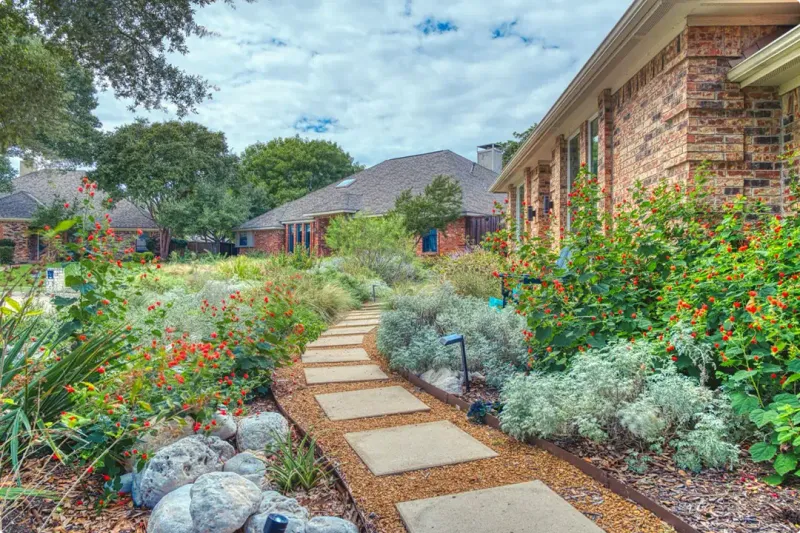
Trading crape myrtles for Texas natives means you are building a landscape that takes care of itself.
You spend fewer weekends fighting spider mites and powdery mildew, and you spend fewer dollars on water through those long, hot summers.
These plants already know our ground, whether it is blackland clay in North Texas, acidic sandy soil in East Texas, or the shallow alkaline caliche of the Hill Country.
They settle in and thrive without you hovering over them.
You are not just planting a pretty bush along the driveway.
You are feeding bees, hummingbirds, cedar waxwings, and the monarchs passing through each spring and fall, turning your fence line into something genuinely alive.
And every time you step outside before breakfast and see it humming, you feel that quiet pride of a job done right.