
A Florida Bat House That Supports Roosting Habitat And Six Native Plants That May Help Bats Stay
Follow us on Google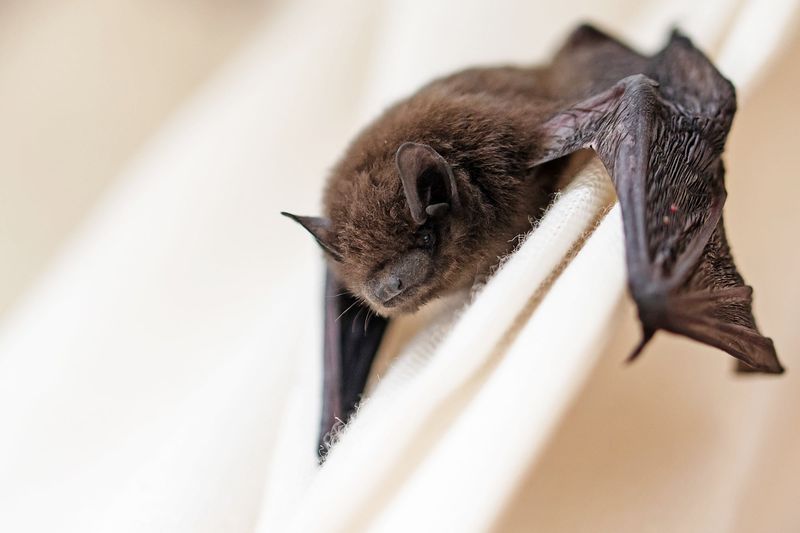
Mosquitoes own the Florida patio from May through October, and plenty of homeowners have heard that a bat house fixes that.
The truth is more interesting and more useful than the simple promise.
A properly built and placed bat house can give Florida’s resident bats a place to roost, and the right native plants can round out a habitat that makes your yard worth visiting.
That combination will not eliminate mosquitoes, but it does something better: it turns your property into working wildlife habitat while you chip away at the mosquito problem from several directions at once.
A Bat House Supports Habitat, Not A Mosquito Patrol
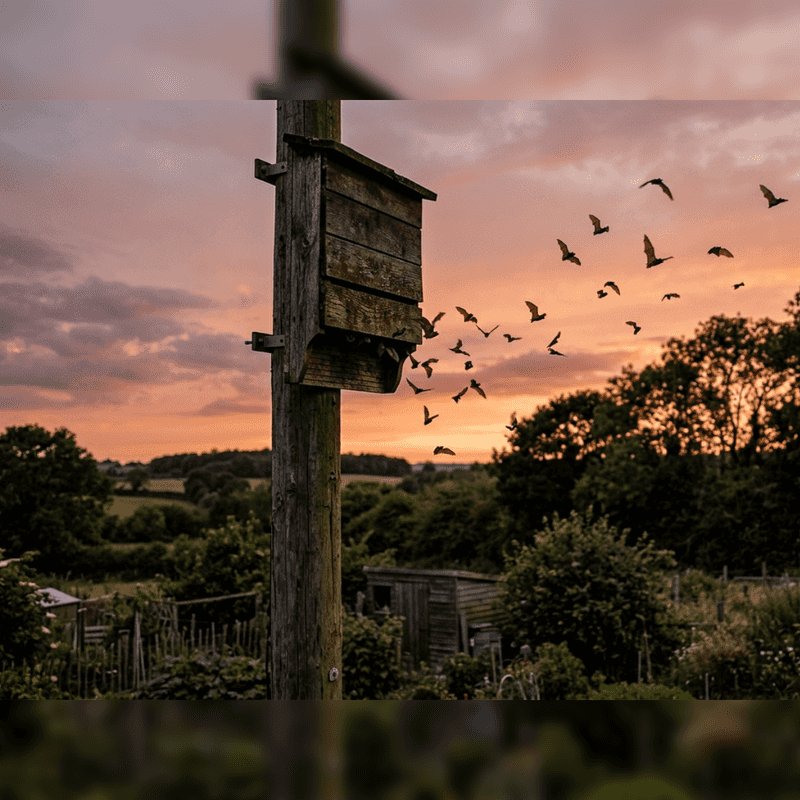
Picture a July evening on a Central Florida patio.
The citronella candle is lit, the ceiling fan is spinning, and the mosquitoes are winning anyway.
A neighbor mentions bat houses, and suddenly the idea of a flying mammal doing nightly pest control sounds like exactly the fix you need.
Here is where it gets tricky: a bat house can genuinely support local bat populations, but it cannot promise you a mosquito-free cookout.
Florida has 13 resident bat species, and every one of them eats insects.
Florida FWC estimates that mosquitoes make up about 1 percent of a bat’s diet, because bats are generalist predators that chase whatever insects are most abundant and easiest to catch on a given night.
That often means moths, beetles, and flies rather than the mosquitoes swarming your ankles.
Researchers did document real mosquito consumption in a southeastern U.S. dietary study that found three common bat species consuming 17 mosquito species, including several regional disease vectors.
The same researchers were careful to note that the evidence does not yet show how to promote bats as a reliable way to reduce mosquito numbers or public-health risk.
So the science says bats do eat mosquitoes, just not enough of them to replace standing-water removal, larvicides, repellents, screens, or professional mosquito management.
What a bat house genuinely offers is conservation value.
UF/IFAS reports that Florida bat houses are most likely to attract Brazilian free-tailed bats and evening bats, with other species using them less often.
Occupancy is not guaranteed, and some successful houses take up to five years to receive bats.
Build and place one correctly, though, and you have added a real roosting resource to your yard, and that is worth doing on its own terms.
Build The House For Florida Conditions
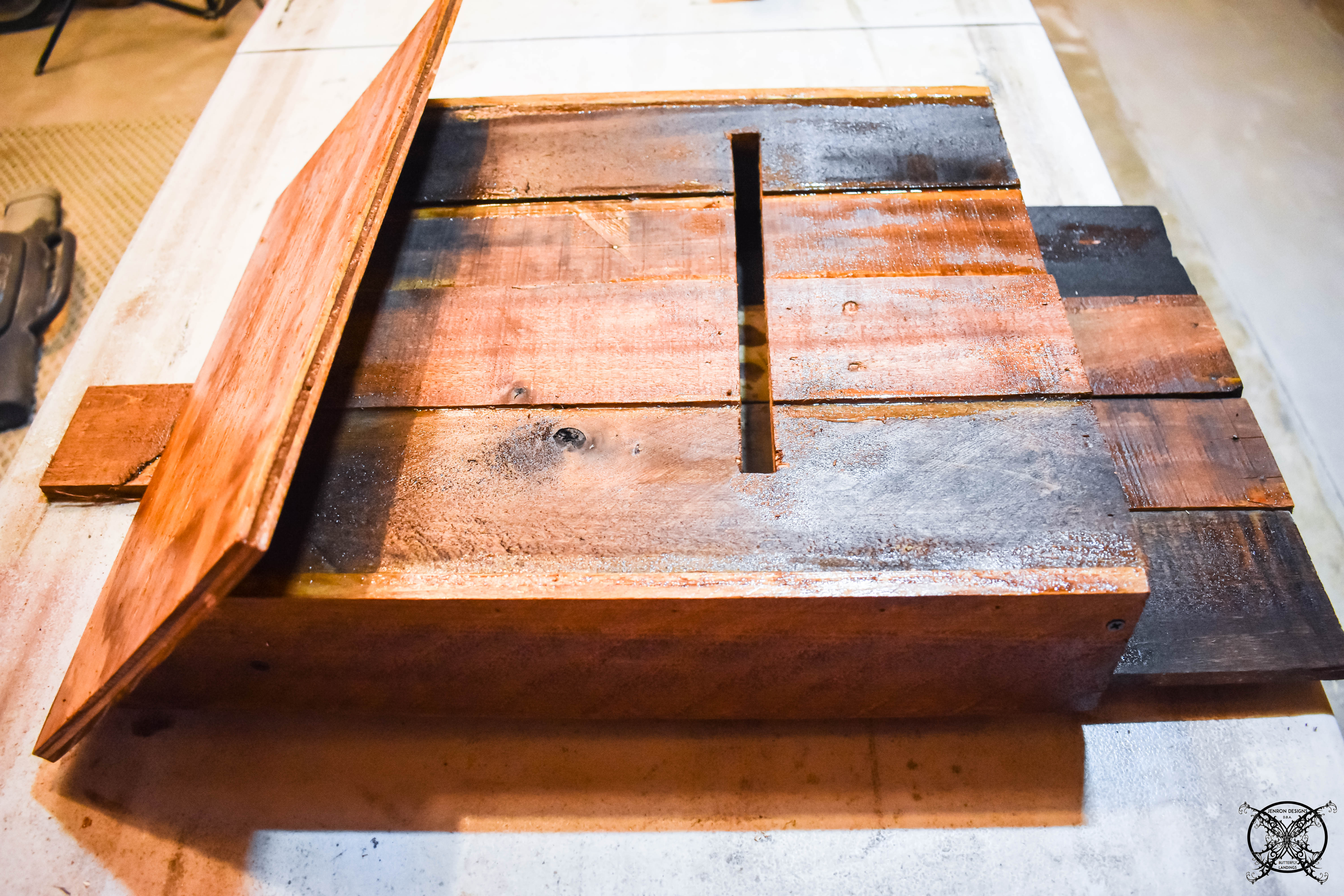
A bat house that looks fine from the driveway can still be completely unusable if the interior surfaces are too smooth, the chambers are too narrow, or the materials start to fall apart after one humid Florida summer.
Getting the construction right is the part that actually determines whether any bat will bother with the house at all.
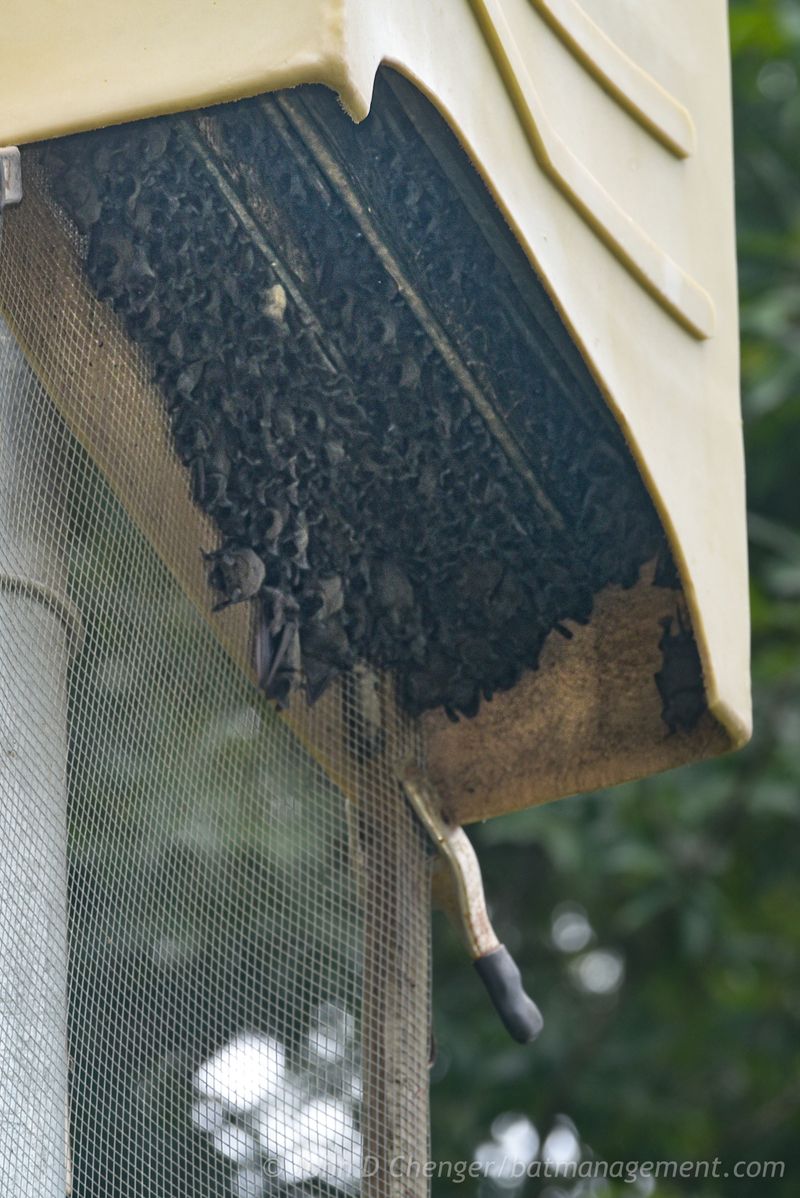
UF/IFAS bat-house guidance calls for durable wood with roughened interior surfaces, chambers at least 14 inches wide and 2 feet tall, and a rough landing area at least 3 inches long below the entrance.
When grooves are used on interior surfaces, they should run horizontally and be about 1/16 inch deep, spaced 1/4 to 1/2 inch apart.
Those grooves give bats something to grip when they land and move around inside.
Florida’s humidity creates a specific problem with plastic mesh.
Heat causes wood to expand and contract, and that movement warps the mesh and causes it to sag away from the surface bats need to cling to.
Hardware cloth, metal mesh, nylon screening, and fiberglass window screening are all poor choices for the same reason: they can injure bats or break down quickly in the heat and moisture.
Grooved solid wood holds up and stays safe.
The house should be watertight so rain does not drip inside and chill a roosting colony, but it must not be sealed airtight.
Bats need the internal temperature to stay in a usable range, and a completely sealed box can overheat fast under a Florida sun.
Build it to keep water out and let heat escape, and you have done the hardest part of the job before a single bat ever shows up.
Choose A Safer, More Accessible Location
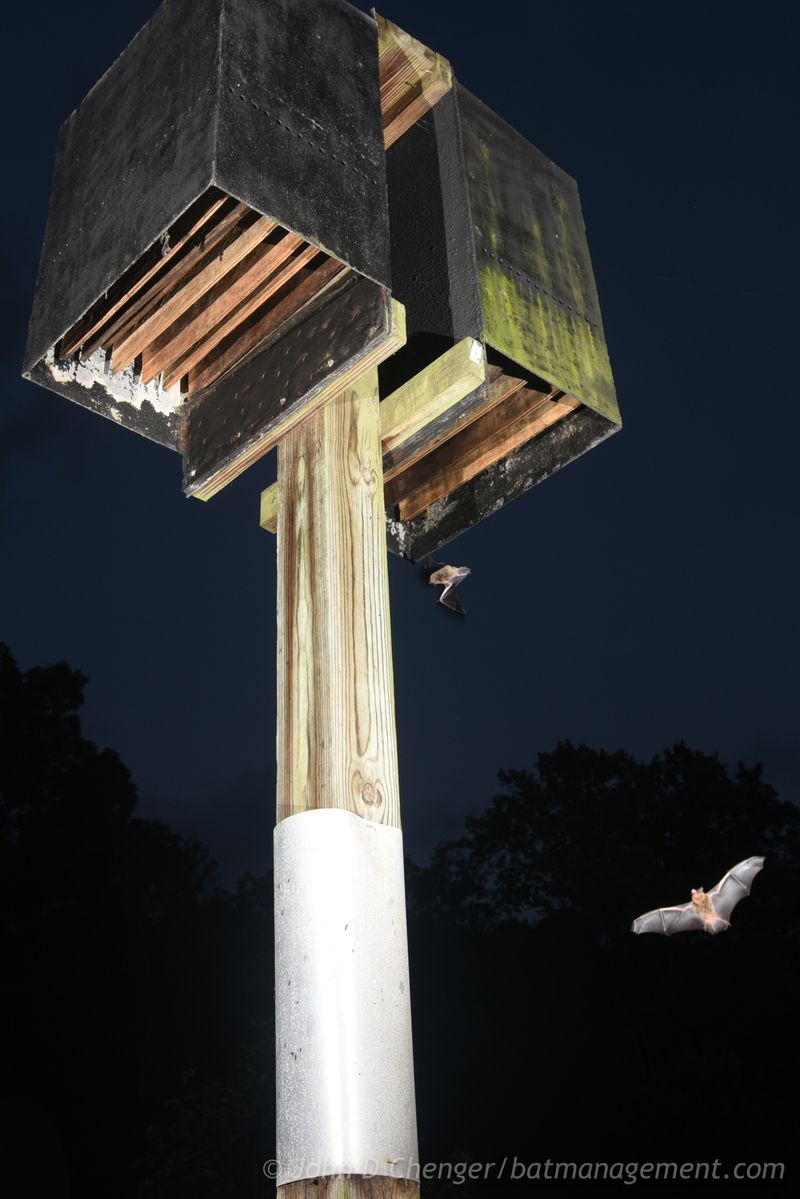
Even a perfectly built bat house sits empty if it is placed where bats cannot easily reach it, where predators can wait nearby, or where the daily mess lands on your back steps.
Placement is the decision that matters most after construction, and it is the one most homeowners get wrong first.
Mount the house on a building or a freestanding pole rather than directly in a tree whenever possible.
UF/IFAS recommends positioning the house at least 12 feet above the ground and at least 20 feet from likely predator perches such as large horizontal branches where owls, hawks, or falcons like to sit and watch.
Dense foliage right at the entrance is a real problem: it blocks the low, swooping flight path bats use to enter, and it gives predators an easy ambush spot.
A nearby tree canopy is still useful habitat as long as it does not crowd the house entrance or put a branch directly beside it.
Water genuinely improves the odds.
Houses placed within 1/4 mile of a pond, lake, river, or stream are more likely to be used because bats often drink on the wing right after leaving the roost and tend to feed near the aquatic insects that hatch over open water.
That is a probability increase, not a promise, but it is worth factoring into your placement decision if you have a water feature or a retention pond nearby.
For pole-mounted houses, conical metal flashing around the pole discourages climbing snakes from reaching the house.
And before you commit to a spot, think about where guano will fall.
Bat droppings accumulate directly below the house, so avoid mounting it over patios, doorways, play areas, pools, or any surface where the cleanup would become a daily frustration.
Manage Heat, Ventilation, And Timing
Florida does not have one climate, and a bat house that works perfectly in Gainesville may cook its occupants in Naples or stay too cold to attract anyone in Pensacola through February.
Temperature management is the detail that separates a house that eventually gets used from one that sits empty for years.
The construction should keep rain out but not trap heat.
UF/IFAS describes a 1/2-inch-wide horizontal vent near the lower portion of the house as the right approach for ventilation, and that vent should stay clear so rising heat can escape.
Many bats using Florida houses prefer internal temperatures between 80 and 100 degrees Fahrenheit.
Go much above that and the colony will abandon the house on hot afternoons, or worse, not establish one in the first place.
Bat Conservation International recommends lighter exterior colors in hotter climates because they reflect more solar radiation.
In South Florida and the Keys, where summer heat is relentless and salt exposure is constant, a lighter painted exterior and a location that gets afternoon shade can help keep internal temperatures stable.
In the Panhandle and North Florida, where occasional hard freezes hit in January and February, a south-facing or east-facing orientation captures more warmth during the cooler months when bats are still active.
UF/IFAS also notes that Florida bats become less active during the dry season, roughly December through April or May, partly because insect supplies drop.
A quiet house in February is not proof of failure.
Install in winter so the house is ready and weathered by early spring, which is when bats are most likely to scout new roosts.
If the house is meant to serve as an alternative roost during a building exclusion, get it in place several weeks before the exclusion begins.
Use Six Plants To Strengthen The Habitat
No combination of plants can force bats to move into a house or stay on your property.
What plants can do is make the surrounding habitat richer, fuller, and more useful to the insects that bats actually hunt, and to the bats themselves when they are looking for a place to rest between foraging flights.
Think of the six plants below as a supporting cast, not the main act.
Live oak, Quercus virginiana, is the long-game anchor.
UF/IFAS notes that live oaks occur throughout Florida and support broad wildlife communities, but acorn production is a patient person’s reward because many native oaks do not produce significant crops until roughly 20 years old.
The canopy structure, bark, and leaf litter support insects for decades before the first acorn drops.
Plant one now and it works for the next generation of Florida homeowners, too.
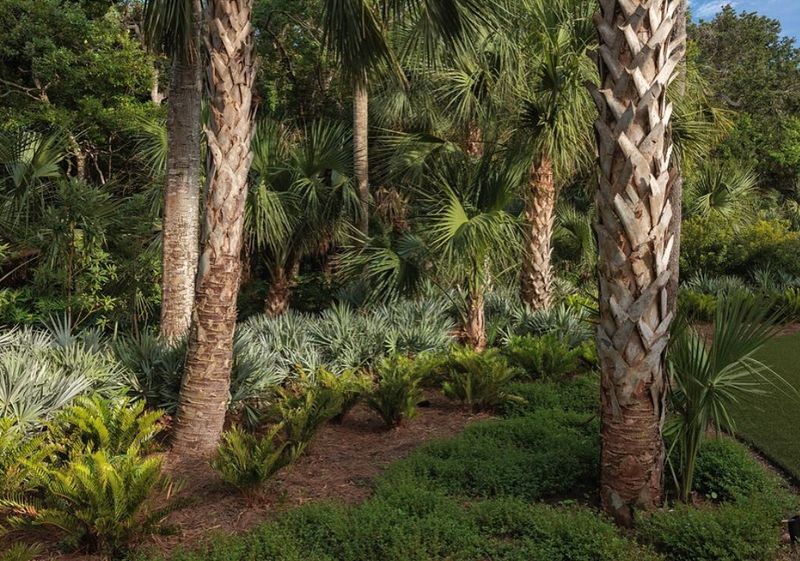
Sabal palm, Sabal palmetto, earns its place through structure rather than flowers.
Skip the cosmetic trim on fronds that are not creating a safety or storm hazard.
Green fronds should stay on the tree.
Dead fronds can stay too, unless they are loose enough to fall on people or structures during a storm.
Firebush, Hamelia patens, brings tubular red-orange flowers that attract hummingbirds, butterflies, and the insects that come to feed on nectar.
UF/IFAS describes firebush as native from Sumter County southward, tolerant of heat and drought, and suitable for full sun to partial shade.
It can freeze to the ground in colder parts of the state and is salt-sensitive, so it fits inland or protected sites better than exposed coastal locations.
Northern Florida readers should choose a locally appropriate substitute.
American beautyberry, Callicarpa americana, adds seasonal interest and food.
UF/IFAS lists beautyberry as a Florida native suited to partial or full sun, with clusters of bright purple fruit appearing in fall and winter.
Its direct value to bats is indirect, working through shrub structure and the insects it supports rather than as a food source for bats themselves.
Coontie, Zamia integrifolia, is a tough, low native cycad that tolerates drought and salt and hosts the Atala butterfly.
UF/IFAS notes that all parts of coontie are poisonous if eaten, so placement should account for unsupervised children or pets.
Keep it out of areas where curious hands or paws are likely to explore it.
More on its regional fit in the next section.
Muhly grass, Muhlenbergia capillaris, rounds out the mix with clumping cover and seasonal texture.
Plants typically reach 3 to 5 feet tall and 2 to 3 feet wide.
Space them 24 to 36 inches apart and let them fill in.
UF/IFAS specifically recommends native vegetation that attracts non-pest insects as part of a broader bat-conservation approach, and muhly grass fits that role well.
Together, these six plants add native structure, flowering and fruiting resources, cover, and insect diversity, and that combination makes the yard genuinely more interesting to wildlife, even if it cannot guarantee a bat colony overhead.
Also, the Atala butterfly’s dependence on coontie is a reminder that each plant in this mix serves multiple species, not just bats.
Match The Plants To Your Part Of Florida
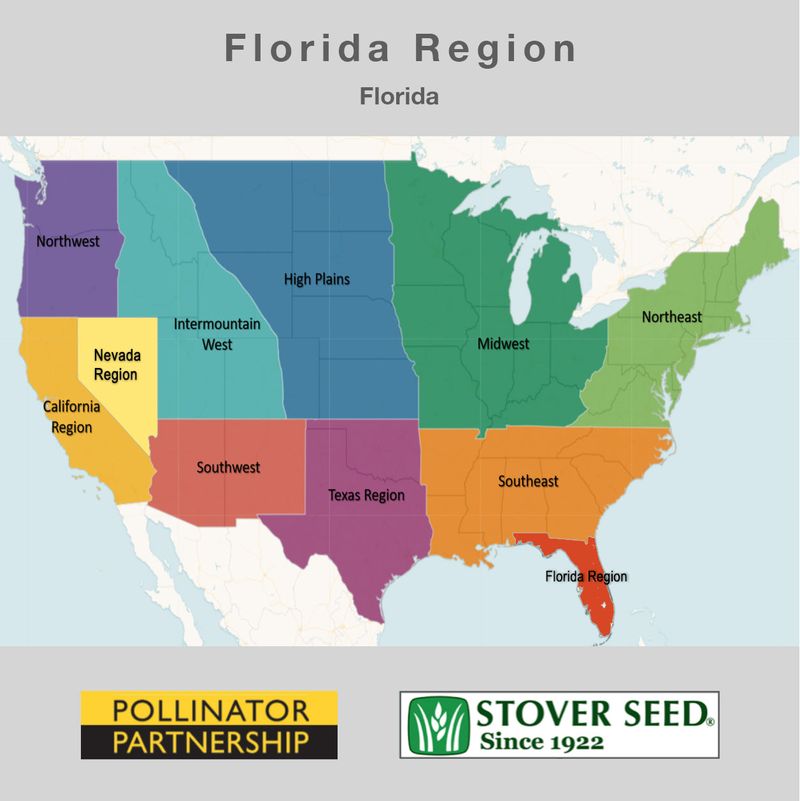
Florida stretches across nearly 500 miles from the Panhandle to the Keys, and a plant that thrives in Hialeah can freeze to the ground in Tallahassee.
Treating this list as a statewide prescription is the fastest way to waste money and end up with dead plants where you wanted habitat.
Firebush is the one that causes the most confusion.
UF/IFAS identifies firebush as native from Sumter County southward, which puts it solidly in Central and South Florida.
Panhandle and North Florida gardeners can still grow it, but it may freeze to the ground in a hard winter, and it is salt-sensitive enough to struggle on exposed coastal sites.
If firebush does not fit your zone or location, swap in a locally appropriate native with similar flowering value, such as native salvia or native Lobelia, rather than forcing a plant into conditions it cannot handle.
Coontie fits Zones 8b through 11 and tolerates both drought and salt, which makes it a practical choice from the Panhandle all the way down to the Keys.
Its salt tolerance makes it especially useful in coastal landscapes where many other natives struggle.
Just keep the poisonous-if-eaten caveat in mind wherever children or pets are present.
Muhly grass suits Zones 7 through 11 and tolerates sand, extended flooding, drought, and moderate salt, which makes it one of the most flexible plants on this list for Florida’s varied conditions.
It works along the Gulf Coast, the Atlantic Coast, and inland sites without much fuss.
Live oak is the slowest payoff on the list.
UF/IFAS notes that significant acorn production may take roughly 20 years, so plant it for the generation of habitat value it builds over time, not for a quick fix.
South Florida and the Keys homeowners should also account for heat and salt exposure when choosing a planting location for any of these species.
Bat Conservation International emphasizes open flight paths as a key factor in bat-house success, so avoid planting any of these species close enough to the house to block the entrance or create a new predator perch.
UF/IFAS also recommends reduced insecticide use as part of any bat-friendly landscape, because broad-spectrum sprays knock down the insect populations that make your yard worth visiting in the first place.
UF/IFAS bat-house guidance reinforces that open surroundings and a pesticide-light approach work together with the right plantings to give bats a reason to stay.
Protect Natural Roosts Too
The bat house gets the attention, but the roosts already on your property may be doing more work than any box you install.
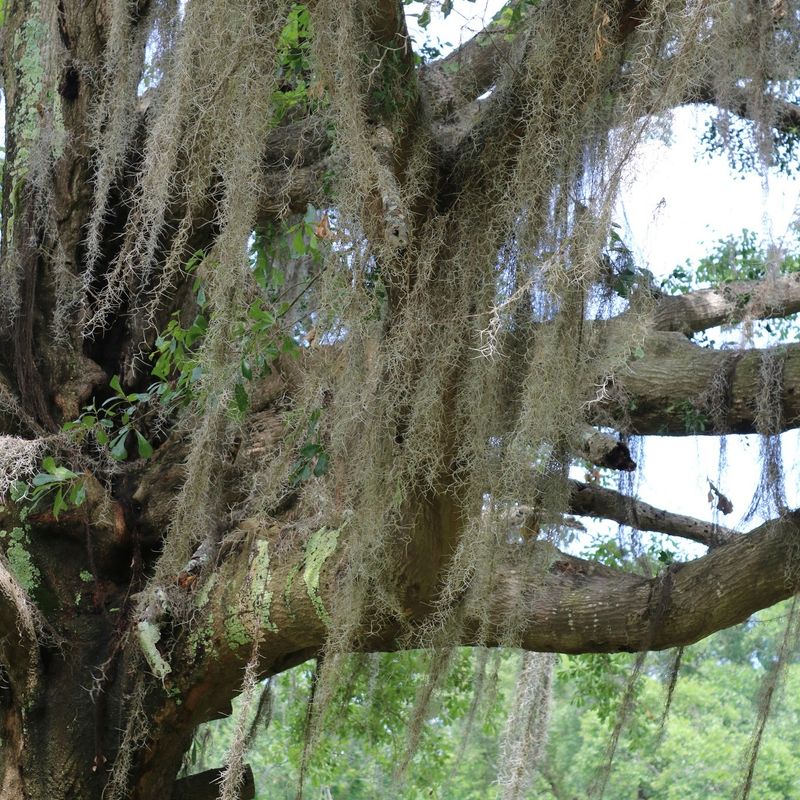
Cavities in live or dead trees, peeling bark, Spanish moss, and unpruned palm structures can all provide roosting opportunities for Florida bats, depending on the species, the condition of the feature, and how much disturbance happens nearby.
Florida FWC encourages homeowners to retain these natural features when they do not create risks to people, buildings, utilities, or storm safety.
A hollow limb over a sidewalk is a different story than a hollow limb over an unused corner of the yard.
The value of a natural roost depends on its condition and location, not just its presence.
Dead fronds on a sabal palm are worth keeping if they are stable and positioned away from foot traffic or structures that could be damaged if they fall.
UF/IFAS recommends protecting natural roosts as part of a complete bat-conservation approach, alongside native vegetation, open water, and reduced insecticide use.
The goal is a connected habitat, not a single box on a pole doing all the work alone.
Two myths worth clearing up: painting a new bat house with guano does not attract bats, and playing recorded bat calls has not been shown to reliably draw them in either.
UF/IFAS is direct on this point, so save the effort and focus on the habitat conditions that actually matter.
If guano does accumulate under a natural roost or a bat house, clean it up with a shovel or scoop rather than bare hands, because microorganisms may be present in bat feces.
The goal is a yard that welcomes bats on their own schedule, not one that tries to force occupancy through shortcuts that do not work.
Pair Bat Habitat With Mosquito And Bat Safety
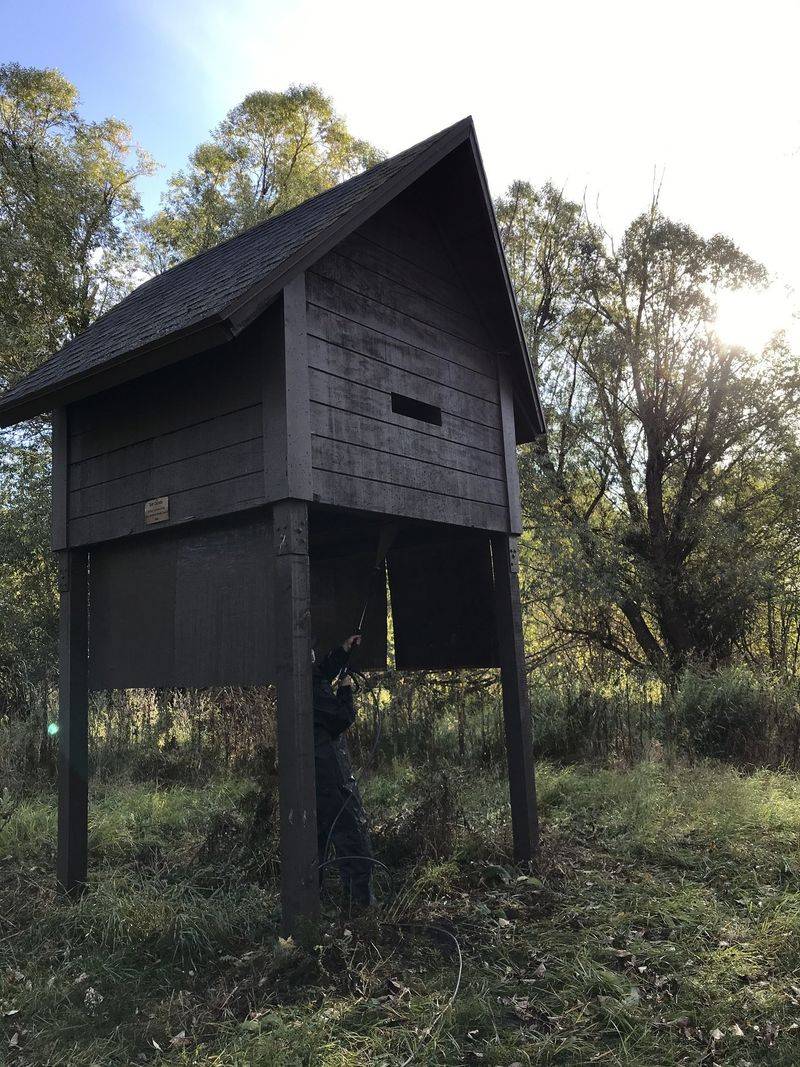
Bat habitat improvements work best as one layer of a broader plan, not as a replacement for the basics.
Standing water is still the single most productive mosquito nursery on most Florida properties, and emptying saucers, buckets, gutters, and low spots after every rainstorm does more for your mosquito situation than any bat house ever will.
Screens, repellents, larvicides, and professional mosquito management all stay in the toolkit alongside the habitat work.
On the bat-safety side, the rules are clear and worth knowing before you start.
Never attempt to capture, relocate, or handle bats to populate a house.
UF/IFAS states that relocation without a permit is illegal in Florida, and bats may bite in self-defense.
Never handle a grounded, sick, or dead bat with bare hands.
If bats are roosting inside your home and you need to exclude them, the timing and method matter under Florida law.
Florida FWC prohibits excluding bats during the maternity season, which runs from April 15 through August 15, when mothers are raising pups that cannot yet fly.
Sealing bats inside a structure is never permitted.
FWC also requires that exclusion devices remain in place for at least four nights when overnight temperatures are forecast to stay at or above 50 degrees Fahrenheit, subject to current FWC requirements, to give all bats a chance to exit before the gap is sealed.
FWC guidance on bats in buildings can walk you through the full process, and a qualified or permitted wildlife professional is worth consulting for any building exclusion.
UF/IFAS reminds homeowners that bat activity naturally slows during the dry season, roughly December through April or May, so a quiet house in January is not evidence that something went wrong.
The reliable benefit of this project is a richer yard habitat.
Mosquito relief, when it comes, is a welcome side effect rather than a guarantee, and that framing keeps the project honest and worth doing.