
North Carolina Native Vines That Cover A Fence And Keep Painted Buntings Coming Back
Follow us on Google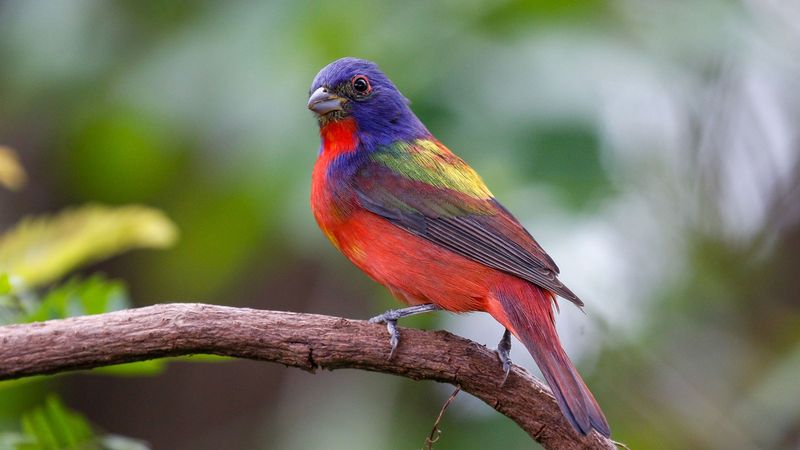
You drag your patio chair into the shade one muggy North Carolina afternoon, and a flash of blue, green, and red darts along the fence line.
It is a Painted Bunting, and it keeps coming back to your yard like it owns the place.
That is no accident, friend.
A few native vines climbing your fence hand these shy birds exactly what they want, dense cover, hungry-caterpillar buffets, and berries, so those flying rainbows stay all season.
1. Virginia Creeper Is A Surprising Workhorse For Birds
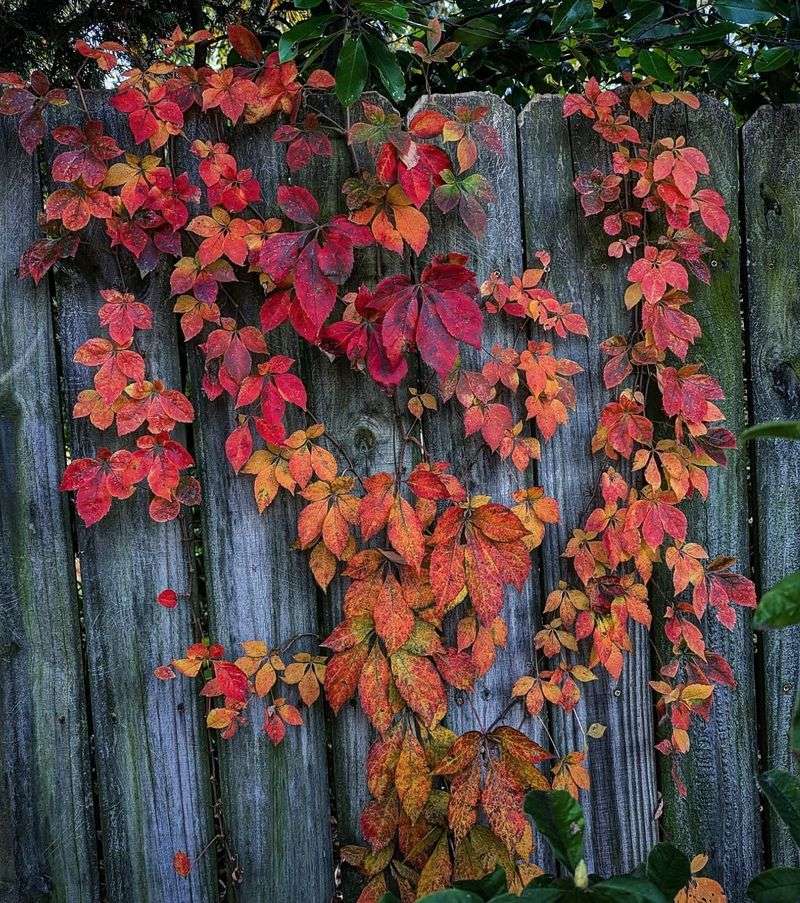
Half the neighborhood yanks Virginia Creeper (Parthenocissus quinquefolia) off the fence, mistaking it for a weed.
That is a genuine mistake, because this native climber quietly runs one of the busiest bird pantries on your property.
Come late summer, the green leaves flare into deep red and purple.
That color shift is not decoration.
It is a signal, telling birds the dark blue berries underneath are ripe and ready.
More than 35 bird species, plenty of them our Piedmont songbirds, work through those berries when the cold months strip away easier food.
Here is the part that matters for buntings.
Virginia Creeper is a host plant for several sphinx moths, so its leaves feed fat caterpillars all spring and summer.
Parent buntings need that protein to stuff into their nestlings, which they usually raise 3 to 9 feet off the ground.
What reads like a nuisance vine is actually a nursery and a snack bar stacked together.
Give it a fence in sun or part shade and it climbs fast, gripping with little adhesive pads that will not gouge your wood.
So before you pull it, watch the fence for a week.
You may find it is already working for you.
2. Coral Honeysuckle Offers Sweet Nectar And Berries
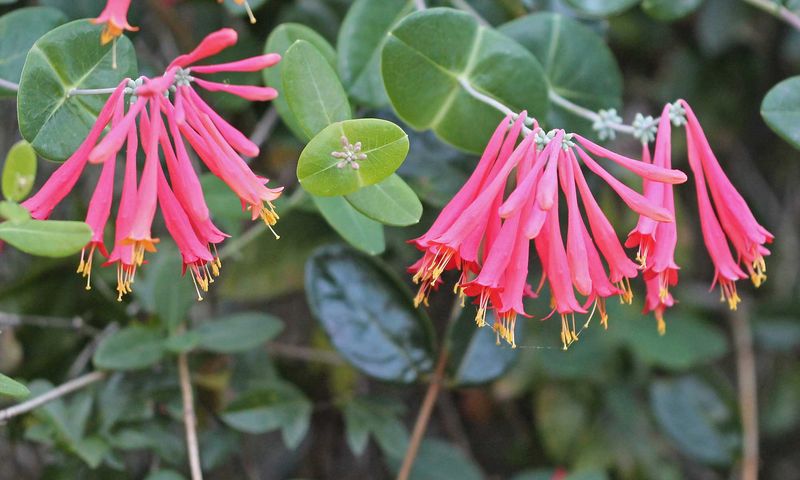
Say honeysuckle and most folks flinch, remembering the invasive Japanese kind that swallows whole tree lines.
Our native Coral Honeysuckle (Lonicera sempervirens) behaves nothing like that bully.
It stays polite, and it earns its fence space.
Trumpet-shaped flowers in coral-red to orange open in late spring, sometimes as early as March down in the Coastal Plain, then keep dribbling out blooms through summer.
Hummingbirds treat those tubes like a filling station, and bees crowd in right behind them.
Buntings mostly chase seeds and insects, but they have been known to sip nectar from tubular flowers like these for a quick energy hit.
After the blooms fade, bright red berries show up, and finches and other songbirds clean them off.
So one vine hands out insects, nectar, and fruit across a long stretch of the calendar.
It is tough, thriving in USDA zones 4a through 9b, which covers every corner of North Carolina.
Plant it in full sun to part shade in humus-rich, well-drained soil, and it will run up to 20 feet of fence.
Not a magic wand, but it is one dependable layer in a bunting-friendly yard.
3. Passionflower Provides Fruit And Butterfly Larvae
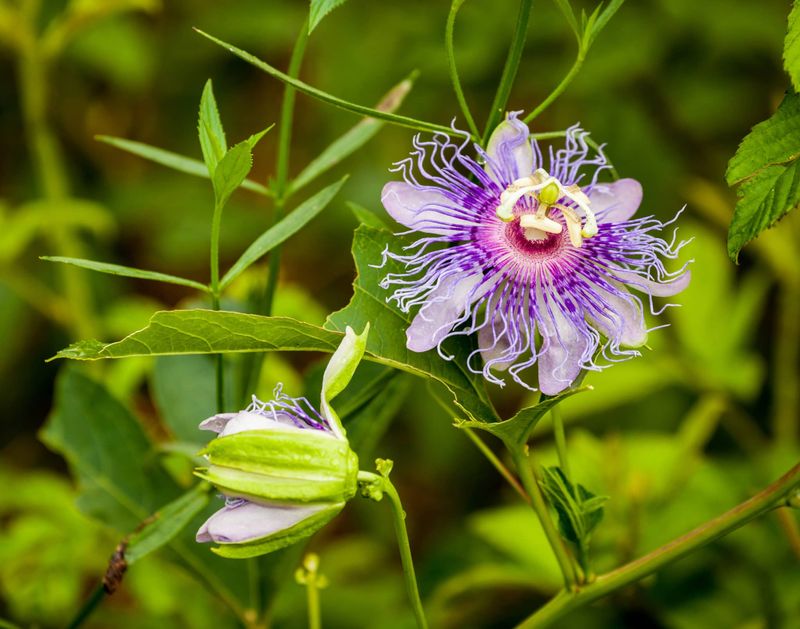
Nothing else on your fence looks quite like Passionflower (Passiflora incarnata).
The blooms are purple and white and so intricate they seem shipped in from the tropics, yet Maypop, as old-timers call it, is native right here.
Flowers roll out from spring through fall, pulling in bumblebees and butterflies with that strange, fringed beauty.
But the real gift for buntings hides in the leaves.
Passionflower is a host plant for Gulf Fritillary and other butterflies, meaning caterpillars chew those leaves by the dozen.
During breeding season, insect-hungry buntings turn that caterpillar crop into meals for their chicks.
Later the vine sets egg-shaped fruits that ripen to yellow, and songbirds happily snack on them.
Fair warning, this one is enthusiastic.
It climbs to about 12 feet and spreads by underground runners, so plant it where you do not mind it wandering.
It shrugs off North Carolina’s range of soils, from sandy Coastal Plain ground to heavy Piedmont red clay, and handles both dry spells and moderate moisture.
Give it full sun to part shade.
The tangle it creates doubles as nesting cover, which is exactly the wild, safe feel a bunting is hunting for.
4. Crossvine Is A Nectar-Rich Haven
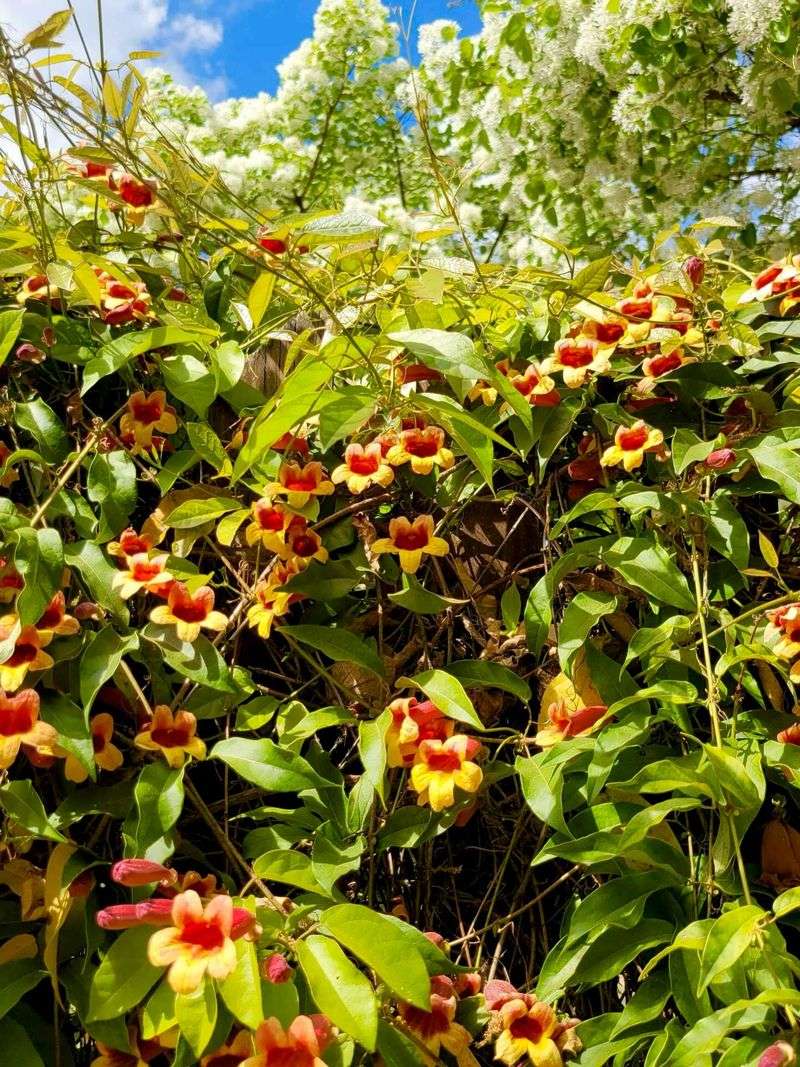
Crossvine (Bignonia capreolata) does not ease into spring, it detonates.
Clusters of trumpet flowers in red, orange, and yellow blaze across the vine in mid-spring, with a smaller encore in summer.
Hummingbirds and pollinators swarm the nectar, and that crowd is the point for your buntings.
Where insects gather, breeding buntings follow, because nesting season runs on protein, not seeds.
A vine humming with bugs is a vine feeding the next generation of nestlings.
It gives more than food.
Crossvine grows dense and semi-evergreen to evergreen, so it holds the leafy cover shy buntings crave when they slip in and out of the fence line.
That security matters as much as any meal.
The catch is its ambition.
Crossvine is a vigorous climber that grips with adhesive pads and can stretch 30 to 50 feet long and 6 to 9 feet wide, so give it a long fence and room to sprawl.
Set it in full sun or light part shade in well-drained soil, and water it regularly through that first year while the roots settle in.
After that, it mostly takes care of itself.
5. Carolina Jessamine Provides Early Blooms And Cover
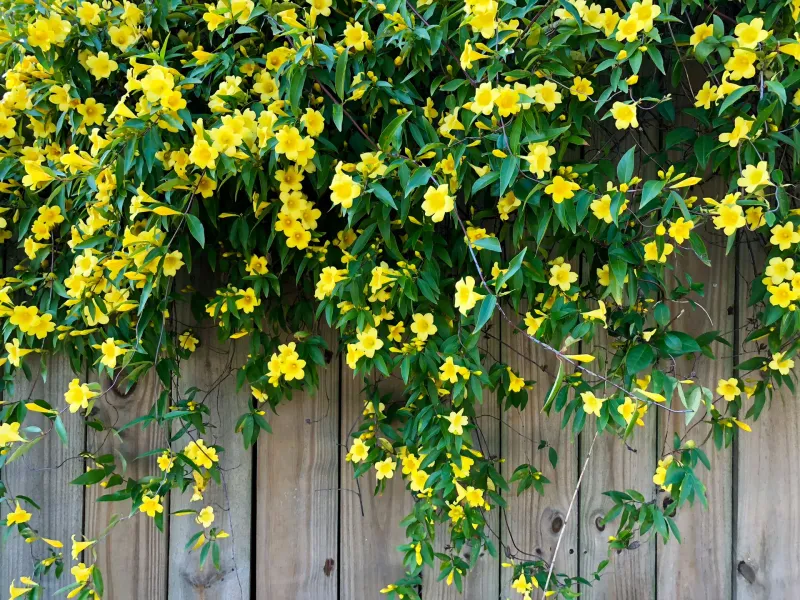
While the rest of the yard is still shaking off winter, Carolina Jessamine (Gelsemium sempervirens) is already showing off.
From February into May, it drapes the fence in fragrant, canary-yellow trumpets, one of the first blooms North Carolina serves up each year.
That early timing is the trick.
When almost nothing else is flowering, this vine feeds hummingbirds, butterflies, and other pollinators, and those insects draw in more insects.
Buntings arriving to nest find a fence line already busy with the protein their chicks need.
The vine itself is a twining evergreen that climbs 10 to 20 feet, staying leafy year-round.
That steady cover shelters birds from hawks and from those surprise cold snaps that ambush a mild NC winter.
Its seeds also feed songbirds and small mammals.
It likes full sun for the heaviest bloom but tolerates part shade and most soils, sandy to clay, as long as drainage is decent.
Prune it lightly right after flowering to keep it tidy.
One honest caution, every part of Carolina Jessamine is poisonous if eaten, so plant it where curious kids and pets will not nibble.
6. American Wisteria Brings Bloom Without The Bully
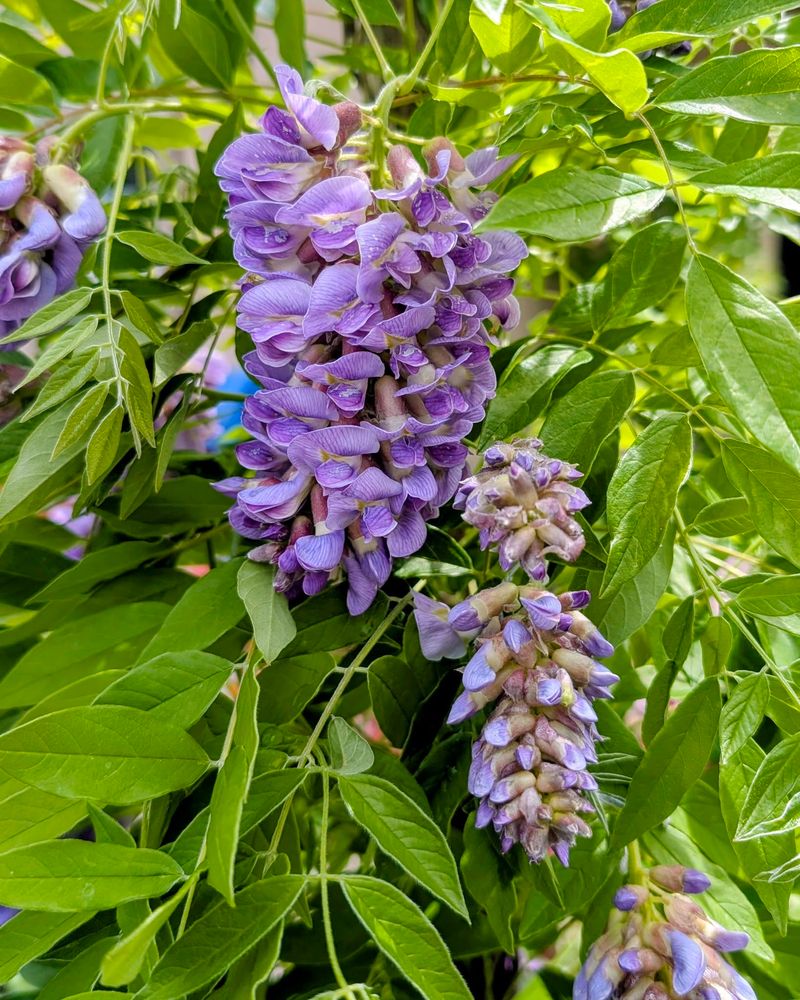
Wisteria has a reputation for eating porches whole, but that is the Asian import.
Our native American Wisteria (Wisteria frutescens) is the well-mannered cousin, and it still delivers those dreamy purple flower clusters people fall for.
Blooms hang in short, dense clusters in mid to late spring, usually April into May across the Piedmont, and they draw bees and other pollinators by the dozen.
That insect traffic is what turns your fence into a feeding zone for nesting buntings hauling bugs back to hungry chicks.
The bigger win is temperament.
Native wisteria climbs a manageable 15 to 25 feet instead of the 60-plus feet the Asian kind can hit, so it covers a fence without tearing into your gutters.
It twines into a thick, woody screen, and that density gives shy buntings the concealed, brushy pockets they like to slip into.
Plant it in full sun for the best flowering, in moist, well-drained soil, and be patient, because young plants may take 2 to 3 years to really bloom.
Prune after flowering to keep it in bounds.
You get the cottage-garden look and the wildlife payoff, minus the yard-swallowing drama.
7. What Else Actually Helps Keep Painted Buntings Around
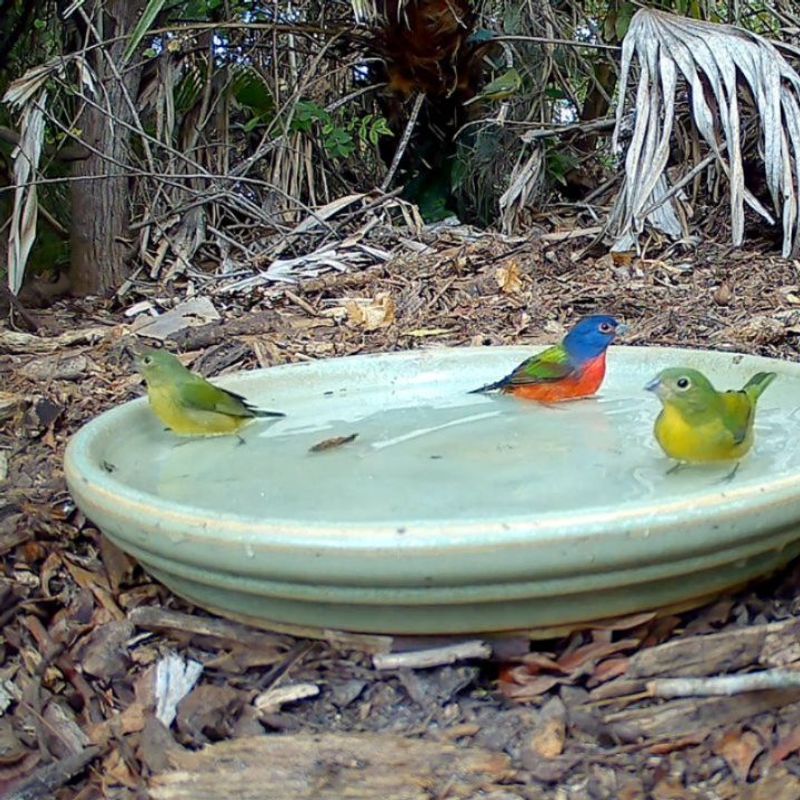
Vines do a lot of heavy lifting, but a few small moves genuinely tip the odds in your favor.
Buntings love low, dense vegetation where they can forage on the ground and still feel hidden, so let a corner of native grasses or wildflowers grow a little untidy.
That messy patch is extra seeds and extra insect habitat rolled into one.
Water pulls them in too.
A shallow bird bath with clean water, set within a few feet of protective cover, is a quiet magnet, especially through a hot Coastal Plain summer.
Keep it fresh and low to the ground.
These birds are famously shy, so give them space.
Approach the yard calmly and let them settle without a crowd hovering nearby.
If you run a feeder, NC State Extension and bunting watchers agree white proso millet is their top pick, offered in a low platform or a tube feeder with small perches that shut out pushier birds.
Stack those habits on top of your native vines and the fence line becomes something rare, a spot that is safe, wild, and stocked with food.
Then one muggy evening you look up, catch that flash of color again, and realize you built this.
That quiet flicker of pride is well earned.