
7 Smells Around Your Pennsylvania Home That Keep Pulling Coyotes Closer This Winter
Follow us on Google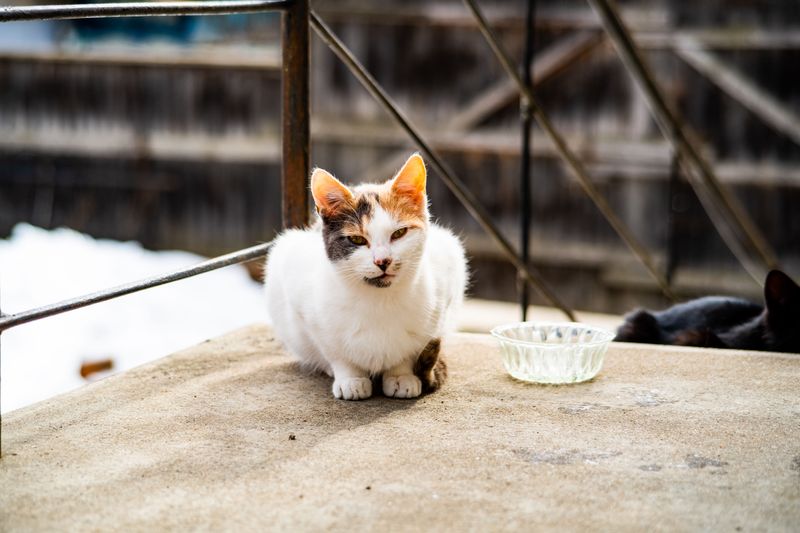
You step onto the back porch on a frozen January night and hear it, a thin yip from the tree line, then a whole chorus. Coyotes are closer than you think, and in a Pennsylvania winter their noses are working overtime.
Food is scarce once snow covers the fields, so the smells drifting from your yard can read like an open invitation. The good news is that most of those smells are easy to fix once you know where they come from.
1. A Dead Animal Hiding In The Yard
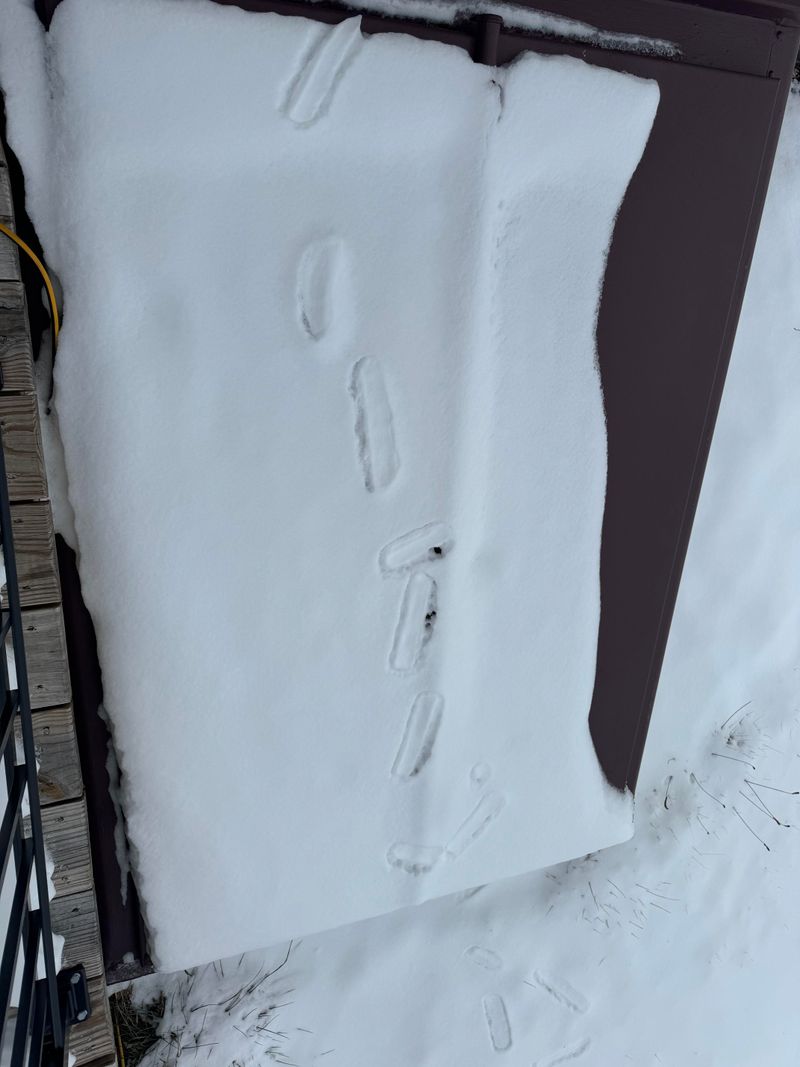
A vole or rabbit that died during a cold snap can go unnoticed under the snow for days. You might never smell it, but a coyote can pick up that scent from a remarkable distance.
Carrion is a big part of a coyote’s winter menu. In the northern tier and across rural Pennsylvania, deer carcasses along roads actually teach coyotes to sniff for easy leftovers, and a backyard carcass fits that same pattern.
Walk your property after every thaw, when buried things surface. Double-bag small animals, seal them, and put them in a lidded can.
For a deer or anything large on frozen ground, call your township or the Pennsylvania Game Commission for removal help.
It is not a pleasant chore. But it quietly takes your yard off the scavenging route.
2. Grease Left Behind On The Winter Grill
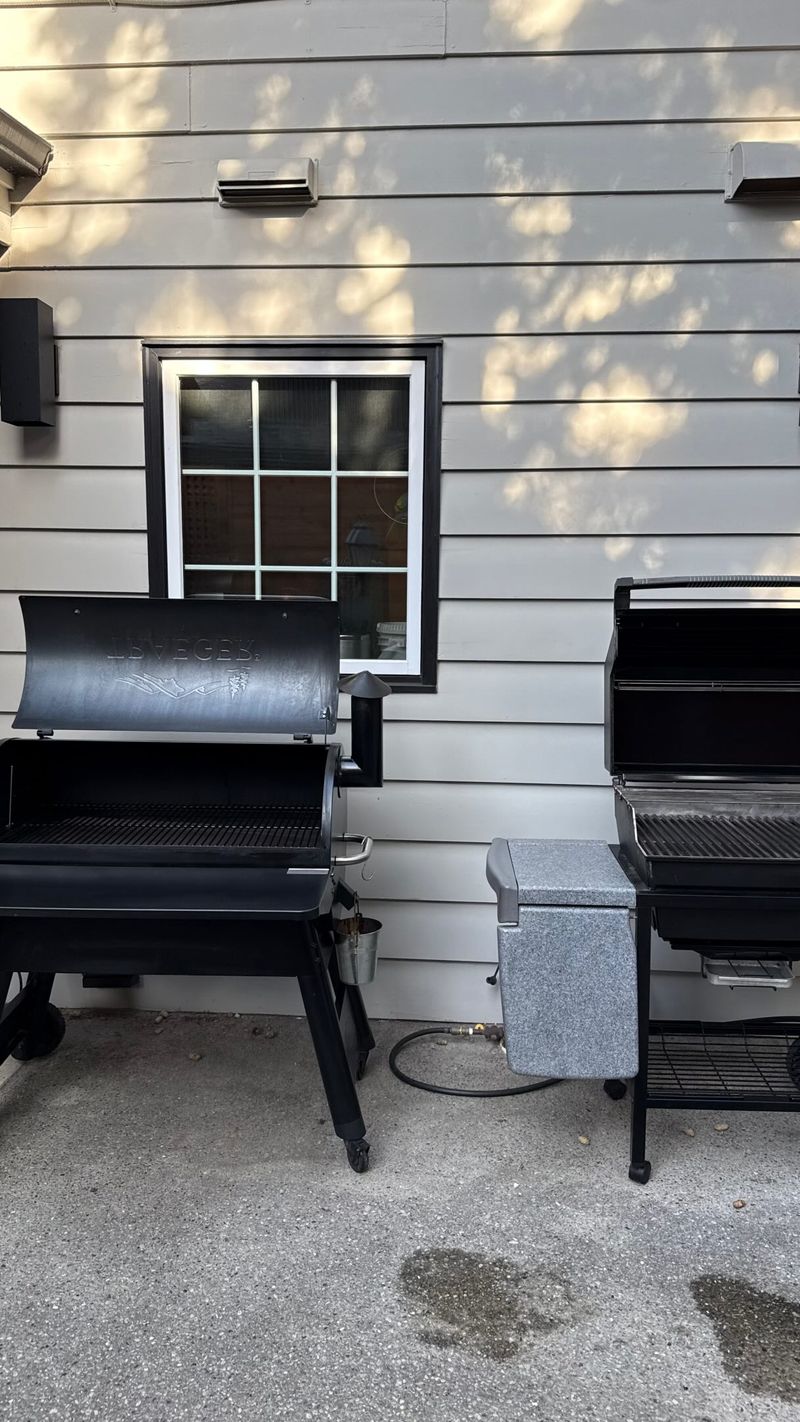
Plenty of Pennsylvanians grill straight through winter, boots on and breath fogging. Here is the catch.
The cookout ends, but the smell of burger grease keeps broadcasting long after you go inside.
Cold air holds odors close to the ground, and a coyote reads that layer like a menu board. Around the edges of Pittsburgh and other suburbs, coyotes learn fast that homes mean easy calories.
Scrape the grates while they are still warm, then empty the drip pan into a sealed bag the same night. Wipe the side shelves too.
Bones and meat scraps go into a locked can, never an open bag on the porch, not even for 1 hour.
Ten minutes of cleanup is cheap insurance, and your grill stays nicer for spring.
3. Trash Cans That Sit Out Overnight
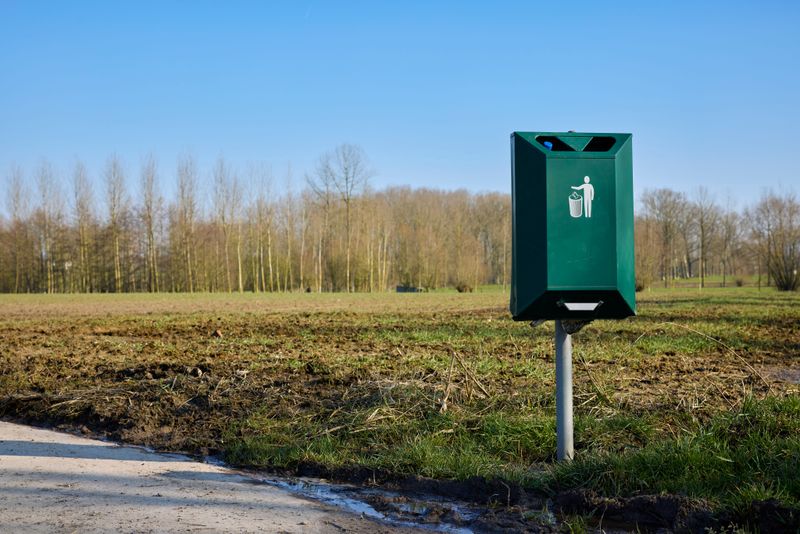
Many people roll the cans to the curb the night before pickup. It feels efficient, but to a hungry coyote it is a twelve-hour buffet with meat trimmings, rotting fruit, and old leftovers all mixed together.
Once a coyote finds a reliable trash stop, it adds your street to its nightly loop. In denser southeastern Pennsylvania neighborhoods, that habit spreads from one yard to the next surprisingly fast.
Use sturdy cans with locking lids, or strap them with bungee cords. Keep them in the garage or shed until the morning of pickup.
Rinse cans with a little diluted bleach once a month to cut the lingering odor.
It is genuinely one of the simplest fixes on this list, and your neighbors benefit too.
4. Pet Food Bowls Left On The Porch
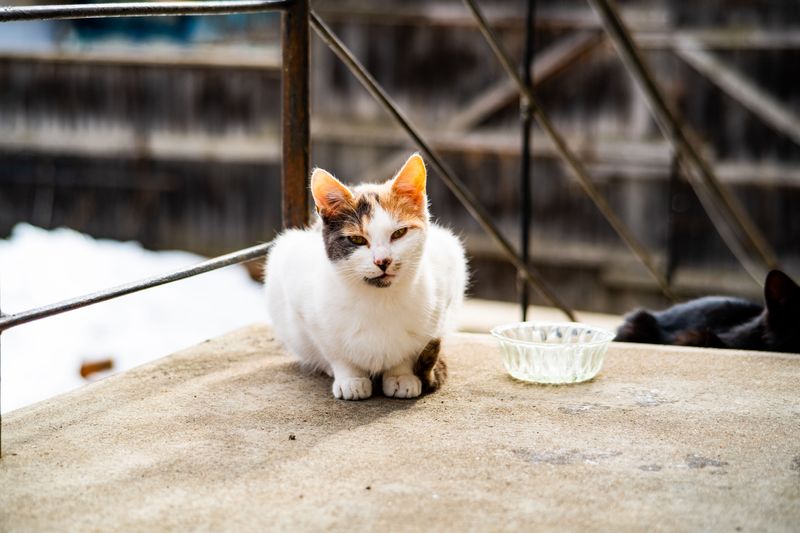
Leaving kibble out for the cat seems kind. Yet that bowl is a high-calorie meal that requires zero hunting, which is exactly what a winter coyote wants.
Worse, the food draws coyotes to the same spot your pets use. Small dogs and cats can look like prey or competition, and that turns a feeding habit into a safety problem.
Feed pets indoors whenever you can. If outdoor feeding cannot be avoided, set the bowl out for only 15 to 20 minutes, then bring it in.
Store the bag in a sealed container inside, not on the porch.
Your pets still eat well. The coyote simply loses its reason to visit.
5. An Open Compost Pile Steaming In The Cold
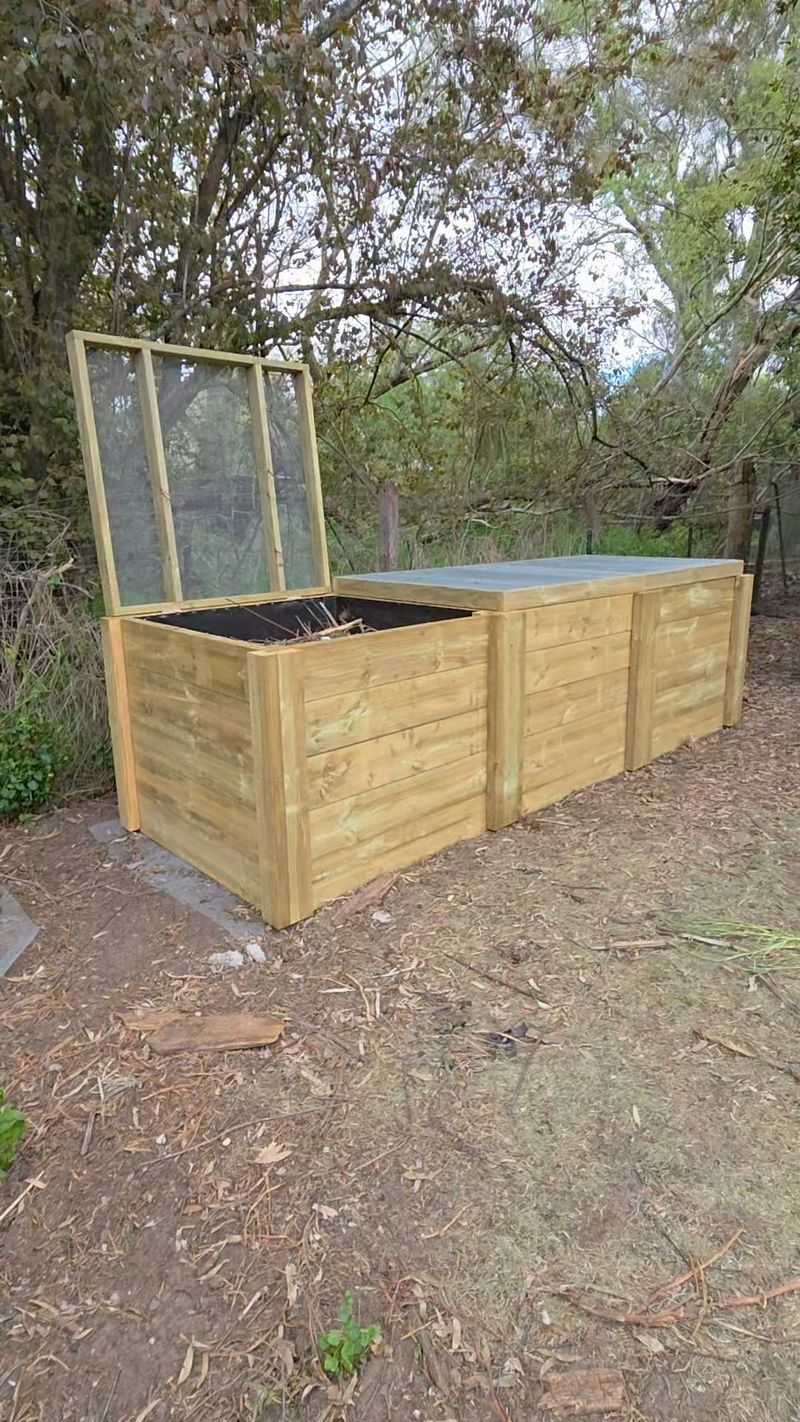
Compost is a gardener’s pride, that dark crumbly soil builder you count on in spring. On a 20 degree morning, though, an active pile steams like a kettle and sends its scent across the whole yard.
The pile offers two meals. Coyotes come for scraps, and they also come for the mice and voles that move in for warmth.
Gardeners in the Susquehanna Valley and other fertile valleys often see tracks circling open heaps.
Switch to a closed bin with a solid lid and a hardware cloth bottom. Keep out meat, fish, bones, dairy, and oily foods.
Bury every new layer of vegetable scraps under at least 8 inches of shredded leaves or straw.
Your compost keeps working all winter. It just stops talking so loudly.
6. Spilled Seed Under The Bird Feeder
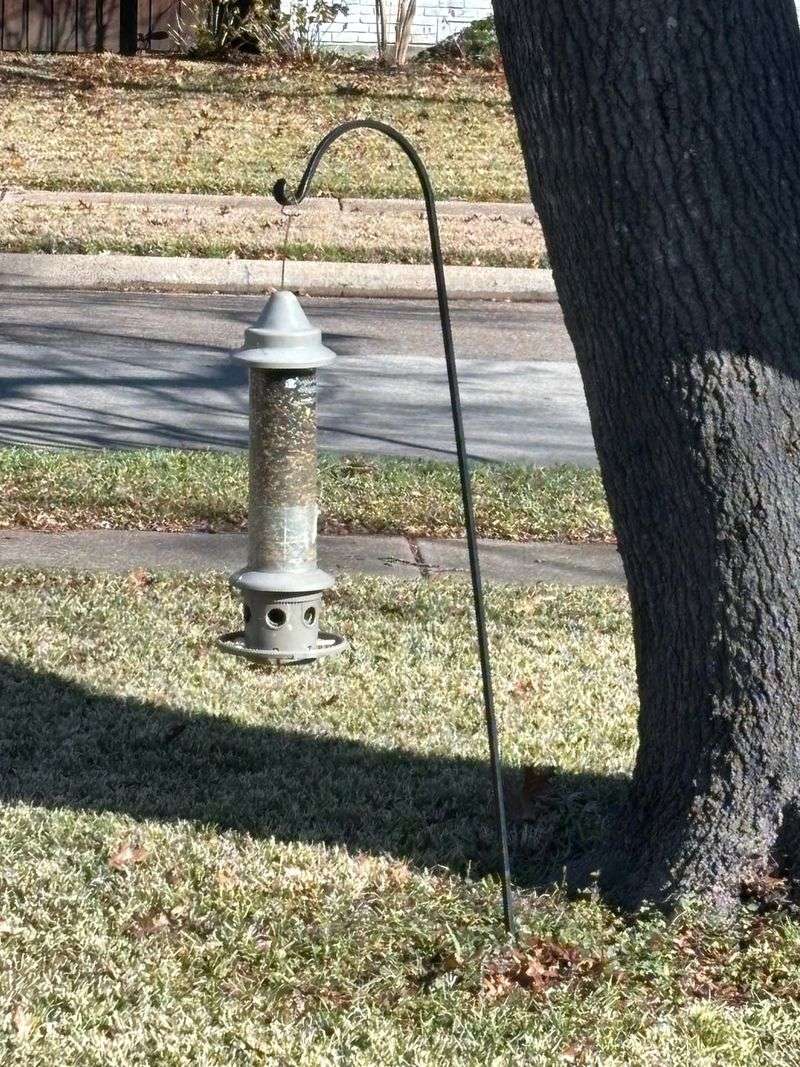
Here is a chain reaction most people miss. Spilled sunflower seed and millet feed mice and voles, and small rodents make up a huge share of a coyote’s diet.
So the coyote is not after the seed. It is following the rodents that gather beneath your feeder, especially when fresh snow shows their tracks.
From the Poconos to the Laurel Highlands, feeders near brushy fence lines see the most traffic.
Add a seed tray, and rake up hulls every 2 to 3 days. Move feeders at least 15 feet from dense shrubs that give cover.
If coyotes keep showing up, pause feeding for a few weeks.
The chickadees will forgive you, and the food chain loses its first link.
7. Fermenting Fruit That Never Got Raked
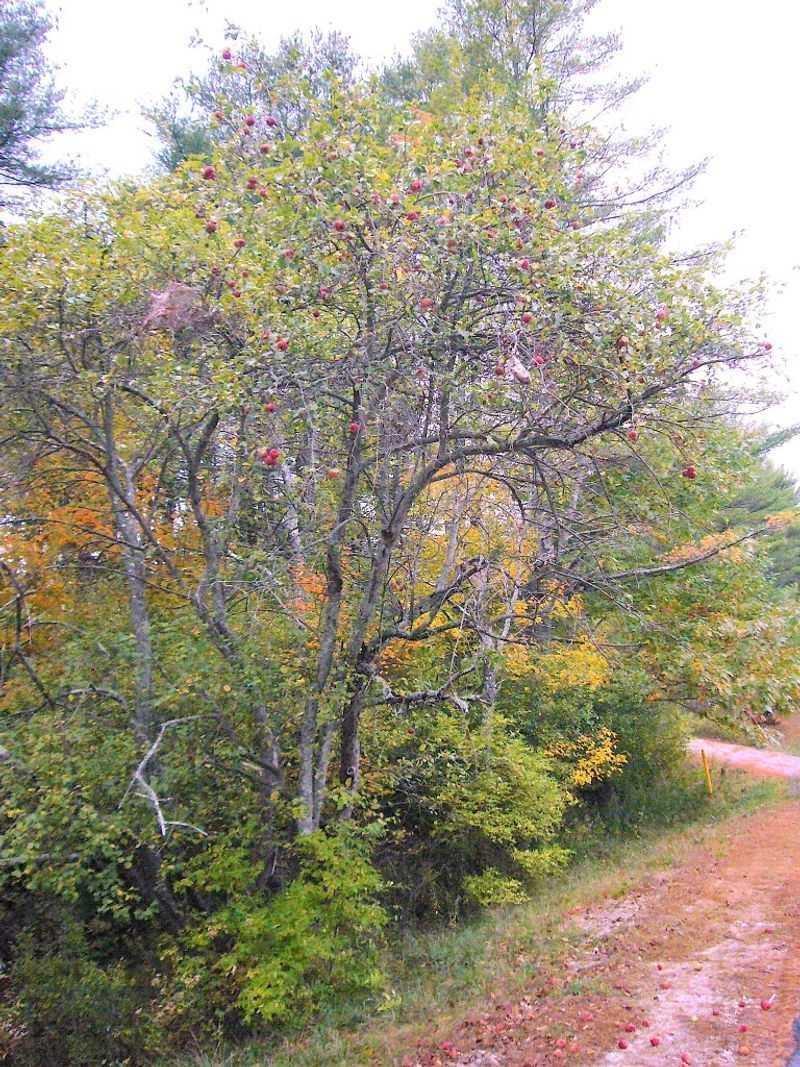
Coyotes are not pure meat eaters, a fact that surprises many homeowners. Fruit is a real part of their diet, and sweet fermenting apples or crabapples smell strongest on a mild day.
In warmer southeastern Pennsylvania pockets near Philadelphia, crabapples and pears can hang on or drop well into December. Freeze and thaw cycles soften that fruit and push the scent even farther, while also drawing rodents.
Rake up dropped fruit at least once a week until the tree is bare. Bag it and put it in your locked trash rather than the compost.
Penn State Extension also notes that tidy fall cleanup reduces wildlife and disease problems alike.
Combine this with the other six fixes and you have actually built a yard coyotes find boring. That is a quiet win worth being proud of.
