
Fall Asters Are The Tough Texas Native That Thrives In Caliche And Blackland Clay Alike
Follow us on Google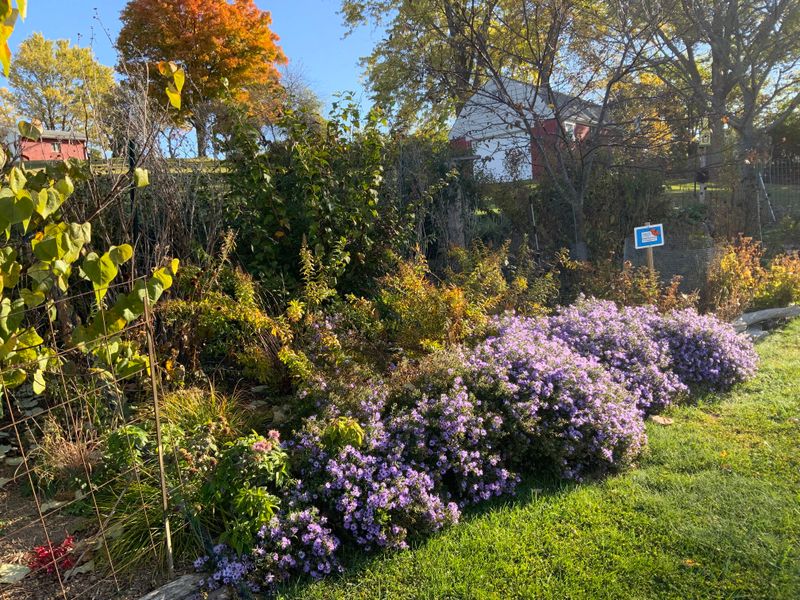
Fall aster is a Texas native that can grow in caliche and clay, as long as the soil drains well. By autumn it turns into a purple mound that bees and butterflies find hard to ignore.
You can also split a clump to make more plants, though you do not have to do it every year. Here is how to set it up in a North or Central Texas yard and what to expect once it settles in.
Meet fall aster, a fall-blooming mound
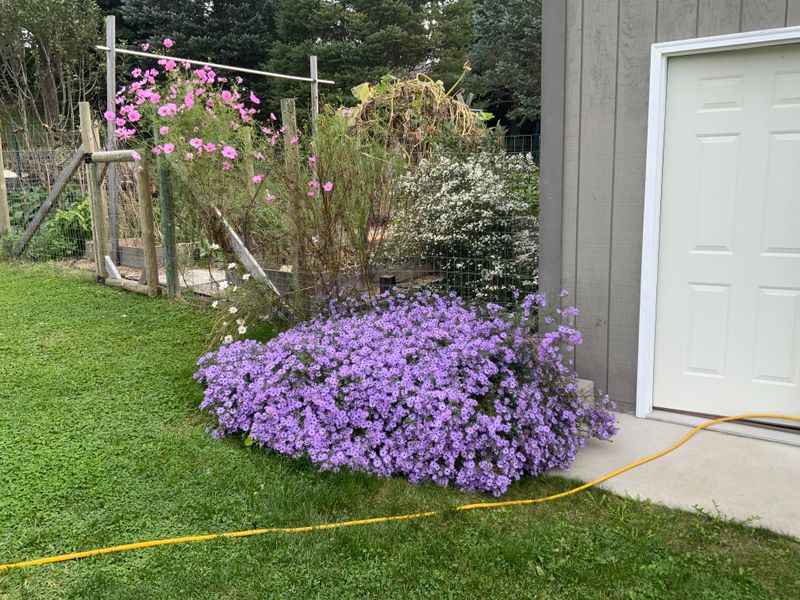
Late September in Texas, and the garden looks tired. Then a low mound of purple starts to glow near the walkway.
That is fall aster, a perennial that wakes up just when summer has beaten everything else down.
The plant is Symphyotrichum oblongifolium, also called aromatic aster. The Lady Bird Johnson Wildflower Center lists it as native to Texas, with purple or violet flowers from September through November.
That is a long stretch of color for very little fuss.
Sizes vary a bit by source. The Wildflower Center says it can reach up to about 3 feet tall, though often less.
A Denton County Master Gardener guide gives a typical size of 1 to 2 feet tall and 1 to 3 feet wide, with a rounded mound habit. So plan on a compact mound in most yards, and leave room in case it stretches taller.
It also grows in more than one kind of soil, which is part of its charm. But that does not mean every spot in your yard will suit it.
Drainage is the deciding factor, and the next section explains why.
Think of it as a quiet neighbor who shows up late to the party and brings the best dish. It just needs the right seat at the table.
Caliche and clay can work when soil drains
Here is the part that surprises people. The Wildflower Center lists the habitat for fall aster as well-drained sand, loam, clay, caliche, and limestone.
So the plant has a record in the very soils that make many gardeners groan.
Notice the words well-drained, though. Those words carry real weight.
A record of growth in clay or caliche does not mean heavy, packed, or soggy ground will work. After a big Texas downpour, if water sits for a day or more, that spot is a poor match.
That also means this is not a promise for every blackland clay yard. It points to well-drained clay, such as a slope, a raised bed, or ground that has been loosened and sheds water.
The Denton County guide also lists well-drained soil, even while calling the plant adaptable.
Soil chemistry matters too. The USDA fact sheet describes rocky and sandy soils and says the plant prefers neutral to slightly acidic conditions.
Adaptable does not mean it ignores the ground under its roots.
So test the spot with a simple habit. Watch where water lingers after rain, and plant where it drains away.
That small step does most of the work.
Where Texas gardeners have the strongest evidence
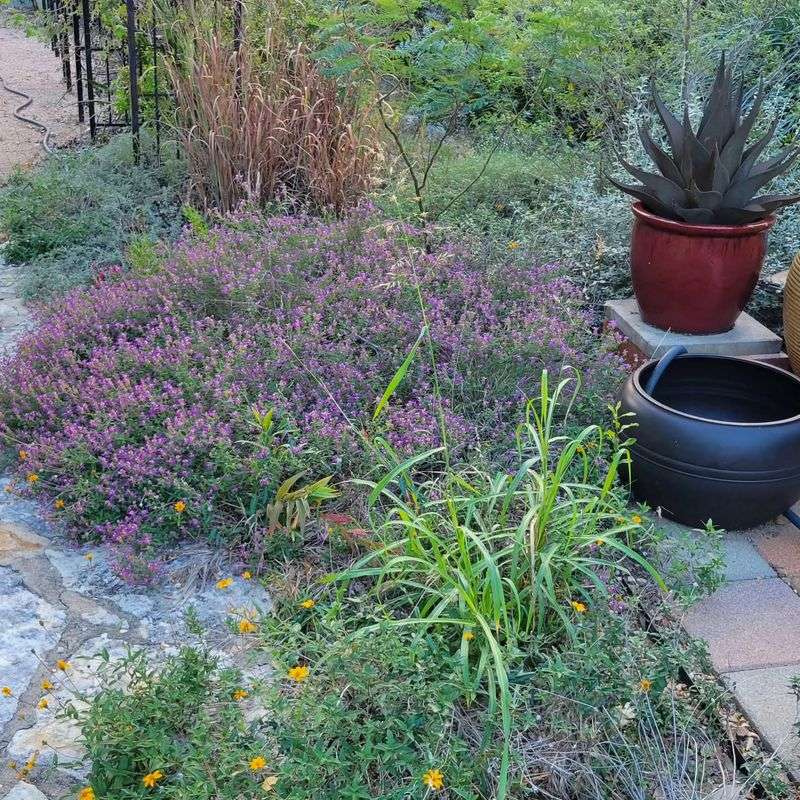
Texas is a big place, and no single plant behaves the same in every corner of it. Fall aster is no exception.
The best records point to a particular part of the state.
The Wildflower Center places its Texas habitat in the calcareous prairies of the Edwards Plateau and lower plains. Calcareous simply means limestone-rich, the kind of ground many Hill Country and Central Texas gardeners know well.
Up north, the Denton County Master Gardener guide specifically recommends it for North Texas. Together, those two sources make a solid case for trying fall aster in parts of North and Central Texas.
Beyond that, the evidence thins out. Nobody can honestly promise equal results from the Panhandle to the Gulf Coast or the Lower Rio Grande Valley.
Those places have different rainfall, soils, and winters.
If you garden outside the documented area, treat fall aster as a small experiment. Plant one or two, pick a well-drained spot, and watch how they do for a season or two before you commit a whole bed.
A documented fit is a good reason to try a plant. It is not a guarantee.
Help new plants settle in
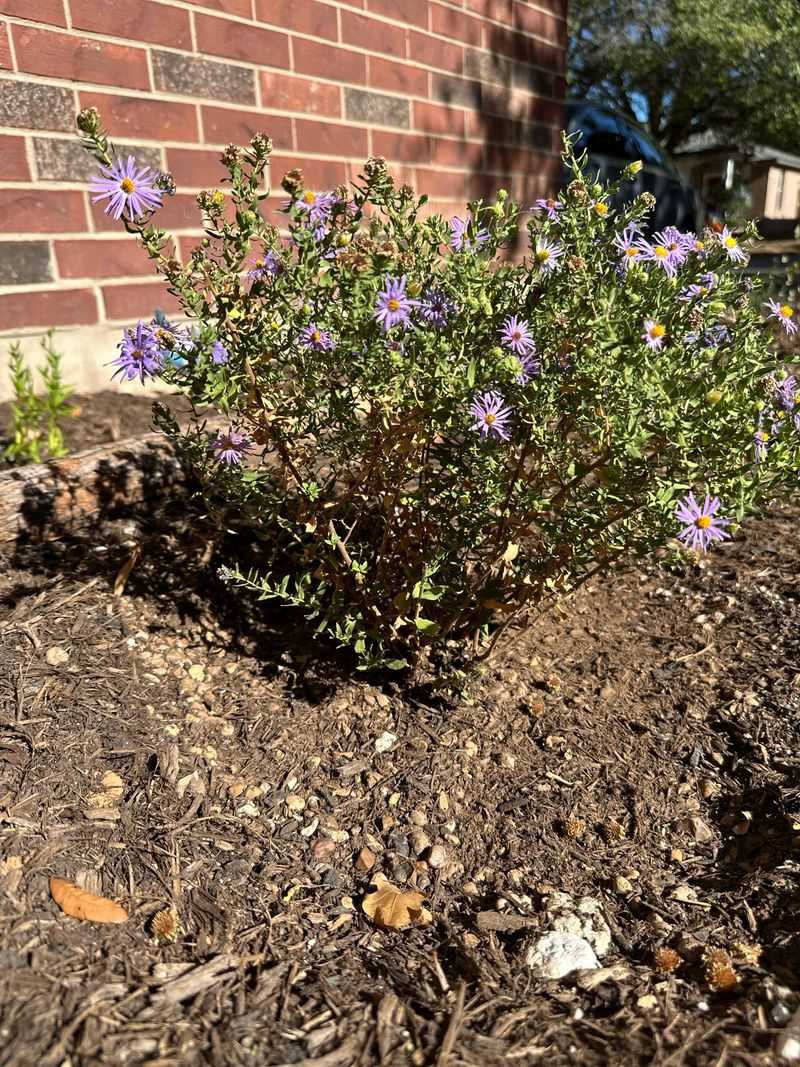
Low water use does not mean no water. That is a common mix-up, and it costs gardeners plants.
A tough native still needs help while its roots find their footing.
First, the setting. The Wildflower Center lists fall aster for sun to part shade and for soil that runs from dry to moist.
Pick a bright spot and keep it out of a low pocket that stays wet.
Now the difference between new and established. A new planting has small roots and needs steady moisture.
Central Texas Gardener notes that established plants need little water and warns against overwatering.
For the settling-in period, the Wildflower Center’s Central Texas fall-planting guidance says to water deeply enough to wet the soil 1 to 2 inches each week for 4 to 6 weeks. Adjust for rainfall, and skip a session if it has poured.
That is a local guideline for new plantings, not a fixed schedule for mature plants or every Texas region. Once the plant is rooted in, ease off and let the rain do its part.
A month or so of care now buys you years of easy color.
Trim in June and manage the spread
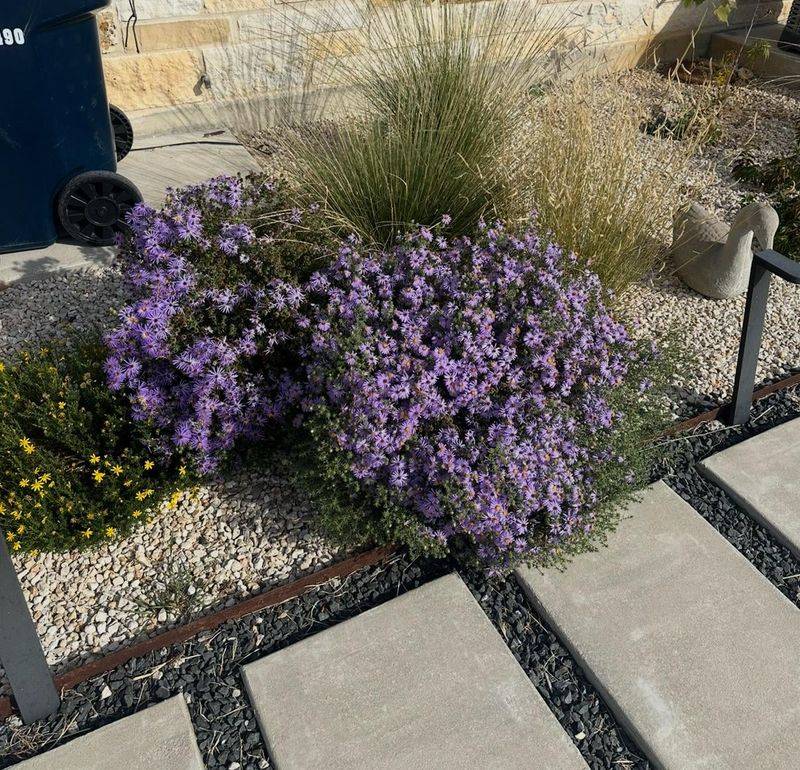
Left alone, a fall aster can flop open in the middle like a tired lawn chair. The fix is a haircut at the right moment.
The Wildflower Center recommends pruning it back by no more than half in June. That timing helps the plant stay a tidy mound instead of opening up under its own weight.
Cutting more than half is where gardeners get into trouble.
So grab clean shears in June and trim stems by a third to a half, then step back. The plant has the whole summer to grow fresh stems before bloom time.
Spread is the other half of the story. The USDA fact sheet notes that fall aster spreads slowly by stolons.
Those are horizontal stems that can root and send up new shoots.
Slowly is the key word. You will not wake up to an invasion.
But over a few seasons, a clump can creep past its edge.
When that happens, thin it. Pull or cut back the outer shoots to bring the plant back into its space.
A little attention each year keeps the mound looking like a mound.
Divide a clump when you want more plants
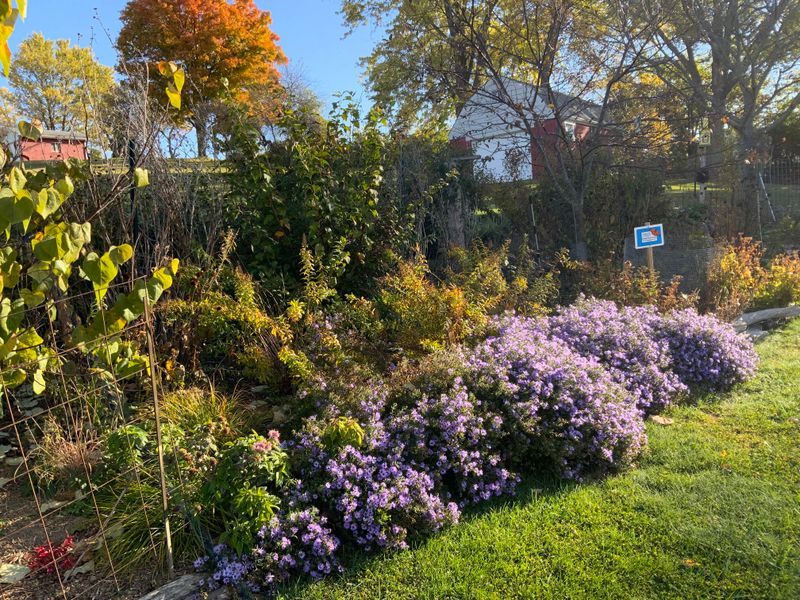
Plant swaps are a Texas tradition, and fall aster is a fine thing to bring. One clump can become several plants, but you choose when, not the calendar.
The USDA fact sheet lists spring or autumn as division times. So you have two windows, and either one can work.
The Denton County guide calls the plant easy to divide after flowering. It adds that divisions made after the flowers die back can bloom the next fall.
Treat that as guidance, not a promise. Some pieces will settle in quickly.
Others may sulk, and a few may not make it, especially in heat or poor drainage.
To divide, dig up the clump, split it into sections that each have roots and shoots, and replant them right away in well-drained soil. Water the new divisions as you would any new planting.
You do not need to divide every year. Do it when you want to fill a bare spot, share with a neighbor, or thin a crowded mound.
No pressure, no schedule. Just free plants when you want them.
Resilient does not mean disease-proof
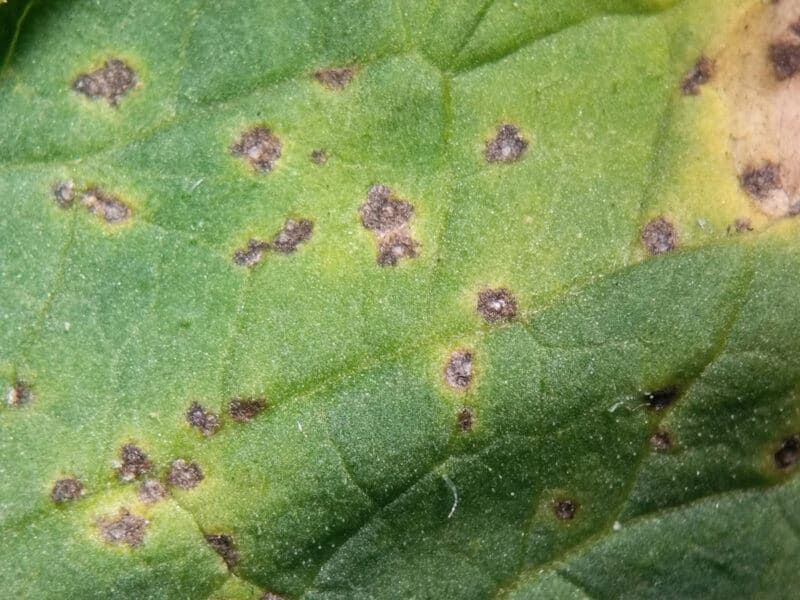
Calling a plant tough can sound like calling it invincible. Fall aster is generally resilient, but it has limits you should know about.
The Denton County guide describes it as pest- and disease-resistant. That matches what many gardeners see.
But the USDA fact sheet reports possible leaf spots, rusts, mildews, and stem rots.
The pattern is wet. Those problems show up most when plants stay moist for extended periods.
A soggy bed after a stretch of rain is where trouble tends to start.
So the same thing that helps the roots also helps the leaves. Choose a well-drained site, and do not water mature plants out of habit.
If a spot stays damp, move the plant or improve the drainage.
Here is the whole plan in short. Pick a drained spot in North or Central Texas.
Care for new plants through their first weeks. Trim in June, and divide only when more plants serve the garden.
Give it good drainage and a little attention, and it will bring fall color back year after year.
