
Skip Liriope At The Mailbox And Plant These North Carolina Natives Instead
Follow us on Google
At the end of a hot North Carolina driveway, the mailbox bed takes a beating.
Sun bakes it, storms splash it, and liriope often gets planted there just because it seems easy.
But liriope is not native, and the creeping kind can spread farther than many homeowners expect.
If you want that spot to stay tough, tidy, and more helpful to pollinators and birds, you have better choices close to home.
1. Cherokee Sedge
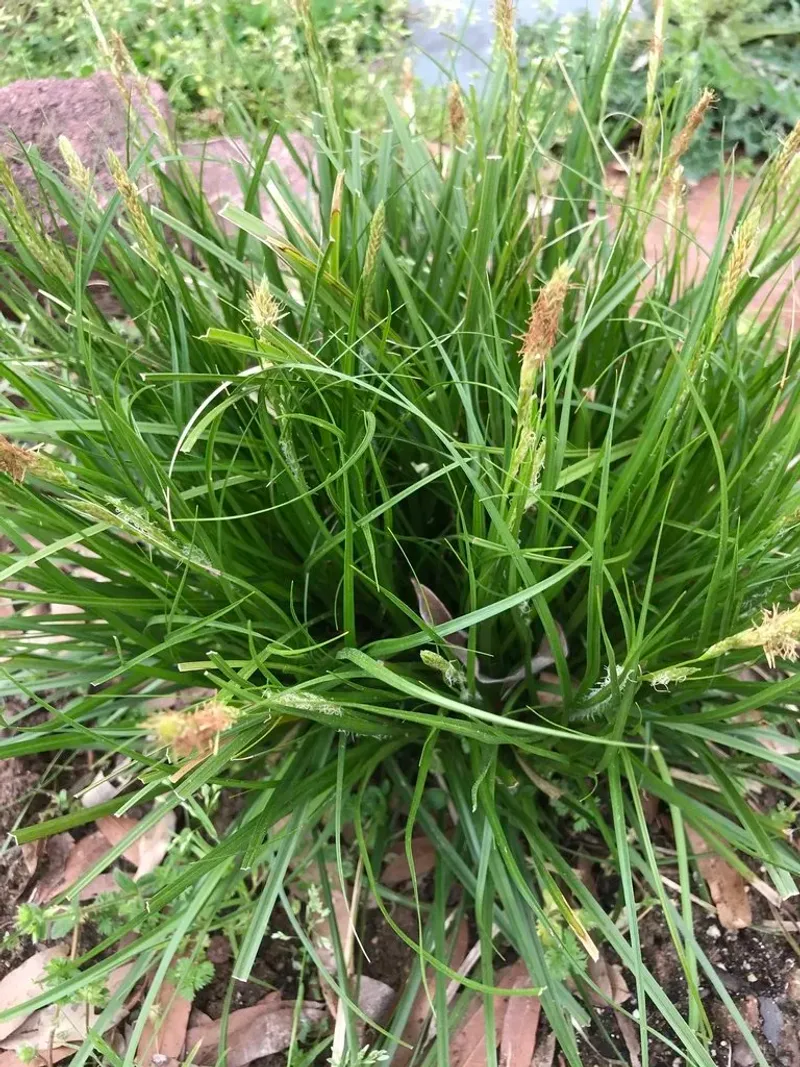
Funny thing about mailbox beds, people often want the soft, grassy look of liriope without the spreading headache that can come later.
Cherokee sedge, or Carex cherokeensis, gives you that calmer texture, but it behaves more like a polite neighbor than a yard bully.
Unlike creeping liriope, which can move by underground rhizomes, this native sedge forms tidy clumps and drifts.
In much of North Carolina it stays semi-evergreen to evergreen through mild winters, and it handles the kind of weather swing you know well, 95 degree July afternoons, then a surprise 22 degree cold snap in January.
That makes it useful in zones 7b to 8a, and often beyond with decent drainage.
Here is where it gets practical.
Plant it 12 to 18 inches apart in full sun to part shade, and water it about 1 inch per week for the first 6 to 8 weeks.
After that, many Piedmont gardeners find it needs little help except during long dry spells.
It will not bloom like a flower border star, but it does something just as valuable at the mailbox.
It keeps the space looking finished, it softens hard edges, and it supports a more local food web than imported monkey grass ever will.
2. Lanceleaf Coreopsis

By late May, when the driveway feels hot enough to shimmer, lanceleaf coreopsis steps in like a little patch of sunshine that does not ask much from you.
Coreopsis lanceolata is one of those plants that makes a plain mailbox look intentional instead of leftover.
The surprise for many homeowners is how well it handles rough conditions.
Mailbox beds often have reflected heat, compacted soil, and dry spells between storms.
Lanceleaf coreopsis can take full sun for 6 to 8 hours a day, tolerate lean soil, and keep blooming through early summer without the constant watering annuals demand.
In the Coastal Plain and Sandhills, that toughness matters.
So does its wildlife value, because the flowers bring in native bees and small butterflies right where you can see them from the road.
Set plants or divisions 12 inches apart in drifts of 3 or 5 for the best effect.
Water weekly during the first month, then only during drought once roots settle in.
Deadheading can stretch bloom time, but it is not a magic requirement.
According to NC State Extension, coreopsis generally performs best with sharp drainage and not too much fertilizer, which is good news for a low-fuss bed.
You get bright color, less pampering, and a front-yard spot that feels a lot more alive.
3. Eastern Bluestar
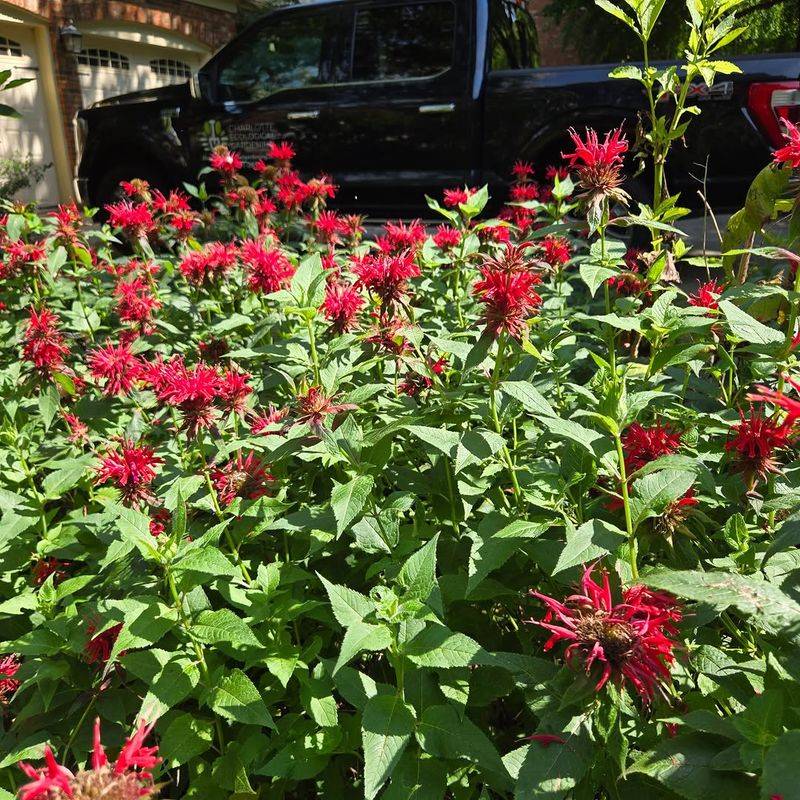
Not every mailbox planting needs to shout across the street.
Eastern bluestar, Amsonia tabernaemontana, wins people over with a quieter look, pale blue flowers in spring, narrow green leaves in summer, then rich yellow fall color when many plants are giving up.
That long season matters in North Carolina, where one small bed often has to earn its keep from April into October.
Bluestar is especially useful if you want structure without clipping every other weekend.
It grows about 2 to 3 feet tall and roughly as wide, enough presence to anchor the space without blocking the mailbox post.
In the Piedmont and lower mountain foothills, it handles heat, clay, and afternoon storms better than its soft look suggests.
Once established, it is fairly drought tolerant too.
Give it full sun or light shade and about 18 to 24 inches of space from the curb edge, so winter road splash and mower bumps do not rough it up.
Water regularly for the first growing season, then cut back only if a long dry stretch pushes past 10 to 14 days.
One more reason it belongs here, bluestar serves as a host plant for the coral hairstreak butterfly.
So your mailbox bed can look neat for you and still work behind the scenes, like a quiet hero in sneakers.
4. Purple Coneflower
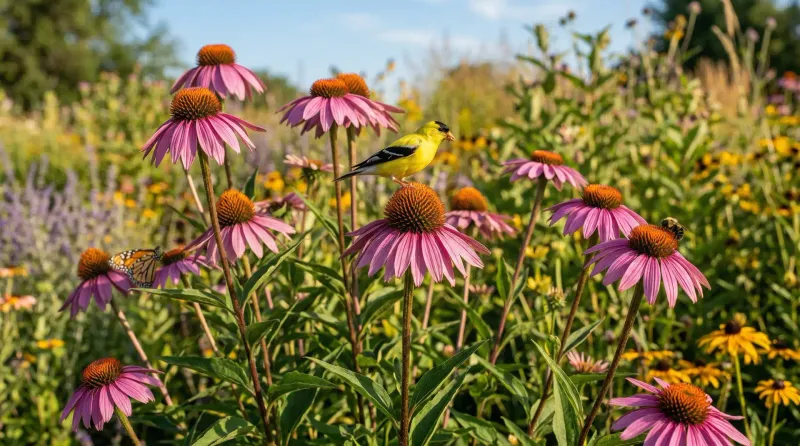
Some plants earn their spot by doing two jobs at once, and purple coneflower is one of the best.
Echinacea purpurea brings the bold flower power people want near the street, then keeps working when the petals fade.
What catches many homeowners off guard is the after-party.
In summer, bees and butterflies visit the blooms.
By fall, the seed heads start feeding birds, especially goldfinches, and the bed still looks interesting instead of bare.
That is a big upgrade from a solid strip of liriope that mostly just sits there.
In North Carolina zones 7b to 8a, coneflower usually handles heat, humidity, and ordinary dry spells well once rooted, though wet feet in winter can still be trouble.
Plant it where it gets at least 6 hours of sun and give each plant 18 to 24 inches of room.
Mature height is often 2 to 4 feet, so it works best behind lower edging plants or in a wider island around the mailbox.
For the first 8 weeks, deep watering once a week is usually enough.
After that, let it stretch a little.
Too much pampering can make it floppy.
You will not solve every yard problem with one flower, but many NC gardeners find the space feels more welcoming, more colorful, and a little less static when coneflowers take over.
5. New Jersey Tea
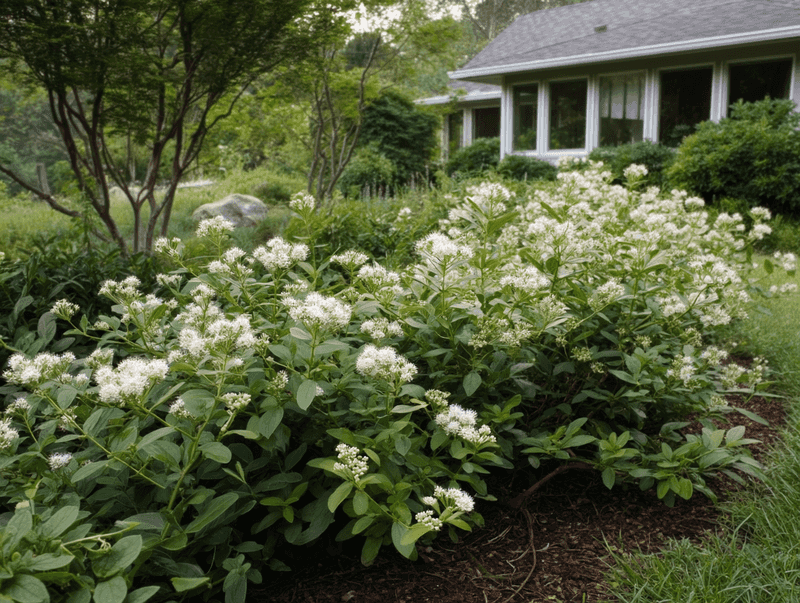
Here is the plant for people who are tired of babying a front-yard bed.
New Jersey tea, Ceanothus americanus, stays compact, shrugs off lean soil once established, and looks clean enough for a visible spot by the road.
The trick with mailbox gardens is not just sun.
It is punishment.
Heat radiates off pavement, string trimmers get close, and summer rain can come in hard bursts from June through September.
New Jersey tea is built for that tougher rhythm.
In the Sandhills and much of the Coastal Plain, it appreciates good drainage and full sun, and in the Piedmont it can still do well if you loosen clay with compost before planting.
Its white flower clusters show up in late spring to summer and draw in butterflies and small pollinators without turning the area into a wild tangle.
Expect most plants to settle around 3 feet tall and 3 to 5 feet wide over time, though growth can be slower at first because it puts energy into deep roots.
Space it at least 30 inches from the mailbox post and do not keep it soggy.
NC State Extension often stresses right plant, right place, and this shrub is a good example.
Once roots are down, usually after one full growing season, you are looking at a bed with less thirst, less fuss, and a lot more backbone than liriope can offer.
6. Yaupon Holly
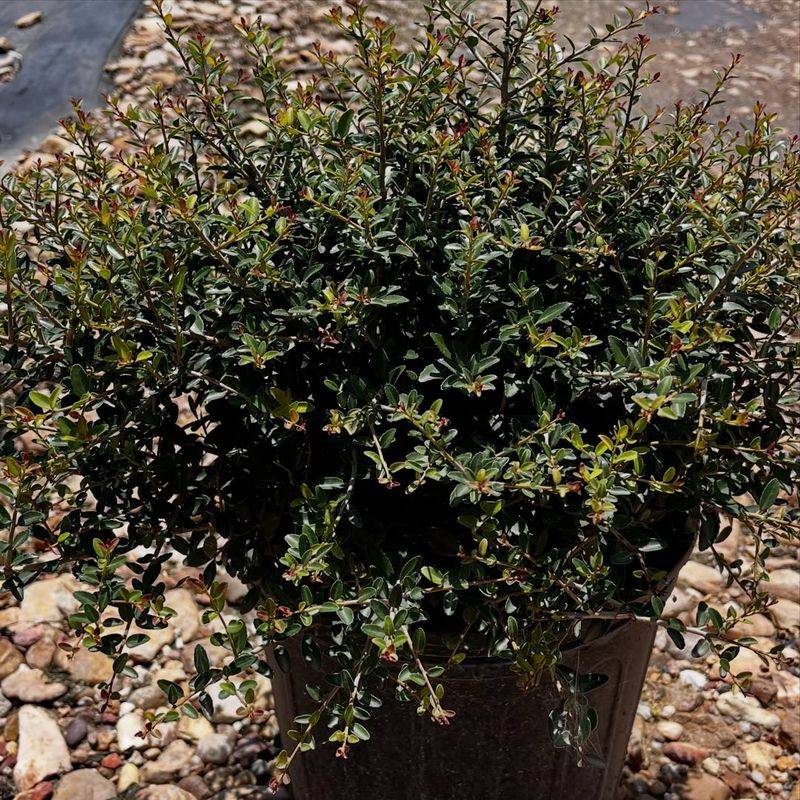
When the rest of the mailbox bed looks tired in January, yaupon holly is still standing there looking put together.
Ilex vomitoria gives you the year-round structure people often expect from nonnative evergreens, but it belongs to the region and plays nicer with local wildlife.
Many North Carolina homeowners know the winter scene well, brown perennials, damp mulch, a windy 38 degree day, and one bed near the road that suddenly looks forgotten.
Yaupon fixes that.
Female plants produce red berries if a male is nearby, and birds use them in colder months when food gets thinner.
Along the coast it handles salt and sandy soil better than many shrubs.
Farther inland, it tolerates heat, clay, and regular pruning, which makes it useful from the coast into much of the Piedmont.
You do need to match the variety to the space.
Standard yaupon can eventually reach 10 to 20 feet, so for a mailbox bed choose a dwarf or plan to prune once or twice a year.
Set it 3 to 5 feet away from the box so you do not create a sightline problem backing out of the driveway.
Water weekly for the first 2 to 3 months, then taper off.
It is not the showiest plant on this list, but it may be the steadiest.
Every bed needs one plant that keeps the whole thing from drifting into chaos.
7. Pink Muhly Grass
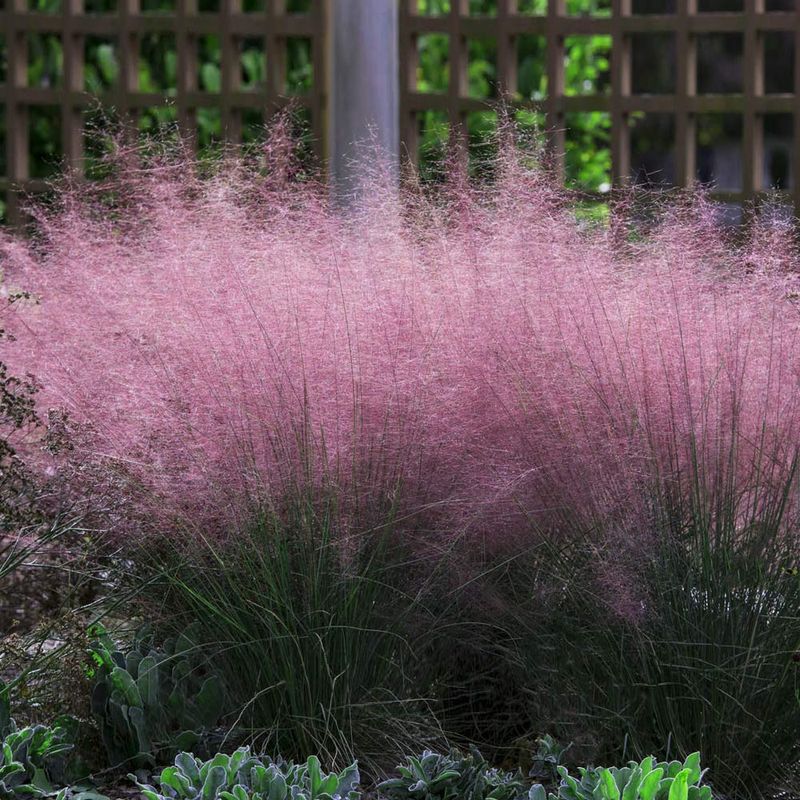
Then fall hits, the light turns softer around 6 p.m., and pink muhly grass suddenly looks like the whole mailbox is glowing.
Muhlenbergia capillaris is native to North Carolina and gives you that grassy shape many people reach for in liriope, but with a much bigger seasonal payoff.
Its narrow leaves stay neat through the warm months, then airy pink flower plumes rise in late summer to fall, often around September and October.
In the right spot, it looks almost like a cloud caught at the curb.
More than pretty, it thrives in full sun, handles drought after establishment, and performs well in the coast, Coastal Plain, and many Piedmont sites with decent drainage.
Hurricanes and stormy weather can batter lots of plants from June through November, but muhly often bounces back well if the roots are happy.
Plant it 24 to 36 inches apart so each clump can show off its fountain shape.
Cut it back to about 4 to 6 inches in late winter before fresh growth starts, not in fall.
That timing protects the look through colder months and avoids nicking new shoots.
If your mailbox bed needs one memorable moment each year, this is it.
You pull into the driveway, see that soft pink haze moving in the breeze, and the whole front edge of the yard feels less like a problem spot and more like a place you meant to make beautiful.