
Skip Burning Bush in Your North Carolina Yard and Try Red Chokeberry for Fall Color
Follow us on Google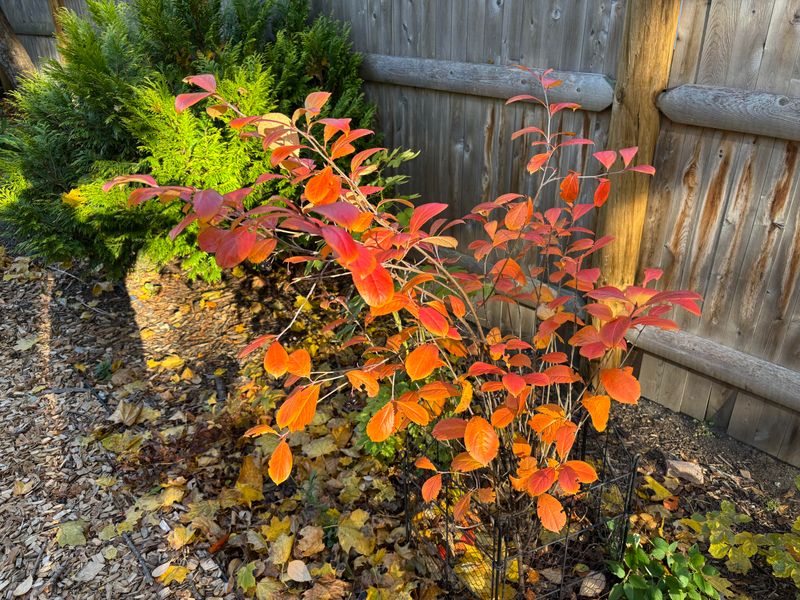
You are raking leaves on a cool October afternoon in North Carolina when a shrub by the fence catches the light in orange-red. Plenty of yards have a burning bush doing that job, but there is a native shrub that can offer a similar fall show and feed wildlife too.
It is called red chokeberry, and it comes with a few quirks worth knowing before you buy. Here is what it can do, what it cannot, and where it fits.
Meet North Carolina’s Red Chokeberry
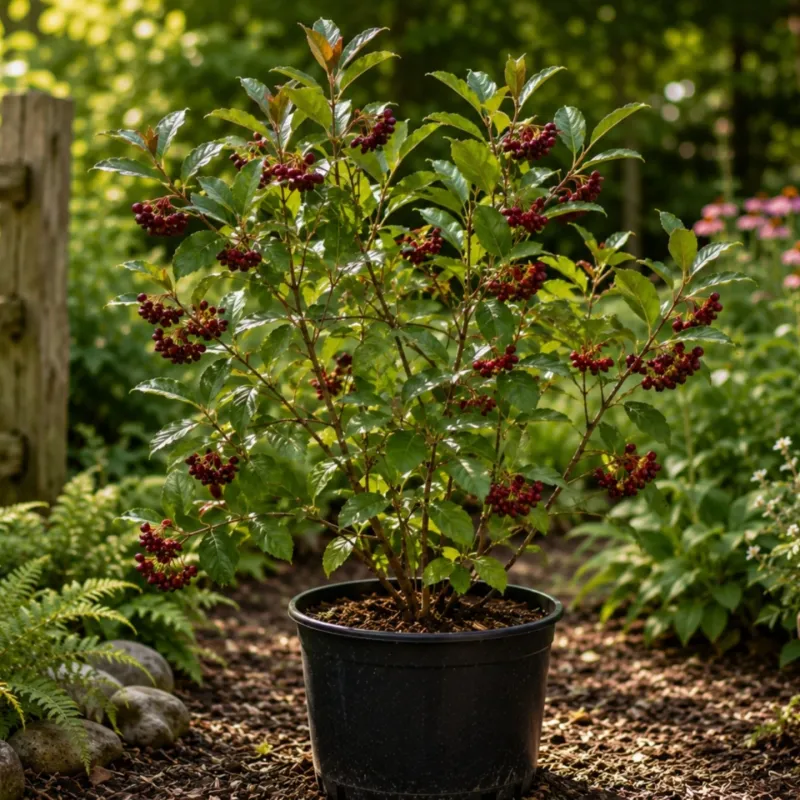
Picture a shrub that wears white flowers in spring, red fruit in fall, and leaves that turn warm shades just as the air cools. That is red chokeberry, Aronia arbutifolia, and it is a good one to know.
According to NC State Extension’s Plant Toolbox, red chokeberry is native to North Carolina. It carries red fruit that birds and mammals eat, and its fall foliage ranges from orange-red to purple.
It also shows up on the North Carolina Native Plant Society’s recommended native species list, which tells you gardeners around the state already value it.
So can it stand in for a burning bush? Partly.
The seasonal effect can feel similar, with a shrub that lights up in autumn and holds your eye from the porch.
But it is not a twin. The form is different, the size is different, and the color is not a single guaranteed shade.
Some years and some yards lean more orange, others more red or purple.
Think of it as a neighbor who shares a few traits with the old favorite but has its own personality. If you are planning a new planting and want fall color with some wildlife value attached, it deserves a spot on your short list.
The next sections cover why people are moving away from burning bush, how the color really behaves, and whether your yard has the room for this shrub.
Why Fertile Burning Bush Raises Concerns
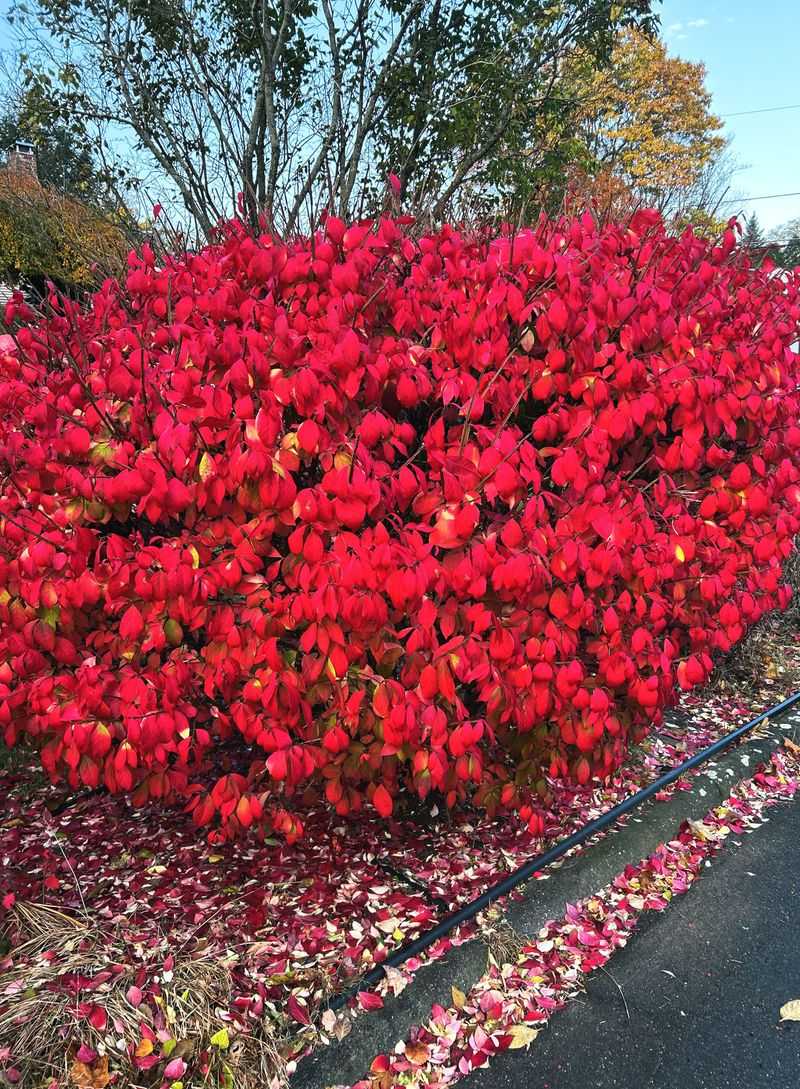
Burning bush looks innocent in a front-yard bed. The trouble starts with the berries.
The usual fertile Euonymus alatus is flagged as invasive in North Carolina by NC State Extension. Birds and deer eat the fruit, and seeds can travel beyond the yard, where seedlings may outcompete other plants.
NC State’s invasive species assessment places it in a moderately weedy category. That is a risk rating, not a law, so nobody is going to knock on your door about it.
Keep the risk in proportion. Context matters, and a 2009 USDA Forest Service review suggested escape may be more likely near woodlands than in urban plantings.
That review is background, not a current cultivar check. Not every plant escapes, and not every cultivar spreads equally.
There is also a cultivar twist. NC State describes Fire Ball Seedless as sterile and fruitless.
That makes it a different case from the fertile type. Still, it remains a nonnative plant, and with no fruit it offers none of the berry food that red chokeberry can.
If your yard backs up to woods, the fertile kind is the one to think hardest about.
Fall Color Varies With Conditions
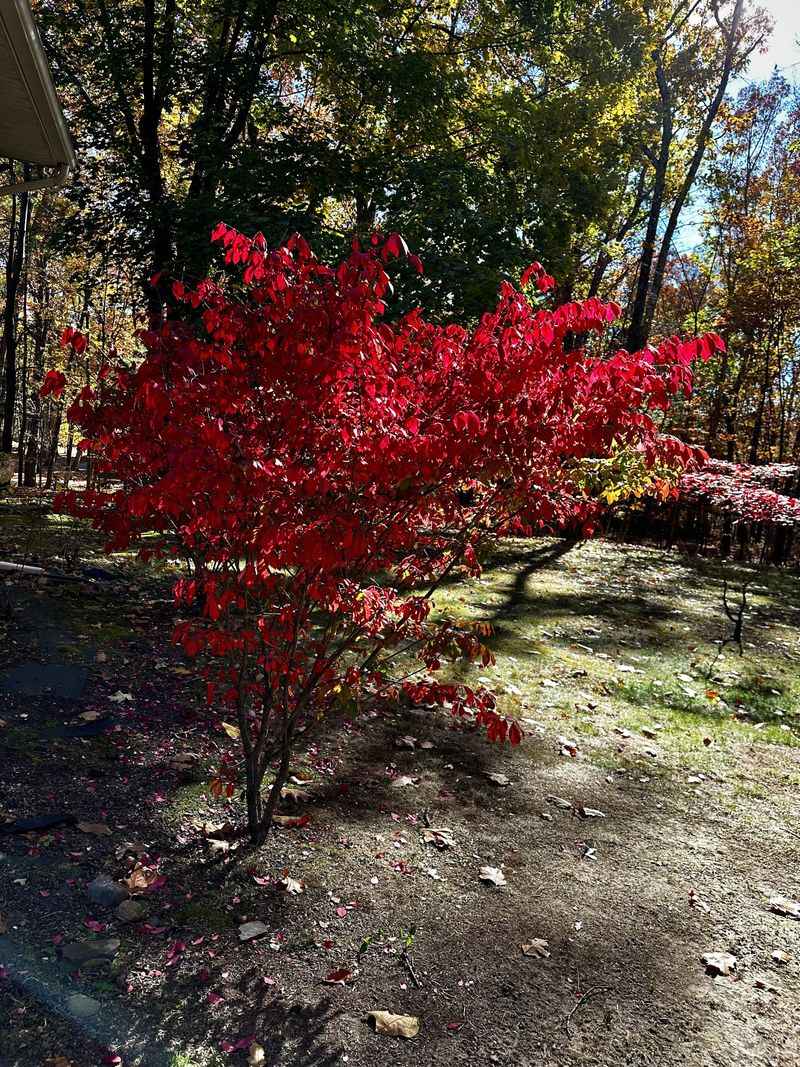
Here is the honest version of the color story. Red chokeberry does not get deeper red every year.
Nothing in the sources shows that.
What NC State Extension documents is a range: orange-red, red, or purple fall foliage. You may get one look this October and a slightly different one next year.
Sunshine plays a part. NC State lists full sun as best for flower and fruit production, and the JC Raulston Arboretum profile says fall color is best in full sun.
That is a good reason to give the shrub a bright spot. It is not a promise of any one shade, though.
Weather, soil, and the individual plant all have a say.
A practical example helps. Say you plant two shrubs, one by the sunny mailbox and one tucked beside the shady shed.
Expect the mailbox plant to put on the better show, and do not be shocked if neither turns scarlet.
Judge the shrub by the whole picture. Warm autumn leaves, bright fruit, and a plant that belongs here make a strong package even when the color is a surprise.
Flowers And Fruit Add Habitat Value
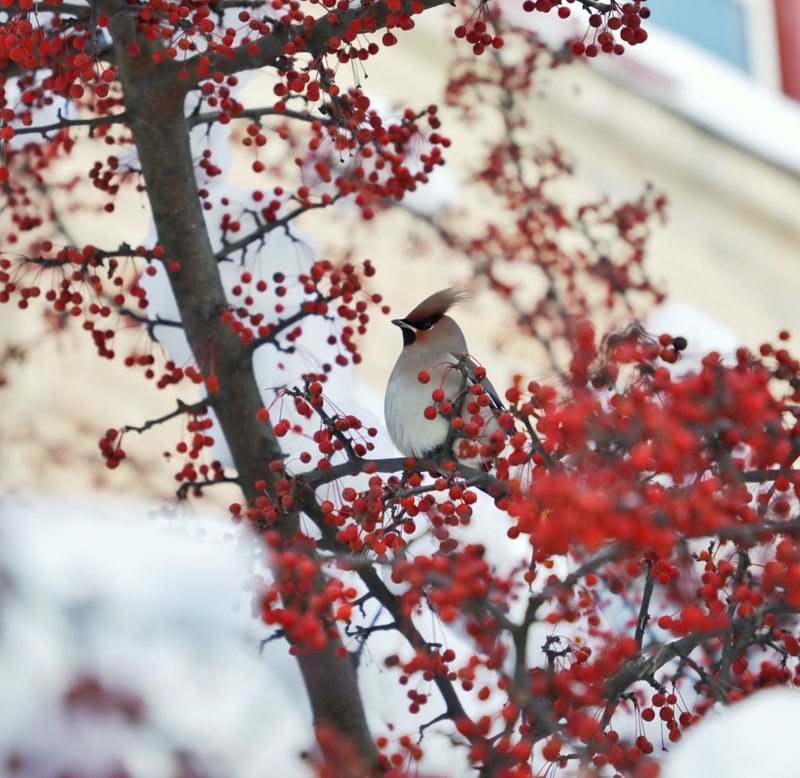
Habitat value starts in spring. Red chokeberry flowers provide nectar for pollinators, so the shrub is working long before the leaves change.
Then comes the fruit. Per NC State Extension, the red berries may persist into winter and can feed birds and mammals.
For timing, NC State’s backyard bird guide lists chokeberry fruit as available from September through November. Treat that as seasonal context.
It does not mean a particular bird will show up or empty the branches fast.
Wildlife use varies from yard to yard, and some fruit may stay on the shrub for a while. That is normal, and the lingering berries are part of the winter look.
What about you eating them? The berries are very tart and astringent, and NC State warns that the astringency may cause choking.
They are not poisonous, but they are not a casual snack either.
So plant it for the pollinators and the possible winter visitors, and enjoy watching what shows up. Think of it as setting a table without knowing who will come to dinner.
Check The Space Before You Plant
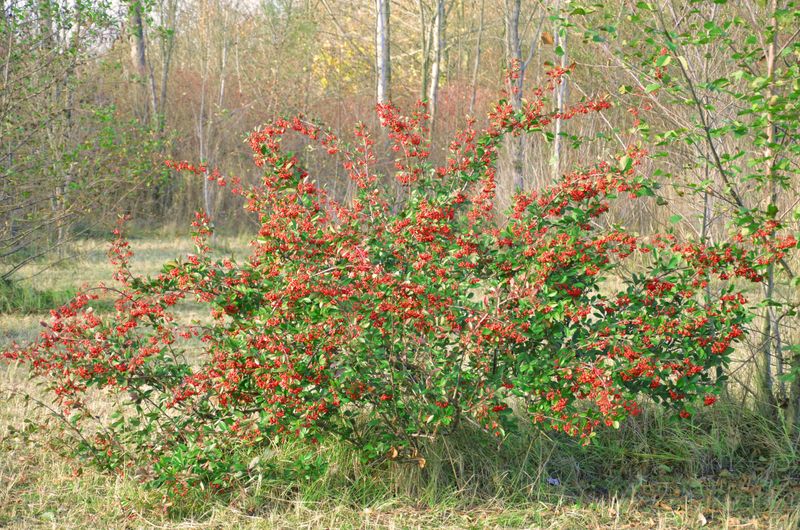
Size is where red chokeberry surprises people. It is not a compact shrub.
NC State lists it at about 6 to 12 feet tall and 3 to 6 feet wide. It may sucker into colonies, and it can get leggy with age.
That means you should not slot it in where a small burning bush used to sit under a window. Give it elbow room, such as a back border, a fence line, or a corner where a loose, natural look is welcome.
Suckers are new shoots that pop up from the roots. If you want a thicket for wildlife, let them fill in.
If you want a tidy edge, plan to trim them back.
The shrub is easygoing about soil. It tolerates a range of soils, including wet or occasionally flooded sites, which makes it handy for a soggy low spot where other plants sulk.
NC State lists it for the Coastal, Mountain, and Piedmont regions. That covers a lot of the state, but it is not a promise of identical performance everywhere.
Walk the spot with a tape measure before you buy. A few minutes now saves you a lot of pruning later.
Plant With The Root Ball In Mind
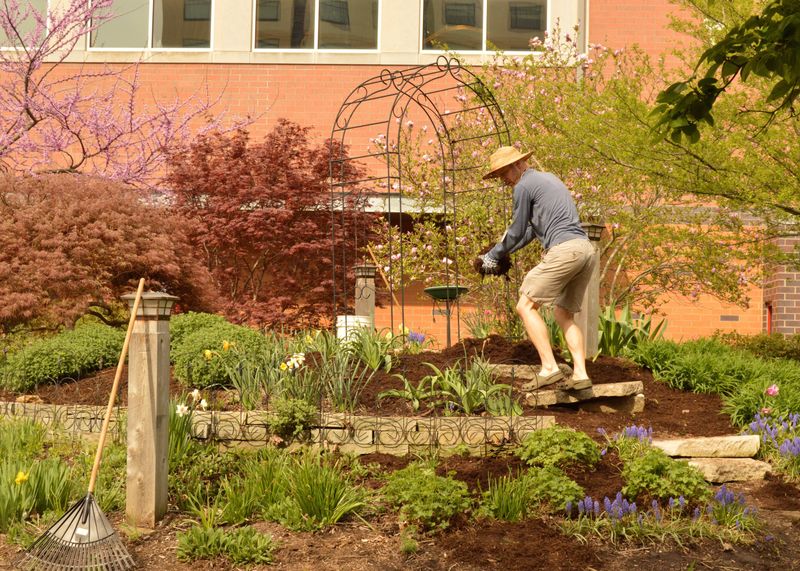
Once you have picked a roomy spot, the planting itself is simple. Start with the hole.
The NC State Extension Gardener Handbook advises digging it as deep as the root ball and two to three times as wide. Wide matters more than deep, because roots spread sideways into loosened soil.
Set the shrub at or slightly above the surrounding grade. Planting too deep is a common mistake, and a slightly raised root ball settles into place after watering.
Water it in well so the soil settles around the roots. Then add 2 to 3 inches of organic mulch, such as shredded bark or pine straw.
Keep that mulch at least 6 inches from the crown, where the stems meet the roots. Mulch piled against the base holds moisture and can cause trouble.
Here is where the earlier advice pays off. A wide hole and a wide mulch ring suit a shrub that may spread by suckers, so leave room for that circle to grow.
Choose a sunny site if you can. NC State lists full sun as best for flowers and fruit, with partial shade also suitable.
Choose An Alternative Without Assuming A Mandate
Nobody is requiring you to rip out a burning bush. The sources flag invasive concern and suggest alternatives, but they do not set a removal rule.
If you decide to remove one anyway, NC State says small plants can be pulled and larger ones may need digging or a root-wrenching tool. If you ever consider an herbicide, follow the product label.
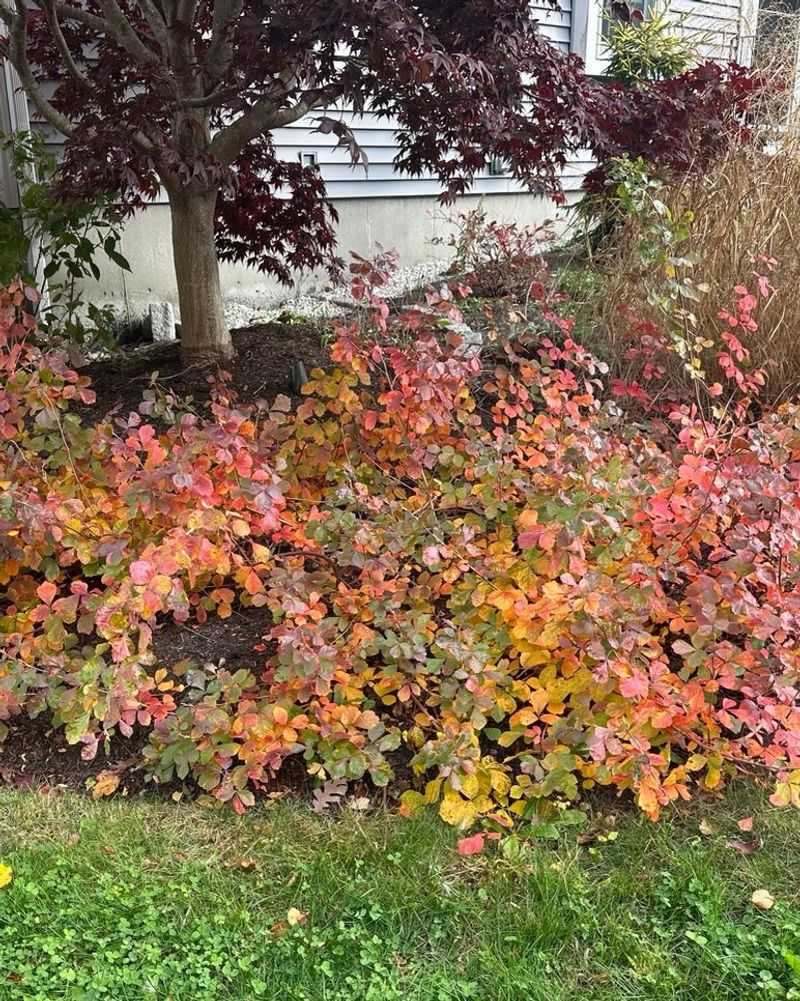
For a new planting, red chokeberry is a fine option. It is native, it offers fruit for wildlife, and its fall leaves run orange-red to purple.
Keep your expectations realistic. It can reach 12 feet tall, it may sucker, and the fall color will not match from year to year.
Fit matters more than any label. A shrub that suits your space and your sun will outperform a fancier plant in the wrong spot.
Plant it where it can stretch, and let the autumn show do the rest.
