
Frogfruit: A Florida-Native Edging Option for Pollinator Value Beside Mondo Grass
Follow us on Google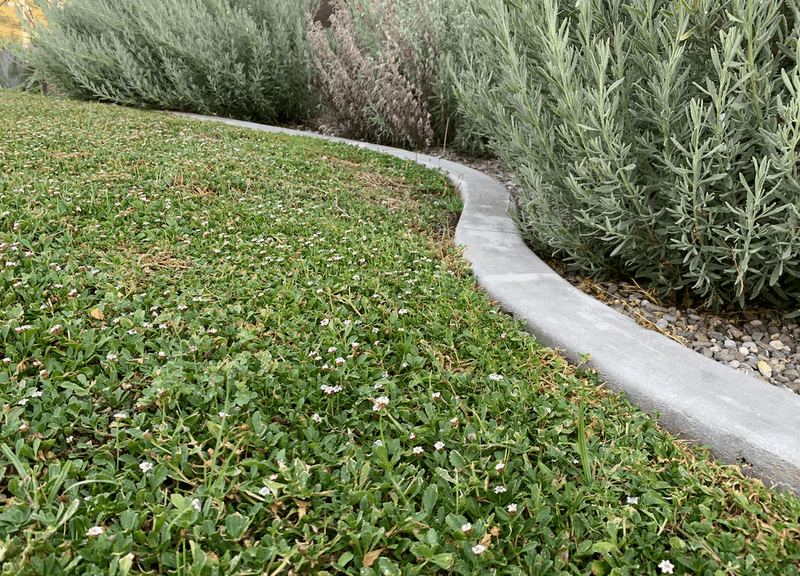
You walk down the driveway on a warm Florida morning and notice the border is a plain green stripe with nothing buzzing around it. There is a low native plant that might change that.
It is called frogfruit, and it can work as a living edge while feeding bees and butterflies. It is not a miracle fix and it will not replace mondo grass for everyone, but it deserves a fair look.
Frogfruit Is a Florida-Native Option
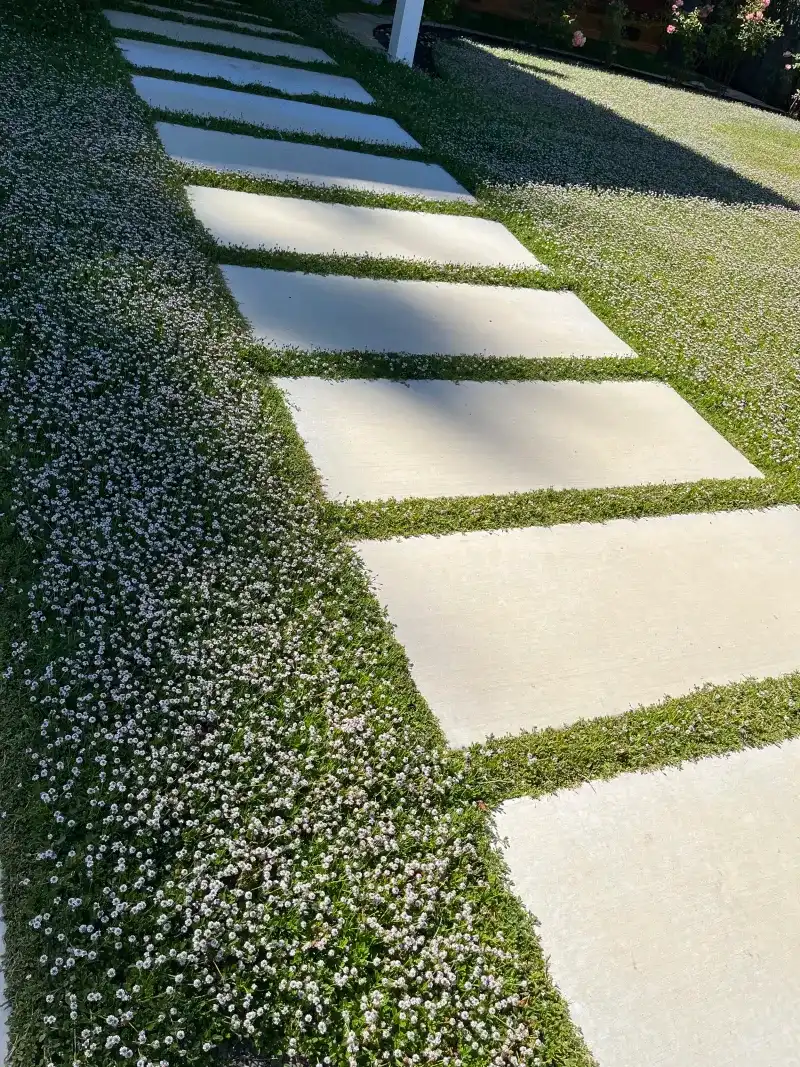
Picture the strip beside your driveway or walkway. Many Florida homeowners fill it with the same familiar border plants, and that works fine.
But there is a quiet native option worth knowing about, called frogfruit (Phyla nodiflora).
According to UF/IFAS Extension, frogfruit is native to Florida, stays low to the ground, and works as a groundcover in full sun or partial shade. It forms a dense, leafy mat dotted with small flowers.
That makes it a natural candidate for the narrow band where pavement meets bed or lawn.
Here is the honest framing. Frogfruit is a choice for people who care about native planting and wildlife value.
It is not a proven upgrade over mondo grass, and it is not automatically tidier. UF/IFAS also lists it among the alternatives to turfgrass, which shows how often it is considered for low, walkable cover.
One small clarification helps. Native to Florida does not mean found only in Florida.
Frogfruit grows in many parts of the world, but it belongs in Florida landscapes and fits the state’s conditions well.
So think of it as a neighborly alternative. If you want your edge to do a little more for local wildlife, and you are willing to give it some attention, frogfruit is a reasonable plant to try.
If you want a plant that asks almost nothing, keep reading, because the next sections lay out the trade-offs plainly.
Its Flowers Add Wildlife Value
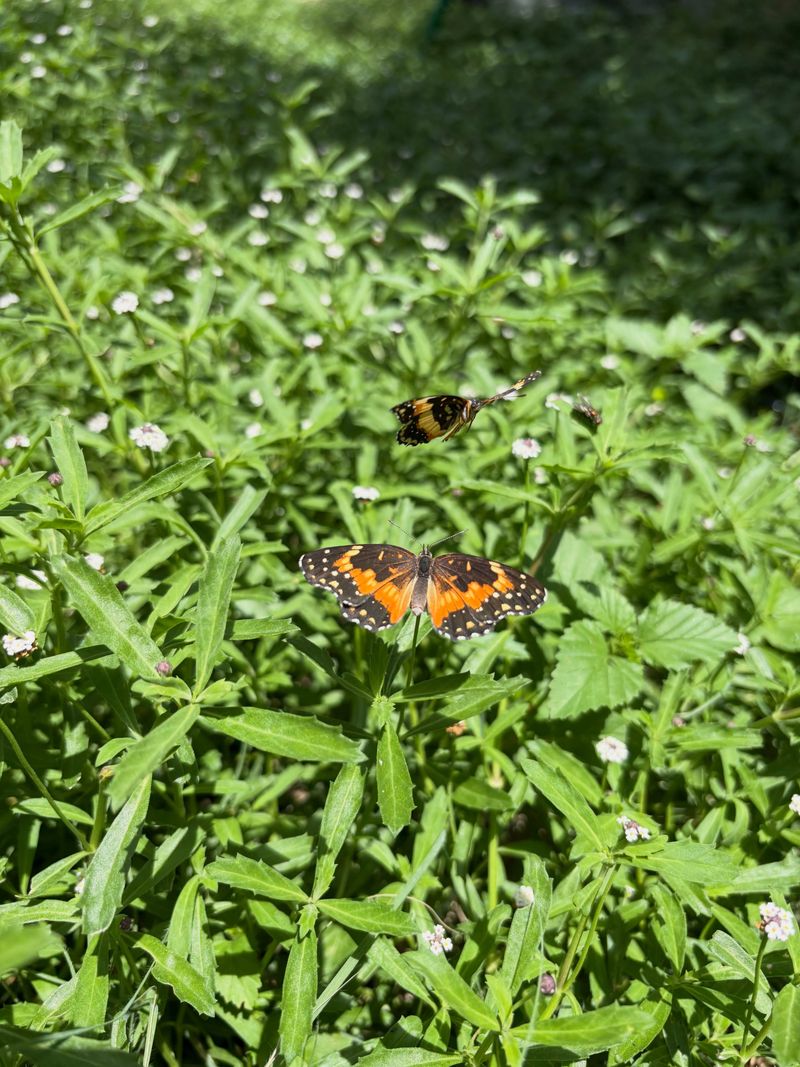
The tiny flowers are the real selling point. Each one is small, but together they make a dotted carpet that bees and butterflies can use for nectar.
There is more going on than snacks. UF/IFAS notes that frogfruit hosts several butterfly species, and the Florida Wildflower Foundation names the phaon crescent, white peacock, and common buckeye as butterflies whose caterpillars feed on it.
A host plant is one that caterpillars can eat while they grow. That means a patch of frogfruit may do double duty, offering nectar to adults and leaves to young ones.
A few chewed leaves are a sign the plant is doing its job.
Now the candid part. Planting frogfruit supports these insects, but it does not guarantee visitors.
Butterflies depend on your neighborhood, the season, and what else is blooming nearby. Think of it as setting a small table and seeing who shows up.
If you also plant a few other natives nearby, you give pollinators more reasons to stay around. Even so, a simple edge of frogfruit adds something a plain green border does not.
For a homeowner who values wildlife, that quiet benefit is the whole point.
Mondo Grass Still Has Its Place
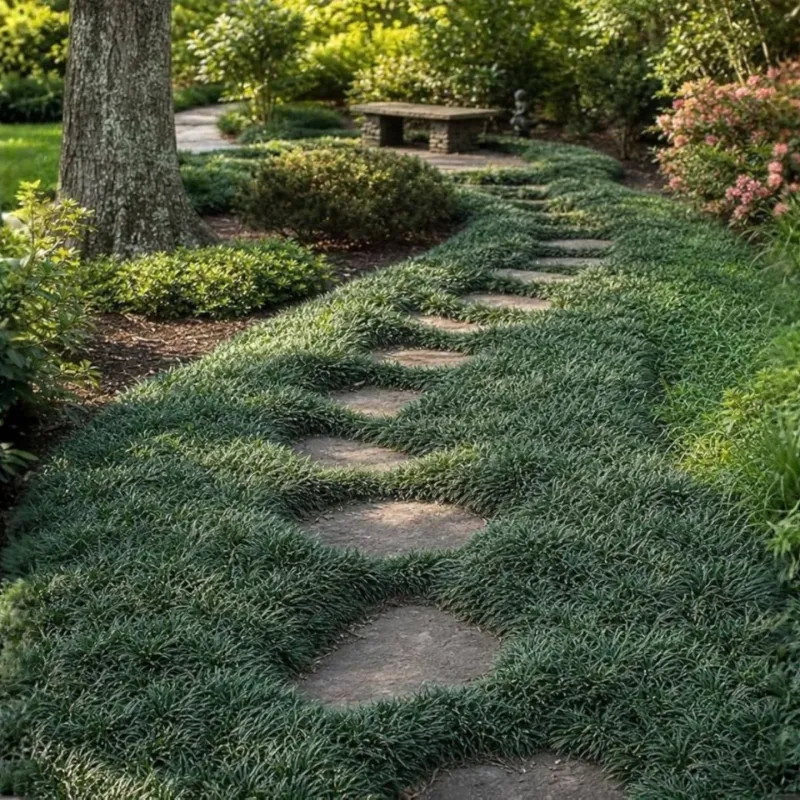
Let us give mondo grass its due. UF/IFAS describes it as a popular, low-maintenance border plant, especially useful in shade.
That is a solid résumé.
If your walkway runs under a live oak and gets little direct sun, mondo grass may simply be the better fit. Frogfruit prefers full sun to partial shade, so deep shade is not its territory.
The two plants also bring different strengths. Mondo grass offers a neat, grassy look that many people like.
Frogfruit offers Florida-native status and flowers that feed pollinators, as noted by UF/IFAS.
No side-by-side trial says one plant always wins. So the better question is what you want from the strip.
If it is shade and low fuss, mondo grass has a strong case. If it is native planting and wildlife value in a sunnier spot, frogfruit makes sense.
One more thing. Mondo grass is often confused with liriope, and the invasion-risk concern belongs to liriope, not mondo grass.
Check the name on the plant tag before you decide anything.
Runners Need a Little Steering
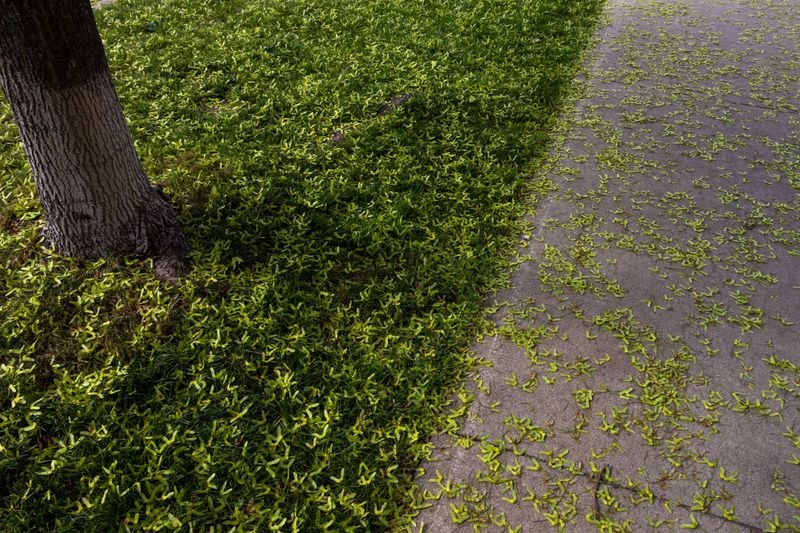
Frogfruit has a mind of its own. Its creeping stems, called runners, root at the nodes, the small joints along the stem.
That is how it fills in so well.
It is also how it wanders. UF/IFAS says a plant can spread 8 to 10 feet long.
Left alone, those runners will happily cross onto your walkway or into the neighboring bed.
So do not expect a naturally confined strip. Walk the edge every few weeks in the growing season and snip any runner that crosses your line.
This is practical advice based on how the plant grows, not a published maintenance schedule.
Hand pruners or a string trimmer work for most jobs. A rooted runner can be pulled up and replanted elsewhere, which is handy if you want to fill a gap.
UF/IFAS also covers the plant in its weed management guide, a reminder that a fast spreader can be a nuisance when it lands in the wrong place.
Think of trimming as steering rather than fighting. A few minutes now and then keeps the edge crisp, and the plant keeps doing its pollinator work.
Sun and Space Shape the Border
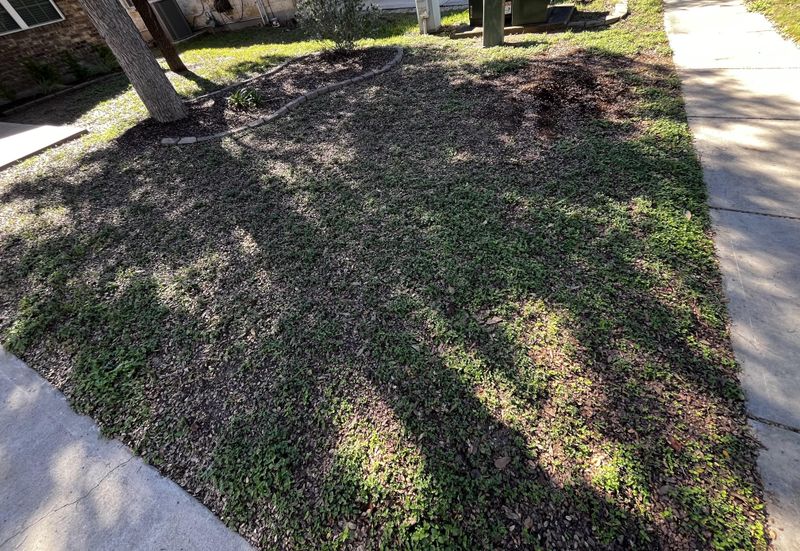
Before you buy a single plant, watch your strip for a day. Frogfruit does best in full sun to partial shade, according to UF/IFAS.
A spot that gets several hours of direct sun is a good start.
Deep shade is a poor match, so skip it there. Every yard differs, and a driveway on the south side of a house gets very different light than one beneath big trees.
UF/IFAS lists USDA zones 8a through 11, which covers the Panhandle down through the Keys. Within that range, conditions still vary, so match your plan to your own site.
For spacing, a UF/IFAS guide for North Central Florida, available here, recommends divisions 12 inches apart. Treat that as one regional reference, not a rule for every yard.
Planting closer fills in faster, while wider spacing costs less and leaves more room to trim.
Picture the planting as a row of small dots that will connect over a season or two. A little patience at the start saves guesswork later.
New Plugs Need Time to Establish
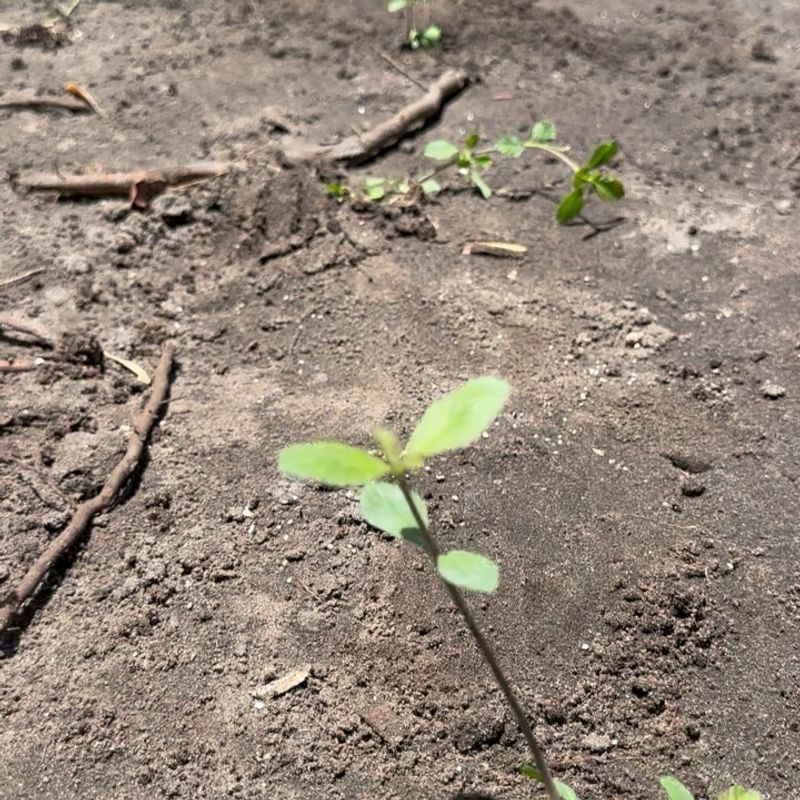
Plugs are small starter plants, and they are an easy way to begin. UF/IFAS says frogfruit can be planted as plugs, tolerates some foot traffic, and is drought-tolerant once established.
Notice the words once established. New plugs still need regular watering while their roots settle in.
Plan on watering them consistently for the first weeks, then easing off as they take hold.
Do not overdo it. UF/IFAS notes that overirrigated frogfruit can be susceptible to fungal disease, so soggy soil is no favor.
Water, let the top of the soil dry a bit, and watch the leaves.
Appearance can be tuned too. UF/IFAS says occasional mowing at 4 inches or higher can improve how it looks, and the related UF/IFAS guide offers more background on its growth.
Light foot traffic is fine, but it is not a replacement for a stepping surface. Expect some care: trimming, a little water early on, and the occasional tidy-up.
It is low fuss, not no fuss.
Know Its Limits Before You Plant
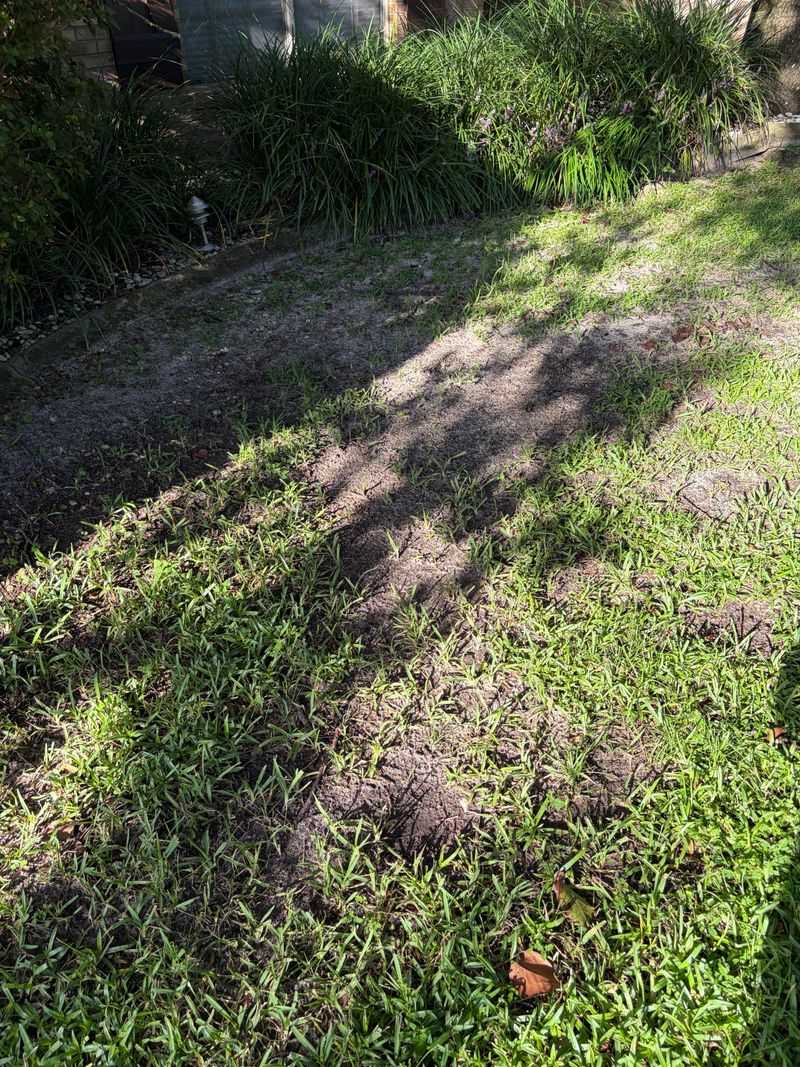
Every plant has a catch. Frogfruit may go dormant in winter or drought, meaning it can look thin or brown for a while.
UF/IFAS also notes that freezes can damage it before it recovers in warm weather. Do not count on year-round green coverage, especially in North Florida.
Coastal yards need careful thought. The Florida Wildflower Foundation describes moderate tolerance to salty wind.
But the Florida Native Plant Society says it does not tolerate direct salt spray or saltwater flooding.
So a yard a block from the Gulf or Atlantic may be fine, while a beachfront strip or a storm-surge zone is a poor bet.
Here is the simple rule. Consider frogfruit for native and pollinator value when your light and your willingness to trim fit the site.
Do not pick it because someone promised it beats mondo grass, because no one has shown that.
Choose the plant that suits the strip, and the strip will look after itself better than any promise could.
