
13 Shade Plants That Thrive In Humid North Carolina Summers
Follow us on Google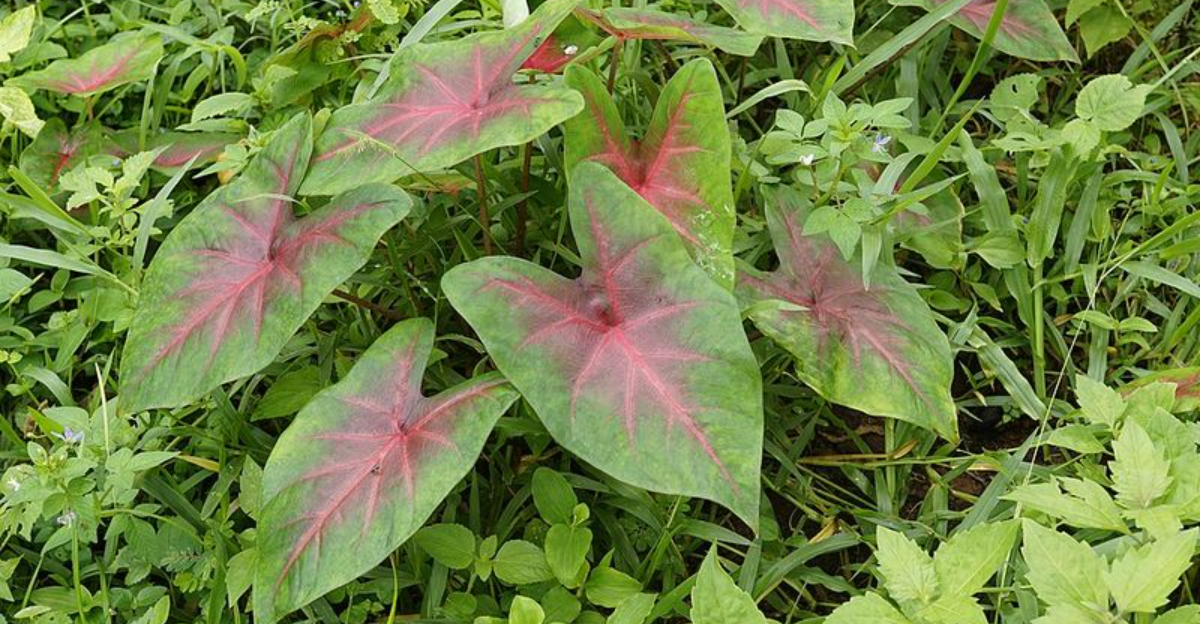
North Carolina summers can feel like a steam bath, especially in shady yards where air barely moves and the soil stays damp. That tough mix of heat, humidity, and filtered light can ruin the wrong plant fast.
The good news is that plenty of beautiful options actually prefer those conditions and reward you with color, texture, and staying power. If you want a shade garden that looks good through the stickiest months, these picks deserve a spot on your list.
Hosta
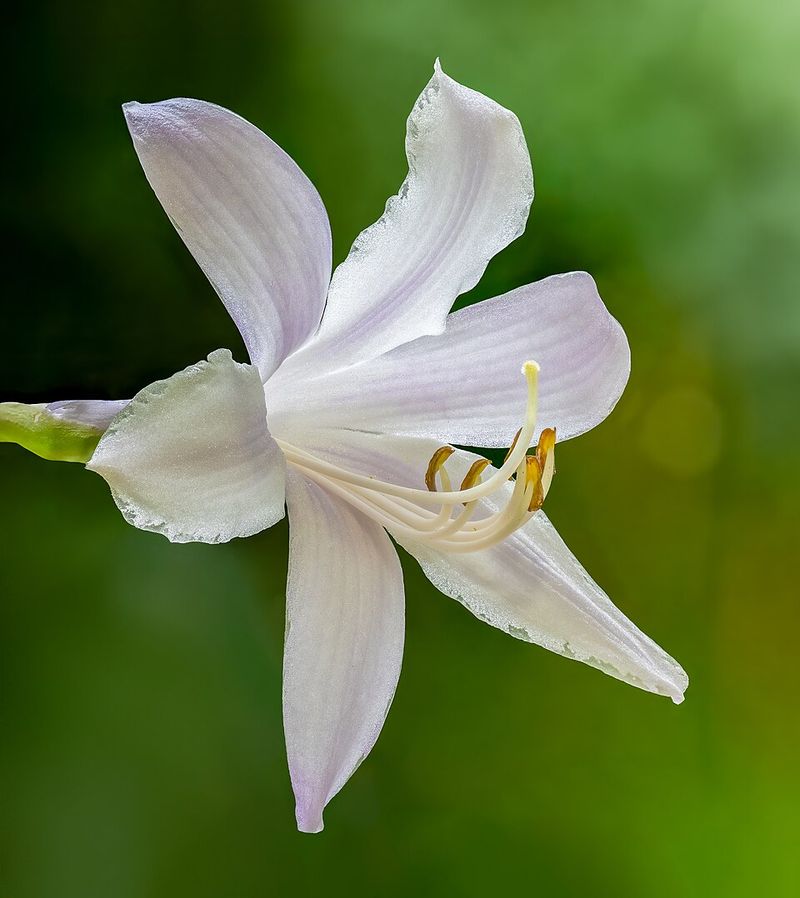
Few plants handle muggy shade with the steady reliability you want in a North Carolina garden, and this one proves it quickly. Thick leaves hold their shape through long humid spells, especially when planted in rich soil that stays evenly moist.
I like using it where the afternoon sun never really reaches, such as beneath trees or along the north side of a porch.
Leaf color gives you plenty of design options, from cool blue tones to bright chartreuse and creamy variegation. Smaller selections tuck neatly into borders, while giant forms anchor a bed and make neighboring flowers look sharper.
If slugs are a problem in your area, a thin layer of pine bark and regular cleanup around the crown can help reduce hiding spots.
Consistent watering matters most during the first season, but soggy soil can still cause trouble. A few inches of mulch help roots stay cooler when July air feels heavy and still.
I also remove old leaves in late winter so fresh growth starts clean and less crowded.
By midsummer, spikes of pale lavender or white blooms rise above the foliage and add another layer of interest. Even after flowers fade, the leaves keep doing the visual work.
For dependable texture in humid shade, this choice earns its space every time.
Heuchera
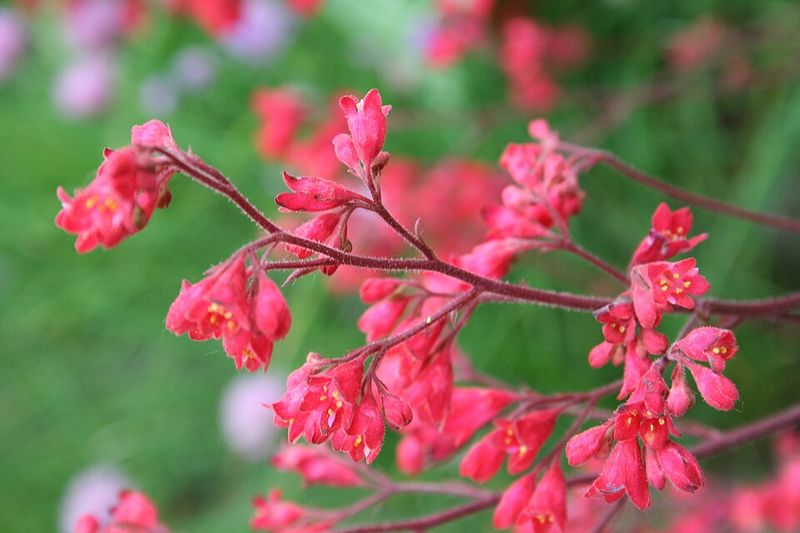
Color in the shade is easier to pull off when foliage does most of the work, and these plants bring that all season. Their ruffled leaves come in plum, amber, silver, lime, and near black shades that stand out even on cloudy, humid days.
You get contrast without depending on short lived blooms or bright sun.
Good drainage is the key detail people sometimes miss, especially in sticky summer weather. Rich soil is helpful, but crowns should sit slightly above the soil line so they do not stay too wet after storms.
I have seen them perform best where morning light filters in and the harshest afternoon heat stays blocked.
Flower stems rise delicately above the foliage, usually in white, pink, or red, and hummingbirds often notice them first. Deadheading keeps the clumps tidy, though the leaves remain the main attraction from spring into fall.
If a plant starts to heave or look woody after a couple of years, dividing and replanting usually refreshes it.
Pairing them with hostas or ferns creates texture that feels polished rather than busy. Darker varieties look especially good beside chartreuse leaves or pale stone edging.
In a humid North Carolina border, they add personality without demanding constant attention from you.
Japanese Painted Fern
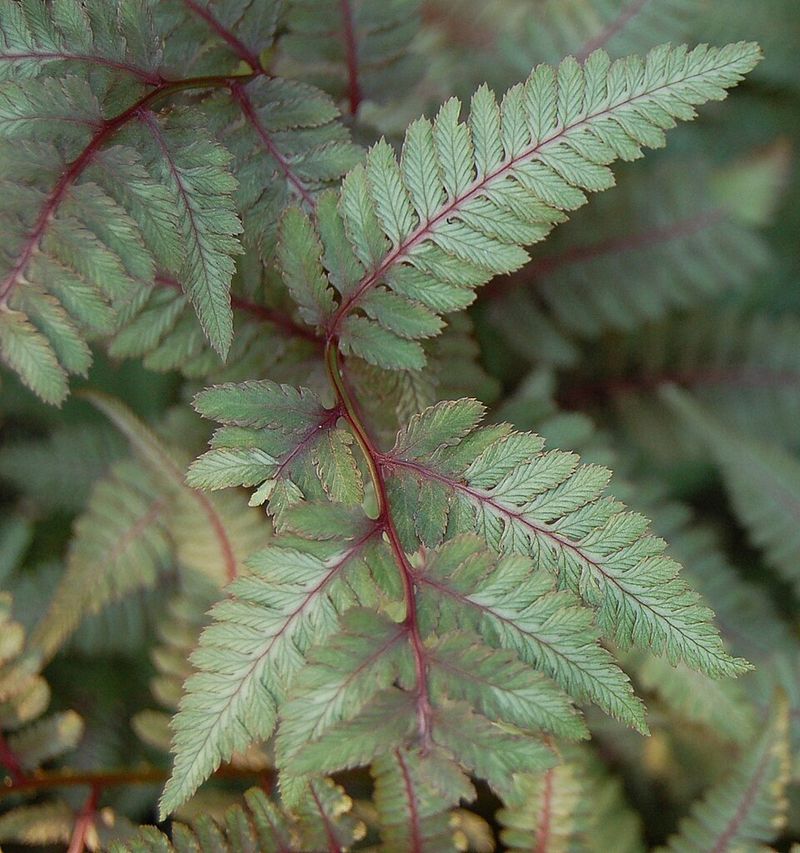
Shade gardens can easily become a wall of green, so a fern with silver washed fronds feels like a smart upgrade. This selection brings metallic tones, purple stems, and an airy shape that softens heavier leaves nearby.
In humid North Carolina summers, that refined texture often looks freshest when many other plants seem tired.
Moist, humus rich soil helps it settle in quickly, especially under deciduous trees or beside a shaded path. It does not want blazing afternoon sun, but a little gentle morning light can intensify the coloring.
I usually suggest planting several together so the silvery fronds read clearly from across the yard.
Unlike bulkier foliage plants, this fern moves visually without becoming messy. It looks especially effective near dark mulch, mossy stones, or the glossy leaves of hellebores and hostas.
If rainfall drops off, a deep watering once or twice a week keeps fronds from crisping at the edges.
There is not much maintenance beyond cutting away old fronds before new growth starts in spring. Clumps enlarge gradually, so you are not signing up for aggressive spreading.
For gardeners who want humidity loving shade plants with subtle color and a calm, woodland feel, this one delivers beautifully.
Astilbe
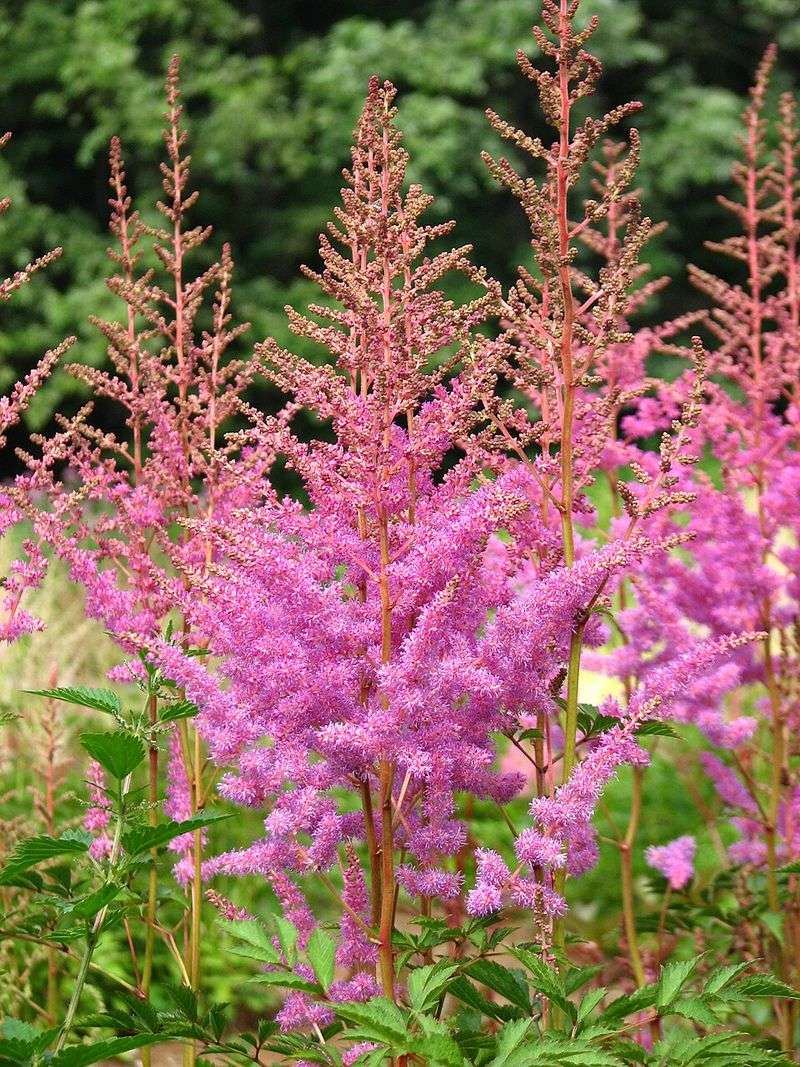
Feathery flower plumes can brighten a dim garden corner in a way broad foliage alone never quite manages. This perennial is especially useful where the soil stays consistently moist and the summer air feels heavy.
In North Carolina shade, those conditions often help it hold color and foliage better than gardeners expect.
Bloom shades range from soft white and blush to saturated pink and deep red, so it is easy to match your style. The fernlike leaves also add texture before and after flowering, which keeps the plant useful beyond its peak.
I like placing it where you can see the plumes at eye level, such as along a path or near a shaded sitting area.
Dry soil is usually the fastest way to disappoint yourself with this one. A thick layer of mulch, organic matter, and regular watering during hot stretches make a noticeable difference.
If your shade is dense and root competition from trees is severe, amending a planting pocket helps it establish more strongly.
Spent flower heads can be removed for a cleaner look, though some gardeners leave them for extra texture. Dividing every few years keeps clumps vigorous and gives you more plants to repeat elsewhere.
When summer feels sticky and still, this is one of the prettiest ways to add height and bloom.
Toad Lily
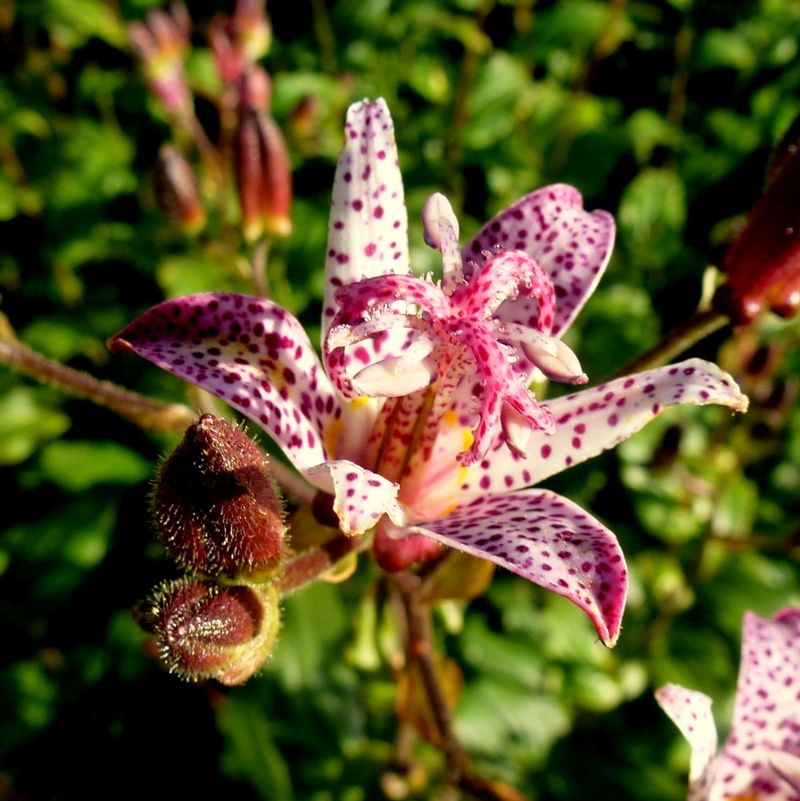
Late summer shade can look tired just when you want the garden to keep going, and that is where this plant earns attention. Its small orchid like flowers appear when many woodland perennials are winding down, giving you a fresh burst of interest in humid weather.
The speckled blooms invite a closer look, which makes it perfect near a walkway or back steps.
Moist soil with plenty of organic matter helps it thrive, but drainage still matters after hard summer rain. Stems arch gracefully and can reach a height that works well in the middle or back of a shaded border.
I have found that a protected spot with morning light and afternoon shade usually brings the best flowering.
Because the flowers are detailed rather than showy from a distance, placement is everything. Tuck it where you naturally pass by, and you will appreciate the patterning far more than if it is hidden at the back fence.
A little mulch keeps roots cooler, which is especially helpful during hot North Carolina spells.
It may emerge slowly in spring, so mark the area before you start digging or adding annuals nearby. Once established, clumps become dependable and surprisingly easy to maintain.
If you want something unusual that truly likes humid shade, this plant adds personality without becoming fussy.
Oakleaf Hydrangea
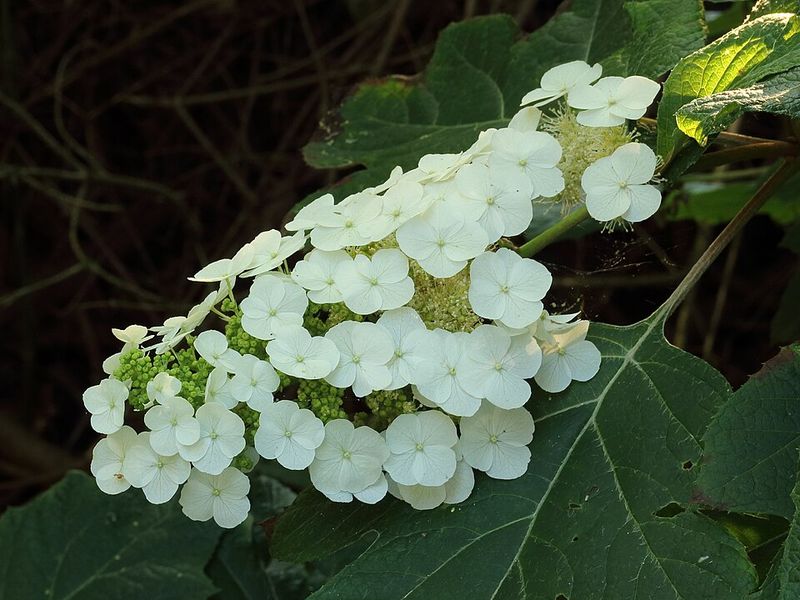
A flowering shrub that actually appreciates some shade can solve a lot of design problems in Southern gardens. This native favorite handles North Carolina humidity well and brings interest in nearly every season.
Summer flowers, bold leaves, peeling bark, and rich fall color give you much more than a short bloom window.
Large cone shaped flower clusters open creamy white and gradually age to pink or tan, which extends the display nicely. The foliage is deeply lobed and substantial, creating a strong texture that works beautifully in woodland style plantings.
I especially like it along property edges where filtered light and leaf litter mimic its natural setting.
It performs best in moist, well drained soil amended with compost, especially while roots are getting established. Afternoon shade helps flowers last longer during steamy weeks, though too much deep shade can reduce blooming.
Pruning should be light and timed right after flowering, since next year’s buds form on old wood.
Once established, it is more forgiving than many gardeners assume, though mulch still helps during hot dry stretches. Give it room, because mature plants develop a graceful, broad shape.
For a shade garden that needs height, structure, and a distinctly North Carolina friendly plant, this shrub is hard to beat.
Foamflower
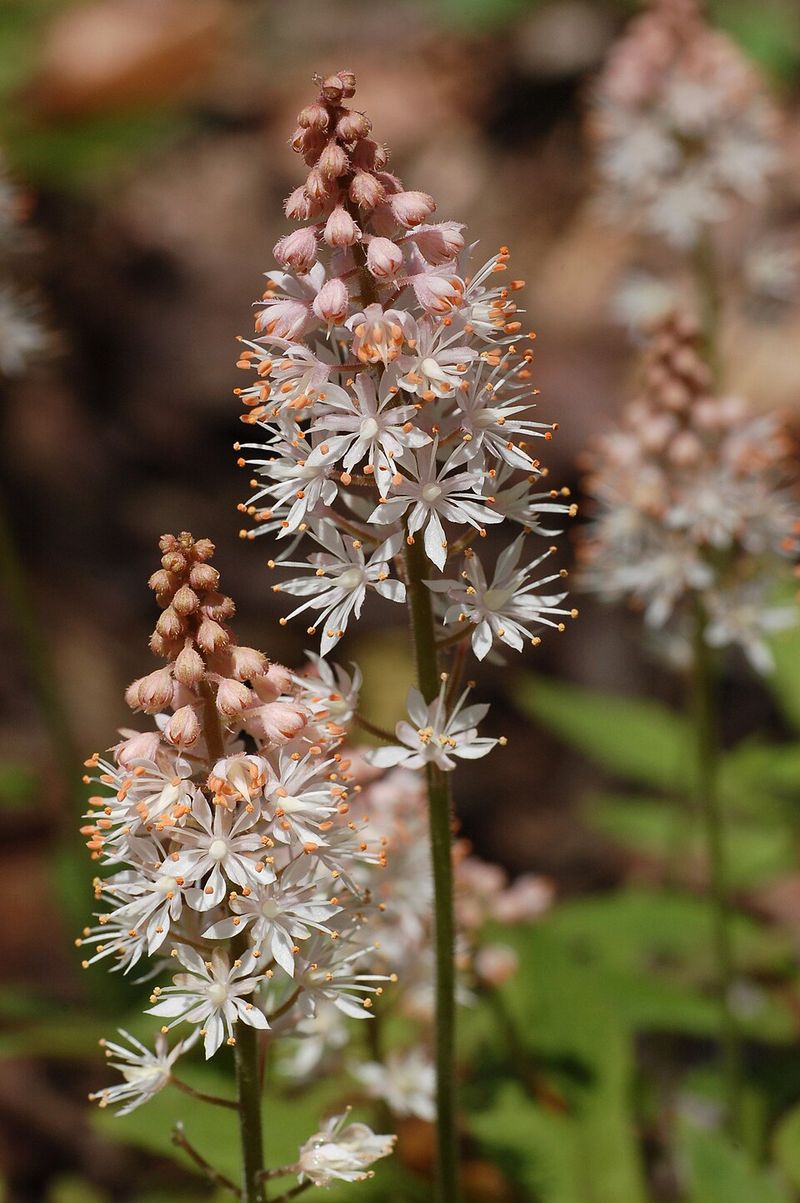
Groundcovers in humid shade need to do more than simply fill space, and this native perennial does that gracefully. It forms attractive mounds of lobed leaves and sends up airy white flower spikes that brighten dark corners in spring.
Through summer, the foliage remains useful, especially in spots where heavier plants would feel crowded.
Because it is adapted to woodland conditions, it appreciates humus rich soil and regular moisture. That makes it a practical choice for North Carolina gardens under deciduous trees or along shaded slopes.
I often recommend it where people want a softer, more natural look instead of a formal border edge.
Some varieties have beautifully marked foliage with dark central patterns, which adds interest long after the blooms finish. It spreads gradually by runners without becoming unruly, so you can let it knit a bed together over time.
A yearly top dressing of compost or shredded leaves keeps the root zone cool and supports steady growth.
Pairing it with ferns, hostas, or heucheras creates a layered effect that reads full but not overloaded. It is also helpful for covering soil where summer rain might otherwise splash mulch around.
If you want a reliable native option that handles humidity and shade with very little fuss, this one is a strong choice.
Lenten Rose
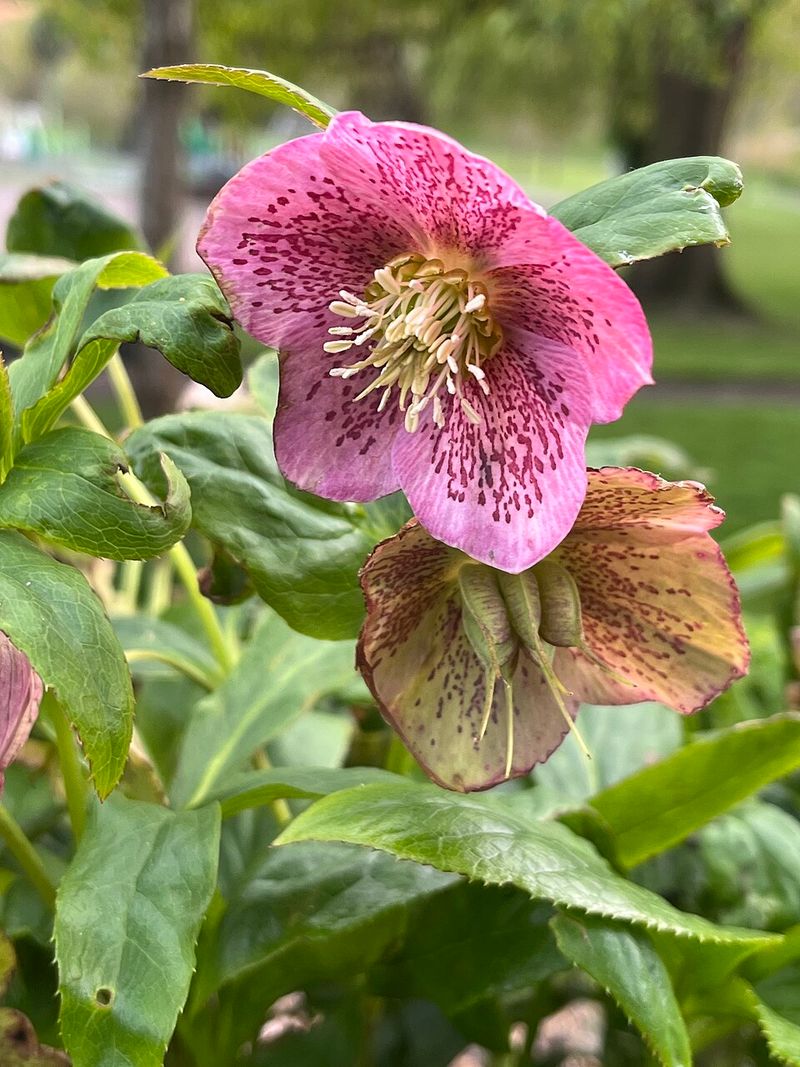
Reliable structure matters in shade gardens, especially after spring bloomers fade and summer humidity settles in. This perennial keeps attractive leathery foliage through much of the year, which gives you substance when softer plants start to sprawl.
In North Carolina shade, it handles heat better than many gardeners expect once roots are established.
Flowers appear earlier than most people associate with shade beds, often in late winter or early spring, but the leaves carry the display afterward. Colors range from cream and blush to plum and near black, with many blooms showing freckles or picotee edges.
I like planting it where the nodding flowers can be viewed from slightly below, such as on a slope or raised bed edge.
Summer care is refreshingly simple if the plant sits in rich, well drained soil with mulch around the crown. It appreciates moisture, though it usually does not sulk during short dry spells the way thinner leafed perennials can.
Remove tattered old foliage before bloom season to show off flowers and reduce disease carryover.
Clumps slowly expand and can live for years without constant dividing or pampering. They also combine well with ferns, hostas, and spring bulbs for a layered planting plan.
When you want a shade plant that earns its keep in every season, this one is a practical favorite.
Japanese Forest Grass
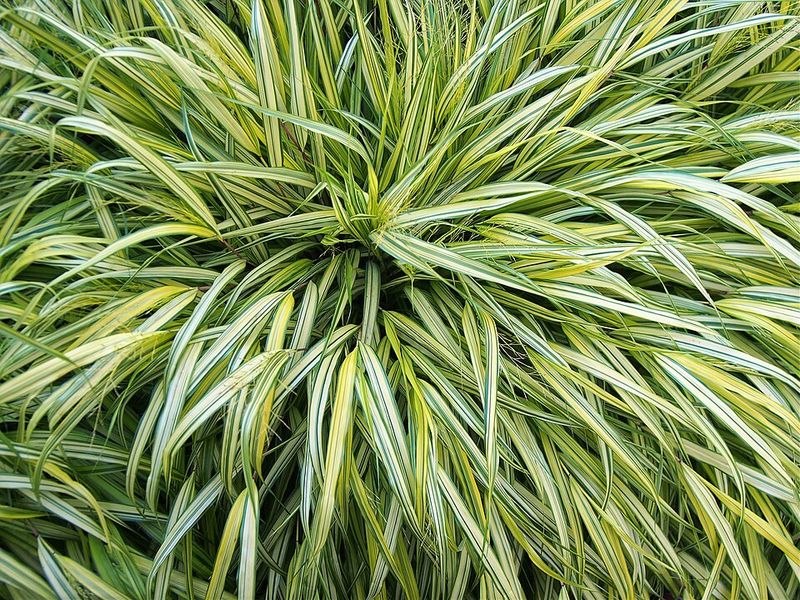
Flowing texture can make a shady planting feel intentional instead of static, and few plants do that better than this graceful grass. Its arching blades create movement even on still, humid days, softening hard edges around paths, rocks, and patios.
In North Carolina summers, that elegant form can be more valuable than another blocky mound of leaves.
Gold and green selections both perform well in shade, though brighter varieties usually appreciate a bit of gentle morning light. Too much harsh afternoon sun can scorch the foliage, especially when the air turns hot and sticky.
I think it looks best when planted in drifts, where the cascading habit can spill naturally along the front of a bed.
Consistent moisture encourages fuller growth, but good drainage is still important in rainy periods. A compost enriched soil and a layer of mulch help roots stay cool and evenly moist through July and August.
Cutting back the old foliage in late winter makes room for fresh growth and keeps the clump neat.
This grass pairs especially well with hostas, heucheras, and dark leafed shrubs because it brightens the composition without relying on flowers. It is not aggressive, so you keep the soft effect without constant editing.
For shaded North Carolina gardens that need movement, color, and polish, it is an excellent addition.
Ajuga
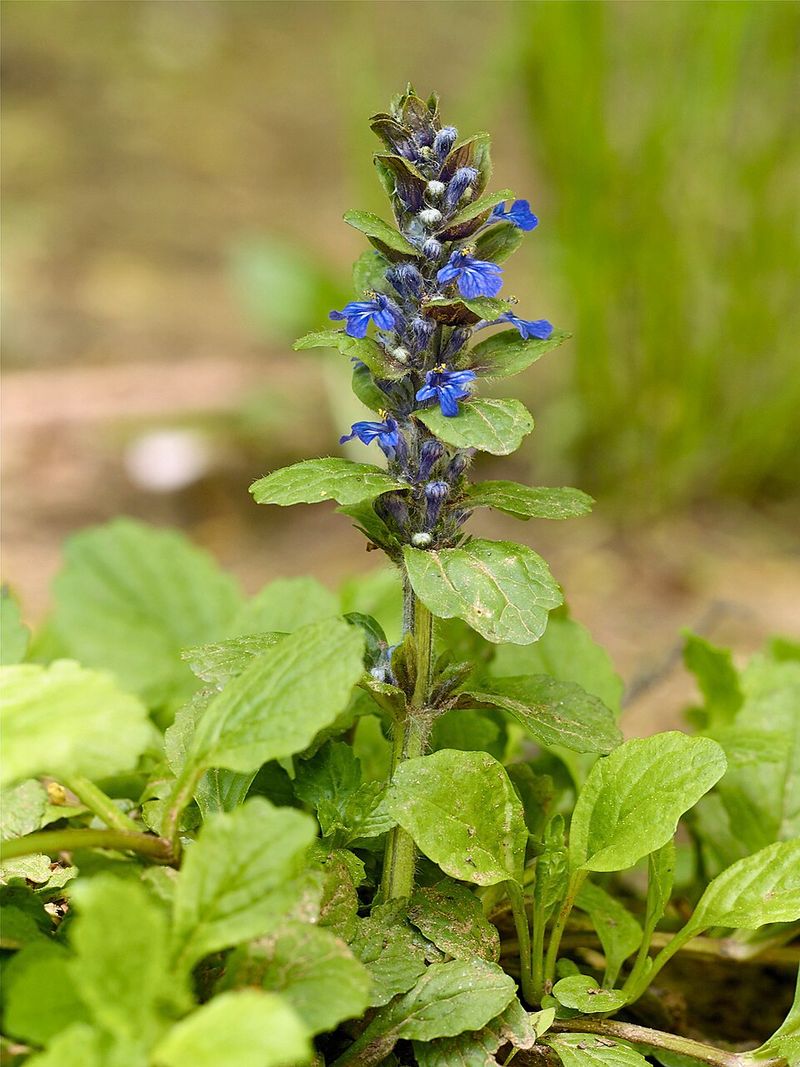
Covering bare soil in shade gets much easier when you choose a plant that spreads quickly and still looks attractive up close. This low grower forms a dense mat of colorful foliage that helps suppress weeds and reduce mud splash during summer storms.
In humid North Carolina gardens, it can be especially useful between stepping stones or along the front of a shaded border.
Leaf color is part of the appeal, with options in bronze, deep purple, green, and variegated patterns. In spring, short spikes of blue flowers add extra interest and draw pollinators to places that might otherwise feel quiet.
I like using it where the soil stays consistently moist but not swampy, because poor drainage can invite crown issues.
Since it spreads by runners, placement matters before planting. Give it room to knit together, but keep an eye on neighboring delicate perennials that may not enjoy being crowded.
Thinning patches now and then improves air movement, which is a helpful habit in sticky summer weather.
A light top dressing of compost each year keeps the growth fuller and the foliage richer in color. If sections look tired after heavy heat, trimming spent flower stems and damaged leaves can refresh the patch quickly.
For practical groundcover with color and speed, this one is hard to overlook.
Virginia Sweetspire
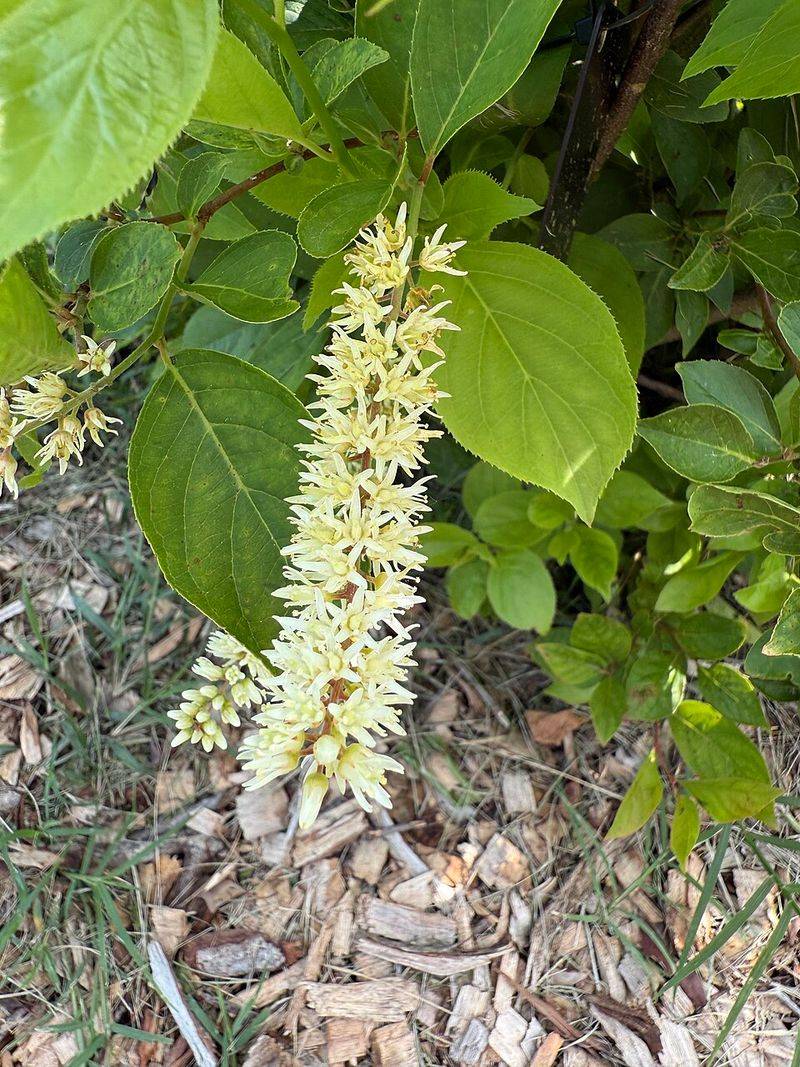
Native shrubs often make the smartest long term choices for Southern gardens, and this one proves why. It handles humidity, seasonal wetness, and partial shade with a calm reliability that saves you effort over time.
For North Carolina yards with low spots or woodland edges, it can solve difficult planting areas beautifully.
In late spring to early summer, arching stems carry fragrant white flower spikes that stand out against clean green foliage. The habit is relaxed rather than stiff, which makes it easy to blend into naturalistic borders.
I often think it works best where there is room for a gentle drift instead of a tightly clipped shape.
Moist soil is ideal, but established plants are more adaptable than many people realize. Mulch helps during hot periods, and a little afternoon shade can keep foliage looking fresher through intense summer weather.
Pruning is usually limited to shaping after bloom, or removing older stems if you want to encourage denser growth.
One of its biggest bonuses arrives later, when the leaves turn rich shades of red, orange, or burgundy in fall. That extended season of interest makes the shrub feel like a better investment than plants with only one brief highlight.
In humid shade, it offers flowers, structure, and native resilience all at once.
Cinnamon Fern
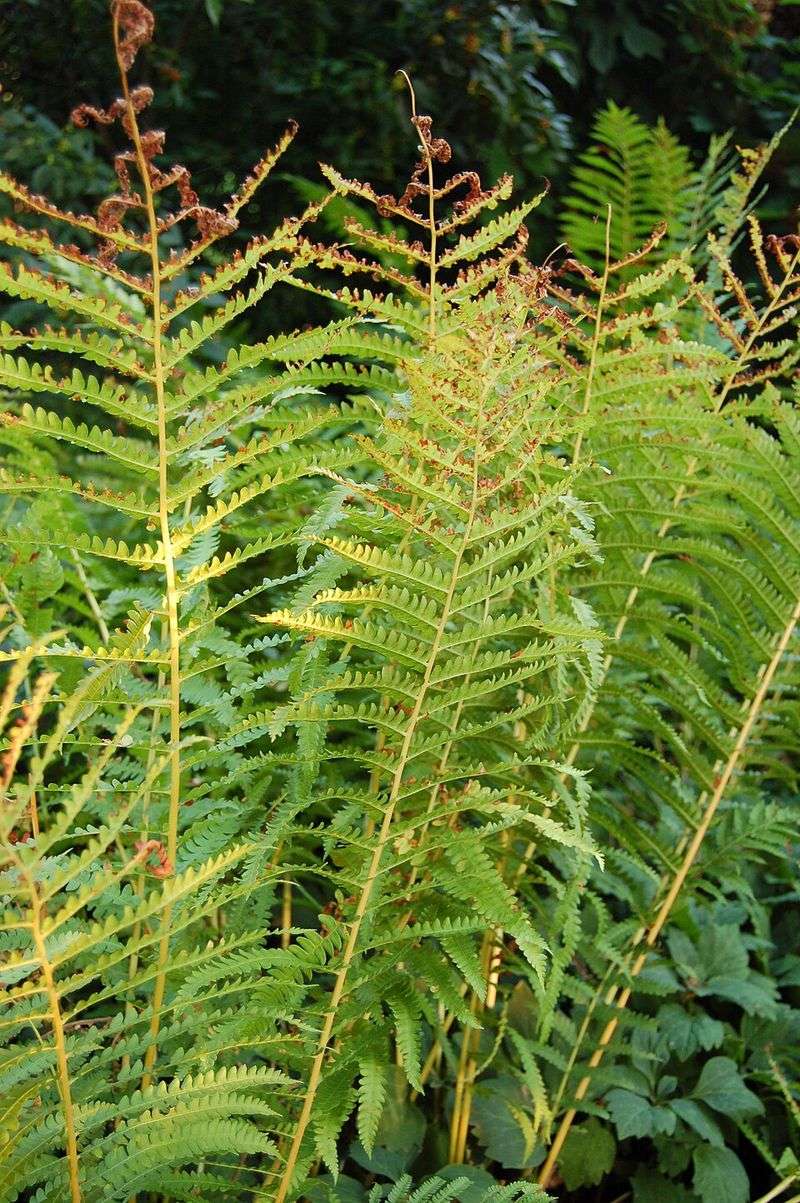
For a bold, native look in damp shade, few plants make an impression as quickly as a large fern with upright presence. This species thrives where the soil stays rich and moist, which fits many North Carolina gardens during humid summers.
Its size gives shady spaces a sense of depth without relying on flowers at all.
Fresh green fronds unfurl in spring, followed by distinctive cinnamon colored fertile spikes that give the plant its common name. Those central fronds add contrast and make identification easy, even for newer gardeners.
I like placing it near downspouts, rain gardens, or the edges of a woodland bed where moisture naturally lingers.
Because it can grow fairly large, spacing is important from the start. Crowding it under tiny shrubs usually wastes its architectural effect, so give it a place where the vase shaped clump can be appreciated.
A yearly layer of leaf mold or compost mirrors the forest floor conditions it enjoys and supports stronger summer growth.
There is very little routine maintenance beyond removing old fronds before new ones emerge. Deer tend to leave it alone more often than many leafy perennials, which is another practical advantage.
If your shade garden needs height, native character, and tolerance for humid conditions, this fern is a dependable answer.
Caladium
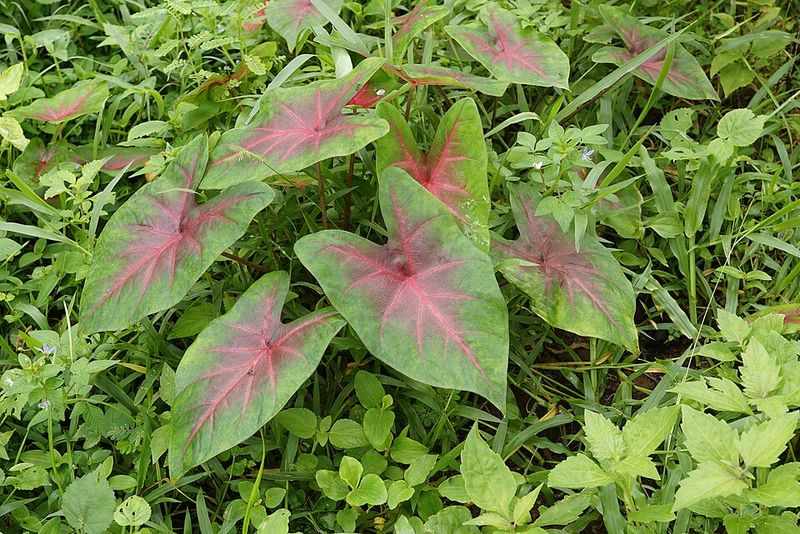
Sometimes a shady bed needs a shot of color that foliage plants can deliver faster than flowers, and this one does exactly that. Heart shaped leaves splashed with pink, red, white, and green bring a tropical feel that suits North Carolina’s humid summers surprisingly well.
If a porch border or dark corner feels flat, a few clumps can wake it up quickly.
Warm soil is important, so planting too early often leads to slow starts. Once temperatures rise, growth usually picks up and the leaves become the main event for the rest of the season.
I think they look especially good in containers or front border pockets where their coloring can be appreciated close up.
Regular moisture keeps them looking full, but saturated soil can rot the tubers if drainage is poor. A layer of mulch helps hold moisture while keeping splash off the leaves during summer thunderstorms.
In very deep shade, brighter white or pink varieties tend to show up better than darker selections.
Because these are often grown as seasonal plants, they give you flexibility to change color schemes from year to year. Tubers can be lifted and stored if you want to save them, though many gardeners simply replant each spring.
For bold color in humid shade, they are one of the easiest ways to make a strong visual impact.