
12 Florida Perennials That Stay Beautiful Even During Long Dry Spells
Follow us on Google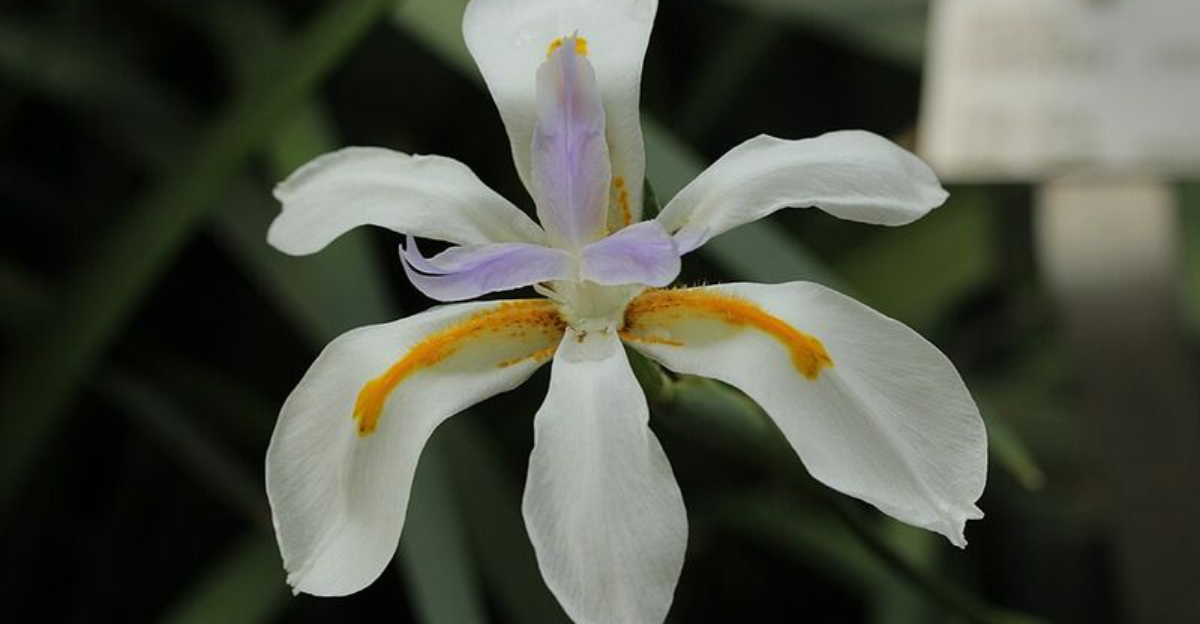
A dry stretch in Florida can make even experienced gardeners question every plant choice in the yard. The good news is that plenty of perennials keep their color, structure, and charm long after the rain barrels run low.
If you want a garden that still looks polished through heat and drought, these reliable picks are the ones worth knowing. Each one offers lasting beauty with less stress, less guesswork, and fewer rescue watering sessions.
Blanket Flower
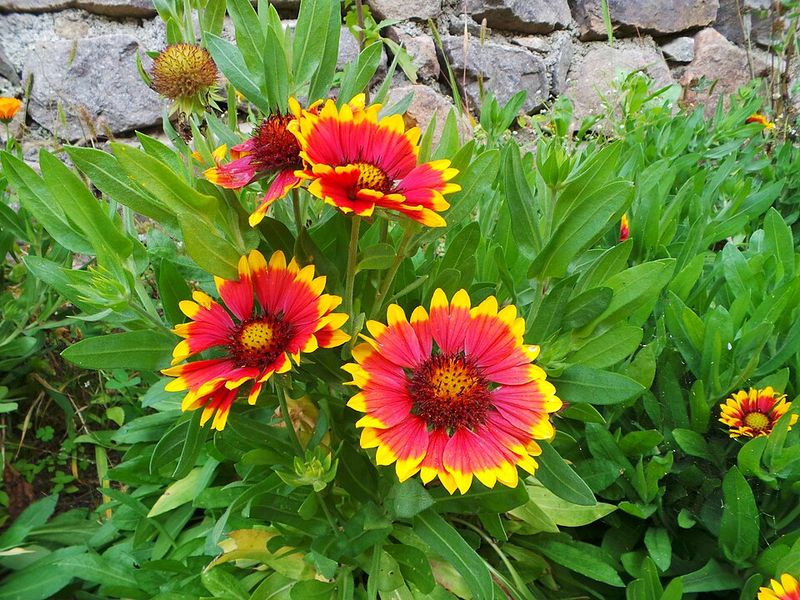
Hot afternoons and sparse rain do not bother this cheerful bloomer much at all. Blanket flower brings fiery red, orange, and yellow tones that keep a bed looking awake when other plants start fading.
You get color for months, and the plant usually asks for very little once its roots settle in.
In Florida, sandy soil is rarely a problem here, which is part of the appeal. Good drainage matters more than rich soil, so avoid heavy spots that stay soggy after summer storms.
I like using it near walkways or mailbox beds where bright flowers make the whole space feel intentional, even when the weather turns harsh.
Deadheading helps prolong bloom, but this perennial still performs respectably if you miss a week. Give it full sun, skip overwatering, and resist the urge to pamper it too much.
A light trim can refresh tired stems and encourage another wave of flowers, especially after a long blooming stretch.
If you want a plant that looks upbeat instead of stressed during dry weather, this one earns its place fast. Butterflies visit often, the color reads from a distance, and maintenance stays pleasantly low.
That combination is hard to beat in a Florida yard.
Coreopsis
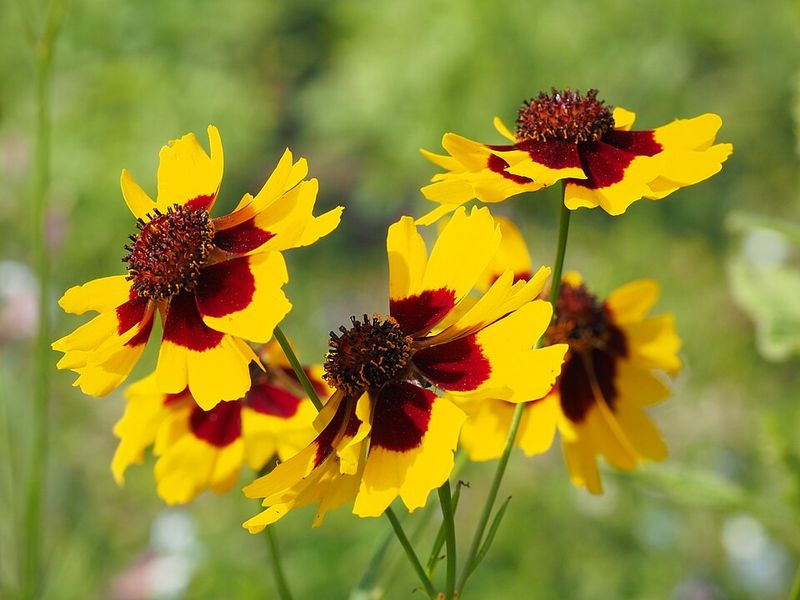
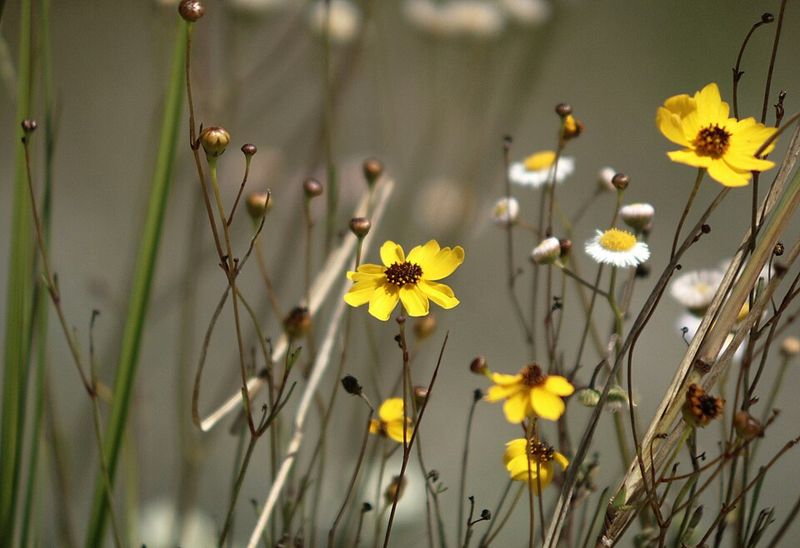
Golden blooms can make a dry garden look surprisingly lively, and that is exactly where coreopsis shines. This Florida favorite handles heat with ease and keeps flowering when fussier plants start looking tired.
You will notice how quickly it brightens a border without making your water bill climb.
Most varieties prefer full sun and well-drained soil, which fits many Florida yards naturally. Once established, they can handle lean conditions and still produce a generous display of daisy-like flowers.
I find they work especially well mixed with ornamental grasses, because the fine textures and cheerful blooms balance each other beautifully.
To keep plants tidy, shear them lightly after a heavy flush of blooms. That quick haircut often leads to fresh growth and another show not long after.
Avoid overfeeding, since too much fertilizer can create floppy stems that look less polished during hot, dry stretches.
Pollinators appreciate this perennial, and your planting bed will too. It fills gaps, softens edges, and gives the landscape a sunny, welcoming feel even in challenging weather.
If you want dependable color that still looks natural and relaxed, coreopsis is one of the easiest choices you can make.
Bulbine
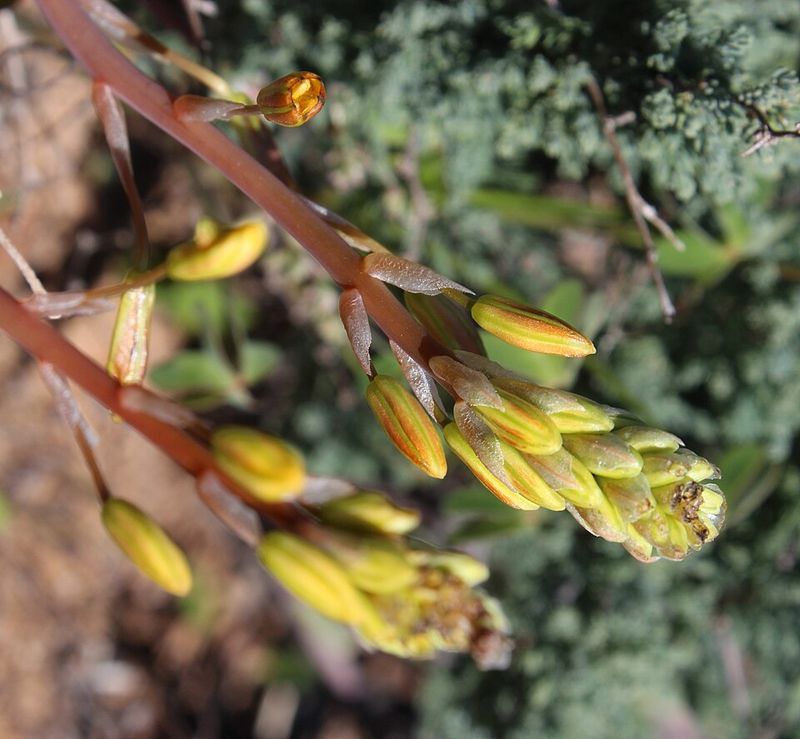
Succulent leaves and airy flower spikes give bulbine a look that feels neat without seeming stiff. It handles dry weather beautifully, which makes it a smart pick for Florida gardeners tired of replacing thirsty plants.
The yellow or orange blooms rise above fleshy foliage and keep appearing with surprisingly little attention.
This perennial thrives in full sun to light shade and prefers soil that drains quickly. Because the leaves store moisture, it can ride out dry periods better than many flowering plants.
I like placing it near patios, driveways, or front entry beds where the clean shape reads clearly and never looks messy.
Maintenance is simple, and that is part of the charm. Remove spent flower stalks if you want a tidier appearance, but even neglected clumps usually stay attractive.
Too much water can be a bigger problem than too little, so it pays to let the soil dry between soakings once plants are established.
Bulbine also plays nicely with gravel, stone edging, and modern-style landscapes. The form feels sculptural, while the flowers soften the overall look and draw in pollinators.
If your goal is steady color with a low-maintenance backbone, this one gives you both in a very Florida-friendly package.
Society Garlic
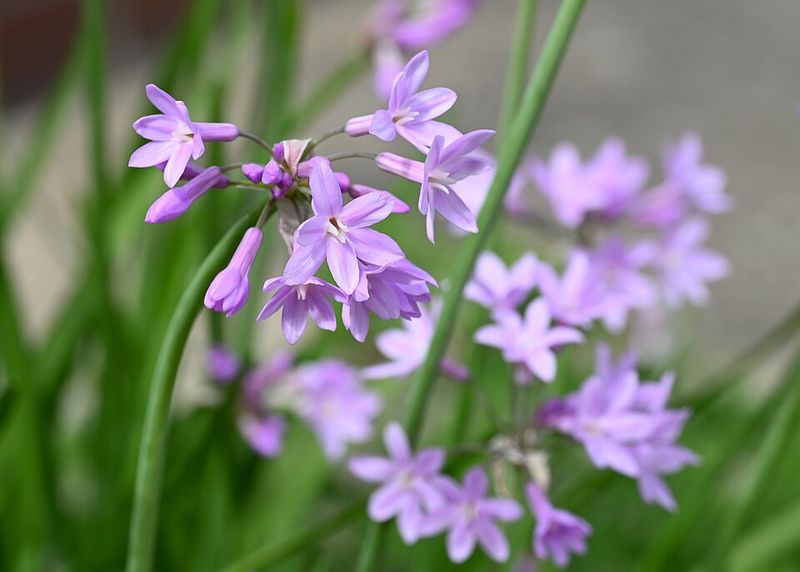
Strappy foliage and lavender blooms make society garlic look polished even in punishing heat. This perennial holds its form well, which matters when dry weather makes many garden beds look tired and uneven.
You get a tidy clump, regular flower stalks, and a plant that rarely seems dramatic about missed rain.
Full sun helps it bloom best, though it can manage in partial sun too. The soil does not need to be rich, but drainage should be decent so roots never sit in water.
I often recommend it for edging paths or framing mixed borders because the upright leaves create structure year-round.
The mild garlic scent can discourage some browsing animals, which is a nice bonus if you have frequent visitors. After flowering, you can snip old stalks to keep the clump looking crisp and intentional.
During long dry spells, occasional deep watering is usually enough once the plant is established and settled.
Another reason gardeners keep returning to this one is its versatility. It fits cottage gardens, tropical-leaning spaces, and even more formal front-yard plantings without feeling out of place.
If you want a dependable perennial that offers texture, flowers, and drought tolerance in one compact package, society garlic deserves serious consideration.
Blue Daze
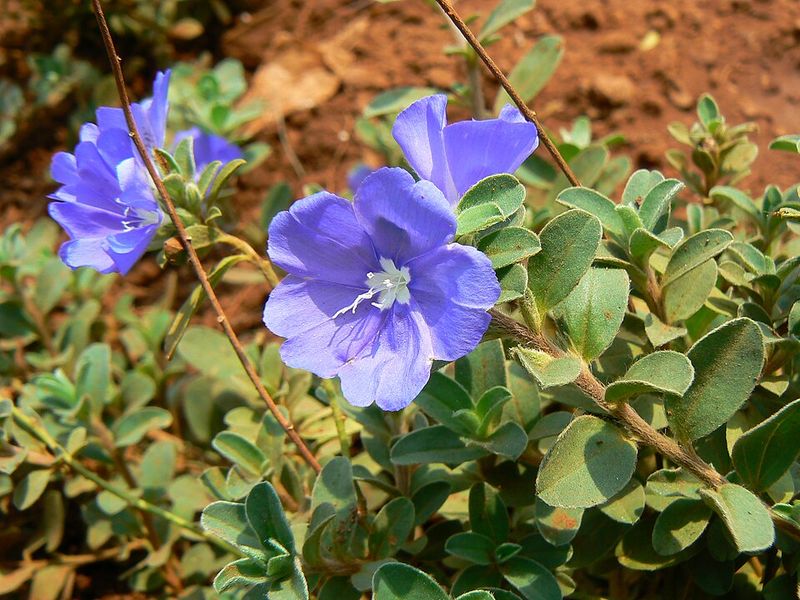
Few plants give you such a cool splash of color during intense heat as blue daze. The soft blue flowers look refreshing against sunbaked mulch, and the trailing habit helps beds feel full instead of sparse.
In Florida landscapes, that combination can be especially valuable when summer dryness starts exposing every weak spot.
This low-growing perennial loves sun and handles reflected heat near pavement better than many delicate bloomers. Well-drained soil is key, and it is happiest when you avoid heavy, soggy conditions.
I like using it to spill over borders, soften retaining walls, or fill the front edge of a mixed bed where the flowers can be seen up close.
Because the stems spread rather than grow tall, the plant creates a calming carpet of color. A light trim now and then keeps it dense and encourages fresh growth if stems start looking stretched.
Once established, it usually needs less water than people expect, especially when mulched well.
Blue daze pairs beautifully with brighter flowers, silver foliage, and ornamental grasses. The color feels gentle but never washed out, which is a hard balance to find in harsh sun.
If you want a groundcover that still looks charming when conditions turn dry, this one is a strong contender.
Firebush
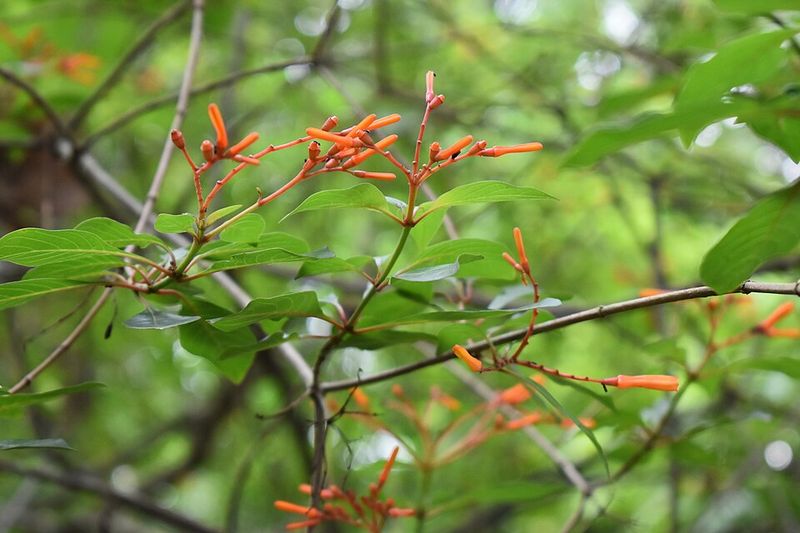
When the weather turns hot and rain becomes unreliable, firebush often looks like it never got the memo. Its orange-red tubular flowers keep the garden lively, and the foliage holds up impressively well through challenging conditions.
If you enjoy seeing hummingbirds zip through the yard, this plant makes that far more likely.
In much of Florida, firebush behaves like a long-lived perennial or subshrub and grows quickly in full sun. It can tolerate part shade, but the strongest flowering usually comes with more light.
I like using it as a backdrop in mixed borders because it adds height, movement, and a tropical feel without demanding constant irrigation.
Once established, this plant handles dry periods far better than its bold look suggests. Occasional pruning helps maintain shape and encourages fuller branching, especially if it gets leggy.
Keep the soil reasonably well drained, and avoid pushing too much fertilizer, which can create softer growth than you want in tough weather.
Another advantage is the long bloom period, which keeps beds from looking empty between seasonal peaks. Even a single plant can anchor a corner and make the whole area seem more planted with purpose.
For dependable color, wildlife value, and impressive heat tolerance, firebush is hard to overlook.
Lantana
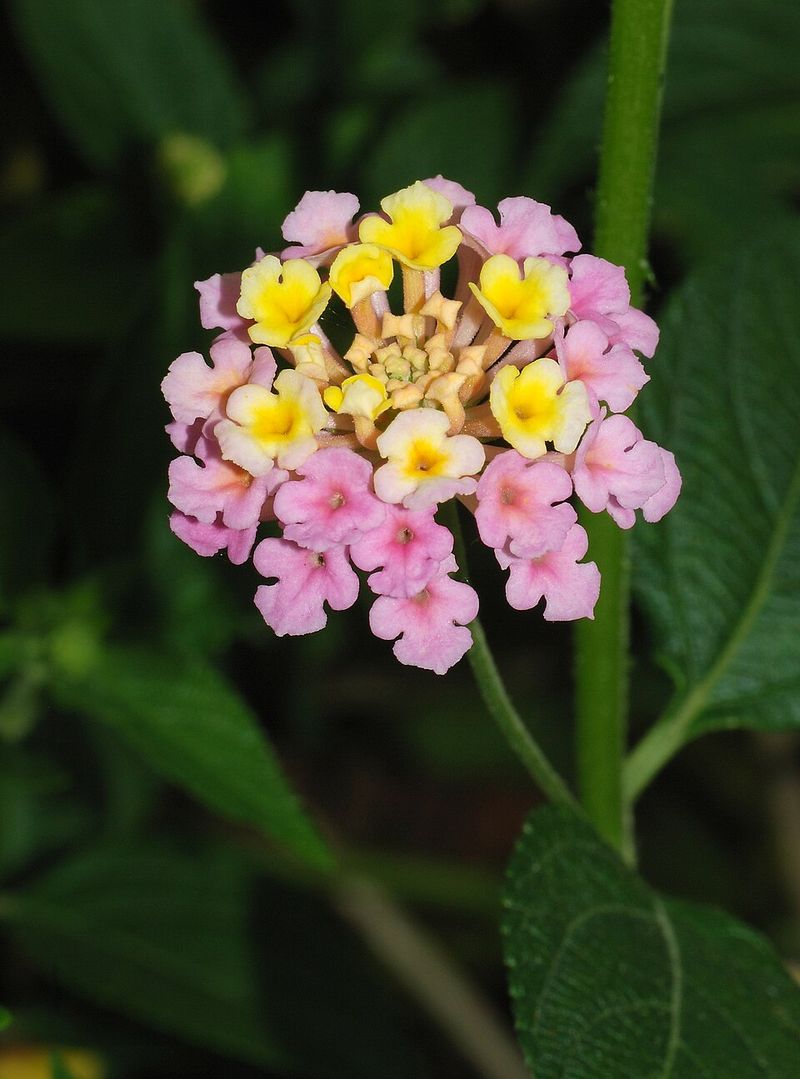
Bright flower clusters and rugged performance make lantana one of those plants people keep rediscovering for good reason. It blooms through heat, shrugs off dry stretches once established, and fills a bed with cheerful color that reads from the street.
You also get steady butterfly activity, which makes the garden feel more alive.
Full sun is where this perennial really earns its reputation. The plant prefers well-drained soil and is far less happy with constant moisture than with a little neglect.
I often suggest it for hot foundation beds, curbside plantings, or spots near driveways where reflected heat can punish weaker choices.
Pruning helps keep lantana compact and encourages fresh flowering stems, especially after a heavy bloom cycle. If it starts looking woody, a more assertive trim can bring it back into shape quickly.
Just be careful with placement, since some varieties spread widely and need room to show off without crowding neighbors.
Color options range from soft pastels to vivid tropical blends, so it fits many design styles. The foliage adds texture, the flowers last, and drought tolerance is genuinely useful rather than just theoretical.
If you want a dependable perennial that still looks festive during long dry spells, lantana deserves a spot near the top of your list.
African Iris
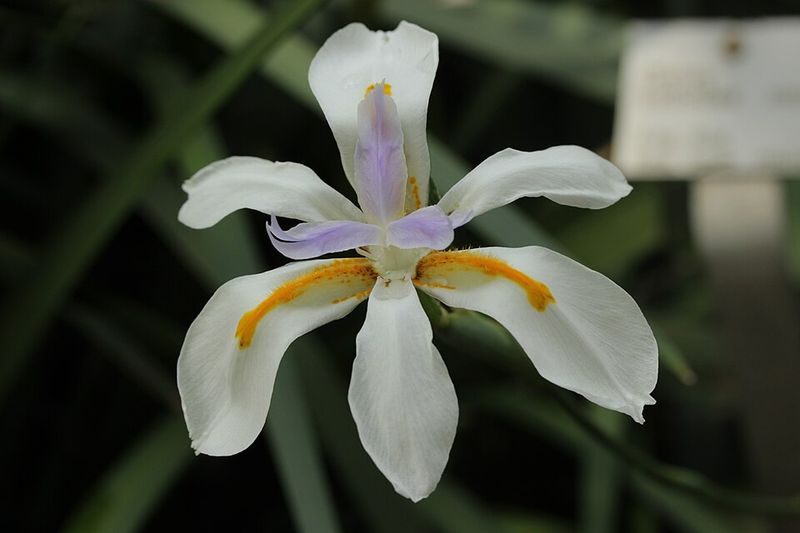
Sword-like foliage gives African iris a clean architectural look that stays attractive even when flowers are between cycles. During dry spells, that reliable structure matters because it keeps beds from appearing flat or neglected.
The blooms, with white petals and soft yellow and purple accents, feel elegant without requiring a fussy care routine.
Florida gardeners often appreciate how adaptable this perennial can be once established. It prefers full sun to part shade and performs best in soil that drains well after rain.
I like planting it in repeated clumps along pathways or property lines, where the upright leaves create rhythm and the flowers appear like pleasant surprises.
Although it can take periodic dryness, occasional deep watering during extreme drought helps maintain the freshest appearance. Removing old flower stalks tidies the plant, while dividing congested clumps every few years keeps growth vigorous.
The foliage is often just as valuable as the blooms, especially in designs that need year-round form.
This plant fits modern landscapes, tropical gardens, and traditional beds without much effort. It pairs nicely with flowering perennials that bring stronger color, balancing boldness with calm structure.
If your garden needs something resilient, tidy, and quietly beautiful during long stretches without rain, African iris is a practical and handsome choice.
Pentas
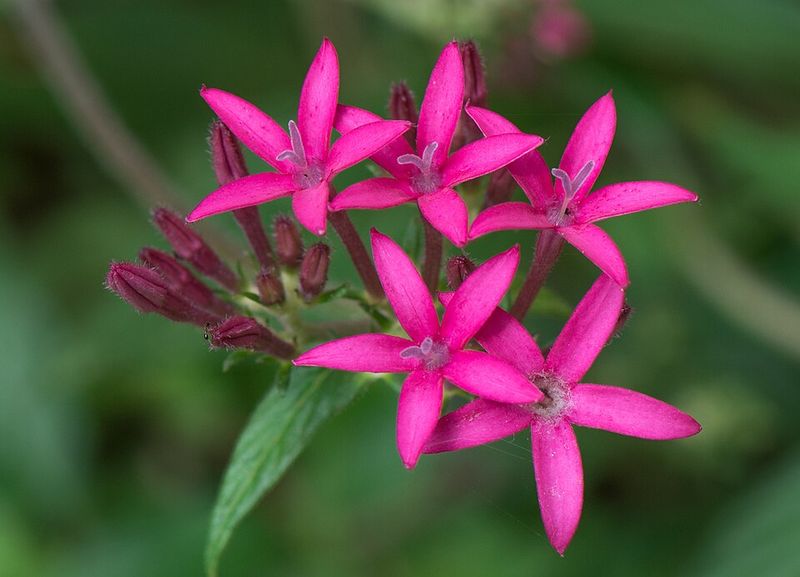
Clusters of starry flowers can keep a planting bed lively for months, and pentas does that with remarkable consistency. In Florida, it is often treated as a dependable perennial that keeps blooming through heat when watered sensibly during establishment.
Once settled in, it handles short dry periods well and still manages to look colorful and welcoming.
Sun brings the best flowering, though light afternoon shade can help in especially intense inland spots. The plant prefers decent drainage and responds well to mulch, which helps roots stay cooler and moisture last longer.
I like using pentas near porches or windows because butterflies visit often, and the flower clusters stay showy from a distance.
Deadheading is optional but useful if you want the neatest appearance and steady reblooming. Avoid crowding plants too tightly, since airflow helps keep foliage looking better through humid periods that follow drought.
A moderate watering routine works better than constant pampering, especially once the root system has expanded.
Color choices make this perennial easy to fit into almost any palette, from soft pinks to vivid reds. It mixes well with ornamental grasses, salvias, and compact shrubs for a layered look that stays interesting.
If you want long-season flowers without choosing something delicate, pentas is a very smart Florida solution.
Porterweed
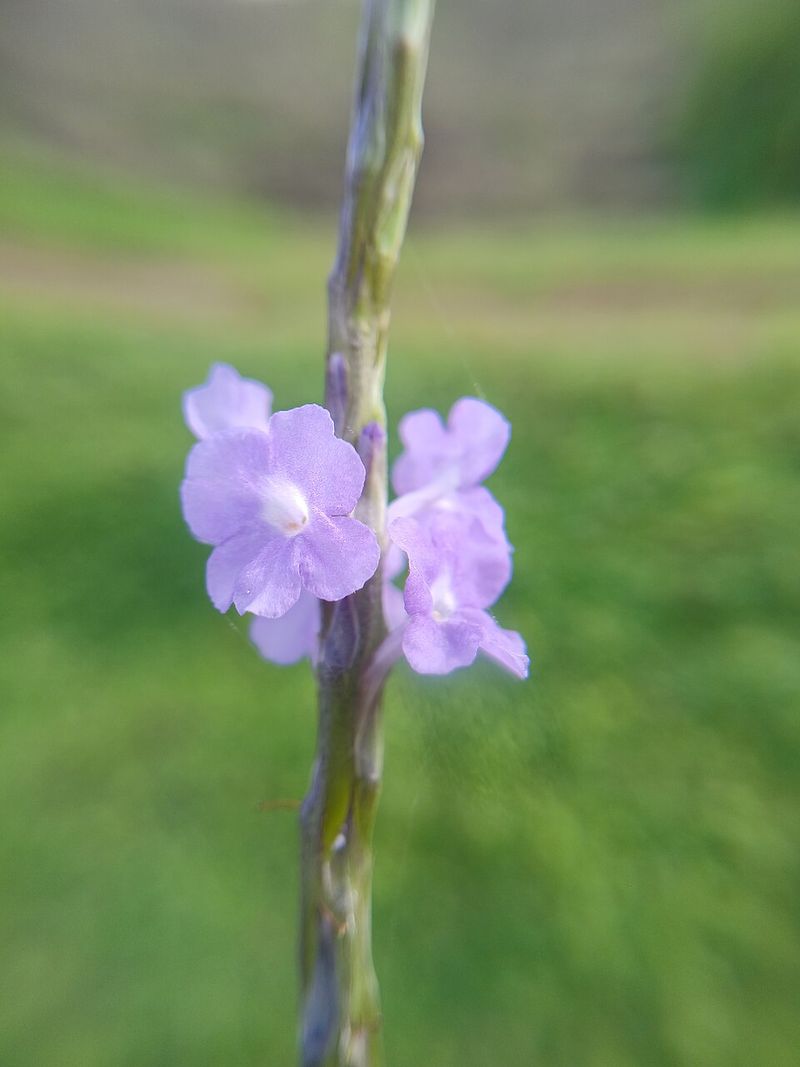
Pollinators seem to know exactly where porterweed is, and that constant activity adds energy to any Florida garden. The flower spikes keep producing color over a long season, even when the weather turns harsh and water becomes less predictable.
You get a plant that feels casual and natural while still pulling real visual weight in the landscape.
Most gardeners grow it in full sun, where flowering is strongest and stems stay sturdier. It appreciates decent drainage and regular watering while establishing, but mature plants can tolerate dry stretches better than many nectar-rich perennials.
I find it especially useful in wildlife gardens where the goal is steady bloom rather than a short, dramatic peak.
If the plant becomes leggy, cut it back lightly to encourage bushier regrowth and more flower spikes. That small bit of maintenance can make a big difference in keeping it looking fresh through the season.
Mulch also helps preserve soil moisture, which is useful during prolonged heat waves or sandy, fast-draining conditions.
Blue and purple tones are especially valuable in sunny Florida beds because they cool the overall color story. Porterweed pairs beautifully with yellow coreopsis, silver foliage, and grasses that move in the breeze.
For gardeners who want drought resilience plus strong butterfly appeal, this perennial is an easy favorite.
Muhly Grass
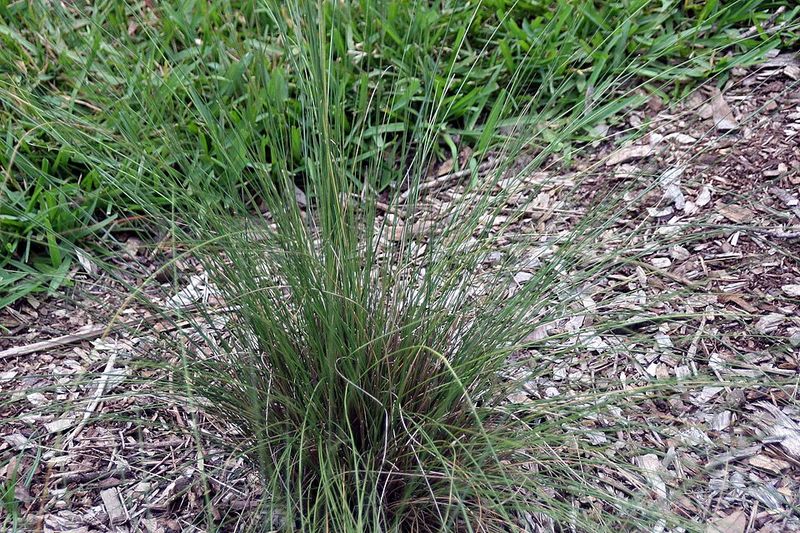
Texture can be just as important as flowers in a drought-tolerant garden, and muhly grass proves it beautifully. Fine green blades stay tidy through heat, then airy pink plumes create a soft cloud of color that seems to light up in the sun.
Even when rain is scarce, this perennial grass keeps a composed, intentional look.
It performs best in full sun and prefers soil that drains well, making it a natural fit for many Florida sites. Once established, muhly grass is notably resilient and needs far less irrigation than thirsty ornamental alternatives.
I love using it in drifts near driveways, around mailboxes, or in mass plantings where the flowering plumes create a memorable seasonal effect.
Cutting it back in late winter helps fresh growth emerge cleanly and keeps the clumps from looking tired. Beyond that, maintenance stays refreshingly light.
Too much fertilizer is unnecessary and can reduce the sturdy, graceful habit that makes this grass so useful in low-input landscapes.
The pink bloom display is dramatic, but the plant earns its keep even when not flowering. It adds movement, softness, and year-round structure that pairs well with perennials, shrubs, and native plantings.
If your Florida yard needs something durable that still feels elegant during dry spells, muhly grass is a standout choice.
Beach Sunflower
Few groundcovers look as cheerful in punishing sun as beach sunflower. Its bright yellow blooms spread across the landscape and keep sandy, dry areas from feeling bare or brittle.
In Florida, that toughness is especially helpful where reflected heat and fast-draining soil make other plants struggle to hold their color.
Full sun is essential if you want strong flowering and dense growth. This perennial thrives in poor, sandy soil and is an excellent option for coastal gardens, roadside beds, and difficult front-yard strips.
I like it on slopes and open spaces where it can roam a bit, softening the ground with a natural, easygoing look.
Because it spreads, occasional trimming may be needed to keep edges neat or prevent crowding. Still, the maintenance is minimal compared with the coverage and bloom power you get.
Once established, it tolerates drought extremely well and often performs with almost shocking determination in hot, exposed spots.
Another benefit is the way it supports pollinators while reducing the need for thirsty turf in problem areas. The flowers feel sunny and informal, which can make a yard look friendlier without seeming messy.
If you are dealing with dry soil, intense sun, and a patch that refuses to look good, beach sunflower is worth serious consideration.