
Rosemary Near the Garage: A Low-Water Florida Plant That Works Alongside Real Roach Exclusion
Follow us on Google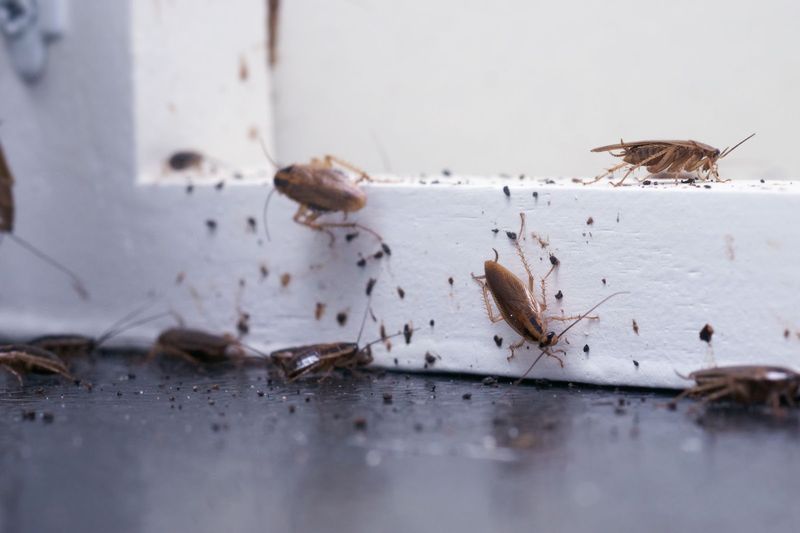
You open the garage door one morning and a roach disappears into the crack along the threshold before you can blink.
It happens fast, and it happens because that gap is basically an open invitation.
Culinary rosemary, Salvia rosmarinus, is a drought-tolerant, full-sun herb that many Florida homeowners grow near entryways, and some research on concentrated rosemary oil does show promise against certain cockroaches in lab settings.
But a potted plant alone cannot seal a doorway, and knowing the difference between what rosemary can and cannot do is what actually helps you stop the problem at its source.
Rosemary Fits the Landscape, Not the Lock
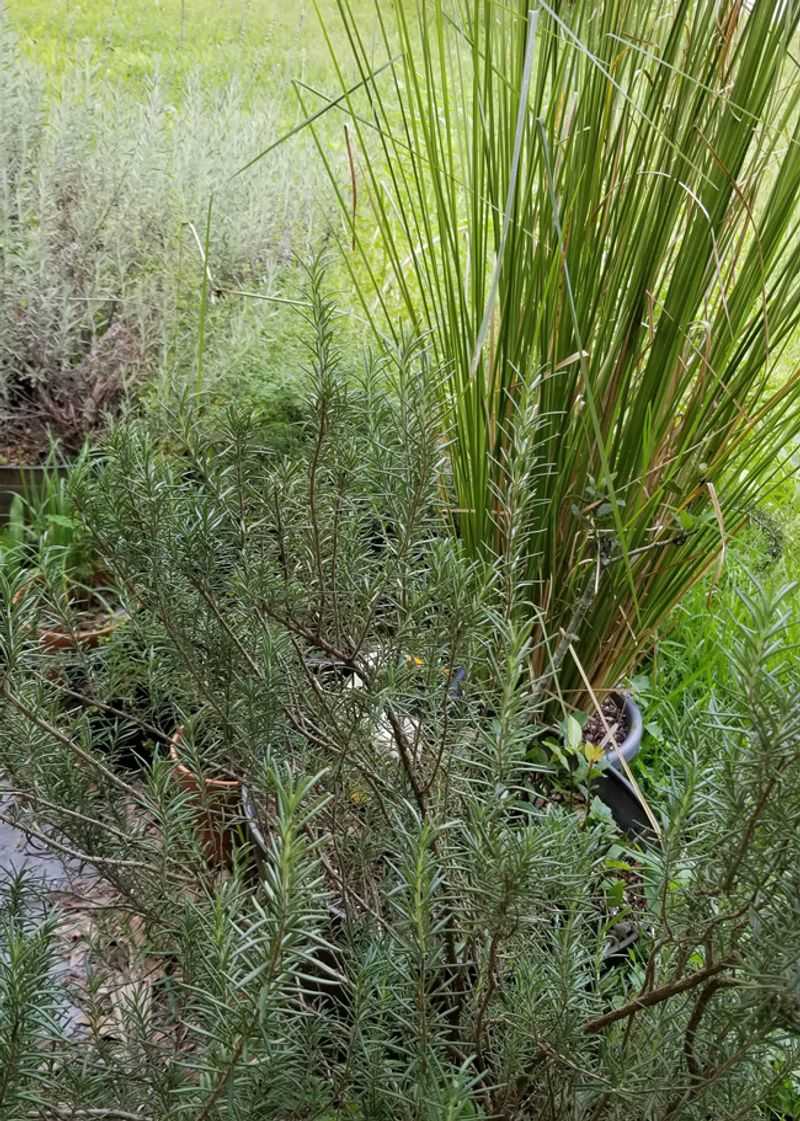
Culinary rosemary, Salvia rosmarinusRosmarinus officinalis, formerly called , is the plant worth knowing about if you want a low-maintenance herb near your garage.
UF/IFAS Gardening Solutions describes it as a Florida-suitable, drought-tolerant herb that grows well in full sun and well-drained soil, and it handles container life without complaint.
That combination makes it a reasonable landscape choice near a garage doorway, where concrete, heat, and reflected sun would stress most other plants.
Here is where things need to be said plainly.
No published study shows that a live rosemary plant growing beside a garage door blocks, repels, or reliably reduces cockroach entry into a home.
The evidence that does exist comes from concentrated rosemary essential oil tested under controlled laboratory conditions, and that is a very different situation from a potted shrub sitting in your driveway.
Treating the two as equivalent would give the plant far more credit than the science supports.
What rosemary genuinely offers is a low-water, sun-loving landscape layer that can complement a properly fitted door sweep, sealed threshold gaps, dry conditions near the foundation, and a monitoring routine.
UF/IFAS guidance on pest management consistently emphasizes that exclusion and sanitation carry the real weight.
Rosemary can sit beside those strategies as an optional, attractive herb, but it does not replace them.
Think of it as a neighbor who looks good and smells nice, not the deadbolt on your door.
The Cockroach Evidence Comes From Rosemary Oil
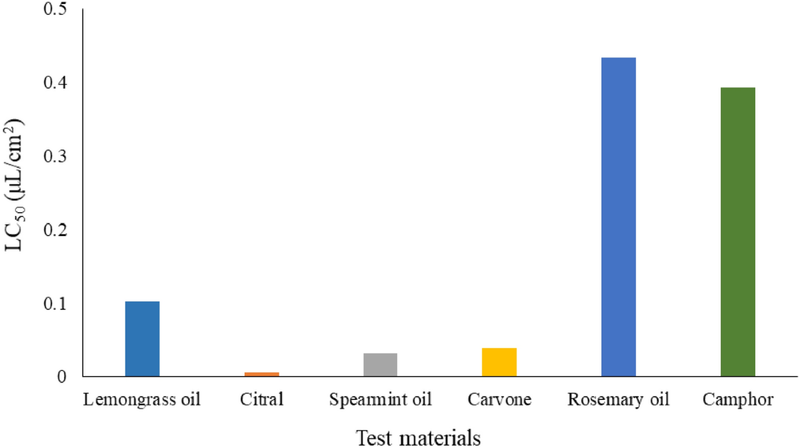
A study on brown-banded cockroach nymphs reported roughly 86% to 95% repellency when rosemary oil was applied at concentrations of 2.5% to 5%.
Those are meaningful numbers, and that research on plant essential oils against the brown-banded cockroach is worth taking seriously.
But the operative word in every sentence above is “oil,” not “plant.”
Measured, concentrated essential oil applied in a controlled laboratory setting behaves nothing like the uneven, dilute scent released by a living shrub growing in a Florida driveway.
A potted rosemary plant releases volatile compounds through its leaves, but the amount varies constantly.
Heat, sudden downpours, wind off the Gulf Coast, full afternoon sun, the size of the cultivar, how recently you watered, and the age of the plant all affect how much fragrance actually reaches the air around the garage threshold at any given moment.
A major review of essential oils in urban insect management makes this gap explicit.
Essential oils evaporate quickly, degrade in sunlight, and often require repeated applications or specialized formulations to maintain effectiveness in real-world conditions.
The review identifies a consistent disconnect between what happens in a lab dish and what happens in a home environment.
That gap does not mean rosemary compounds are useless, but it does mean a live plant beside your door has not been shown to create any kind of avoidance boundary that roaches will respect.
The study supports curiosity about rosemary compounds.
It does not support a claim that a container plant guards your garage.
A Door Sweep Blocks What a Plant Cannot

Adult cockroaches can fit through a crack roughly 1.6 millimeters wide, or about 1/16 of an inch.
EPA integrated pest management guidance puts that in clear terms, and once you picture it, you understand why a fragrant plant nearby cannot close a gap that a roach slips through without slowing down.
Start by crouching at the garage door and looking for daylight.
If you can see light under the door or beside the side seals, a cockroach can use that opening tonight.
Replacing a worn door sweep costs very little and takes less than an hour.
Weather-stripping along the sides of the door handles the gaps that sweeps miss.
EPA’s integrated pest management toolkit lists weather-stripping, door sweeps, sealed openings, and repaired screens as front-line exclusion tools because they change the physical opening itself, not the smell near it.
Beyond the door, check the walls where pipes, conduit, or utility lines enter the garage.
Caulk or foam any gap you can see.
Make sure irrigation heads are not spraying against the foundation or wetting the base of the wall, because moisture near concrete draws outdoor roaches toward a structure.
UF/IFAS pest management guidance notes that visible daylight through a gap is enough space for large Florida cockroaches and other pests to enter.
Physical exclusion changes what the entry point offers.
A plant, however aromatic, does not.
Seal the gap first, then decide where to put the rosemary.
Place the Container Outside the Traffic Zone
Placement matters more than most gardening articles admit.
EPA integrated pest management guidance recommends keeping vegetation and wood mulch at least 12 inches away from structures.
That clearance exists because dense foliage, wet mulch, and leaf litter pressed against a wall create exactly the kind of sheltered, moist harborage that outdoor cockroaches actively seek, even when the plant itself has aromatic compounds.
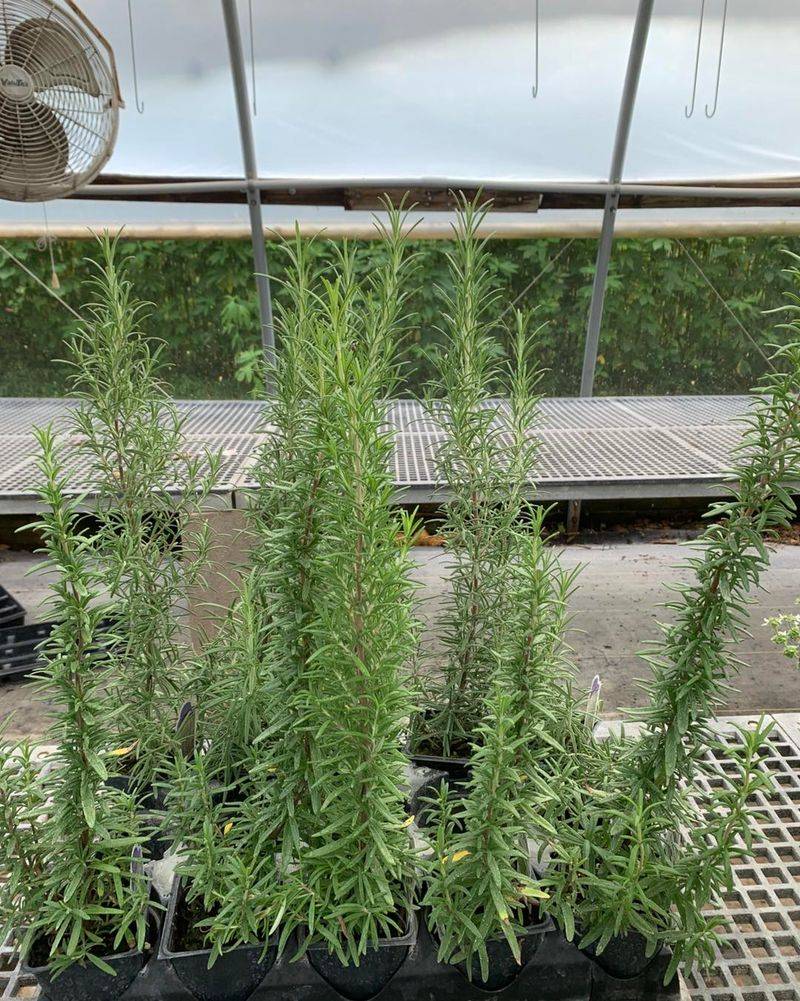
For a rosemary container near the garage, look for a spot that gets full sun for at least 6 hours a day and sits clear of the door swing, the threshold, and the siding.
The pot should not touch the wall, block drainage away from the foundation, or create a shadowed corner where moisture collects.
EPA building IPM guidance also recommends trimming branches 3 to 6 feet from a structure when applicable, which is another reason a compact cultivar or a managed container plant suits this spot better than a large, unpruned shrub.
The exact distance between the pot and the door depends on your doorway width, the cultivar’s mature size, local drainage, and how the door swings.
UF/IFAS guidance on rosemary topiaries confirms that rosemary performs well in containers, which also means you can move it before a hurricane or roll it to a sheltered spot during a North Florida freeze.
That mobility is a genuine practical advantage.
Treat the placement as a landscaping decision guided by clean-border principles, not as a tested pest-control distance.
The container earns its spot by looking good and staying manageable, not by standing guard.
Grow Rosemary with Sun and Dry Roots
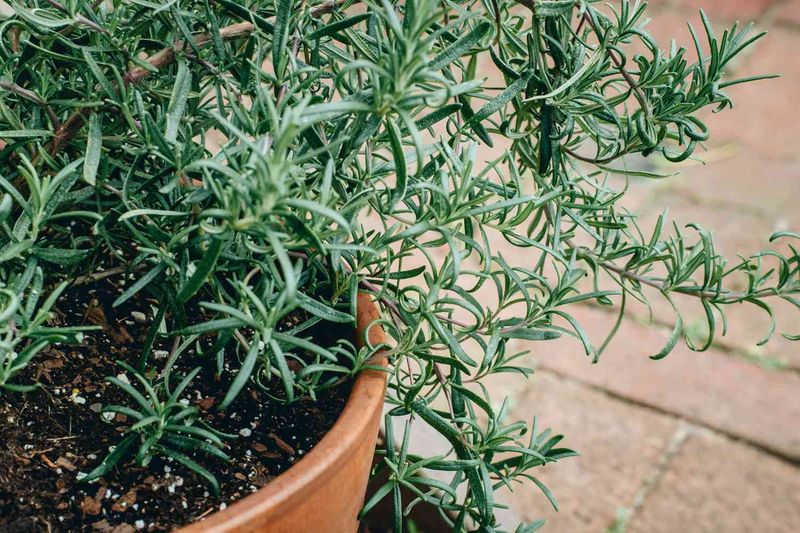
Rosemary does not ask for much, but it does ask for two things without compromise: full sun and dry roots.
UF/IFAS Gardening Solutions describes the plant as drought tolerant and specifically warns that frequent watering causes problems because rosemary prefers relatively dry conditions between waterings.
Florida summers make that tricky, because the instinct after a hot afternoon is to water everything in sight.
Resist that with rosemary.
In a container, water when the top inch of soil feels dry to the touch.
Do not let the pot sit in a saucer of standing water, because wet roots lead to root rot faster than almost any other mistake you can make with this plant.
UF/IFAS rosemary topiary guidance reinforces that rosemary suffers when kept too wet, which is also a reminder that a soggy pot near the garage creates exactly the kind of damp microhabitat that outdoor cockroaches find attractive.
Left unpruned, rosemary can reach roughly 6 feet tall and 4 to 5 feet wide depending on cultivar and how often you trim it.
Near a garage door, that size is genuinely too large.
Choose a compact cultivar and plan to prune it back after flowering to keep it from crowding the threshold or touching the wall.
During the establishment period after planting, UF/IFAS guidance on establishing shrubs suggests watering a 3-gallon container plant every 2 to 4 days in North and Central Florida until roots settle in.
After that, the plant’s low-water habit takes over, and UF/IFAS efficient irrigation guidance lists established rosemary among herbs that need minimal supplemental water.
Sun and drainage do the rest.
Match Rosemary Care to Your Florida Region
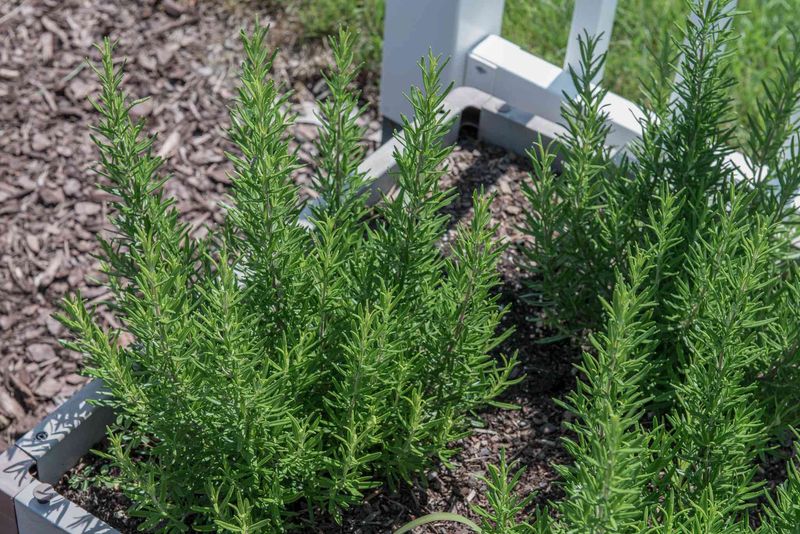
Florida is not one climate, and rosemary behaves differently depending on where you garden.
North Florida gardeners, from the Panhandle east toward Jacksonville, can expect occasional hard freezes that push rosemary to its limits.
USDA zone 8b sees temperatures that can drop below 15 degrees Fahrenheit in a bad winter.
UF/IFAS Gardening Solutions notes that rosemary may need freeze protection in the colder parts of the state, which is another reason a container near the garage is smarter than an in-ground planting.
You can move it to a covered area before a hard freeze hits.
Central Florida gardeners face a different challenge: brief cold snaps in January or February that arrive with little warning, combined with heavy summer rain that keeps soil wet for days.
Watch drainage carefully in low spots, and avoid placing the pot anywhere that puddles form after an afternoon downpour.
South Florida gardeners deal with shallow limestone-based soil in many areas and wet conditions that persist through the rainy season from June through October.
A container with a fast-draining mix solves the limestone problem and gives you control over moisture that in-ground planting cannot match.
UF/IFAS irrigation guidance specifically highlights drainage as critical for herbs like rosemary in Florida’s wet seasons.
One species distinction deserves a direct statement.
Florida rosemary, Ceratiola ericoides, is a native scrub plant found in xeric upland communities across the state.
UF/IFAS documentation on Florida rosemary notes sensitivity to salt spray and high wind in coastal restoration settings, but those characteristics belong to that native species, not to culinary rosemary.
Do not assume the two plants share the same coastal tolerance.
If you garden near the Gulf Coast or the Atlantic Coast and want rosemary by the garage, ask your local extension office which cultivar handles salt exposure in your specific zip code.
Use Monitoring and IPM for Roaches

Sticky traps are one of the most useful and underused tools a Florida homeowner has.
Place them along the base of the garage walls, especially near the door threshold, near any stored cardboard boxes, and along the wall where pipes enter.
Check them after a week and you will know whether roaches are slipping in under the door, emerging from stored material, or moving in from outdoor harborage nearby.
That information tells you where to focus, instead of treating every surface and hoping for the best.
UF/IFAS guidance on cockroaches and their management recommends monitoring as a standard first step in any homeowner pest program.
Outdoor cockroaches in Florida, including large American cockroaches and related species, typically live in damp leaf litter, mulch, drains, wood piles, and sheltered borders.
UF/IFAS recommends focusing outdoor control efforts within roughly 3 feet of the home’s foundation, including entry points like the garage-door threshold.
German cockroaches are a different situation entirely.
They establish indoor populations around food, water, appliances, cardboard, and warm protected spaces, and they do not respond to the same outdoor-focused strategies.
If you are seeing small, fast roaches near the kitchen or under appliances, that is a separate problem that needs targeted indoor treatment, not a plant by the garage.
When monitoring shows a real problem, EPA’s integrated pest management approach covers the full sequence: prevention, sanitation, exclusion, monitoring, and carefully limited pesticide use when other steps are not enough.
If you use insect growth regulators, UF/IFAS cockroach management guidance notes they may take 4 to 6 weeks to produce a noticeable drop in population.
Do not combine bait and liquid insecticide in the same location at the same time, because the spray can interfere with bait effectiveness.
Always follow the product label exactly.
NPIC guidance on pets and pesticide use advises keeping pets away from treated areas until the label-required interval has passed or the product has fully dried, and NPIC’s exposure guidance applies the same caution to children, food, and water bowls.
Rosemary can sit by the garage and look exactly right.
The door sweep, the sealed gaps, the dry foundation, and the monitoring plan are what actually close the entry point.