
11 Purple Perennials Thriving In Georgia’s Long Hot Growing Season
Follow us on Google
Georgia gardens can look tired by midsummer, especially when heat, humidity, and surprise dry spells hit at once. The good news is that plenty of purple perennials not only survive those conditions, they keep showing up with color when other plants fade.
If you want long bloom periods, pollinator traffic, and plants that can handle real Southern summers, these picks deserve a spot in your beds. A few smart choices now can keep your yard vibrant from spring well into fall.
Purple Coneflower
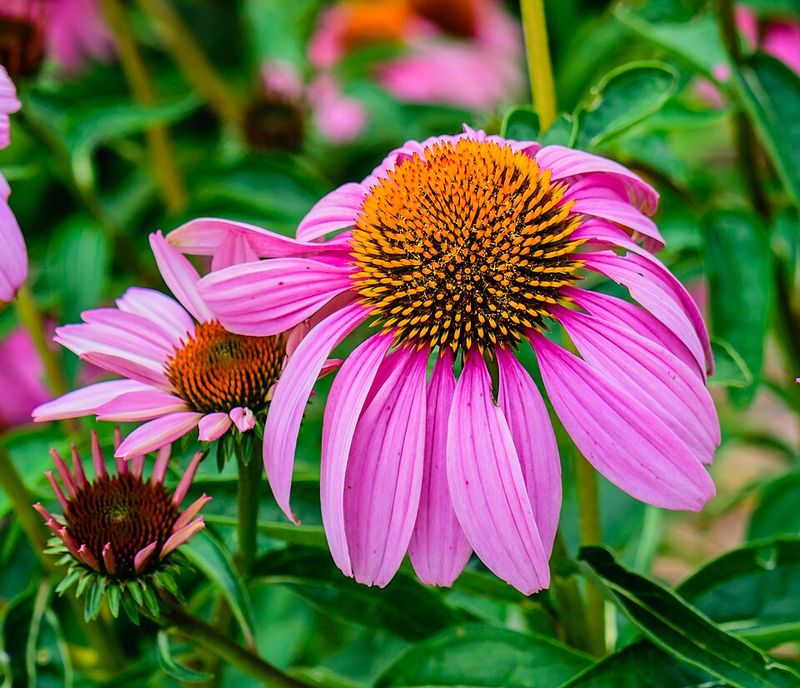
Few plants earn their keep in a Georgia garden like purple coneflower. You get strong stems, long summer bloom time, and a plant that handles heat better than many fussier favorites.
Once established, it deals with drought surprisingly well and still looks lively when the forecast turns brutal.
Full sun is the sweet spot, and decent drainage matters more than rich soil. I would skip heavy pampering because overly fertile ground can make stems floppy, especially in stormy weather.
A layer of mulch helps roots stay cooler and cuts down on watering during long dry stretches.
Deadheading keeps flowers coming, but leaving some seedheads later in the season gives birds a reason to visit. You can tuck this plant into cottage borders, pollinator beds, or even a mailbox planting where reflected heat is intense.
Its purple petals also pair nicely with black-eyed Susans, native grasses, and white gaura.
Watch for occasional leaf spots in humid spells, and give plants enough spacing so air can move freely. Dividing every few years keeps clumps vigorous without creating a weekend-sized project.
If you want one dependable purple perennial that looks good without constant checking, this is an easy place to start.
Society Garlic
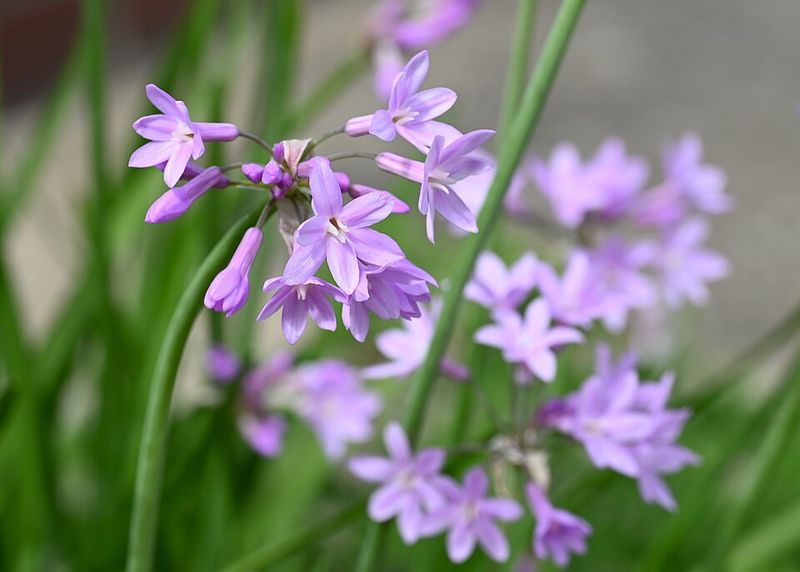
Strappy leaves and cheerful lavender blooms make society garlic one of the easiest purple perennials for hot Southern landscapes. It handles blazing sun, reflected heat, and lean soil without asking for much in return.
That dependable nature makes it especially useful along walkways, driveways, and front borders.
Drainage matters, but this plant is otherwise refreshingly forgiving. Once established, it cruises through dry periods better than many flowering perennials and still sends up bloom stalks through the warm season.
In coastal or urban spots where conditions can be rough, it often performs better than gardeners expect.
The flowers attract pollinators, while the foliage has a noticeable scent that can discourage deer and rabbits. I like using it in repeated drifts because the grassy texture softens hardscape edges and mixes well with lantana, salvia, and dwarf muhly grass.
It also works in containers if you want a low-maintenance pot for full sun.
Remove old flower stalks to keep clumps neat, and divide when growth gets crowded in the center. In colder parts of Georgia, mulch lightly after frost if a tough winter is expected.
For gardeners who want long color, tidy form, and very little drama, society garlic quietly checks every practical box.
Catmint
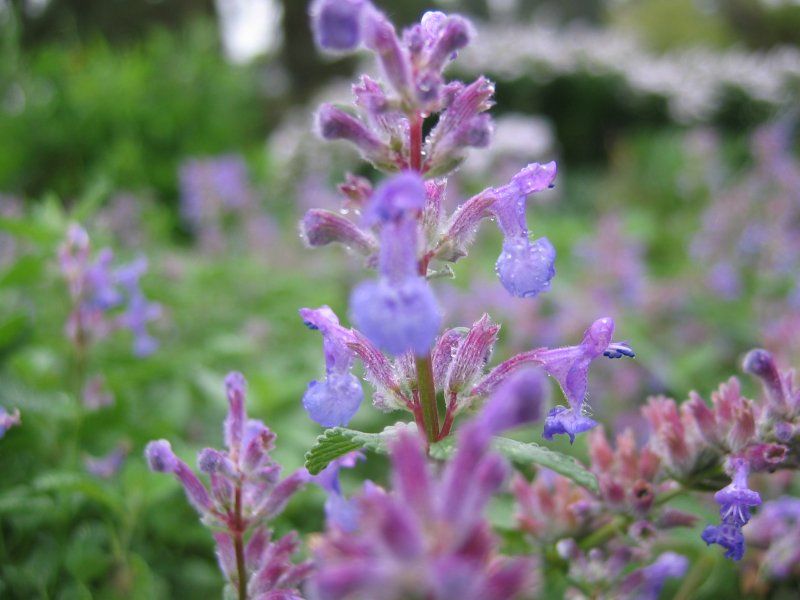
Soft mounds of gray-green foliage and waves of lavender-purple flowers give catmint a relaxed look that still feels intentional. It is especially useful in Georgia because heat does not bother it much once roots are established.
Bees love it, deer usually leave it alone, and the plant keeps a pleasing shape for months.
Sharp drainage is the secret, so raised beds and sunny slopes are ideal. In heavy clay, loosen the planting area and avoid overwatering, because soggy roots cause more trouble than summer heat.
Full sun keeps growth compact and bloom production steady.
After the first big flush, shear plants back by about one-third and you will usually get a fresh round of flowers. That quick haircut also prevents the center from looking tired by late summer.
I like planting catmint near roses, coneflowers, or yarrow where its airy texture softens bolder blooms.
Choose heat-tolerant varieties with sturdy habits instead of overly floppy selections. A light mulch helps during the first year, but mature clumps are impressively self-sufficient.
If you want purple color that reads calm rather than flashy and still stands up to long hot afternoons, catmint is a practical, beautiful choice.
Obedient Plant
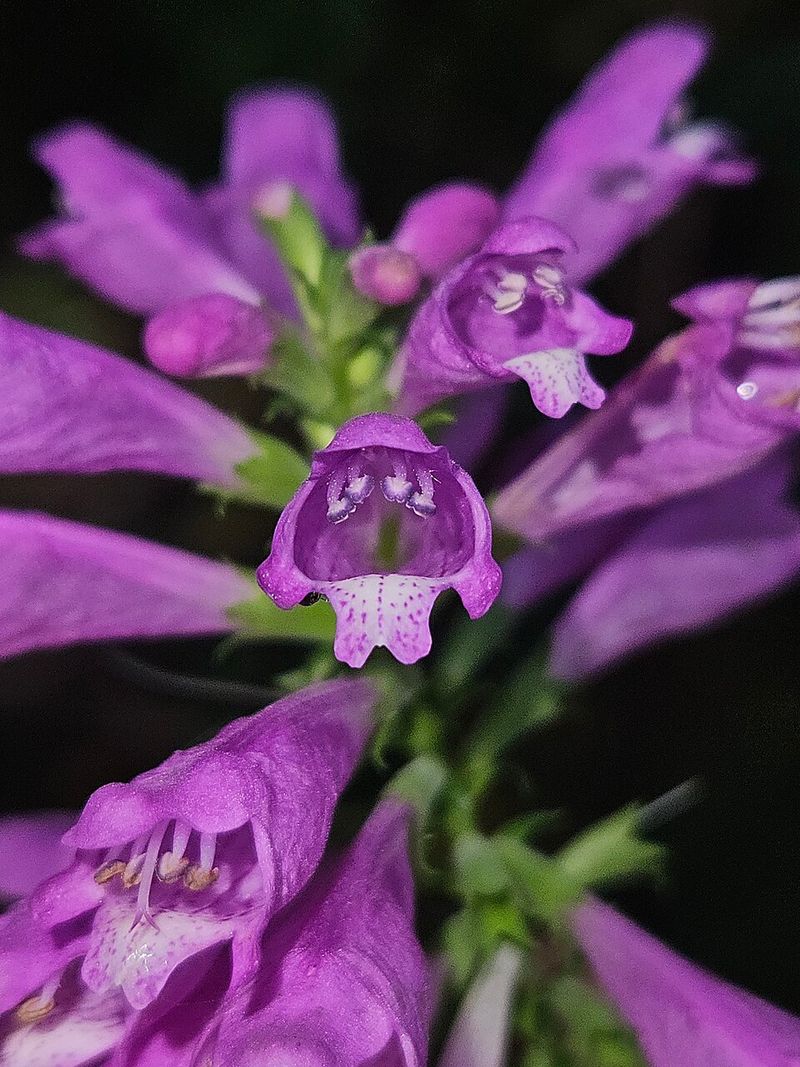
Late summer can leave borders looking worn, which is exactly when obedient plant starts to shine. Its upright spikes of pinkish-purple to lavender flowers add height and fresh color just when many spring bloomers are finished.
Hummingbirds and bees notice it quickly, so the garden feels more active right away.
Moist, reasonably rich soil helps it perform best, though established plants can handle ordinary Georgia conditions better than many people assume. Full sun produces sturdy stems, while light afternoon shade is useful in hotter inland gardens.
A spot with regular moisture keeps flowering strong through the toughest part of summer.
This perennial spreads by rhizomes, so placement matters. I would give it room in a naturalistic bed, a pollinator border, or a space where a wider colony is welcome.
If you prefer tighter control, sink edging around the planting area or divide clumps regularly in spring.
Despite its assertive habit, it is easy to manage when you know what to expect. The blooms also make excellent cut flowers and hold up well indoors.
For gardeners who need vertical purple color, strong wildlife value, and a plant that does not fold under Georgia heat, obedient plant is worth considering.
Verbena bonariensis
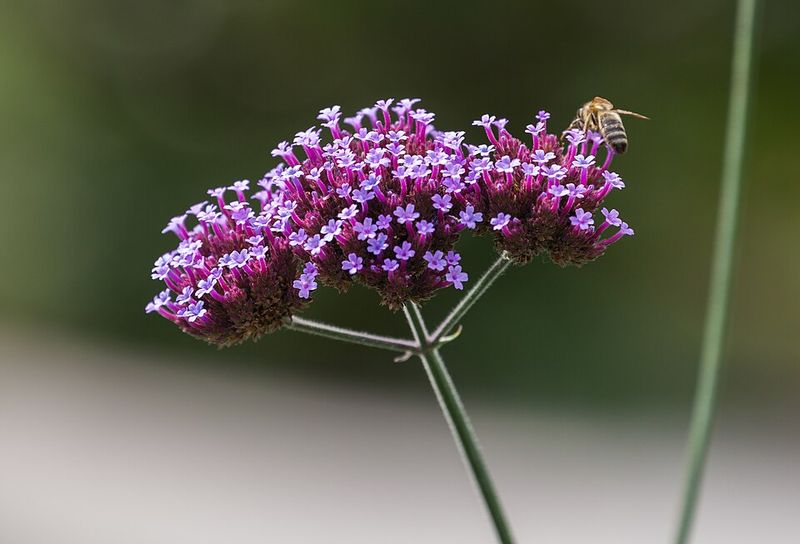
Airy stems topped with clusters of purple flowers give Verbena bonariensis a see-through effect that works beautifully in crowded borders. You still get color, but the plant never feels heavy or blocky.
In Georgia, that light structure is useful because it keeps summer plantings from looking dense and tired.
Full sun and decent drainage are the basic needs, and lean soil is perfectly acceptable. In fact, too much fertility can create floppy growth, especially after strong rain.
Once the roots settle in, this verbena handles heat with impressive ease and often blooms for a very long stretch.
Butterflies seem to find it immediately, and the flowers rise above neighboring plants without smothering them. I like threading it through coneflowers, salvias, and ornamental grasses so the purple heads float above the rest of the border.
It also reseeds lightly, which can be helpful if you want a naturalized look.
Seedlings are easy to edit in spring if they appear where you do not want them. Staking is rarely needed when plants grow in full sun and are not overfed.
If your goal is graceful purple color that handles Georgia’s long growing season without turning high maintenance, this perennial makes excellent sense.
Stokes’ Aster
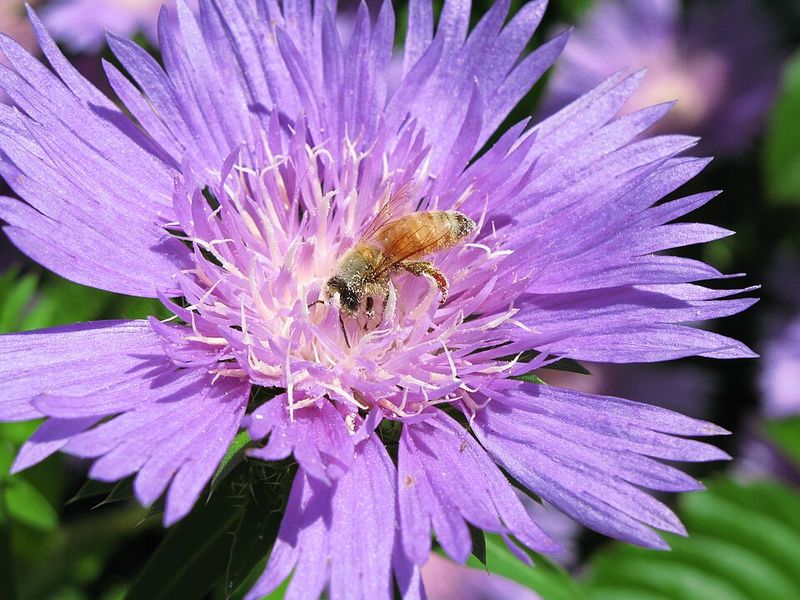
Large, fringed lavender flowers make Stokes’ aster look almost too delicate for a Southern summer, but it is tougher than it appears. This Southeastern native is well suited to Georgia gardens and offers a refined kind of color that stands out without shouting.
Blooming usually starts in early summer and can continue with light deadheading.
Give it full sun to part shade and soil that drains well, especially in winter. Consistent moisture during establishment helps, but mature plants handle ordinary dry spells better than many gardeners expect.
In heavier clay, amending the planting area can improve long-term performance.
The low mound of foliage stays neat, which makes this perennial easy to place near the front of borders. I like pairing it with coreopsis, salvia, or small native grasses for a look that feels relaxed but not messy.
The flowers are also excellent for cutting if you want purple blooms indoors.
Avoid burying the crown too deeply, because that can reduce vigor over time. Divide every few years if clumps become crowded or flowering starts to decline.
For a Georgia-friendly perennial with native roots, elegant purple blooms, and a manageable size, Stokes’ aster deserves much more garden space than it usually gets.
Spiderwort
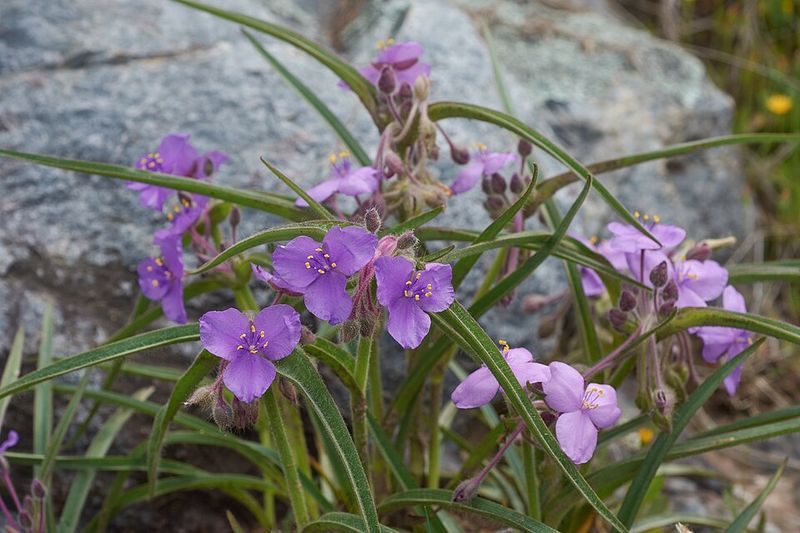
Morning flowers in shades of violet to blue-purple make spiderwort feel like a small daily reward in the garden. Its blooms may close by afternoon, yet the plant earns its space with reliable color, easy growth, and handsome arching foliage.
In Georgia, it is especially useful where sun is limited but heat is still intense.
Part shade is ideal, though many varieties handle more sun if soil stays evenly moist. Rich, well-drained ground encourages fuller clumps and less browning during long hot stretches.
A light mulch helps keep roots cool and reduces the amount of summer watering you need to do.
After the first major bloom period, foliage can start looking a little tired. Cutting plants back by about half often encourages fresh leaves and sometimes another round of flowers.
I like using spiderwort near ferns, hostas, and native woodland plants where its loose shape feels natural.
This perennial also works along the edge of rain gardens because it tolerates periodic moisture without acting fussy. Clumps divide easily, so one good plant can become several over time.
If you need purple color for that tricky in-between area with morning sun, afternoon shade, and Georgia humidity, spiderwort is a dependable answer.
Anise Hyssop
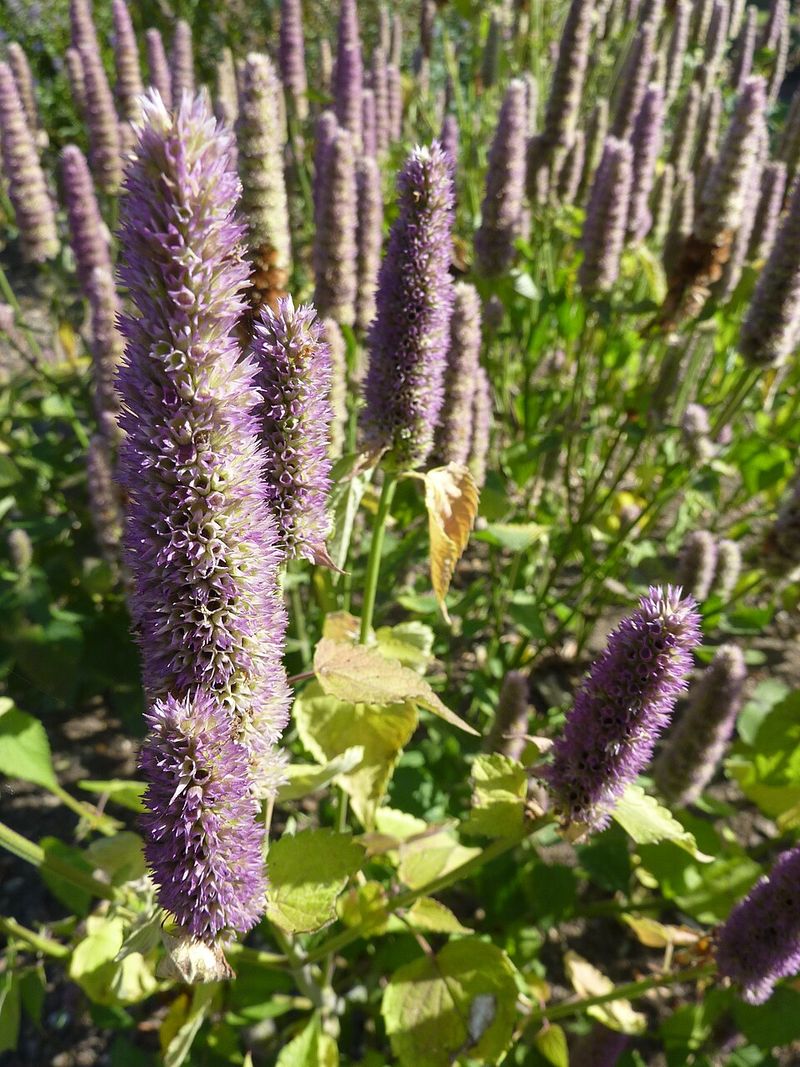
Sweetly scented foliage and upright purple flower spikes give anise hyssop a lot of charm in summer borders. Pollinators treat it like a magnet, and that constant movement makes the garden feel lively even on the hottest afternoons.
In Georgia, it performs best when drainage is good and airflow is not restricted.
Full sun is ideal, though a bit of light afternoon shade can help in especially hot locations. The soil does not need to be rich, and overly wet conditions are more damaging than short dry spells.
If your yard has heavy clay, planting on a slight mound can make a noticeable difference.
Regular deadheading extends the bloom season, but leaving some flower spikes late in the year adds texture and can encourage self-sowing. I like mixing anise hyssop with coneflowers, black-eyed Susans, and salvias for a border that looks active rather than stiff.
The leaves can even be used for teas if you enjoy edible garden extras.
Young plants appreciate dependable watering, yet mature clumps are fairly resilient. Avoid crowding them, because humid nights can invite mildew when air is stagnant.
For gardeners who want a purple perennial with fragrance, wildlife value, and a useful place in both ornamental and herb gardens, anise hyssop is a smart pick.
Garden Phlox
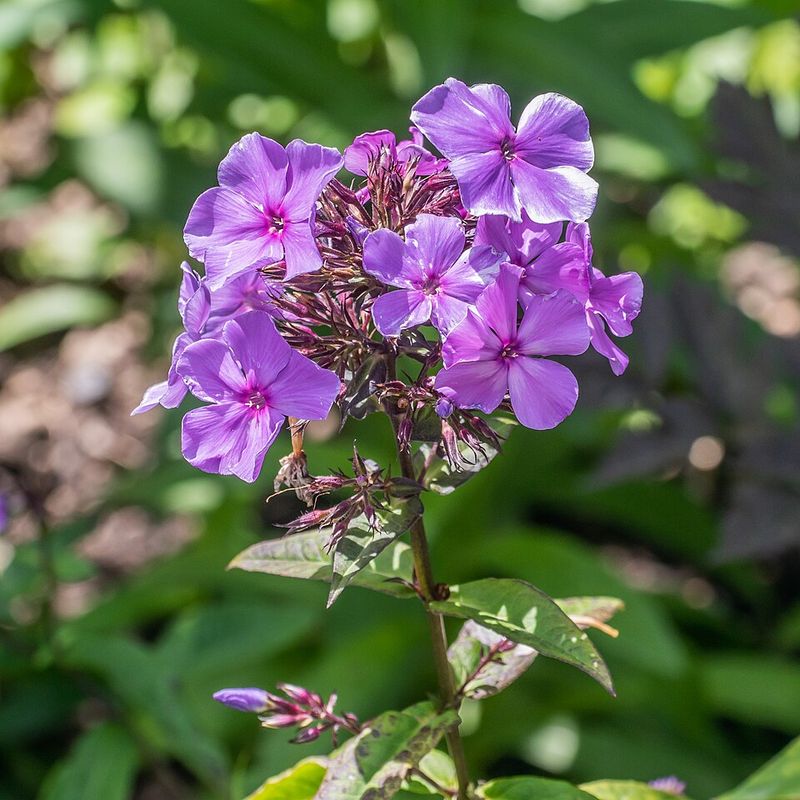
Big clusters of purple flowers make garden phlox a standout when you want old-fashioned color with serious summer presence. It can be spectacular in Georgia, but choosing mildew-resistant varieties is the key to success.
With the right selection and enough air circulation, this perennial earns every bit of attention it gets.
Morning sun with some afternoon relief works well in hotter areas, though full sun is fine where soil stays evenly moist. Rich, well-drained soil helps stems stay strong and flowering abundant.
A consistent watering routine during dry spells keeps plants from looking stressed and extends bloom quality.
Spacing matters more than people expect, because crowded phlox struggles in humid weather. I would avoid overhead watering late in the day and remove spent blooms to keep the display going.
Pairing purple cultivars with white daisies, rudbeckia, or ornamental grasses creates a border that feels balanced instead of overly sweet.
Dividing every few years refreshes vigor and helps prevent the center from thinning out. Taller varieties may need support in very rich soil or after heavy rain.
If you have a sunny bed that deserves strong midsummer color and you are willing to make a few smart cultural choices, garden phlox can be excellent.
Blue False Indigo
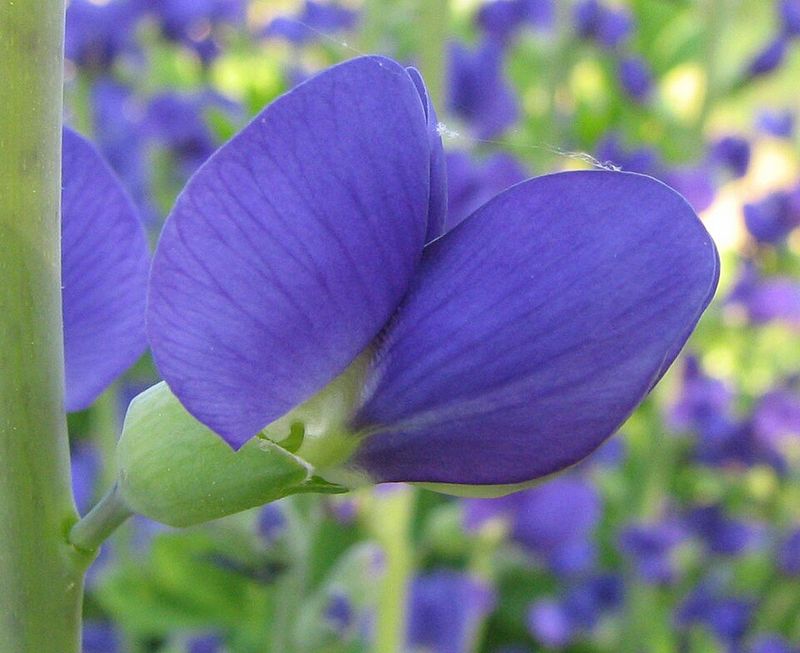
Few perennials look as sturdy and self-assured in a hot climate as blue false indigo. Spring brings spikes of violet-blue flowers, and the rounded mound of blue-green foliage stays handsome long after blooming ends.
In Georgia gardens, that strong structure is valuable because it anchors mixed beds through the whole growing season.
Full sun gives the best shape and most flowers, though light shade is acceptable. This plant prefers well-drained soil and takes time to settle in, so patience matters during the first couple of seasons.
After that, deep roots make it impressively drought tolerant and far less needy than many showier perennials.
Because mature plants develop substantial root systems, choose the site carefully and avoid frequent moving. I like using baptisia as a shrub-like perennial among grasses, coneflowers, and native salvias where its form adds weight and contrast.
Dark seedpods later in the season bring extra interest if you leave them in place.
Little maintenance is required beyond cleaning up old stems in late winter. Deer usually pass it by, and most pest issues are minor.
For gardeners who want purple bloom, native-adjacent toughness, and a perennial that grows more impressive with time rather than more demanding, blue false indigo is an excellent investment.
Ironweed
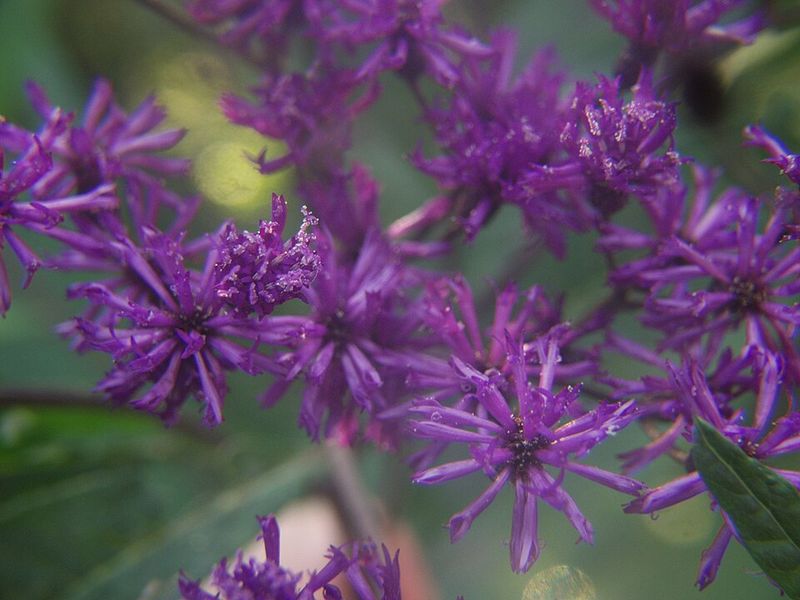
When late summer heat is flattening everything else, ironweed rises up with vivid purple flowers and a strong vertical presence. This native perennial is bold, tall, and especially useful if you want your Georgia garden to support butterflies and other pollinators.
It does not whisper from the border, so give it a place where height is welcome.
Full sun is essential for sturdy growth, and average to moist soil suits it best. It is a natural fit for rain gardens, meadow plantings, or the back of a large border where roots can stay cooler.
Established plants handle heat with ease, especially when they are not competing with thirsty annuals.
Pinching or cutting stems back in late spring can reduce final height and encourage bushier growth. I like pairing ironweed with Joe Pye weed, native grasses, and goldenrods for a long season display that feels regional and alive.
The saturated purple flowers also create striking contrast against warm yellows in early fall.
This is not the plant for tiny formal beds, but it is perfect where you want drama with ecological value. Clumps are long lived and generally unfussy once established.
If your space can handle a taller perennial, ironweed rewards you with standout color exactly when Georgia gardens need a second wind.