
12 Lavender Perennials Ohio Garden Lovers Choose For Continuous Blooming
Follow us on Google
Ohio gardeners know lavender can be a little picky, but the right varieties reward you with months of color, fragrance, and pollinator activity. If you want plants that look beautiful and actually perform through humid summers and cold winters, cultivar choice matters more than anything.
The selections below are the ones gardeners keep coming back to for dependable blooming and strong garden presence. Pick a few with staggered flowering times, and your beds can stay lively from late spring well into summer.
Grosso Lavender
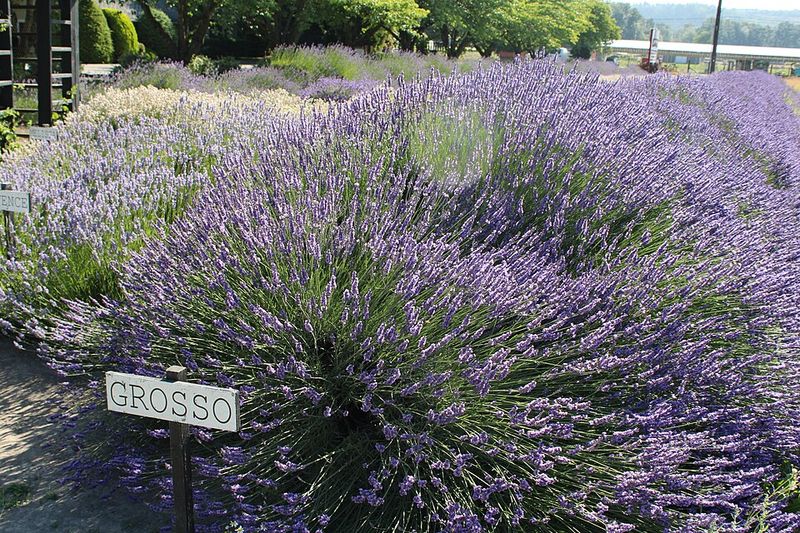
Tall stems and a strong fragrance make this French hybrid a standout for gardeners who want armfuls of blooms for cutting and drying. The flower spikes rise with more height than compact English types, giving borders a looser, more layered look.
If you love walking outside and brushing a cloud of scent from the plants, this one delivers.
Ohio growers should place it in the warmest, sunniest spot they have, because lavandin types appreciate excellent drainage and winter protection from wet soil. South-facing beds, gravel gardens, and raised borders usually give it the best chance to return strongly.
It is less forgiving than the hardiest English lavenders, but the payoff is impressive.
Flowering usually comes slightly later, which is useful when you are trying to stretch the lavender season across several weeks. The stems are long and uniform, making harvest simple for wreaths, sachets, and dried bundles.
If you shear after bloom and avoid overwatering, the foliage keeps a handsome silvery presence even when flowers fade.
Airflow matters, especially in humid Ohio summers where dense planting can invite disease issues. Keep neighboring perennials from crowding the crown, and do not bury the base with compost or bark mulch.
For gardeners who want a productive cutting lavender with bold perfume, this variety is absolutely worth a sunny trial.
Phenomenal Lavender
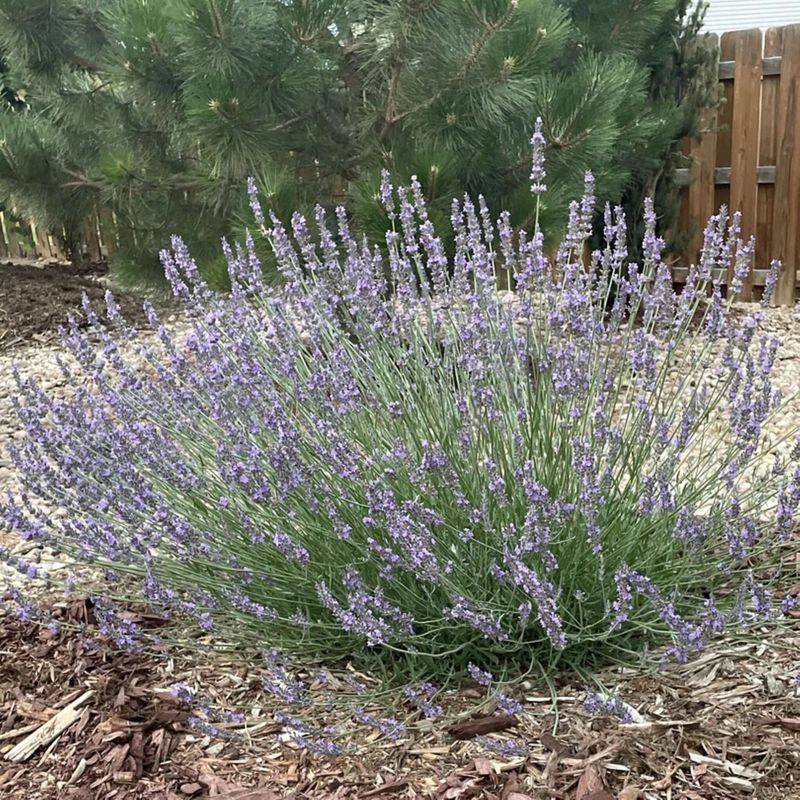
Gardeners in humid climates talk about this variety for good reason, because it was selected to handle heat, cold, and summer moisture better than many others. Long flower wands rise above broad silver foliage, creating a fuller, more dramatic look than compact English types.
In an Ohio planting bed, it often reads as both ornamental and practical.
The biggest advantage is resilience during sticky midsummer weather, when some lavenders sulk or decline. You still need fast drainage and full sun, but this cultivar generally keeps its shape better through weather swings.
That makes it a smart choice if your yard gets heavy rain followed by intense dry spells.
Bloom can be generous in early to midsummer, and the stems are excellent for cutting fresh or drying. A prompt shear after flowering often tidies the mound and may coax a lighter second flush, especially in warmer parts of the state.
Bees seem to find it quickly, so expect plenty of movement around the plants.
Give it room, because mature plants can become impressively broad and airy rather than tiny and clipped. It looks especially strong in repeated drifts along driveways, mailbox beds, or sunny retaining walls.
If you have tried lavender before and lost it to humidity, this is one of the best varieties to try next.
Hidcote Lavender
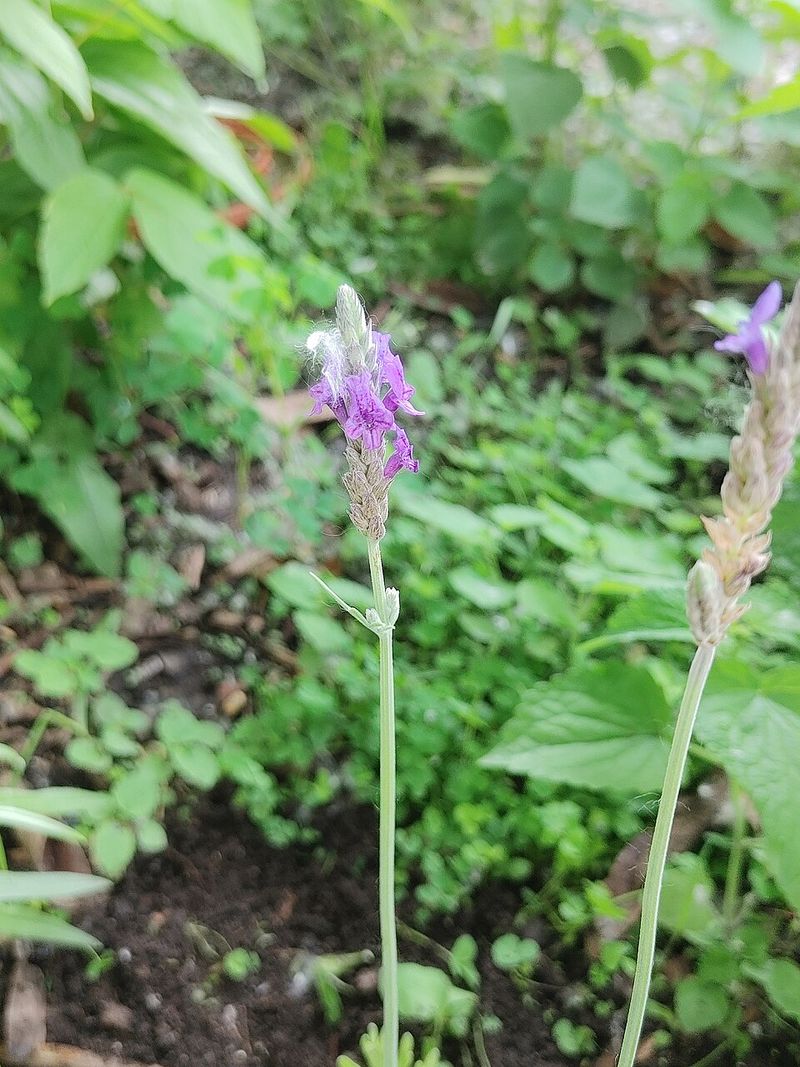
Deep violet flower spikes give this classic English lavender a polished look that fits almost any Ohio garden. You get dense mounding growth, tidy gray-green foliage, and a color that reads rich even from across the yard.
In a front walk border or near a patio, it delivers fragrance exactly where you notice it most.
Cold tolerance is one reason gardeners stick with it, especially in parts of Ohio where winter can swing from wet to brutally windy. Good drainage matters more than fancy soil, so I always suggest raised beds, gravelly amendments, or planting on a slight slope.
Skip heavy mulch around the crown because trapped moisture causes more trouble than cold.
Bloom usually starts in early summer, and a light trim after the first flush often encourages a second, lighter round. You can also cut stems for drying without ruining the plant’s shape if you leave plenty of leafy growth behind.
That makes it useful for both decorative borders and small harvesting gardens.
Spacing should allow airflow, since humid conditions can stress even reliable lavender varieties. Pair it with salvia, catmint, or yarrow for a long-running display that keeps the bed active after the first lavender flush slows.
For gardeners who want dependable structure and serious color, this one earns its spot.
Munstead Lavender
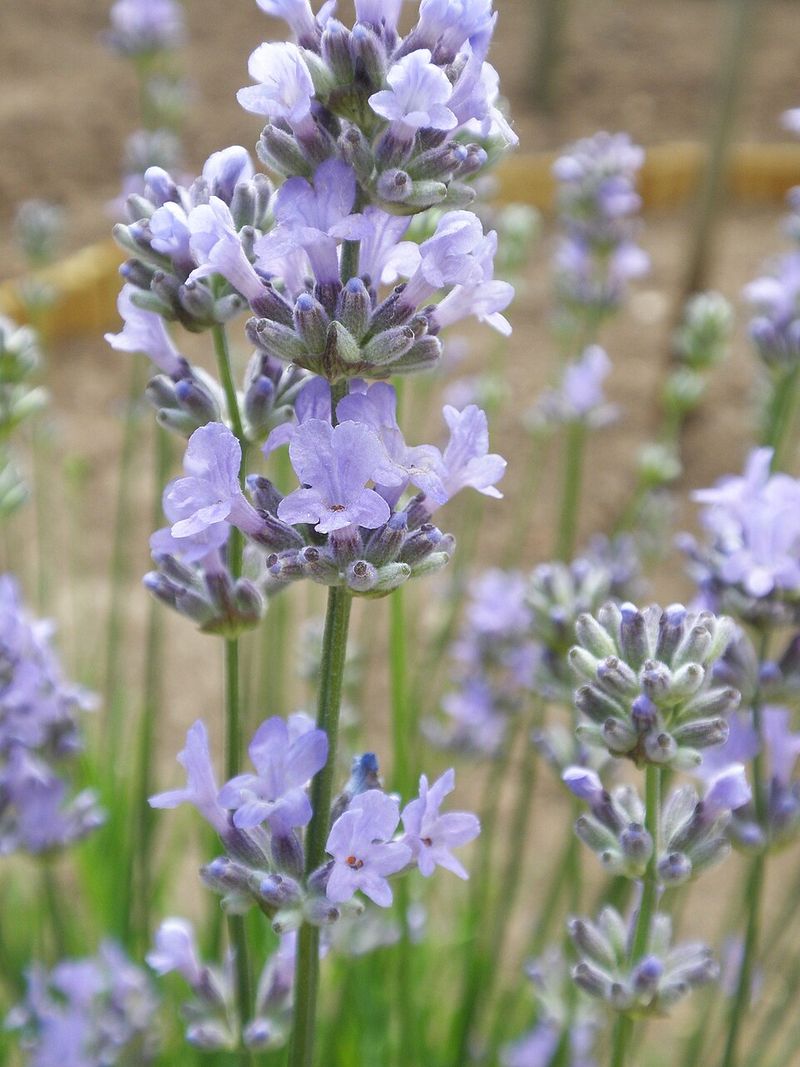
Soft purple blooms and a forgiving nature make this one a favorite for gardeners who want lavender without constant fussing. The plant stays relatively compact, so it slips easily into herb beds, walkway edges, and smaller suburban landscapes.
If you have limited space but still want fragrance and pollinator traffic, it works hard for its footprint.
Ohio growers often choose it because English lavender types handle winter better than many flashy hybrids sold in garden centers. Drainage is still the nonnegotiable detail, especially in clay-heavy yards where roots can sit wet after storms.
Mixing in coarse sand or gravel helps, but a raised mound is often the smarter long-term move.
Flowering usually begins a little earlier than some larger lavenders, which helps extend the overall season when you combine it with later-blooming selections. Snipping spent stems after the first wave keeps the plant neat and may produce another round of color.
The scent is especially nice close to doors, benches, and sunny sitting areas.
Pruning should happen lightly after flowering and more carefully in spring once new growth appears. Never cut into old woody stems unless you see active green shoots, because recovery can be slow.
For a reliable starter variety that looks refined and smells wonderful, this is one of the safest picks around.
Provence Lavender
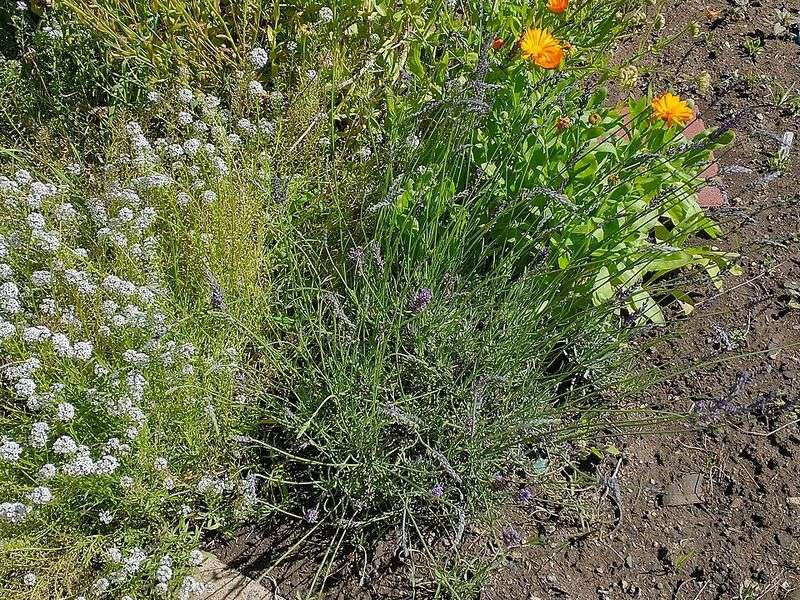
Long, elegant flower spikes give this variety a softer, more airy look than darker compact lavenders. The color leans gently violet, which makes it easy to combine with roses, salvia, coreopsis, and other cottage garden favorites.
Near a path or seating area, the fragrance feels refined rather than overwhelming.
Because it is a lavandin type, site selection matters in Ohio more than with the toughest English cultivars. Choose full sun, excellent drainage, and a spot protected from winter wetness if you want dependable return.
A raised bed edged with stone often creates the dry root conditions this plant appreciates.
Bloom time usually lands in midsummer, helping bridge the gap between early English lavenders and later seasonal color from other perennials. The long stems are a gift if you like dried arrangements, and the scent holds beautifully once cut.
Trimming the spent spikes keeps the mound neat and can encourage a lighter repeat bloom.
This is not the best pick for a soggy low spot or a bed loaded with rich compost. It shines where the soil is leaner and the roots can breathe, which surprises gardeners used to pampering every perennial.
For graceful height, great scent, and excellent cutting stems, it is an easy favorite in the right location.
Royal Velvet Lavender
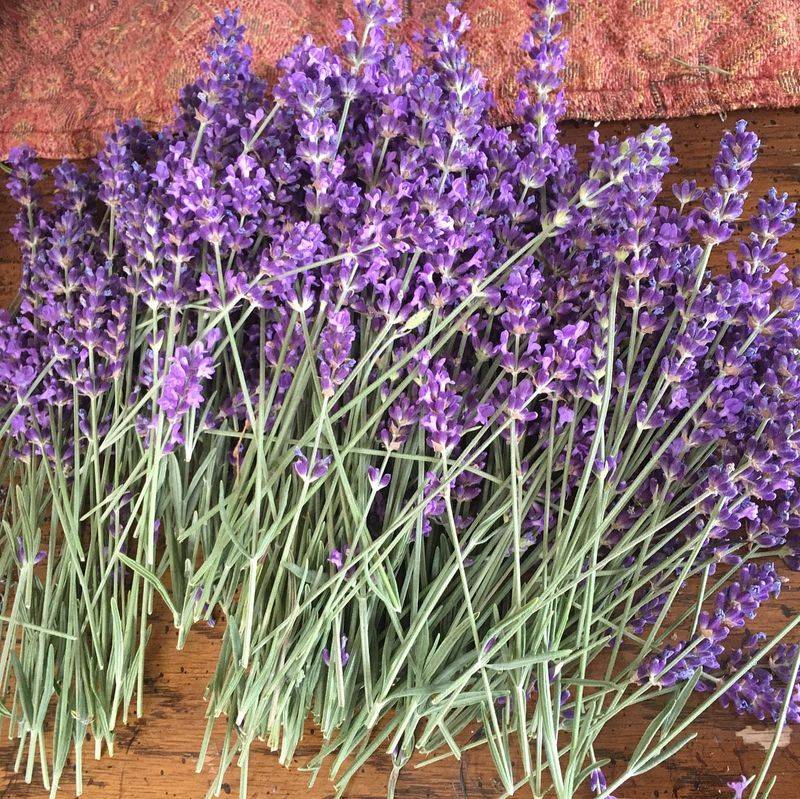
Few lavenders bring as much saturated color to a planting bed as this richly toned English variety. The flower spikes look almost jewel-like in summer light, and the contrast against silver foliage makes neighboring perennials look sharper too.
If your border feels washed out by July, this cultivar can anchor the palette beautifully.
Ohio gardeners appreciate that it combines strong color with the cold tolerance expected from English lavender. The usual rules still apply: full sun, gritty drainage, and no soggy mulch piled against the crown.
I often recommend it for gardeners who want drama without gambling on a tender type that may disappear after one winter.
Bloom arrives in early summer and can be especially showy when plants are grouped in threes or fives instead of planted singly. The stems are excellent for fresh bouquets, and the color also holds nicely when dried.
Deadheading after the first flush keeps the mound compact and may reward you with scattered rebloom later.
Because the flowers are so dark, this variety pairs especially well with pale stone, white fencing, or lighter companion plants like artemisia and Shasta daisies. It also reads beautifully from the street, which matters if curb appeal is part of your plan.
For bold purple color and classic form, this one rarely disappoints.
SuperBlue Lavender
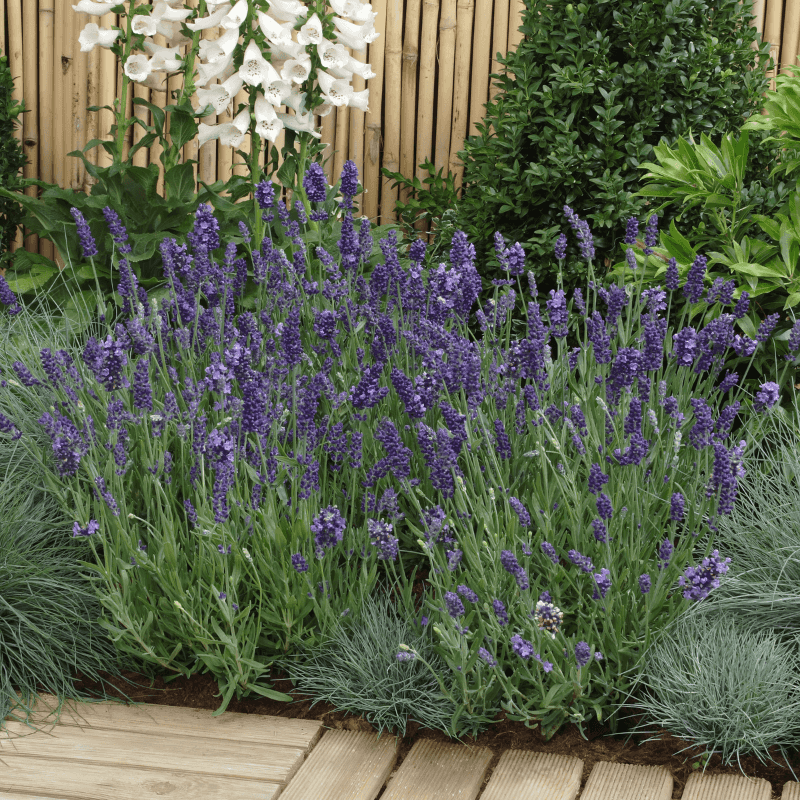
Compact growth and vivid blue-purple flowers make this newer lavender especially useful in smaller Ohio gardens. The plant forms a neat mound that looks intentional without constant clipping, so it suits edging, containers, and tight front-yard beds.
If you want strong color but do not have room for sprawling plants, this is a smart choice.
Its size also helps with maintenance because stems are easier to deadhead and the plant rarely flops over onto neighboring perennials. Full sun is still essential, and gritty soil keeps the roots from staying wet after heavy summer rains.
In clay-heavy yards, a raised planter or rock garden setting often gives the best performance.
Bloom begins in early summer, and because the mound stays dense, the display can look almost solid with color at peak. A light trim after flowering encourages tidy regrowth and may trigger a second, lighter wave.
The fragrance is classic and pleasant, especially where warm afternoon sun hits the foliage.
Try pairing it with low sedums, dianthus, or compact catmint for a polished border that still feels relaxed. This variety also works well near entryways where you pass close enough to appreciate the scent every day.
For gardeners who need lavender that behaves nicely in a smaller footprint, this one checks a lot of boxes.
Little Lottie Lavender
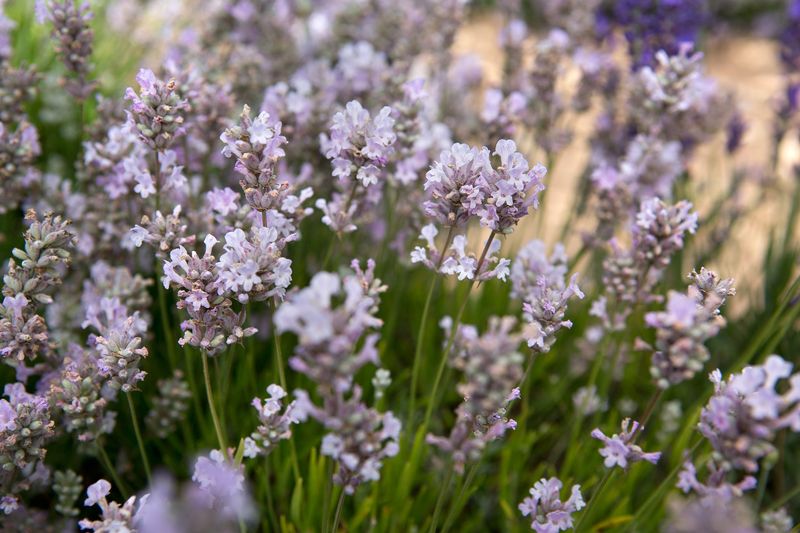
Soft pink flower spikes set this lavender apart from the usual purple-heavy crowd, and the effect is charming without looking overly sweet. The compact silver foliage keeps the plant grounded, so the pale blooms still feel crisp and sophisticated in a mixed border.
If you like a lighter color palette, this one brings welcome variety.
Ohio gardens can use it successfully when drainage is sharp and air circulation stays good through humid spells. Like other English lavenders, it prefers leaner soil than many flowering perennials, so resist the urge to enrich the bed too much.
Planting on a gentle mound or near stone edging often helps roots stay drier.
Bloom tends to start in early summer, and the unusual flower color pairs beautifully with white roses, blue catmint, and gray foliage companions. Deadheading keeps the plant neat and can stretch the season with a smaller repeat bloom.
The softer color also makes it easier to blend lavender into pastel or formal designs.
This variety shines near seating areas, small patios, and front borders where its subtle tones can be appreciated up close. From a distance, it reads more delicately than dark purple cultivars, so placement matters.
For gardeners wanting lavender fragrance with a gentler look, it is a lovely and surprisingly versatile perennial choice.
Sensational! Lavender
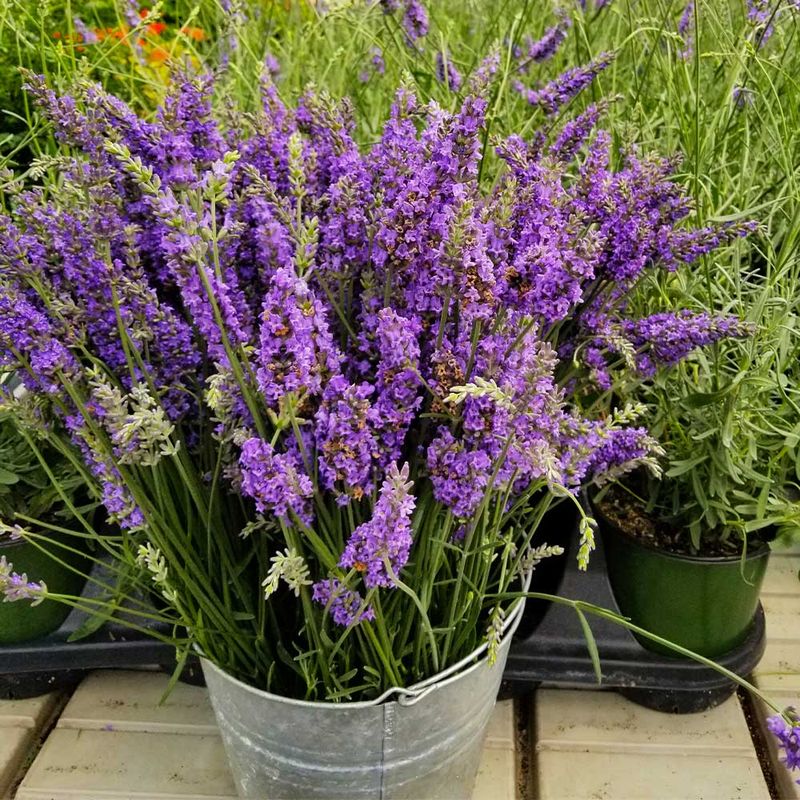
Large flower spikes and broad silvery foliage give this variety a bold look that stands out fast in summer borders. It has the kind of presence that fills visual gaps, making newer plantings look more established than they really are.
If your goal is a strong lavender statement with less waiting, this one deserves attention.
Gardeners often choose it for improved tolerance to humidity and overall vigor, both valuable traits in Ohio. That does not mean it enjoys wet feet, so drainage still decides your long-term success.
Raised beds, gravel mulch, and wide spacing all help the plant stay healthier through muggy weather.
The bloom display is typically generous, with sturdy stems that hold up well for cutting and pollinator visits. After the main flush, shearing the spent flowers tidies the plant and may prompt another lighter round later in summer.
Bees seem especially drawn to the flowers when the bed gets full afternoon sun.
Use it where you want texture as well as color, because the foliage remains attractive even after the biggest bloom period passes. It pairs nicely with ornamental grasses, yarrow, and drought-tolerant salvias in hotter garden spots.
For Ohio gardeners seeking a robust modern lavender with broad appeal, this one lives up to its name.
Thumbelina Leigh Lavender
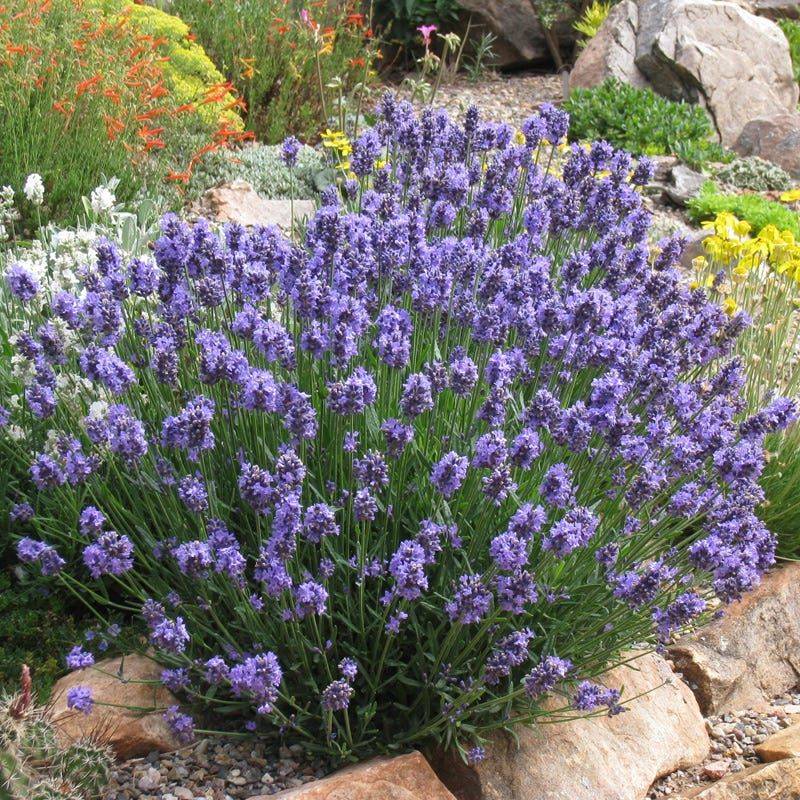
This dwarf English lavender is perfect when you want fragrance and repeat color in a truly compact package. The flower heads are short, plump, and intensely purple, which gives the plant a full look even at a smaller size.
Tucked along a walkway or into a patio container, it adds polish without taking over.
Ohio gardeners with limited space often do better with smaller lavenders because they can control drainage and winter exposure more easily. A pot with gritty mix, a sunny stoop, and protected winter placement can work very well.
In the ground, a raised edge bed keeps the crown from sitting in wet soil after storms.
One of its biggest strengths is a tendency toward repeat blooming when deadheaded consistently. That means you can get an early flush, tidy it up, and enjoy another round instead of waiting on neighboring perennials to carry the show.
Regular harvesting for sachets or small bouquets also helps encourage fresh stems.
The tidy shape makes this cultivar useful in formal designs where symmetry matters and floppy growth would ruin the effect. It also suits gardeners who simply want lavender that looks neat with minimal effort.
For small-space planting, container displays, or front-edge borders, this variety is easy to appreciate and easy to place.
Betty’s Blue Lavender
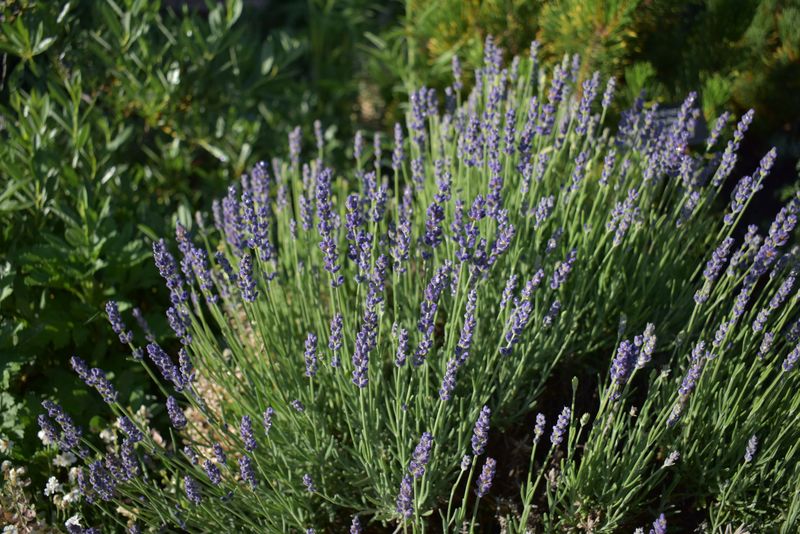
Rounded, deeply colored flower spikes give this English lavender a slightly fuller look than many standard forms. The blue-purple tones read cool and calm in the garden, yet they still provide enough contrast to catch your eye from several steps away.
If you like classic lavender style with a richer flower shape, this one fits beautifully.
Its hardiness makes it a practical option for Ohio, especially in gardens where winter cold is not the main problem but wet soil is. Like all lavender, it wants sunshine, lean conditions, and room for air to move around the foliage.
Avoid crowding it between thirsty perennials that require frequent irrigation, because that usually shortens its life.
Bloom starts in early summer, and the stems are lovely for drying thanks to their color and form. Trimming after the first flush keeps the plant compact and can bring on some repeat flowering later in the season.
The fragrance is strong enough for cutting gardens but still pleasant near entrances and patio seating.
This variety works well in traditional borders, herb gardens, and low hedging where consistency matters. Repeating it in a row creates a rhythmic look that feels organized without becoming stiff.
For dependable bloom, strong scent, and elegant flower heads, it remains one of the better choices for Midwestern gardeners.
Buena Vista Lavender
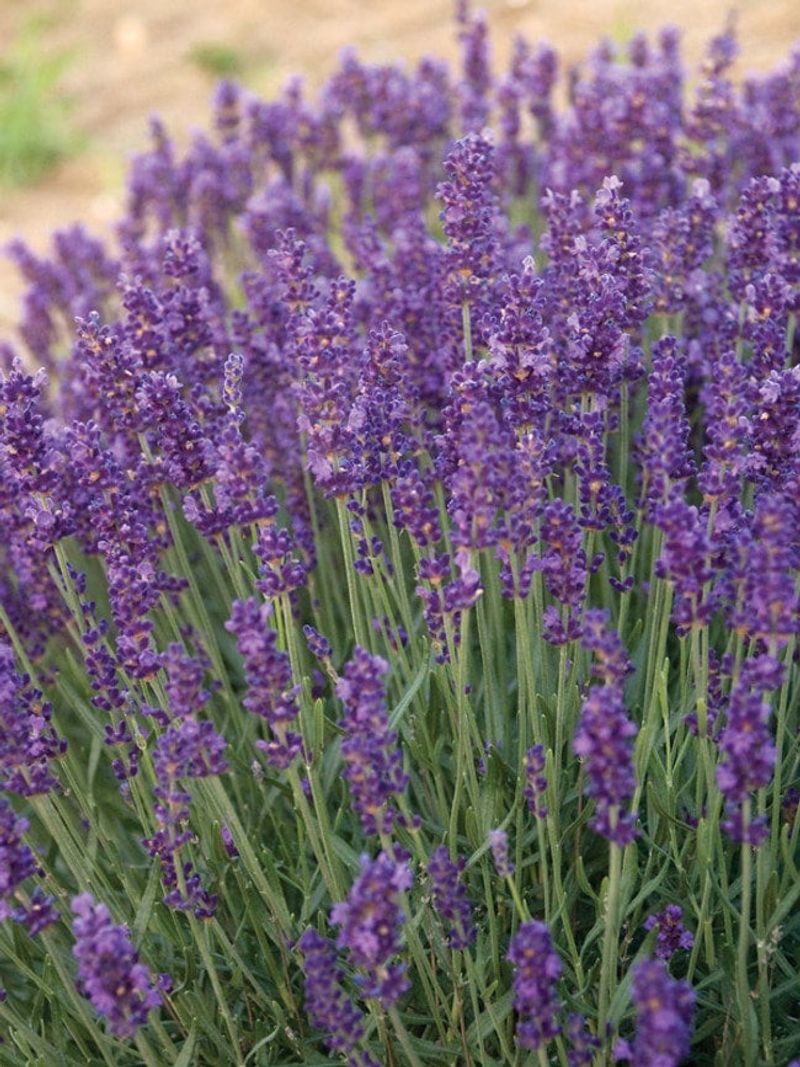
Reliable rebloom is what makes this cultivar stand out in gardens that need color beyond one quick early-summer burst. The flowers show a lovely violet-blue tone, and the stems often appear over a long stretch when the plant is regularly harvested or deadheaded.
If continuous blooming is your main goal, this variety is worth seeking out.
Ohio conditions suit it best when the bed drains sharply and receives sun for most of the day. It handles cold reasonably well as an English lavender selection, but winter wetness can still shorten its life if the crown stays buried.
Gravelly soil, raised planting, and restrained watering give it the best shot at thriving.
Because it tends to flower, rest, and flower again, it pairs nicely with companions that can fill visual gaps between flushes. Try combining it with coreopsis, salvia, and nepeta so the bed always has something carrying the color story.
Regular snipping for bouquets helps keep fresh stems coming instead of slowing the show.
The plant stays attractive enough for borders but also earns its keep in herb gardens where productivity matters. You get fragrance, pollinator appeal, and a longer season than many people expect from lavender.
For Ohio gardeners chasing repeat bloom instead of a single peak moment, this is one of the strongest contenders.