
14 Pink Perennials Bringing Southern Charm To Georgia Landscapes
Follow us on Google
Pink perennials can make a Georgia yard feel softer, brighter, and far more inviting through the long growing season. The best choices do more than look pretty – they handle heat, humidity, and the occasional dry spell without constant fuss.
If you want color that feels classic enough for an old farmhouse and fresh enough for a newer suburban lot, these plants earn their space. Here are fourteen reliable pink bloomers that bring charm, structure, and easy beauty to Southern landscapes.
Garden Phlox
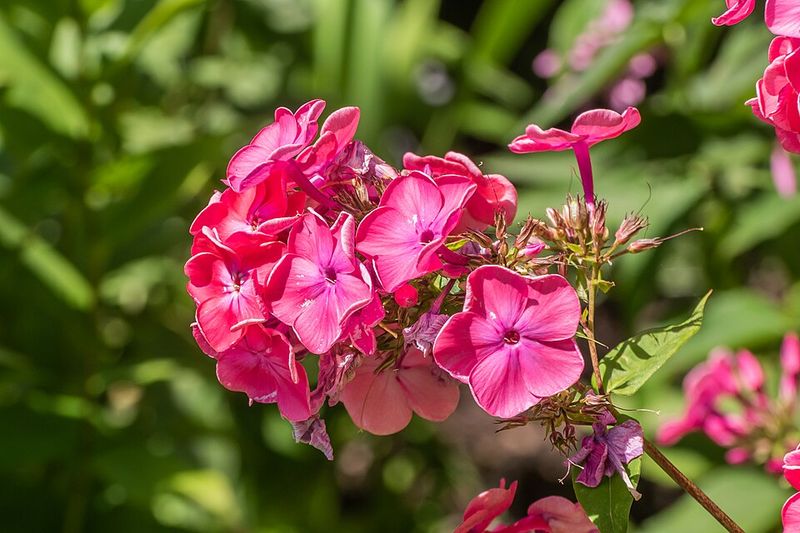
Color feels especially generous when summer heat settles in, and this classic perennial keeps showing up with fragrant pink flower clusters just when many borders begin to look tired. In Georgia, garden phlox performs best with morning sun, afternoon airflow, and soil that stays evenly moist.
Good circulation matters because humidity can encourage mildew, so spacing plants properly saves you trouble later.
A planting spot with six hours of sun usually brings the heaviest bloom, though a little afternoon shade helps in hotter parts of the state. I like pairing pink phlox with ornamental grasses, salvia, or dark-leaved shrubs so the flowers stand out instead of blending into the background.
Deadheading spent blooms often encourages a longer show and keeps the plant looking neat.
Rich, compost-amended soil makes a real difference during Georgia summers, especially in newer subdivisions where ground can be compacted and dry. Water deeply rather than lightly, and mulch around the base to cool the roots without crowding the stems.
If powdery mildew has been a problem in your area, choose resistant cultivars and skip overhead watering.
Near porches, fences, or mailbox beds, this perennial gives that easy Southern fullness people notice right away. Pink forms feel romantic without becoming fussy, and the blooms are excellent for cutting.
Once established, it becomes one of those dependable plants you look forward to every summer.
Hardy Hibiscus
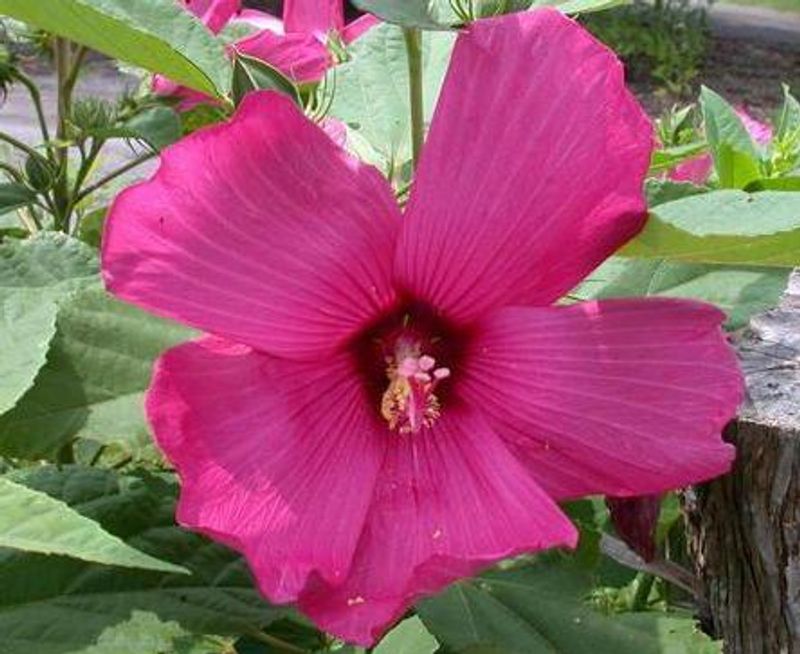
Big flowers can look theatrical in the best way, and hardy hibiscus delivers that effect without asking for greenhouse conditions. In Georgia landscapes, the dinner-plate blooms appear during the hottest stretch of summer, when many gardeners are craving something bold and cheerful.
Pink selections soften the plant’s dramatic size and give beds a more welcoming, classic feel.
Full sun is the main requirement, along with soil that holds moisture during long warm spells. This perennial wakes up late in spring, so do not assume it failed after winter and dig it up too soon.
Once heat arrives, growth speeds up quickly and the stems fill out into an impressive clump.
A spot near a downspout, rain garden edge, or consistently watered border often suits it perfectly in Georgia. I like using it behind lower perennials because the huge flowers read from a distance and pull the eye across the yard.
Feeding lightly with compost in spring is usually enough, especially if your soil already has decent organic matter.
When a landscape needs Southern charm with a little drama, few plants carry the job so easily. Butterflies visit, neighbors comment, and the blooms photograph beautifully beside brick, white fencing, or weathered wood.
Cut back the stems after frost, mulch the base, and let it return stronger next year.
Dianthus
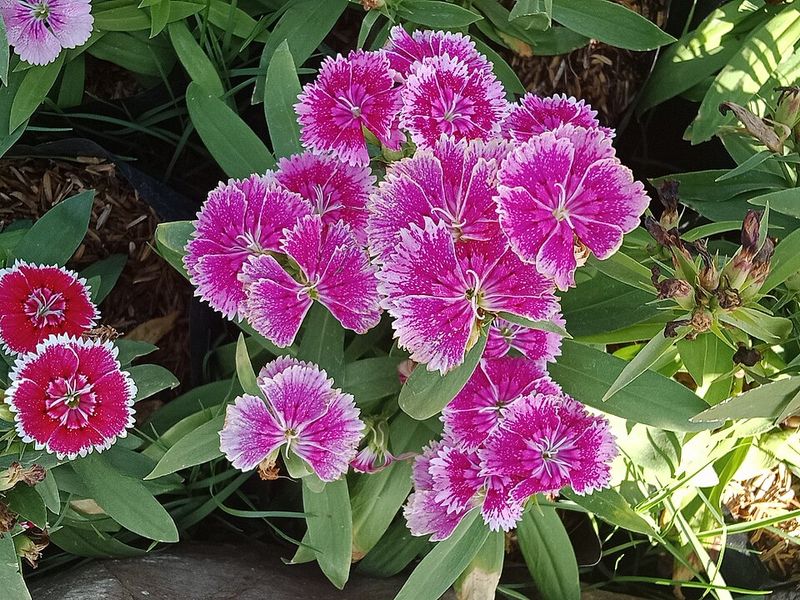
Few plants give a border such a tidy, cheerful edge as dianthus, especially the pink-flowering kinds with spicy fragrance and blue-green foliage. In Georgia, this perennial often shines in spring and again in fall, offering relief during seasons when color can feel uneven.
The low mounding habit makes it useful where taller plants would overwhelm the space.
Sharp drainage matters more than rich soil, so raised beds, slope edges, and gravelly borders are often the safest choices. Full sun keeps the plant compact and helps flowers last longer, though very hot afternoon exposure can stress it in the southernmost parts of the state.
A light trim after the first bloom usually encourages a cleaner shape and another round of color.
I like tucking dianthus along walkways, near stone edging, or in front of roses where the small blooms soften heavier shrubs. The silvery foliage also helps bridge cool and warm color palettes, making pink flowers easier to mix with white, burgundy, or lavender companions.
Avoid soggy mulch around the crown because constant moisture can shorten its life.
For gardeners who want an old-fashioned look without constant maintenance, this one earns its keep quickly. The flowers are charming up close, and the plant stays polite rather than sprawling into neighbors.
In Georgia’s milder regions, evergreen foliage can even keep the bed looking intentional through winter.
Bee Balm
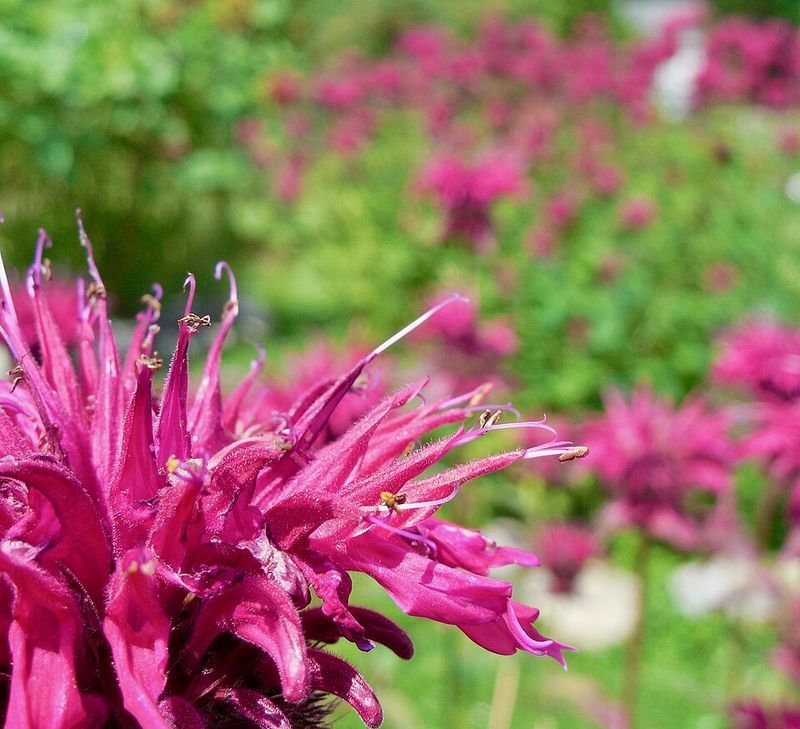
Pollinator gardens feel more alive when bee balm joins the mix, and pink varieties bring a softer look than the usual red while still attracting plenty of attention. In Georgia, this perennial thrives where sunlight is generous and soil does not dry out too quickly.
The shaggy blooms have a loose, lively texture that keeps formal beds from feeling stiff.
Air circulation is important because humid weather can encourage mildew on crowded plants. A wide planting hole, decent spacing, and morning sun help the foliage stay healthier through summer.
I often recommend placing it where nearby shrubs will not trap moisture around the stems after rain.
Pink bee balm works especially well in cottage gardens, wildlife borders, and mixed beds with coneflowers, black-eyed Susans, or native grasses. The flowers pull in bees, butterflies, and hummingbirds, which makes the whole yard feel more animated during peak summer.
If the clump spreads beyond its place after a few seasons, divide it in early spring and replant the strongest pieces.
Regular deadheading tidies the plant and may extend bloom, though some gardeners leave a few fading flowers for a more relaxed look. Compost and mulch help it settle through Georgia heat without constant babysitting.
When you want color, movement, and pollinator value from one perennial, this choice checks all three boxes.
Japanese Anemone
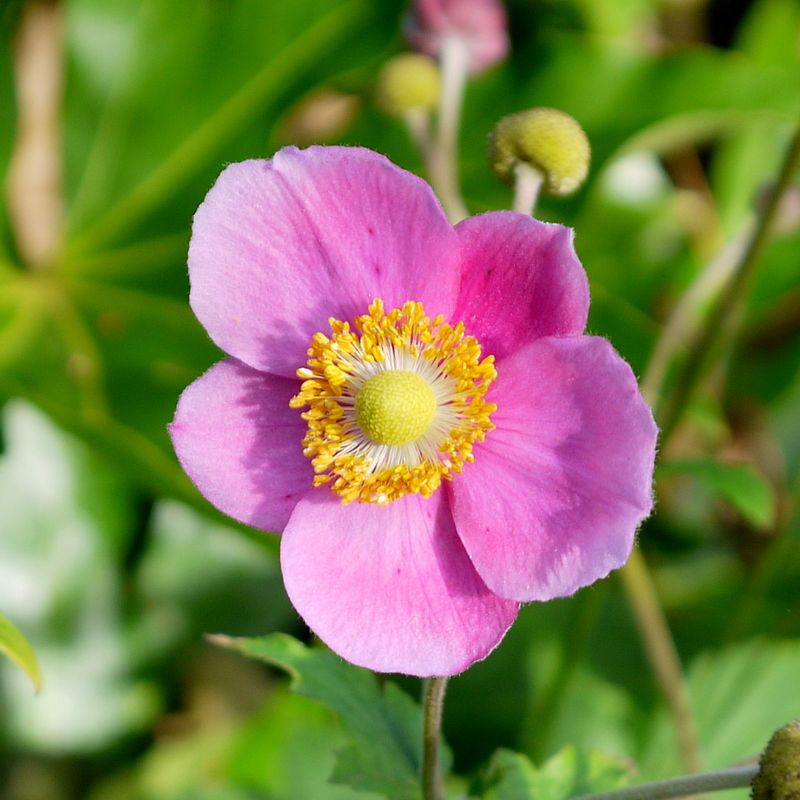
Late-season gardens often need a fresh note, and Japanese anemone brings exactly that with airy pink blooms rising above attractive foliage. In Georgia, it performs best where mornings are bright but harsh afternoon sun is softened, especially in the warmer central and southern parts of the state.
The flowers move gently in the breeze, giving borders a quieter kind of beauty.
Moist, humus-rich soil helps this perennial settle in, and a mulch layer keeps roots cooler through long stretches of heat. It may take a year or two to establish, so patience pays off.
Once comfortable, the plant can spread gradually, which is useful in informal beds but worth watching in smaller spaces.
I like using it beside paths, under open-canopied trees, or behind lower mounding perennials where the stems can rise without blocking everything around them. Pink forms pair beautifully with ferns, hostas, heuchera, and white autumn-blooming plants, giving shaded areas more depth.
Water during dry weeks because stressed plants tend to bloom less generously.
There is something especially graceful about seeing these flowers arrive when summer annuals are fading. They make a garden feel layered and considered rather than finished too early.
For Georgia gardeners who want soft pink color in late summer and fall, this perennial offers charm without demanding constant intervention.
Purple Coneflower ‘Magnus’
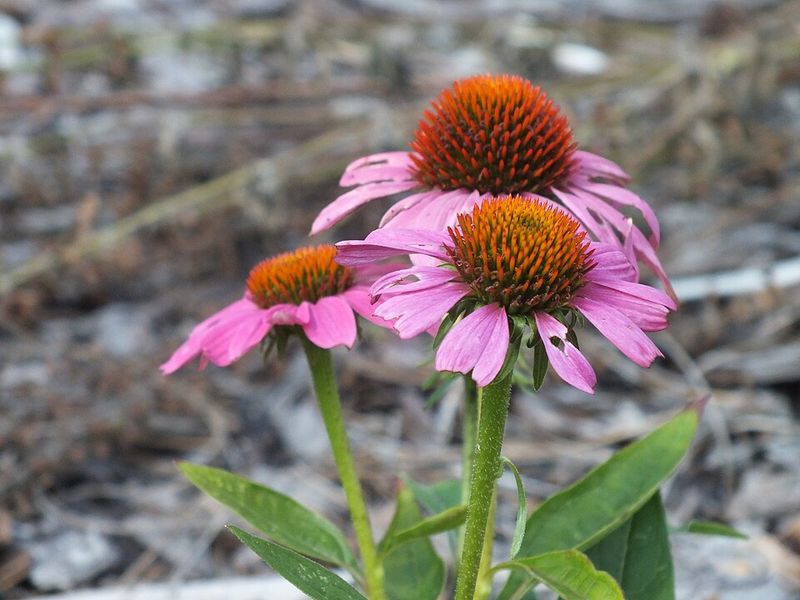
Sunny borders gain instant energy from coneflowers, and pink-toned selections like ‘Magnus’ fit Georgia gardens with almost unfair ease. The sturdy stems hold large daisy-like flowers above rough foliage, creating a relaxed look that still feels intentional.
Because the blooms last for weeks, this perennial gives dependable color right through demanding summer weather.
Full sun keeps stems strong and flowering generous, while average well-drained soil is usually enough once the plant is established. Overly rich ground can produce floppy growth, so there is no need to pamper it.
In Georgia clay, mixing in compost at planting time helps young roots settle without making the bed overly soft.
I like planting drifts of coneflower with salvias, yarrow, lantana, or native grasses for a border that handles heat with less stress. Pollinators visit constantly, and seedheads later feed birds if you leave them standing into fall.
Deadheading can extend bloom, but leaving some flowers to age naturally adds texture and a more relaxed seasonal rhythm.
Pink coneflowers also fit beautifully beside brick homes, white fences, and casual country driveways, where they never look overdone. They survive summer better than many gardeners expect and return reliably with minimal fuss.
For a Georgia landscape that needs color, wildlife value, and strong garden structure, this one is hard to beat.
Astilbe
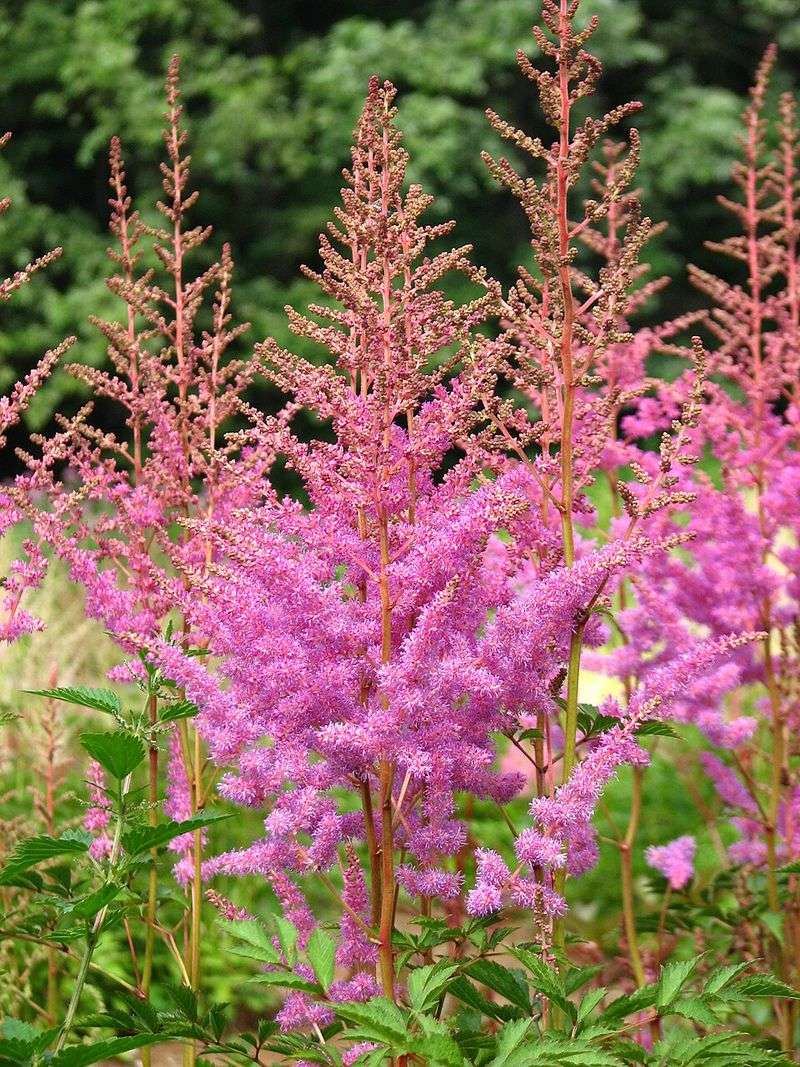
Shade gardens can feel flat in summer if every plant leans heavily on foliage, which is why pink astilbe earns so much appreciation. The feathery plumes brighten darker corners and add vertical texture without looking stiff or formal.
In Georgia, success depends less on temperature than on steady moisture and protection from punishing afternoon sun.
North-facing beds, woodland edges, and filtered shade under taller trees are usually the safest spots. Soil should be rich in organic matter and never allowed to bake dry, especially during the first year.
A thick mulch layer helps the roots stay cool and reduces the constant watering that frustrates many gardeners.
I like combining pink astilbe with hostas, ferns, hellebores, and heuchera so the border has contrast even when flowers fade. The plumes also make a shaded patio feel more finished because they catch light beautifully at dawn and dusk.
If your yard has heavy clay, amend generously before planting because compacted wet soil can stress the crown.
In the cooler parts of Georgia, this perennial can be surprisingly reliable if conditions stay consistently moist. It is not the choice for a neglected dry bed, but it rewards good placement with refined color and texture.
For gardeners trying to soften a shaded space with pink blooms, few plants feel as polished.
Daylily
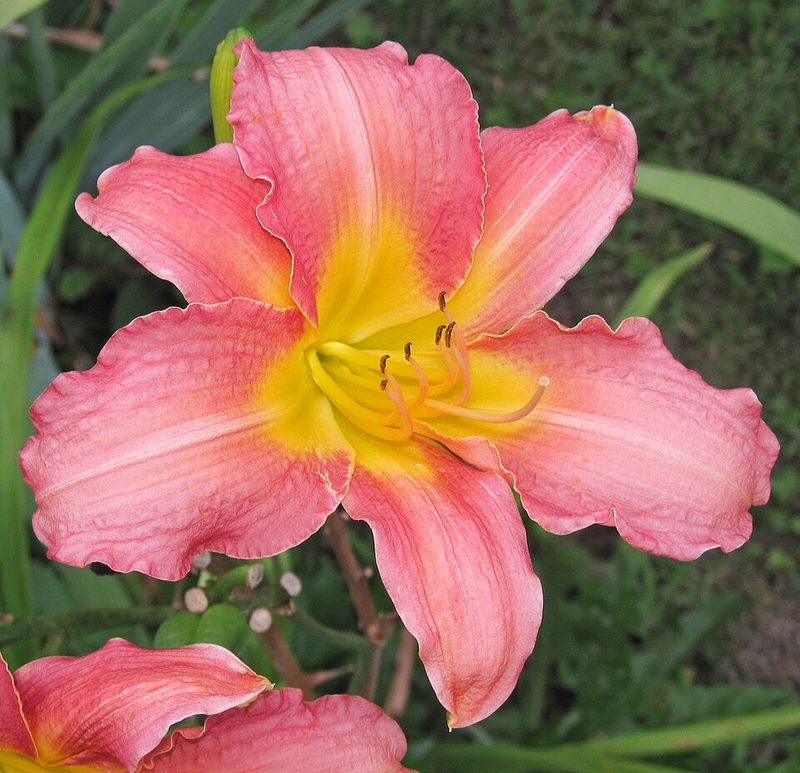
Reliable color is hard to overvalue in a busy landscape, and pink daylilies deliver it with very little hand-holding. Because daylilies adapt to many soils, they often rescue spots where fussier plants refuse to cooperate.
Sun produces the best flowering, though a bit of afternoon shade can protect lighter pink blooms from looking washed out in intense heat. These perennials appreciate regular water while establishing, but mature clumps handle short dry spells much better than many border favorites.
A topdressing of compost in spring is usually enough to keep them growing well.
I like massing pink daylilies along fences, around mailbox posts, or at the edge of foundation beds where the arching foliage adds structure even when flowers are not open. Dividing crowded clumps every few years refreshes bloom and gives you extra plants for other sunny corners.
Removing spent flower stalks also keeps the planting looking intentional rather than tired.
There is a comfort to daylilies that suits Southern landscapes perfectly because they look generous without seeming precious. Pink selections feel especially welcoming near porches and front walks.
If you want a perennial that can handle Georgia summers and still look polished, this one is easy to trust.
Gaura
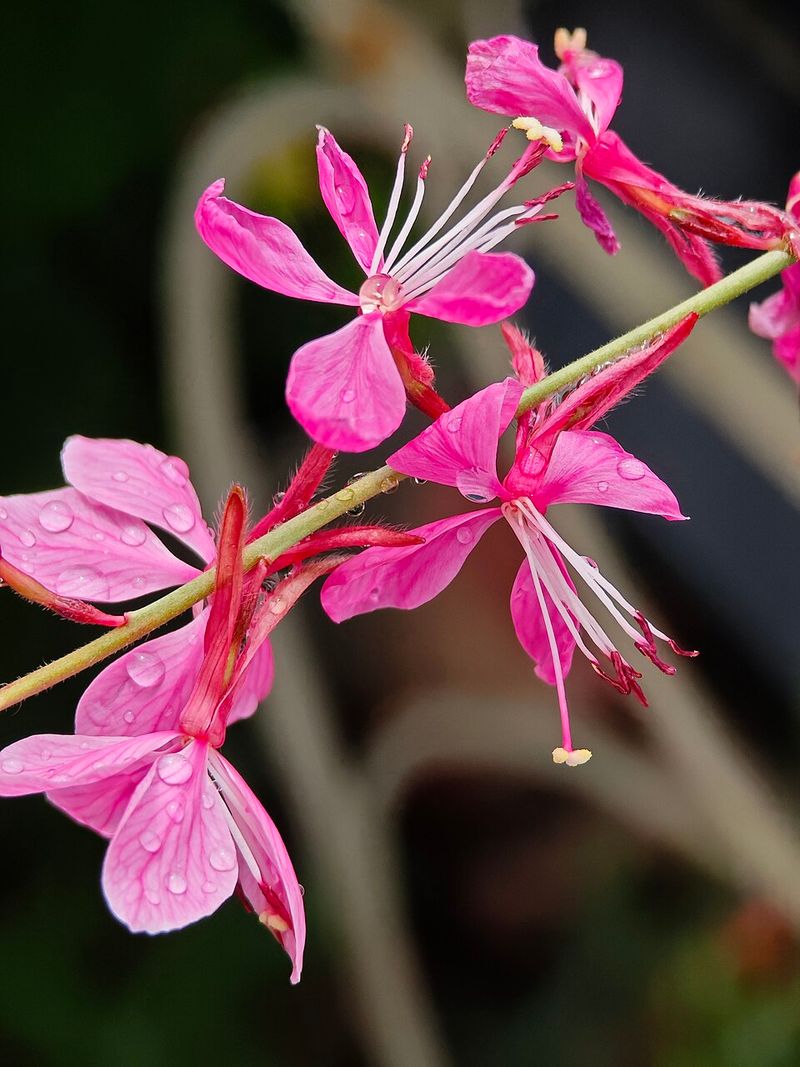
Movement can change the whole personality of a planting, and gaura brings that light, floating effect better than almost any other perennial. Pink-flowering forms send up wiry stems covered with butterfly-like blooms that bob through heat and humidity with surprising grace.
In Georgia, that airy habit keeps summer beds from feeling heavy or overplanted.
Excellent drainage is the first priority, especially in clay-heavy sites where winter wetness can shorten its life. Full sun gives the strongest shape and the best bloom, and once established, gaura handles dry stretches better than many traditional border plants.
Avoid overwatering because soggy roots are a far greater threat than brief drought.
I like planting it among coneflowers, salvias, yarrow, and low shrubs where the stems can weave naturally through neighboring plants. The soft pink flowers blend especially well with white, purple, and silver foliage, making the bed feel looser and more layered.
If growth gets lanky by midsummer, a light trim often prompts a tidier flush.
For Georgia gardeners who want a less formal look without surrendering structure, gaura is incredibly useful. It catches evening light beautifully and looks good from the road, porch, or kitchen window.
Pink varieties add romantic color while still feeling relaxed, which is exactly the balance many Southern landscapes need.
Turtlehead
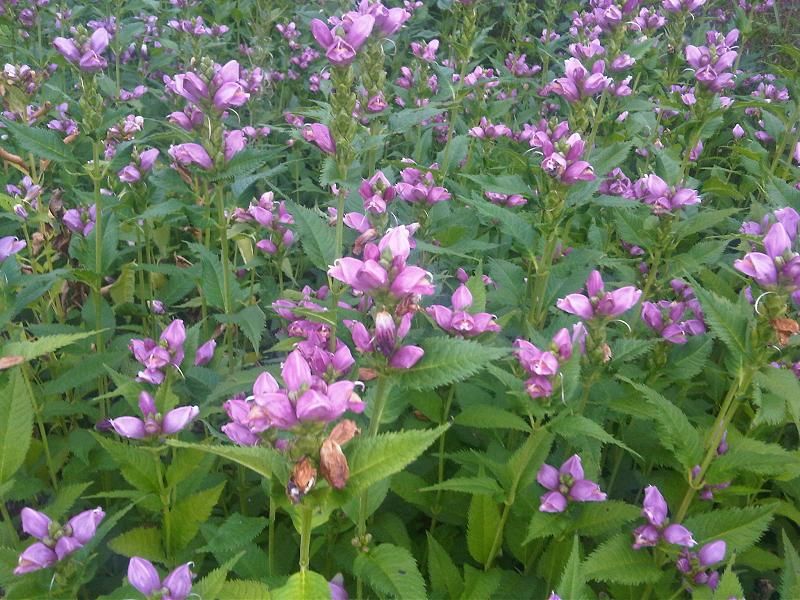
Moist spots in the garden do not need to feel like problem areas when turtlehead is part of the plan. This upright perennial carries pink snapdragon-like flowers in late summer, bringing needed color just as some earlier bloomers begin to fade.
In Georgia, it performs especially well where soil stays evenly moist and the sun is not brutal all afternoon.
Partial shade is often ideal, though plants can take more sun if moisture is reliable. The stems stay sturdier in brighter light, while some afternoon protection helps reduce stress in hotter regions.
A compost-rich planting bed gives the roots the cool, moisture-retentive conditions this perennial appreciates.
I like using turtlehead near rain gardens, pond edges, low swales, or the back of a partly shaded border where taller stems create structure. Pink flowers combine nicely with ferns, cardinal flower, Joe Pye weed, and blue hostas for a layered Southern look.
Because the clumps expand gradually, they are easy to manage and divide if needed.
There is something reassuring about a perennial that handles moisture instead of sulking in it, especially in Georgia yards with uneven drainage. Pollinators value the blooms, and the plant stays attractive longer than many people expect.
If you need pink color for a damp area, turtlehead is a smart, underused choice.
Autumn Sage ‘Pink’
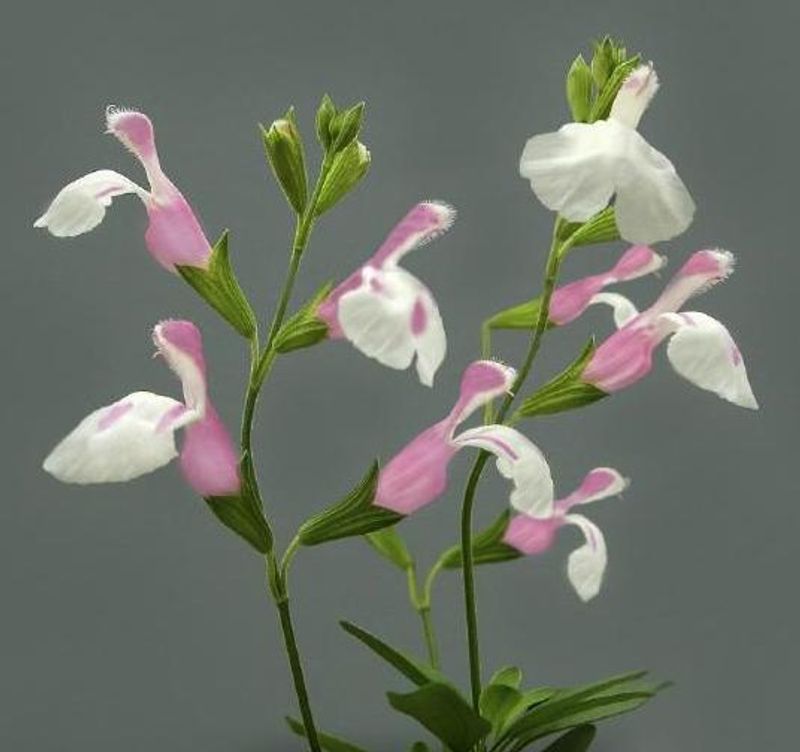
Long bloom seasons matter in warm climates, and pink autumn sage keeps producing color long after many perennials have slowed down. In Georgia landscapes, this shrubby perennial handles heat well, shrugs off short dry spells, and attracts hummingbirds almost immediately.
The small flowers may not be huge, but they appear so freely that the overall effect is generous.
Sharp drainage and full sun are the keys to success. In heavy clay, planting on a slight berm or raised bed can help roots stay healthier through wet periods.
Once established, this plant usually needs less attention than gardeners expect, though occasional deep watering during extreme drought keeps blooming strong.
I like tucking pink autumn sage into cottage borders, herb gardens, mailbox beds, and sunny foundation plantings where it fills gaps without becoming unruly. Pair it with lantana, coneflower, gaura, or rosemary for a heat-loving combination that looks good through much of the season.
A light trim in midsummer keeps the shape compact and encourages fresh flower spikes.
Because the foliage is aromatic and the blooms are small but frequent, the plant adds texture as much as color. Pink selections soften gravel paths, brick edging, and dry sunny corners especially well.
For a Georgia gardener who wants charm without a long maintenance list, this perennial deserves a closer look.
Crinum Lily
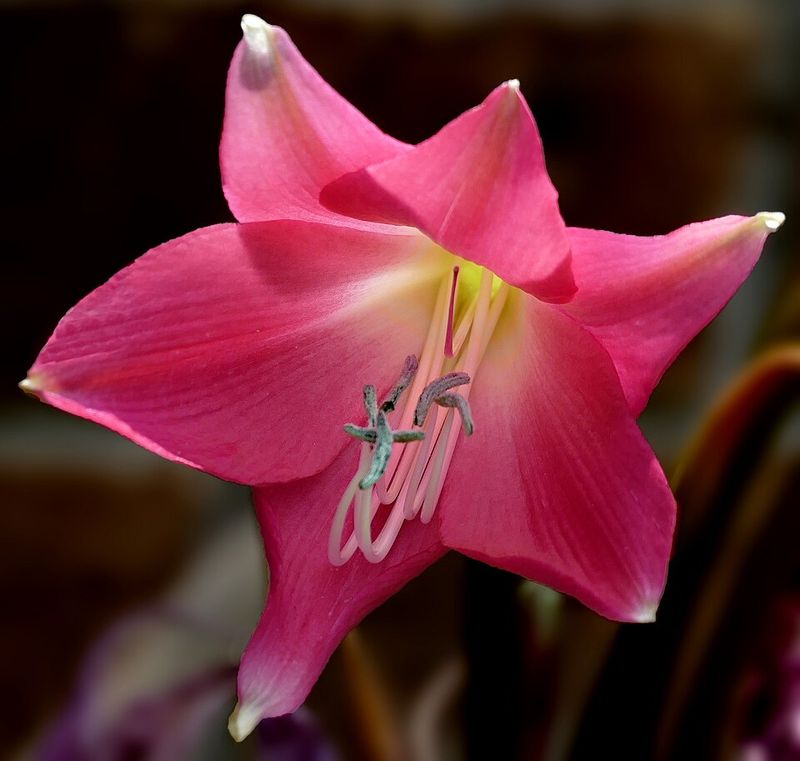
Old Southern gardens often have a sense of permanence, and crinum lily contributes exactly that with its large leaves and pink trumpet blooms. Once established in Georgia, this perennial bulb can live for decades, quietly anchoring beds with very little fuss.
The flowers feel both nostalgic and refined, which makes them a natural match for porches, brick paths, and mature trees.
Full sun to light shade works well, and the plant appreciates soil that drains reasonably while still holding some moisture. It is not a bulb that enjoys being moved often, so choose the location carefully from the start.
A generous planting hole with compost helps get it settled for the long term.
I like placing crinum near foundations, garden gates, or outbuildings where the bold foliage can provide structure even when the plant is not in bloom. Pink varieties pair beautifully with white hydrangeas, cast iron plant, and old-fashioned daylilies for a layered Southern look.
During extended dry weather, occasional deep watering keeps the leaves fuller and flowering more reliable.
There is real value in a plant that looks as though it has always belonged to the property. Crinum does that better than most.
If your Georgia landscape leans traditional and you want pink flowers with staying power, this perennial brings history, beauty, and durability in one handsome package.
Peony
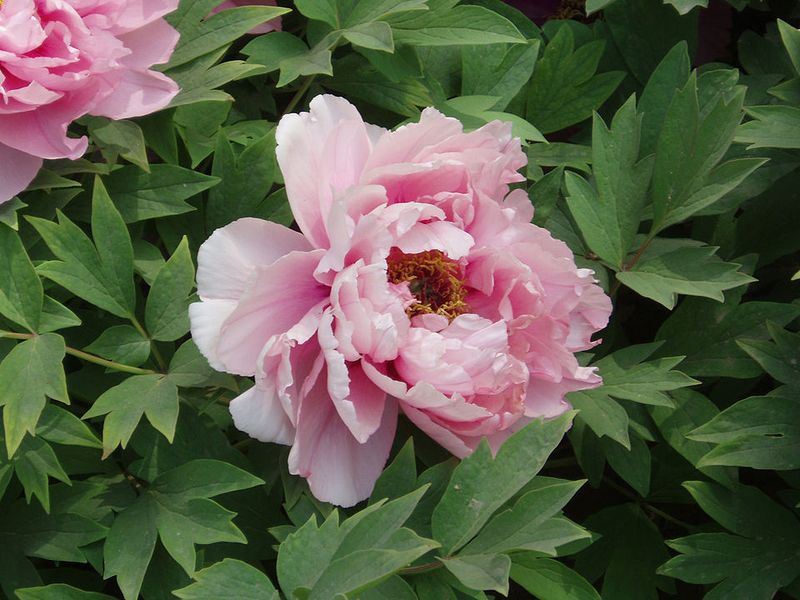
Gardeners in Georgia sometimes assume peonies are off the table, but the right placement makes them worthwhile in cooler parts of the state. North Georgia and select piedmont sites with decent winter chill can support pink peonies beautifully, especially where air circulation and morning sun are strong.
The flowers bring a romantic, old-house quality that few spring perennials can match.
Drainage is essential because peonies dislike sitting in wet soil through winter. Plant shallowly, avoid burying the crown too deeply, and choose a location with at least six hours of sun.
Afternoon shade can help blooms last a bit longer as temperatures rise, but too much shade cuts flowering noticeably.
I like using pink peonies near entry paths, patios, or cutting gardens where the large blooms can be enjoyed up close. Their flowering season is short, so pair them with later companions such as daylilies, salvias, or ornamental grasses that will carry the bed after spring.
Staking may be helpful for double-flowered varieties if heavy rain is common during bloom time.
Although this is not the easiest perennial on the list for every Georgia gardener, it can be incredibly rewarding in the right spot. The fragrance, petal texture, and classic beauty feel special every single year.
When conditions align, pink peonies bring a kind of grace that is hard to imitate.
Obedient Plant
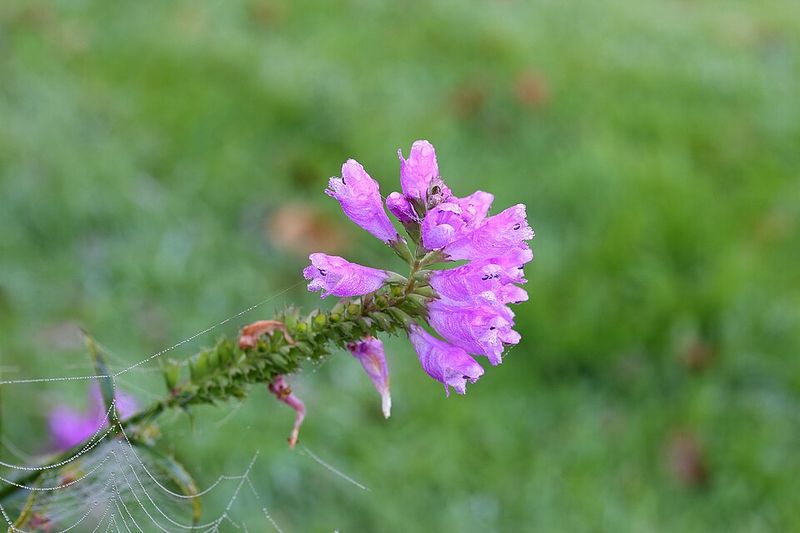
Vertical flowers are useful in almost every mixed border, and obedient plant adds that upright rhythm while keeping the color palette soft. Pink varieties suit Georgia gardens especially well because they read as cheerful rather than flashy, and the blooms arrive when summer beds need fresh energy.
Pollinators appreciate the tubular flowers, so the planting quickly feels more active.
Moist but well-drained soil gives the best results, and full sun encourages stronger stems and more abundant flowering. In especially hot parts of Georgia, a touch of afternoon shade can reduce stress, though too much shade may lead to weaker growth.
Because this plant spreads, it is smartest to give it room or place it where wandering roots will not bother neighbors.
I like using obedient plant in naturalistic borders, rain-friendly beds, and cottage gardens with coneflowers, bee balm, or ornamental grasses. The flower spikes are also useful in cut arrangements, which is a nice bonus if you enjoy bringing the garden indoors.
Dividing clumps every few years helps keep the patch vigorous and better behaved.
Despite the common name, this perennial has a lively personality and does best with a gardener who notices where it wants to go. Managed well, it rewards you with weeks of pink bloom and strong vertical structure.
For Georgia landscapes that need color and pollinator appeal, it is a very practical choice.