
10 Orange Perennials That Survive Ohio Heat And Still Bloom Strong
Follow us on Google
Ohio summers can turn a flower bed into a stress test, especially when hot sun, dry spells, and sticky air all show up at once. If you want orange blooms that keep performing instead of fading out by July, the right perennials make a huge difference.
These picks bring bold color, solid heat tolerance, and the kind of staying power that helps your garden look lively when everything else starts looking tired. A few of them even pull double duty by feeding pollinators while they brighten the yard.
Butterfly Weed
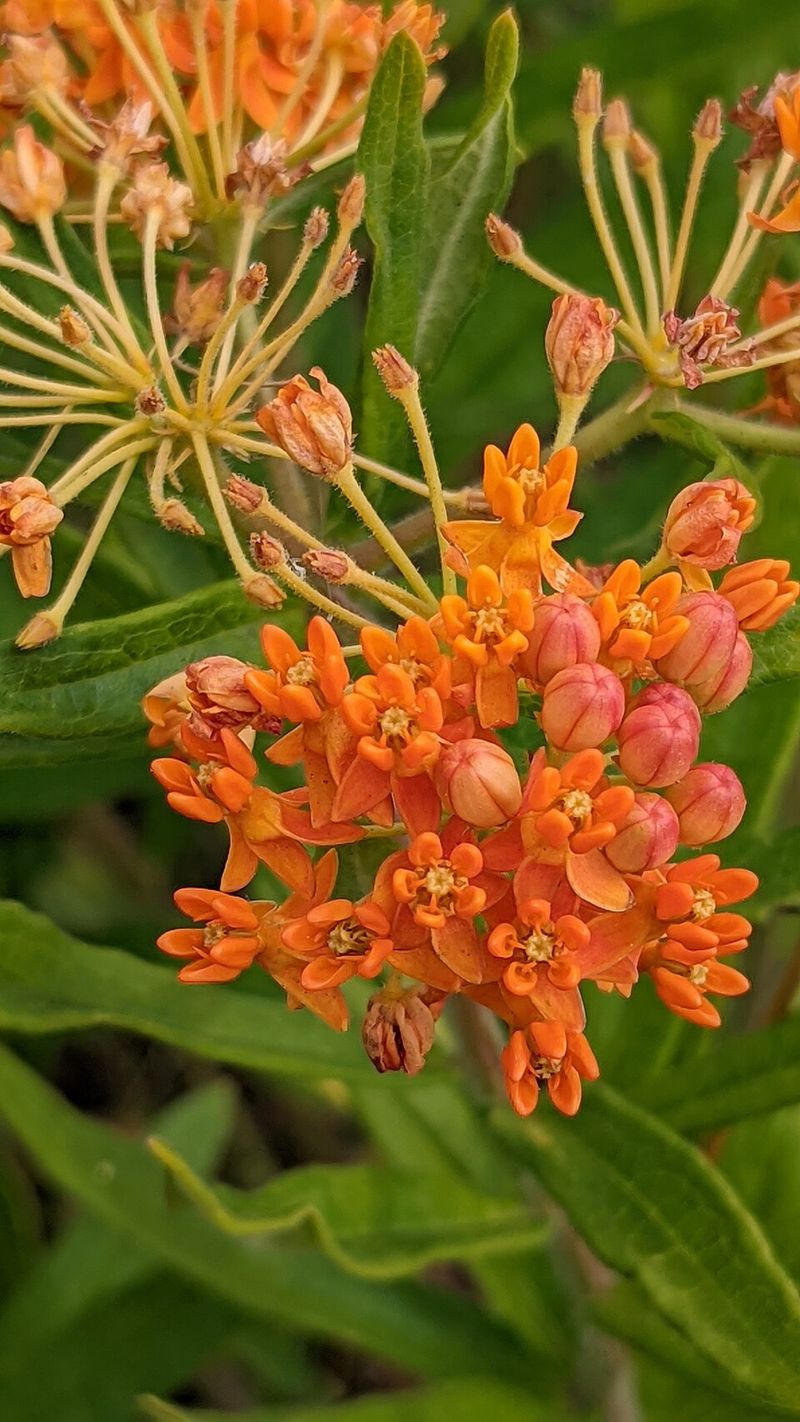
Bright orange flower clusters earn attention fast, but the real reason you may want this plant is its grit. Butterfly weed handles Ohio heat better than many fussier perennials, especially once its taproot settles in and starts doing the hard work below ground.
You get a long-lasting summer show without hovering over it with a watering can every other day.
Dry, sunny spots are where it shines, so tuck it into the hottest part of the border and let it do its thing. Heavy clay can be a problem, which means raised beds, sandy amendments, or a slope can help more than extra fertilizer ever will.
Too much pampering usually gives you leafy growth instead of the sturdy blooming habit you actually want.
Pollinators treat the flowers like a neighborhood favorite, and monarch caterpillars rely on the foliage as a host plant. That makes this one feel useful as well as beautiful, especially if your yard needs more life in midsummer.
Deadheading can neaten the look, but it is not necessary if you enjoy the seed pods later.
Patience matters during the first season because deep-rooted perennials often spend time establishing before they show off. After that, you will likely find it one of the easiest orange bloomers in the whole garden.
Orange Daylily
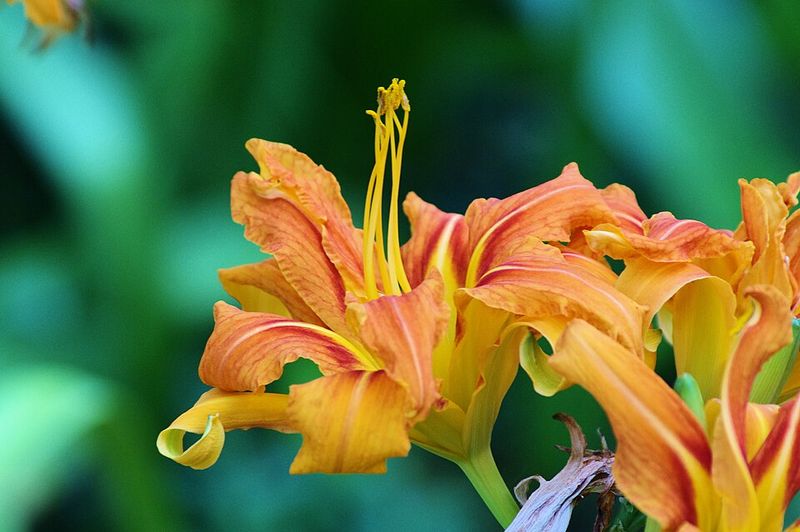
Few perennials earn their keep as consistently as an orange daylily in a hot Ohio summer. Thick roots store moisture well, the foliage stays presentable through rough weather, and the flowers keep coming when many spring favorites have already checked out.
If you need dependable color with very little drama, this is one of the easiest places to start.
Full sun gives the best bloom count, though plants usually tolerate light afternoon shade without much complaint. Average garden soil works fine as long as water does not sit around the crown after storms, because soggy conditions create more trouble than heat ever will.
A layer of mulch helps preserve moisture and keeps the bed looking tidy during dry stretches.
Reblooming cultivars are especially useful if you want color beyond the first flush. Spent flowers pull off easily, so cleanup takes minutes instead of becoming a whole weekend project.
Dividing crowded clumps every few years also refreshes flowering and gives you extra plants for a mailbox bed or sunny fence line.
Because the leaves arch nicely, this perennial softens hard edges around paths and patios while still reading as bold from a distance. You can pair it with black-eyed Susans, Russian sage, or ornamental grasses for a bed that holds up beautifully in peak summer.
Blanket Flower
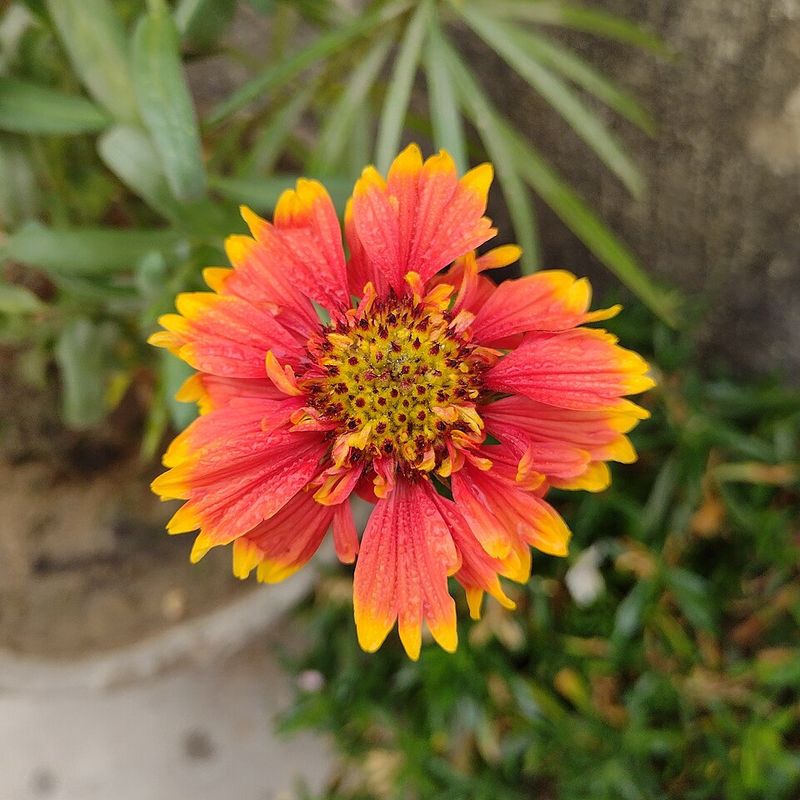
Hot, bright color is the whole personality here, and that is exactly why blanket flower works so well in an Ohio summer border. The orange petals seem to glow even on steamy afternoons, while the plant keeps blooming through heat that makes many traditional perennials look worn out.
You also get a relaxed, cheerful shape that never feels stiff or overly formal.
Lean soil is actually helpful, which surprises a lot of gardeners who assume every flowering perennial wants rich amendments. Good drainage matters far more than constant feeding, so gravelly or sandy spots are often perfect.
If your garden has a dry patch near the driveway or sidewalk, this is a strong candidate for filling it with color.
Regular deadheading stretches the display, but even a little cleanup goes a long way. Pollinators visit often, and the daisy-like flowers mix well with coneflowers, salvias, and shorter ornamental grasses.
Because the foliage stays fairly compact, it fits nicely near the front of a sunny border where you can appreciate the vivid tones up close.
Winter survival improves when the crown is not smothered by wet mulch, so keep things light and airy going into the cold months. With that simple adjustment, you can enjoy a plant that handles the hot season with impressive stamina and very little fuss.
Helenium
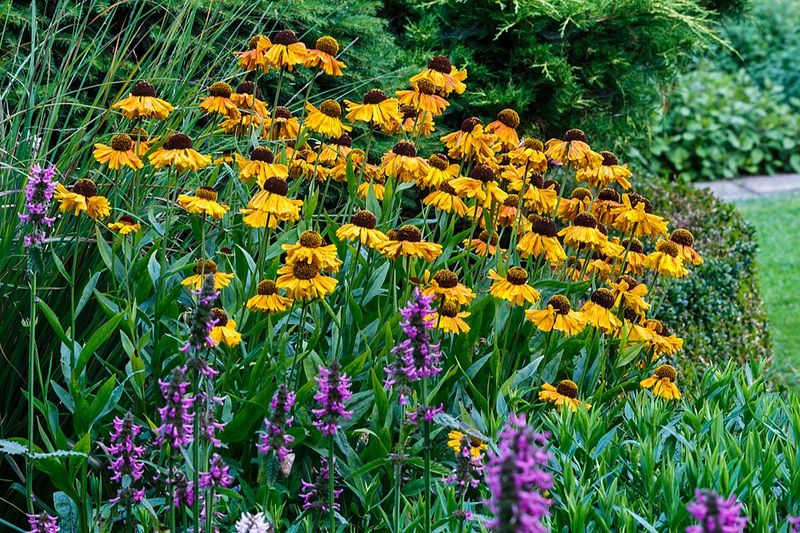
Late summer can leave a garden looking tired, which is where helenium really proves its value. Rich orange blooms rise above sturdy stems just when you start wishing for a second wind in the border, and they hold color beautifully through Ohio heat.
The effect is bright, lively, and especially useful when earlier perennials have slowed down.
Unlike some dryland plants, this one prefers soil that stays evenly moist, though established clumps still handle heat well. A sunny bed with decent drainage and regular watering during prolonged drought will keep stems strong and flower production high.
Pinching plants back in late spring is a smart move if you want a stockier shape and less chance of flopping.
The flowers are magnets for bees and other pollinators, which gives the garden extra movement in August and September. Their warm tones blend easily with purple asters, blue salvias, and golden ornamental grasses, creating combinations that feel balanced instead of overly loud.
If you cut a few stems for arrangements, the bed still looks full because plants bloom generously.
Dividing every few years keeps the center from thinning and helps maintain vigorous performance. For anyone who wants orange flowers after midsummer without settling for short-lived annuals, this perennial earns its space by showing up exactly when the border needs energy most.
Geum ‘Totally Tangerine’
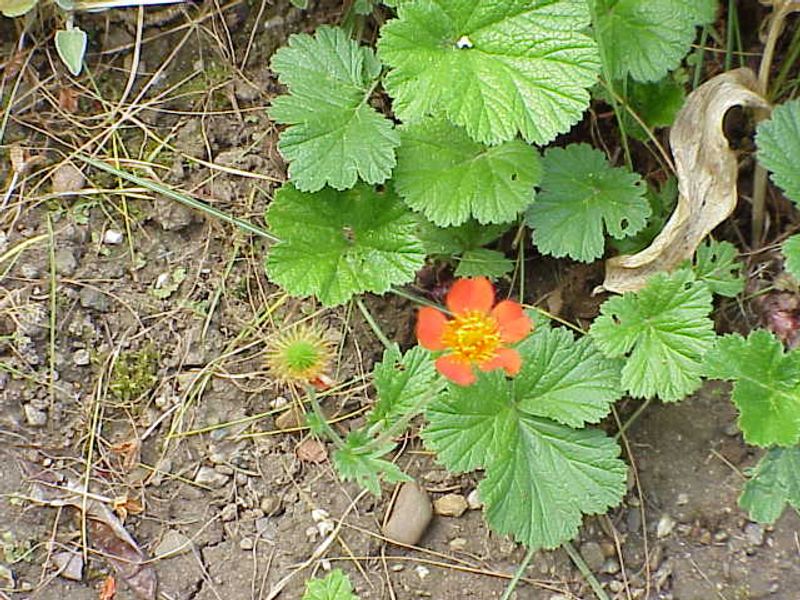
Airy stems topped with soft orange flowers give this geum a lighter, more natural look than heavier summer bloomers. That relaxed shape makes it especially useful if you want movement and color without creating a dense wall of foliage.
In Ohio gardens, it performs best when heat is balanced with decent soil moisture and good drainage.
Morning sun with some afternoon relief is ideal in the hottest parts of the state, though cooler areas can often grow it in full sun. The crown dislikes sitting wet in winter, so raised beds or amended soil help with long-term success.
Cutting spent stems encourages fresh flowers and keeps the plant looking intentional instead of shaggy.
Because the blooms hover above the leaves, this perennial threads beautifully between mounded plants like catmint, hardy geranium, or compact salvias. The color is orange without being harsh, which means it plays nicely with pinks, apricots, purples, and even deeper reds.
You can use it to soften bold planting schemes or warm up cooler ones.
It may not be the toughest choice for the driest, hottest curbside strip, but in a well-sited border it rewards you with an exceptionally long season. If you enjoy a garden that looks loose, layered, and a little romantic, this one brings orange tones without feeling heavy.
Red Hot Poker
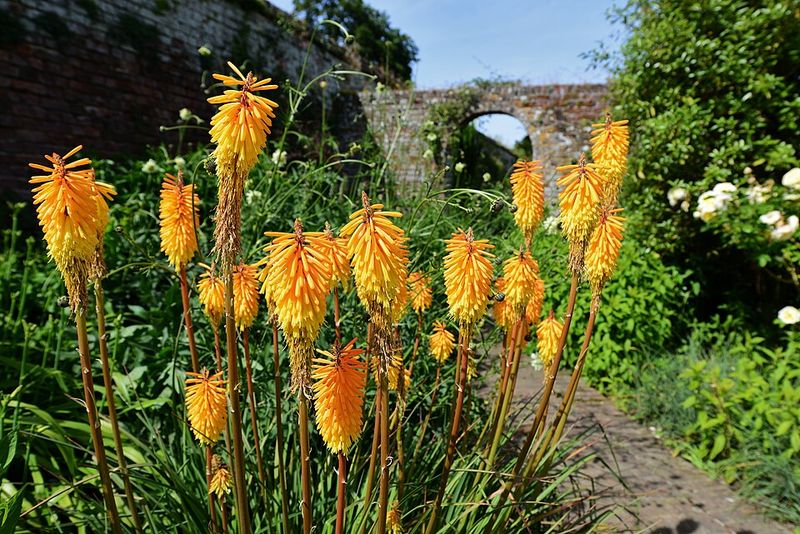
Strong vertical flower spikes make red hot poker feel dramatically different from the usual mound-forming perennial. The orange tones glow above strappy foliage, and that upright shape helps break up plantings that otherwise stay at one height all summer.
In a sunny Ohio bed, it can handle heat impressively well once established.
Drainage is the real key to success, especially through winter, so avoid low spots that stay wet after rain. Sandy or gravelly soil is often better than rich, heavy ground, and too much fertilizer can actually weaken growth.
If your garden leans clay, planting on a berm or raised area gives the crown a better chance to stay healthy year-round.
The flowers add a bold, almost architectural look that pairs nicely with grasses, yarrow, and dark-leaved shrubs. Hummingbirds often investigate the tubular blooms, which adds motion and makes the planting feel more alive on hot afternoons.
Removing spent spikes keeps things neat and can encourage another round of flowers in favorable conditions.
Winter mulch should be light and breathable rather than packed heavily against the crown. That small detail matters in Ohio, where cold is manageable but wet cold can be a problem.
If you want orange with a strong silhouette and excellent summer stamina, this plant stands out fast.
Asiatic Lily
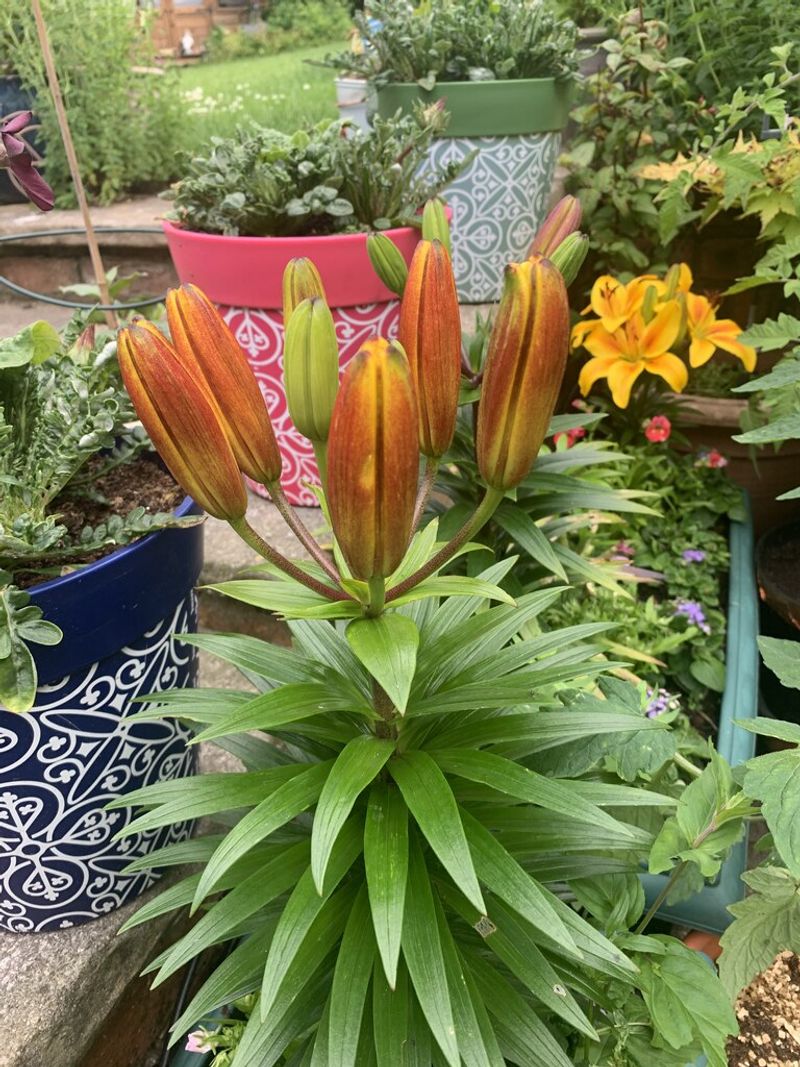
Clear, saturated orange blooms give Asiatic lilies a crisp look that reads beautifully from across the yard. They bloom earlier than many late-summer perennials, which helps bridge the gap between spring color and the hotter heart of the season.
In Ohio, they tolerate summer warmth well as long as bulbs are planted in well-drained soil.
Sun on the top growth and cooler roots below is a useful rule to remember. A mulch layer or neighboring low perennials can shade the soil while the stems rise into bright light, helping plants stay comfortable during hot weeks.
Heavy, soggy soil is the bigger threat, so adding compost and improving drainage matters more than frequent feeding.
Because the flowers stand upright on strong stems, they are excellent for cutting and still leave the bed looking attractive. Pair them with salvia, catmint, or hardy geranium to hide the lower stems and create a more finished planting.
After flowering, let the foliage ripen naturally so bulbs can recharge for the next season.
Rabbits may nibble new growth in some gardens, so protection early on can save frustration. Once settled, these lilies give you striking orange color with a cleaner, more formal shape than many meadow-style perennials.
That makes them especially useful near entrances, patios, and highly visible borders.
Yarrow ‘Terracotta’
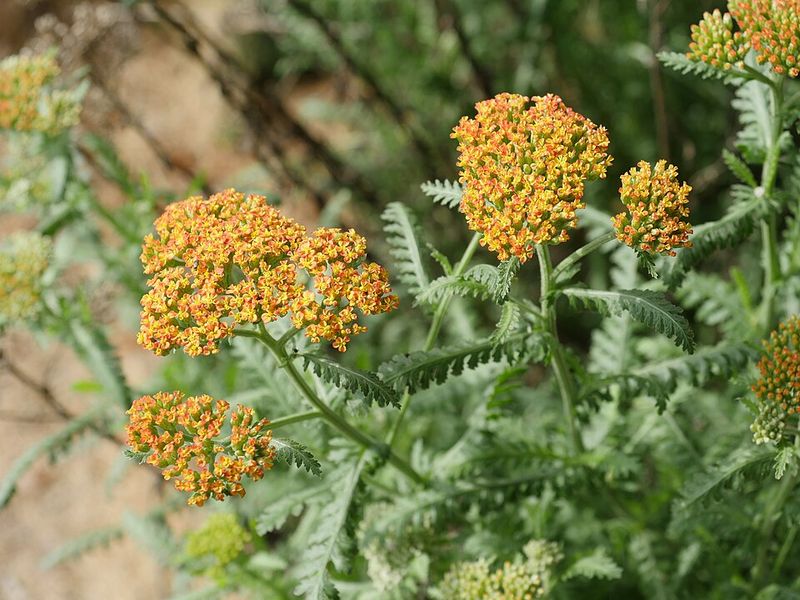
Flat flower clusters in smoky orange tones give this yarrow a more nuanced look than bright traffic-cone shades. The color shifts subtly as blooms age, creating a layered effect that feels natural and easy to combine with other summer plants.
Ohio heat rarely bothers it, which makes it a strong option for sunny, exposed beds.
Poor to average soil is often best because overly rich conditions can cause floppy growth. This is the kind of perennial that appreciates being left alone once established, aside from occasional watering during severe drought and a trim after the first bloom cycle.
Sharp drainage matters, especially through winter, so crowded or soggy spots are worth avoiding.
Ferny foliage adds texture even before flowers open, and the broad clusters draw plenty of pollinators during the warmest part of the season. You can pair it with ornamental grasses, salvias, blanket flowers, or purple coneflowers for a border that looks cohesive without seeming forced.
The stems also dry well if you like bringing garden material indoors.
Cutting plants back after flowering often encourages fresh foliage and sometimes another lighter flush. In practical terms, this means less time fussing over maintenance and more time enjoying a bed that still looks intentional in August.
If you want orange with toughness and a slightly earthy tone, this one delivers beautifully.
Crocosmia
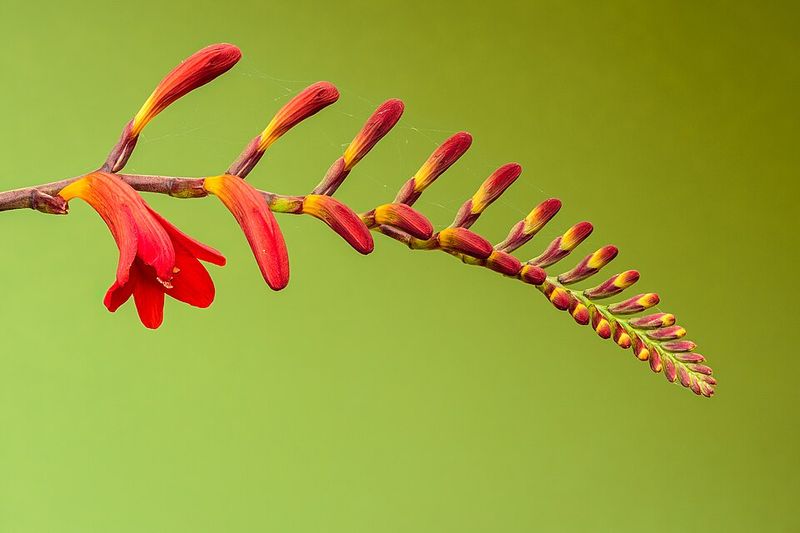
Arching stems lined with orange flowers give crocosmia a graceful shape that feels energetic rather than stiff. The blooms open progressively, so the display lasts longer than you might expect, and the sword-like foliage adds structure even before flowering begins.
In Ohio gardens, success depends on giving it warmth, sun, and reliable drainage.
A protected site helps, especially in colder parts of the state where winter survival can be inconsistent. South-facing beds near a wall, well-drained raised borders, or spots with winter mulch often improve results substantially.
Heat itself is rarely the issue, because this plant actually appreciates warm summer conditions and rewards them with stronger bloom production.
Hummingbirds are quick to notice the tubular flowers, which makes the plant especially fun near patios or seating areas. Pairing it with dark cannas is tempting visually, but sturdier hardy companions like echinacea, salvia, or ornamental grasses usually make more practical sense in Ohio landscapes.
After flowering, leave foliage in place until it yellows so the corms can store energy.
If your garden has a hot microclimate and you want something with a little flair, crocosmia brings a distinct texture that standard border perennials cannot quite match. It is not the most foolproof plant here, but in the right spot it can be spectacular.
Coneflower ‘Sombrero Adobe Orange’
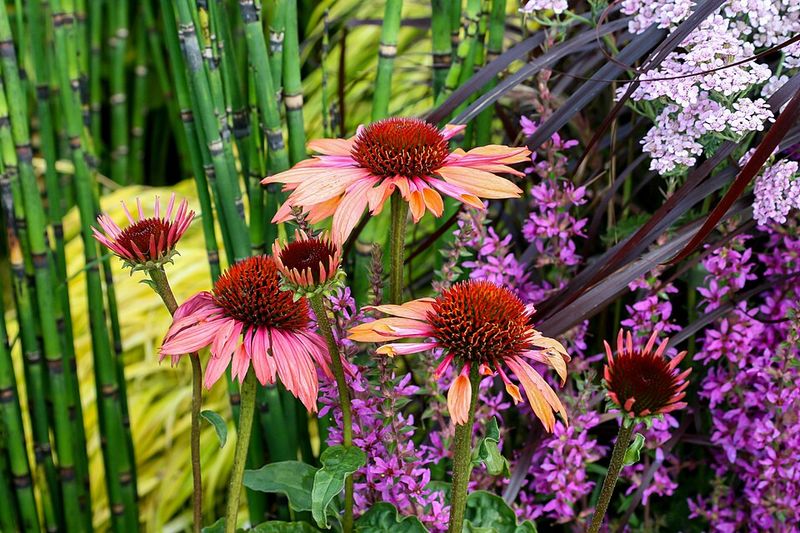
If you want reliable color without babying a plant through July, this coneflower makes a strong case for itself. Its warm orange petals keep coming through heat, humidity, and the kind of dry stretch that can make other perennials sulk.
Once established, it stands up well in sunny Ohio beds and keeps pollinators busy while your garden stays bright.
You also get classic coneflower toughness, so there is less fuss over staking, watering, and midsummer drama. Deadhead the first flush and you can often extend bloom nicely.
It pairs easily with black-eyed Susans, ornamental grasses, and other hot-toned perennials.