
12 Pennsylvania Garden Plants That Look Better As Temperatures Rise
Follow us on Google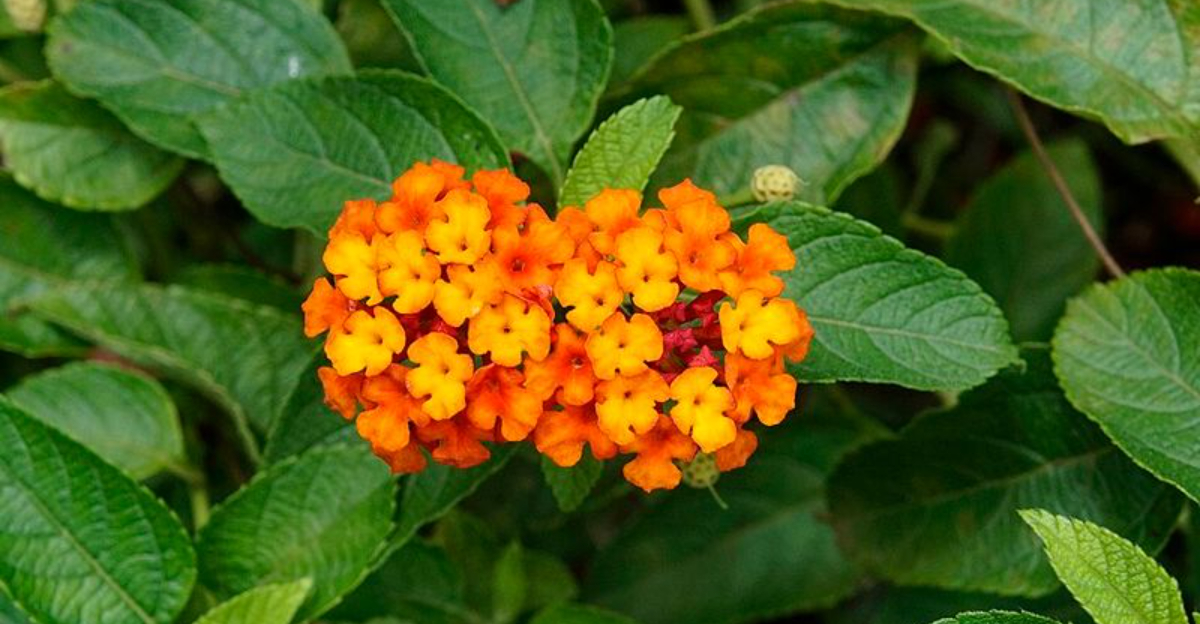
Some garden plants fade when summer settles in, but others finally hit their stride. In Pennsylvania, those hotter stretches can bring out richer color, stronger stems, and a longer parade of blooms than you might expect.
If your beds start looking tired by July, these picks can keep the show going when the temperature climbs. The best part is that many of them ask for less fuss once they are rooted in and enjoying the heat.
Purple Coneflower
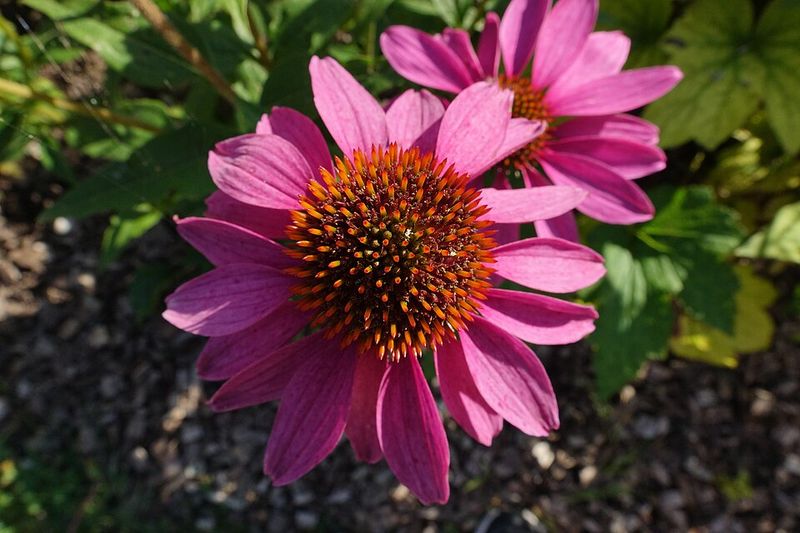
By the time early summer turns sticky, this prairie native starts looking exactly like it belongs there. Purple coneflower handles Pennsylvania heat with a calm, sturdy presence, and the blooms seem to stand even straighter when the sun gets intense.
You get bold color, strong vertical structure, and a steady stream of bees and butterflies without constant fussing.
Good drainage matters more than pampering, so plant it where roots will not sit in wet soil after storms. Once established, it usually shrugs off dry spells better than many traditional border flowers.
If your garden gets blasted by afternoon sun, this is one of those reliable performers that often looks fuller instead of fried.
Deadheading can stretch the bloom season, but leaving a few spent cones adds texture and later feeds birds. The rough foliage also helps the plant read as substantial in mixed beds, especially near ornamental grasses or black-eyed Susans.
You can tuck it into cottage gardens, wildlife plantings, or front-yard borders without it feeling too precious.
When August arrives and other flowers start looking tired, the color still reads fresh from a distance. That staying power is why so many Pennsylvania gardeners keep coming back to it year after year.
Black-Eyed Susan
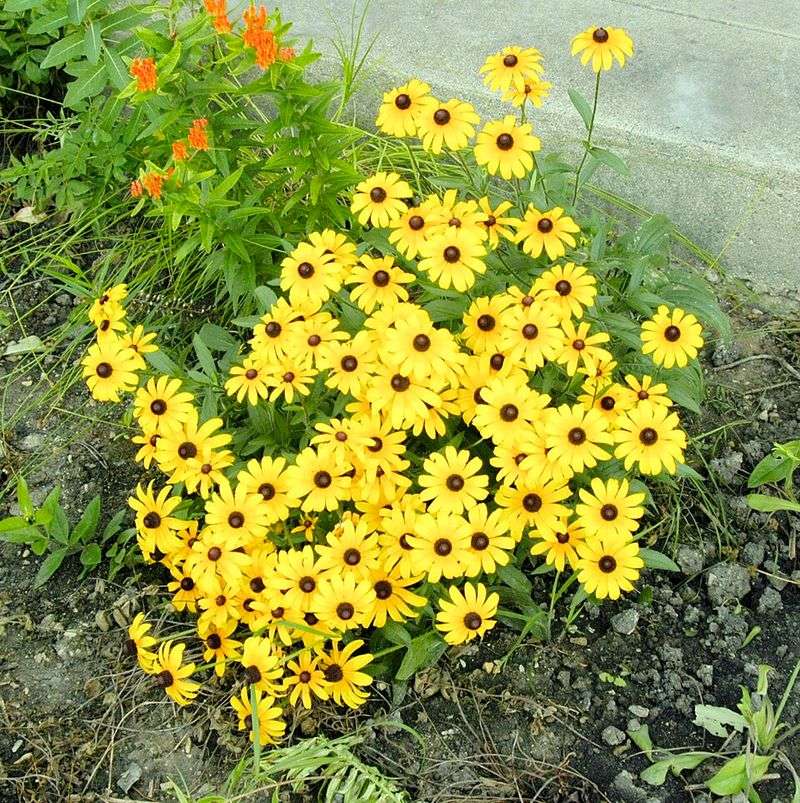
Nothing says high summer in a Pennsylvania garden quite like those bright golden petals circling dark centers. Black-eyed Susan seems to gain confidence as temperatures rise, filling beds with cheerful color right when cooler-season plants start losing steam.
If you want a flower that reads sunny from across the yard, this one earns its spot quickly.
Heat and sun usually bring out its best form, especially in a border with average, well-drained soil. After the first flush opens, a little deadheading can keep more buds coming and prevent the display from looking ragged.
You will also notice that pollinators treat it like a regular stop, which gives the garden extra movement all afternoon.
It works especially well in casual planting schemes where a slightly natural look feels welcome. Pair it with purple coneflower, salvia, or ornamental grasses and the color balance almost builds itself.
The sturdy stems also hold up well through typical summer weather, including humid days that flatten fussier bloomers.
Later in the season, seed heads can stay attractive if you do not cut everything back at once. That longer visual life makes the plant feel useful beyond peak bloom, which is a smart quality when you want more garden impact for less effort.
Bee Balm
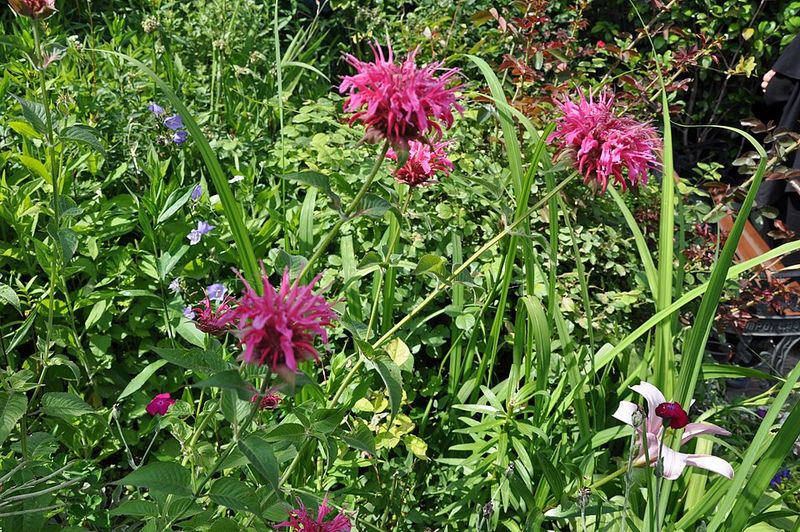
When the weather turns warm and humid, bee balm starts delivering the kind of energy that makes a border feel alive. Those shaggy blooms pull in hummingbirds, bees, and curious glances from anyone walking past.
In Pennsylvania gardens, it often looks more vibrant in midsummer than it does during the cooler weeks that come before.
Morning sun with good air circulation helps it perform better, especially in places where powdery mildew can become annoying. Newer mildew-resistant varieties are worth seeking out if you want cleaner foliage through the season.
Keep the soil evenly moist while plants establish, then add mulch so roots stay cooler during repeated hot spells.
Color choices make it easy to fit almost any style, from patriotic reds to softer lavender and pink tones. It has a slightly wild, informal personality, so it shines in pollinator beds, native plant groupings, and cottage-style borders.
If a clump gets crowded after a few years, dividing it in spring can restore vigor and improve flowering.
Cutting spent blooms can encourage another round, though even the first flush usually feels generous. On a hot July afternoon, few plants make a garden feel busier or more summery.
That extra life is exactly why it deserves space where the heat can show it off.
Blanket Flower
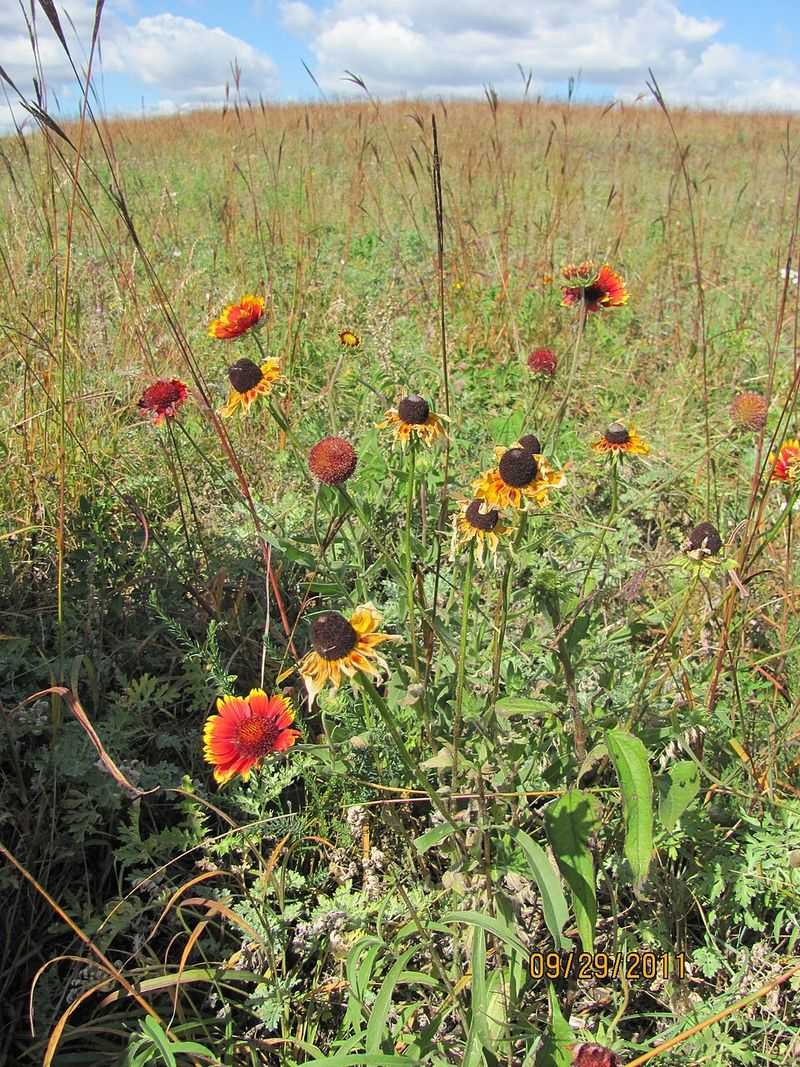
Hot, bright days seem to sharpen every color this plant has to offer. Blanket flower brings fiery reds, oranges, and yellows that look especially lively under strong summer sun, which makes it a smart choice for Pennsylvania beds that bake by afternoon.
Instead of sulking in the heat, it usually keeps blooming with impressive stamina.
Lean soil and strong drainage are actually helpful, so there is no need to overcomplicate the planting site. In richer ground, growth can get floppy, while slightly tougher conditions often produce better shape and steadier flowering.
If your garden has a spot near a walkway, patio, or mailbox that feels too hot for fussier plants, this one can handle it.
Regular deadheading keeps the display crisp and encourages more buds, though the plant still offers solid color even when you miss a week. Its daisy-like flowers blend well with yarrow, salvia, and coreopsis, creating a warm palette that does not feel forced.
You also get a longer season of interest than many gardeners expect from such an easygoing bloomer.
Winter survival improves when crowns do not stay soggy, so drainage matters more than heavy mulching. Once it settles in, the plant earns its place by asking for little and giving back a lot during the hottest stretch of the year.
Russian Sage
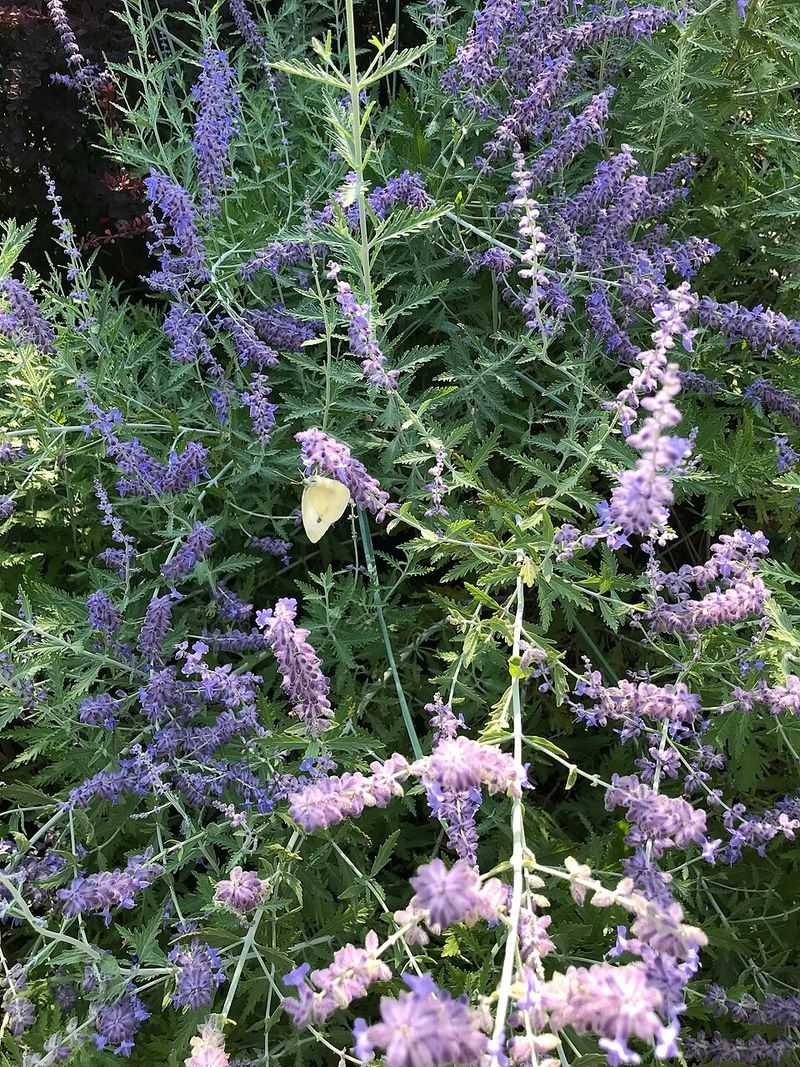
Few plants create that airy, shimmering midsummer effect as effortlessly as this one. Russian sage fills hot borders with silver foliage and hazy violet-blue flowers that actually seem improved by blazing sun.
In Pennsylvania, it is a useful answer for dry spots where softer, thirstier perennials never quite keep their shape.
Drainage is essential, and full sun is nonnegotiable if you want the stems upright and the color strong. Once roots settle in, the plant needs surprisingly little water, which is a relief during long dry stretches.
You can cut it back in early spring, then let the fresh growth build into a cloud-like mass by summer.
Its texture does a lot of work in a border because it softens heavier flowers and shrubs around it. Try it next to coneflowers, sedum, or dark-leaved shrubs and the contrast immediately feels intentional.
The foliage also carries a pleasant herbal scent, which adds another layer of interest near paths and seating areas.
What makes it especially valuable is how well it holds its look when the season gets demanding. Instead of appearing tired in August, it often reaches peak beauty then.
That late-summer confidence gives your garden a cooler color note exactly when the heat feels relentless.
Autumn Joy Sedum
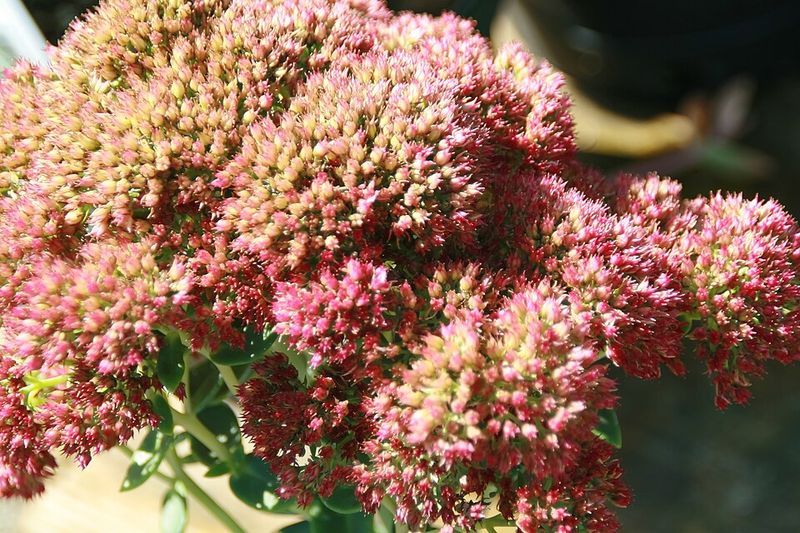
Succulent leaves already hint that heat is not going to be a problem here. Autumn Joy sedum stays neat through summer, then begins its real show as warm days continue, pushing up broad flower heads that shift from pale pink to deeper rose and copper.
That slow color change gives Pennsylvania gardens a welcome second wind.
Because the foliage is thick and water-storing, the plant handles dry conditions with impressive poise once established. A full-sun spot with decent drainage keeps stems strongest and prevents the crown from sitting wet in winter.
If your border needs something dependable near a sidewalk or driveway where reflected heat builds up, this is an easy answer.
The structure matters almost as much as the bloom color. Rounded flower heads contrast beautifully with spiky salvias, grassy textures, and broad shrubs, helping mixed beds feel layered instead of flat.
Bees also love the late nectar, so the plant adds movement right when some earlier pollinator favorites are winding down.
Leaving the seed heads standing into fall extends the display and gives frost something attractive to cling to later. Very little maintenance is needed beyond spring cleanup.
That combination of durability, changing color, and strong shape is hard to beat during Pennsylvania’s warmest gardening weeks.
Coreopsis
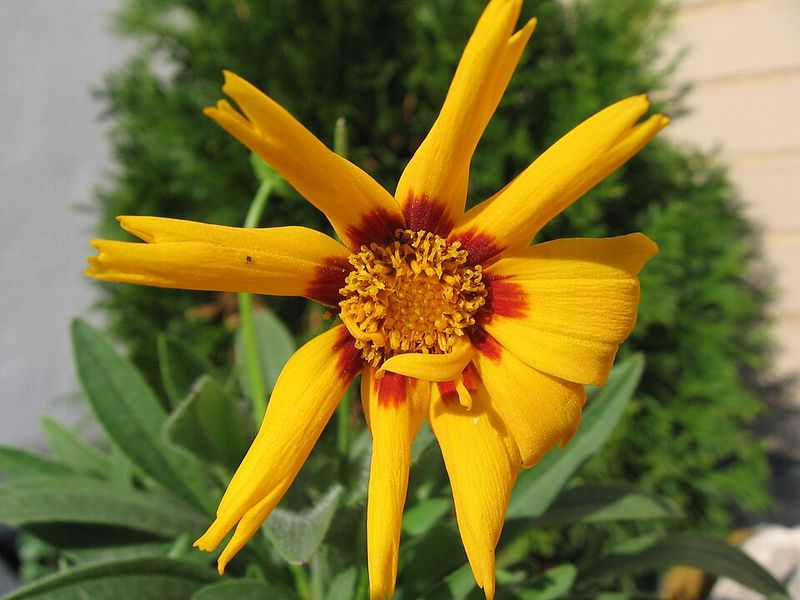
Once summer really settles in, coreopsis starts acting like the cheerful engine of the border. The constant yellow blooms brighten hot Pennsylvania days and keep beds from looking heavy or stagnant.
If you prefer plants that read fresh and upbeat even during a dry week, this one makes that job easy.
Most varieties want full sun and decent drainage, and they reward that simple setup with a long season of color. Shearing lightly after the first big flush often brings on a clean second wave, which is helpful when midsummer beds begin to lose momentum.
You do not need rich soil or constant feeding to get a satisfying show.
The fine foliage gives the plant a lighter texture than many summer bloomers, so it blends naturally with both bold and delicate neighbors. It pairs especially well with salvia, blanket flower, and ornamental grasses, where the yellow flowers act like visual punctuation.
In smaller yards, that airy habit keeps planting schemes from feeling crowded.
Newer cultivars offer warm gold, lemon, and even bicolored flowers, giving you flexibility without changing the plant’s easy personality. During Pennsylvania heat, that willingness to bloom and rebloom matters.
It is one of those reliable perennials that quietly makes everything around it look more awake.
Daylily
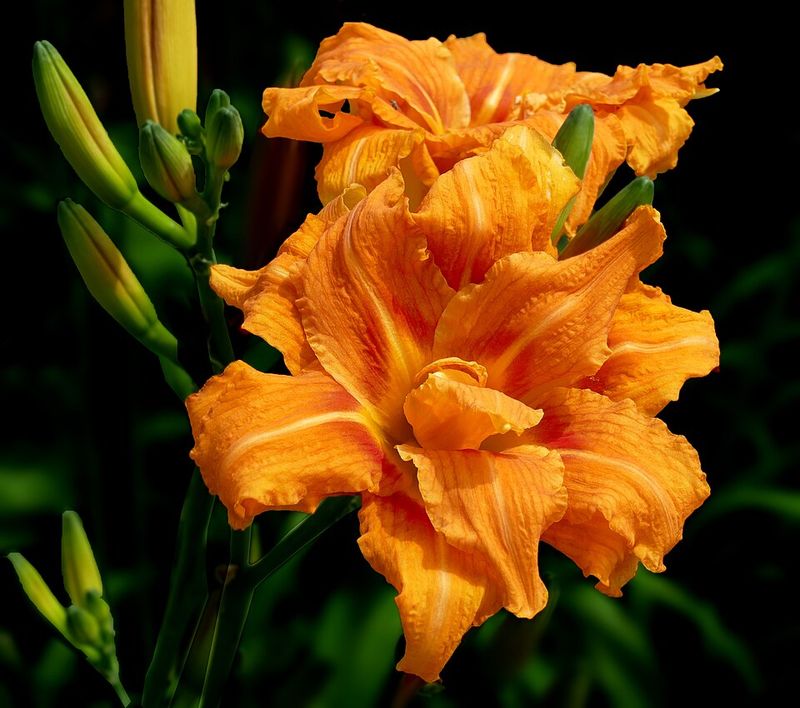
Strong summer sun often brings out the boldest colors in daylilies, especially the orange, gold, and red shades. Those strappy green clumps stay useful even before flowering, then the buds open in waves that keep a border active for weeks.
In Pennsylvania gardens, few perennials are this forgiving while still looking generous.
Established plants cope well with heat, uneven rainfall, and the kind of ordinary soil many home landscapes offer. Full sun produces the heaviest bloom, though a bit of afternoon shade can help very dark varieties hold color better in the hottest spots.
If a clump slows down after several years, dividing it quickly restores vigor.
Because each bloom lasts just a day, planting reblooming or multi-scape varieties makes a noticeable difference in overall performance. The trick is to treat them as durable structure as much as seasonal color, since the foliage helps anchor mixed borders.
They also work nicely along fences, mailbox beds, and sloped areas where easier maintenance really matters.
Spent flowers can be snapped off for a tidier look, but even casual care usually delivers a satisfying display. When temperatures rise, these plants rarely panic.
That composure is exactly what you want from something expected to carry a midsummer garden through its busiest season.
Zinnia
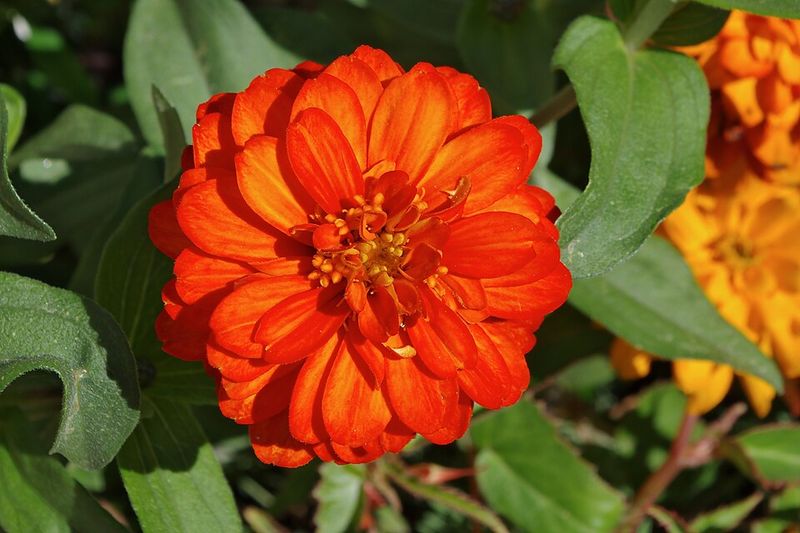
Few annuals look happier in hot weather than zinnias standing in full sun. As Pennsylvania temperatures climb, the flowers get brighter, the stems lengthen, and the garden starts feeling like summer is finally taking itself seriously.
If you want color that keeps coming for bouquets and borders, this is one of the easiest ways to get it.
Good airflow and watering at the soil line help prevent mildew, especially during humid stretches. After that, the main secret is simple: cut often.
The more blooms you harvest or deadhead, the more the plant pushes out, turning a modest planting into a nonstop source of color.
There is a size and style for almost every space, from tidy dwarf forms for containers to tall varieties perfect for cutting beds. Mix warm shades for a saturated midsummer look, or stick with whites and soft pinks if you want something calmer near patios and seating areas.
Butterflies usually find them quickly, which adds movement without extra effort from you.
Because they grow fast, zinnias are also useful for filling gaps where spring plants faded early. They thrive in heat instead of merely enduring it, and that distinction shows.
By August, a healthy patch often looks fuller and more confident than it did when the first buds appeared.
Lantana
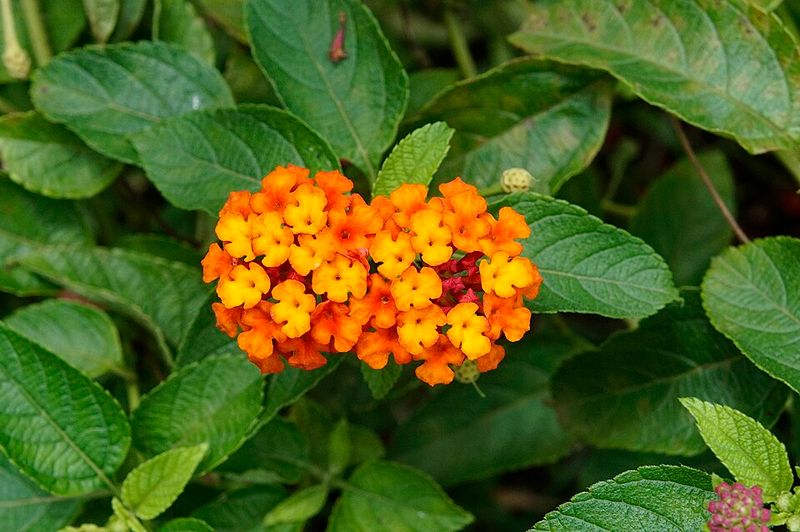
Heat seems to intensify every cluster of color this plant produces. Lantana brings orange, yellow, pink, red, and multicolored blooms that feel almost made for the hottest part of summer, making patios and sunny beds look more alive instead of washed out.
In Pennsylvania, it is usually grown as an annual, but it earns that seasonal role quickly.
Containers are where it often shines brightest because drainage stays sharp and you can place it exactly where the sun is strongest. In the ground, choose the warmest, sunniest site you have and avoid overwatering once the plant settles in.
Too much pampering often means more foliage and fewer flowers, which defeats the point.
Butterflies flock to it, and the bloom clusters keep coming with very little coaxing if spent heads are trimmed occasionally. The trailing forms spill nicely from window boxes and tall pots, while upright types work well in mixed summer borders.
Pairing it with blue salvia or silver foliage plants creates a clean contrast that holds up in strong light.
By late July, when many annuals begin looking tired, lantana often appears completely unfazed. That steady performance is especially valuable in exposed spots near driveways, brick walls, and sunny porches.
For reliable heat color with minimal drama, it is hard to ignore.
Yarrow
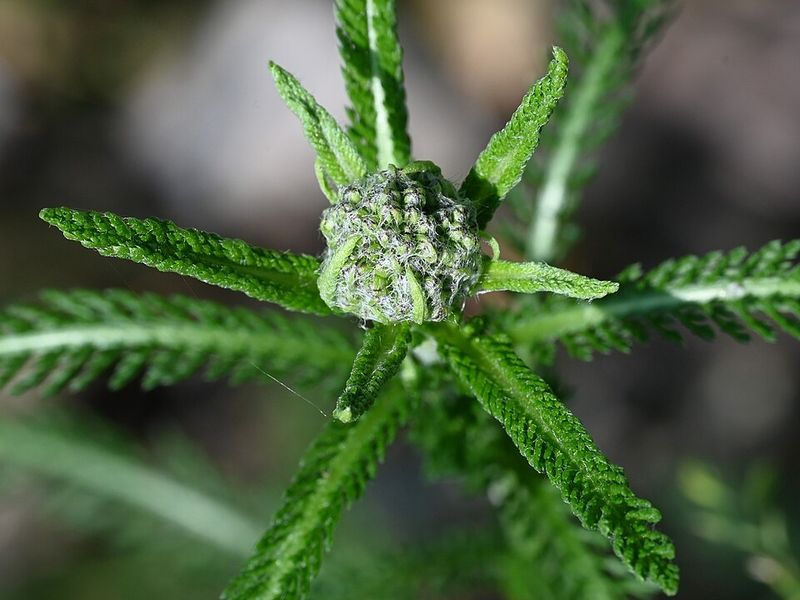
Flat flower clusters and feathery foliage give this plant a look that stays crisp through summer heat. Yarrow performs especially well in Pennsylvania gardens that get strong sun and occasional dry spells, where softer perennials may flop or fade.
It adds a practical kind of beauty that works in pollinator beds, cottage borders, and more natural plantings.
Good drainage is the main requirement, and rich soil is not necessary for success. In fact, plants often stand better and bloom more cleanly when conditions are not overly fertile.
Once established, yarrow usually needs very little watering, which makes it useful for low-maintenance areas away from the hose.
The flower heads come in white, yellow, peach, pink, and soft red shades, so matching nearby colors is rarely difficult. Their broad, level shape contrasts nicely with upright spikes like salvia and rounded flowers like coneflower, making mixed borders feel more composed.
Pollinators also appreciate the easy landing platform, so the plant helps keep the garden active in warm weather.
Cutting back spent blooms can trigger a lighter repeat flush and keeps the clump looking tidy. What stands out most, though, is how well it keeps its form when the forecast turns hot and dry.
That toughness gives your summer planting a reassuring backbone.
Salvia
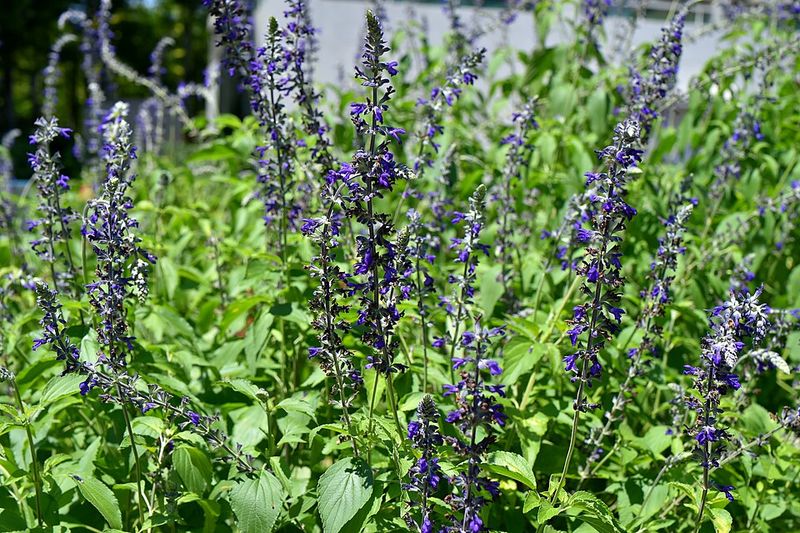
Vertical flower spikes can do a lot for a summer border, especially when the heat starts flattening everything else. Salvia brings that upright rhythm along with saturated blue, purple, pink, or red color that reads clean and cool in bright Pennsylvania sun.
It is one of those plants that makes neighboring flowers look more intentional.
Full sun is ideal, and sharp drainage helps both perennial and annual types perform at their best. After the first flush fades, a quick trim usually encourages another round, which is useful when you want color to carry deeper into summer.
The aromatic foliage is another bonus, offering texture and a scent that browsing deer often leave alone.
Pollinators stay busy around salvias, so even a small planting can make a garden feel more animated. Try combining it with coreopsis, yarrow, or lantana for high-contrast combinations that hold up during hot afternoons.
In containers, compact varieties keep patios looking polished without demanding constant watering.
What really earns salvia a place in warm-weather gardens is consistency. It does not need constant rescue when temperatures spike, and the stems usually hold their shape well through humidity and sun.
When you want dependable color with a little architectural strength, it is an easy pick.