
10 Florida Native Plants That Handle Coastal Conditions Surprisingly Well
Follow us on Google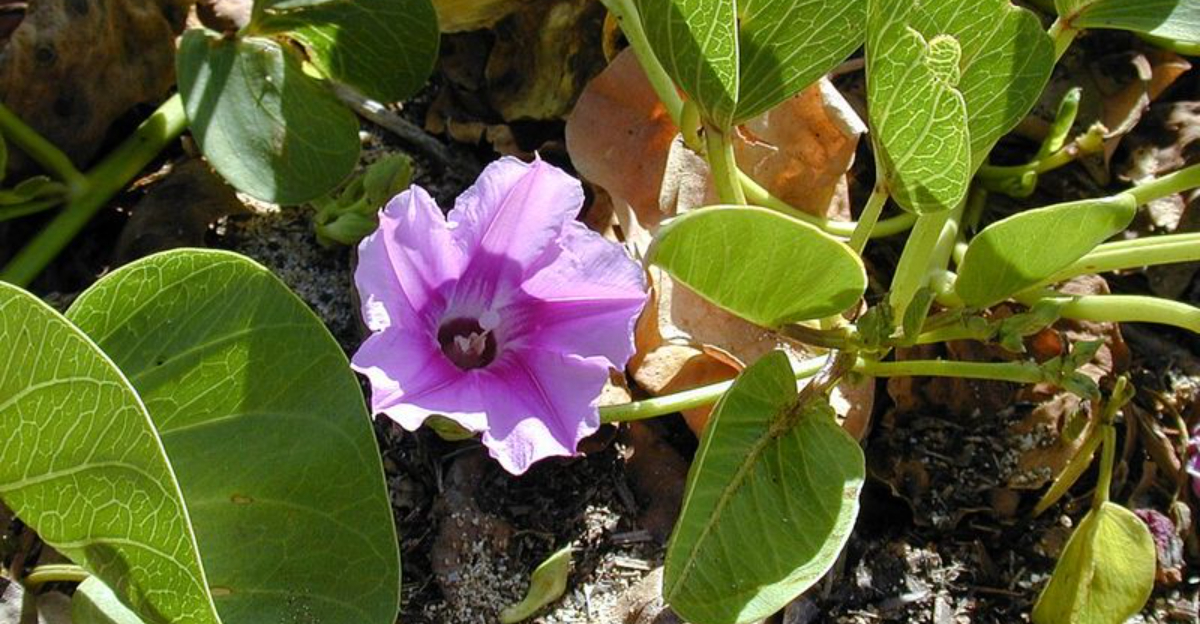
Salt spray, sandy soil, and relentless wind can make coastal gardening feel like a losing battle. The good news is that many Florida natives are built for exactly those conditions, and several look far better than their tough reputations suggest.
If you want a yard that holds up near the shore without constant babying, these plants deserve a closer look. Each one brings practical beauty, stronger resilience, and a better chance of success where other plants quickly give up.
Sea Oats
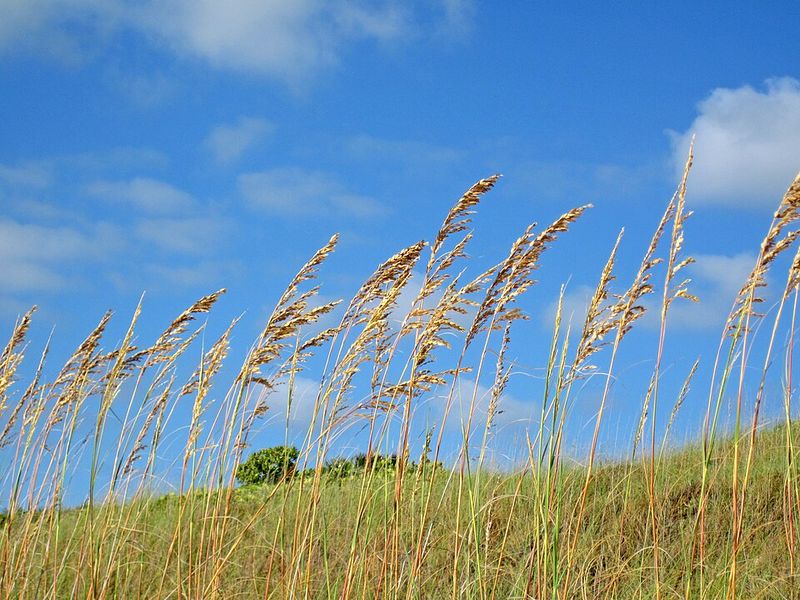
On a windy beachfront lot, few plants look more at home than this graceful native grass. Its tall stems and dangling seed heads catch the light beautifully while helping stabilize shifting sand.
You get movement, texture, and real ecological value in one planting.
Salt spray rarely rattles established plants, and drought is usually less of a problem than people expect. Full sun keeps growth sturdy and attractive, while overly rich soil can make it floppy.
If your site is raw, sandy, and exposed, that actually works in its favor.
Give it room instead of tucking it into a crowded foundation bed. This is the kind of plant that looks best when allowed to drift naturally along a property edge, dune-style border, or sunny path.
Pair it with dune sunflower or railroad vine for a layered coastal look that feels intentional rather than sparse.
One important note matters here: local regulations may protect it in some areas because of its role in dune systems. Buy nursery-propagated plants, avoid collecting from the wild, and let the seed heads stay through the season.
You will have a planting that looks relaxed, supports wildlife, and handles beachside conditions better than many fussier ornamentals.
Railroad Vine
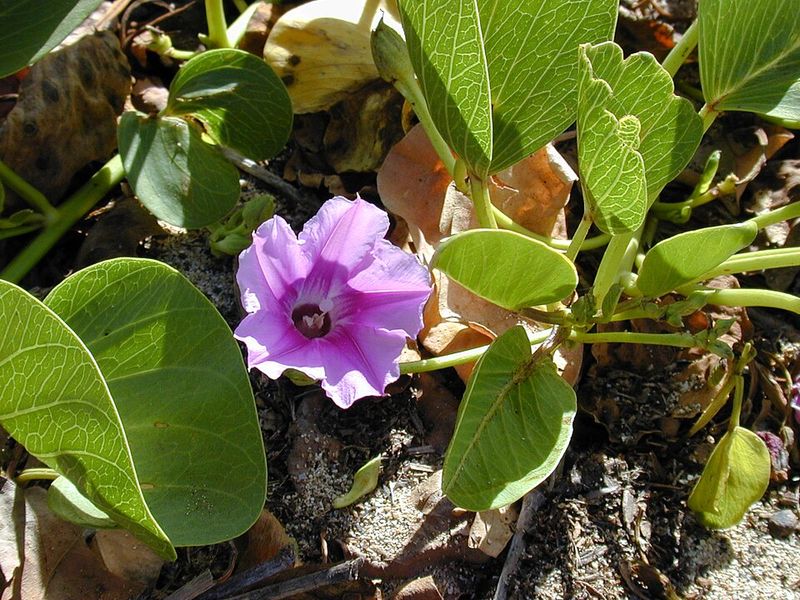
If bare sand is baking in the sun and most groundcovers fail within weeks, this trailing native is worth your attention. Thick stems race across the ground, rooting as they go, and the rounded leaves shrug off tough coastal exposure.
Purple trumpet-shaped flowers add color without making the plant feel fussy.
Hot sun, sandy soil, and salt spray are exactly the conditions it prefers. Once rooted in, it helps hold soil in place and covers open areas fast, which is useful on slopes or breezy lots where mulch blows away.
You will likely appreciate how little pampering it asks for after establishment.
Use it where there is space to roam because it does not behave like a tidy edging plant. Along a dune-style garden, mailbox bed, or open strip near a driveway, it can soften harsh ground and reduce weeding.
That broad, sprawling habit also keeps the planting looking full even when conditions are punishing.
Good drainage matters more than rich soil, and overwatering can do more harm than neglect. Trim only when you need to redirect growth, not to force a stiff shape.
For a relaxed coastal landscape that feels practical and beautiful, this plant earns its keep quickly and handles shoreline stress with very little drama.
Dune Sunflower
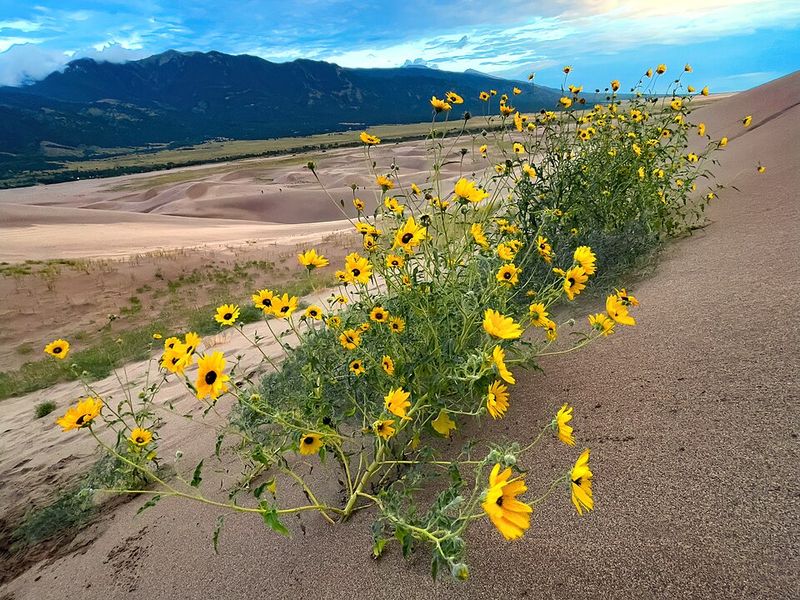
Bright yellow flowers can be hard to maintain near the coast, but this native makes it look easy. Its low, spreading habit fills gaps quickly, and the cheerful blooms keep coming when many other plants fade in heat and wind.
You get a lived-in, sunny look without signing up for constant maintenance.
Full sun is the sweet spot, and sandy soil is not a problem at all. Salt tolerance is solid, drought tolerance is impressive once roots are established, and the plant bounces back well from rough weather.
In a coastal bed, that combination makes it feel dependable rather than precious.
Try it along walkways, in front of taller shrubs, or spilling through shell and gravel mulch where a softer edge helps. It also works well in pollinator gardens because bees and butterflies visit often.
If your yard needs color but the site is harsh, this is one of the easiest ways to make the planting feel lively.
A light trim now and then keeps it dense and encourages fresh flowering. Do not overfeed it, because lean conditions usually produce sturdier growth and better performance.
With enough sun and decent drainage, you will have a long-blooming native that handles coastal stress and brightens the landscape in a way that feels effortless.
Cocoplum
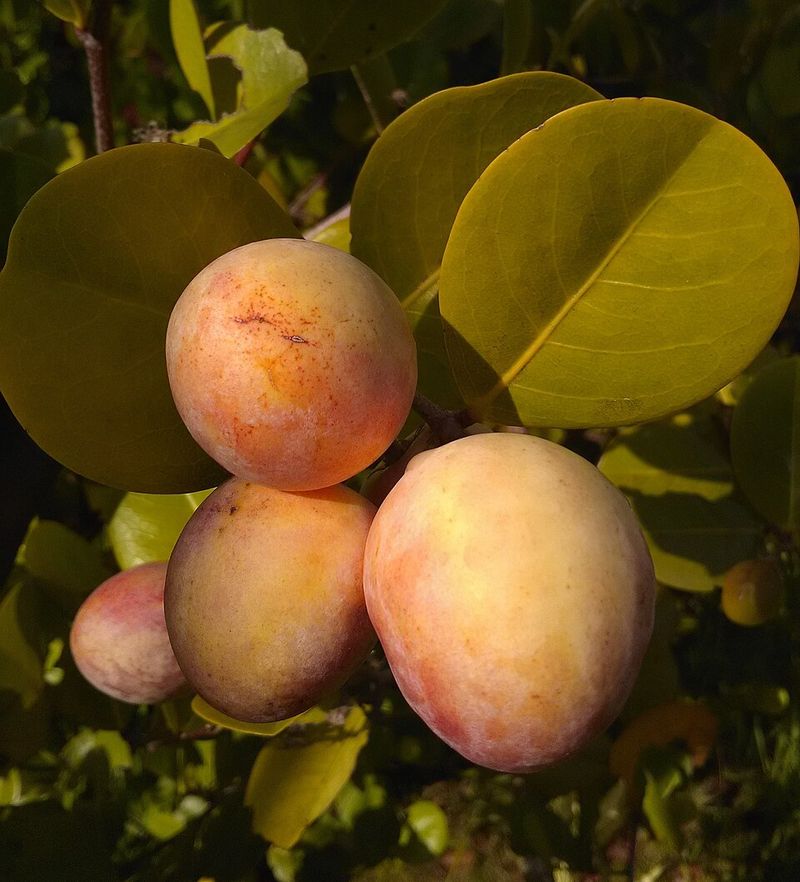
For structure near the shore, a dense native shrub can solve several design problems at once. This one brings glossy foliage, a naturally full shape, and enough toughness to handle salty breezes better than many common hedge plants.
It can read polished or relaxed depending on how tightly you prune it.
Sun to part shade works well, and sandy coastal soils do not usually slow it down once established. Salt tolerance is good, drought tolerance improves over time, and its root system helps it settle into difficult sites.
If privacy matters, that dense branching becomes especially useful along property lines or pool areas.
You can let it grow naturally as a screen, shape it as a hedge, or use it as a backdrop for lower flowering natives. The small fruits are also a bonus for wildlife, and they add seasonal interest if you are paying attention.
In a beachside yard, that mix of utility and beauty goes a long way.
Avoid constant shearing if you want the healthiest, most attractive form. Occasional selective pruning keeps it thick without making it look boxed in and tired.
When a coastal landscape needs evergreen reliability, wind resistance, and a native shrub that still looks refined, this is often one of the smartest choices you can make.
Saw Palmetto
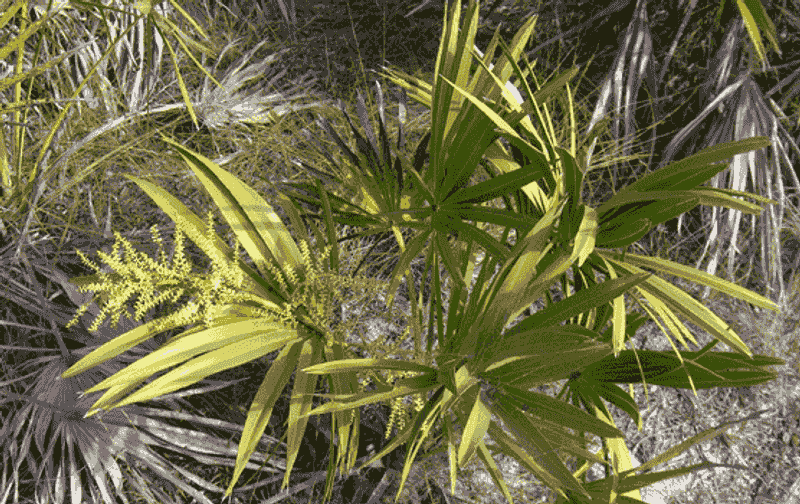
Texture matters in a coastal garden, and few natives bring stronger character than this rugged palm-like plant. Its fan-shaped fronds create a bold, sculptural look that stands up to heat, wind, and lean soil without looking stressed.
If your site feels too exposed for softer foliage, this is a practical answer.
Dry sandy ground suits it well, and salt tolerance makes it useful surprisingly close to the coast. Once established, it asks for very little supplemental water and generally prefers not to be fussed over.
That low-input nature is a relief if you want a landscape that can handle vacation schedules and weather swings.
Use it as an accent in a native bed, mass it for a natural screen, or place it where you need durable structure year-round. The spread can be broad, so give it room and avoid squeezing it against walkways.
In return, you get a planting that feels grounded, regional, and highly resilient.
Silver forms are especially striking if you want extra contrast against green shrubs or flowering perennials. Prune sparingly and only remove fronds that are fully spent.
For a coastal property that needs strong bones, wildlife value, and a plant that clearly belongs in Florida, this one holds its own with very little effort from you.
Muhly Grass
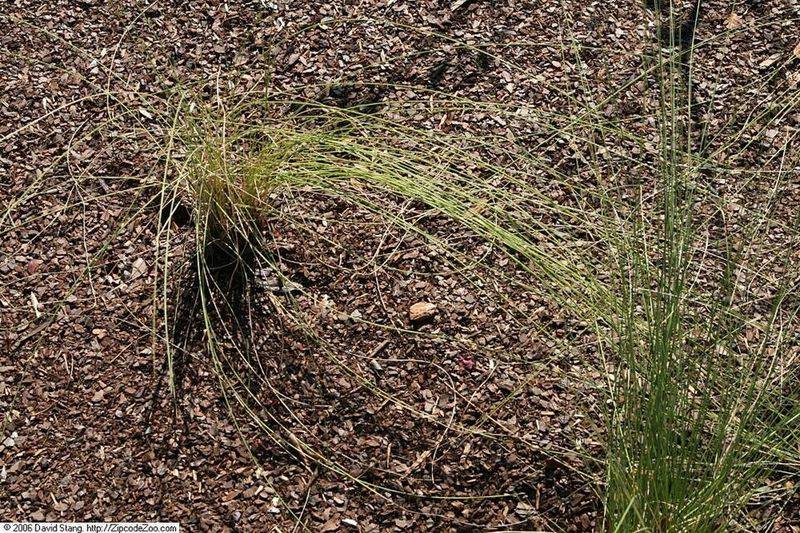
Soft color can be hard to pull off near the beach, yet this native grass manages it with almost unfair ease. For much of the year it stays neat and grassy, then sends up airy pink flower clouds that make the whole planting glow.
That seasonal shift gives coastal gardens a memorable moment without extra work.
Sun is essential for the best flowering, and sharply drained soil keeps it happiest. Salt tolerance is good, drought tolerance is strong after establishment, and windy exposure rarely ruins its appearance.
If you have struggled with ornamentals that collapse or mildew, this feels refreshingly reliable.
Plant it in groups rather than one lonely clump so the texture reads from a distance. It works beautifully along driveways, in island beds, or mixed with shrubs where the fine foliage softens heavier forms.
During bloom, even a simple yard starts to look more layered and considered.
Cut it back once a year before new growth starts, and avoid overwatering through cooler months. Fertilizer is rarely needed in average coastal conditions, especially if growth already looks balanced.
When you want a native that handles shoreline stress yet still brings a refined, almost dreamy effect, this grass gives you both performance and style.
Buttonwood
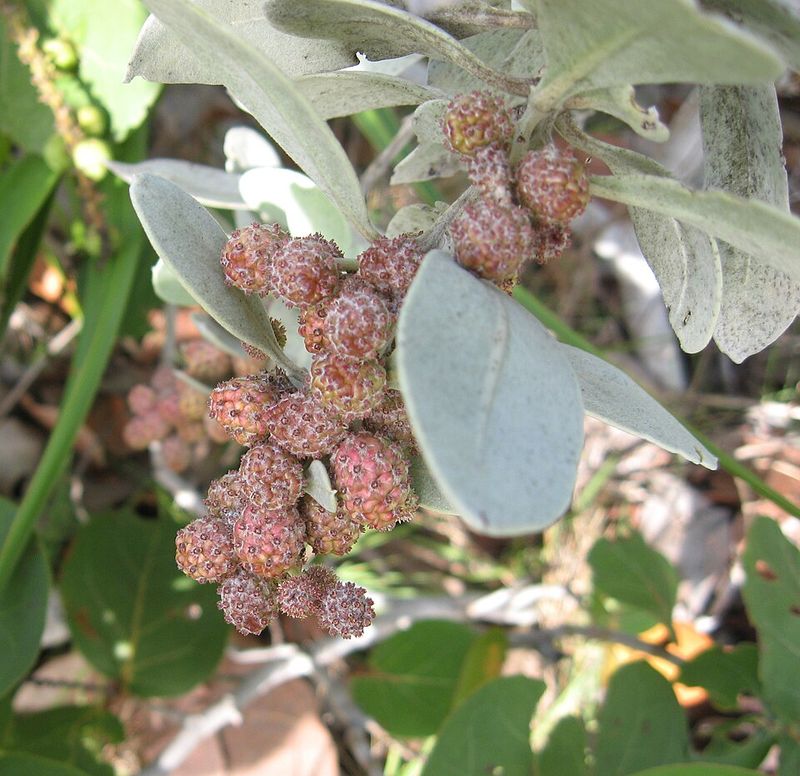
Near saltwater, finding a small tree or large shrub that keeps its composure can be challenging. This coastal native is one of the better options because it tolerates salty air, sandy conditions, and persistent wind while still looking distinctive.
The foliage can be green or silvery, and both versions give a beachside property real presence.
Full sun helps it develop a dense canopy and a sturdy framework. Once established, it handles drought well and does not need rich soil to perform.
That adaptability makes it useful in tough spots where more delicate accent trees end up scorched, sparse, or constantly in recovery mode.
Give it room to show off its branching and natural form instead of forcing it into a cramped corner. It works well as a specimen near patios, along streets in coastal neighborhoods, or as a screening plant where you need height without a massive footprint.
In the right spot, it can look sculptural and relaxed at the same time.
Pruning should be thoughtful rather than frequent, especially if you want an attractive branching habit over time. Good drainage is important, though the plant is forgiving of challenging coastal soils.
If your yard needs a native anchor with excellent salt tolerance and a strong sense of place, this one deserves serious consideration.
Yaupon Holly
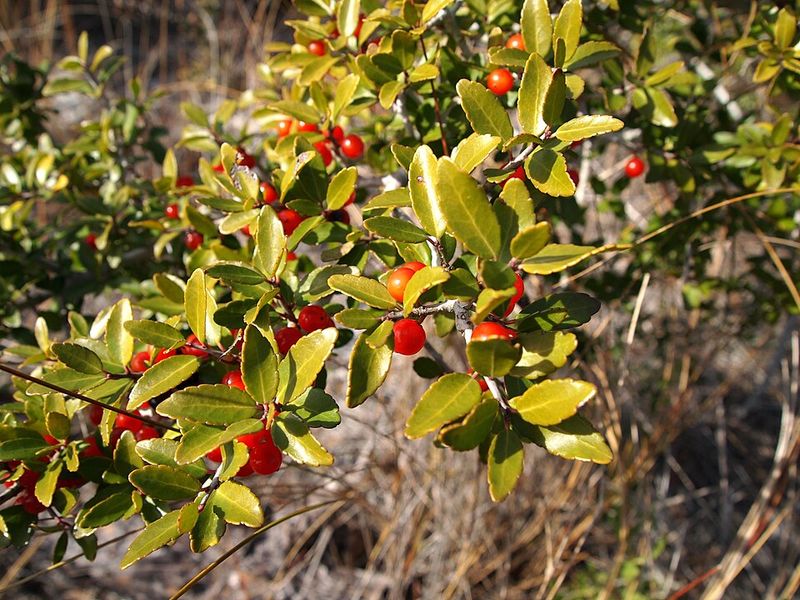
Evergreen structure makes coastal gardens feel settled, and this native shrub delivers that stability without acting fragile. Small leaves, dense branching, and a naturally adaptable habit allow it to handle difficult shoreline conditions with surprising grace.
Female plants also produce bright berries that add welcome color and feed birds.
It tolerates salt spray, sandy soil, heat, and occasional drought once roots are established. Sun to part shade both work, which is useful if your lot has patchy light from neighboring trees or buildings.
That flexibility gives you more placement options than many narrowly specialized coastal plants.
Use it as a clipped hedge, a loose screen, or a small specimen tree if lower branches are removed over time. It pairs nicely with grasses and flowering perennials because the fine texture helps everything around it look more balanced.
In practical terms, it can bring order to a windy garden without looking stiff.
Resist the urge to overfertilize or shear it constantly into hard shapes. Selective pruning usually creates a healthier plant and a more natural appearance, especially in native-focused landscapes.
If you want year-round greenery, strong coastal performance, and a shrub that can adapt to both formal and casual design, this one is easy to appreciate.
Coontie
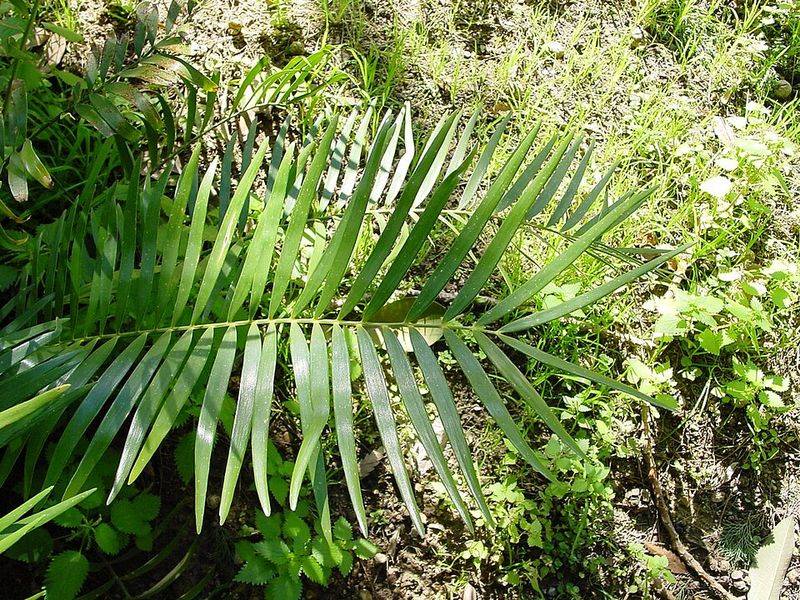
Low-growing plants often disappear visually in harsh coastal settings, but this native has enough texture to hold attention. Its stiff, feather-like fronds stay tidy and architectural, giving beds a clean look even when conditions are hot, sandy, and breezy.
It feels refined without becoming high-maintenance.
Good drainage matters, and coastal sand usually provides exactly that. Established plants handle drought well, tolerate some salt, and perform in full sun or part shade depending on the site.
If your garden swings between intense exposure and seasonal neglect, that resilience becomes especially valuable.
Use it near entryways, along paths, or in foundation beds where a compact, dependable form is helpful. It mixes well with bolder shrubs and airy grasses because the foliage offers a calm, repeating rhythm.
Gardeners who want a native alternative to more common landscape staples usually find it easy to work into almost any plan.
Another benefit is wildlife support, since it serves as a host plant for the atala butterfly. Avoid soggy irrigation and let the soil dry somewhat between waterings after establishment.
For a coastal landscape that needs evergreen texture, manageable size, and a plant that still looks composed through rough weather, this is a strong, smart choice.
Blanket Flower
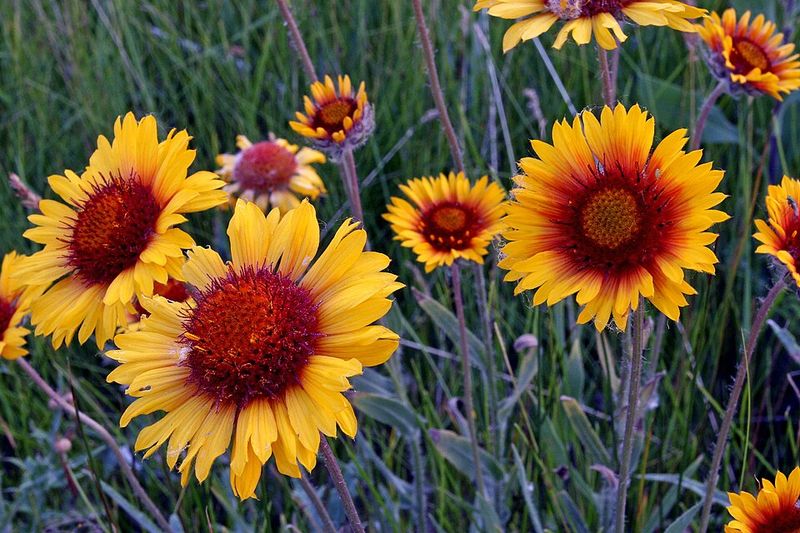
Strong flower color can wash out in bright coastal light, yet this native wildflower somehow looks even better in it. Red and yellow blooms stand above the foliage with a casual, cheerful energy that suits beachside planting.
If a bed feels dull or too dominated by greens, this is an easy fix.
Heat, sun, sandy soil, and periodic drought are all part of its comfort zone. Salt tolerance is solid enough for many coastal gardens, especially where drainage is fast and air movement is constant.
In the right spot, it flowers generously without asking for pampering or heavy feeding.
Mix it into a pollinator strip, use it in a sunny front bed, or scatter it through a naturalistic planting where you want color to feel spontaneous. Butterflies and bees visit often, which makes the space feel active rather than static.
It also pairs nicely with dune sunflower and muhly grass for a simple native palette.
Deadheading can prolong bloom, but even a lighter maintenance routine usually keeps it attractive. Do not smother it with rich amendments, because leaner conditions often support better performance and sturdier stems.
When your coastal yard needs reliable color, wildlife value, and a native that does not wilt at the first sign of stress, this one earns its space.