
10 Georgia Ground Covers That Stay Green Even In Hot Weather
Follow us on Google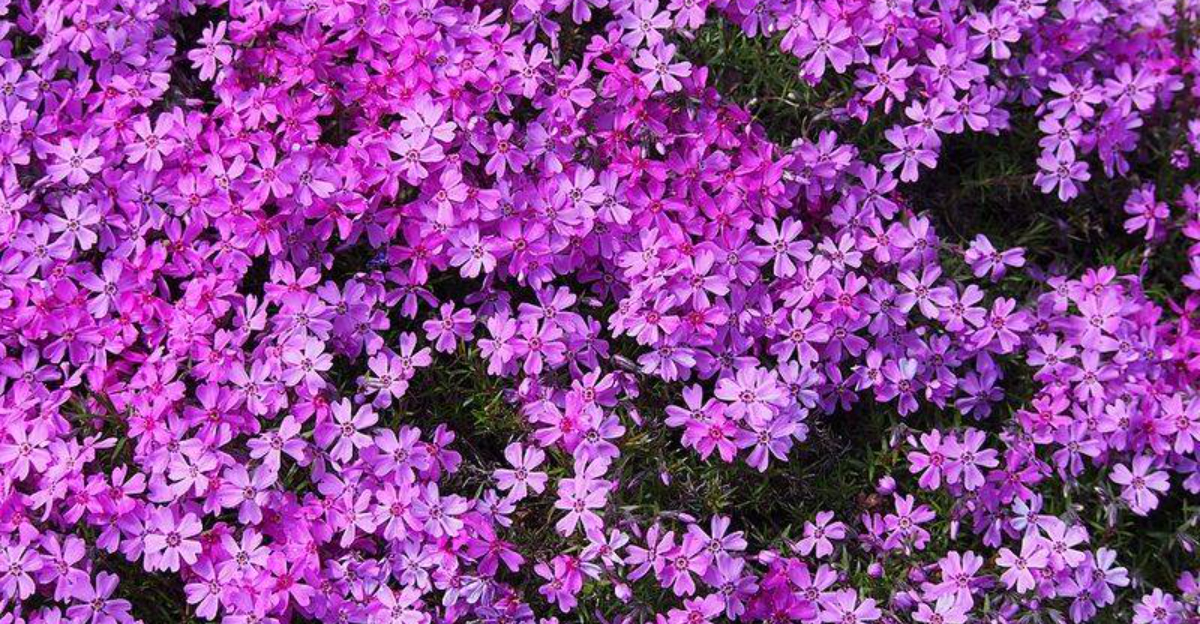
Georgia heat can turn a promising planting bed into a tired, patchy mess fast. If you want ground covers that keep their color when summer refuses to ease up, plant choice matters more than anything else.
The best options can handle blazing sun, warm nights, and the kind of humidity that makes many plants quit early. Here are ten dependable picks that stay attractive and practical in Georgia landscapes.
Asiatic Jasmine
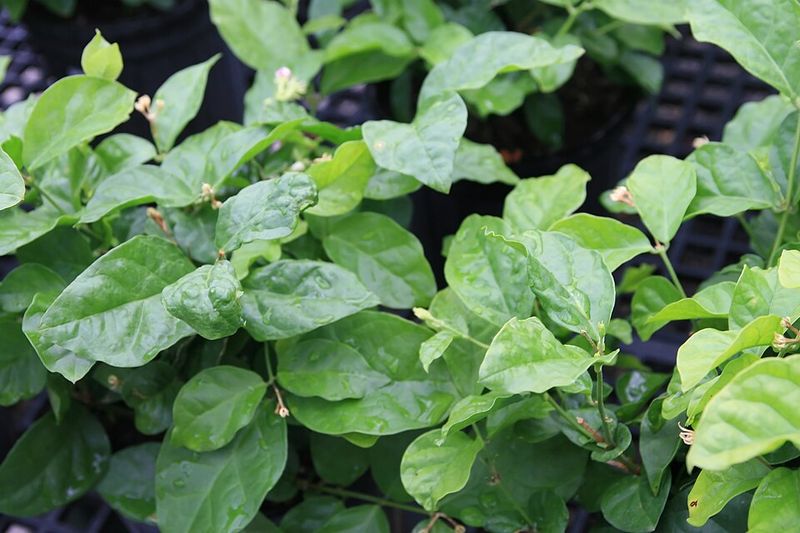
Hot, sticky summers do not bother this dependable ground cover much, which is exactly why so many Georgia gardeners keep coming back to it. The glossy leaves stay rich green through long stretches of heat, and the tight growth habit helps a bed look finished without constant fuss.
If you need something polished near foundations, along walkways, or beneath taller shrubs, this one earns its space.
You will get the best look by planting it where drainage is decent and giving it a little water during establishment. After that, it handles dry spells better than many broadleaf ground covers, especially in partial shade.
In full sun, extra moisture helps the foliage stay fresher and prevents the edges from looking stressed by late July.
A light trim once or twice a year keeps the mat dense instead of leggy, and that simple step makes a huge difference over time. It also helps suppress weeds once it fills in, which can save you hours in larger beds.
For a low, elegant layer that does not fold when Georgia turns up the heat, few options feel this reliable.
Dwarf Mondo Grass
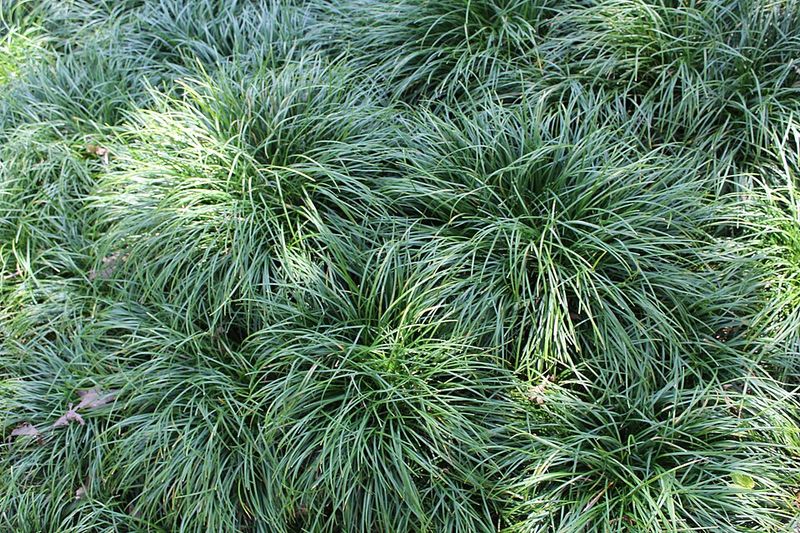
For spots where you want a clean, refined look, this compact choice does a lot without calling attention to itself. The dark green, grasslike blades stay attractive during hot weather, and the low height makes borders look crisp instead of overgrown.
It works especially well between stepping stones, at the front of shaded beds, or in narrow spaces where taller plants feel crowded.
Georgia gardeners usually have the easiest success with it in partial shade or bright filtered light. Morning sun is fine, but harsh afternoon exposure can make it look tired unless the soil holds moisture well.
Once established, it is not especially needy, though occasional watering during extreme heat helps keep the clumps dense and evenly colored.
Growth is slower than some spreading covers, so patience matters if you are filling a big area. The upside is that it rarely becomes messy, and maintenance stays simple compared with more aggressive plants.
If you want a soft, evergreen carpet that looks orderly through summer and pairs nicely with stone, brick, or woodland plantings, this is a smart, polished pick.
Liriope Spicata
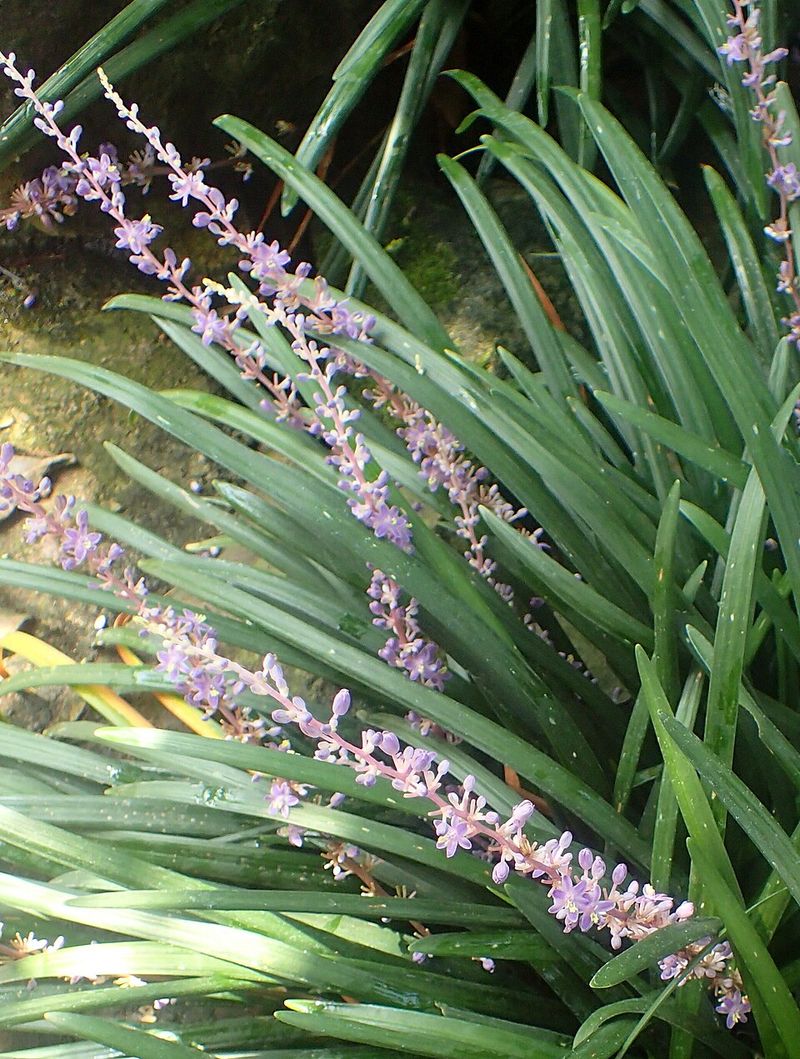
Few ground covers handle tough Georgia conditions with as much stubborn consistency as this fast spreading favorite. The arching green foliage stays presentable in heat, humidity, and average garden soil, which makes it useful in places where fussier plants fail.
On slopes, under trees, and along property edges, it forms a practical living carpet that still looks intentional.
It tolerates sun better than many shade ground covers, though partial shade usually produces the freshest foliage. Once roots settle in, it deals with dry periods surprisingly well, and that resilience matters during long, rainless summer stretches.
A spring haircut with shears or a mower on a high setting gives new leaves a cleaner start and keeps the patch from looking tired.
Because it spreads steadily, it is best where you want coverage and weed suppression more than strict restraint. In a smaller bed, edging helps keep it from wandering into neighboring plants.
If your yard has awkward, hot spaces where bare soil keeps reappearing, this is one of those hardworking solutions that looks green, survives neglect, and keeps earning its keep year after year.
Frogfruit
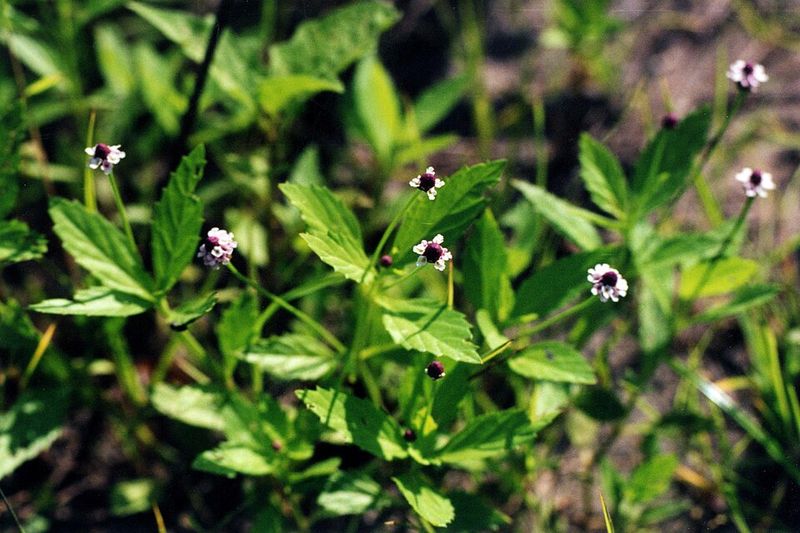
If you want something native leaning and tough enough for a Georgia summer, this underused plant is worth a close look. It forms a low green mat, handles heat impressively well, and produces tiny flowers that pollinators notice even if you barely do at first glance.
The overall effect feels relaxed and useful, especially in naturalistic landscapes where perfection is not the goal.
Full sun helps it spread fastest, but it can also handle light shade in many yards. Once established, it manages dry spells better than many people expect, which makes it practical for low input areas.
You may see it used where a lawn struggles, around stepping stones, or in broad open beds that need living coverage without a lot of mowing.
It does not create the formal, clipped look of a classic evergreen border plant, so placement matters. In the right spot, that softer habit is actually part of its appeal, and the way it fills gaps can reduce bare soil and weed pressure quickly.
For gardeners who want a heat ready ground cover with ecological value and an easygoing personality, this is a smart native style option.
Blue Star Creeper
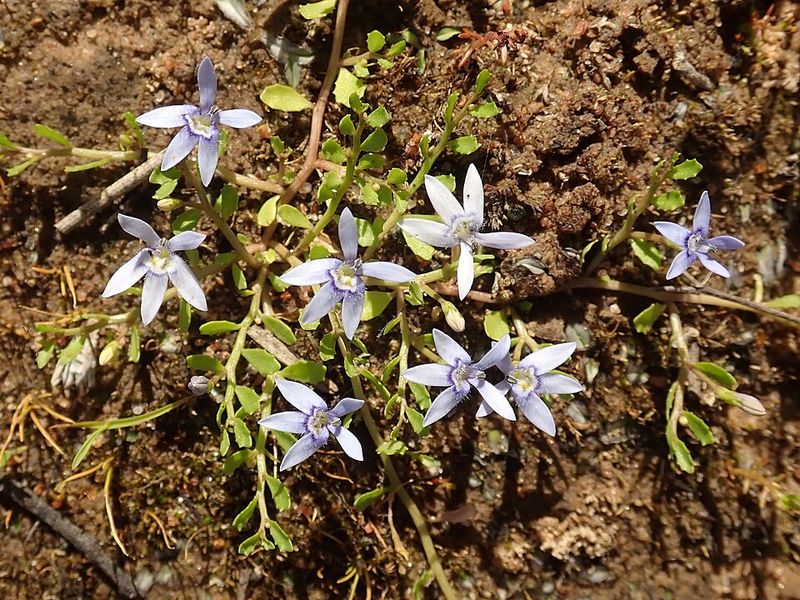
Small leaves, a fine texture, and delicate blooms give this ground cover a lighter look than many heavy, shrub like options. Even so, it can hold up nicely in Georgia heat when it gets enough moisture and a site that is not brutally dry.
Tucked between pavers or spread through a smaller bed, it creates a soft green layer that feels inviting instead of rigid.
Morning sun and afternoon shade often produce the best results, especially in the hotter parts of the state. In cooler mountain areas, it may tolerate more sun, but in central and south Georgia, harsh exposure can make it struggle.
Consistent watering during hot spells keeps the foliage dense and helps the tiny blue flowers appear more regularly through the growing season.
Because the plant stays low, it pairs well with stones, patio edges, and garden paths where you want detail at ground level. It is not the best choice for heavy foot traffic, but occasional stepping is usually fine once it fills in.
If your goal is a charming, low growing cover that stays green in warm weather and adds a little flower power without becoming unruly, it is a strong contender.
Creeping Thyme
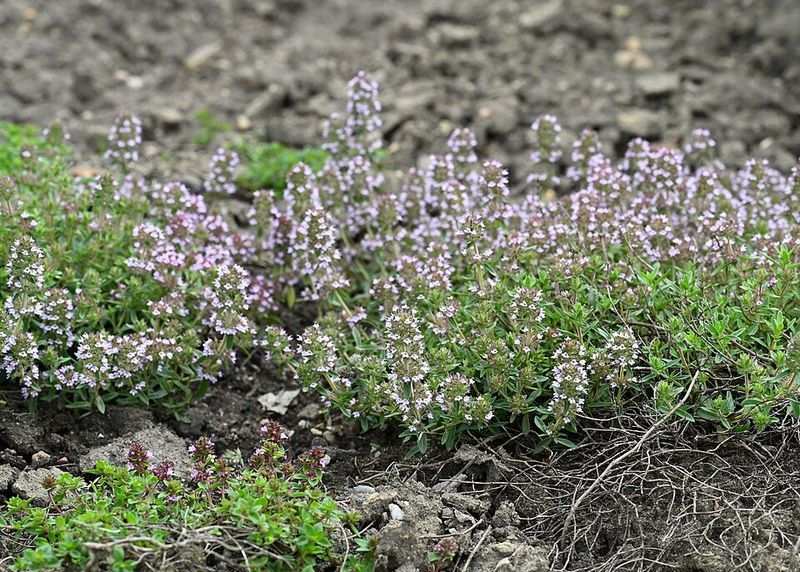
Dry, sunny areas can be frustrating, especially when you want something low that still looks alive in the middle of summer. This aromatic ground cover handles heat very well once established, and the tiny leaves create a neat, textured carpet that feels both practical and attractive.
In the right spot, the foliage stays green while many thirstier plants start looking worn out.
Drainage is the biggest factor in success, so rocky soil, raised beds, and gravelly edges are ideal. Too much shade or heavy, wet ground usually shortens its good looks in a hurry.
If you have a path lined with stone or a hot strip near a driveway, that kind of tough setting is exactly where it tends to shine.
The bonus is fragrance, especially when you brush past it or plant it near a seating area. Pollinators also appreciate the flowers, which add seasonal color without requiring much from you.
For Georgia gardeners who need a low cover that stays tidy, tolerates reflected heat, and brings more personality than plain mulch, this one works best in the driest, sunniest corners where fussier ground covers rarely last.
Sedum ‘Angelina’
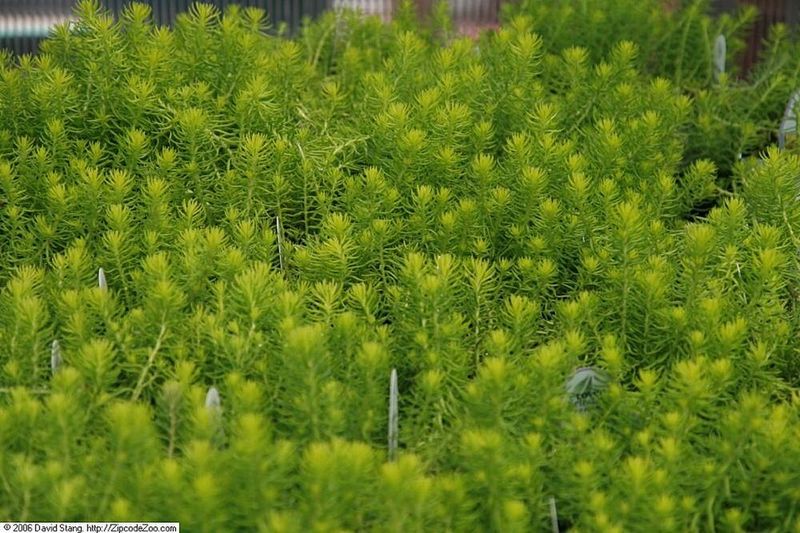
Hot reflected sun around driveways, mailboxes, and rock borders can be brutal, yet this sedum often looks completely unfazed. The succulent foliage holds moisture well, spreads into a bright mat, and keeps a lively color through summer heat.
If your soil is lean and fast draining, this type of ground cover can perform better than many traditional green options.
Georgia gardeners usually get the strongest results in full sun with sharp drainage. Rich, soggy soil is a bigger problem than drought, so do not pamper it too much.
Once rooted, it asks for very little water, which makes it useful in places where irrigation is limited or where a hose never quite reaches when the weather turns punishing.
The color can lean chartreuse rather than deep green, but it still reads as healthy, vivid coverage in the landscape. That lighter tone also contrasts nicely with darker shrubs, stone edging, and terracotta containers nearby.
If you need a low, heat proof plant for a site that bakes all afternoon and shrugs off neglect, this is one of the easiest choices to keep looking lively with minimal effort.
Creeping Juniper
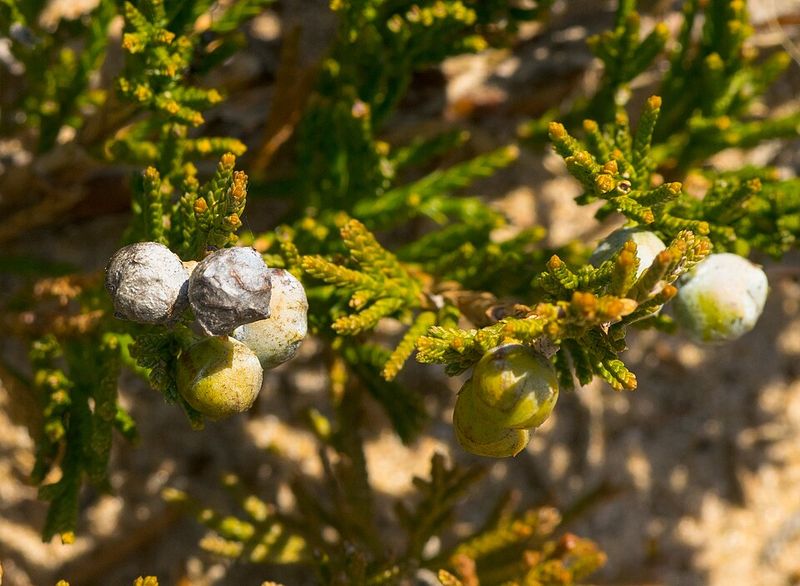
Slopes and exposed banks can dry out fast in Georgia, and many soft ground covers simply cannot cope. This evergreen conifer handles heat, sun, and lean soil with much more confidence, creating a dense mat that helps stabilize problem areas.
The blue green foliage also gives a different texture than broadleaf covers, which can make the whole bed feel more layered and intentional.
Full sun is the sweet spot, and drainage needs to be good from the beginning. Once established, it is impressively drought tolerant, so it suits sites that bake through summer and receive little extra care.
You will not get the rapid spread of some herbaceous covers, but what you gain is year round structure and reliable performance where conditions are genuinely rough.
Use it where you want coverage that stays tidy without frequent trimming, especially on banks, retaining wall edges, or open areas with gravelly soil. Give each plant enough room at planting time, since crowding can reduce airflow as it matures.
For a ground cover that stays green through heat, offers erosion control, and shrugs off the toughest sunny spots, this is one of the most durable choices available.
Moss Phlox
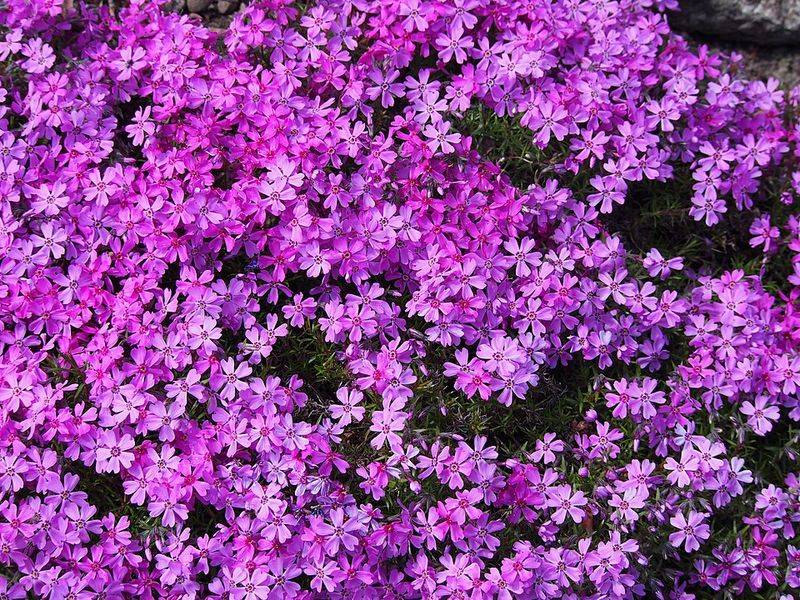
Spring flowers usually get all the attention, but the real value here is the low evergreen foliage that continues covering the ground after bloom season ends. In Georgia, it can stay attractively green through hot weather if the soil drains well and the site gets plenty of sun.
That combination makes it useful for edging, small slopes, and beds where you want a more delicate texture.
Heavy clay and constant dampness are the main things that cause trouble, so amending soil or planting on a slight rise helps a lot. Once established, it is more drought tolerant than its soft appearance suggests.
You may need occasional trimming after flowering to keep the patch neat and encourage denser growth rather than thin, woody sections in the center.
It looks especially good spilling lightly over stone walls or softening the front edge of a sunny border. Pair it with boulders, gravel, or other heat loving plants, and it tends to blend in naturally instead of looking forced.
If you want a ground cover that brings a burst of spring color and still holds its green presence during summer, this one can be a strong fit in the right dry, bright location.
Ajuga Reptans
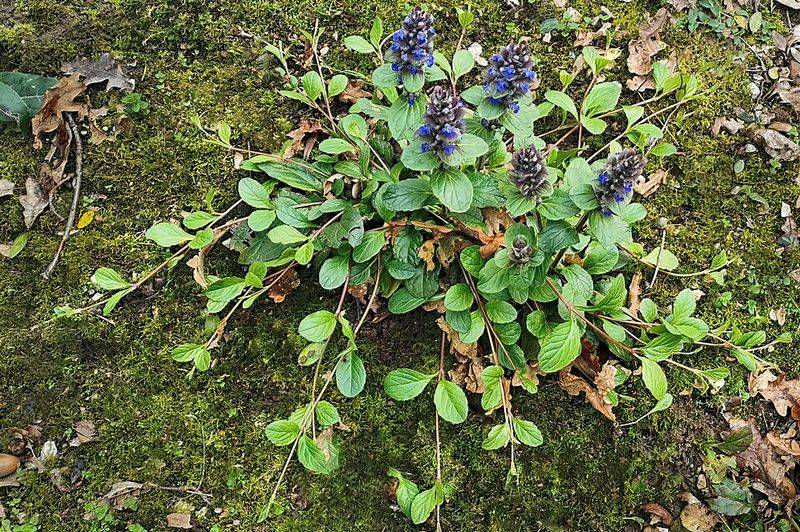
If you want a ground cover that brings color without giving up on green, Ajuga Reptans is worth a look. The low rosettes spread into a dense carpet, and the foliage usually keeps its looks when Georgia heat settles in.
It also fills gaps quickly, which helps a bed look settled sooner.
I like it best for spots with morning sun and afternoon relief, where it can stay lush without much fuss. Spring flower spikes are a bonus, but the real draw is that dependable leafy coverage.
Once established, it gives you an easy layer that softens borders and keeps the garden looking full.