
14 Orange Perennials That Bring Bold Tropical Energy To Florida Landscapes
Follow us on Google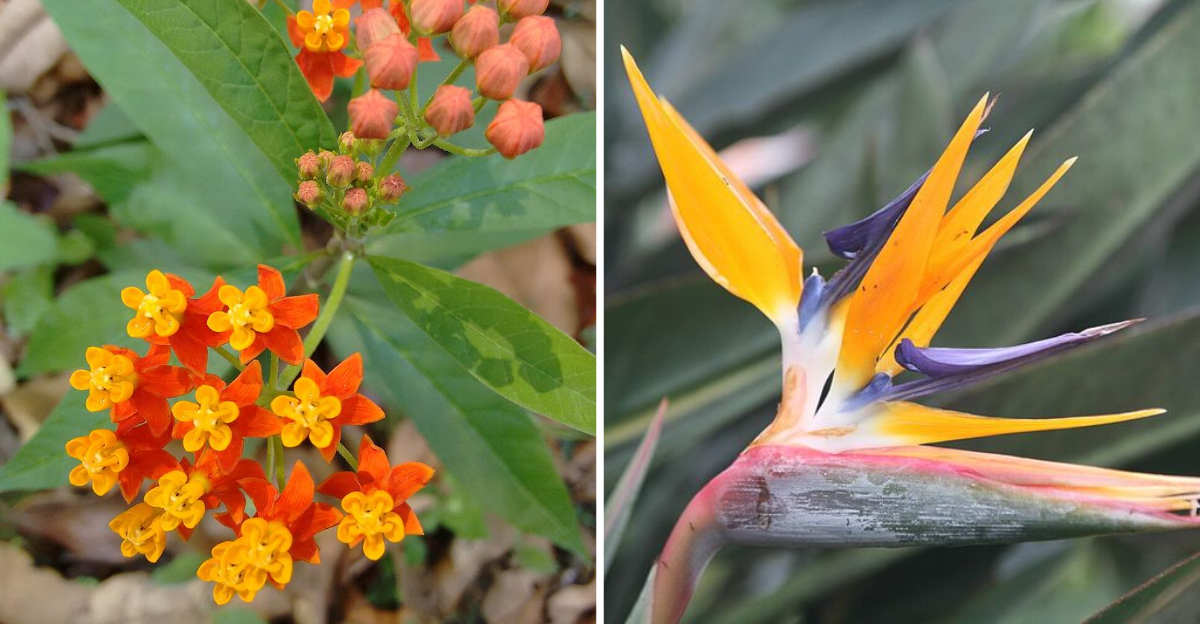
Orange flowers look right at home in Florida, where bright heat, heavy rain, and tropical textures already set the stage for dramatic color. The trick is choosing perennials that can handle the climate without turning your yard into a constant maintenance project.
These picks bring that sunny, high-impact energy while still being practical for real landscapes. If you want a garden that feels vibrant from the curb and easy to manage up close, start here.
Canna Lily
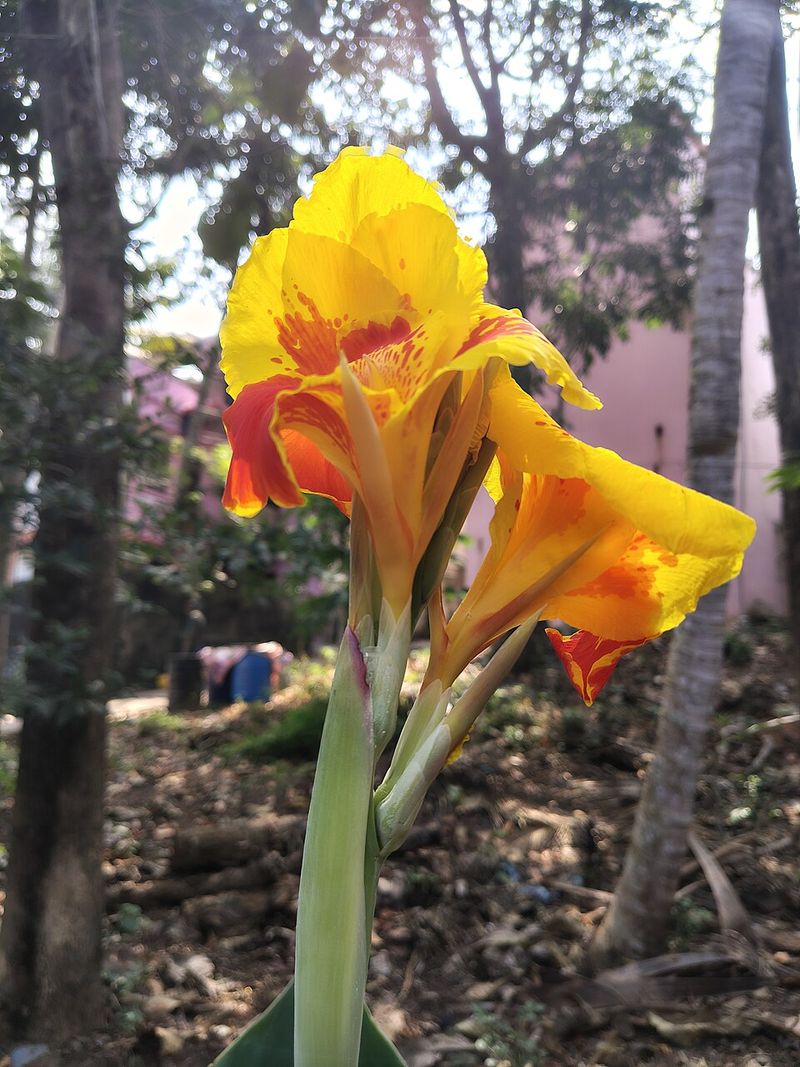
Big leaves and saturated orange blooms make this one of the easiest ways to give a Florida yard an instant tropical attitude. You get height, bold texture, and color that reads from the street, so it works especially well at the back of mixed borders or along fences that need softening.
In a landscape that already has palms, gingers, or elephant ears, the effect feels intentional rather than busy.
Full sun brings the strongest flowering, although plants appreciate consistent moisture during the hottest stretches of summer. Rich soil helps, but canna lilies are forgiving if you improve drainage and add compost before planting.
Removing spent flower stalks keeps the clump tidy and encourages the plant to push energy into fresh growth instead of tired seed heads.
Florida gardeners should also keep an eye out for canna leaf rollers, which can shred foliage fast in warm weather. If that happens, cutting damaged leaves and improving airflow usually helps the planting recover quickly.
Divide crowded rhizomes every couple of years, and you will keep the display vigorous, colorful, and surprisingly low stress for such a dramatic plant.
Firebush
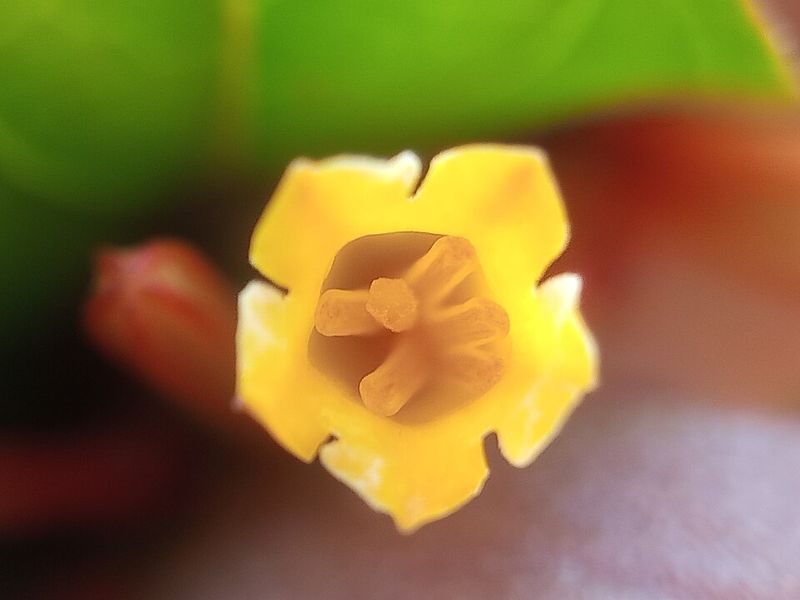
If you want a plant that seems built for Florida heat, this one deserves a prime spot. The orange flowers glow against fresh green foliage, and hummingbirds plus butterflies treat it like a regular stop all season.
It can read as relaxed and natural in a wildlife garden or crisp and intentional when clipped lightly near patios and walkways.
Sun is the secret to dense growth and the heaviest bloom set, though firebush can handle light shade without falling apart. Once established, it is impressively tolerant of heat and periodic dry spells, which makes it useful in landscapes that are not pampered every day.
Regular pruning in spring helps shape the plant and prevents it from becoming too lanky by late summer.
In frost-free parts of Florida, it behaves like a nearly nonstop performer, while farther north it may freeze back and return from the base. That rebound is often strong once temperatures settle, so do not rush to replace it after a cold snap.
Give it room, avoid soggy soil, and you will get a reliable orange anchor that keeps the garden lively with very little fuss.
Orange Bulbine
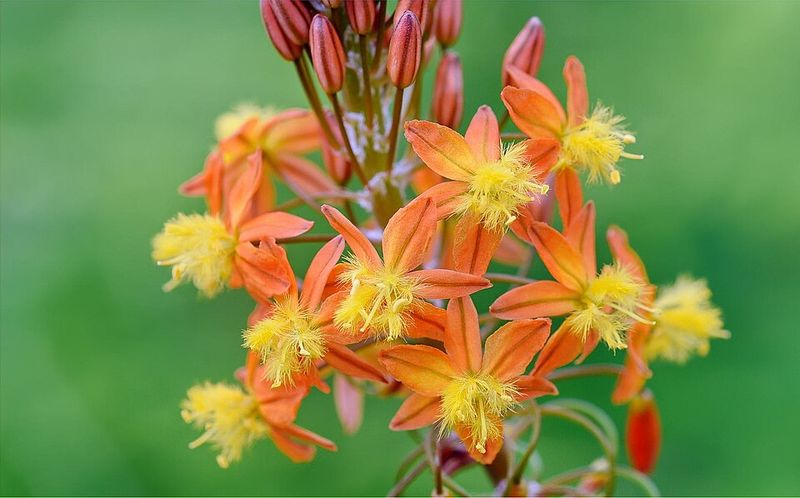
For a cleaner, lower-growing look, this succulent perennial brings orange flower spikes without demanding constant care. The strappy foliage stays neat, and the airy blooms rise above it in a way that softens rock gardens, edging beds, and dry side yards.
It is especially useful when you want color near driveways or hot reflected spaces where fussier plants struggle.
Good drainage matters more than rich soil, so sandy Florida sites often suit it beautifully. Full sun keeps stems sturdy and bloom production high, although some afternoon relief can help in inland locations with intense summer exposure.
A light trim removes tired flower stalks and keeps the clump looking fresh instead of sparse.
Because bulbine stores water in its foliage, it handles periods of drought better than many flowering perennials. That resilience makes it a smart choice for gardeners who want tropical color but not tropical-level maintenance.
Pair it with agave, blue daze, or dwarf grasses, and you get a balanced planting that feels bright, modern, and perfectly adapted to Florida’s long warm season.
Butterfly Weed
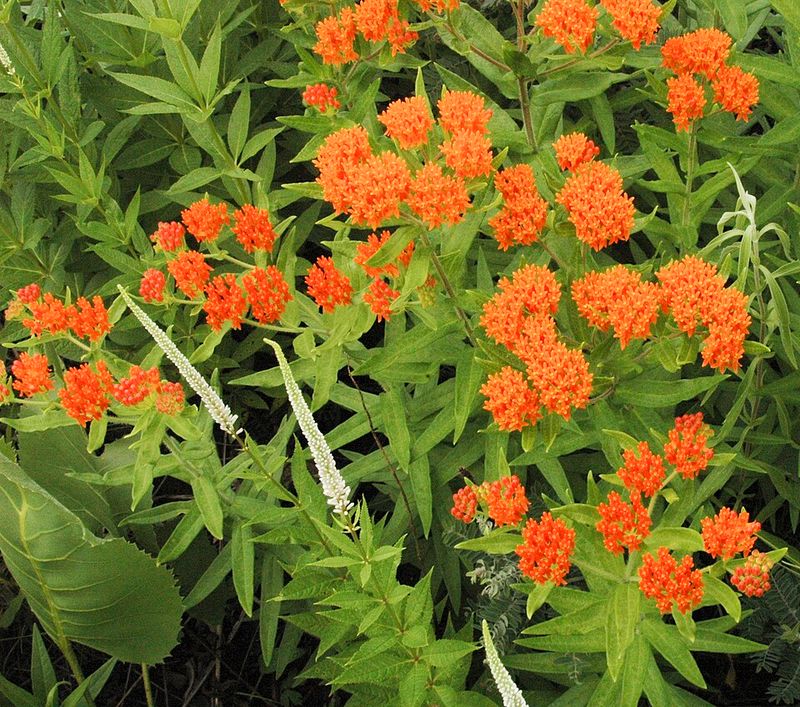
Few orange flowers feel as cheerful and purposeful in a Florida garden as this pollinator favorite. The upright stems carry glowing flower clusters that attract butterflies constantly, and the color looks especially sharp mixed with blue salvia or yellow coreopsis.
In a smaller yard, it gives you strong seasonal impact without swallowing the whole bed.
Sandy, well-drained soil suits butterfly weed far better than heavy, wet conditions, so choose the planting site carefully. Full sun is nonnegotiable if you want sturdy stems and a good flower show, and overwatering usually causes more trouble than underwatering.
Once rooted, it prefers to be left mostly alone rather than fussed over every week.
A deep taproot means transplanting mature plants can be frustrating, so place it thoughtfully from the start. Cutting spent blooms can extend flowering, though many gardeners leave some seed pods for interest and natural reseeding.
If you want a perennial that supports monarchs, handles Florida heat, and brings true orange intensity without looking overly manicured, this one earns its place every single year.
Lion’s Tail
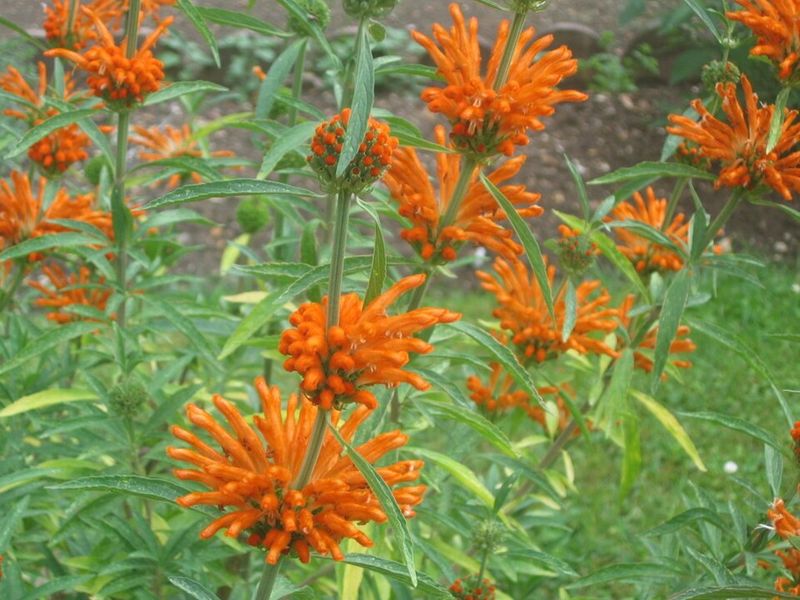
Tall stems stacked with fuzzy orange flower whorls give this perennial a look that always starts conversations. It adds vertical movement without becoming stiff, and the color reads warm and spicy against silver foliage, palms, or dark green hedges.
If your planting bed feels flat, this is the kind of plant that immediately changes the silhouette.
Florida gardeners get the best display by planting lion’s tail in full sun with decent drainage. It tolerates sandy soil and dry periods once established, so it fits well in lower-maintenance beds that still need a tropical edge.
A hard trim in late winter or early spring encourages fuller growth and keeps older stems from looking woody and tired.
Hummingbirds love the tubular flowers, which gives the garden even more motion when blooming peaks. In central and south Florida, it can act almost shrub-like, while cooler areas may treat it as a cut-back perennial after frost.
Give it breathing room, avoid constantly wet spots, and you will have a dramatic orange performer that carries your landscape from merely colorful to genuinely memorable.
Crossandra
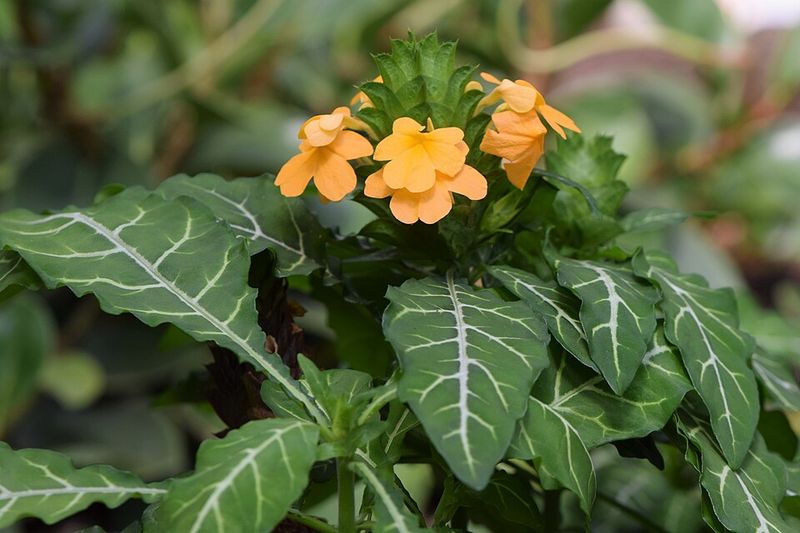
Shady Florida gardens often miss out on strong warm colors, which is why this plant feels so useful. Its soft orange flowers sit above glossy foliage and brighten porches, courtyard beds, and filtered-light borders where many sun lovers would fail.
The overall look is polished and tropical without becoming oversized or hard to manage.
Morning sun with afternoon shade usually gives crossandra the happiest balance, especially in hotter inland gardens. It likes moisture and humidity, but drainage still matters, so work in organic matter and avoid letting roots sit in swampy soil.
Regular feeding during the growing season keeps flowering steady and the foliage rich rather than pale.
Because it stays fairly compact, this perennial works beautifully in containers near entries where the flower color can be appreciated up close. Pinching lightly helps maintain a fuller shape, and removing old blooms keeps it looking fresh through long stretches of warm weather.
For gardeners who want orange without relying only on blazing full-sun plants, this is one of the smartest and most dependable Florida choices.
Blanket Flower
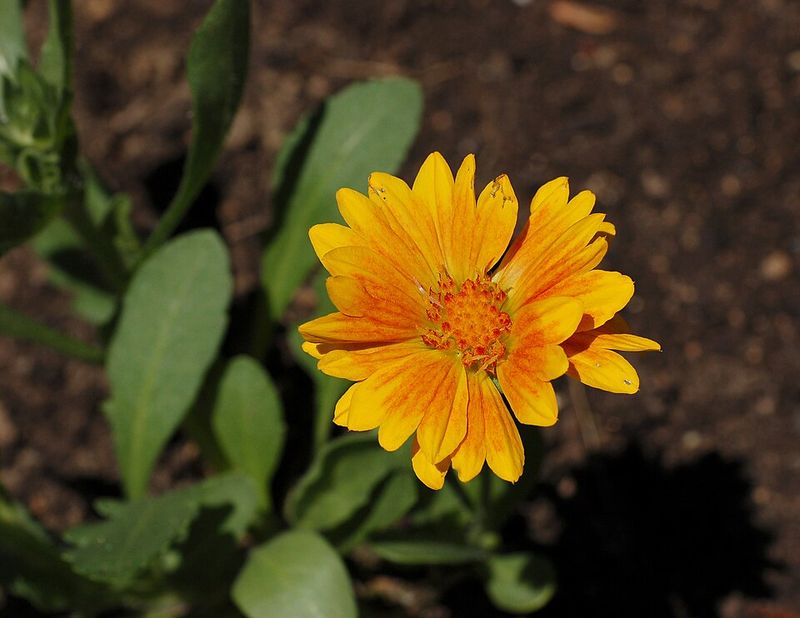
Bright orange petals with a warm, sunbaked feel make this perennial a natural fit for Florida’s lighter, sandier landscapes. It brings a looser, cheerful style that works in cottage gardens, pollinator beds, and coastal plantings where overly tropical species can look out of place.
The flowers also hold their own visually against gravel, shell paths, and native grasses.
Full sun and fast drainage are what keep blanket flower productive rather than short-lived. Too much fertilizer usually leads to floppy growth, so lean conditions often produce the strongest plants and the best flower show.
Deadheading helps extend blooming, though many gardeners leave a few seed heads for birds and a more relaxed appearance.
Humidity can shorten the lifespan of some varieties, so think of this perennial as a colorful workhorse that may need refreshing after a few seasons. Even so, its long bloom period and tolerance for heat make it a very worthwhile addition to Florida gardens.
If you need reliable orange near sidewalks, mailboxes, or open sunny borders, this plant gives you vivid color without asking for complicated care.
Cape Honeysuckle
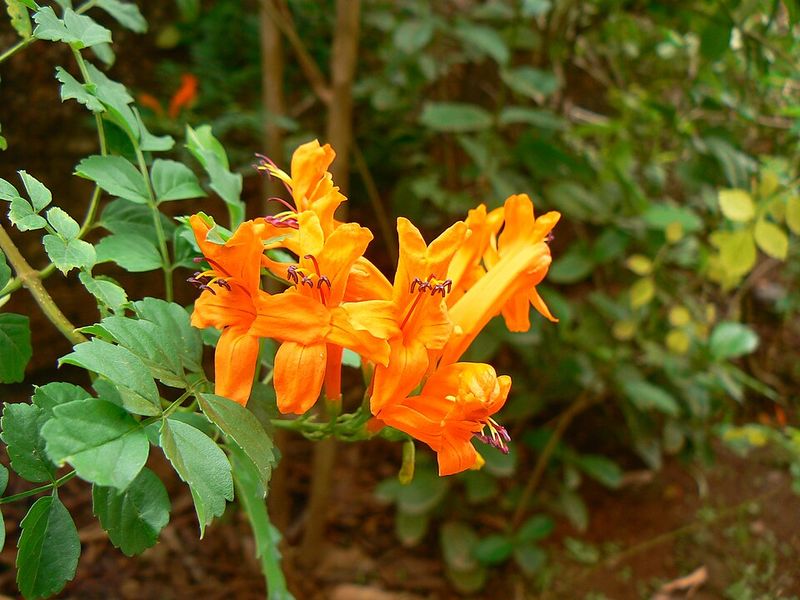
When a wall, fence, or mailbox area needs energy, this flowering vine-like shrub steps in fast. Clusters of orange tubular blooms create a vivid tropical feel, and the arching habit can be trained neatly or allowed to sprawl with a softer look.
It is one of those plants that makes a new landscape seem established much sooner than expected.
In Florida, full sun produces the heaviest flowering, though light shade is usually tolerated. Regular trimming is important because cape honeysuckle grows enthusiastically and can look unruly if ignored for too long.
The good news is that it responds well to shaping, so you can keep it formal near an entry or looser in a wildlife-friendly corner.
Hummingbirds are frequent visitors, which adds another layer of appeal beyond the orange flowers themselves. Use it on a sturdy support, as an informal hedge, or even cascading over a retaining edge for a more relaxed effect.
If you want that tropical color rush without waiting years for impact, this perennial shrub offers speed, flexibility, and enough flower power to carry an entire section of the yard.
Clivia
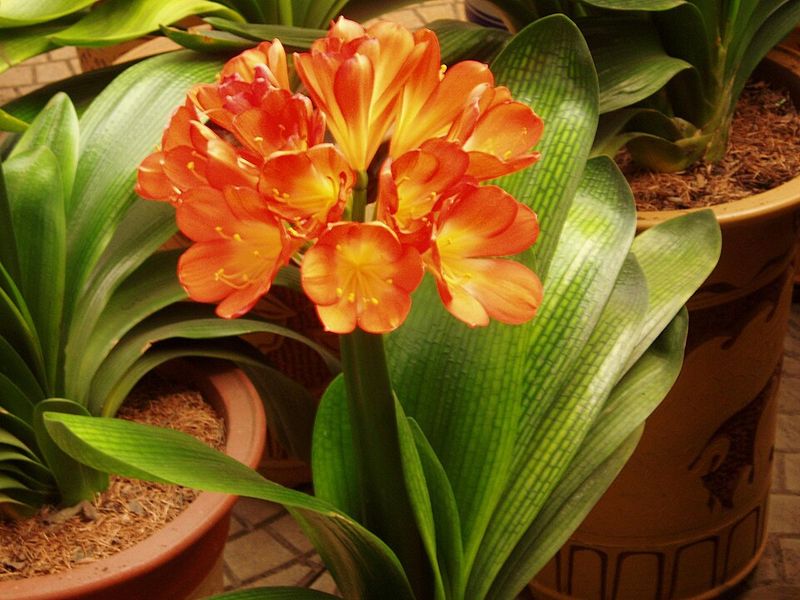
Deep shade can be tricky when you still want strong flower color, and that is where this classic plant really shines. Dense strappy leaves form tidy clumps, while rounded clusters of orange trumpet flowers rise above the foliage with a refined, almost architectural presence.
Near foundations, under trees, or in shaded courtyards, it feels elegant instead of fussy.
Clivia prefers rich, well-drained soil and does best where it gets bright shade rather than dark, stagnant conditions. Too much direct afternoon sun can scorch leaves, especially in hotter parts of Florida, so placement matters.
Once established, it appreciates regular moisture but generally resents being overwatered or constantly disturbed.
One reason gardeners grow attached to it is the way it slowly expands into handsome colonies over time. That gradual spread makes it perfect for creating a consistent planting under oaks or along shaded walkways without constant reworking.
If your landscape needs orange flowers in places where tropical sun lovers simply cannot perform, this perennial gives you dependable beauty, evergreen structure, and a calm, polished look year after year.
Orange Daylily
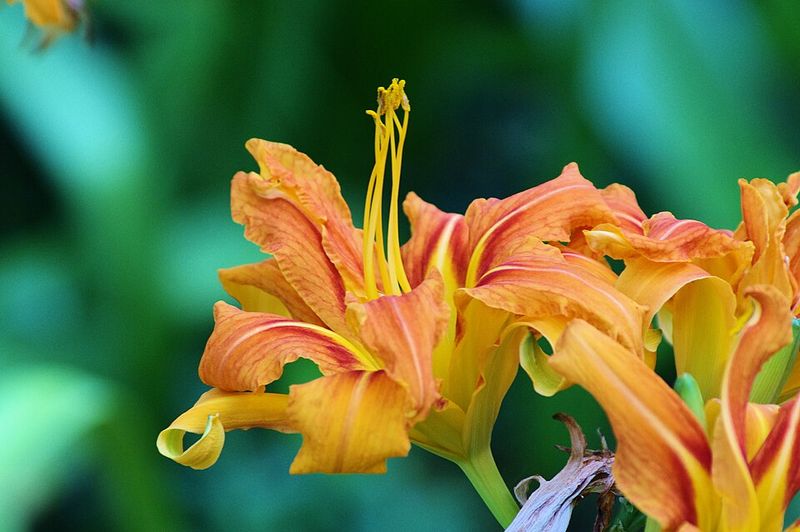
Not every Florida garden calls for oversized tropical foliage, and this perennial proves that bold orange can still look tailored. The flowers rise cleanly above grassy leaves, adding a strong seasonal accent that fits suburban beds, mailbox plantings, and more traditional front yards.
When grouped in drifts, the effect is bright and organized rather than scattered.
Choose modern cultivars that handle heat well, because not every daylily thrives equally in Florida humidity. A site with full sun and decent drainage gives the best bloom set, while regular watering helps during establishment and prolonged dry spells.
Removing spent flower stalks keeps clumps neat and encourages the bed to look maintained instead of tired.
North and central Florida gardeners often see the strongest performance, but heat-tolerant selections can still work farther south with good placement. Dividing crowded clumps every few years restores vigor and gives you extra plants for repeating that orange note around the yard.
If you want a perennial that bridges tropical color and classic garden structure, orange daylilies are a practical, familiar, and surprisingly effective choice.
Orange Bird of Paradise
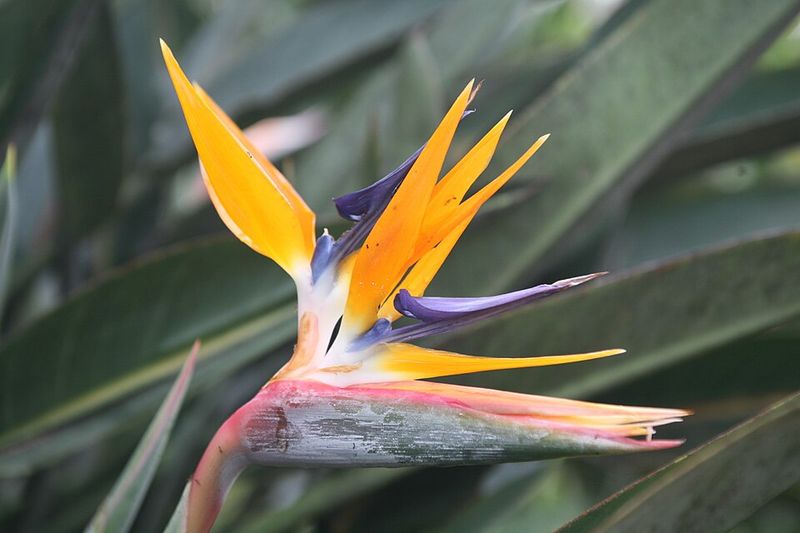
Nothing says tropical drama quite like the unmistakable orange and blue flowers of this bold perennial favorite. The paddle-shaped leaves create instant vacation energy, and the blooms look spectacular near pools, patios, and modern entries where their sculptural form can be appreciated.
In the right spot, it becomes a focal point without needing a complicated supporting cast.
Strong sun and rich, well-drained soil bring the best growth, especially in warm parts of Florida where plants can size up quickly. Regular water helps young plants establish, but mature clumps become fairly resilient once roots settle in.
Feeding during the active growing season encourages stronger foliage and more frequent flowering, which matters if you want that signature exotic display.
Space is important because this plant is not shy once happy, and crowded placement usually leads to a messy look. Damaged leaves can be removed at the base to keep clumps clean, especially after storms or winter wear.
For homeowners who want a perennial that feels unapologetically tropical and keeps orange front and center, few plants deliver such a recognizable and high-impact statement.
Orange Lantana
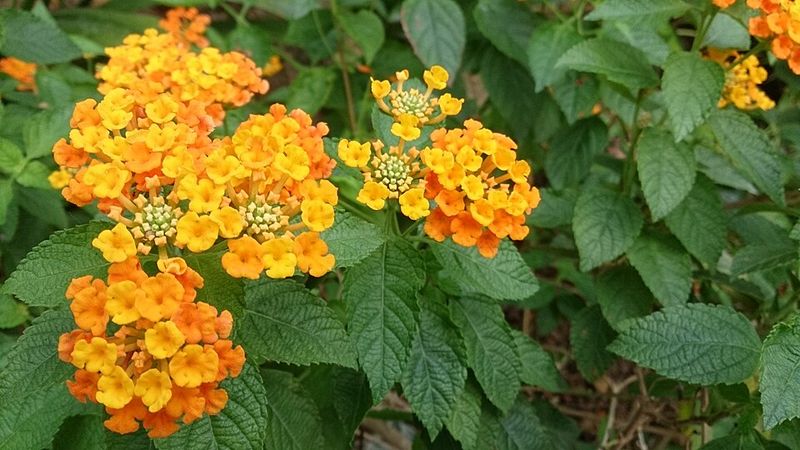
For nonstop color in punishing sun, this perennial is one of the easiest wins you can plant. The orange flower clusters stay bright even in the heat, and butterflies show up so often that the bed feels active all day.
It works in casual borders, parking strips, and large containers where you want reliable impact without a lot of maintenance.
Florida conditions usually suit lantana perfectly as long as drainage is decent and the site gets plenty of sun. Once established, it handles dry weather well, which makes it useful for gardeners trying to reduce irrigation without settling for dull planting choices.
Light shearing every so often keeps plants fuller and prevents the woody, stretched look that older stems can develop.
Choose sterile or well-behaved varieties when possible, since some forms can spread too aggressively in certain areas. That small decision gives you all the flower power without creating extra cleanup or future headaches.
If your goal is a hot, welcoming color palette that still performs during Florida’s toughest months, orange lantana offers a cheerful, hardworking answer that rarely disappoints.
Tropical Milkweed
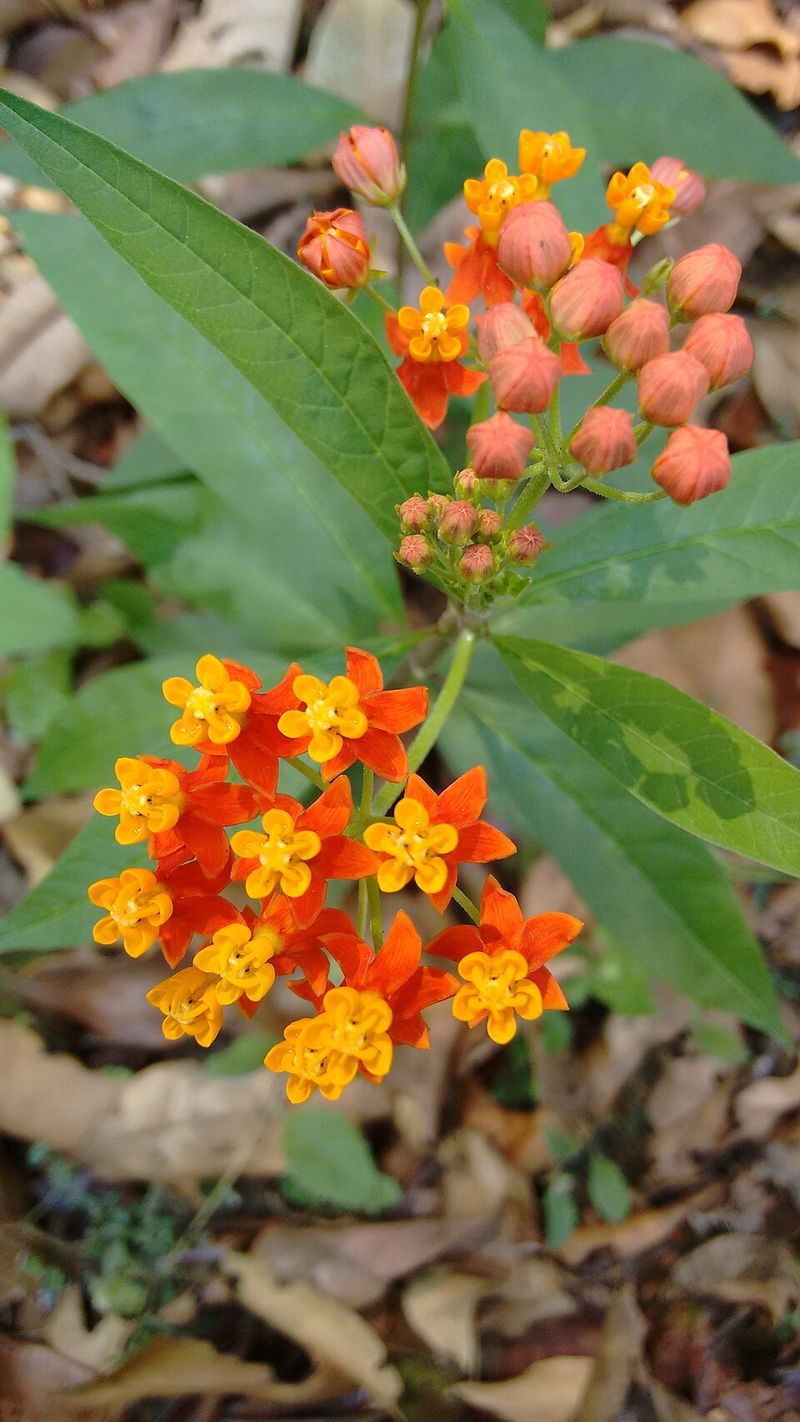
Bright orange flower clusters and constant butterfly activity make this plant hard to ignore in a Florida yard. It has a more upright, airy presence than many bedding plants, so it fits well among salvias, pentas, and smaller ornamental grasses.
If you enjoy watching monarchs up close, placing it near a patio or front walk makes the experience even better.
Full sun keeps stems sturdy and flowering strong, while regular moisture helps it stay productive in intense summer heat. It grows quickly and responds well to occasional trimming, which is useful if you want a bushier shape rather than a lanky outline.
In frost-free areas it can persist, but many gardeners still manage it actively for health and appearance.
Because tropical milkweed is linked to monarch concerns in warm climates, seasonal cutting is especially important in Florida. Trimming plants back and avoiding year-round neglected growth helps reduce disease issues and keeps the patch cleaner overall.
For gardeners willing to maintain it thoughtfully, this perennial offers vivid orange color, excellent pollinator value, and a lively presence that makes the whole landscape feel more animated.
Red Hot Poker
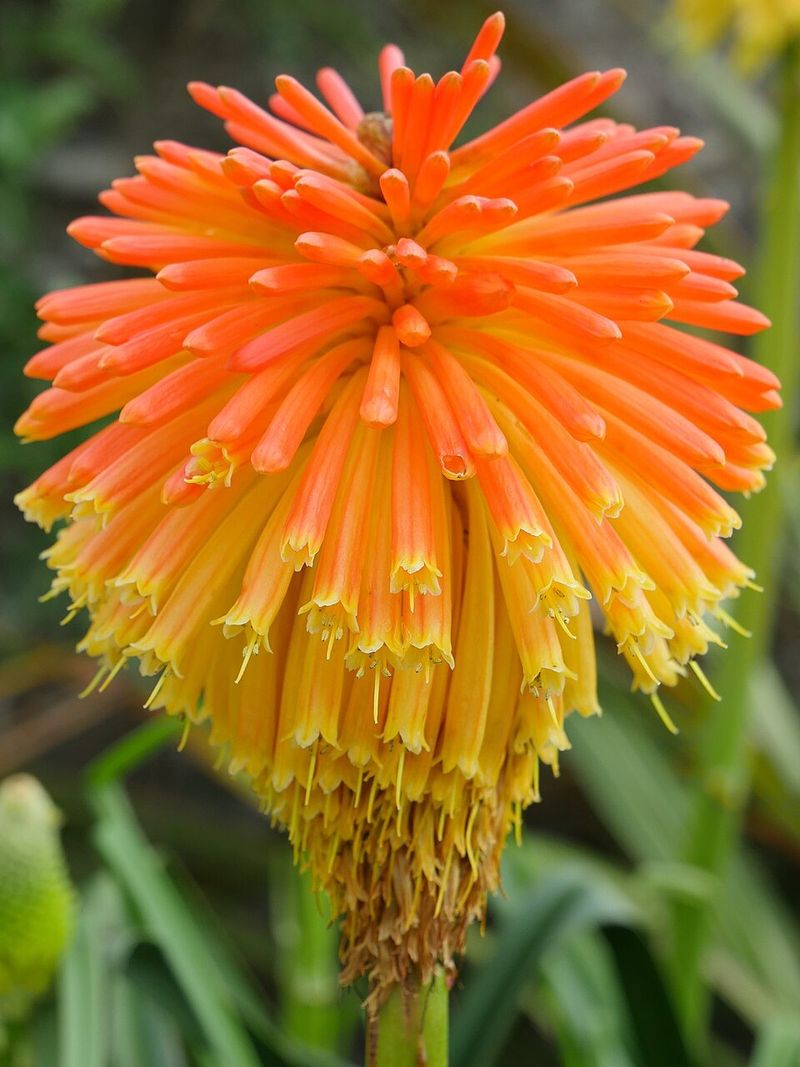
Few flowers bring vertical punch quite like the torch-like spikes of this striking perennial. The orange blooms stand above narrow foliage and create an instant accent that looks especially strong against boulders, gravel mulch, or broad-leaved tropical plants.
In a mixed border, it gives you that valuable upright shape that keeps the planting from feeling too uniform.
Drainage is the make-or-break factor in Florida, because red hot poker dislikes staying wet around the crown. Plant it in a raised bed or sandy area with full sun, and avoid smothering the base with heavy mulch that traps moisture.
Once established, it is fairly drought tolerant and asks for much less attention than its dramatic flowers might suggest.
Not every variety handles Florida humidity equally well, so selecting heat-tolerant cultivars improves your odds considerably. Removing spent flower stalks tidies the clump and can encourage additional bloom cycles when conditions stay favorable.
If you want a perennial that contributes clear structure, vivid orange color, and a slightly unexpected look in the landscape, this one can be a standout when its site is chosen carefully.