
13 Multicolor Perennials That Keep North Carolina Gardens Visually Rich
Follow us on Google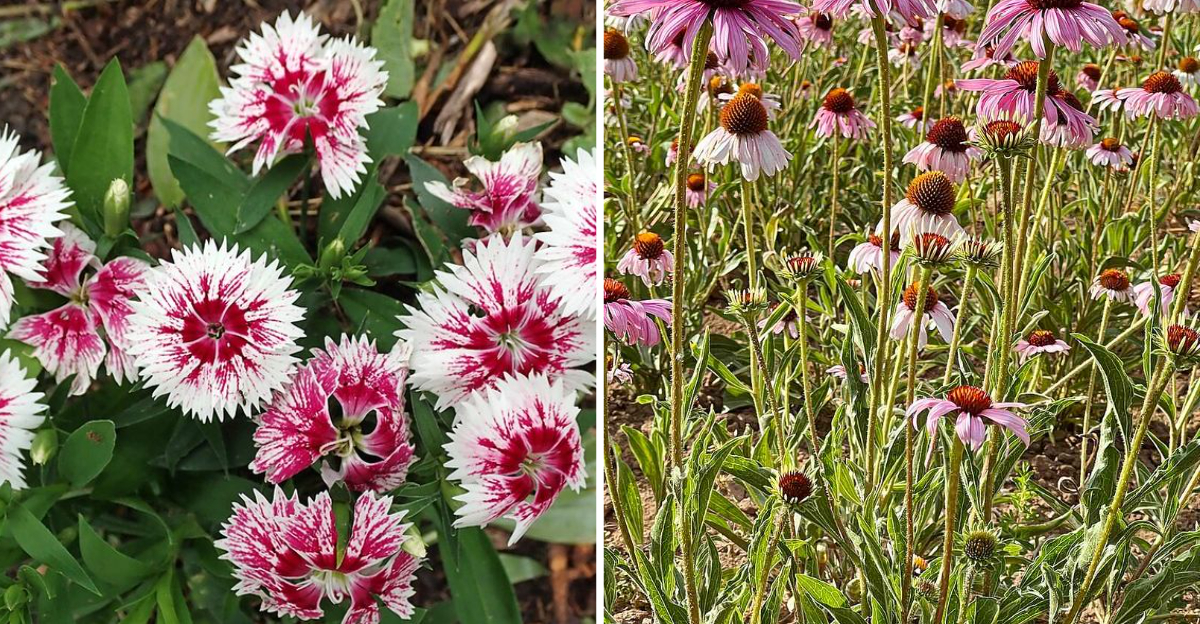
North Carolina gardens can look colorful for months if you choose perennials that offer more than a single note. I like plants that carry shifting shades, painted petals, or foliage that keeps the border interesting even between bloom cycles.
The list below focuses on dependable performers that handle the state’s mixed conditions, from humid Piedmont summers to mountain cool spells and coastal heat. If you want a garden that feels layered, lively, and never flat, these picks earn their space.
Daylily
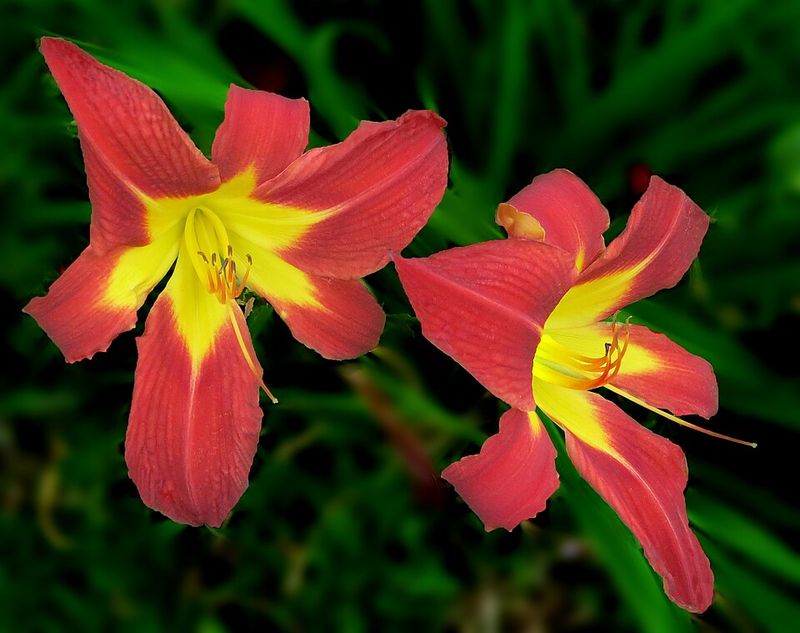
Color variety is where this dependable perennial really shines, because blooms come in gold, apricot, burgundy, peach, rose, and dramatic two-tone combinations. Even though each flower lasts briefly, the succession of buds keeps the clump looking active for weeks.
That constant turnover gives your garden a sense of motion.
North Carolina gardeners appreciate how adaptable these plants are across mountain, Piedmont, and coastal settings. They tolerate clay better than many perennials, though richer, loosened soil improves flowering and helps roots expand faster.
In the hottest sites, consistent moisture produces cleaner foliage and more generous rebloom on newer cultivars.
Because leaves arch outward, clumps soften hard edges along driveways, mailboxes, and foundation beds without feeling stiff. I like using bicolors near evergreens, where the petals stand out and the green backdrop sharpens every stripe and eye zone.
Shorter selections also work well along paths where you see flower details up close.
After the first heavy flush, remove old scapes and any yellowing leaves so the planting stays tidy rather than tired. Dividing every few years restores vigor and gives you extras for other beds.
If you want rich summer color with very little drama, few perennials match this level of usefulness.
Garden Phlox
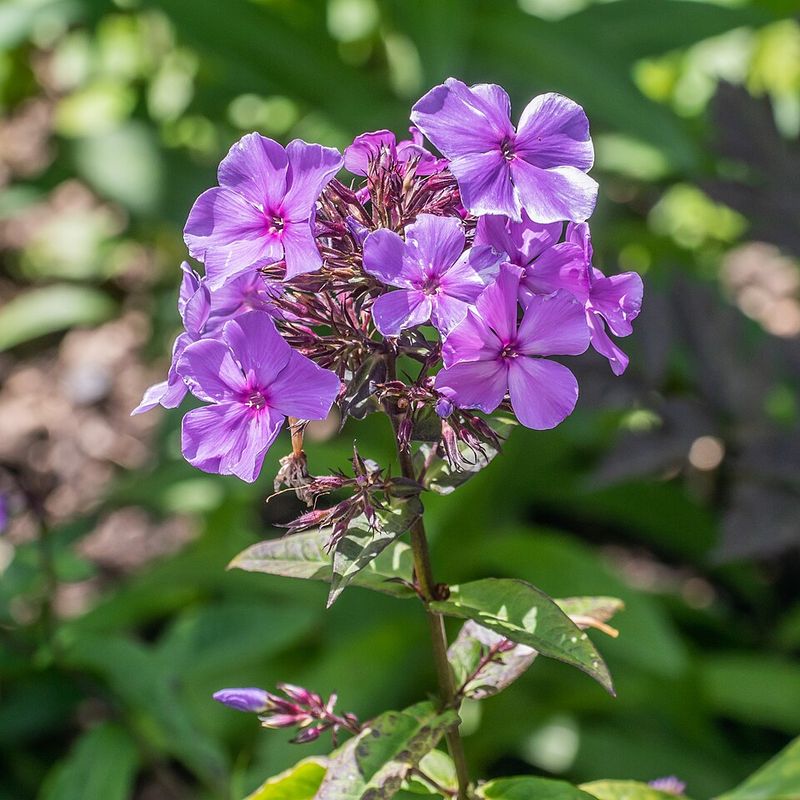
Tall flower clusters bring serious impact in midsummer, especially when you choose cultivars in pink, white, lavender, cherry red, and eye-catching bicolor forms. The bloom heads read clearly from across the yard, which makes them useful for deep borders that need a bright middle or back layer.
Their fragrance is another welcome bonus near seating areas.
Humidity in North Carolina can challenge older phlox varieties, so mildew-resistant selections are worth seeking out from the start. Full sun with decent air circulation keeps foliage in better shape, and morning watering helps leaves dry quickly after rain or irrigation.
Rich soil and regular moisture reward you with stronger stems and longer bloom.
Butterflies and hummingbirds seem to know exactly when the flowers are ready, which adds movement when summer heat makes some beds feel sleepy. I like pairing white and magenta forms together, then repeating the same colors elsewhere to make the whole garden feel connected.
That trick works especially well in cottage-style layouts.
Cutting back a few stems in late spring can stagger flowering and reduce flopping, which is helpful after heavy thunderstorms. Deadheading also tidies the plant and can encourage a lighter second round.
For gardeners who want height, color depth, and an old-fashioned look that still performs, this choice stays relevant.
Coneflower
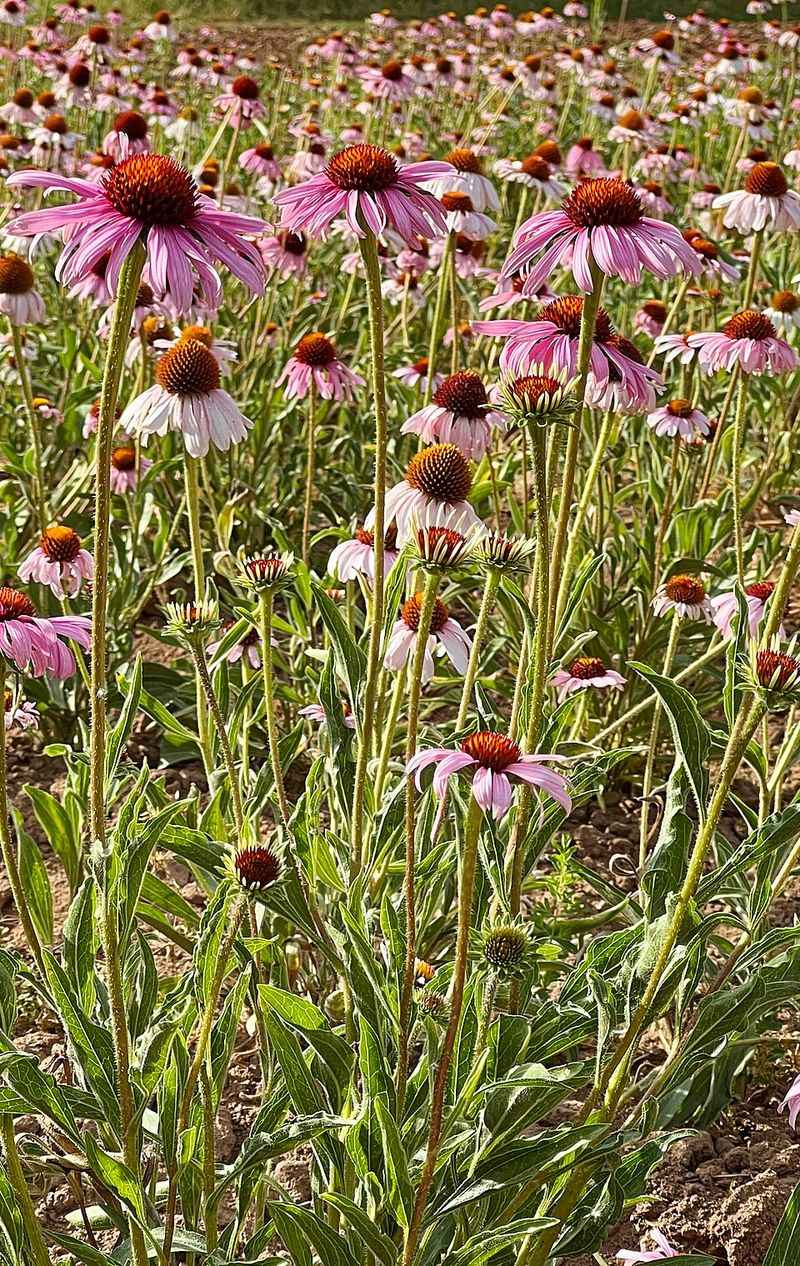
Few perennials work harder through a North Carolina summer than this colorful favorite. You get daisy-like flowers in saturated pink, coral, orange, yellow, and creamy white, so a single planting can look carefully mixed without demanding much fuss.
That kind of range helps borders feel full instead of repetitive.
Heat and humidity rarely bother established plants, especially when soil drains well and the bed gets at least six hours of sun. In the Piedmont, I would give them airflow and avoid heavy overhead watering, because crowded stems can invite mildew during sticky weather.
A light mulch keeps roots cooler without trapping too much moisture.
Long stems make them useful beyond the garden too, since fresh bouquets look casual and cheerful on a kitchen table. Pollinators stay busy around the raised centers, and birds often visit later for seeds if you leave a few spent heads standing.
That means color shifts into texture as the season moves along.
For the richest look, group three to seven plants and mix flower colors near blue salvias or dark heucheras. Deadheading extends bloom, but leaving some late flowers adds structure and wildlife value.
If you want a bed that stays lively without constant replacement, this one earns its keep.
Bearded Iris
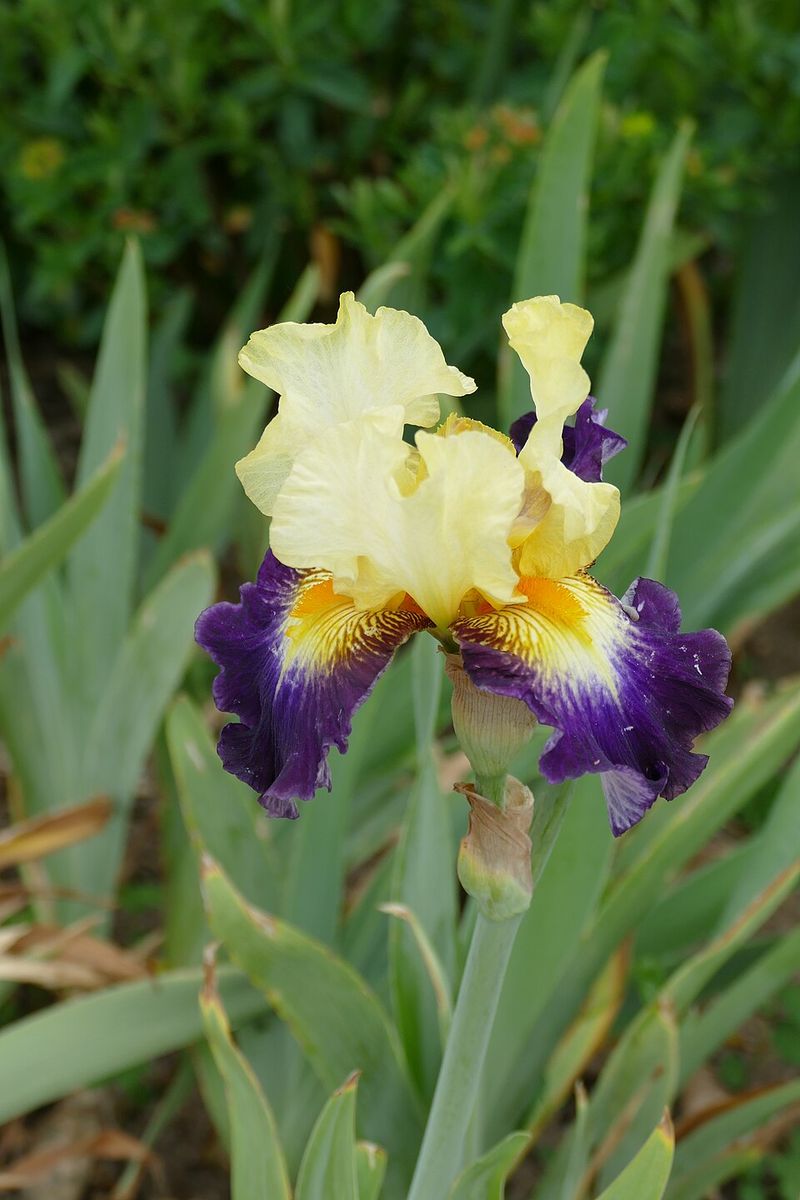
Ruffled flowers in jewel tones make spring borders feel more refined without becoming fussy. Standards and falls come painted in violet, copper, yellow, blue, cream, and dramatic blends, so even a small collection creates visual depth.
The upright foliage also gives structure long after bloom fades.
Drainage matters more than pampering with these rhizomatous perennials, especially in areas that hold winter moisture. In North Carolina clay, I would plant on a slight rise or amend the bed so rhizomes are not buried in soggy ground.
Too much shade reduces flowering, so aim for a bright spot with open sun.
Because bloom season is relatively brief, placement is worth thinking through before you plant. Situating them among later-emerging perennials lets the swordlike leaves remain useful while neighboring plants take over the color show.
Peach and purple combinations look especially striking against fresh spring greens and nearby catmint.
After flowering, remove spent stalks but leave healthy leaves in place so plants can store energy for next year. Dividing every few years prevents overcrowding and usually brings better bloom performance.
If you want a perennial that reads as classic yet still delivers surprising color combinations, this one deserves attention.
Coral Bells
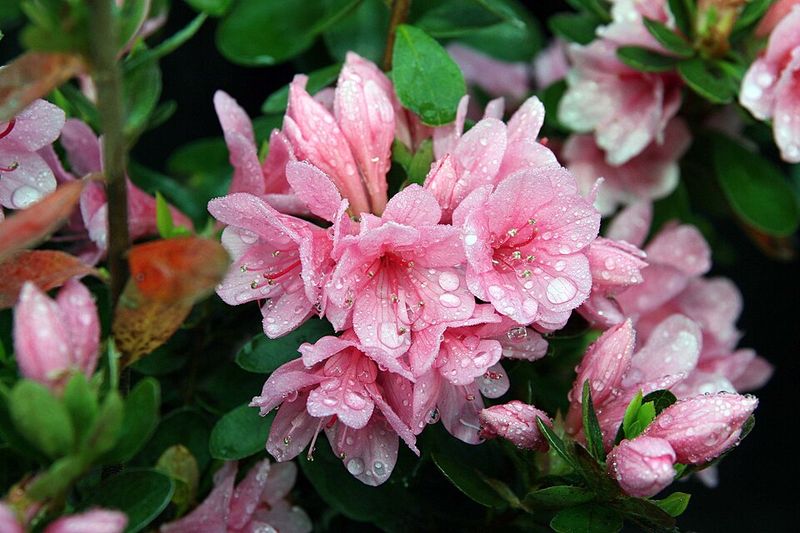
Foliage can carry just as much visual weight as flowers, and this perennial proves it beautifully. Leaves show up in plum, caramel, silver, lime, rose, and nearly black tones, often with veining or metallic overlays that change with the light.
That range keeps containers and borders interesting every single day.
North Carolina gardeners can use them in morning sun or bright shade, depending on the cultivar and local heat. In the mountains they often accept more light, while Piedmont and coastal gardens usually get better leaf color with afternoon protection.
Good drainage is essential, because crowns dislike sitting wet through winter.
Airy flower wands float above the mounds, but the real power comes from combining leaf shades with neighboring blooms. I like dark heucheras near chartreuse hostas or threading amber varieties through ferns and hellebores for a woodland border that never feels flat.
Their compact size also makes spacing easy to adjust.
Remove tired leaves in late winter so fresh growth appears clean rather than crowded. Mulch lightly, but keep it away from the crown to avoid rot during damp periods.
If you want long-lasting color that does not depend on one bloom season, few perennials work this hard in partial shade.
Columbine
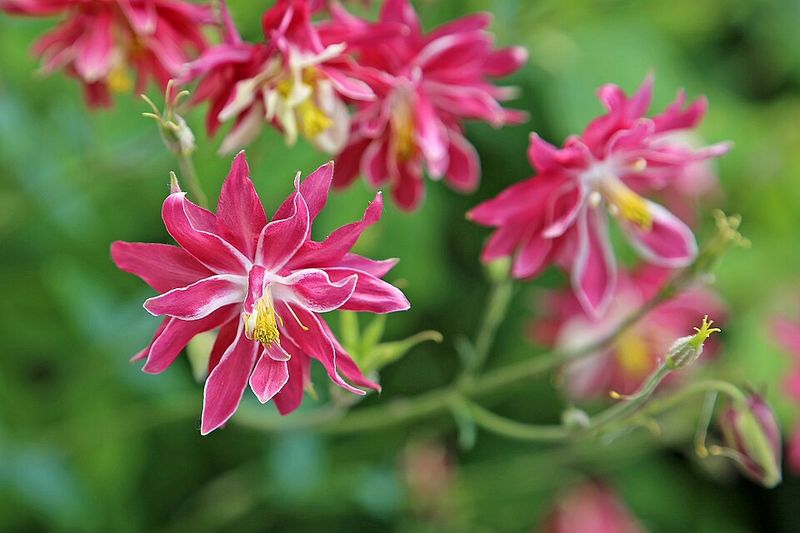
Spring gardens gain an airy, delicate layer when these nodding flowers start dancing above soft foliage. Blooms appear in red and yellow, blue and white, purple, pink, and other painterly combinations that look almost hand-dipped.
Their shape adds a different texture than the usual daisy or spike forms.
Partial shade suits them well in much of North Carolina, especially where afternoons turn hot early in the season. They appreciate soil that drains but does not dry out completely, and a woodland edge often gives them the balance they need.
In the mountains, they may last longer into summer than they do farther east.
Hummingbirds notice the spurred flowers quickly, making the garden feel active during a season when beds are still filling in. I like tucking them near ferns, heucheras, or late-emerging hostas so fading foliage gets disguised naturally.
That makes the planting feel intentional rather than patchy after bloom.
Allow a few seedlings if you enjoy a relaxed garden style, since colors can mingle in fun and sometimes surprising ways. If you prefer control, deadhead before seed set and divide attention toward companion plants that rise afterward.
For light spring color with personality, this perennial gives more than its gentle look suggests.
Yarrow
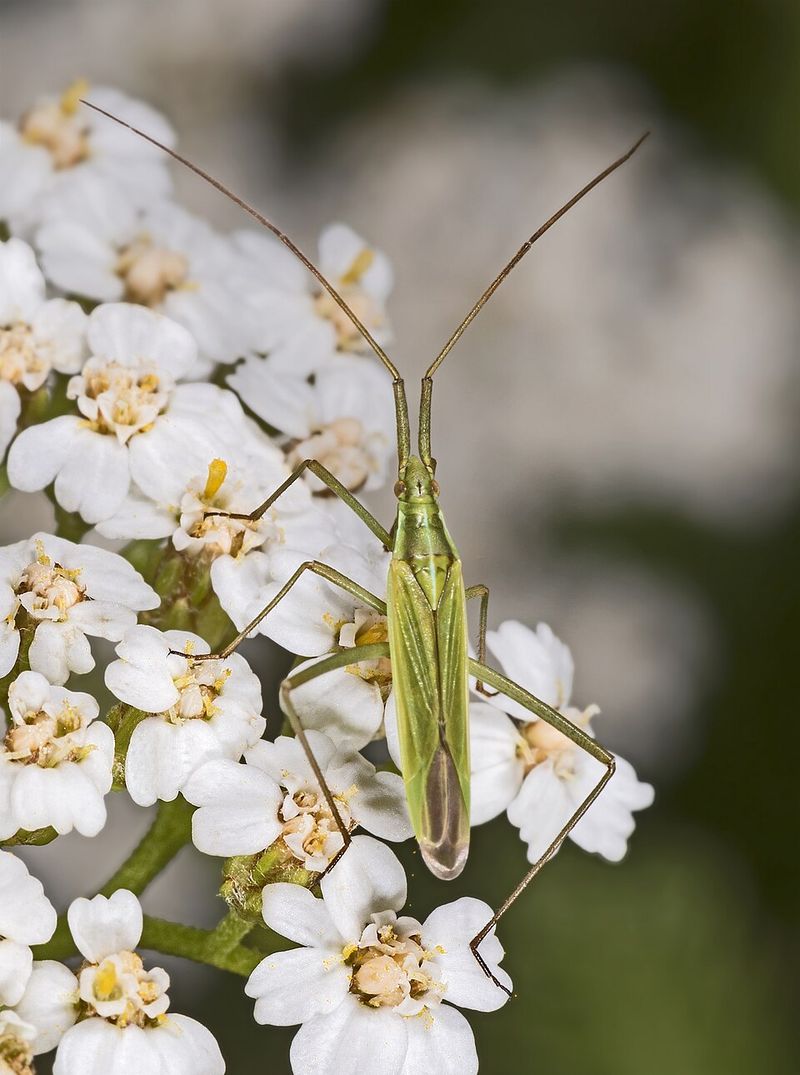
Flat flower clusters create a broad, painted effect that reads beautifully in sunny borders. Modern varieties come in yellow, apricot, terracotta, rose, red, and soft white, often aging through several tones as blooms mature.
That color shift gives each planting a more layered look than a single label suggests.
Heat tolerance makes this perennial especially useful in North Carolina’s brighter, drier spots where fussier flowers struggle. It prefers well-drained soil and actually performs better without rich feeding, which can lead to floppy growth.
In heavy clay, adding grit or planting on a slope helps roots stay happier.
Fine, ferny foliage contrasts nicely with broader leaves from daylilies, salvias, or black-eyed Susans nearby. I like using warm shades together in a hot border, then cooling the palette with a few white forms to keep everything from feeling too intense.
Pollinators appreciate the landing-pad flowers all season.
Deadheading keeps plants neater and may encourage more bloom, though some gardeners leave the fading heads for texture. Cutting the whole clump back after the main flush can refresh the foliage and prompt a tidy rebound.
If your garden needs color that does not wilt under summer pressure, this one is a smart addition.
Tickseed
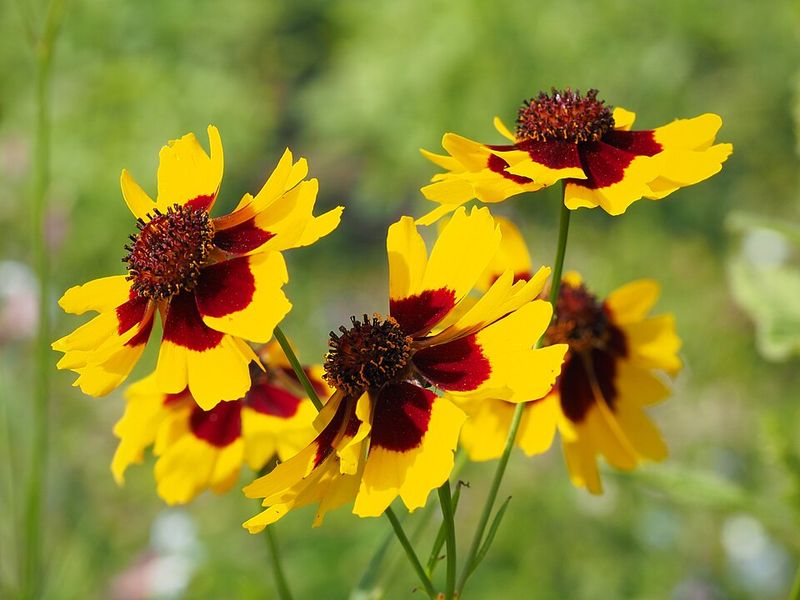
Cheerful flowers with surprising color variation make this native-friendly perennial an easy win. You can find selections in bright yellow, wine red, orange, pink, and bicolor patterns that look lively without appearing chaotic.
Because the blooms are plentiful, even a modest planting creates a generous visual effect.
North Carolina conditions suit many coreopsis types extremely well, especially in full sun with average to well-drained soil. They handle heat better than people expect, and established plants can come through dry spells with less complaint than thirstier border flowers.
Good drainage remains the main requirement in winter.
The airy habit makes them useful for softening more upright plants, and the color range blends smoothly with ornamental grasses and salvias. I like scattering several clumps through a border rather than massing one huge block, because repeating the flower color carries the eye naturally.
That trick keeps the planting energetic yet organized.
Deadheading improves appearance and can extend bloom, though newer cultivars often keep pushing flowers with minimal help. If stems stretch after the first flush, a light trim encourages denser growth and a fresher look.
For gardeners who want long-season color with a light, easy presence, this perennial rarely disappoints.
Blanket Flower
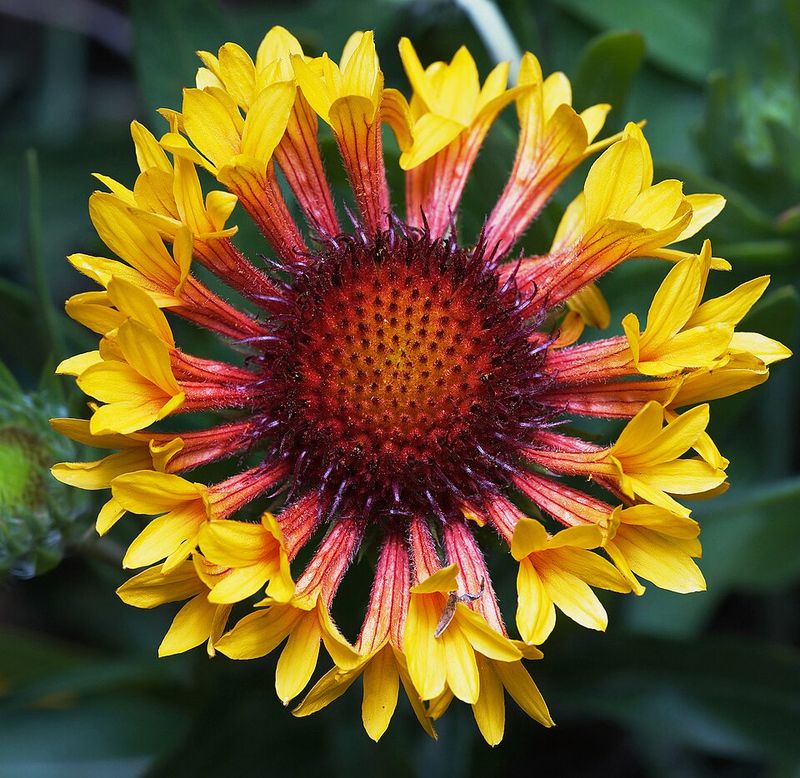
Warm colors dominate with this perennial, and that is exactly why it energizes a border so quickly. Petals often blend scarlet, orange, gold, and yellow in rings or brushed patterns, giving every bloom a hand-painted look.
In a garden that needs heat-loving brightness, few plants make a stronger first impression.
Full sun and sharp drainage are the keys to success in North Carolina, especially through humid summers and damp winters. These plants dislike staying soggy, so raised beds or gravelly soils can make a real difference in longevity.
Avoid heavy feeding, because leaner conditions usually keep growth compact and bloom-heavy.
The color palette pairs naturally with yarrow, rudbeckia, and blue flowering companions that cool the composition slightly. I like using them near paths or patios where the details in each bloom are easy to notice, not hidden at the back of a deep bed.
Butterflies also add extra movement around the flowers.
Regular deadheading helps maintain a cleaner display and encourages new buds before the plant slows down. If clumps become tired after a couple of seasons, replacing or dividing them keeps the area looking fresh.
For gardeners who enjoy vivid summer color and do not want a demanding perennial, this choice fits nicely.
Hardy Hibiscus
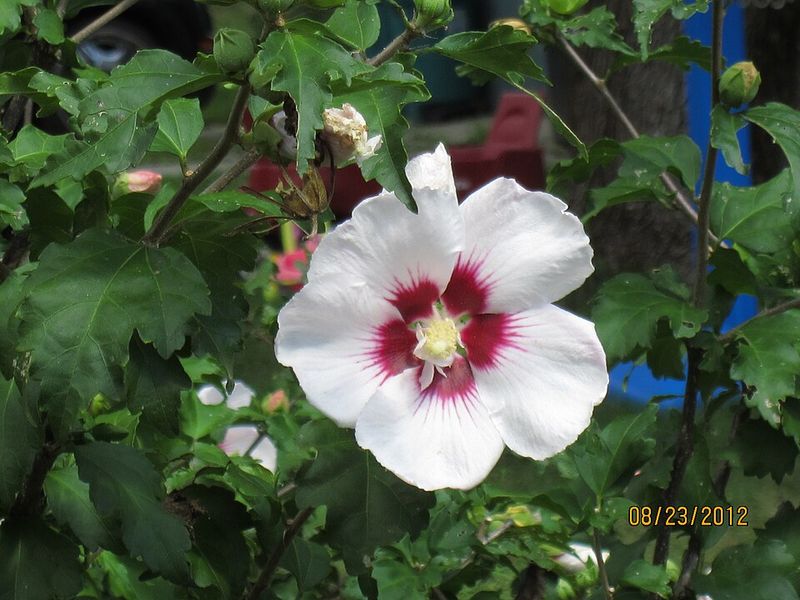
Huge dinner-plate flowers bring instant drama, especially when colors range from white and blush pink to crimson and bicolor forms with dark eyes. The blooms look tropical, yet the plants return from the ground each year in much of North Carolina.
That contrast makes them memorable in a mixed perennial border.
Patience matters in spring because growth emerges late, often after gardeners assume the plant failed. Once warm weather settles in, stems rise quickly and create a substantial backdrop that can anchor the middle or rear of a bed.
Moist, fertile soil and full sun produce the strongest show.
Because the leaves are bold and the flowers are enormous, placement should give them room to breathe. I like surrounding them with finer-textured companions so the broad foliage and massive blooms stay the focal point rather than competing with equally coarse neighbors.
Near a fence or sunny foundation, they look especially convincing.
Consistent watering through peak summer heat keeps buds forming and reduces stress during dry spells. In late fall or winter, cut stems back after frost and mark the spot so you do not disturb the crown next spring.
If your garden needs a high-impact perennial with real color authority, this one delivers.
Hellebore
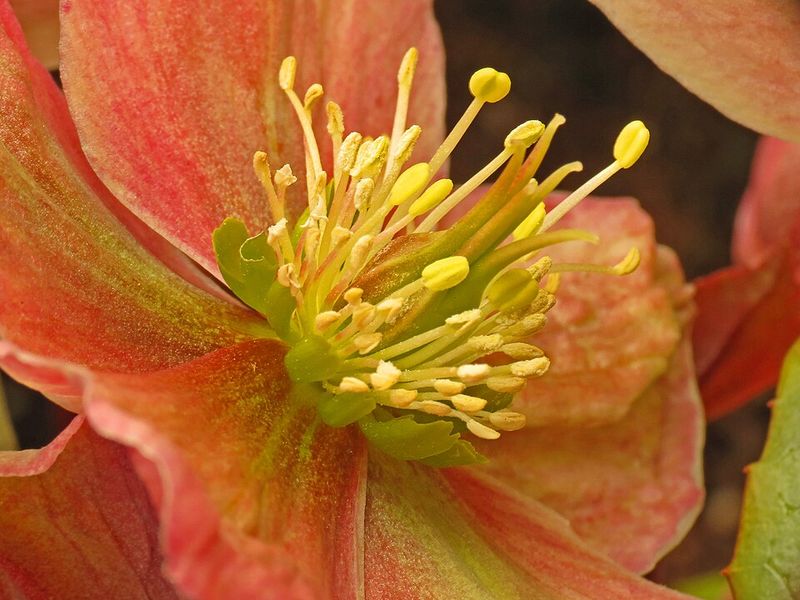
Late winter color feels especially valuable, and these nodding blooms provide it when most borders still look half asleep. Flowers appear in cream, dusky pink, green, burgundy, near-black, and beautifully speckled forms that reward close viewing.
The evergreen foliage keeps contributing long after the bloom stems finish.
In North Carolina, partial shade and well-drained soil rich in organic matter usually bring the best results. They appreciate protection from harsh afternoon sun, especially in warmer parts of the state where foliage can scorch in exposed spots.
A woodland edge or shaded foundation bed often suits them perfectly.
Because flowers face downward, planting them on a slope or raised area makes their markings easier to appreciate. I like pairing them with ferns, heucheras, and spring bulbs so the scene builds gradually from winter into spring without a dead period.
Their mature clumps also make an excellent visual anchor in quiet corners.
Remove last year’s worn leaves in late winter before the buds fully open, and the fresh flowers will show far better. Once settled, plants prefer to be left alone rather than divided often.
For gardeners who want rich color before the main season starts, this perennial offers depth and staying power.
Bee Balm
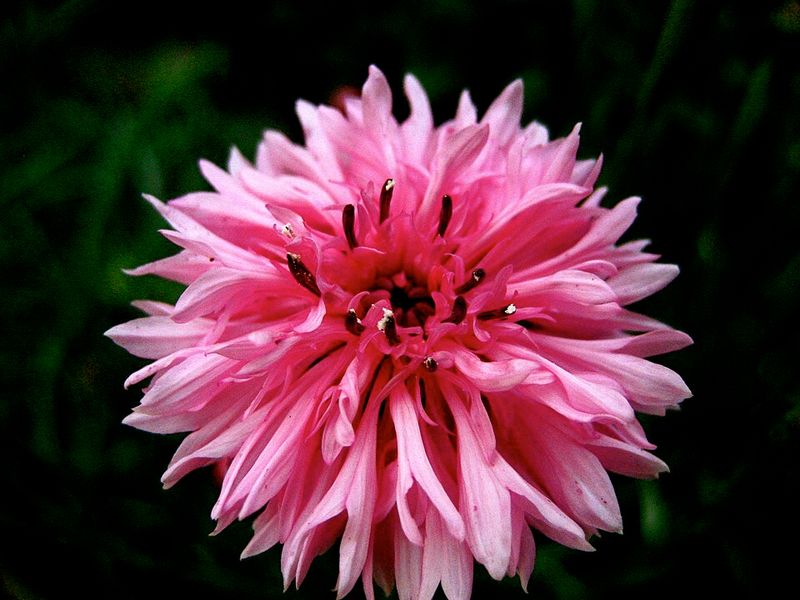
Shaggy flowers and strong color give this perennial a lively, slightly wild personality that suits informal borders beautifully. Cultivars now span red, pink, lavender, purple, and white, making it easy to work into different palettes.
When several colors bloom together, the bed feels animated rather than static.
North Carolina humidity can encourage powdery mildew, so resistant varieties and good air movement are worth prioritizing. Full sun promotes the best flowering, though a little afternoon relief can help in hotter inland sites.
Soil that stays evenly moist keeps stems sturdy and helps clumps expand without stress.
Hummingbirds are a major part of the appeal, and their quick visits make summer borders feel more dynamic. I like using bee balm behind shorter edging plants, where the unusual bloom shape rises above the rest and creates a looser, more natural rhythm.
Lavender and red forms together can look especially striking.
Cutting spent flowers encourages a tidier appearance and may lead to more bloom, depending on the season. Every few years, thinning or dividing the clump improves airflow and keeps the center from declining.
If you want a colorful perennial that also brings the garden to life with pollinators, this one earns attention.
Dianthus
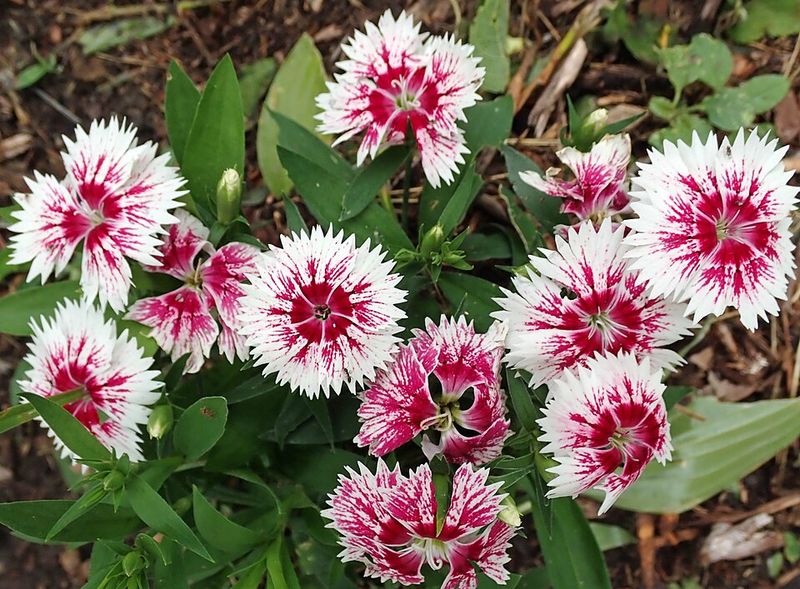
Fringed petals and a spicy fragrance give this low-growing perennial more charm than its compact size suggests. Flowers come in pink, white, crimson, rose, and bicolor combinations that brighten the front of a bed without overwhelming nearby plants.
Blue-green foliage adds another layer of contrast even between bloom cycles.
Drainage is especially important in North Carolina, where winter wetness can shorten the life of poorly placed plants. Full sun helps maintain dense growth and strong flowering, while overly rich or soggy soil often causes decline.
In raised borders, rock gardens, or edging strips, they usually look their best.
Because the mounds stay relatively neat, they fit well near paths, steps, and patio edges where scent and flower details are easy to enjoy. I like pairing white or pale pink forms with darker heucheras or salvia for a clean color contrast that never feels overdone.
Repeating small clusters creates polish across the border.
Shearing lightly after the first flush keeps plants tidy and can encourage more flowers when conditions stay favorable. Avoid crowding them with aggressive neighbors, since good airflow helps maintain healthier foliage.
For gardeners who want multicolor interest in a smaller footprint, this perennial offers precision, fragrance, and reliable appeal.