
10 Blue Perennials That Survive Florida Rainy Seasons And Heat Waves
Follow us on Google
Florida gardens can feel like a test lab, with pounding summer rain one week and blistering heat the next. If you want blue flowers that keep showing up without constant fuss, the right perennials make all the difference.
These picks handle steamy weather, bounce back after storms, and still give your beds, borders, and containers a cool splash of color. You will also find practical notes on where each one performs best, so choosing gets much easier.
Blue Daze
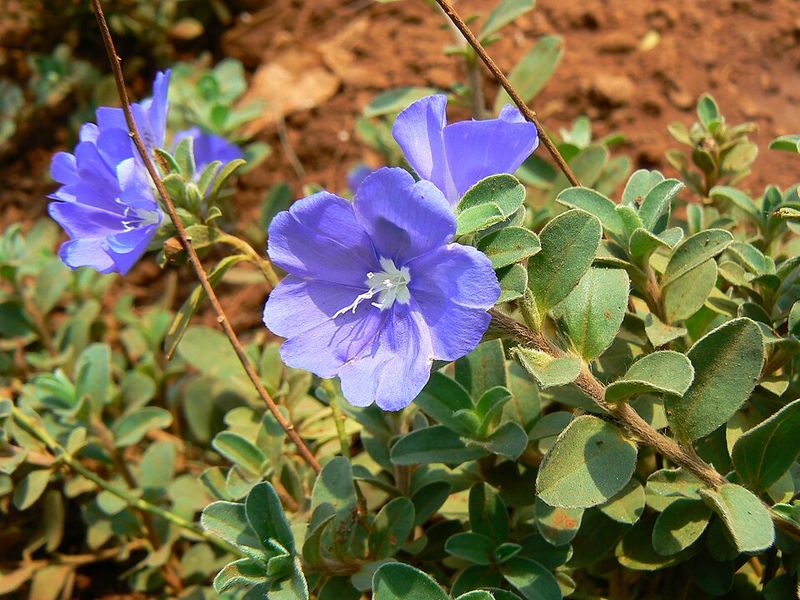
Florida heat can flatten a lot of flowering plants by July, but this low grower keeps its cool surprisingly well. Its true blue blooms open generously in sunny weather, and the soft gray-green foliage helps it look fresh even when the air feels sticky.
If you want a groundcover that softens edges without turning into a maintenance project, this one earns its space fast.
Good drainage matters most during the rainy season, so I like planting it in raised beds, along retaining walls, or in containers where excess water escapes quickly. Full sun gives the best flower show, though a little late afternoon shade can help in the hottest inland spots.
Once established, it handles short dry spells nicely and usually rebounds after heavy summer downpours without much drama.
A light trim every few weeks keeps the shape tidy and encourages another wave of bloom instead of leggy stems. You will get the prettiest effect by pairing it with white pentas, silver foliage, or dark mulch that makes the blue flowers stand out.
For a front-of-border plant that shrugs off both heat waves and soggy afternoons, it is hard to beat.
Cape Plumbago
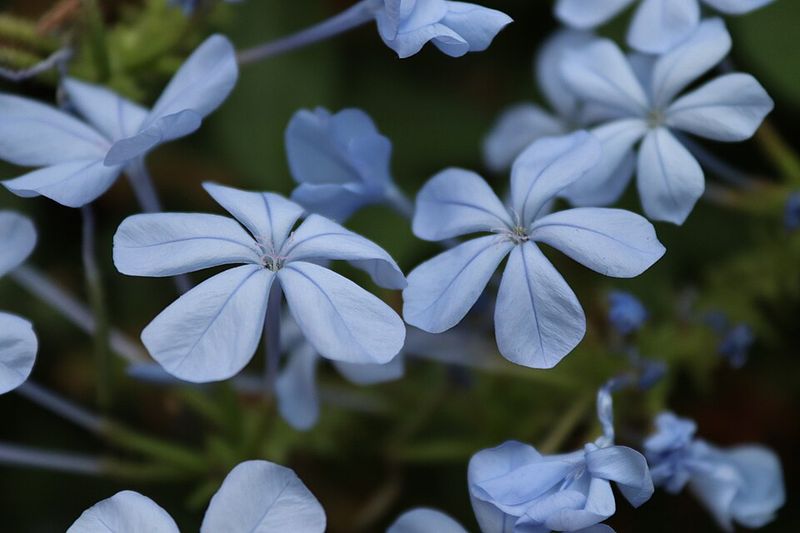
Few blue flowering plants look as relaxed in Florida as this easygoing perennial shrub. The pale blue clusters appear for long stretches of the warm season, and the loose branching habit gives gardens an airy look instead of a stiff, formal one.
You can use it as a hedge, a background filler, or a sprawling accent near fences where color needs to cover a lot of space.
Rich, well drained soil helps, but I have seen it perform in average ground as long as water does not stand around the roots for too long. Rainy season growth can be vigorous, so giving it room from the start prevents crowding and reduces the need for hard pruning later.
Full sun produces the best flowering, though plants in light shade usually stay healthy and can look a bit less stressed in extreme afternoon heat.
Regular trimming keeps it fuller and encourages fresh bloom on new growth, especially after a major flush fades. If cold weather nips the tips in North or Central Florida, it often returns strongly once warmth settles in again.
For gardeners who want blue color with a tropical feel and strong summer stamina, this is one of the most dependable options around.
Agapanthus
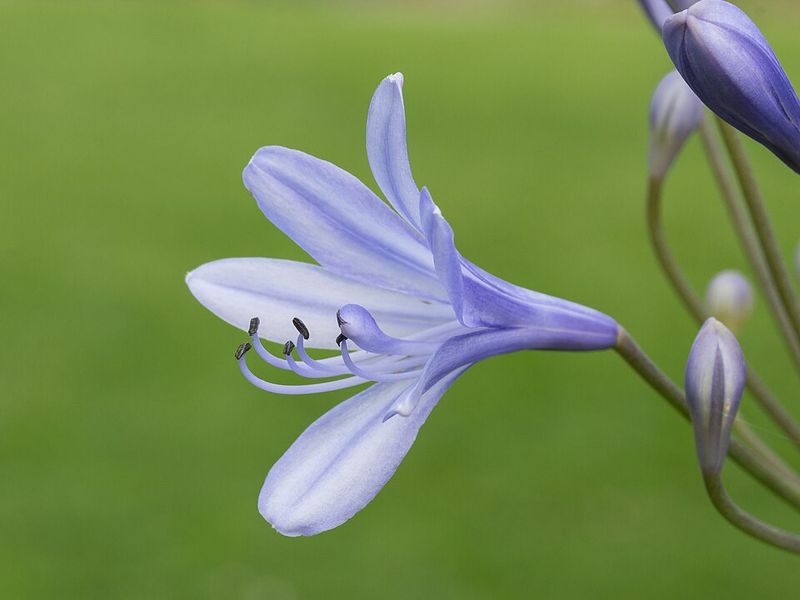
Tall stems topped with rounded blue flower clusters give this perennial a polished look that still fits casual Florida gardens. The strappy foliage stays attractive for much of the year, and the blooms rise above surrounding plants in a way that feels clean and architectural.
If your yard needs a stronger vertical accent that can take heat, this is a smart candidate.
Drainage is the real key during rainy months, because waterlogged crowns can cause trouble faster than summer sun. I prefer planting it slightly high in the bed or in a spot where sandy soil drains quickly after storms.
Full sun works well near the coast, while inland gardens often get better looking foliage with a bit of afternoon relief.
Clumps usually bloom better when they are somewhat settled rather than constantly divided, so patience pays off here. After flowers fade, cutting the stems keeps the plant neat and lets the foliage take center stage without looking messy.
You will get a strong color contrast by placing it near yellow coreopsis, white gaura, or broad-leaved tropical plants, making the cool blue tones feel even more refreshing in peak summer.
Mealycup Sage
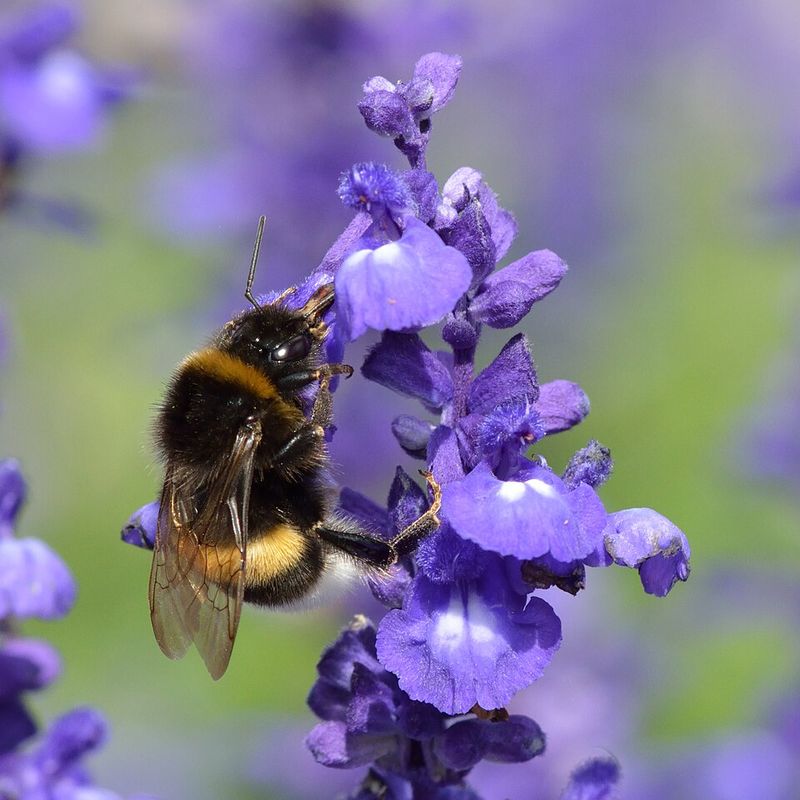
Long blue flower spikes bring steady color to Florida beds when many other plants start looking tired. This salvia handles heat with impressive stamina, and its upright habit makes borders look organized without feeling rigid.
Pollinators love it too, so you get movement and life in the garden instead of just a block of color.
Sunny exposure produces the strongest stems and the heaviest bloom, though good air flow matters just as much during wet weather. In the rainy season, I avoid crowding it with dense neighbors because soggy leaves dry faster when breezes can move through.
Average soil is fine if it drains reasonably well, and an extra layer of mulch helps roots stay cooler when temperatures spike.
Deadheading spent spikes can stretch the bloom season, but even a light midseason shear usually brings a fresh flush fairly quickly. You can tuck it into mixed borders, butterfly gardens, or large containers where the blue flowers play well with pink pentas, yellow lantana, or white vinca.
For dependable color that stands tall through heat waves and rebounds after storms, this is one of the easiest perennials to recommend.
Stokes’ Aster
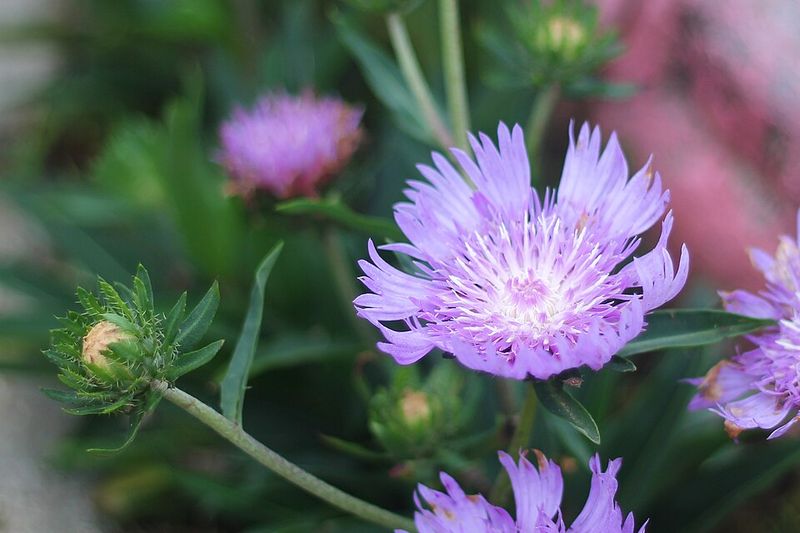
Large, fringed blue flowers give this perennial a softer, almost handmade look compared with sharper daisy types. The blooms feel substantial, and they show up beautifully against the plant’s dark green foliage without needing much help from companion plants.
If you like a cottage style garden but need something tougher than it looks, this one deserves attention.
Florida gardeners get the best results when soil drains well and the crown does not stay soggy for long stretches. Morning sun with a little afternoon shade can be especially helpful in hotter inland areas, though coastal gardens often manage full sun more easily.
During the rainy season, mulch should be kept a touch away from the base so dampness does not sit tightly around the plant.
Spent blooms are worth removing because they tidy the plant and can encourage a longer flowering window. I like using it in front to mid border positions where the unusual blue can be appreciated up close rather than buried behind taller shrubs.
Pair it with ornamental grasses or compact yellow perennials, and you get a color combination that looks intentional while still staying practical for Florida’s rough summer weather.
Blue Porterweed
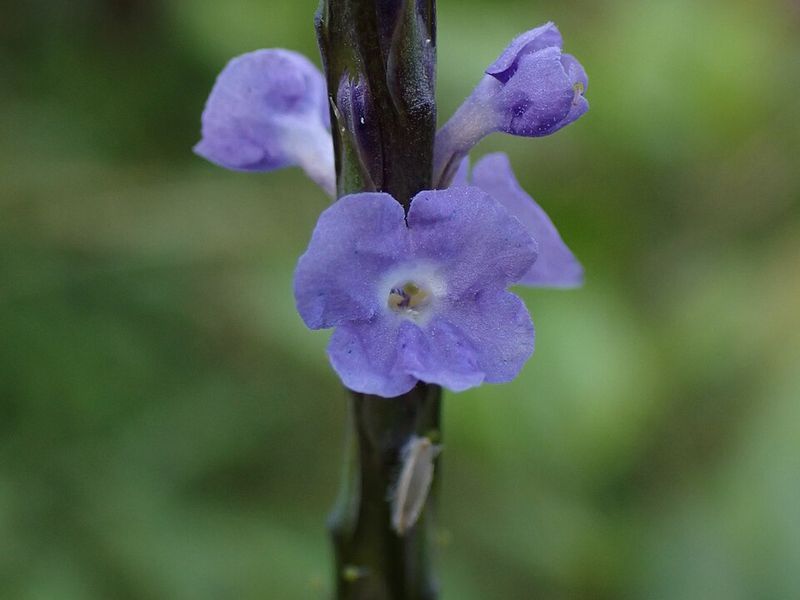
Butterflies seem to know this plant before gardeners do, and that alone makes it memorable in a Florida yard. The narrow flower spikes hold small blue blooms over a long season, giving beds a looser, more natural look than round clustered flowers.
It works especially well where you want a wildlife friendly planting that still handles rough summer conditions.
Strong sun and warmth keep it blooming, though plants often appreciate a bit of breathing room so wet season humidity does not linger around the foliage. I like placing it in the middle or back of a bed where the upright stems can weave among shrubs and ornamental grasses without looking stiff.
Sandy soil is fine, and once roots settle in, short dry periods usually cause less stress than people expect.
Regular pinching or occasional trimming encourages branching, which means more flower spikes and a fuller shape through the season. During very rainy stretches, skipping heavy fertilizer helps prevent weak, floppy growth that can happen when the plant is pushed too hard.
If your goal is blue color, pollinator activity, and a perennial that stays productive through heat waves, this one can turn an ordinary border into the part of the garden you watch most.
Spiderwort
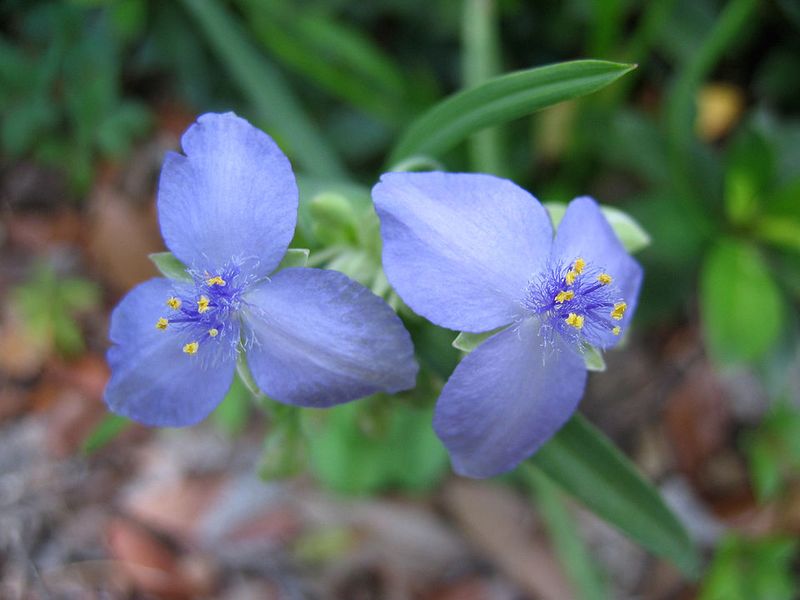
Blue spiderwort brings a more relaxed, almost wildflower character to Florida gardens, but it performs better than its delicate flowers suggest. The blooms open beautifully in the morning, and the grassy foliage forms clumps that soften hard edges around paths or mixed borders.
If you enjoy plants that feel informal without being messy, this one lands in a very useful middle ground.
Moist but draining soil keeps it happiest, making it a strong fit for spots that stay evenly watered during the rainy season without becoming swampy. Full sun works in cooler months, though many Florida gardens get the best looking foliage and longest bloom from bright morning sun with filtered afternoon shade.
Humidity rarely fazes it, and storms usually bend stems only temporarily before they bounce back.
After the first major flower flush, cutting plants back by about a third often refreshes the clump and encourages cleaner regrowth. I like pairing it with ferns, dwarf grasses, or chartreuse foliage so the blue flowers read clearly rather than getting lost in the mix.
For gardeners trying to bridge the gap between formal beds and a more natural planting style, this perennial gives reliable color without feeling overworked.
Blue Mistflower
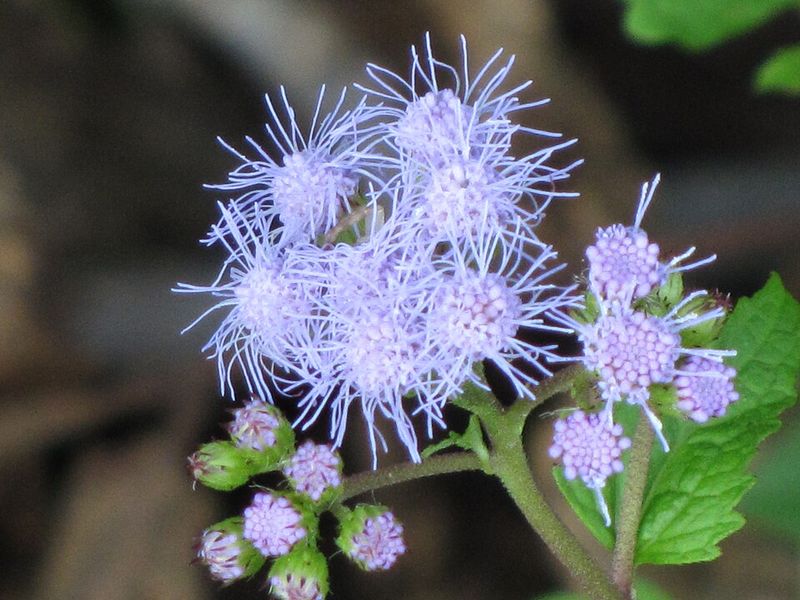
Soft, fuzzy blue blooms give this native perennial a misty look that feels different from sharper spike or daisy forms. It lights up late summer and early fall when many beds need fresh energy, and pollinators show up quickly once flowering starts.
If your garden leans natural or you want a wilder patch near a fence line, this plant fits beautifully.
Florida’s rainy season can actually work in its favor, because it enjoys consistent moisture more than many blue bloomers do. I still recommend giving it a spot with some room, since happy plants can spread and form colonies that look charming in the right setting but crowded in a tight formal bed.
Sun to part shade both work, although fuller sun usually brings sturdier stems and heavier flowering.
Cutting it back in late spring can help manage height and create a bushier shape before bloom season arrives. Because the color is soft and hazy, surrounding it with bolder textures like muhly grass, dwarf palmetto, or broad-leaved cannas creates a more balanced composition.
For a Florida gardener who wants blue flowers with native resilience and strong rainy season performance, this perennial offers beauty without acting precious.
Flax Lily
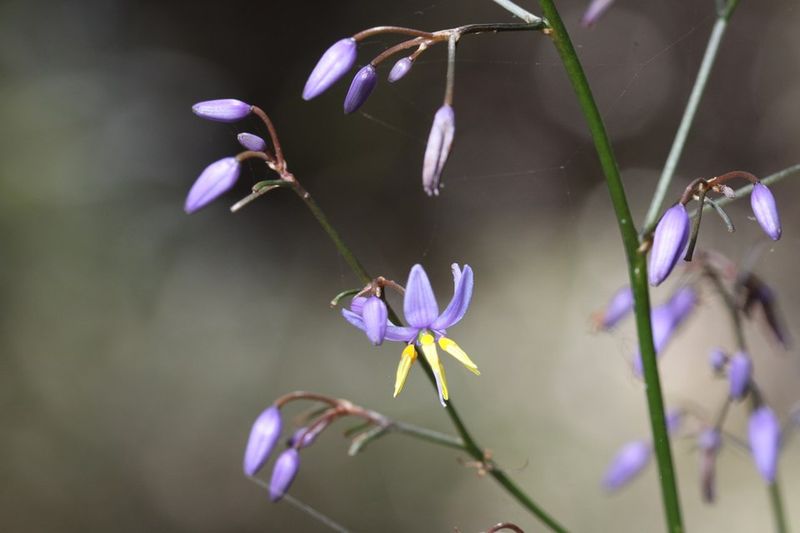
Not every blue perennial needs giant blooms to earn attention, and this plant proves it with understated style. The strappy foliage stays useful year round in Florida, while small blue flowers and later blue berries add subtle color that feels clean and modern.
It is especially good where you need a durable foundation plant that still offers a little seasonal interest.
Heavy summer rain rarely causes problems if the soil drains reasonably well, and established clumps handle heat with very little complaint. I often suggest it for edging, mass plantings, mailbox beds, or under open canopies where some sun filters through but conditions still get hot.
Full sun works best with adequate moisture, while part shade can keep the foliage greener and less stressed in harsher inland locations.
Maintenance is refreshingly simple, since older leaves can be removed by hand and tired clumps can be divided when growth slows. The flowers are not flashy from across the yard, but up close they reward you with a refined blue detail that many broad landscape plants cannot offer.
When a Florida bed needs dependable structure, storm tolerance, and a cool toned accent that does not beg for attention, this perennial quietly does the job.
Blue Ginger
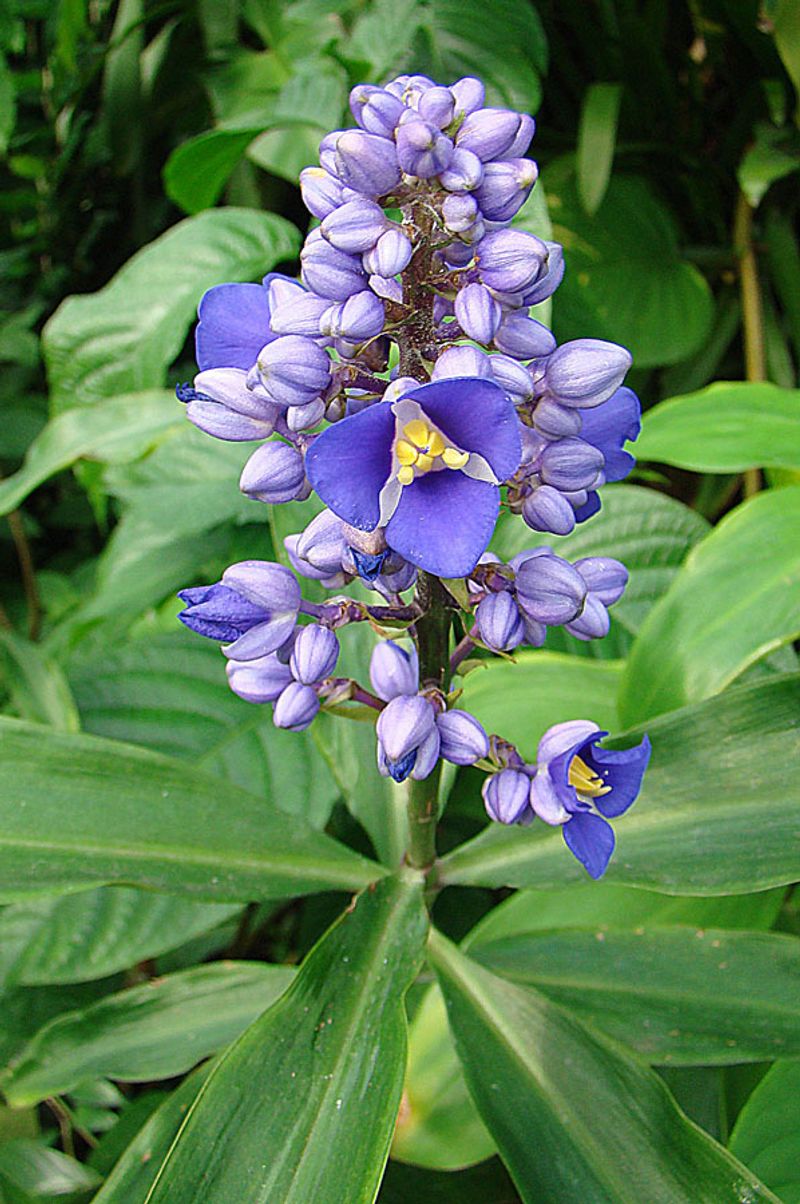
If your garden leans a little tropical, Blue Ginger gives you a richer shade of blue than most heat loving perennials can manage. The blooms rise in clusters above glossy foliage, and the whole plant looks lush even when Florida weather turns heavy and damp.
It is especially useful in spots that get bright shade or gentle morning sun.
Once established, it handles humidity and rainy stretches with very little drama, which is more than you can say for many flowering plants. I like it near patios or walkways where the color can be appreciated up close.
Give it decent soil, steady moisture, and room to fill in slowly.