
10 Orange Perennials North Carolina Gardeners Plant For Long Seasonal Blooms
Follow us on Google
Orange flowers bring the kind of energy that makes a North Carolina garden feel sunny even on gray days. The best perennial choices do more than flash color for a week – they keep blooming through heat, humidity, and the stop-and-start weather many gardeners know too well.
If you want beds that stay lively from late spring into fall, these are the orange performers worth planting. Each one offers strong seasonal color with practical growing habits that fit real gardens, not just picture-perfect ones.
Butterfly Weed
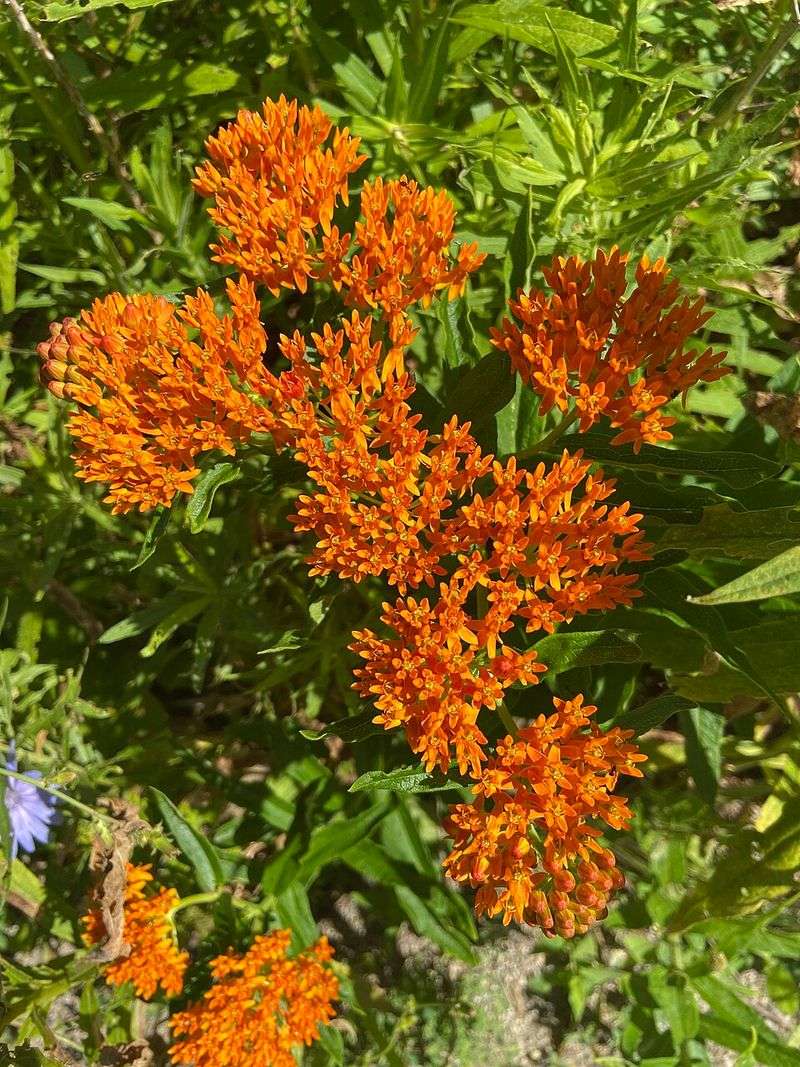
If you want bright color without babying a plant through every heat wave, this native perennial earns its space fast. The glowing orange flower clusters show up just as summer borders start needing fresh energy, and they keep pulling in butterflies like a magnet.
In North Carolina, you will usually get the best performance in full sun and lean, well-drained soil.
Heavy clay and soggy spots are the main things to avoid, especially during winter. Once established, the deep taproot helps it ride out dry stretches with much less fuss than many flowering perennials.
That root also means you should choose the planting spot carefully, because moving mature plants is usually more trouble than it is worth.
Pair it with purple coneflowers, black-eyed Susans, or blue salvia if you want the orange tones to stand out even more. Deadheading can tidy the plant, but leaving a few seedpods adds structure and supports the life cycle of monarch butterflies.
You are not just planting for color here – you are building a more useful garden.
For long seasonal appeal, tuck it into a sunny bed where neighboring perennials can carry the show before and after peak bloom. That approach keeps your border looking intentional instead of patchy.
Daylily
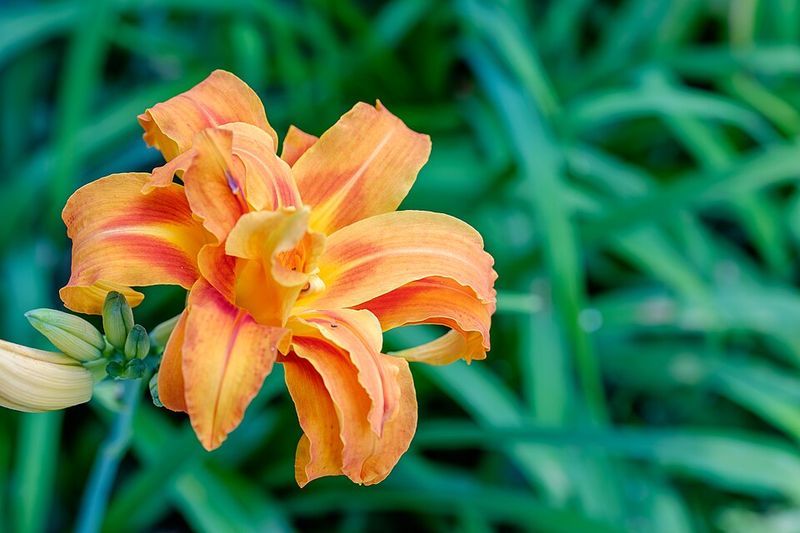
Few perennials make you look more capable than a strong clump of orange daylilies in midsummer. The flowers may last only a day each, but mature plants send up so many buds that the display keeps rolling for weeks.
In North Carolina gardens, that kind of reliable color is especially useful when spring bloomers have faded and heat starts stressing fussier plants.
Full sun gives you the heaviest flowering, though many varieties still perform well with a little afternoon shade. Average garden soil is usually enough, especially if you work in compost before planting and water new divisions consistently through their first season.
Established clumps are forgiving, but dividing them every few years keeps flowering strong and prevents the centers from thinning out.
Look for reblooming orange cultivars if you want a longer season instead of one concentrated burst. These are excellent along driveways, mailbox beds, and property edges where you need color that can handle reflected heat and imperfect watering.
You can also mix them with ornamental grasses for a cleaner, more modern look.
Removing spent flower stalks after blooming helps the bed stay neat, but it is not a demanding task. This is one of those plants that gives back more than it asks from you.
Crocosmia
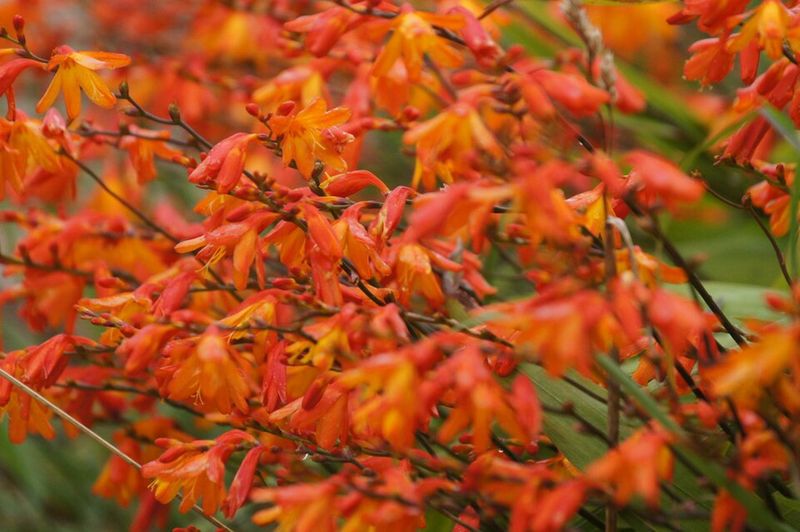
Arching stems lined with fiery orange flowers give this perennial a lively, almost fountain-like presence in the summer border. It adds movement as much as color, which is helpful when a planting starts feeling flat or too dense.
In North Carolina, crocosmia often performs best where it gets full sun in the morning and decent drainage all year.
The sword-shaped foliage appears early, so it contributes structure even before the flowers arrive. Once blooming begins, hummingbirds notice quickly, and the narrow tubular blossoms keep the display feeling fresh instead of heavy.
If your soil holds water in winter, plant the corms in a raised bed or slope to reduce the chance of rot.
Some cultivars spread steadily, which can be a plus if you want a bold drift of orange over time. In smaller gardens, you may prefer to divide clumps every few years to keep them from crowding neighboring plants.
They combine especially well with blue catmint, dark-leaved canna, or late-blooming salvias.
After flowering, let the foliage remain until it naturally declines because that helps recharge the corms for next season. With the right siting, you get drama, pollinator activity, and strong summer color without a high-maintenance routine.
Helenium
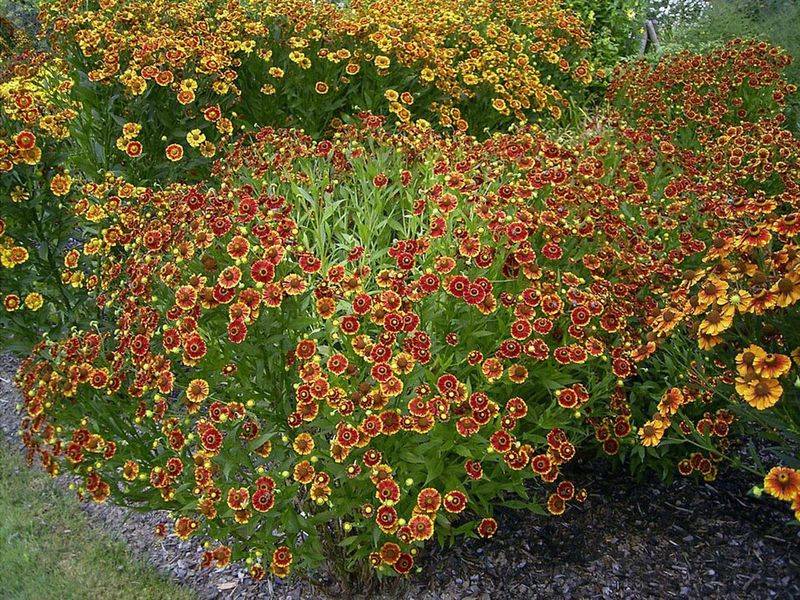
Late summer can make a flower border look tired, which is exactly when helenium starts proving its value. The orange daisy-like blooms arrive with rich, warm color that feels perfectly timed for the season between high summer and early fall.
In North Carolina, that extended display is especially helpful when you want strong color after many early bloomers are finished.
Give it full sun, decent air circulation, and soil that does not dry out for long periods. This is not the plant for a neglected, bone-dry corner, but it is very rewarding in a bed that gets compost and occasional watering during hot spells.
Taller types may appreciate a Chelsea chop in late spring to encourage bushier growth and reduce flopping.
Pollinators love the flowers, and the branching stems can carry a surprising number of blooms at once. Try combining orange helenium with asters, ornamental grasses, or deep purple foliage for a look that feels seasonal without becoming predictable.
The warm tones also pair nicely with brick houses and natural wood fencing.
Deadheading can stretch the show, though even a lightly maintained clump usually performs well. If your goal is dependable orange color when the garden needs a second wind, this perennial earns serious consideration.
Blanket Flower
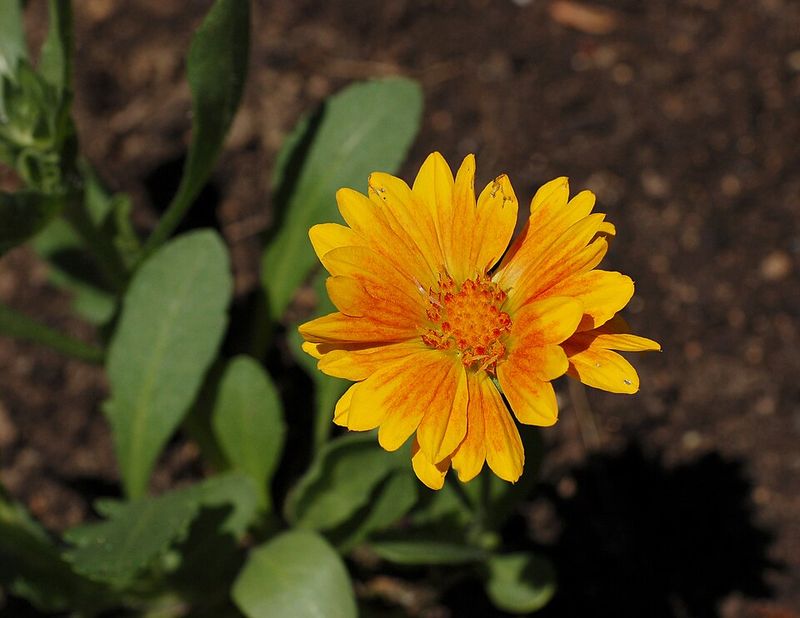
Heat, sun, and leaner soil do not bother this cheerful perennial nearly as much as they bother many gardeners. Orange blanket flower keeps sending up bright daisy-like blooms through summer and often well into fall, especially if you keep spent flowers clipped.
For North Carolina yards with hot reflected light near sidewalks, patios, or driveways, that toughness matters.
Good drainage is the key to longevity, far more than rich soil or heavy feeding. In fact, plants often bloom better and stay tidier when they are not pushed with too much fertilizer.
Full sun helps them hold a compact habit, and a quick trim midsummer can refresh the mound if it starts looking stretched.
The color range includes clear orange, orange-red, and warm sunset blends, so you can choose a version that suits your bed instead of fighting it. I like pairing blanket flower with yarrow, salvia, and smaller ornamental grasses for a planting that looks casual but still intentional.
Bees are frequent visitors, which adds movement to the display all day.
Short-lived perennials can still be excellent garden plants when they bloom this generously. If you leave a few flowers to seed, you may even get volunteer seedlings that keep the orange show going with very little effort.
Orange Coneflower
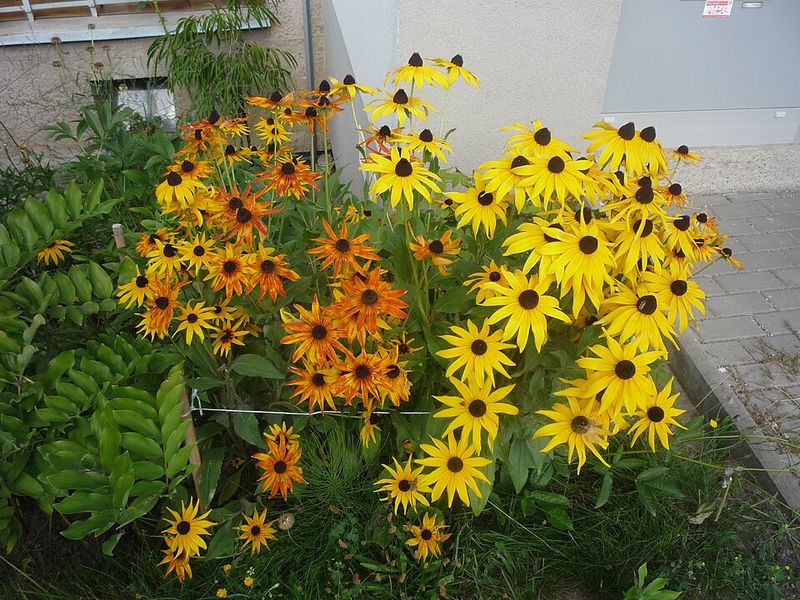
Modern orange coneflower cultivars give you the easy garden presence people already love in purple types, but with warmer color that stands out across the yard. The flowers are substantial, upright, and visible from a distance, which makes them useful anchors in mixed borders.
In North Carolina, they fit especially well into sunny beds that need color from early summer into fall.
Choose a named variety bred for strong branching and sturdy stems rather than buying on color alone. Full sun and well-drained soil are the safest recipe, though established plants can handle short dry periods better than many broad-petaled perennials.
A layer of mulch helps moderate soil moisture without smothering the crown.
Deadheading extends bloom, but leaving some late flowers in place creates seedheads that birds appreciate and that also add texture. Orange selections pair beautifully with blue agastache, black-eyed Susans, and burgundy heuchera if you want a layered, high-contrast look.
They also work surprisingly well in containers, provided drainage is sharp and watering stays consistent.
Some gardeners treat coneflowers as entirely carefree, but a little attention improves results noticeably. If you give them sun, space, and occasional cleanup, you get months of warm color without the constant fuss that many long-blooming perennials demand.
Canna Lily
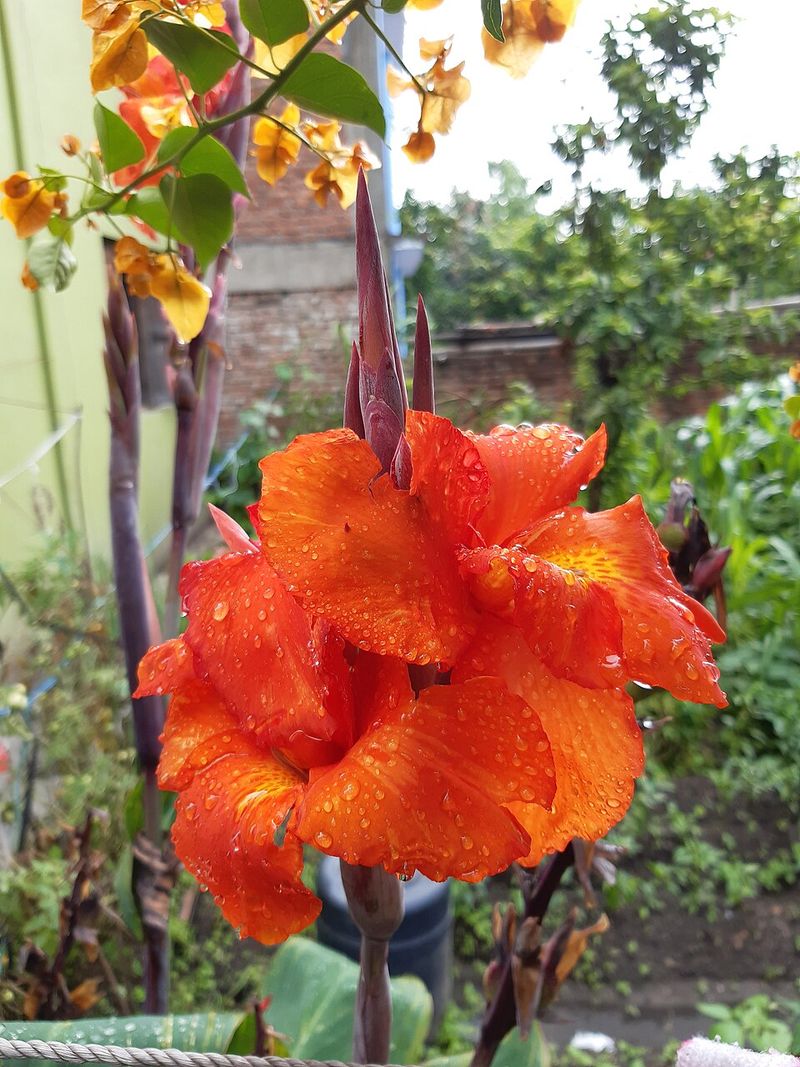
Big foliage and saturated orange blooms can give your garden a tropical edge without forcing you into an all-tropical planting scheme. Canna lilies thrive in North Carolina summers, where heat and humidity often help them look even better.
If a bed needs height, bold texture, and long color, these plants can pull all three jobs at once.
Rich soil and regular moisture produce the strongest growth, though drainage still matters in winter. In warmer parts of the state, rhizomes often overwinter in the ground with mulch, while colder areas may require lifting or extra protection.
Full sun gives the best flowering, but a bit of afternoon shade can help blooms last longer during intense heat.
Orange canna varieties are especially effective near fences, around patios, or as a backdrop to lower perennials that would otherwise disappear visually in midsummer. I like combining them with blue salvia, elephant ears, or dark coleus for contrast that feels intentional instead of chaotic.
Removing faded flower stalks keeps new buds coming and improves the overall look.
Because the leaves are so dramatic, this plant contributes even between flushes of bloom. That makes it useful in long-season designs where every square foot should earn its keep from June through early fall.
Red Hot Poker
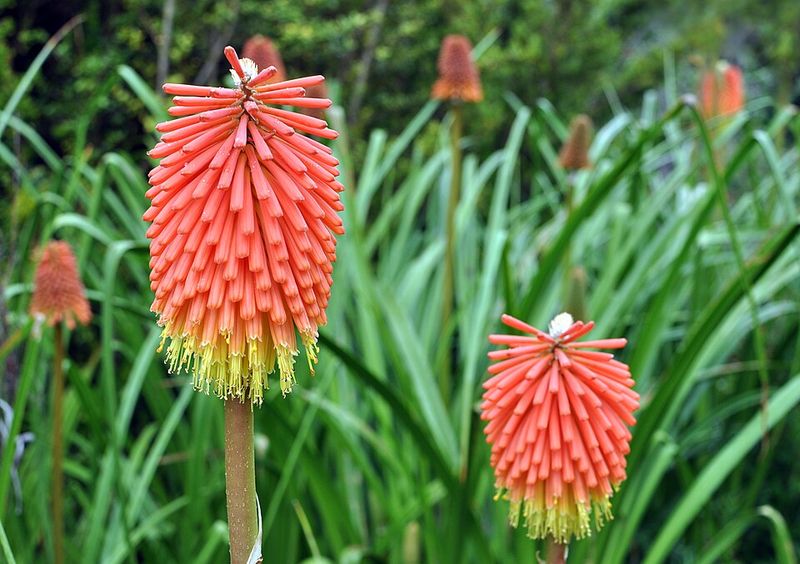
Torch-like flower spikes bring a vertical accent that few orange perennials can match. Red hot poker adds shape as well as color, so it does more than fill space with blooms.
In a North Carolina garden, that upright form is especially useful when midsummer borders start blending together and need stronger lines.
Full sun and sharp drainage are the essentials, particularly through winter. Many failures come from wet soil rather than cold, so raised beds or sloped planting areas often improve success dramatically.
Once settled in, the strappy foliage forms a neat clump, and the flower stalks rise above it with a look that feels architectural but still lively.
Hummingbirds are frequent visitors, and the warm shades shift nicely among orange, coral, and gold depending on the variety. Use it with grasses, sedum, or compact daylilies if you want a border that can handle heat without looking stressed.
In smaller spaces, choose a shorter cultivar so the flowers stay in proportion to nearby plants.
Remove spent stalks to encourage repeat bloom and keep the clump tidy. This perennial is not for every garden style, but if you like bold silhouettes and clear seasonal color, it gives you a long-lasting statement with relatively modest care.
Orange Tickseed
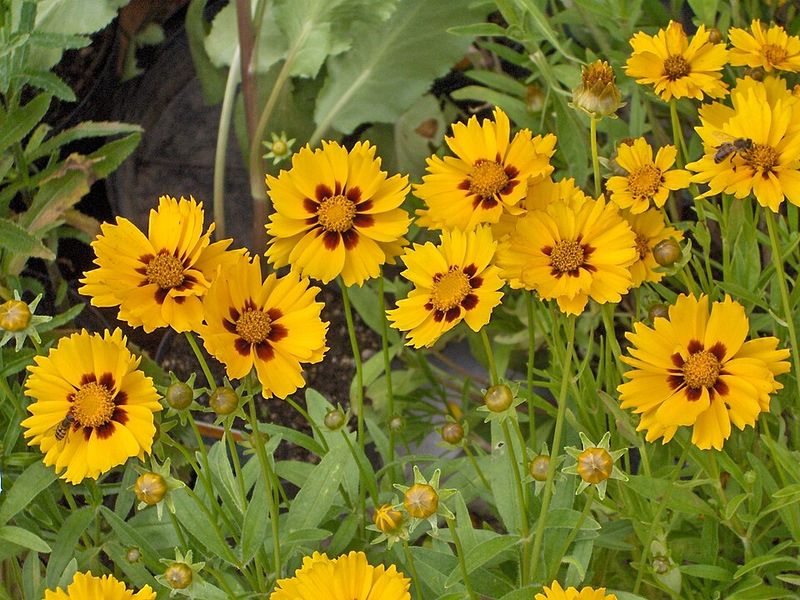
A compact mound covered in orange blooms can do a lot of work in a long-season border. Orange tickseed types offer that easy brightness while staying manageable enough for front-of-bed placement, edging, or mixed containers.
In North Carolina, they are especially handy for gardeners who want months of color without staking, dividing every year, or complicated care.
Most perform best in full sun and average, well-drained soil, though they are more forgiving than many people expect once established. The biggest mistake is overwatering or crowding them in a bed with plants that need constant moisture and rich feeding.
Good air circulation keeps the foliage healthier through humid stretches.
Regular deadheading can stretch flowering significantly, but even newer self-cleaning cultivars benefit from a light trim when the first flush slows down. I like placing them near blue salvia, lavender-toned verbena, or silver foliage so the orange reads clearly rather than getting visually lost.
Their smaller flowers also make them useful where larger blooms would feel too heavy.
Because the plants stay relatively neat, they fit well into foundation beds and sunny mailbox gardens. If you want orange flowers that bloom generously and still look disciplined, this is one of the easiest perennial directions to take.
Geum
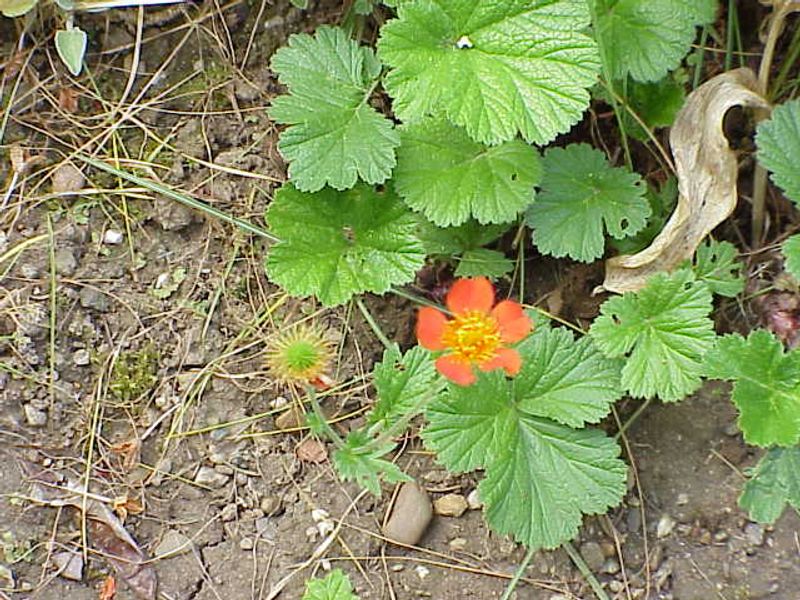
If you want a smaller perennial that still throws color into the border, geum is an easy one to appreciate. The tangerine and orange blooms rise on wiry stems above mounds, giving beds a look than heavier summer flowers.
In North Carolina, it tends to perform best with morning sun and decent drainage, especially where afternoons get hot.
Deadheading keeps the display moving, and the flowers blend beautifully with salvias, catmint, and ornamental grasses. It is especially useful near paths or front borders, where those warm tones land right at eye level.
Once it settles in, you get cheerful color without a lot of fuss.