
10 Coral Perennials That Add Tropical Energy To Georgia Backyard Beds
Follow us on Google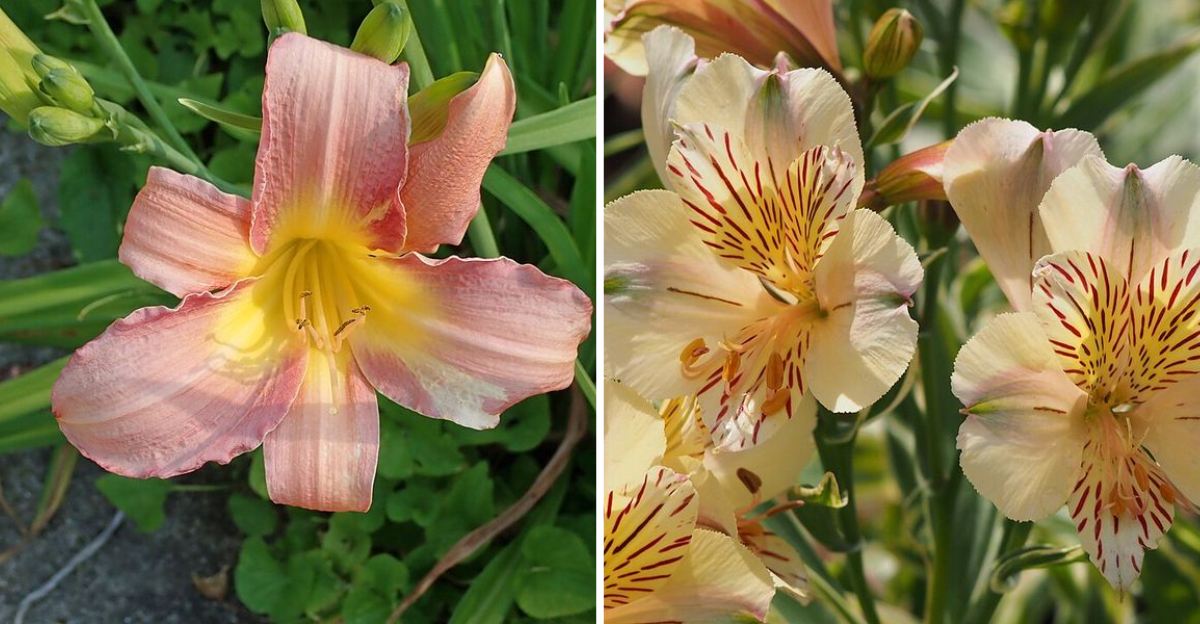
Georgia backyards can handle a lot of color, and coral is one of those shades that feels bright, warm, and just a little unexpected. It softens heat-heavy summer borders while still giving beds that bold, tropical look many gardeners want.
If you want plants that stand up to Georgia conditions and keep your yard from looking flat by July, these perennial picks are worth a closer look. Each one brings coral-toned flowers or foliage that plays beautifully with palms, grasses, deep greens, and sunny brick homes.
Canna Lily
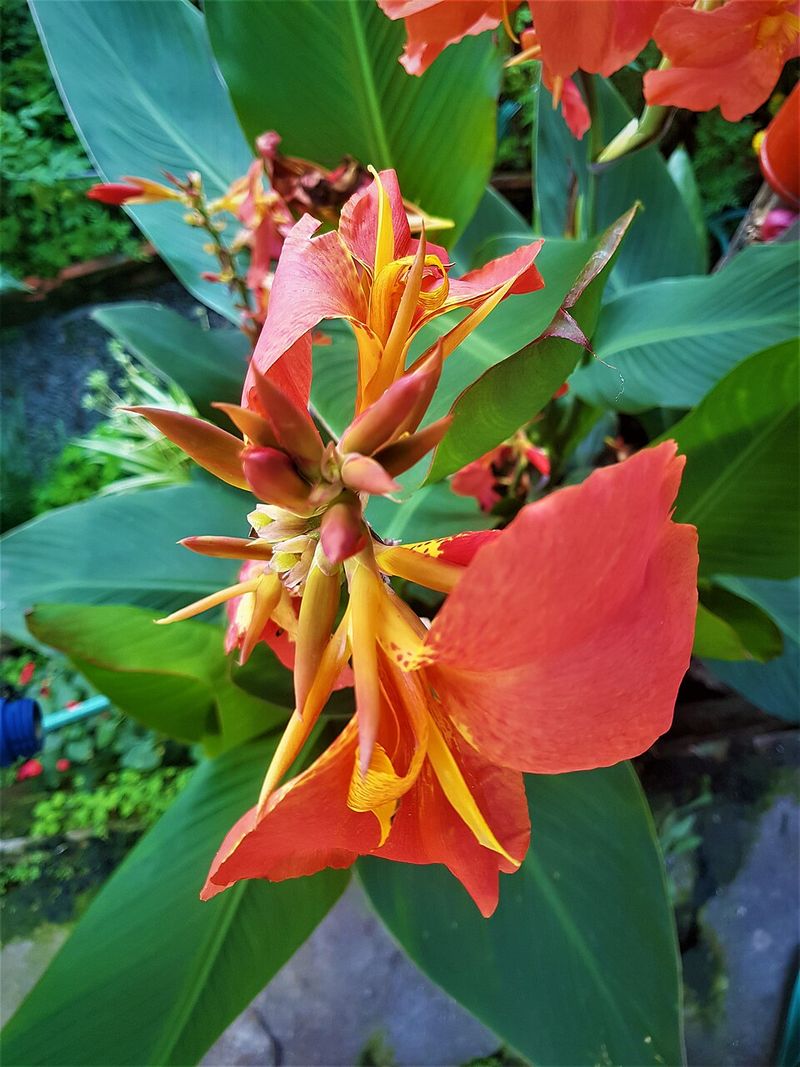
Big paddle leaves and saturated blooms make this one of the fastest ways to give a Georgia bed a tropical attitude. In my experience, coral cannas look especially strong against dark mulch, brick edging, or evergreen shrubs that let the flower color read clearly from across the yard.
You get height, broad texture, and a color that feels warm without tipping into harsh orange.
Full sun keeps flowering steady, though a little afternoon relief helps in hotter inland spots. Consistent moisture matters most during active growth, so I would not tuck it into a bed that dries out every other day.
Once established, the clumps fill space beautifully and can anchor the middle or back of a border.
Because Georgia winters vary, mulch the rhizomes well after frost, especially in colder northern sections of the state. Deadheading spent blooms keeps the plant tidier, but the foliage does plenty of visual work even between flushes.
Pair it with elephant ears, purple fountain grass, or chartreuse coleus for a high-energy combination.
If your backyard feels flat by midsummer, this is the plant that changes the mood fast. It reads confident, colorful, and vacation-like without asking you to baby it constantly.
Hardy Hibiscus
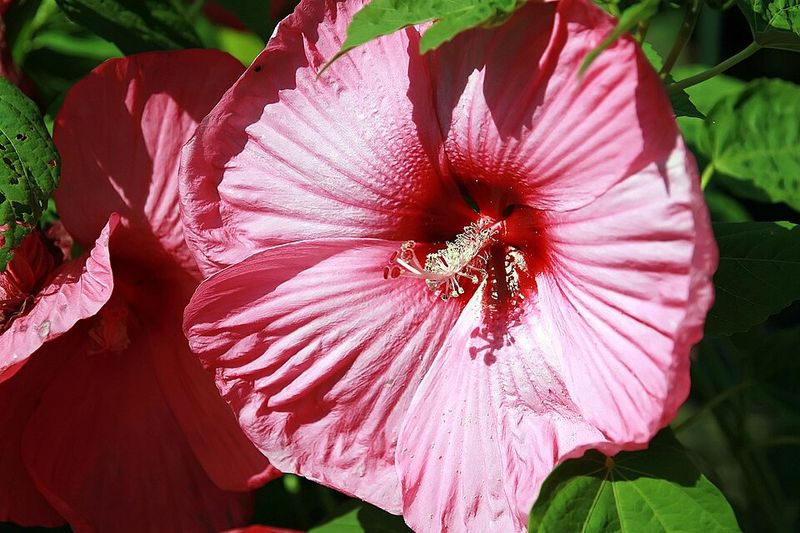
Few perennials create drama as quickly as hardy hibiscus, and the coral forms have a softer, fresher look than standard red or hot pink selections. Those oversized flowers make a backyard border feel almost resort-like, especially in late summer when other beds start to look tired.
In Georgia, that timing is valuable because this plant steps up exactly when heat has worn down spring performers.
Give it full sun, rich soil, and dependable moisture if you want the biggest blooms. I have found that a yearly layer of compost makes a real difference, since these plants are hungry growers once temperatures rise.
Do not panic in spring if nothing shows early, because hardy hibiscus often wakes up later than neighboring perennials.
By midsummer, the plant gains size quickly and becomes a strong focal point near fences, patios, or pool areas. Staking is rarely necessary if it gets enough light, though sheltered placement helps protect those huge flowers from summer storms.
Cut stems back after frost and mulch the crown before winter.
For color partners, think dark-leaved canna, blue salvia, or airy ornamental grasses. The effect feels bold and tropical, but the plant is still grounded enough for a practical Georgia backyard.
Crocosmia
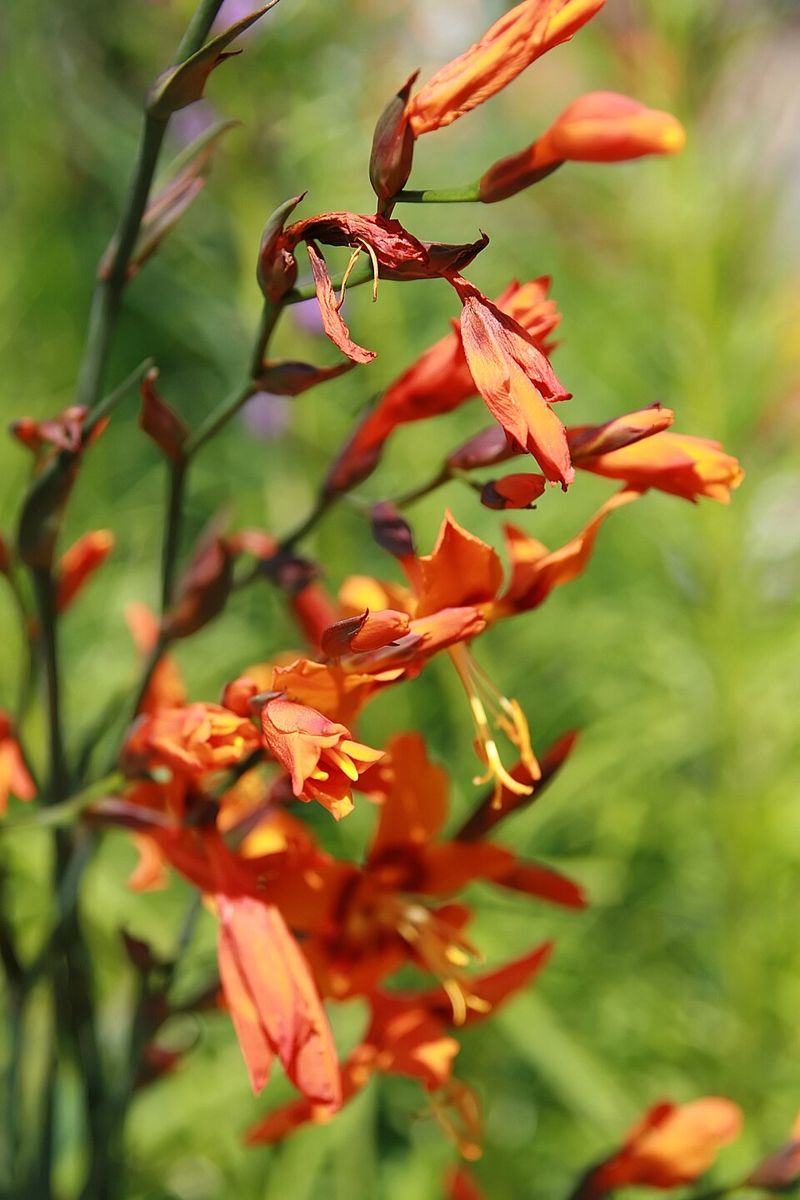
Arching stems, narrow strappy foliage, and glowing coral-orange flowers give crocosmia a lively, kinetic look that works beautifully in southern borders. The blooms seem to hover above the leaves, which keeps the plant from feeling bulky even when it is putting on a show.
In Georgia gardens, that light structure helps it mix easily with broader plants like canna, banana, or hardy hibiscus.
Good drainage is the main thing to get right. Heavy, soggy clay can slow the corms or invite rot, so I like planting it in amended soil or a slightly raised bed where water moves through more reliably.
Full sun brings the strongest flowering, though a little afternoon shade can help in especially hot sites.
Once established, clumps gradually expand and create a stronger display every year. Hummingbirds notice it quickly, which makes it especially satisfying near a deck or breakfast window.
After flowering, the seed heads and foliage still provide shape, so there is no need to rush outside and cut everything down.
Use this where you want movement and color without a heavy visual block. Its coral tones look terrific with purple coneflowers, black-eyed Susans, and blue-gray foliage that cools the border just enough.
Daylily ‘Coral Majority’
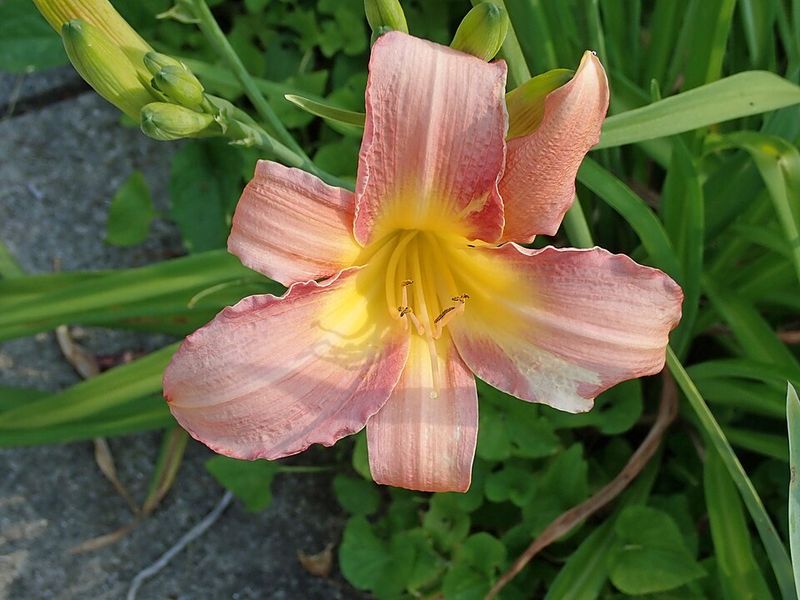
Reliable color matters in Georgia, and coral daylilies earn their space by handling heat while still looking polished. The peachy-coral tones feel cheerful and refined at the same time, especially when morning light catches the ruffled edges.
If you want a plant that gives tropical warmth without the maintenance level of true tropicals, this is a smart choice.
Daylilies tolerate a wide range of soils, but they bloom best when planted in sun and not crowded by aggressive neighbors. I like using them near walkways, mailboxes, or the front edge of larger backyard beds where the foliage can stay visible after peak bloom.
A spring feeding and occasional division every few years keeps clumps vigorous.
Because each flower is brief, reblooming cultivars are worth seeking out for longer color. Removing spent scapes improves the look, though it is not difficult work because the plants are so forgiving.
In Georgia humidity, that easygoing nature is part of the appeal.
Coral daylilies pair especially well with blue salvia, burgundy heuchera, or chartreuse foliage that sharpens the flower color. They also bridge formal and casual designs nicely, so you can tuck them into almost any backyard style and still get a cohesive result.
Monarda ‘Coral Reef’
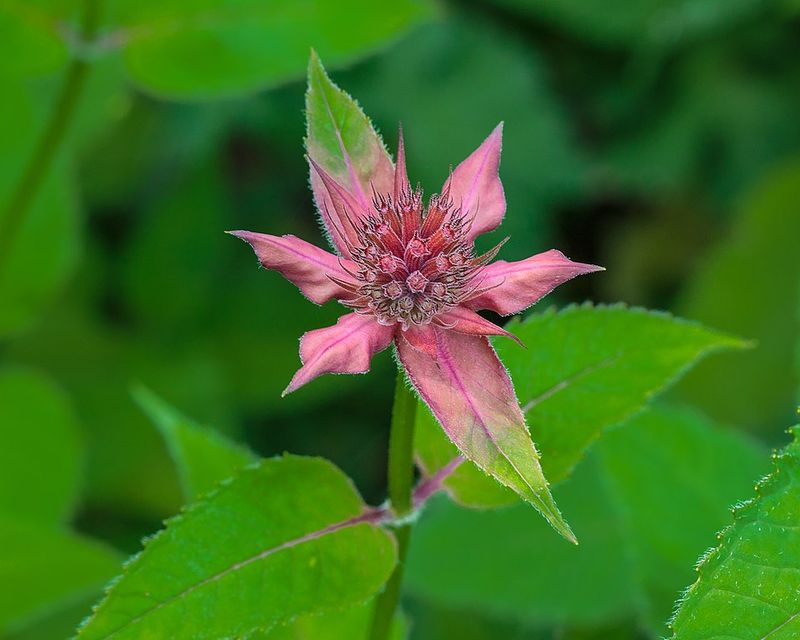
Bee balm brings an energetic, slightly wild beauty that fits perfectly in backyard beds aiming for tropical color without looking overly formal. Coral selections soften the usual red tones and blend more easily with peach, apricot, gold, and deep green foliage.
In Georgia, that makes the plant especially useful for gardeners who want strong summer color that still feels inviting and layered.
Airflow is important, so give it room and avoid burying it in a cramped border. Newer varieties offer better mildew resistance, but good spacing, morning sun, and watering at the soil line still make a noticeable difference.
Rich soil and regular moisture help it look its best through heat.
The shaggy blooms are magnets for bees, butterflies, and hummingbirds, which adds movement and sound to the garden. I like placing it where those visitors can be enjoyed from a porch chair or kitchen window.
After the first flush, a trim often encourages another round of flowers or at least neater growth.
Coral bee balm looks great mixed with black-eyed Susans, phlox, or ornamental grasses that steady its more exuberant shape. If you want a border that feels alive instead of static, this plant delivers personality along with its cheerful, tropical-leaning color.
Achillea
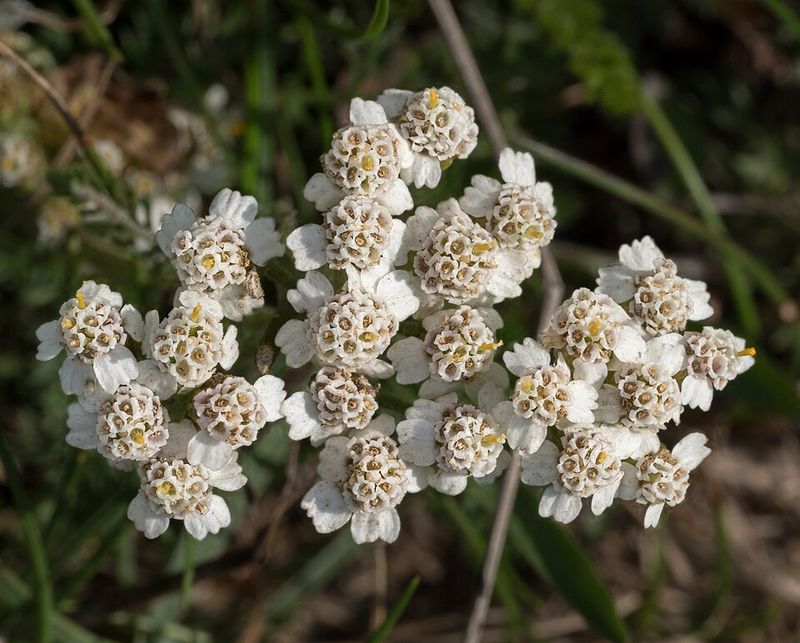
Flat-topped clusters in salmon-coral shades give yarrow a sun-baked warmth that works surprisingly well with tropical-style planting. The flowers do not scream for attention the way giant hibiscus do, yet they knit a border together and keep brighter colors from feeling disconnected.
In Georgia, that balancing role is useful when summer beds risk becoming visually chaotic.
This plant needs strong sun and excellent drainage to stay compact. Too much shade or overly rich soil can make stems flop, so I like using it in leaner spots where fussier perennials would complain.
Once established, it handles dry stretches better than many flowering options.
The ferny foliage adds a soft texture that contrasts nicely with cannas, agaves, or broad-leaved annuals. Flower heads also age attractively, shifting tone rather than collapsing overnight, which extends the display.
You can deadhead for a tidier look, or leave some blooms for a more natural style.
Coral yarrow is especially effective in repeating drifts through a long bed, helping lead the eye from one planting pocket to the next. Pair it with purple verbena, blue catmint, or ornamental grasses for a color mix that feels warm, breezy, and completely at ease in a sunny Georgia backyard.
Gaillardia
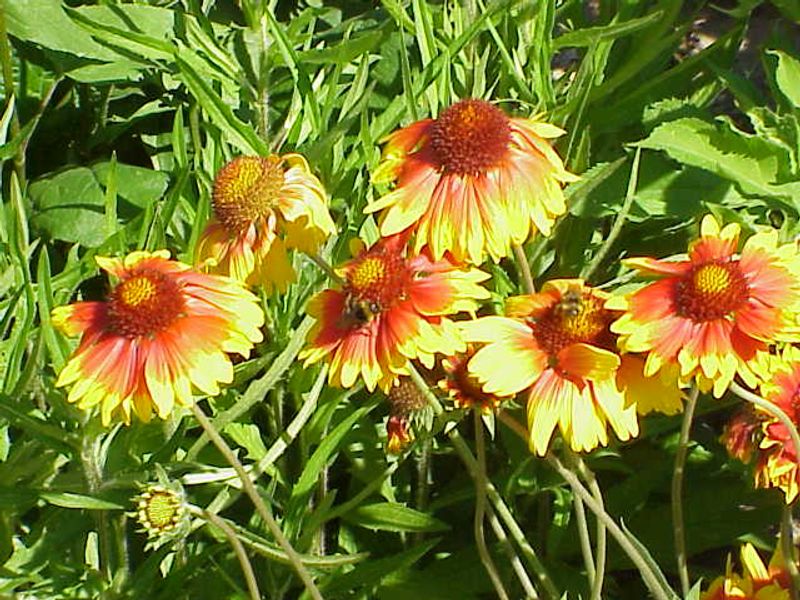
Blanket flower is one of those plants that earns affection by blooming through conditions that make fussier perennials sulk. Apricot-coral tones give it a softer, more tropical warmth than classic red and yellow forms, which helps it fit modern southern borders.
If your Georgia bed gets blasted by afternoon sun, this one is worth serious consideration.
Lean soil and full sun keep the plant happiest. I would avoid overwatering or piling on rich fertilizer, because too much pampering can shorten its life or make growth less sturdy.
Good drainage is especially important during wetter periods, since constant sogginess is not its friend.
The daisy-like flowers pull in pollinators and keep coming if you remove spent blooms regularly. Even a quick deadheading session while carrying the hose can noticeably extend performance.
Because the plant stays relatively compact, it works well near the front of beds or edging a path.
Coral blanket flower pairs naturally with blue salvias, silver artemisia, and dark mulch that sharpens the warm tones. It also bridges beachy, cottage, and contemporary styles better than many gardeners expect.
For a backyard that needs long-lasting color and a little summer resilience, this perennial keeps proving its value.
Heuchera
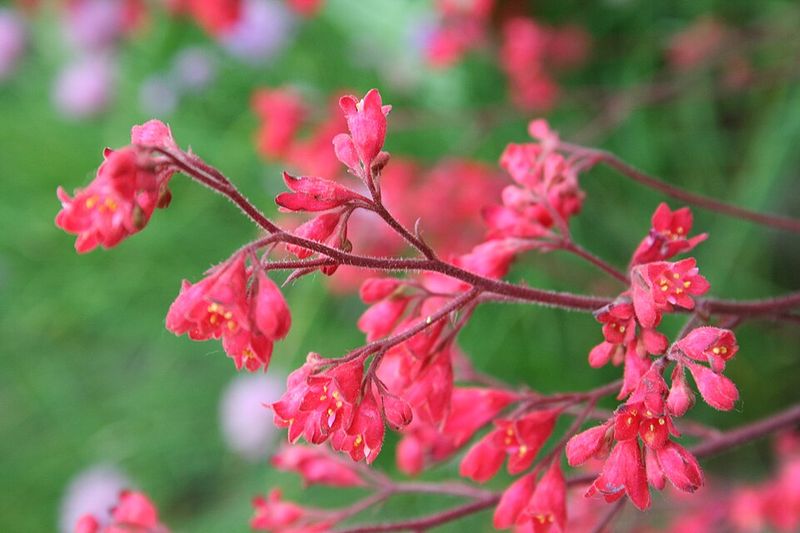
Not every coral accent has to come from flowers. This heuchera earns attention through foliage that shifts between peach, coral, and warm amber tones, giving backyard beds a steady glow even when blooms elsewhere pause.
In Georgia gardens, that dependable leaf color is helpful for tying together shadier zones with sunnier tropical-looking areas nearby.
Morning sun and afternoon shade usually produce the best color and the least stress, especially in the hotter parts of the state. Good drainage matters here too, because crowns dislike sitting in wet mulch through winter or rainy stretches.
I like planting heuchera where raised roots and decorative foliage can be appreciated up close.
Airy flower wands are a bonus, but the real appeal is contrast. Rounded leaves play beautifully against strappy liriope, ferny textures, or large hosta foliage, and the coral tint warms up green-heavy shade beds without making them feel loud.
A quick cleanup in late winter keeps the clump neat.
Use it to echo coral flowers elsewhere in the yard and create a more intentional color story. Along patios, stepping-stone paths, or under small trees, it provides a polished look that stays attractive far longer than many bloom-focused perennials manage in summer.
Penstemon
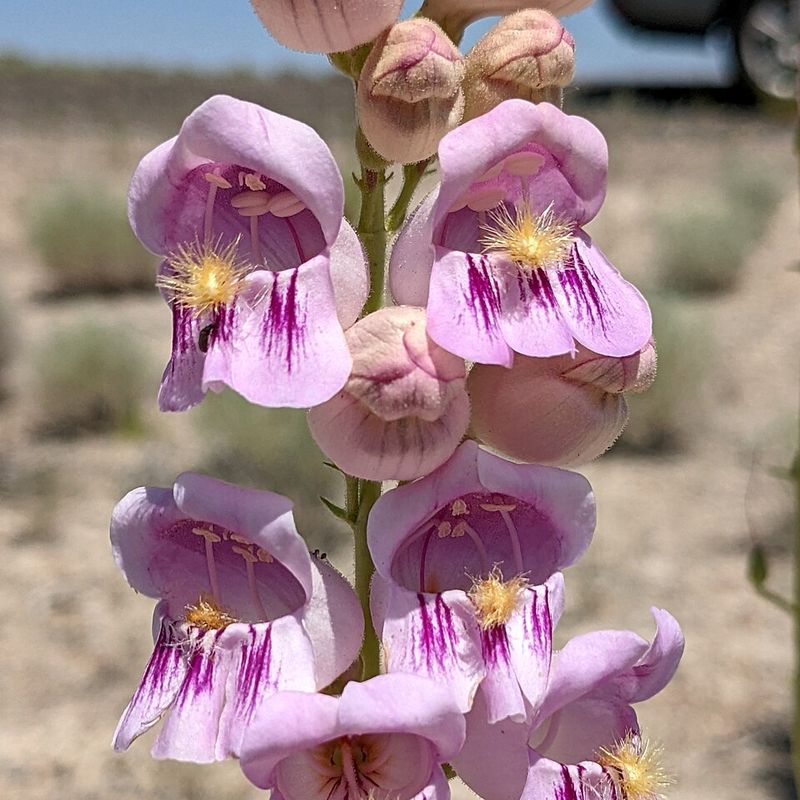
Tubular coral flowers on upright stems give penstemon a crisp, airy look that feels fresh in a humid Georgia border. The shape reads lighter than many summer perennials, so it is useful when you want color without adding visual heaviness.
Hummingbirds tend to agree, making it a practical and lively addition near outdoor seating areas.
Sun and drainage are the priorities. I have seen penstemon fade quickly in poorly drained clay, but plants in amended beds or slopes usually perform much better.
Avoiding excessive mulch around the crown also helps with longevity, especially through wet seasons.
The bloom period can be generous, particularly if spent stems are trimmed once the first flush finishes. Its neat habit makes it easy to combine with more assertive plants like cannas or hibiscus without disappearing completely.
Because the foliage stays fairly tidy, it contributes structure even between waves of bloom.
Coral penstemon works beautifully in the front half of a mixed bed, where the flower color can be appreciated at eye level. Try it with blue salvia, white gaura, or dark-leaved heuchera to create contrast.
For gardeners who want a cleaner, more tailored version of tropical energy, this perennial fits the brief nicely.
Alstroemeria ‘Inca Coral’
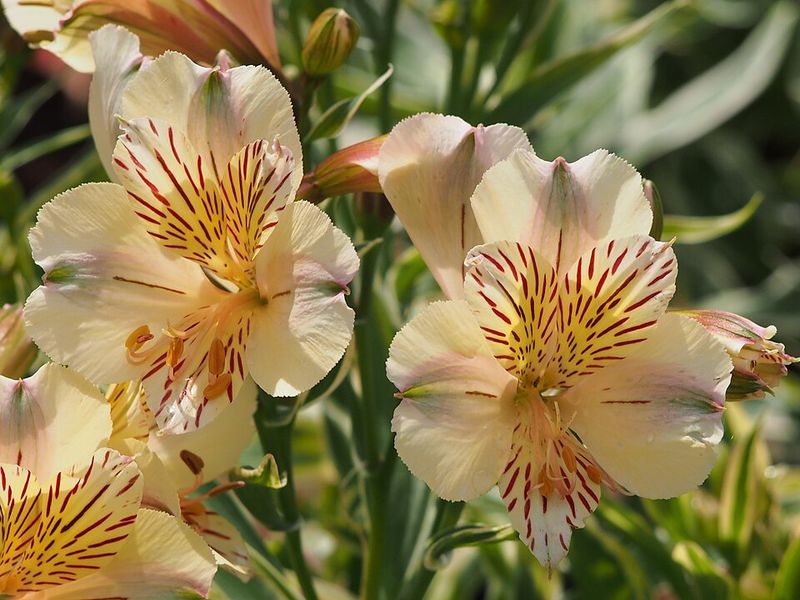
Peruvian lily brings a polished, almost florist-quality look to backyard beds, and coral selections add warmth without overpowering nearby plants. The blooms have that exotic, lightly speckled detail that instantly suggests tropical styling, even when the overall planting is fairly simple.
In milder parts of Georgia, protected sites can support it beautifully as a returning perennial.
Good drainage and winter mulch are essential for the best results. I would site this one in full to partial sun, ideally where it gets brightness but not the harshest reflected heat all day long.
A sheltered bed near a wall or patio often improves survival and keeps stems looking cleaner.
Once happy, the plant produces clusters of long-lasting flowers that are excellent for cutting. Rather than snipping, many gardeners gently pull spent stems from the base, which can encourage fresh shoots more effectively.
That habit also keeps the clump from getting congested too quickly.
Because the flowers hold well, this perennial is especially rewarding if you like bringing the garden indoors. In the border, coral alstroemeria pairs nicely with cannas, agastache, or dark foliage that highlights its intricate petals.
It is a strong choice when you want backyard color to feel both energetic and surprisingly refined.