
10 Blue Perennials That Love Georgia Sunshine And Humid Conditions
Follow us on Google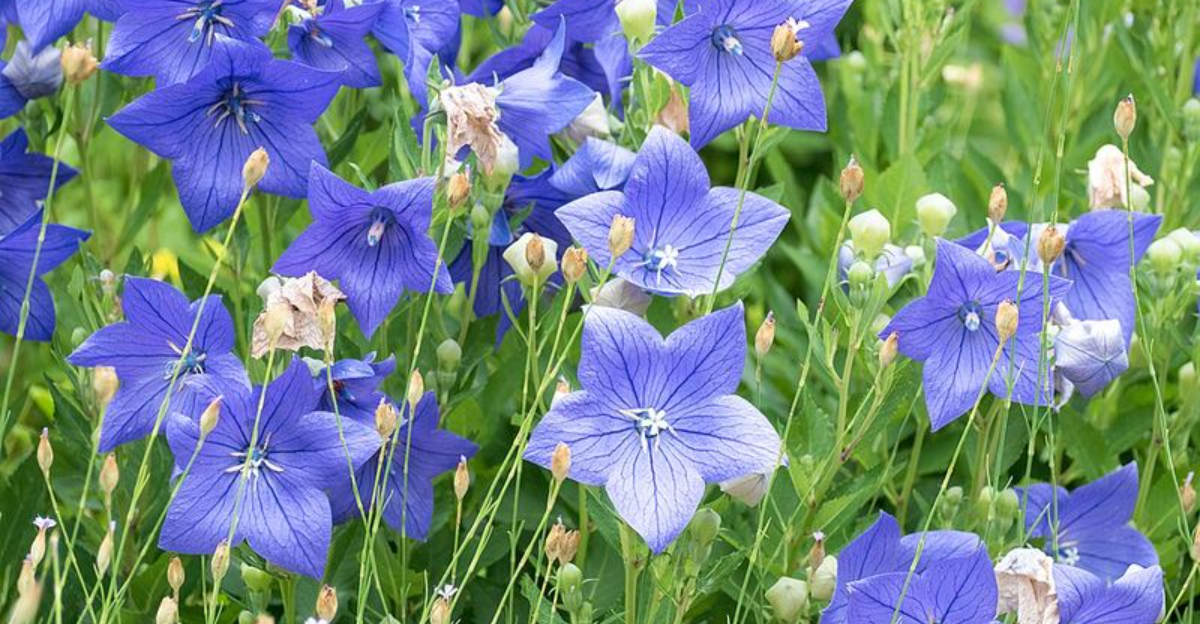
Georgia gardeners know the real challenge is not finding pretty plants – it is finding ones that still look good after blazing sun, sticky air, and long summers. Blue flowers can cool down a hot yard visually, but only if you choose varieties that actually enjoy those conditions.
This list focuses on dependable perennials that handle heat, humidity, and bright light without acting fussy. If you want color that feels fresh from late spring into fall, these picks deserve a spot in your beds.
Stokes’ Aster
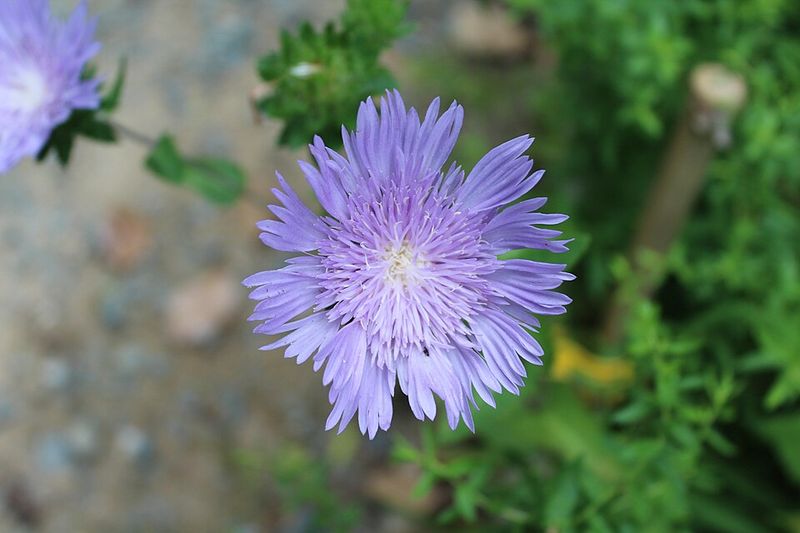
Few blue flowers look as polished in a Southern garden as Stokes’ aster. Its wide, fringed blooms bring a tidy, almost formal look, yet the plant handles Georgia heat better than many cooler-climate perennials.
You get that crisp blue tone without babying it through every humid stretch of summer.
Full sun gives the best flowering, although a bit of afternoon relief helps in the hottest parts of the state. Good drainage matters more than fancy soil, so planting in raised beds or loosening heavy clay can make a noticeable difference.
A layer of mulch keeps roots cooler and helps the plant ride out dry spells between storms.
Blooming usually starts in early summer and can continue with deadheading. Pollinators appreciate the nectar, and the sturdy stems make the flowers useful if you like bringing a few indoors.
Compact growth also means it fits nicely near walkways, mailbox beds, or the front edge of a mixed border.
If your yard tends to stay damp after rain, give this one a spot with air movement. Dividing every few years keeps the clump vigorous and prevents a tired center.
For a classic pairing, plant it beside yellow coreopsis or white shasta daisies for a sharp, clean contrast.
Blue Star Amsonia
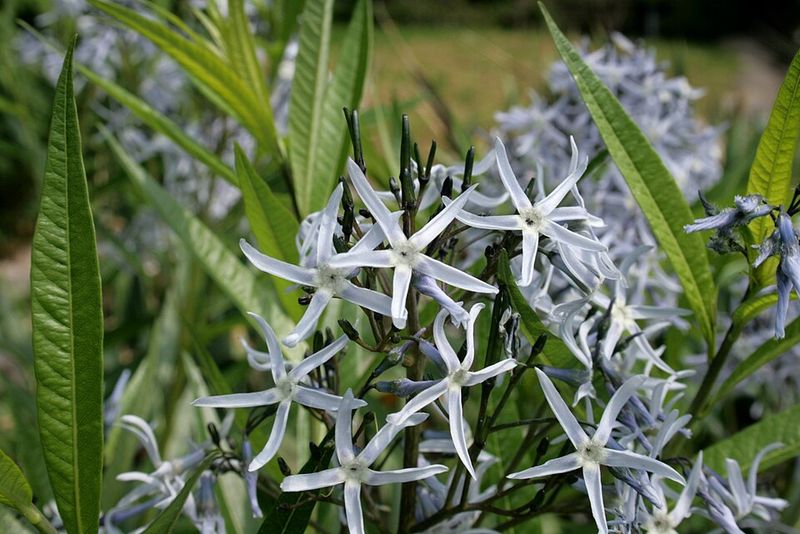
Soft blue blooms and fine textured foliage make blue star amsonia one of the easiest elegant choices for Georgia gardens. Spring flowers arrive in clusters, but the real value shows up later when the plant forms a graceful mound that stays attractive through summer heat.
You are not constantly cleaning it up or rescuing it from humidity damage.
Sun brings the strongest stems and best flower production, though light shade is acceptable in hotter regions. Once established, this perennial handles average moisture and short dry spells with little complaint.
It also copes better with heavy Southern soils than many gardeners expect, especially if the planting area is not waterlogged.
What makes it especially useful is its long season of good behavior. Narrow leaves create a soft, airy look beside bolder plants, and the foliage often turns rich gold in fall.
That means one planting gives you spring flowers, summer structure, and a solid autumn finish.
Give young plants room because mature clumps broaden slowly over time. Cutting stems back by a few inches after flowering can create an even neater shape if needed.
Pair it with coneflowers, salvias, or ornamental grasses when you want a border that looks composed without feeling stiff or overworked.
Spiderwort
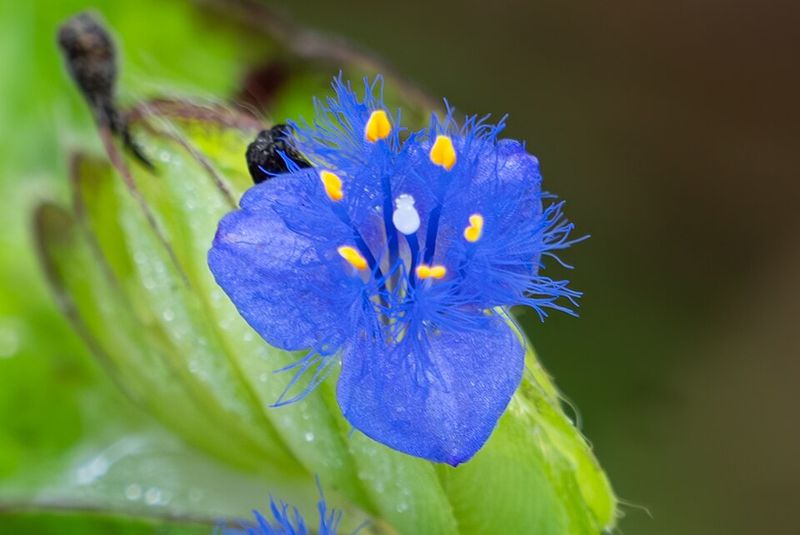
Morning color feels easy and cheerful when spiderwort opens its violet-blue blooms above grassy foliage. This perennial suits Georgia remarkably well because it accepts heat, humidity, and the occasional summer thunderstorm without acting dramatic.
The flowers may be brief each day, but new ones keep coming and create a relaxed, natural look.
Sun encourages more blooms, though some afternoon shade can keep the foliage fresher in intense southern exposure. Regular moisture helps it look its best, especially in sandy soil, but established plants tolerate ordinary garden conditions.
If your clay holds water, simply improve drainage enough to avoid soggy crowns in winter.
Because the leaves can sprawl later in the season, placement matters. Tucking it among sturdier neighbors such as daylilies, salvias, or baptisia helps support the clump and keeps the border looking intentional.
A quick trim after the first flush often encourages cleaner regrowth and another round of flowering.
This is also a smart choice if you want a pollinator friendly garden that does not feel overdesigned. Bees visit the blooms, and the color blends beautifully with pink, white, and silver foliage companions.
For a casual bed near a porch or driveway, it offers plenty of charm with very little fuss.
Louisiana Iris
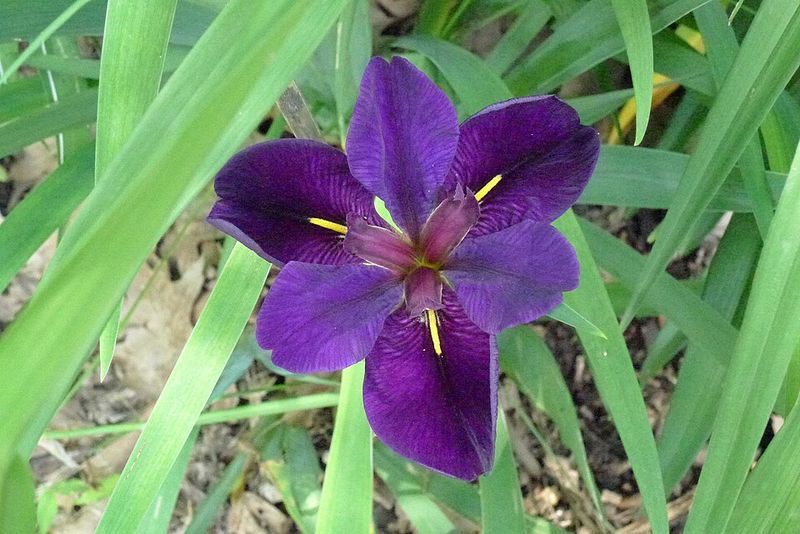
Bold, upright, and surprisingly accommodating, Louisiana iris brings saturated blue tones to gardens that stay warm and humid for months. It is especially valuable if you have a damp area where other sun loving perennials struggle.
Instead of fighting Georgia moisture, this plant often seems to welcome it.
Consistent water is the main secret to success, particularly during active growth and flowering. A site near a pond, rain garden edge, or low spot that drains slowly can work beautifully as long as crowns are not buried too deeply.
Full sun produces the strongest bloom display, though a touch of afternoon shade is acceptable in hotter regions.
Flowering in spring creates a dramatic moment, but the swordlike foliage keeps contributing long after the blossoms fade. That vertical shape is useful for breaking up mounded plants and adding movement to mixed borders.
You can also use it to frame a water feature or soften the edge of a downspout drainage area.
Dividing every few years keeps clumps vigorous and encourages better blooming. A balanced fertilizer in late winter or early spring can support stronger growth, especially in lean soils.
If your landscape has one awkward wet patch, this perennial can turn it into one of the most striking parts of the yard.
Salvia guaranitica ‘Black and Blue’
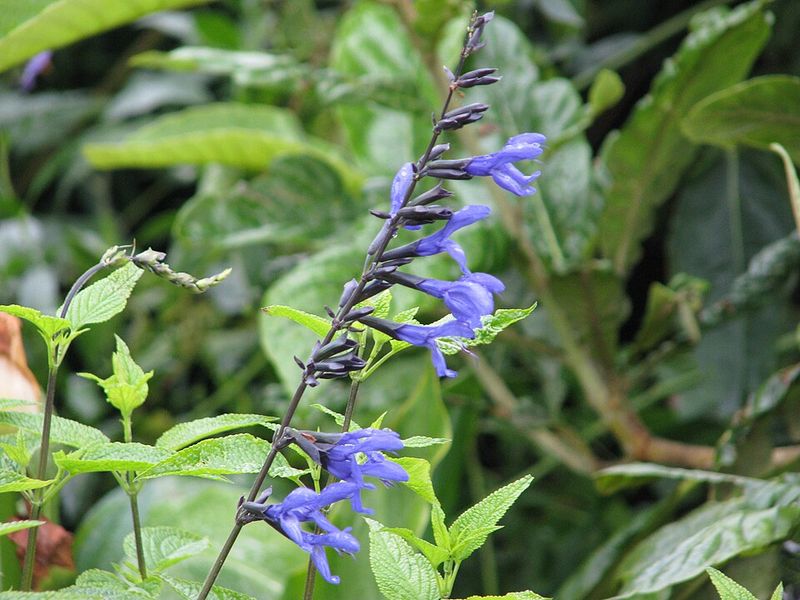
Few summer perennials earn attention as quickly as this salvia with its electric blue flowers and nearly black calyxes. The color reads vividly even in strong Georgia sunlight, and the plant keeps pushing blooms when many spring favorites are already tired.
Hummingbirds notice it fast, which makes the garden feel active all season.
Heat and humidity are rarely a problem once roots settle in. Full sun gives the heaviest flowering, but light afternoon shade can be useful in exposed inland sites with reflected heat.
Soil should stay moderately moist yet well drained, so mulch and occasional deep watering help young plants get established.
Tall stems create height in the middle or back of a bed, and the dark flower bases pair beautifully with chartreuse foliage or silver leaves. If growth becomes floppy by midsummer, a gentle trim usually encourages branching and a fuller second act.
That simple haircut often brings even more flowers later.
Gardeners in Georgia should remember that this perennial may die back in winter and return from the base in spring. Waiting patiently before digging is often rewarded.
For a long season of blue that also feeds pollinators, it works especially well near patios, mailbox beds, and borders you pass every day.
Blue Mistflower
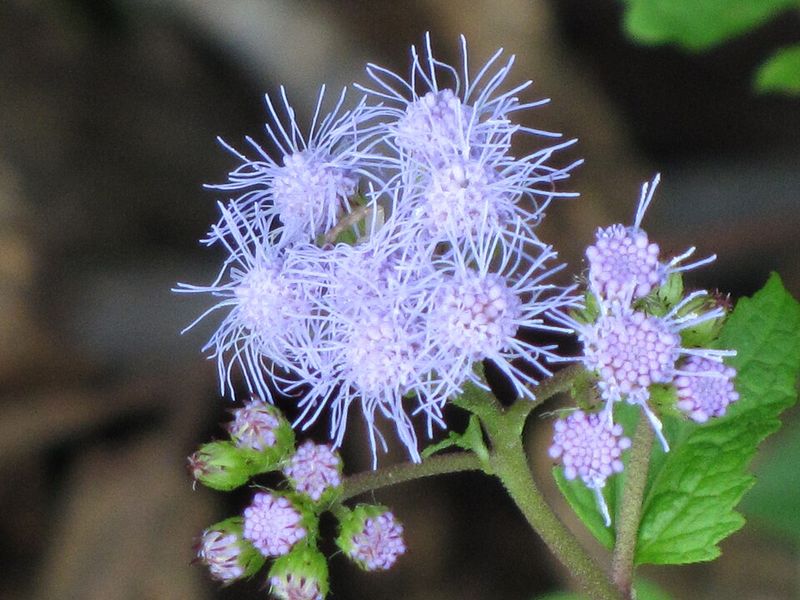
Late summer can feel visually tired in Georgia, which is exactly when blue mistflower becomes incredibly useful. Its fuzzy, bright blue flower clusters arrive when many beds need fresh energy, and butterflies flock to it with enthusiasm.
The look is softer and looser than formal garden plants, making it ideal for naturalistic borders.
Sun is best for flowering, although the plant accepts light shade if the area still gets several bright hours. Moist, reasonably fertile soil keeps it happiest, and it performs especially well where irrigation or rainfall is fairly reliable.
Humidity does not bother it, which is a major advantage during sticky late season weather.
The main thing to know is that this perennial spreads. That can be a gift if you have a wide border, a pollinator patch, or a space near a fence that needs filling, but it is less ideal for tiny foundation beds.
Edging around the clump in spring helps keep growth where you want it.
Because the flowers are airy, pairing it with stronger forms creates balance. Try combining it with ornamental grasses, black eyed Susans, or tall salvias for a layered look.
If your garden usually fades after July, this plant can keep the blue theme going right when the landscape needs a lift.
Agapanthus
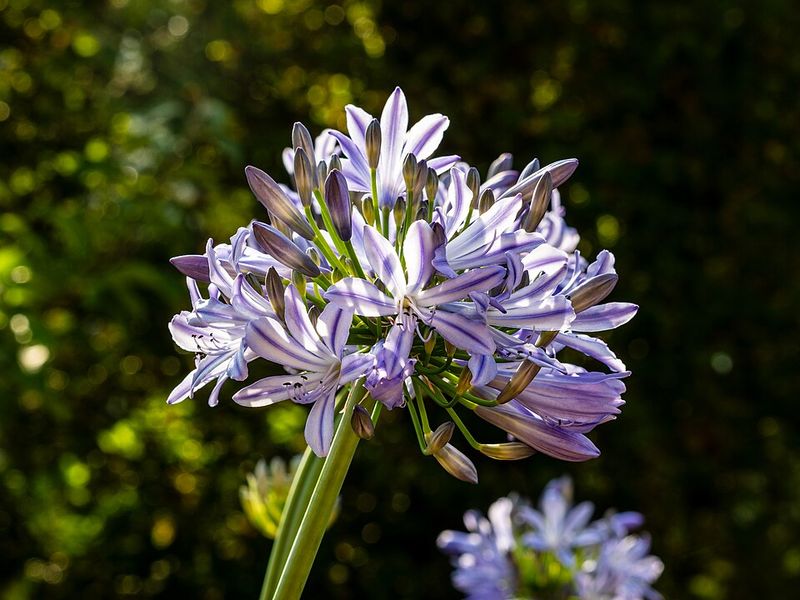
Rounded flower heads on tall stems give agapanthus a clean, architectural look that feels right at home in sunny Georgia gardens. The blue shades range from soft sky to deeper violet-blue, and the blooms stand well above the foliage for a polished display.
In humid conditions, it often performs better than gardeners expect.
Drainage is the deciding factor with this perennial. Full sun encourages the strongest bloom set, but roots should never sit in winter wet soil for long stretches.
In heavier clay, raised beds, berms, or amended planting pockets can make the difference between a thriving clump and a disappointing one.
Once established, the straplike leaves add a tidy evergreen or semi evergreen presence in milder parts of the state. Flowering usually peaks in summer, and the stems make excellent cut flowers if you want a few indoors.
Grouping several together creates much more impact than planting single isolated clumps.
Cold hardiness varies by cultivar, so checking the variety before planting is worthwhile in north Georgia. A protective layer of mulch can help plants through colder winters.
Near patios, entry beds, or driveways, agapanthus provides strong vertical accents and cool blue color without looking busy or overly delicate.
Balloon Flower
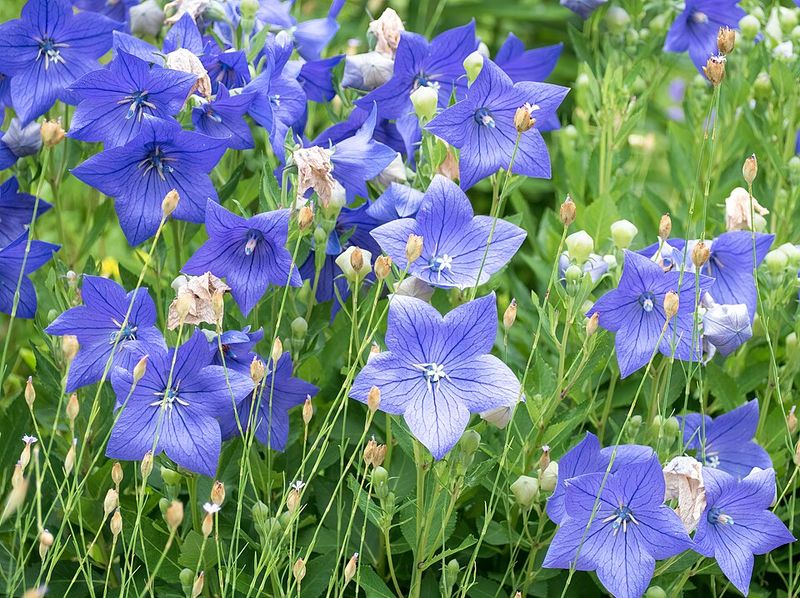
Watching the buds swell like little balloons before opening is half the charm of this dependable perennial. Balloon flower offers true blue tones that stand out clearly in summer, and the upright habit fits nicely in mixed beds without taking over.
It also handles Georgia humidity better than many traditional cottage garden favorites.
Sun promotes compact growth and better flowering, though very hot sites can benefit from a touch of afternoon shade. Average garden soil is usually enough as long as drainage is decent, and mulch helps moderate moisture swings through the heat of summer.
Once settled, plants are not especially thirsty or demanding.
Because it emerges late in spring, marking the spot is smart so you do not accidentally disturb the crown while planting annuals. Stems are sturdy, but taller selections may appreciate support if grown in rich soil.
Deadheading extends the display, while leaving a few blooms to mature adds seasonal interest.
This perennial works best when you want blue color that feels neat and uncluttered. The flowers pair beautifully with coreopsis, catmint, or dwarf ornamental grasses, and they also hold their own in container combinations with excellent drainage.
For gardeners who like reliable bloom without constant maintenance, it is a very satisfying choice.
Baptisia australis
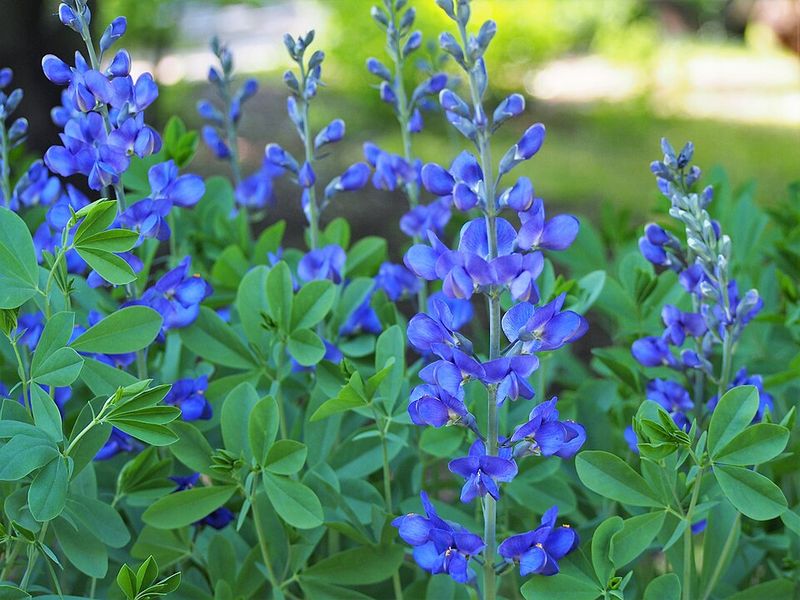
Strong stems, blue spring flowers, and a shrub-like presence make baptisia one of the most valuable long term perennials for Georgia. It looks substantial even when not in bloom, so the plant earns its space across multiple seasons.
Once established, it shrugs off heat and humidity with impressive confidence.
Sun is important here because sturdy flowering stems and dense growth depend on it. This perennial prefers decent drainage, yet it tolerates average Southern soil better than many gardeners assume.
Deep roots help it handle dry periods, though that same root system means young plants should be placed carefully and left undisturbed.
Bloom spikes appear in spring, followed by attractive blue-green foliage that keeps the border grounded through summer. Seed pods can add another layer of interest if left in place, especially in naturalistic plantings.
Because the plant matures slowly, patience pays off with a fuller, more commanding clump over time.
Use it where you need structure without relying on a woody shrub. It pairs beautifully with native grasses, yarrow, or orange daylilies for strong contrast, and it rarely needs staking or frequent division.
If you want a blue perennial that behaves like an anchor in the garden, baptisia is hard to beat.
Veronica ‘Royal Candles’
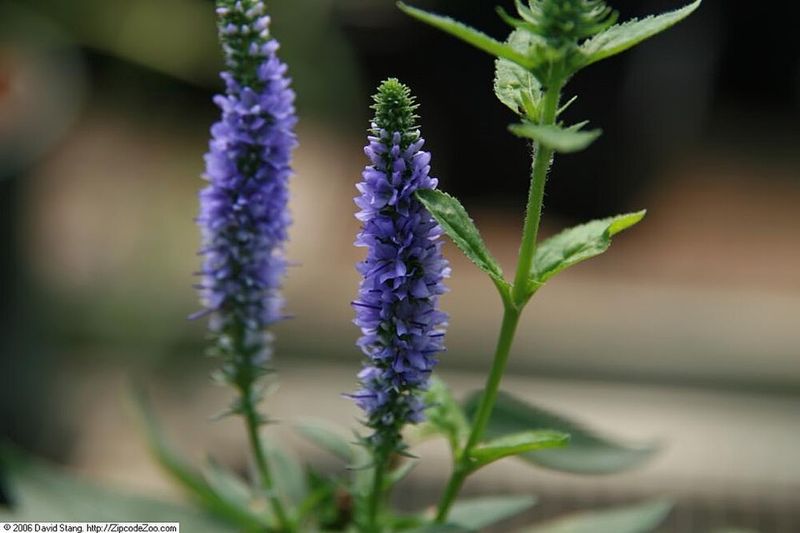
Vertical flower spikes can make a planting look sharper, and this veronica does that without overwhelming neighboring plants. The blue blooms rise above tidy foliage in a way that feels organized and fresh, especially in smaller Georgia gardens.
It is a strong option when you want repeated color in a compact footprint.
Good sun is essential for the best stems and flower density. In humid climates, spacing matters more than many people realize because better airflow helps keep foliage cleaner through the season.
Well drained soil is also important, so avoid low spots where summer rain lingers around the crown.
Deadheading the first flush usually encourages a respectable repeat bloom. That makes it useful near entry paths, patios, or front borders where you notice every plant performance issue.
The upright shape contrasts nicely with mounding companions such as coreopsis, dianthus, or low salvias.
Because Georgia summers can be intense, this perennial benefits from consistent moisture during establishment and a light mulch layer that does not smother the crown. It is not as carefree as baptisia or amsonia, but the color and form are worth the small amount of extra attention.
For a crisp blue accent in a sunny bed, it earns consideration.