
10 Orange Perennials Massachusetts Homeowners Use For Warm Garden Accents
Follow us on Google
Orange flowers can make a New England garden feel brighter from the first warm days of summer into fall. In Massachusetts, the trick is choosing perennials that can handle cold winters, humid stretches, and the occasional dry spell without becoming high-maintenance.
The plants below bring that rich sunset color while still fitting real yards, real schedules, and real growing conditions. If you want beds that feel welcoming instead of washed out, these picks are worth a closer look.
Butterfly Weed
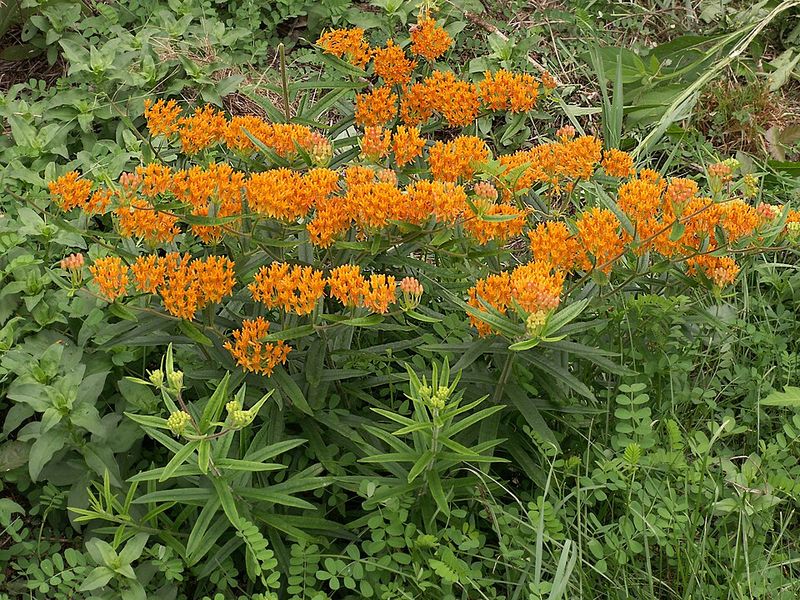
Few plants earn their spot as easily as this one, especially if your yard gets full sun and tends to dry out by midsummer. The bright orange flower clusters look cheerful without seeming fussy, and they pair beautifully with blue salvia, purple coneflowers, or ornamental grasses.
If you want a border that attracts attention from both neighbors and pollinators, this is a reliable place to start.
Massachusetts gardeners usually get the best results in lean, well-drained soil, not rich pampered beds. Deep roots help it handle drought once established, but that also means it dislikes being moved, so pick the planting spot carefully.
A sunny front walk, mailbox bed, or hellstrip is often a smarter choice than a heavily irrigated foundation bed.
Orange blooms appear in early to mid summer and draw monarchs, swallowtails, and plenty of bees. Leaving the seed pods in place adds another season of interest and supports wildlife well after the flowers fade.
You also get a tidy upright shape that does not flop all over nearby plants.
Cut old stems back in spring rather than fall and give new plants time to settle in. Patience matters because first-year growth can seem modest.
By the second or third season, you usually get the warm accent color that makes the whole bed feel more intentional.
Orange Daylily
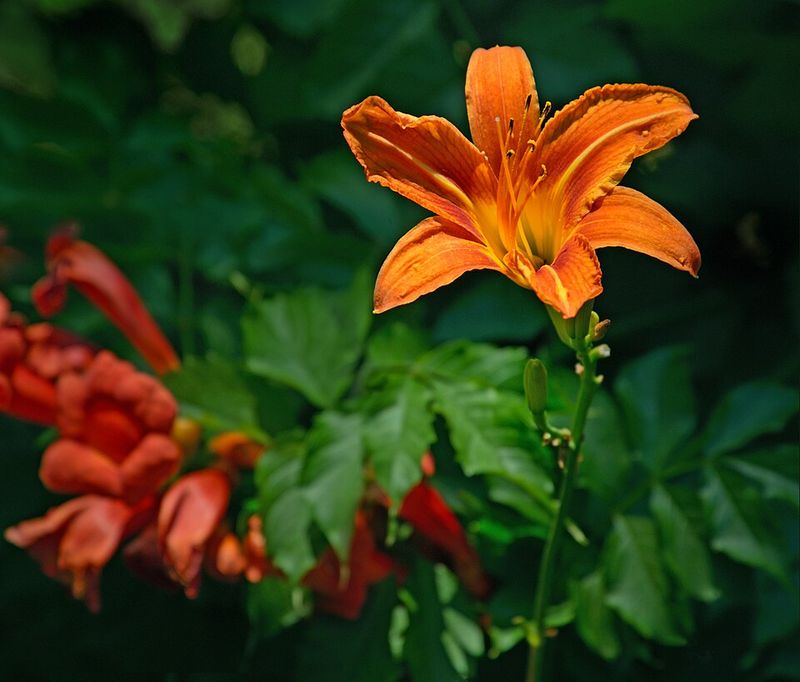
Some gardens need a dependable burst of orange without extra fuss, and daylilies answer that call better than most perennials. Their trumpet-shaped blooms brighten mixed borders, mailbox plantings, and sloped areas where tougher plants tend to shine.
If you have a busy week and still want the yard to look cared for, this is the kind of plant that helps.
In Massachusetts, daylilies handle cold winters well and bounce back even after rough weather. Full sun gives the strongest flowering, though light afternoon shade can help the orange tones hold better during hot spells.
They are also forgiving about soil, provided drainage is decent and the crown is not buried too deeply.
Reblooming orange cultivars are especially useful because they extend color far beyond the usual summer flush. Deadheading is optional if you are not chasing a super polished look, but removing spent flowers does keep clumps tidier.
Dividing every few years prevents crowding and gives you free plants for other sunny spots.
Try pairing them with black-eyed Susans, Russian sage, or low mounded sedums for a strong late-season display. The strappy foliage adds texture even when flowers are not open.
For homeowners who want classic color with very little drama, orange daylilies are still one of the smartest choices around.
Geum ‘Totally Tangerine’
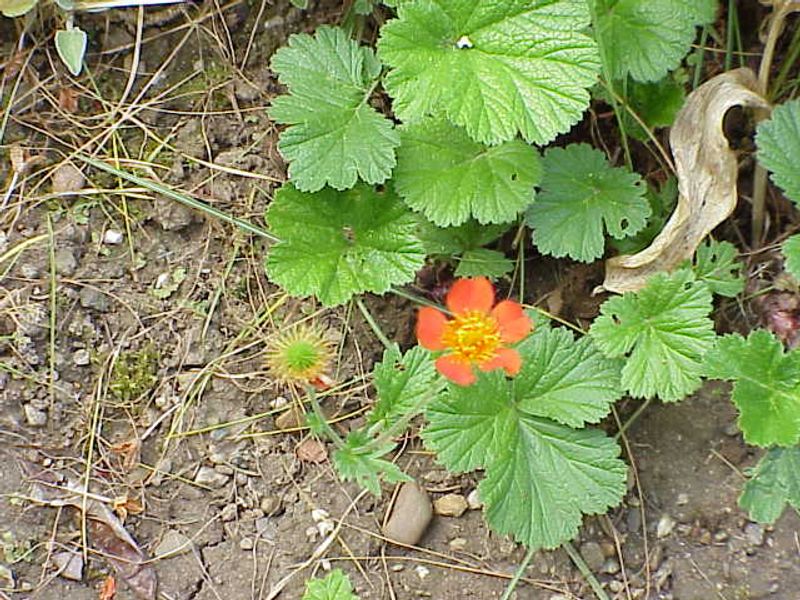
Airy stems and soft orange flowers give this perennial a lighter look than many hotter colored plants. Instead of creating a heavy block of color, it threads warm tones through the bed in a way that feels relaxed and natural.
That makes it especially helpful if you want orange accents without overwhelming smaller garden spaces.
Massachusetts gardeners often have good luck with it in full sun to partial shade, especially where the soil stays evenly moist but drains well. Afternoon shade can be useful in hotter inland areas, helping flowers last longer and foliage stay fresher.
A little compost at planting time usually goes further than heavy feeding later.
Blooming begins in late spring and can continue for weeks, sometimes much longer with deadheading. The wiry stems float above the foliage, so nearby plants still show through, which keeps combinations from looking crowded.
It pairs nicely with catmint, hardy geraniums, lady’s mantle, and purple alliums for a painterly effect.
Because the color leans tangerine rather than deep pumpkin, it works well near brick, stone, and weathered cedar. Use it along paths, near patios, or in front of shrubs where you will appreciate the movement.
If your goal is a warm, welcoming border that still feels refined, this one earns serious attention.
Crocosmia
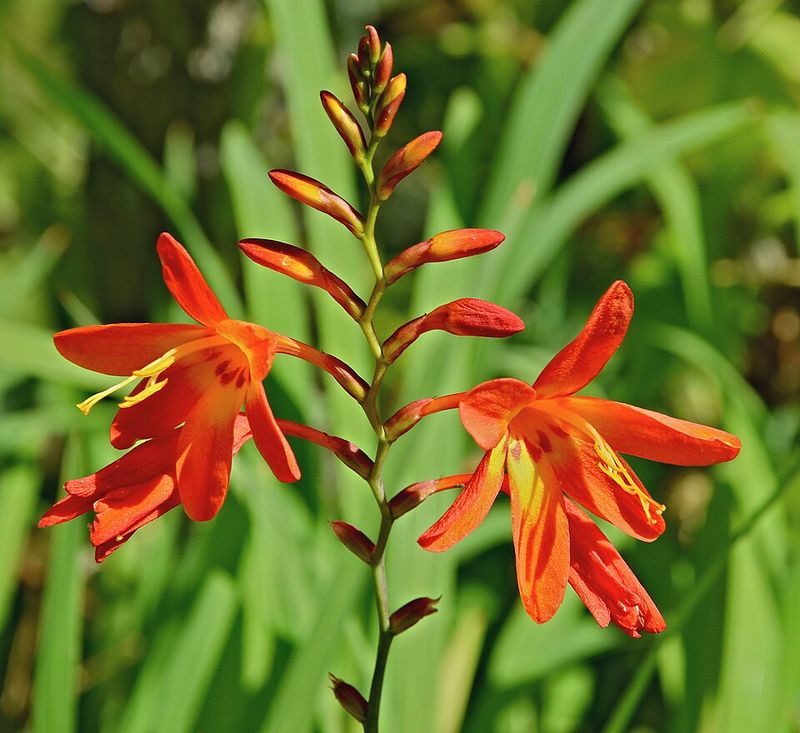
Arching stems packed with orange blooms bring an energetic look that feels a little more dramatic than standard border plants. The sword-like foliage adds vertical texture, and hummingbirds usually notice the flowers quickly.
If your garden needs a fiery accent near midsummer, this perennial can provide it with style.
Success in Massachusetts depends on placement more than luck. A sunny, protected site with excellent drainage gives corms the best chance of returning, especially in colder inland spots where winter wet can be a bigger issue than low temperatures alone.
Planting near a south-facing wall or under a light winter mulch often improves survival.
The blooms rise above surrounding plants, so crocosmia works well behind lower mounded perennials and in front of shrubs. It looks especially striking with dark-leaved companions, blue grasses, or deep purple salvias.
Because the flower spikes open gradually, you get color over an extended period instead of one quick burst.
Do not cut the foliage too early after flowering because the leaves help recharge the corms for next year. In richer soils, clumps can expand nicely over time, but they still benefit from occasional division.
For gardeners willing to give it the right microclimate, crocosmia adds a memorable orange note that feels fresh rather than ordinary.
Helenium
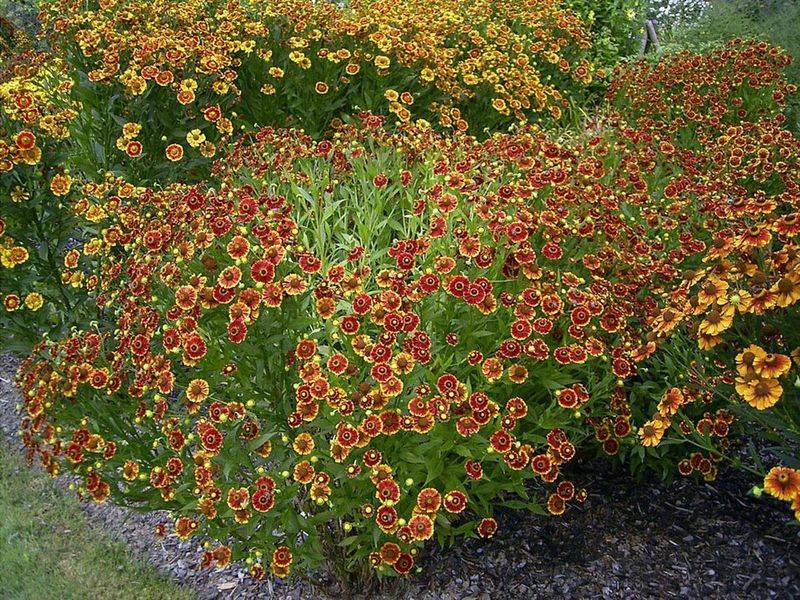
Late summer gardens often need a second wind, and this perennial supplies it with saturated orange tones that read warm from a distance. The daisy-like flowers bring a meadow feel, yet the plant still fits neatly into more structured borders.
If your beds look tired by August, helenium can pull the whole scene back together.
Massachusetts conditions suit it well when soil stays moderately moist and the site gets plenty of sun. It is less forgiving of drought than butterfly weed or gaillardia, so do not tuck it into the driest strip by the driveway and expect great results.
A border with amended soil and regular watering during heat waves is a better match.
Many varieties bloom from midsummer into early fall, making them valuable for long-lasting color. Pollinators visit constantly, and the upright stems mix beautifully with asters, switchgrass, and Joe Pye weed.
Pinching plants back in early summer can create stockier growth and more flowers, especially in richer soil.
Dividing every few years keeps clumps vigorous and prevents centers from thinning out. The warm orange shades also blend easily with red, gold, and copper tones if you enjoy a more autumnal palette.
For homeowners who want strong seasonal color without resorting to annuals, helenium is one of the best perennials to consider.
Torch Lily
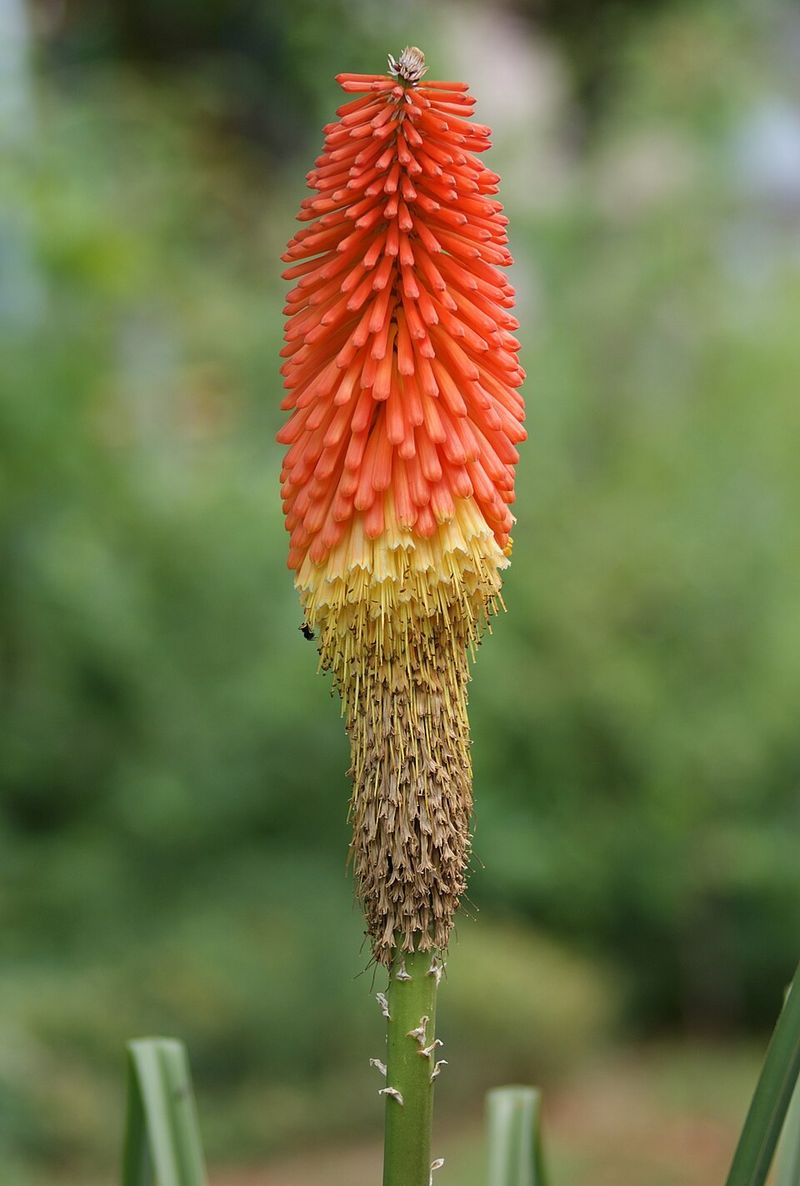
Spiky flower stalks in shades of orange instantly create a focal point, especially when your border is full of softer rounded blooms. The torch-like flowers have a modern look, yet they blend surprisingly well with cottage garden plants and ornamental grasses.
If you want one perennial that sparks conversation, this is a strong contender.
In Massachusetts, drainage is the make-or-break factor. A sunny site with sharp drainage, especially on a slight slope or raised bed, helps crowns survive winter much better than a flat, soggy spot.
Gardeners along the coast or in warmer pockets often find it easier to keep than those dealing with heavier inland soils.
Bloom time varies by cultivar, but many produce tall orange spikes in midsummer that hummingbirds appreciate. The strappy evergreen or semi-evergreen foliage also gives the planting bed structure beyond the flowering season.
It looks especially good beside sedums, catmint, salvia, or blue fescue where the color contrast feels crisp.
A winter mulch applied after the ground cools can help protect crowns without trapping too much moisture. Resist the urge to overwater established plants because they perform better on the leaner, drier side.
For a bold orange accent that reads architectural as well as colorful, torch lily brings a lot of personality to the garden.
Oriental Poppy
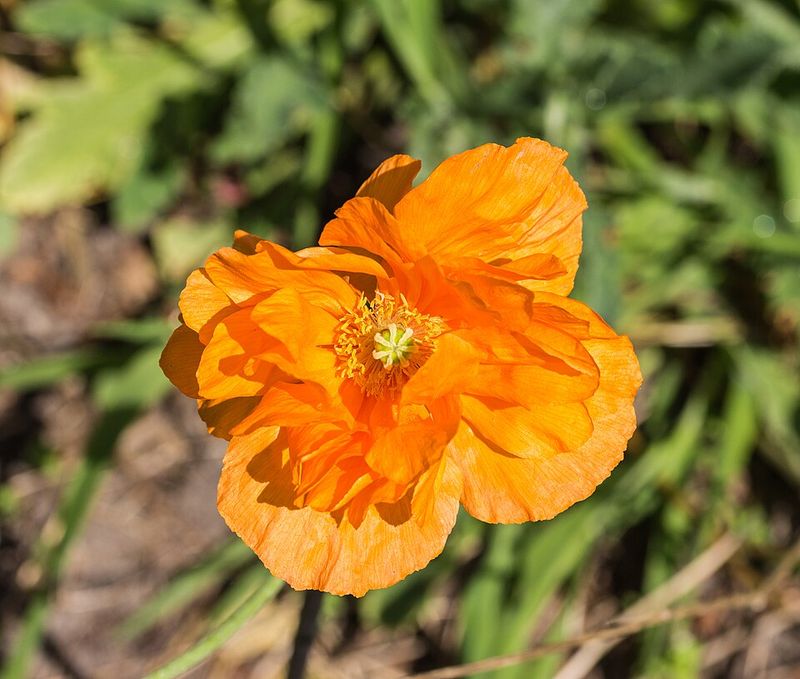
Few flowers stop people in their tracks the way a big orange poppy does in late spring. The blooms have a crepe-paper texture and saturated color that can wake up an entire border for a few unforgettable weeks.
If you enjoy dramatic seasonal moments, this perennial delivers one of the best in the garden.
Massachusetts homeowners usually get strong performance when plants sit in full sun with excellent drainage. Heavy wet winter soil can be a problem, so raised beds or sandy loam make life easier.
It is also helpful to remember that foliage may die back after blooming, which surprises people the first time they grow it.
That disappearing act is not a flaw if you plan around it. Surrounding poppies with later-emerging companions like asters, Russian sage, black-eyed Susans, or hardy geraniums helps fill the gap and keeps the bed looking intentional.
You get the thrill of intense orange flowers without staring at an empty hole all summer.
Planting them where mature neighbors can gently cover the retreating foliage is a smart design move. Try not to disturb established clumps, because they resent frequent transplanting and often respond slowly.
When used thoughtfully, oriental poppies bring a flash of warm color that feels almost theatrical in the best possible way.
Blanket Flower
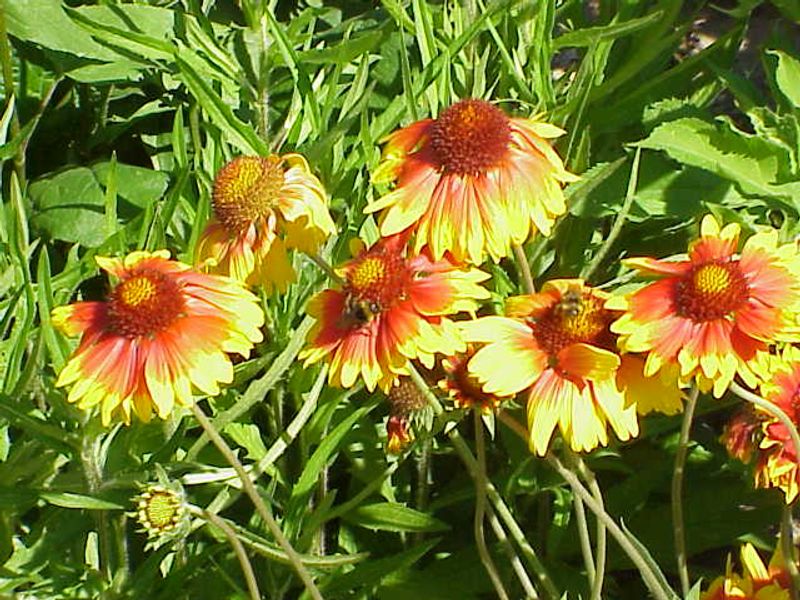
Hot dry spots can be frustrating, but this perennial often turns them into some of the brightest parts of the yard. Its orange flowers, often brushed with red or gold, keep appearing through summer and make even a small planting feel lively.
For homeowners who want color without constant watering, blanket flower is a practical favorite.
Massachusetts gardens with sandy or average soil usually suit it better than heavy, soggy beds. Full sun is essential if you want sturdy growth and steady blooming, and rich soil can actually make plants shorter lived.
In a gravelly border, curbside strip, or raised bed, it often performs far better than fussier perennials.
Deadheading encourages more flowers, though newer cultivars can bloom freely with minimal cleanup. Bees and butterflies visit often, and the mounded habit makes it easy to tuck between lavender, coreopsis, yarrow, or low grasses.
Because the color is warm but not overly formal, it works in both cottage and contemporary plantings.
Winter survival improves when drainage is sharp and crowns are not buried under wet mulch. Some gardeners treat short-lived varieties almost like bonus perennials, enjoying a few strong seasons and replacing them if needed.
Even with that caveat, blanket flower earns its place by providing cheerful orange color where many other plants would simply sulk.
Hardy Garden Mum
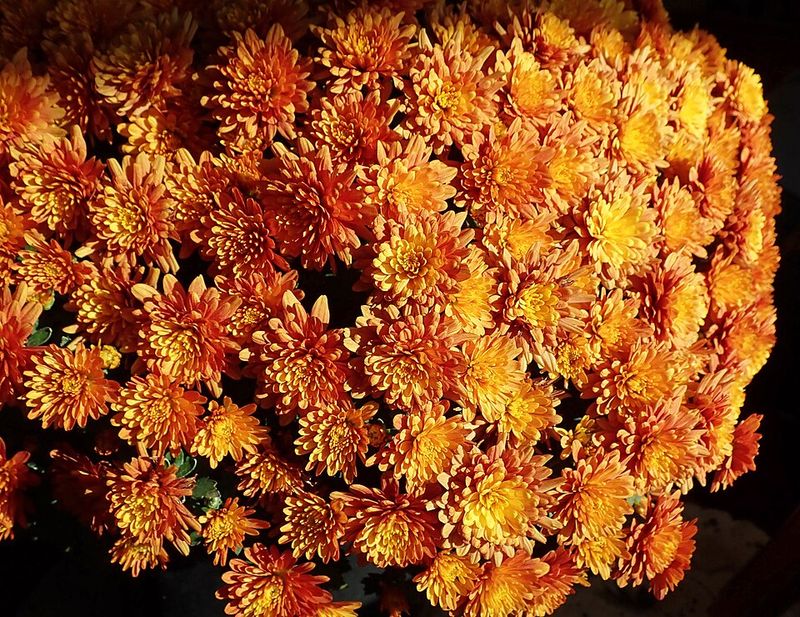
By the time September arrives, many borders need a fresh hit of color, and hardy mums provide it in a very Massachusetts-friendly way. Their orange blooms echo changing leaves, pumpkins, and brick walkways, so they feel naturally at home in fall landscapes.
If you enjoy seasonal curb appeal, few perennials make a stronger late statement.
The key is treating them as perennials from the start rather than disposable porch plants. Plant in spring whenever possible, give them full sun, and make sure the soil drains well before winter settles in.
That approach gives roots time to establish and greatly improves the chances of seeing them return next year.
Pinching stems back until early July encourages a fuller shape and more flowers, which is worth the small effort. In borders, orange mums pair beautifully with asters, sedums, ornamental kale, and switchgrass.
They also work near entryways where you want a tidy rounded form that reads intentional instead of rangy.
Avoid cutting them to the ground in fall because old stems help protect crowns during winter. Add a light mulch after the soil cools, not while it is still warm and wet.
For homeowners who want orange accents when most summer bloomers are winding down, hardy garden mums are a practical and satisfying finish.
Coneflower ‘Sombrero Adobe Orange’
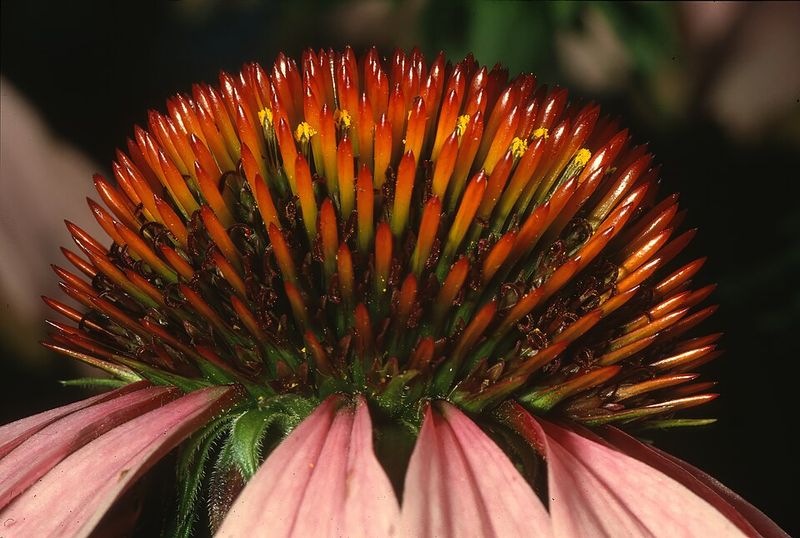
If you like the easy nature of classic coneflowers but want a warmer color story, this variety is a satisfying pick. The petals open in a rich burnt orange, and the sturdy stems usually stay upright through summer storms.
In Massachusetts, it handles heat, humidity, and winter cold well.
I especially like it near blue salvia, ornamental grasses, or dark leaved heuchera, where the color feels bright but still grounded. Leave the seed heads standing if you enjoy extra texture and visiting birds in fall.
If your beds get full sun and decent drainage, it quickly earns its space.