
10 Lavender Perennials Bringing A Romantic Feel To Pennsylvania Outdoor Spaces
Follow us on Google
A soft drift of lavender can make a Pennsylvania yard feel quieter, gentler, and unexpectedly elegant. The right perennial varieties do more than smell beautiful – they handle local winters, support pollinators, and give patios, paths, and borders a dreamy look for months.
If you want that romantic garden feeling without choosing plants that struggle in your climate, these lavender picks are the ones worth knowing. Each one brings a slightly different color, habit, and mood, so you can match the plant to the space you actually have.
English Lavender
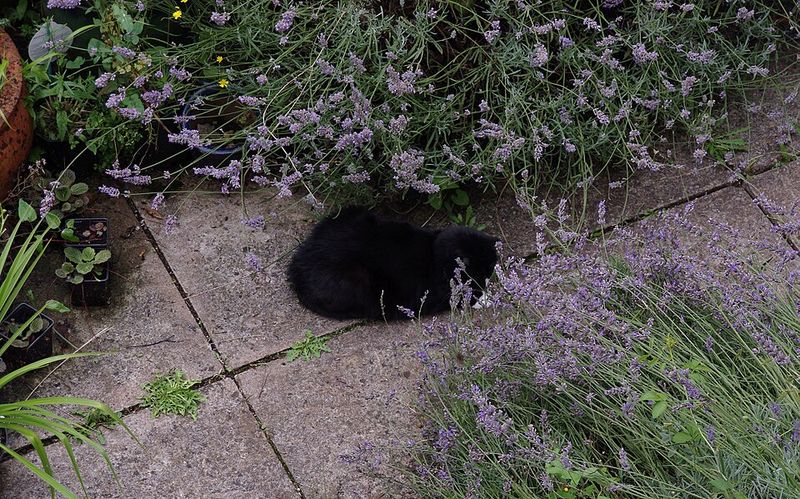
Soft color does a lot of work in a Pennsylvania garden, and this classic variety proves it fast. English lavender is usually the safest place to start if you want dependable winter survival, tidy form, and that calming fragrance people notice the moment they step near a walkway.
Its compact shape makes beds look intentional instead of unruly.
Most yards here do best with full sun, lean soil, and sharp drainage, so I would skip rich compost-heavy spots. Planting on a slight slope, near a stone border, or in a raised bed helps roots stay dry through wet winters.
Once established, it asks for far less water than many flowering perennials.
That romantic feel comes from the way the flower spikes float above gray-green foliage, especially beside roses, catmint, or pale salvia. Try grouping three or five plants rather than spacing singles around the yard, because the effect feels softer and more luxurious.
The fragrance also makes seating areas feel more personal and welcoming.
Prune lightly after flowering and avoid cutting into old woody stems. With that simple routine, you get a long-lived perennial that looks graceful in formal borders, casual cottage plantings, and even containers near the front steps.
Hidcote Lavender
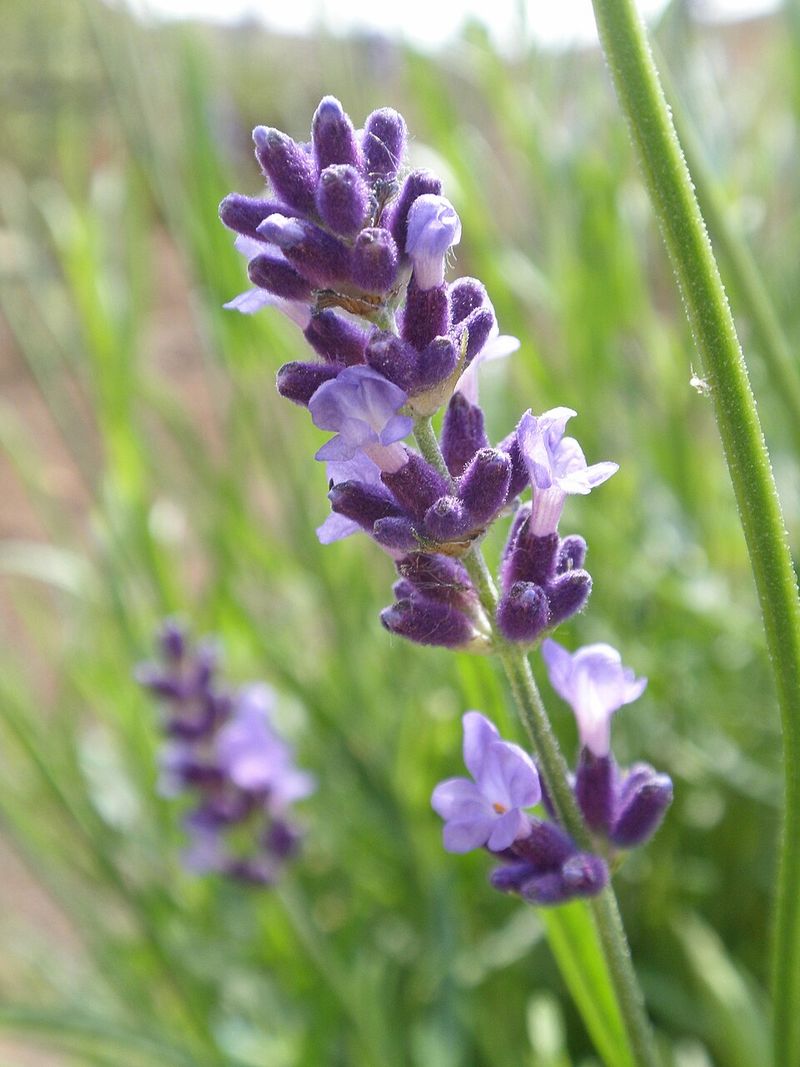
Deep purple blooms can give a planting bed instant drama, and that is exactly why Hidcote stays so popular. This compact English lavender has richer color than many standard forms, so it stands out beautifully against pale stone, white fencing, or weathered brick.
In a romantic garden, that contrast reads polished without feeling stiff.
Pennsylvania gardeners usually have the best luck placing it where winter moisture drains quickly. A sunny edge along a path or driveway works well because the reflected heat helps keep foliage dry, and brushing past the flowers releases that familiar scent.
Good air circulation matters too, especially in humid summers.
Because the plant stays relatively neat, it is perfect for low edging around herb beds, rose gardens, or small patios. I like the way its dark flower spikes pair with blush peonies, cream daylilies, and silver artemisia for a softer palette.
It also dries well, so a summer trim can become indoor bundles or sachets.
Cut spent flowers after the first main flush to encourage a tidier second show. If you want a garden that feels intimate rather than oversized, Hidcote brings structure, fragrance, and moody color in a size that fits even compact suburban spaces.
Munstead Lavender
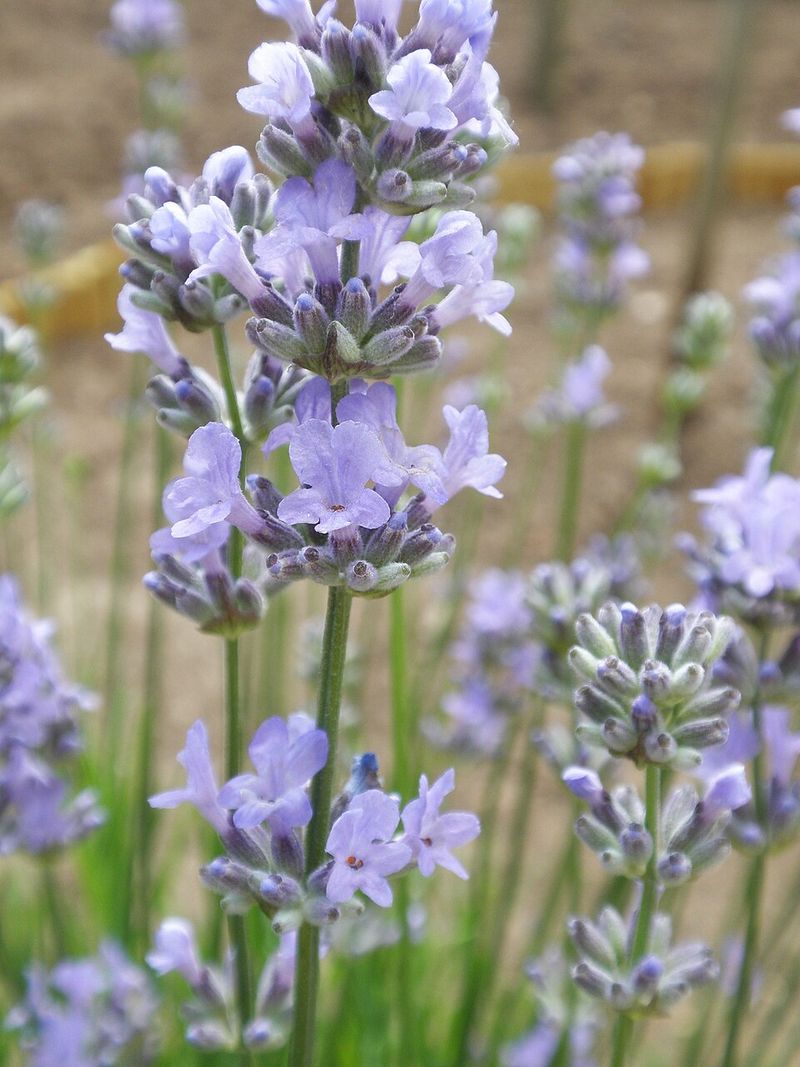
Some gardens need a lavender that feels relaxed and easy rather than intensely formal, and Munstead fits that role beautifully. Its slightly looser habit and soft purple blooms give beds a welcoming look that works with cottage gardens, kitchen gardens, and casual front yard borders.
It also tends to bloom reliably, which makes it satisfying for newer gardeners.
For Pennsylvania conditions, the biggest priority is sun from morning through late afternoon. Heavy clay can be a problem, so mixing in grit or planting in a raised area often gives better long-term results than trying to force lavender into soggy ground.
That one choice usually matters more than fertilizer or extra watering.
Because Munstead stays manageable, it slips easily between stepping stones, mailbox beds, or vegetable garden edges where fragrance adds an extra layer of enjoyment. The softer flower color pairs especially well with pink roses, white coneflowers, and dusty miller.
If you want a romantic space that does not look overly designed, this cultivar helps create that balance.
Harvest stems just as the buds begin to open for the strongest scent indoors. A light trim after flowering keeps plants full and rounded, and it helps prevent that bare, woody center that can make older lavender look tired.
Grosso Lavender
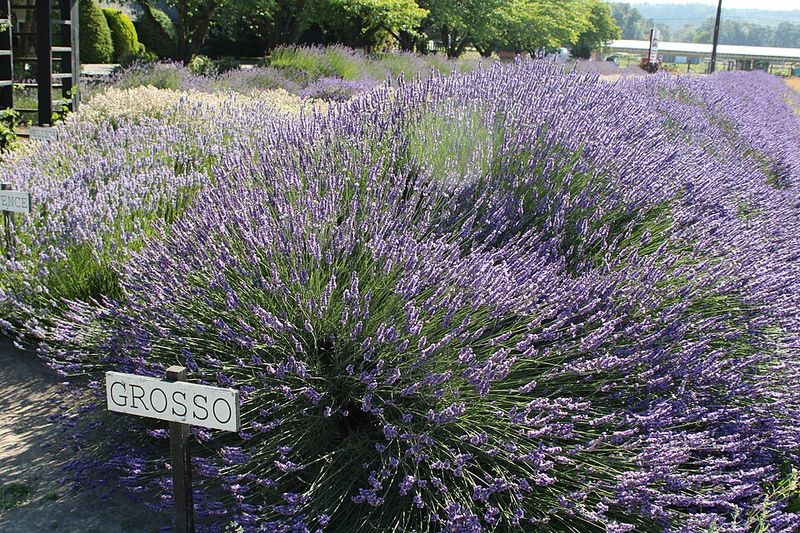
Tall flower wands can make a border feel cinematic, and Grosso brings that effect better than most lavenders. This lavandin type is famous for abundant blooms, strong fragrance, and long stems that look beautiful swaying above silver foliage.
In larger Pennsylvania gardens, it can create the kind of repeating rhythm that makes an outdoor space feel intentional and dreamy.
Drainage still matters a lot, especially through winter, so I would reserve it for the sunniest and driest spot you can offer. Near a gravel path, stone wall, or south-facing foundation, plants often stay healthier than they would in rich, damp flower beds.
That setting also highlights the upright flowers beautifully.
Because Grosso gets larger, it shines in broad drifts rather than tiny mixed pockets. Try planting it where the scent can travel past a bench, porch, or gate, since brushing against the blooms is part of the experience.
The cool purple tones pair nicely with cream roses, ornamental grasses, and pale yarrow for a softer romantic palette.
This is also one of the best choices for drying, wreaths, and fragrant bundles around the house. Cut stems when the lower flowers begin opening, then prune the plant lightly to maintain a rounded form for the next season.
Provence Lavender
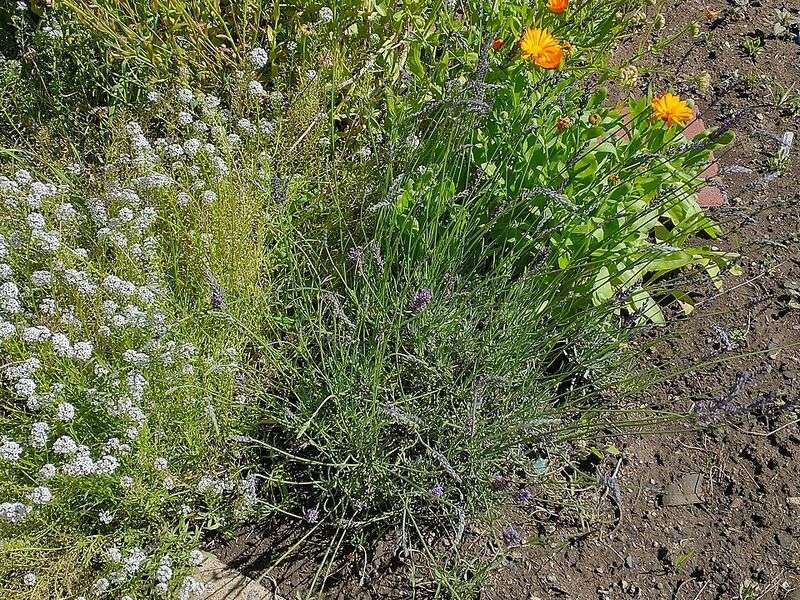
Long stems and a softer silhouette give Provence an undeniably romantic personality, especially near patios and seating areas. This lavandin is often chosen for fragrance first, but its airy habit also helps a garden feel relaxed and inviting instead of rigid.
When summer light hits the flower spikes, the whole planting can look almost watercolor soft.
In Pennsylvania, success depends on choosing a protected site with excellent drainage and plenty of sun. A raised bed, gravel garden, or large container near a warm wall gives it the best chance to handle winter and spring moisture.
I would not tuck this one into dense borders where air movement is limited.
Its taller stems are ideal for cutting, and that makes it useful beyond the garden itself. A few fresh bundles on a porch table or dried stems in a bedroom can carry the mood indoors without much effort.
For outdoor design, pair it with pale roses, lamb’s ear, or white nicotiana for a soft, old-world color story.
Because Provence can become woody with age, trim it every year after the main bloom cycle. With thoughtful placement and disciplined pruning, it rewards you with elegant movement, rich scent, and a French-inspired feeling that suits Pennsylvania summers surprisingly well.
Sachet Lavender
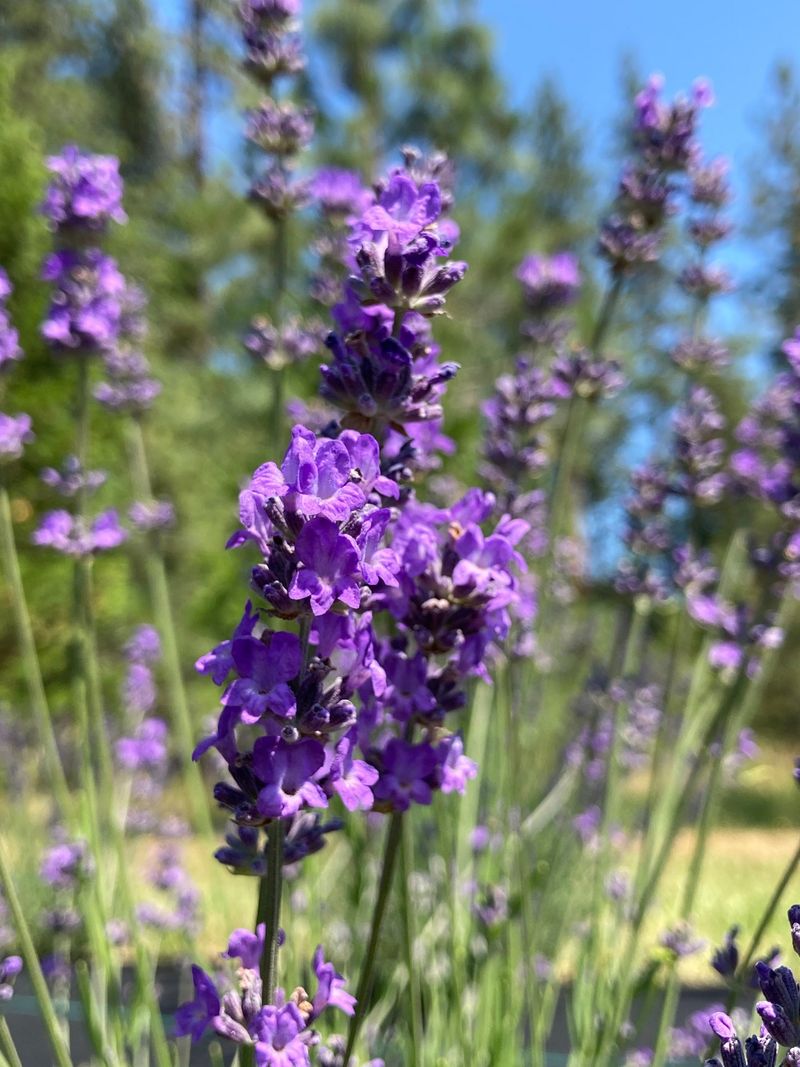
Fragrance lovers often want a lavender that performs well in the garden and still holds its scent after cutting, and Sachet answers that nicely. This English lavender cultivar is valued for fragrant flower spikes and a neat habit that suits smaller Pennsylvania spaces.
It gives borders that soft, intimate feeling people usually hope for when they picture a cottage-style garden.
Sunlight and drainage remain the deciding factors, so place it where rainwater never lingers around the crown. A path edge, herb bed, or raised border is often more successful than a flat, heavily amended flower bed.
The foliage stays attractive through much of the season, which helps keep the plant useful even between bloom cycles.
Its bluish purple flowers pair beautifully with old-fashioned roses, pink campion, and silver foliage plants. That combination feels layered and personal, especially near a porch or side yard where the scent can be noticed in passing.
If you enjoy drying stems for drawers or linen closets, this cultivar earns its name.
Cut flowers just before full opening for the best fragrance retention, then shape the mound lightly afterward. With simple care and smart placement, Sachet offers both practical harvests and the kind of gentle beauty that makes Pennsylvania outdoor spaces feel more romantic.
Melissa Lilac Lavender
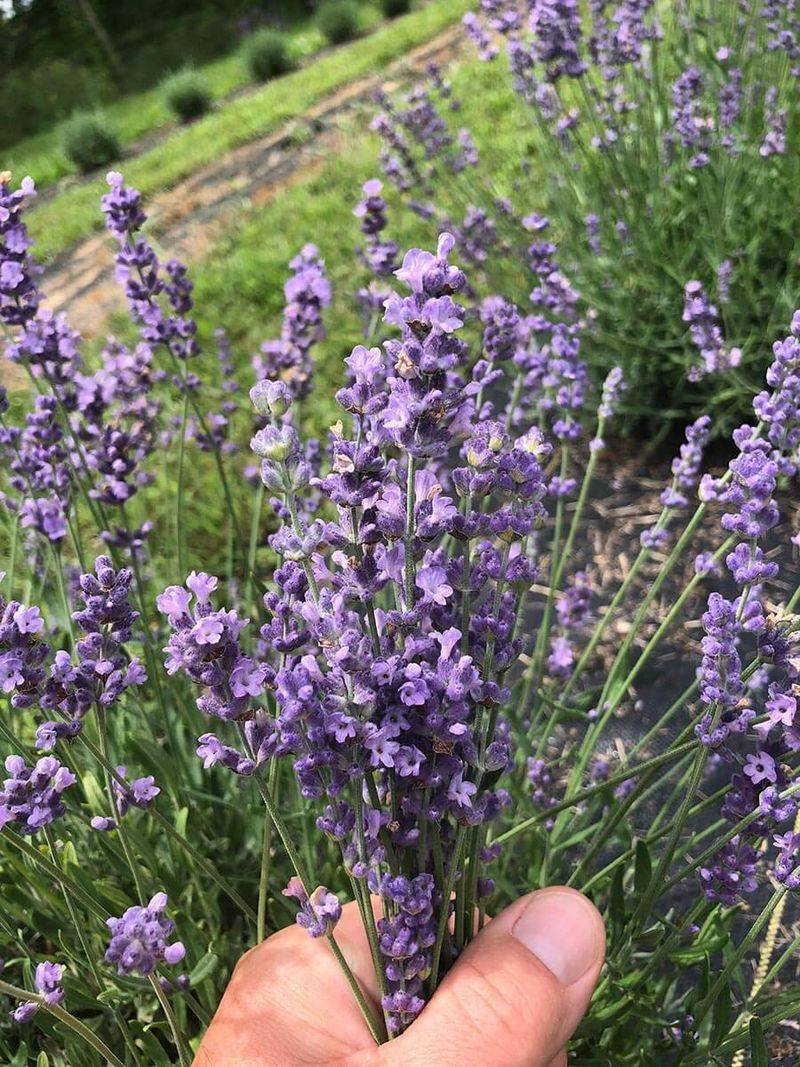
Subtle flower color can be just as powerful as bold blooms, and Melissa Lilac proves that beautifully. Its pale lilac pink tones create a softer, almost antique look that feels especially at home in romantic Pennsylvania gardens.
Instead of shouting for attention, it adds quiet charm that becomes more noticeable the longer you linger near it.
This English lavender prefers the same basics as its relatives: full sun, lean soil, and excellent drainage. Because the flower color is delicate, I like using it where people naturally pass close by, such as along front walks, near a gate, or beside a seating nook.
From a distance it is pretty, but up close it feels special.
For combinations, think in gentle shades rather than sharp contrast. White roses, pale blue salvia, silver thyme, and blush dianthus all reinforce the soft palette without overwhelming it.
The result is a border that feels relaxed, personal, and slightly vintage in the best possible way.
As with most lavender, avoid heavy feeding and cut back lightly after flowering to keep the mound dense. If your garden already has plenty of strong color, Melissa Lilac can act like a visual pause, bringing fragrance and tenderness to the planting without making the space feel busy.
Imperial Gem Lavender
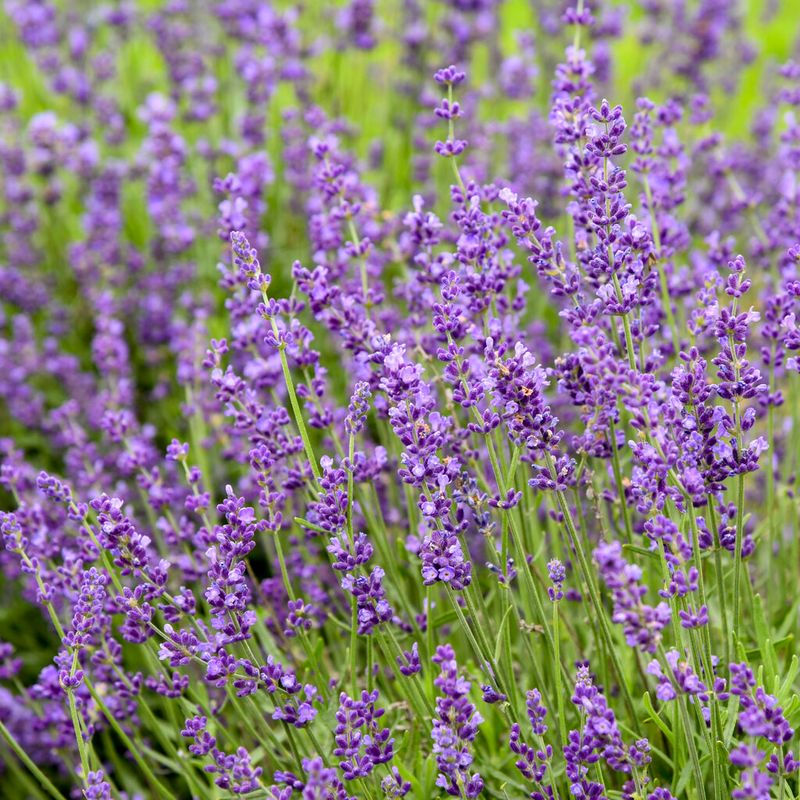
Compact structure can make a small garden feel finished, and Imperial Gem is especially useful for that reason. This English lavender forms a neat mound topped with deep violet blooms, giving you strong color without an oversized footprint.
In Pennsylvania yards where space is limited, that balance can be exactly what a border or walkway needs.
Like most lavenders, it performs best where sun is abundant and the soil drains quickly after rain. A narrow front bed, sunny foundation planting, or raised herb garden suits it better than crowded mixed borders with thirsty neighbors.
Keeping nearby irrigation low helps preserve the dry conditions this plant prefers.
The deep blooms create a lovely contrast with pale stone, soft pink roses, and white flowering annuals tucked between perennials. That mix feels romantic but still organized, which is useful if you want charm without a loose, messy look.
Because the plant stays relatively tidy, it also works well in repeated rows along paths.
Harvesting a few stems for small bouquets will not ruin the shape, and it gives you a way to bring the fragrance indoors. A yearly trim after bloom keeps the mound dense and prevents excess woodiness, helping Imperial Gem remain one of the most dependable elegant choices for Pennsylvania gardens.
Phenomenal Lavender
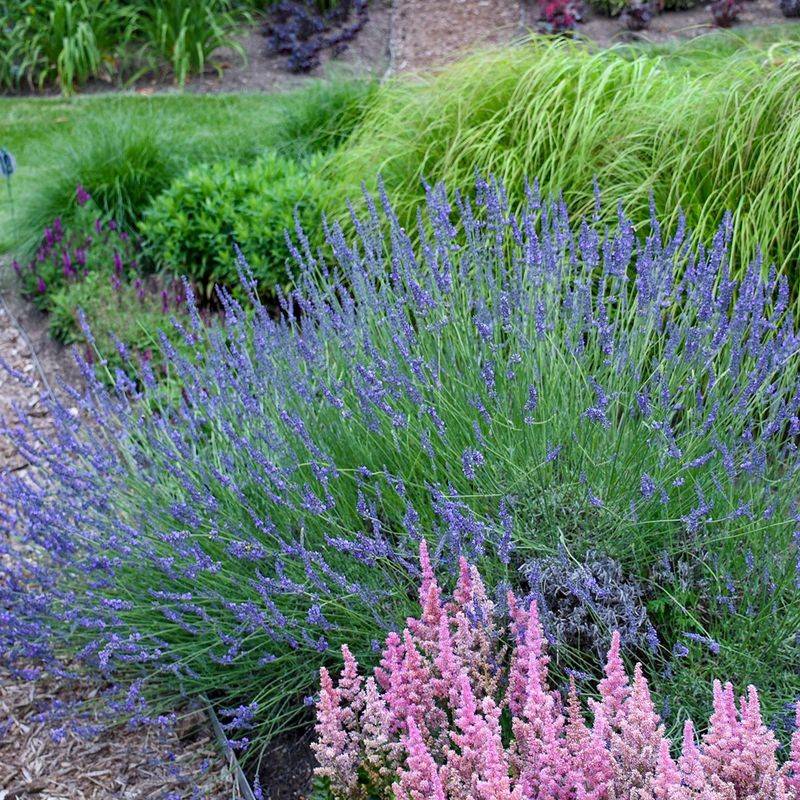
When Pennsylvania winters turn unpredictable, Phenomenal lavender earns its place without much convincing. This variety is loved for sturdy stems, silvery foliage, and flower spikes that hold their shape beautifully through heat and humidity.
If you want that soft, romantic haze along a path or patio edge, it gives you plenty of color without looking fussy.
The fragrance is rich and clean, and the plant keeps a nicely rounded form as it matures. Good drainage still matters, but this one is often more forgiving than many gardeners expect.
Tucked into sunny borders, it brings that relaxed cottage feeling so many outdoor spaces need.
Royal Velvet Lavender
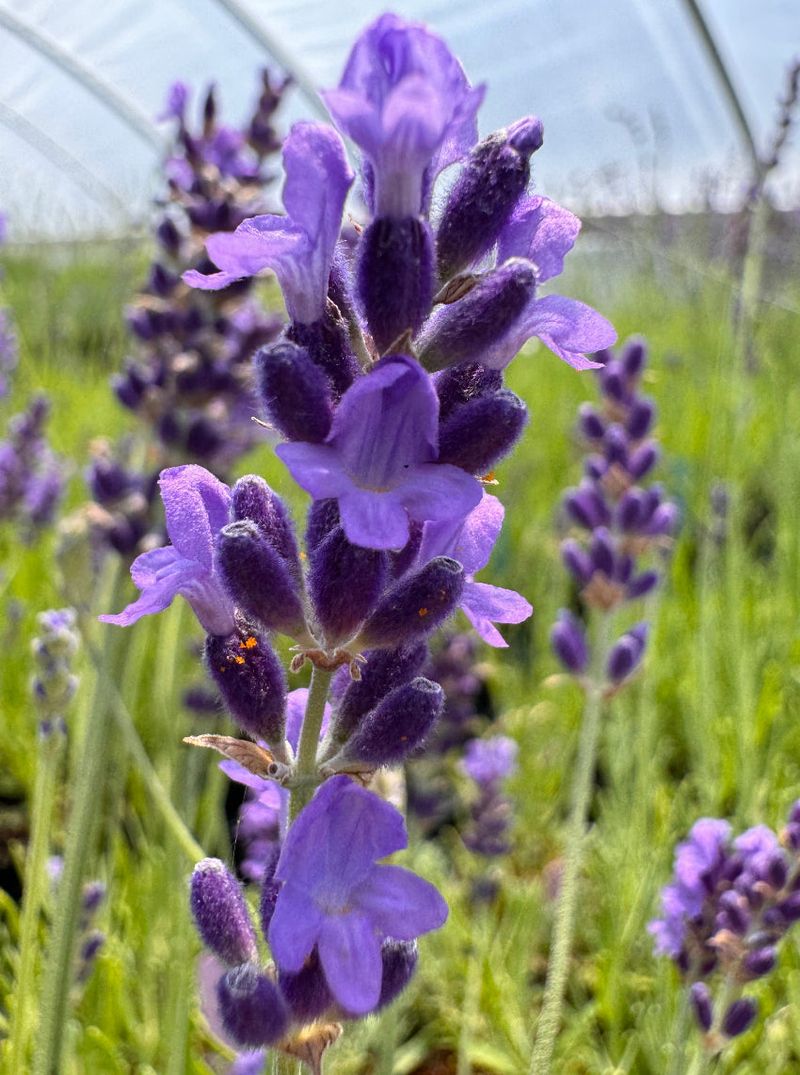
Royal Velvet lavender leans a little moodier, and that deeper bloom color can make a Pennsylvania planting feel instantly more dramatic. The flower spikes rise above neat gray-green foliage, giving borders a polished look that still feels relaxed and romantic.
I especially like how it pairs with pale roses, white daisies, or weathered stone for that old garden charm.
Its stems are useful for drying, so you get beauty outside and something fragrant to bring indoors later. In full sun with sharp drainage, it settles in well and rewards you with a long, colorful show.
Near seating areas, it adds elegance and calm.